Stored
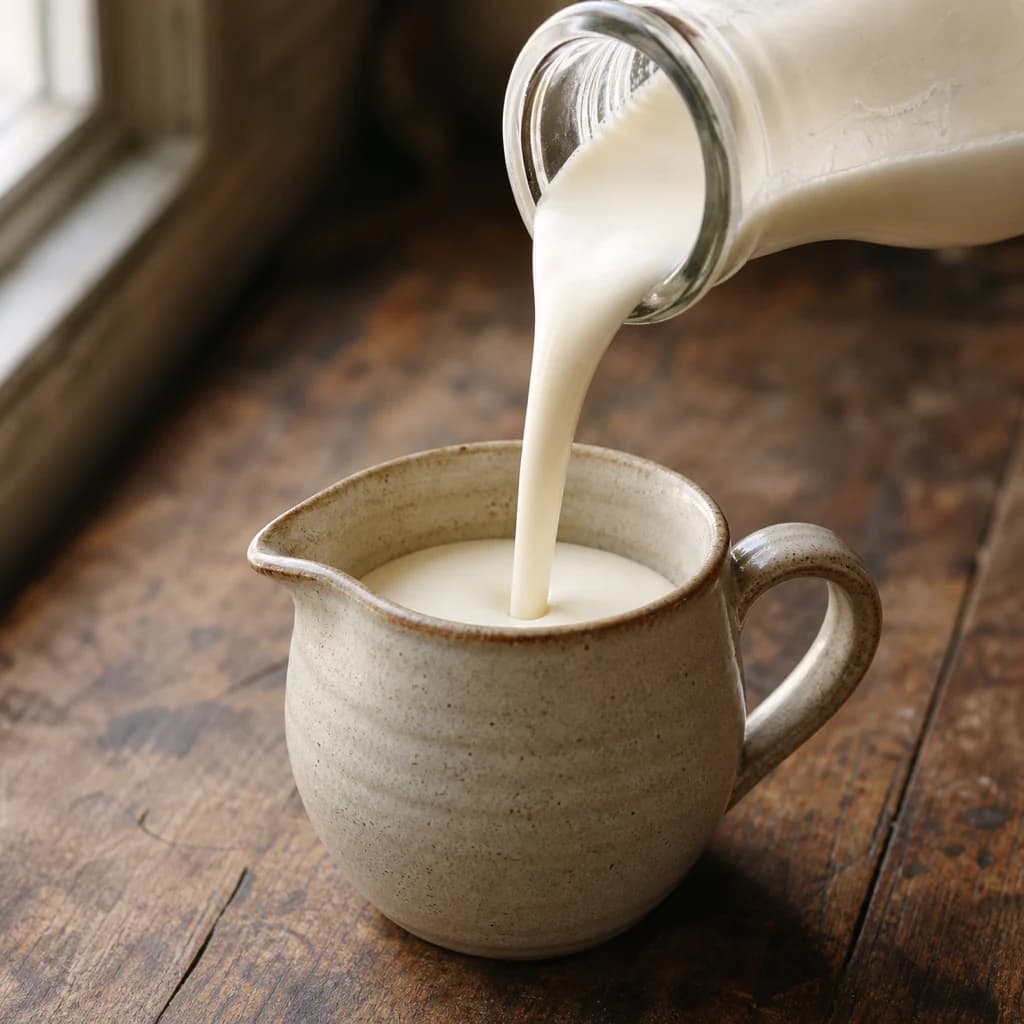
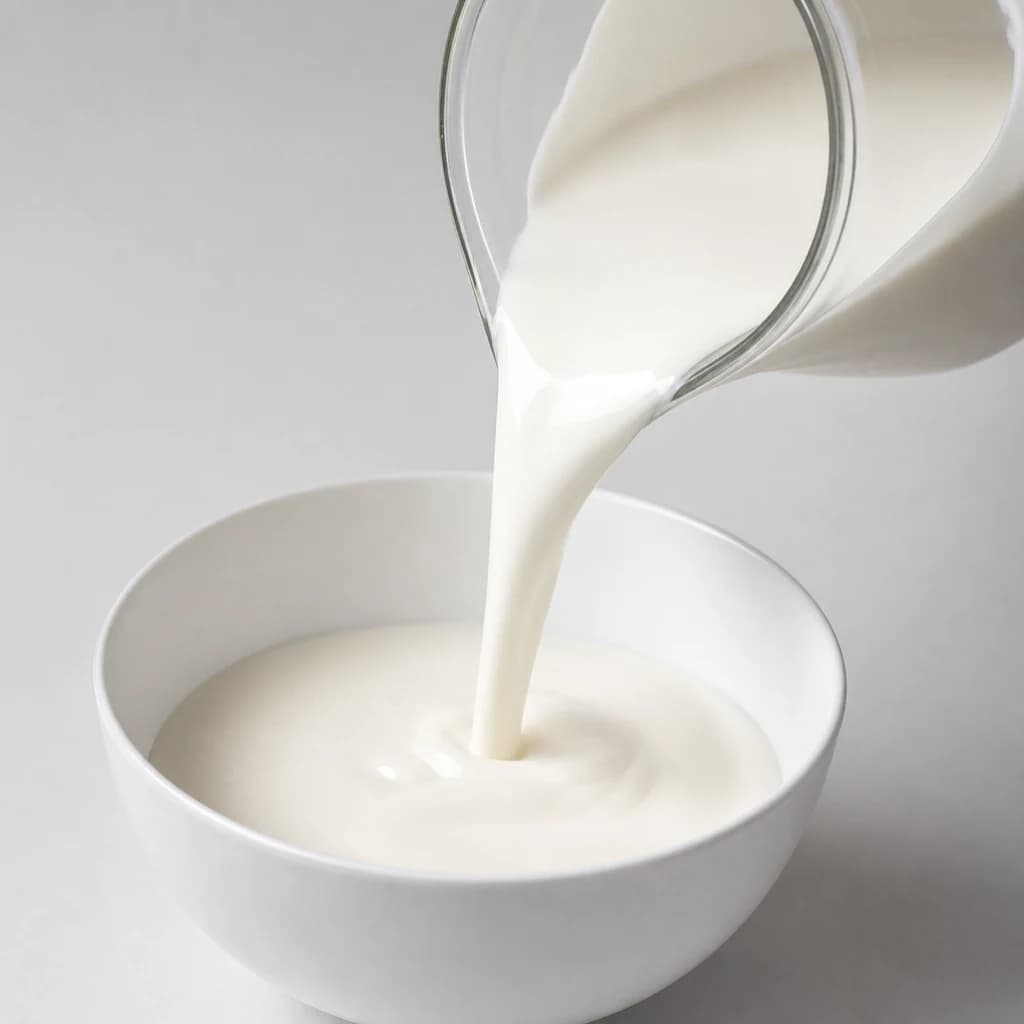
Heavy whipping cream poured from a glass bottle, showing its thick, ivory flow.
Shows cream in its most common purchased form — liquid, pourable, high-fat — so readers immediately recognize it on a store shelf.
Dairy & Eggs
Cream
Rich high-fat dairy layer used to enrich sauces, soups, desserts, and whipped toppings.
Cream is the fat-rich portion of milk, ranging from pourable table cream to thick whipping cream. It enriches sauces and soups, is whipped for desserts, and adds body to curries and coffee. The fat content determines whether it can be whipped or will hold up to boiling without splitting.
Cream is the rich, golden layer of milk fat that rises to the surface when whole milk is allowed to rest, or is separated mechanically through centrifugal force. It is the primary vehicle for dairy richness in cooking, and its behavior in the kitchen is almost entirely determined by its butterfat content. The higher the fat, the more stable the emulsions, the better the whip, and the richer the mouthfeel in sauces and soups. At its core, cream is an emulsion of fat droplets suspended in the water phase of milk, stabilized by milk proteins—and it is this structure that allows it to aerate into foam, thicken without starch, and carry fat-soluble flavors throughout a dish. Fresh cream has a neutral, faintly sweet flavor that lets other ingredients shine while delivering luxurious body. Cultured creams like crème fraîche add lactic tang and natural stability through beneficial bacteria, making them indispensable in applications where sweet cream would break.
- Measured in
- ml
- Storage
- Fridge
Allergens
Types & varieties
36–40% butterfat. The standard for cooking and whipping. Most versatile; used for sauces, soups, whipped toppings, and baking.
30–36% butterfat. Whips well but slightly less stable than heavy cream. Good all-purpose choice for whipped toppings.
18–30% butterfat. Will not whip reliably. Used for coffee, light sauces, and pouring over desserts.
10–18% butterfat. Cannot be whipped. Used in coffee, lighter sauces, and as a pouring cream.
48%+ butterfat, UK standard. Extremely rich; spreads like softened butter. Excellent for scones and no-bake applications.
55–60% butterfat, traditional Devon and Cornwall product. Heat-treated slowly. Spreadable, rich, slightly nutty. Pairs with scones and jam.
30–45% butterfat, cultured. Tangy, thick, stable when heated. Will not curdle easily in acidic or hot preparations.
18–20% butterfat, cultured. Tangy, thick texture. Used in dips, dressings, and finishing. Withstands baking better than sweet cream.
Light cream that has been cultured for slight tang. 18–20% fat. Good for coffee and lighter applications.
Ultra-high temperature processed. Shelf-stable until opened. Slightly cooked flavor; works for cooking but not ideal for whipping.
Common uses
Tips & pitfalls
- Always use cold cream (below 45°F/7°C) when whipping; the fat emulsifies better and whips faster to a more stable foam
- Add a pinch of cream of tartar or a few drops of lemon juice when whipping to stabilize the foam and prevent weeping
- Do not overwhip—stop at soft peaks; beyond that, fat clumps into butter and buttermilk separates
- For firm peaks suitable for piping, add 1 tablespoon powdered sugar per cup of cream before whipping
- When adding cream to hot sauces, temper it first by whisking in a spoonful of hot liquid to prevent curdling
- Do not boil cream-based sauces after adding dairy; high heat causes curdling or breaking
- Crème fraîche and sour cream are more heat-stable than sweet cream due to lower pH and bacterial cultures
- For stable whipped cream that holds shape for hours, add 1 teaspoon unflavored gelatin bloomed in 1 tablespoon water per cup of cream
- Frozen cream does not thaw well for whipping; the fat emulsion breaks and results in grainy texture
- To prevent skin on refrigerated cream, press plastic wrap directly onto the surface before sealing
- Clotted cream cannot be whipped but spreads directly on baked goods; use it as you would a soft butter
- Sour cream and crème fraîche can be thinned with milk or lemon juice for dressings and sauces without losing their tang
Nutrition
Energy
816 kJ · per 100 g
Where the calories come from
Protein
3g
6% DV
Carbs
3.7g
1% DV
Fat
19.1g
24% DV
Fiber
0g
0% DV
Sugars
3.7g
of which
Sodium
72mg
3% DV
Source · USDA FoodData Central · Cream, fluid, light (coffee cream or table cream)
View on FDC →In the shops
Matched grocery products
No matched grocery products for Cream yet.
Good to know
- Source
- Dairy product separated from whole milk by gravity or centrifugal separation
- Primary Component
- Milk fat (butterfat) droplets emulsified in a water phase with milk proteins
- Fat Content Range
- 10% (half and half) to 60%+ (clotted cream) depending on variety
- Key Characteristic
- Fat droplets whip into stable foam when aerated; fat content determines stability and richness
- Acidity
- Fresh cream: pH 6.5–6.7; cultured products: pH 4.4–4.6
- Storage
- 32–40°F (0–4°C); use within 2–3 days of opening; do not freeze whipped cream
- Heat Stability
- Cultured creams resist curdling better than sweet cream due to lower pH and bacterial cultures
Substitutes
- Butter + Whole Milk (1:1 ratio by weight) — For baking. Melt butter and whisk with milk. Simulates richness but not the same fat content or functionality.
- Coconut Cream — Full-fat coconut milk solid. Good for vegan applications. Slightly coconut-flavored; works in both sweet and savory dishes.
- Evaporated Milk — Canned, shelf-stable. Lower fat but concentrated. Works in some savory applications; does not whip or work in desserts.
- Cashew Cream — Blended soaked cashews with water. Vegan substitute for rich, creamy texture in sauces and soups. Neutral flavor.
- Greek Yogurt — For finishing sauces. Tangier, thicker. Can curdle in high heat; add off-heat or use crème fraîche for heat stability.
- Silken Tofu (blended) — Vegan substitute for creamy texture. Works in soups and sauces; does not whip or caramelize like cream.
Pairs with
Also called
Nata · Table Cream · Creme de Leite · Fresh Cream · Malai · Heavy Cream
Appears in these dishes

Related

Whole Milk
Rich, full-fat milk for drinking, coffee, sauces, and baking
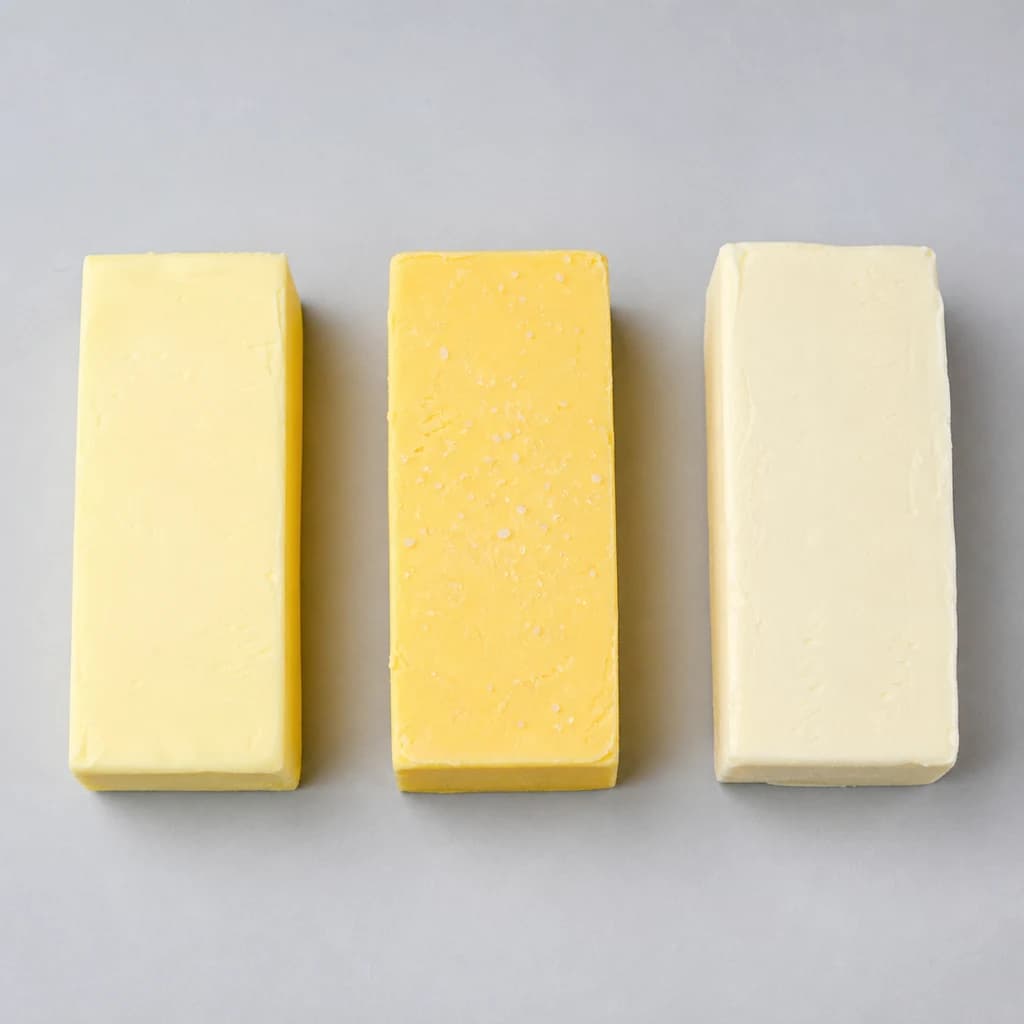
Butter
Golden fat for searing, baking, and finishing a sauce
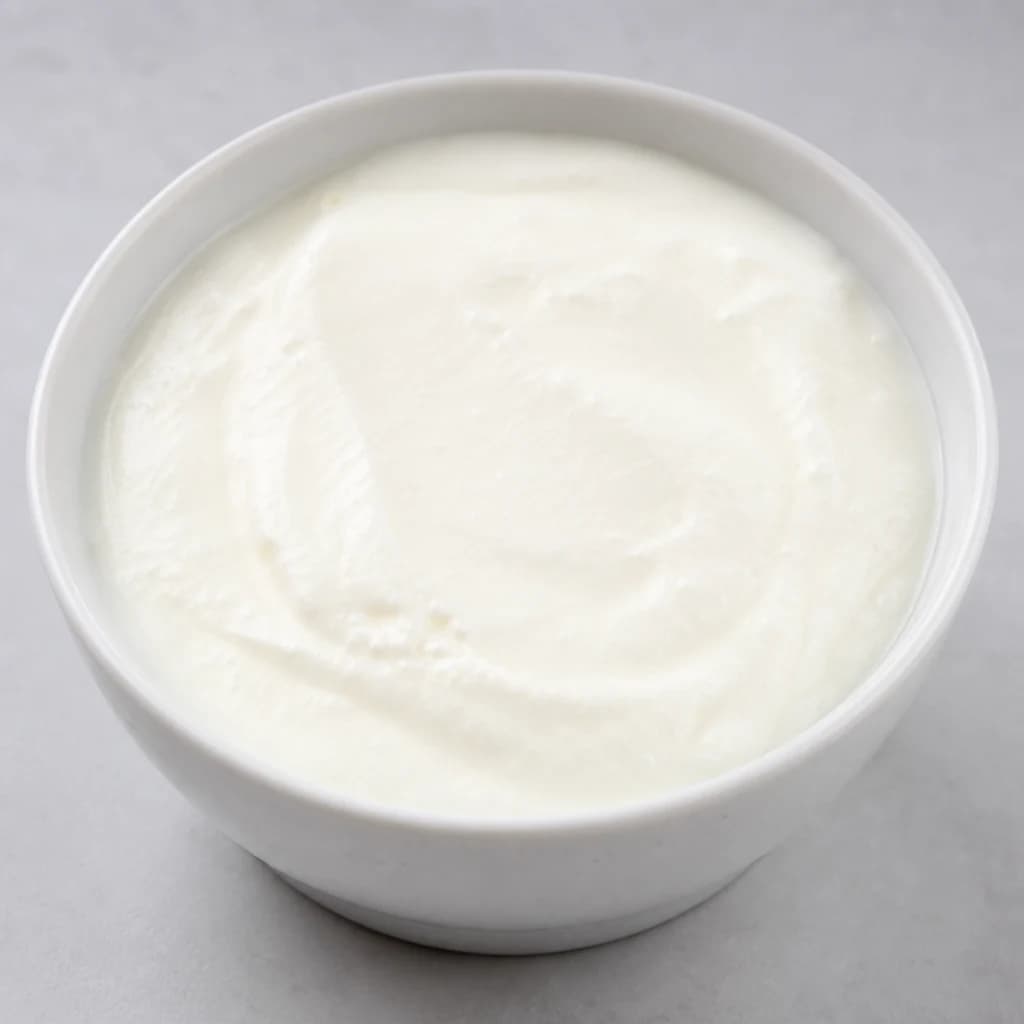
Yogurt
Tangy, creamy culture for breakfast, sauces, and marinades
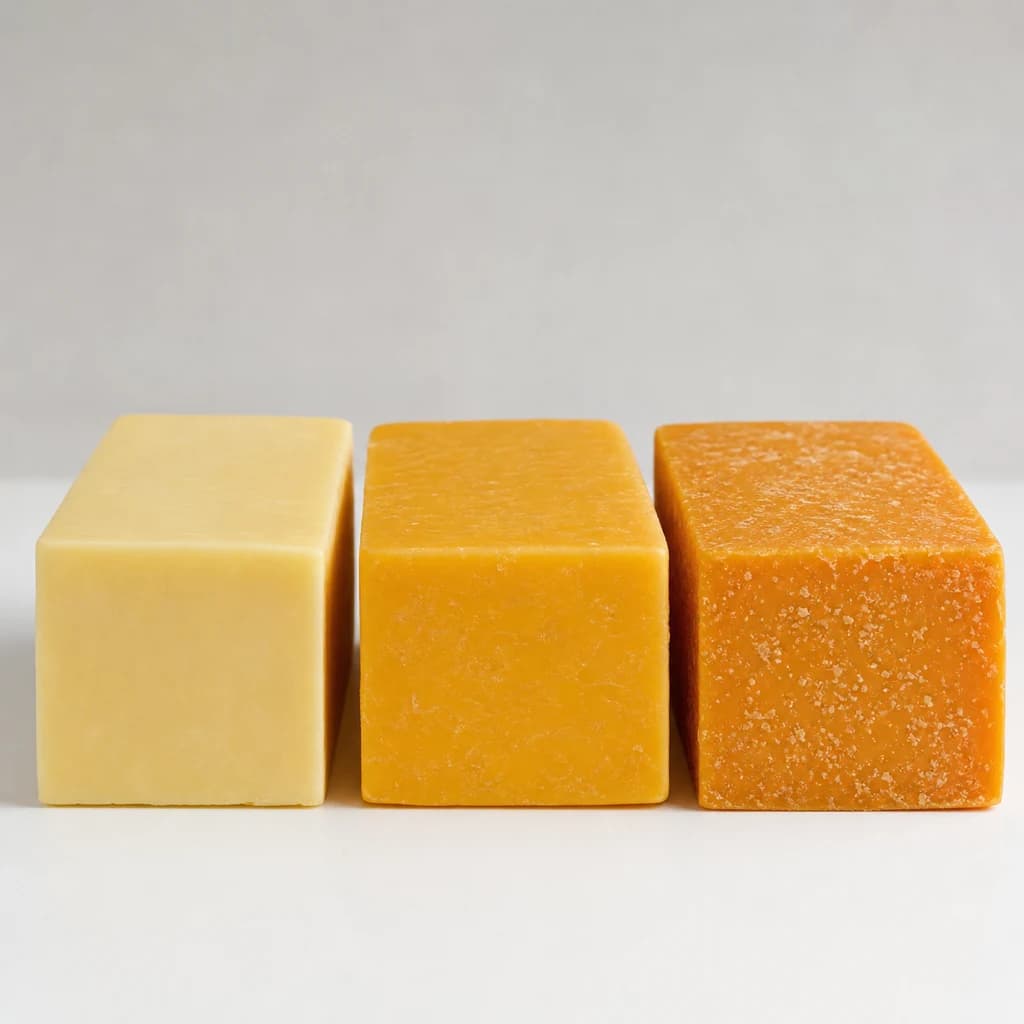
Cheddar Cheese
Sharp, melty cheese for sandwiches, gratins, and grating
Skim Milk
Fat-free milk for lighter drinking, coffee, and cooking
Heavy Cream
Rich cream that whips, enriches sauces, and sets ganache

Sour Cream
Tangy, thick cream for dolloping, baking, and dips
Mozzarella
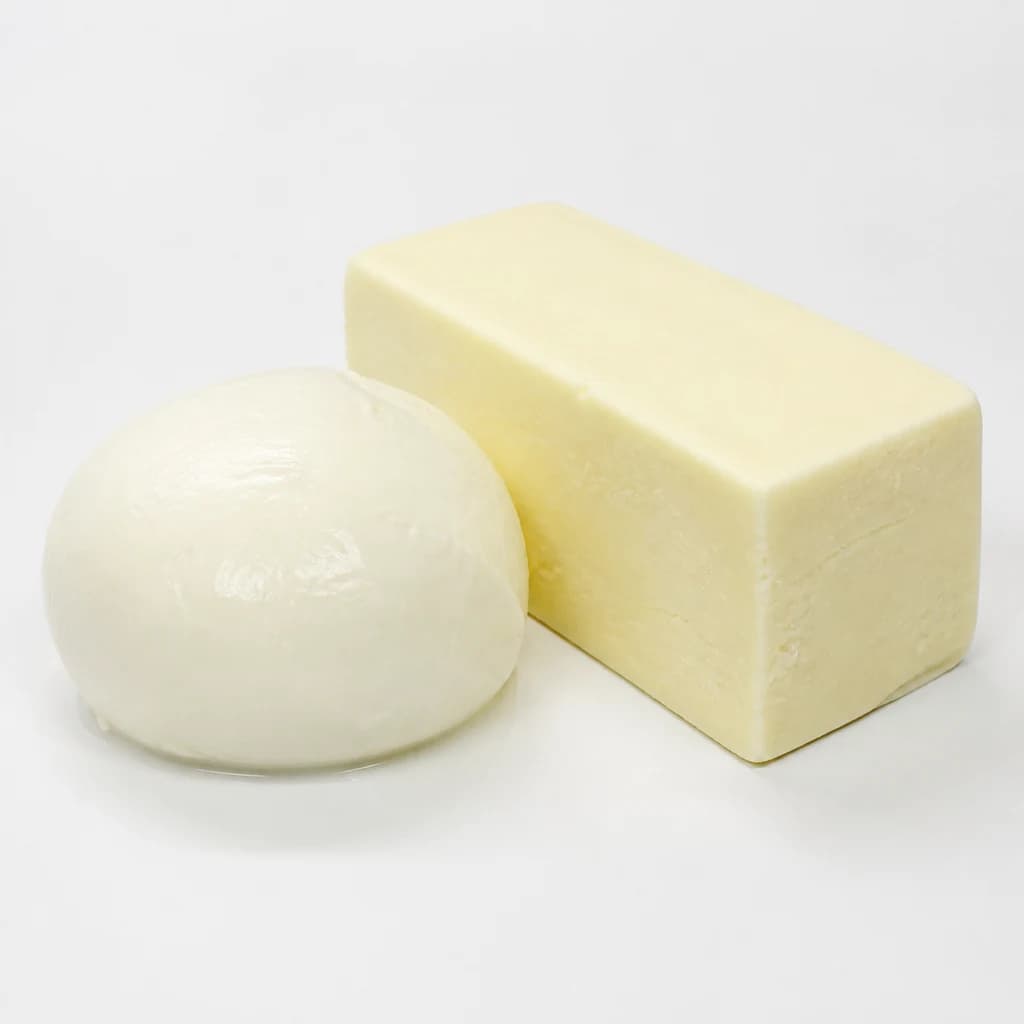
Soft, milky cheese that melts into stretchy pizza pulls