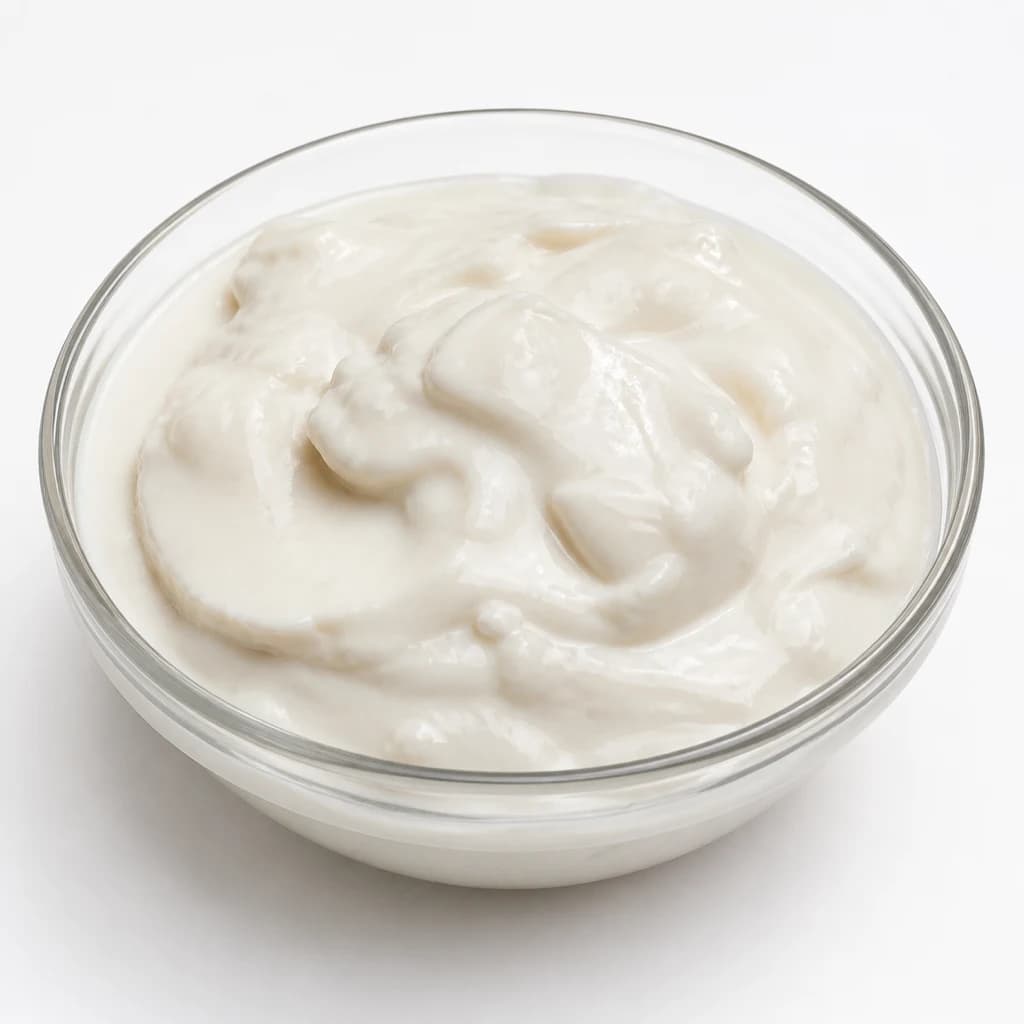
Natural form
Coconut cream in a clear glass bowl showing its thick, dense, ivory-white texture.
Shows the defining physical trait of coconut cream — its exceptional thickness and ivory opacity — distinguishing it from thinner coconut milk at a glance.
Sauces & Pastes
Coconut Cream
Thick, rich cream skimmed from coconut milk, used to enrich curries, sauces, and desserts.
Coconut cream is the dense, high-fat layer separated from coconut milk, with a luxurious texture and pronounced coconut flavor. It enriches curries, sauces, and braises and is whipped or set into desserts across Southeast Asia, the Caribbean, and the Pacific. Thicker and less watery than coconut milk, it adds body and sweetness to both savory and sweet dishes.
Coconut cream is the rich, concentrated liquid extracted from mature coconut meat—the first press that yields the thickest, most fat-laden portion. Unlike coconut milk, which is the diluted second press, coconut cream contains 20–25% fat, giving it a luxurious body and silky texture that stands up to bold seasonings. It is a foundational ingredient throughout Southeast Asia and the Pacific, forming the backbone of Thai curries, Indonesian satay sauces, Filipino custards, and countless other dishes. The high fat content means coconut cream behaves more like dairy heavy cream in cooking—it enriches sauces, provides emulsification for dressings, and can be whipped into a stable, fluffy topping when properly chilled. Commercially, it is almost always sold in cans, though fresh cream pressed from whole coconuts is worth seeking out for dishes where coconut flavor is the star. Always check the fat percentage on nutrition labels, as some manufacturers blur the terms.
- Measured in
- ml
- Storage
- Pantry
Allergens
Types & varieties
Unsweetened and thick; most common commercially. Brands vary in thickness—Aroy-D and Chaokoh are widely used in professional kitchens.
Thicker than standard canned cream; less water content; often used for making coconut butter or frozen desserts.
Pressed from freshly grated coconut meat; superior flavor for Thai curries; perishable within 1–2 days refrigerated.
Dehydrated form; reconstitute with water; useful for emergency stock; flavor is noticeably inferior to fresh or canned.
Lower fat version; not a true substitute for full-fat cream in cooking—use only when specified.
Coconut Cream vs. Coconut Milk: Why the Difference Matters
The terms are often used interchangeably on packaging, but they describe distinct products with different fat contents and culinary behaviors. Coconut cream is the concentrated first press at 20–25% fat—it is thick enough to coat a spoon. Coconut milk is the diluted second press at 10–17% fat and pours like half-and-half. This is not a minor distinction: substituting coconut milk for coconut cream in a Thai massaman curry will produce a thinner sauce that fails to coat the meat properly, while using cream in place of milk in a smoothie adds excess richness and may overwhelm lighter flavors. When a recipe specifies one, use the other only with intentional adjustments such as reducing the thinner liquid to concentrate it. Always verify the fat percentage on nutrition labels when accuracy matters.
- Coconut cream: 20–25% fat, first press, thick and rich
- Coconut milk: 10–17% fat, second press, pourable
- Some manufacturers label coconut milk as "coconut cream"—check the nutrition facts
The "Cracking" Technique in Thai Curry
In traditional Thai curry preparation, coconut cream is used as the cooking medium for frying the curry paste—no oil required. The technique, called "cracking," involves heating coconut cream in a wok or skillet until the fat separates from the liquid and the paste fries in that fat. You will see the surface become glossy and the bubbling change character as the moisture cooks off. This step blooms the dried spices and aromatics in the paste, develops complex flavors, and prevents the finished curry from curdling when additional liquid is added. Skipping this step produces a muddy, underwhelming result where the paste tastes raw and the sauce lacks depth. Use coconut cream alone for this technique, not coconut milk, because the higher fat content is what allows proper separation.
- Heat cream in wok over medium-high heat until fat separates and surface looks glossy
- Fry paste in the separated fat, stirring constantly, 2–4 minutes
- Add remaining liquid only after paste is fragrant and oil has risen to surface
Common uses
Tips & pitfalls
- Do not substitute coconut milk for coconut cream—cream is roughly 50% thicker and will change recipe ratios and final texture.
- Shake or stir canned cream before use; natural separation occurs and water settles at the bottom of the can.
- To whip coconut cream: chill the unopened can overnight, scoop only the solid cream (discard the liquid), and whip with sweetener until fluffy, 3–5 minutes.
- For Thai curry paste fry-off: use coconut cream alone to fry the paste until it "cracks" and fat separates—this blooms the spices and prevents curdling.
- Heat gently when using cream as a sauce base; high heat can cause separation. Add acid (lime juice) off the heat, not at the beginning.
- If a recipe calls for light coconut cream and only standard is available, simmer standard cream until reduced by 20–25% to approximate consistency.
- Refrigerate opened coconut cream in a sealed container; a thin skin may form—skim it off or stir it back in before using.
- Store unopened cans upside down in the pantry; this keeps contents uniformly mixed and prevents separation.
Nutrition
Energy
1381 kJ · per 100 g
Where the calories come from
Protein
3.6g
7% DV
Carbs
6.7g
2% DV
Fat
34.7g
44% DV
Fiber
2.2g
8% DV
Sodium
4mg
0% DV
Source · USDA FoodData Central · Nuts, coconut cream, raw (liquid expressed from grated meat)
View on FDC →In the shops
Matched grocery products
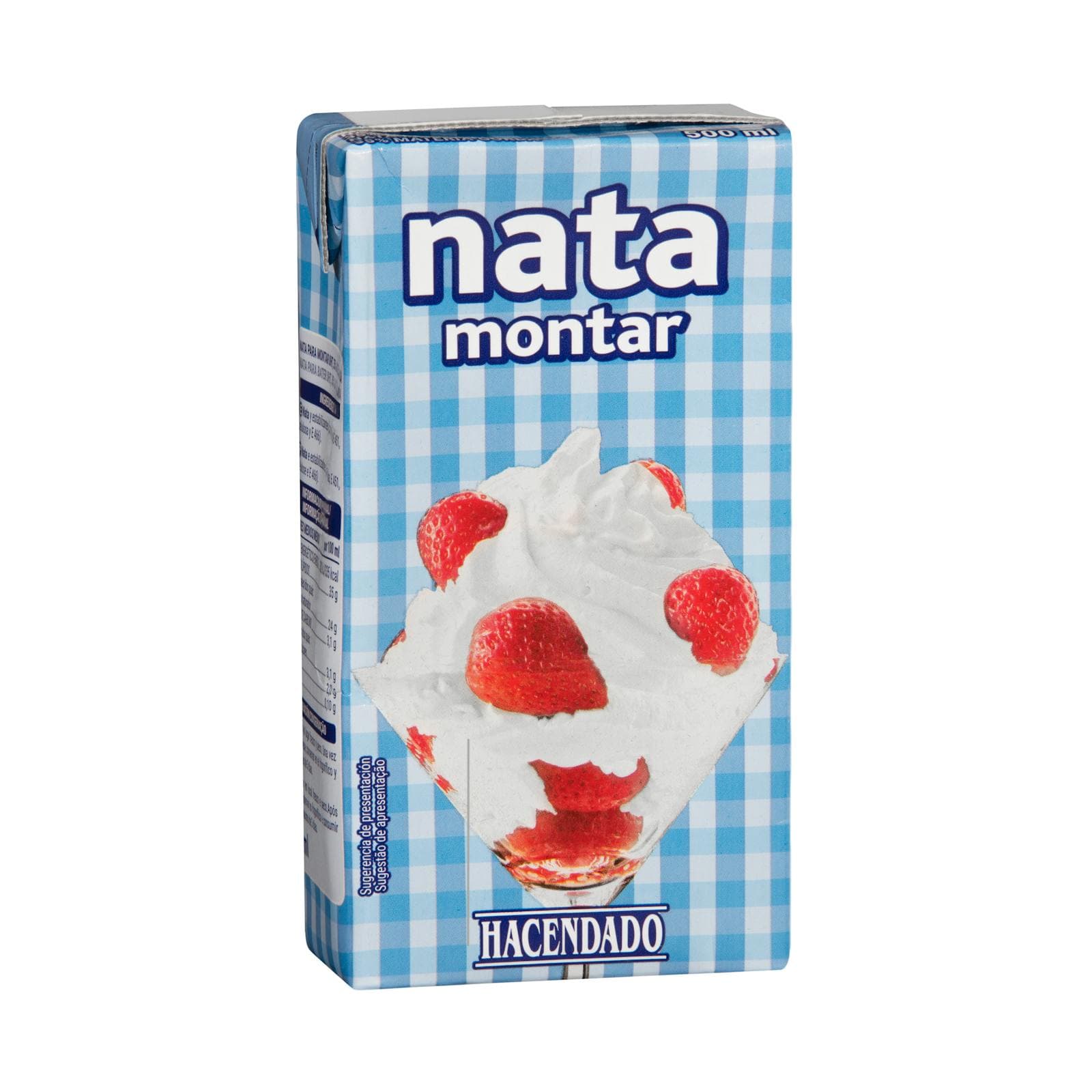 €1.95
€1.95Whipping Cream
Hacendado · 0.5 L · Mercadona
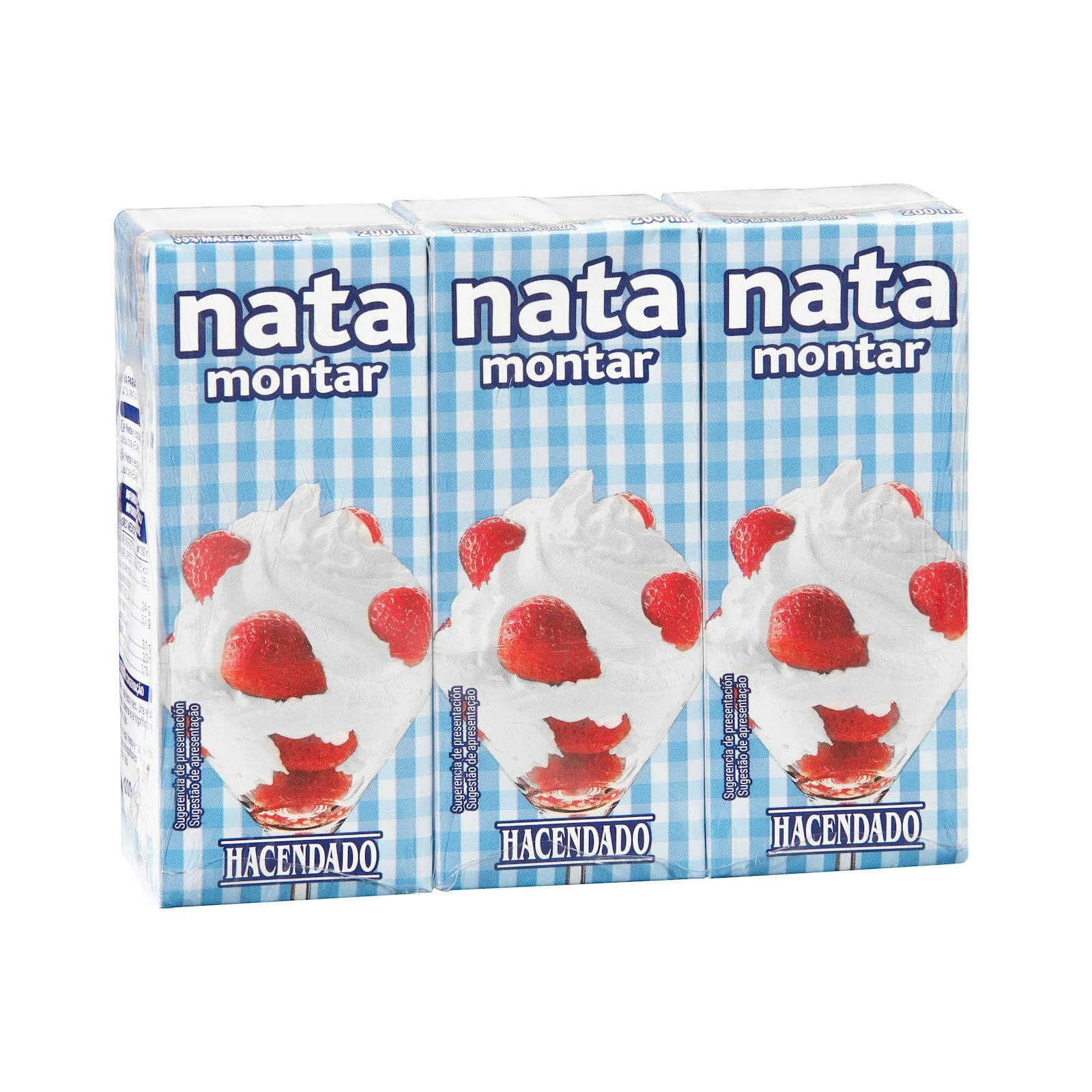 €2.25
€2.25Whipping Cream
Hacendado · 0.6 L · Mercadona
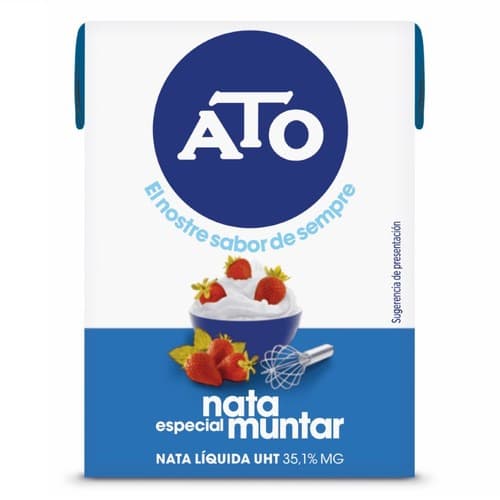 €1.45
€1.45ATO UHT Whipping Cream
ATO · l · Bonpreu
 €2.49
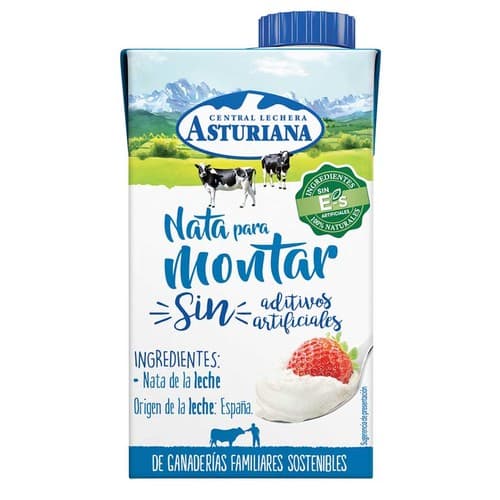
€2.49Asturiana Liquid Whipping Cream
ASTURIANA · l · Bonpreu
 €2.15
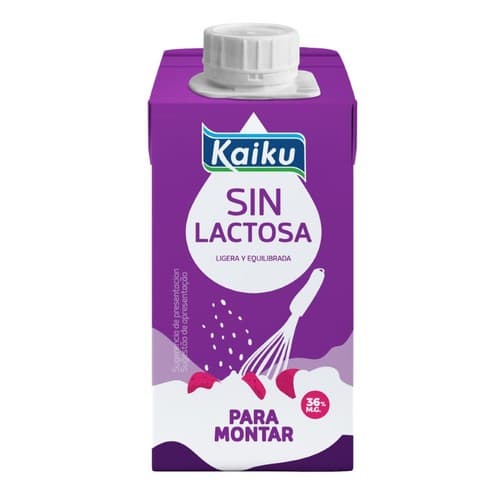
€2.15Kaiku Lactose-Free Whipping Cream
KAIKU · l · Bonpreu
Good to know
- Source
- First press of mature coconut meat; rises to top of coconut milk or pressed directly from grated coconut
- Fat Content
- 20–25% (significantly higher than coconut milk at 10–17%)
- Primary Use
- Enriching curries, sauces, soups, and desserts; dairy-free heavy cream substitute
- Form
- Fresh (pressed from coconut), canned (unsweetened, shelf-stable), or concentrate (reduced moisture)
- Shelf Life (unopened)
- Canned: 2–5 years per manufacturer date; store in cool, dry place
- Shelf Life (opened)
- Refrigerate in airtight container; use within 5–7 days
- Freezing
- Freeze in ice cube trays or airtight containers for up to 3 months; thaw before use
- Dietary Notes
- Dairy-free, vegan, gluten-free; contains no lactose
- Origin
- Southeast Asia and Pacific islands; essential in Thai, Indonesian, Malaysian, Filipino, Indian, and Sri Lankan cuisines
Substitutes
- Heavy Cream — Not dairy-free; similar fat content and cooking behavior. Use 1:1 in most applications.
- Full-Fat Coconut Milk — Thinner; not ideal for sauces requiring body. Can simmer to reduce and thicken before using.
- Cashew Cream — Blend soaked raw cashews with water until smooth; similar richness and neutral flavor. Use 1:1 for soups and sauces.
- Blended Silken Tofu — Neutral flavor and creamy texture; works in smoothies and desserts. Not suitable for curries where coconut flavor is desired.
- Almond Cream — Lighter texture; works in desserts and light sauces. Nutty flavor changes the profile of the dish noticeably.
Pairs with
Also called
Thick Coconut Milk
Appears in these dishes
Related
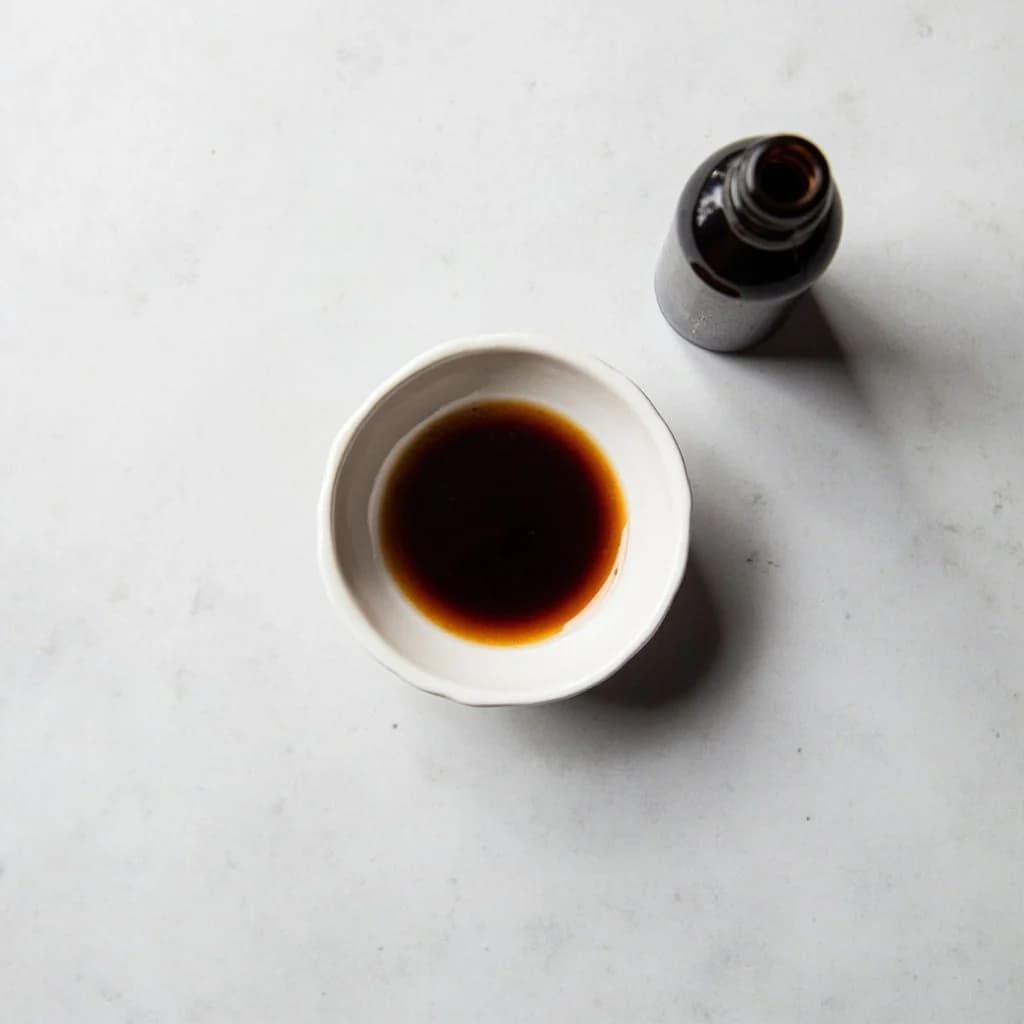
Soy Sauce
Salty, savory umami base for stir-fries and marinades
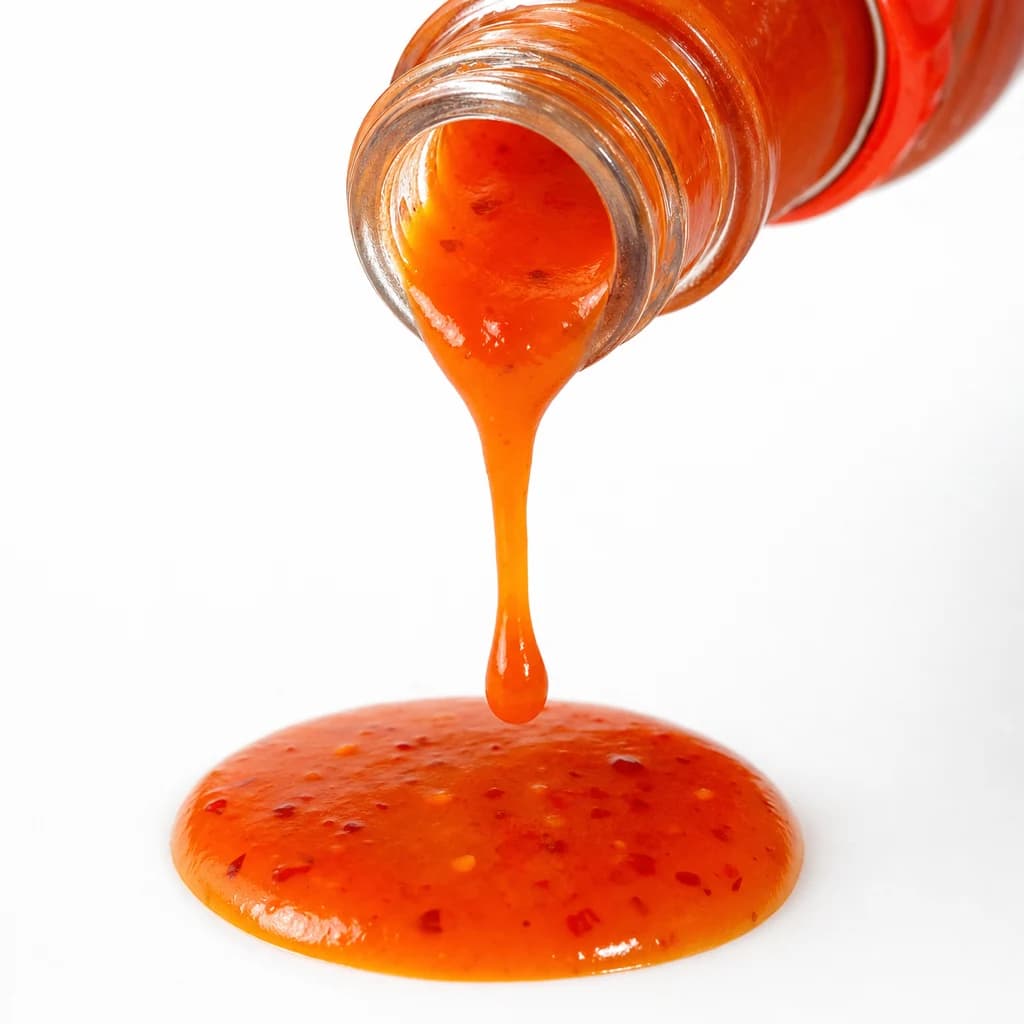
Hot Sauce
Tangy, fiery splash for eggs, tacos, and anything dull
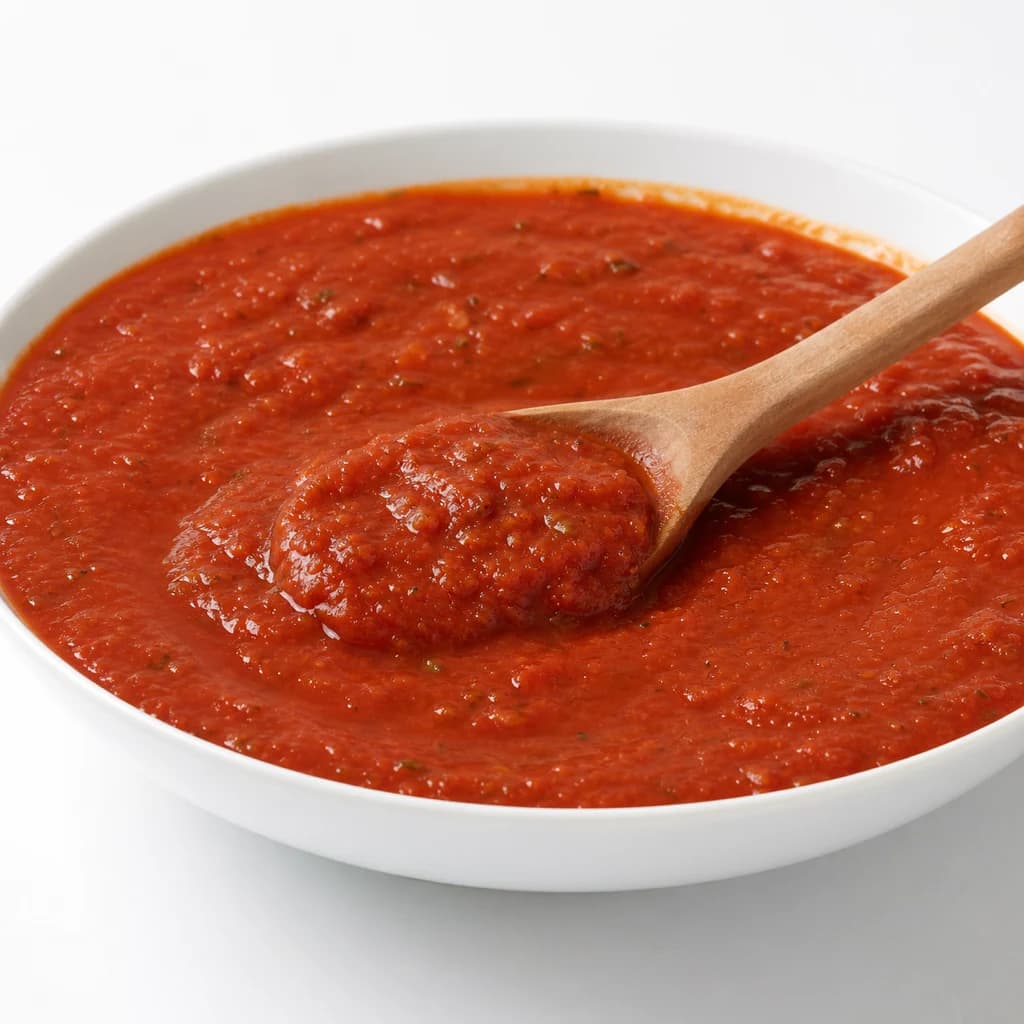
Tomato Sauce
Simmered tomato base for pasta, pizza, and braises

Barbecue Sauce
Smoky-sweet sauce for grilling, glazing, and dipping
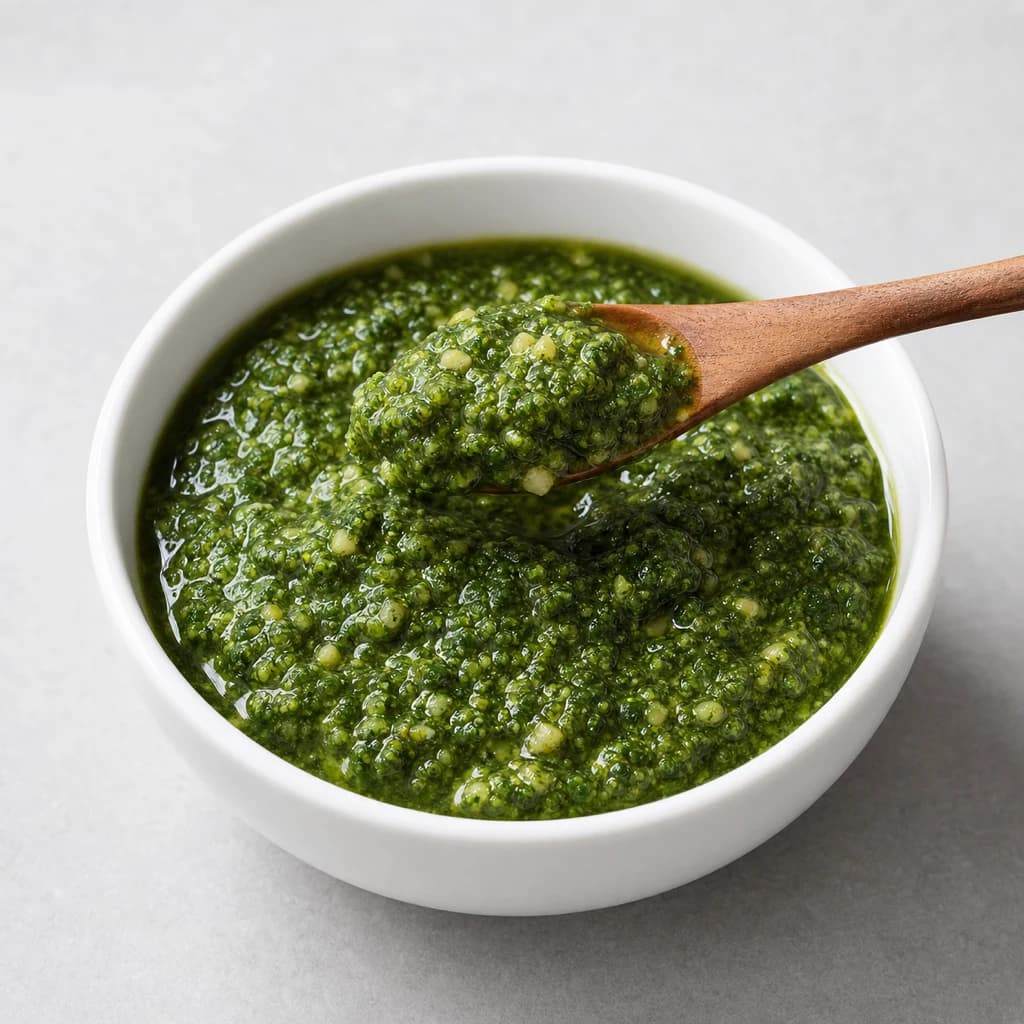
Pesto
Vibrant basil-and-pine-nut sauce for pasta and beyond

Fish Sauce
Funky, salty essence that brings deep umami to SE Asian dishes
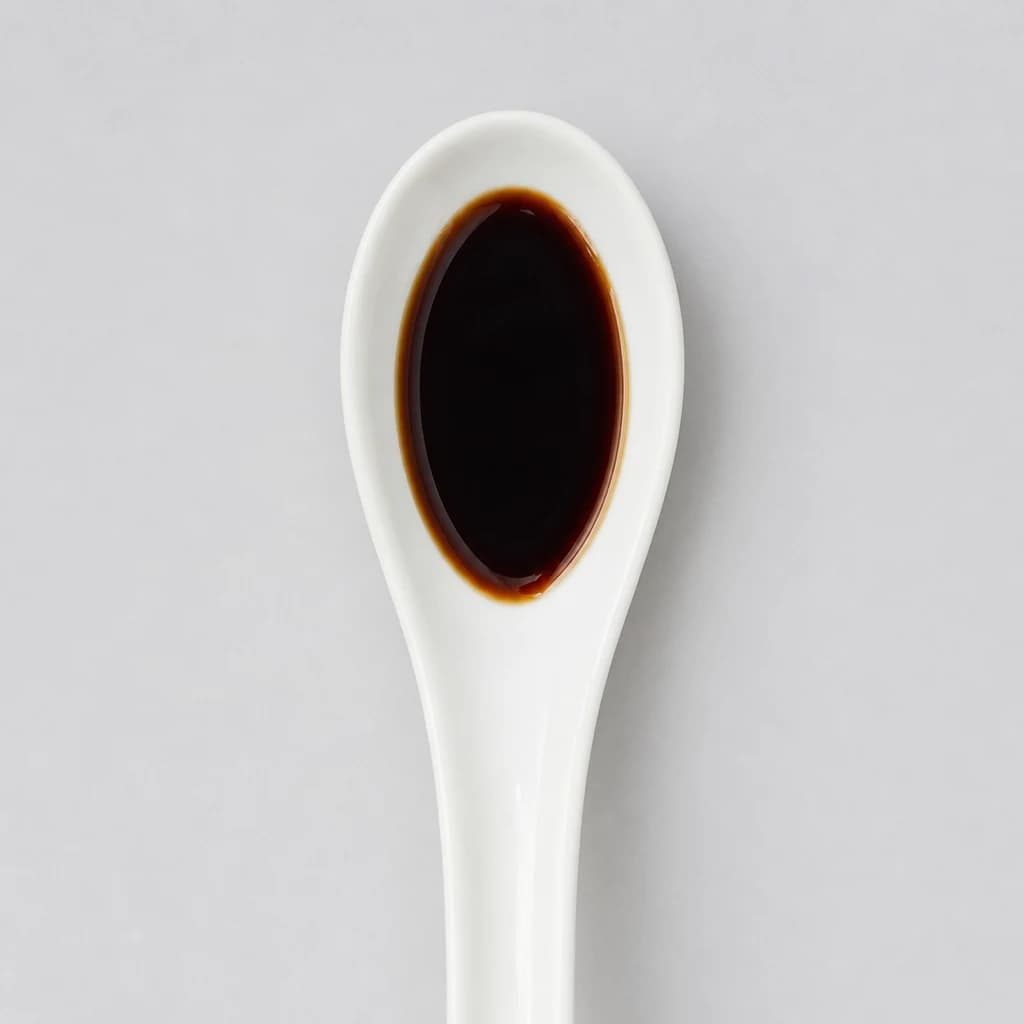
Worcestershire Sauce
Tangy, savory umami splash for marinades, stews, and Caesar

Sriracha
Garlicky chili sauce with sweet heat for drizzling and dipping