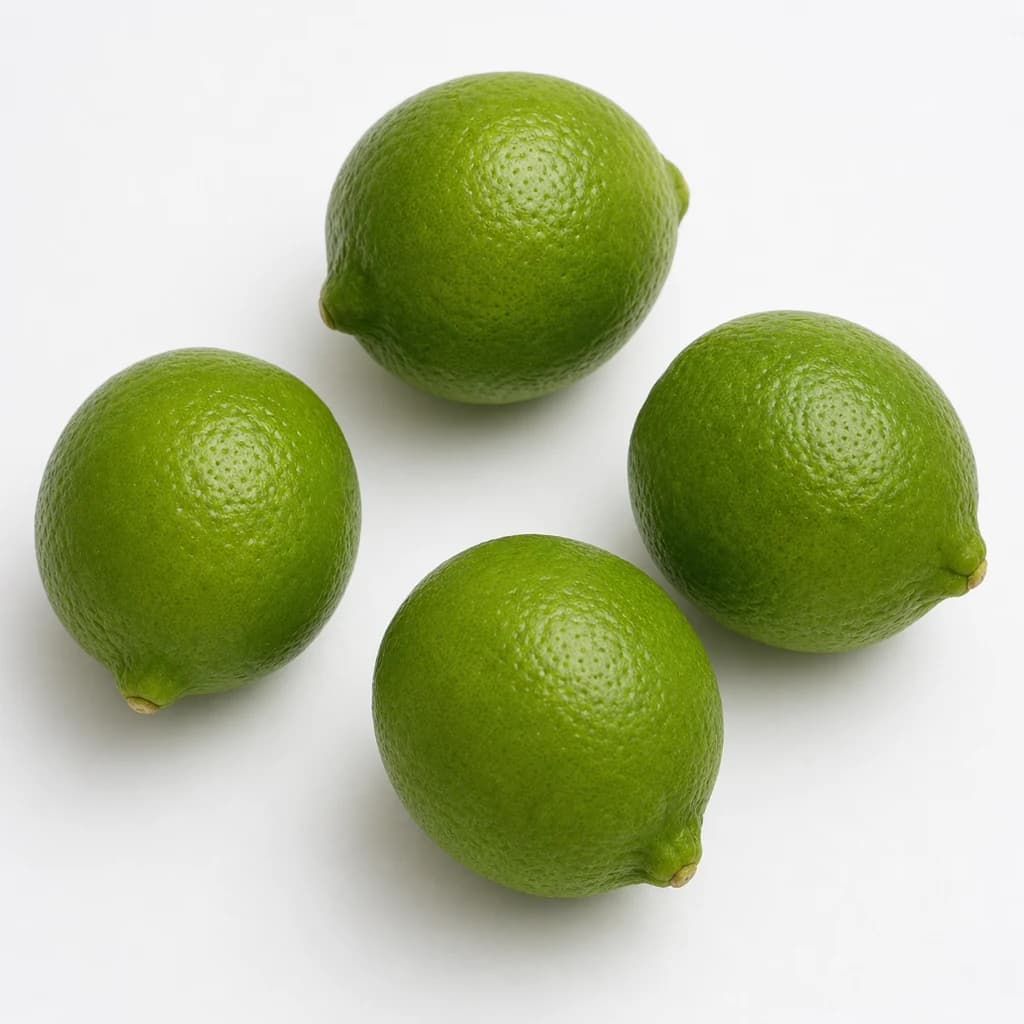
Natural form
Whole Persian limes: smooth, bright green skin, oval shape, roughly golf-ball sized.
Establishes the lime's defining visual identity — color, size, shape, and skin texture — so readers can recognize it in any context.
Produce
Lime
Sharp, tropical citrus for cocktails, salsas, and marinades
Tart and aromatic, lime brightens guacamole, marinates ceviche, and finishes a cocktail with its zesty perfume. Keep them in the fridge to last for weeks.
Lime brings a sharper, more floral and tropical acidity than lemon, with a perfume that defines Mexican, Thai, Vietnamese, and Caribbean cooking. Its tart juice cuts richness and 'cooks' raw fish in ceviche, while its zest and leaves carry intense aromatic oils. Where lemon brightens, lime adds an exotic, almost bitter edge that's essential to guacamole, a margarita, or a bowl of pho.
- Measured in
- piece
- Storage
- Refrigerate
- Shelf life
- 21 days
Find it in
Types & varieties
The common seedless, larger supermarket lime
Smaller, seedier, more aromatic and tart; for key lime pie
Bumpy skin; the fragrant leaves and zest flavor Thai cooking
Small, thin-skinned and more aromatic than common limes, with a sharper, floral tartness; the defining juice for key lime pie and many tropical cocktails.
How to choose
Heaviest, glossiest limes are juiciest. A little softness means ripe and juicy; rock-hard limes are dry. Don't be put off by yellowing or small brown blemishes on the skin — those often mark the juiciest fruit.
How to store and juice
Refrigerate in the crisper for up to a month, or keep at room temperature for about a week. Limes give little juice when cold and firm — warm them, then roll firmly before cutting, to coax out far more.
- Refrigerate to last weeks
- Room-temp and rolled for max juice
- Zest before juicing
How to use the leaves
Makrut lime leaves are a distinct ingredient: tear or finely chiffonade the glossy leaves to release a heady citrus aroma into curries and soups. They're tough, so slice them razor-thin if leaving them in, or bruise whole leaves to infuse and remove.
Common uses
Tips & pitfalls
- Add lime at the end of cooking — heat dulls its bright top notes
- For ceviche, the acid firms and opaques the fish; time it so it doesn't toughen
- Char lime halves on the grill for a smoky, mellowed squeeze
- Zest carries even more aroma than juice — use both
- Freeze juice in cubes for cocktails and quick dressings
Nutrition
Energy
126 kJ · per 100 g
Where the calories come from
Protein
0.7g
1% DV
Carbs
10.5g
4% DV
Fat
0.2g
0% DV
Fiber
2.8g
10% DV
Sugars
1.7g
of which
Sodium
2mg
0% DV
Source · USDA FoodData Central · Limes, raw
View on FDC →In the shops
Matched grocery products
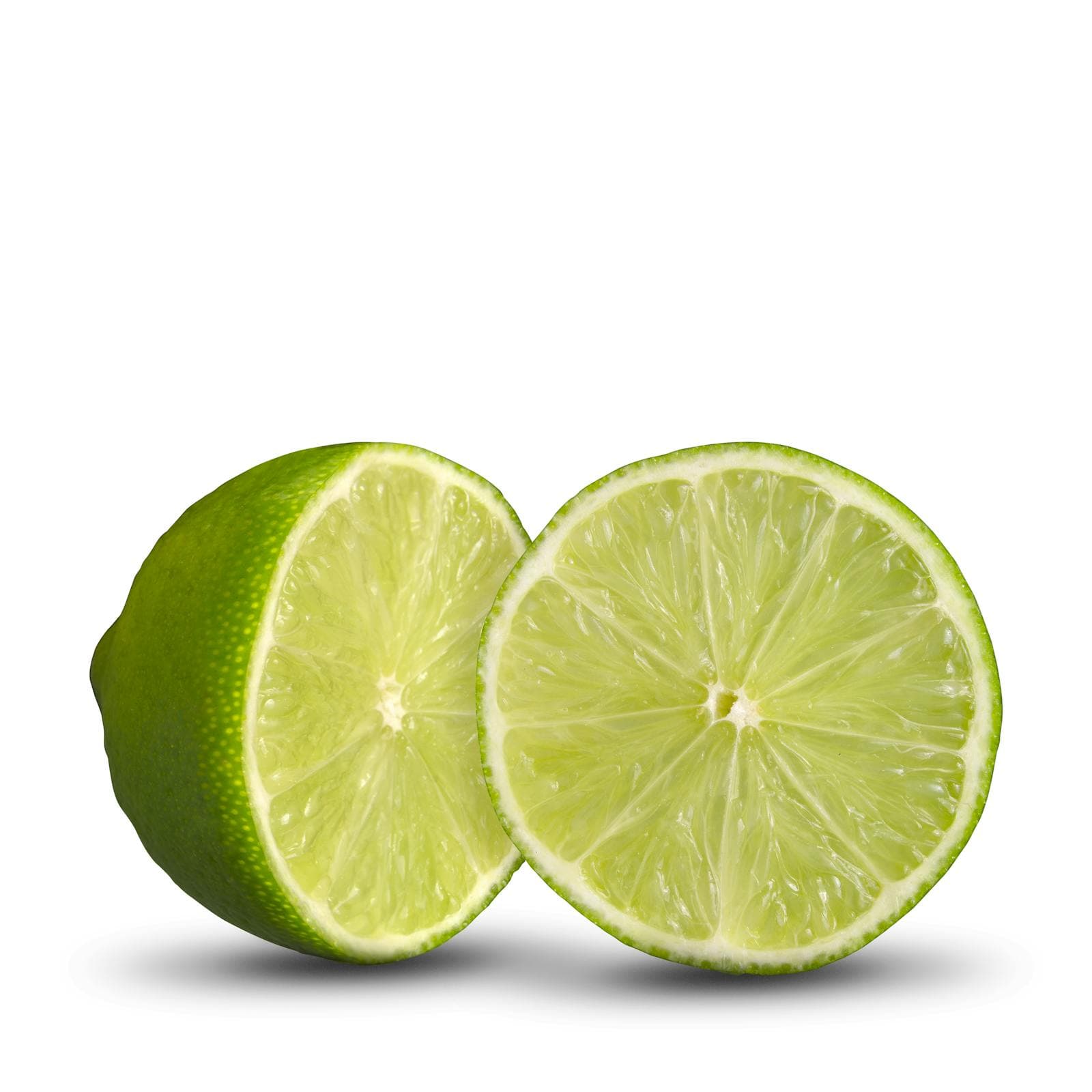 €0.40
€0.40Lime
90 g · Mercadona
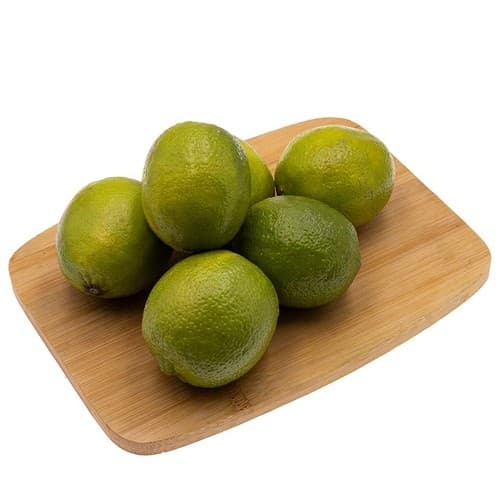 €1.49
€1.49Lime in tray of 350 g
LA COLLITA · kg · Bonpreu
Good to know
- Peak season
- Summer (peak), available year-round
- Flavor
- Tart, floral, faintly bitter, tropical
- Origin
- Southeast Asia; now grown across the tropics
- Nutrition
- ~30 kcal/100g; vitamin C
- How to buy
- Heavy, glossy, deep green, slight give; brown patches are fine
Substitutes
- Lemon — Less floral but similar acidity; one-for-one
- Bottled lime juice — Convenient but flatter; add zest if you can
- Rice vinegar — For acidity in Asian dishes without citrus aroma
Also called
lima
Appears in these dishes
Related
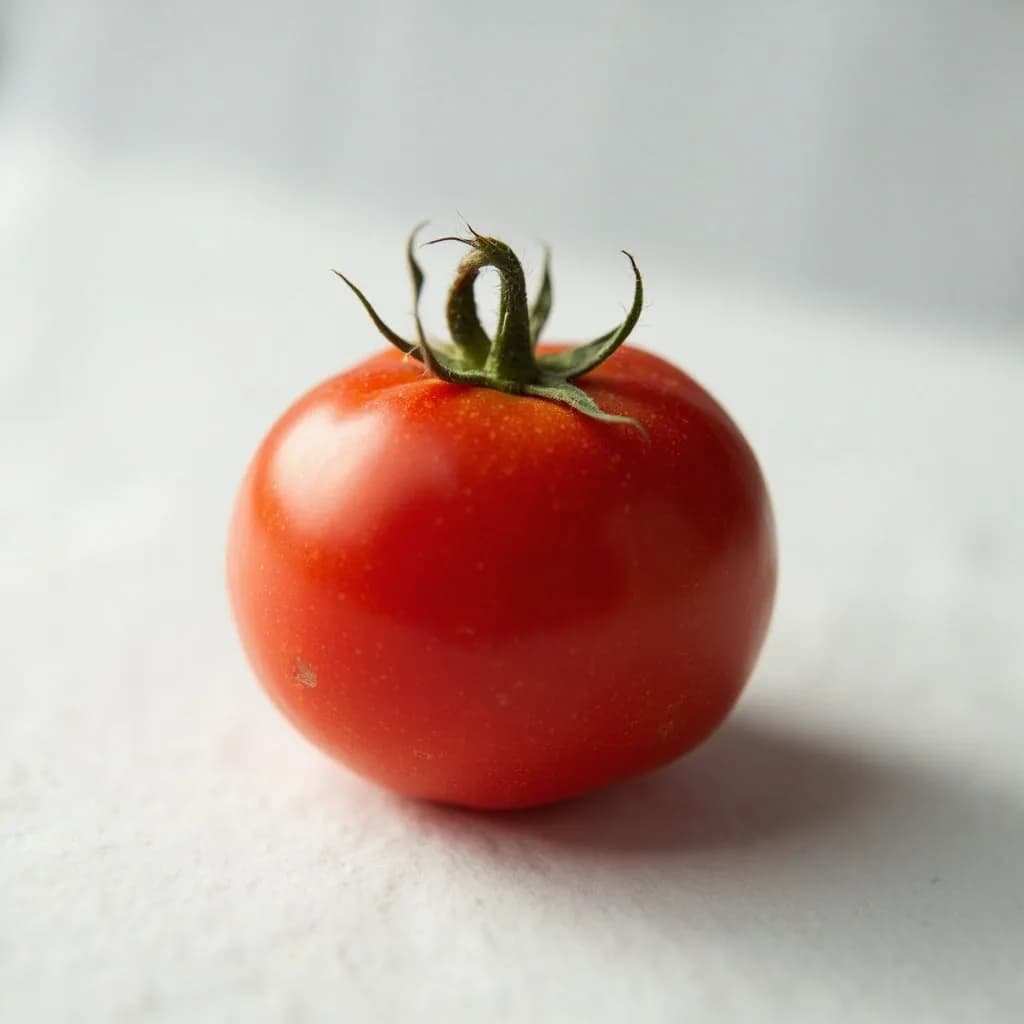
Tomato
Juicy, sun-sweet fruit for sauces, salads, and slow-cooked depth
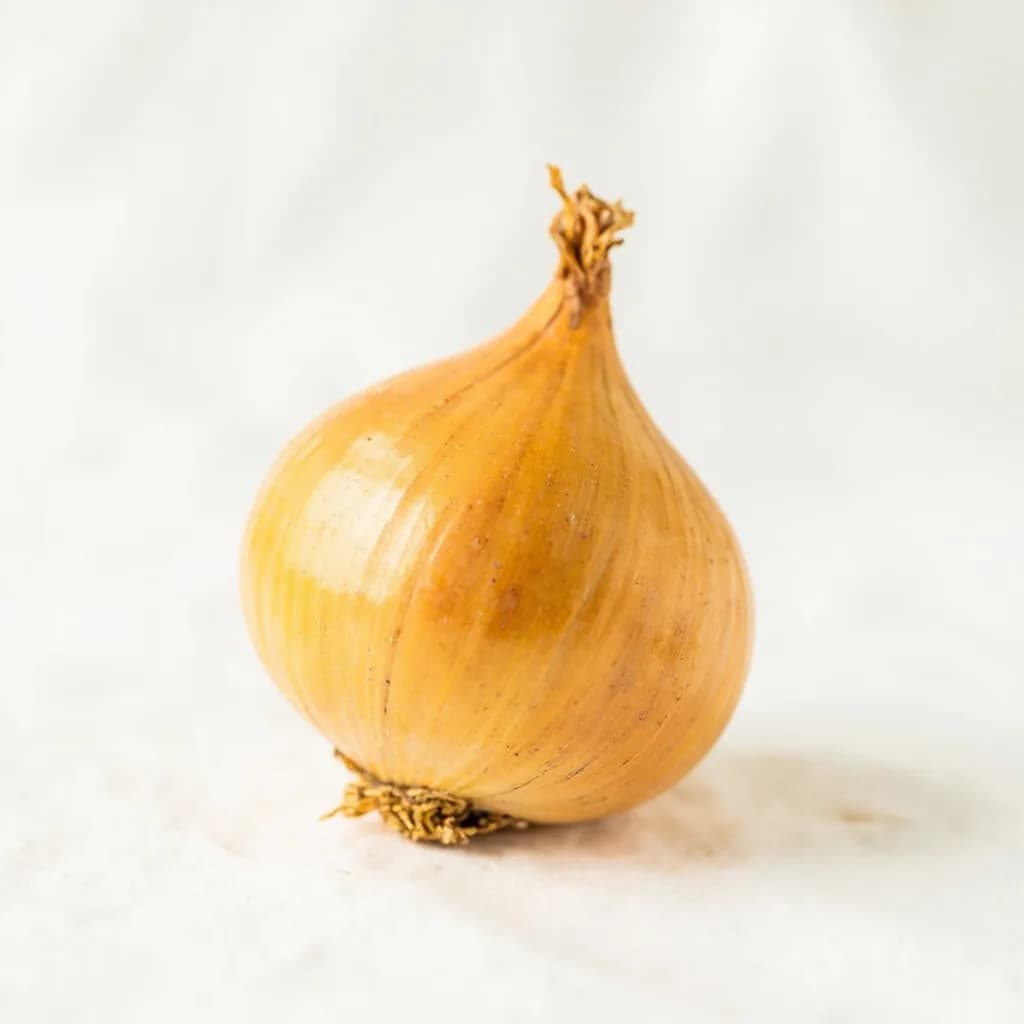
Yellow Onion
The aromatic backbone of soups, sofritos, and braises
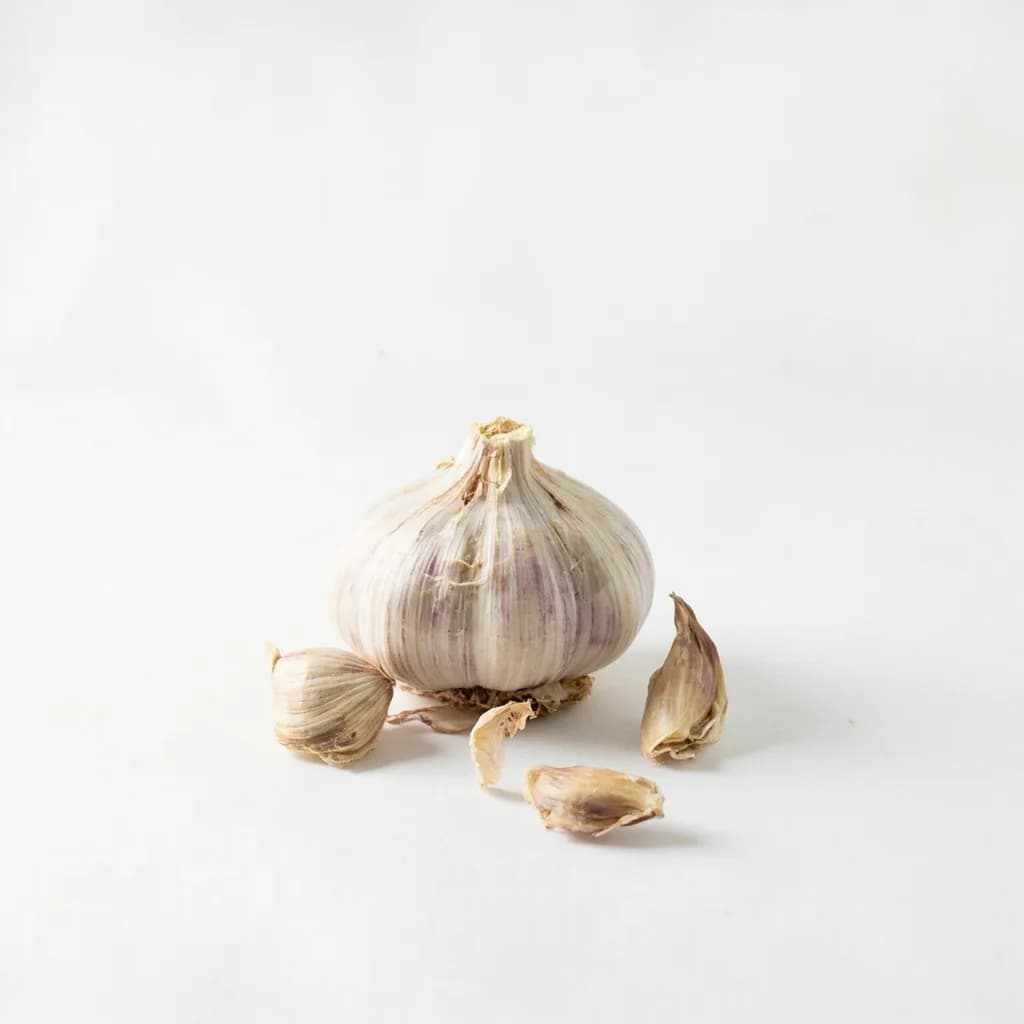
Garlic
Pungent cloves that perfume nearly every savory dish
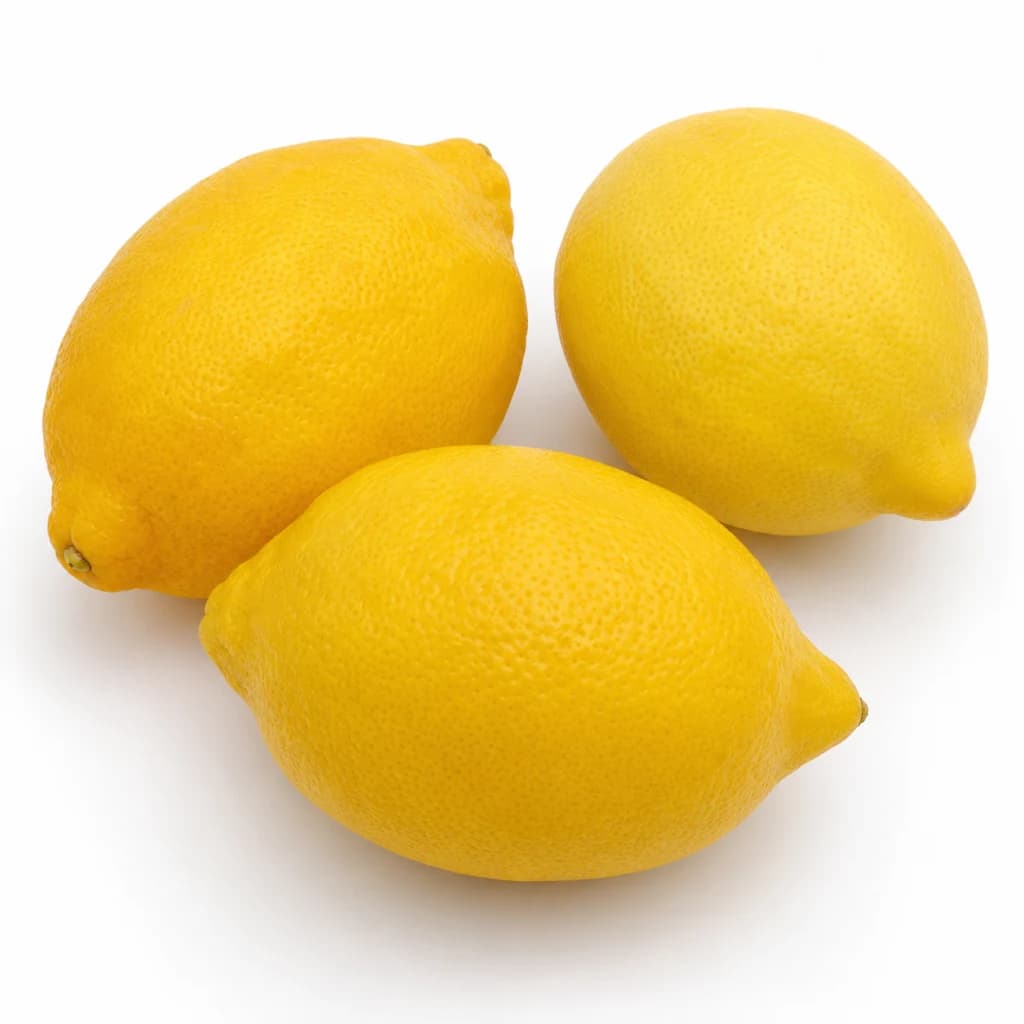
Lemon
Bright, acidic citrus that wakes up almost any dish
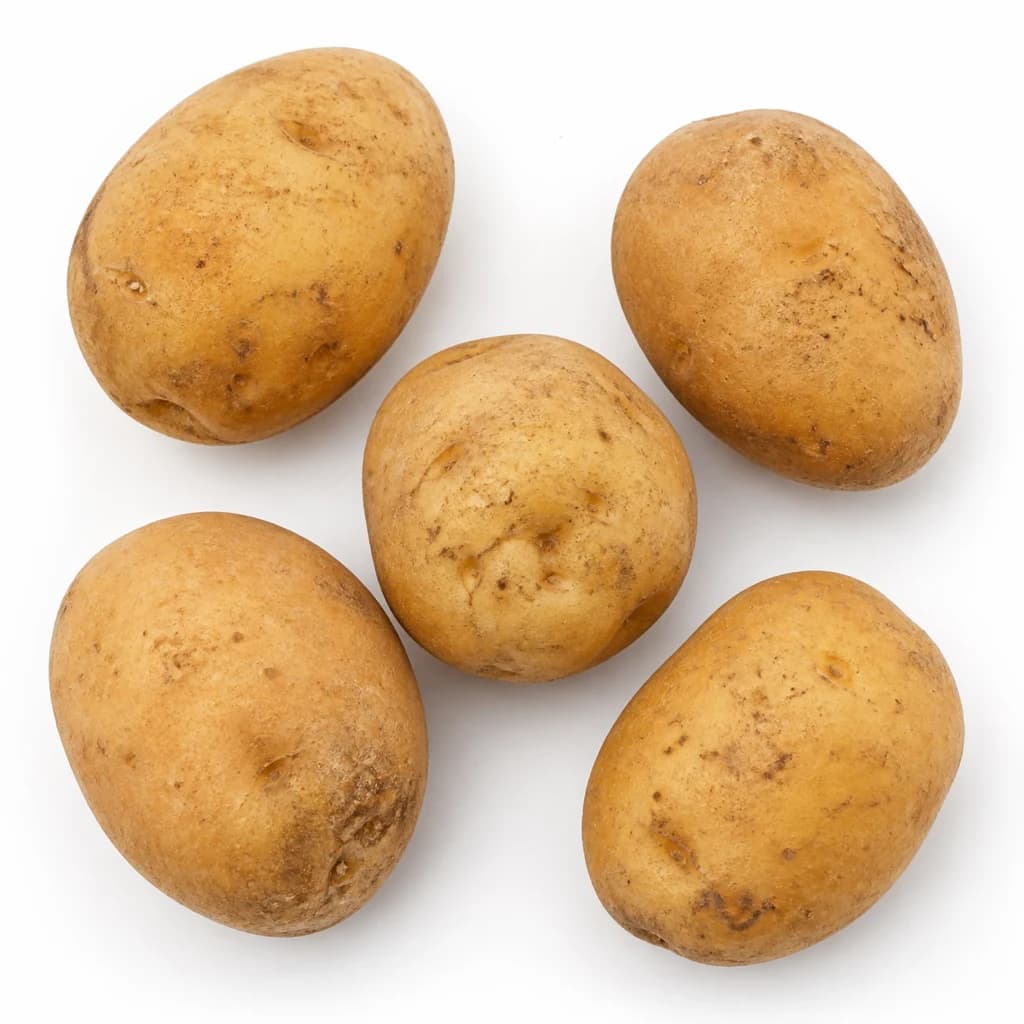
Potato
Humble, hearty staple — roast, mash, fry, or boil
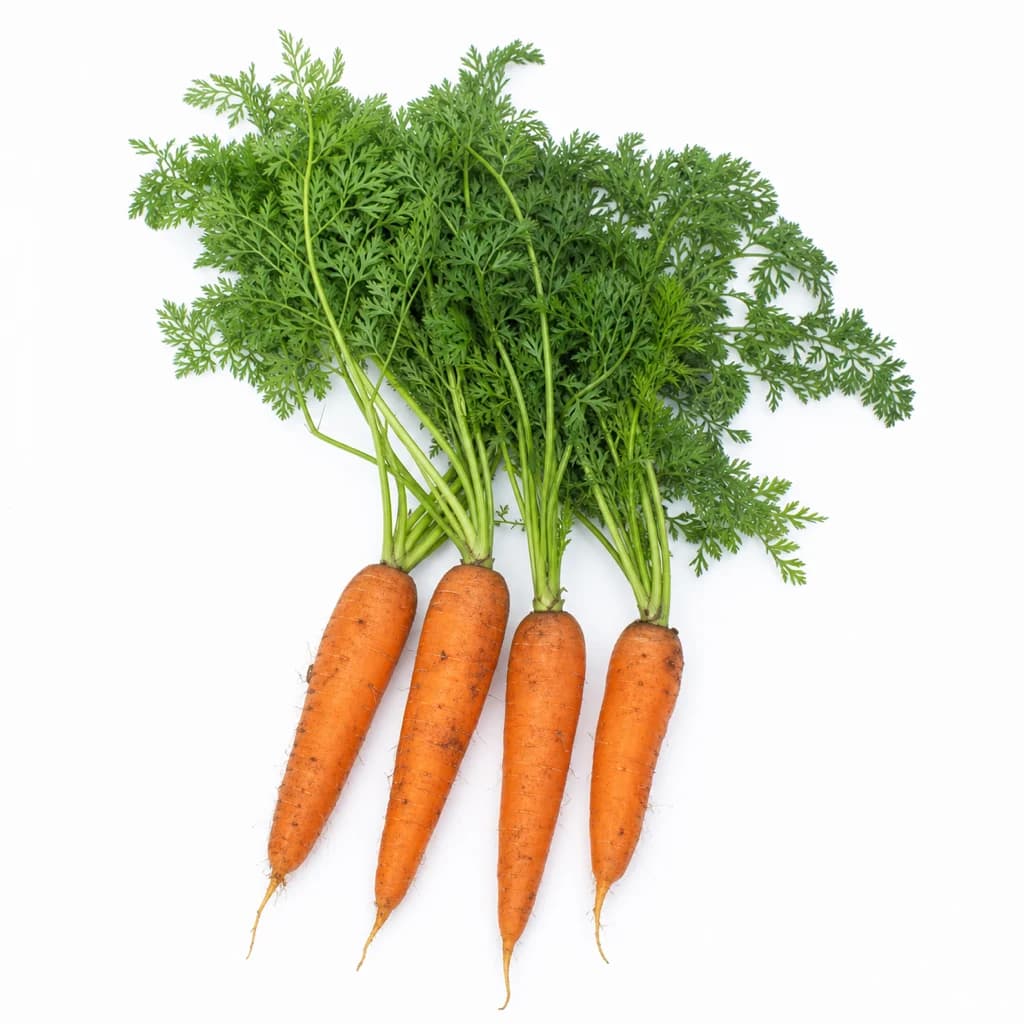
Carrot
Sweet, crunchy root — raw, roasted, or the base of a sofrito
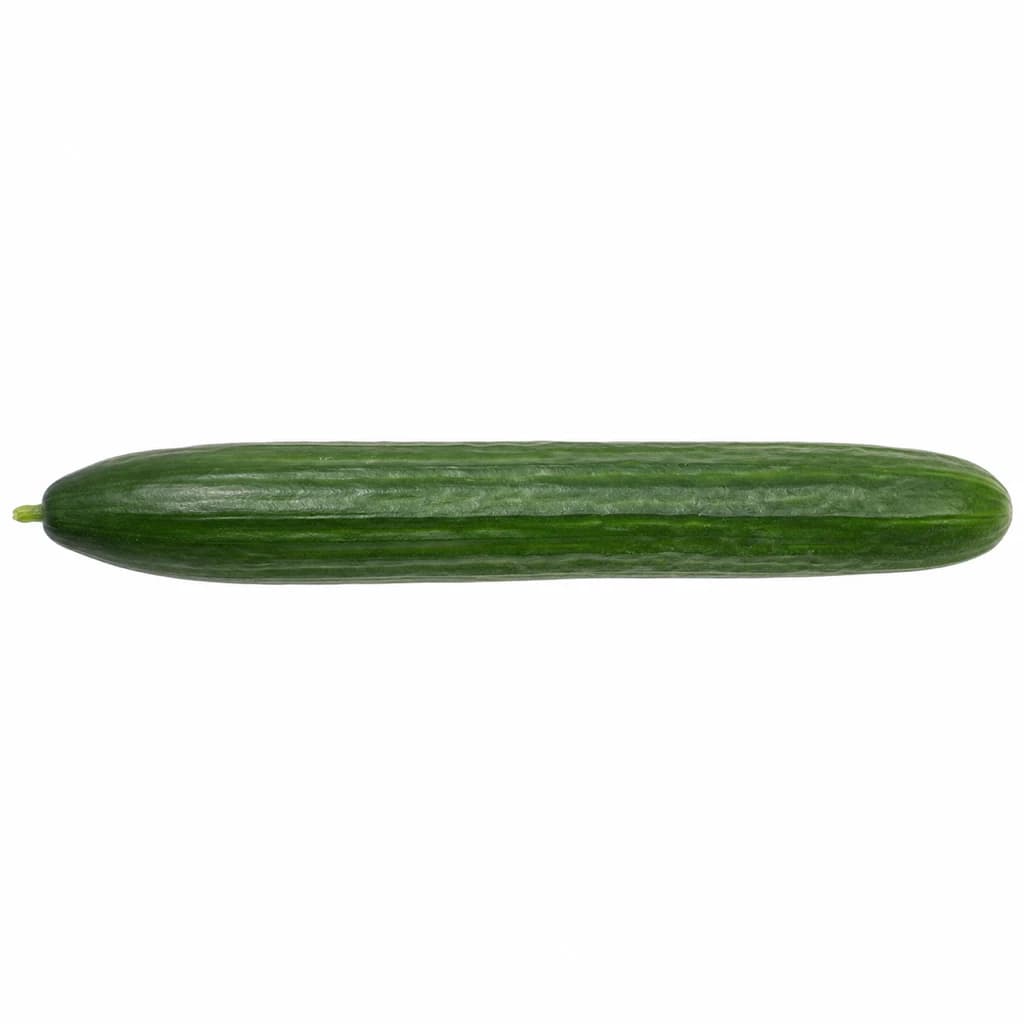
Cucumber
Cool, crisp, and watery — for salads, pickles, and tzatziki

Lettuce
Crisp leaves for salads, wraps, and a fresh crunch