Produce
Makrut Lime
Bumpy Southeast Asian lime prized for its fragrant zest and aromatic leaves.
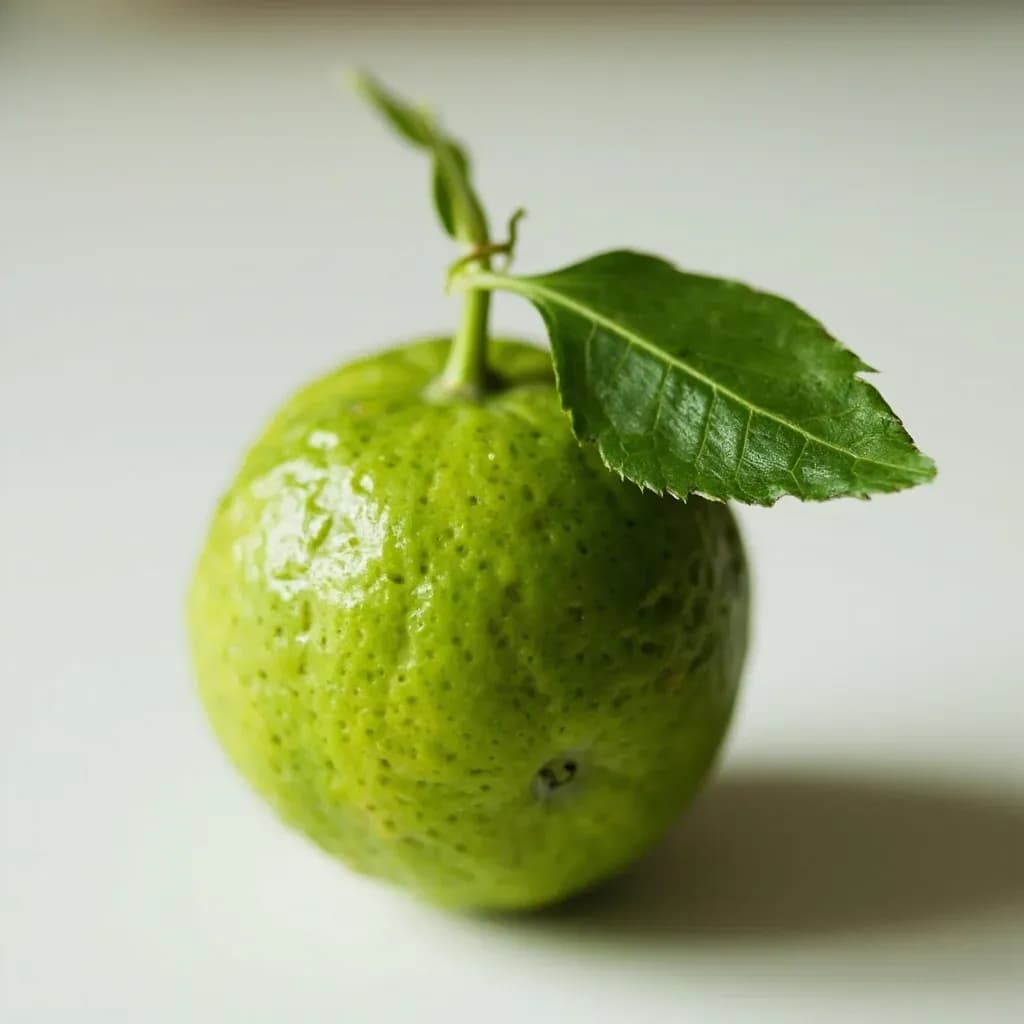
The makrut lime is a small, knobbly citrus from Southeast Asia, valued more for its intensely fragrant zest and leaves than its juice. The grated rind and shredded double leaves perfume Thai curries, soups like tom yum, and stir-fries with a unique floral-citrus aroma. The juice is sour and astringent and used sparingly.
Makrut lime (Citrus hystrix) is the defining aromatic of Southeast Asian cooking, prized chiefly for its distinctive double-lobed leaves and the bumpy, deeply ridged rind of its small round fruit. Both leaves and zest carry an intensely aromatic quality that combines citrus brightness with floral, herbal, and faintly piney notes—flavors that no other citrus can fully replicate. The leaves, used far more frequently than the fruit, are the backbone of Thai, Lao, Cambodian, and Indonesian kitchens, appearing in virtually every category of savory cooking from raw salsas to long-simmered curries.
The flavor operates differently depending on when and how makrut is added during cooking. In long-cooked preparations—curries, soups, braises—the leaves release their aromatic oils gradually, infusing the entire dish with a deep, complex citrus-herbal base. Added at the end of cooking, torn or sliced, the same leaves deliver a bright, fresh herbal lift. Only the zest of the fruit is worth using; the juice is sour, seedy, and lacking the aromatic oils that make the plant valuable. Understanding this timing distinction is the single most important practical skill for working with makrut lime.
Fresh leaves should be bruised, torn, or very finely shredded before use; whole undamaged leaves contribute little flavor, as the aromatic oils are concentrated in the ridged underside and require physical disruption to release. The traditional English name "Kaffir lime" derives from a term considered offensive; "Makrut" (from the Thai word for spiny or thorny) is now the professional standard.
- Measured in
- piece
- Storage
- Fridge
Types & varieties
The common culinary variety with intense aroma; widely available fresh in Asian markets and dried or frozen in Western grocery stores
Smaller, more rounded leaves than standard makrut; considered by some to have a more refined citrus flavor; same botanical species
Filipino variety; leaves tend to be slightly larger; fruit used more prominently in local cuisine
Glossy double leaf with an intense floral-citrus aroma; bruised or thinly slivered into Thai curries and soups, left whole to infuse then removed before serving.
About the Name
The term "Kaffir lime" has traditionally been used in English-language culinary literature, but it derives from the Arabic word for non-believer and is considered offensive in contemporary usage. "Makrut" comes from the Thai word makrut (มะกรูด), meaning spiny or thorny, referencing the plant's growth habit. Professional culinary organizations and cookbooks increasingly adopt "Makrut" as the standard English name, and this is the term used in this entry.
Working with the Leaves
The ridged underside of makrut leaves contains the highest concentration of aromatic oils. Bruise this side against a cutting board or tear the leaf to fracture the oil glands before adding to a dish. For raw or fresh applications, slice or shred the leaves as thin as possible—the leaves themselves are not eaten but are consumed as texture-free flavoring when shredded finely enough.
- Bruise or tear leaves to release aromatic oils before cooking
- Add at the start of cooking for infused, deep flavor
- Add torn leaves in the last 2–3 minutes for bright, fresh herbal character
- Remove whole leaves before serving, or shred so fine they are unnoticed
- Frozen leaves retain flavor nearly perfectly; vacuum-sealed frozen leaves are preferable to dried
Working with the Fruit
Only the zest of makrut lime fruit contains the prized aromatic compounds. The juice is sour, seedy, and lacking in the floral-citrus character that makes the plant valuable. Use a microplane or fine grater to remove only the green outer layer of zest, avoiding the bitter white pith beneath. One to two fruits yield sufficient zest for a curry paste serving four to six people.
- Use only the zest—never the juice—for true makrut flavor
- Remove only the green outer layer; the white pith is bitter
- Grate or slice paper-thin for sambals, marinades, and garnishes
Common uses
Tips & pitfalls
- Always bruise or tear leaves to release aromatic oils—whole leaves added silently contribute little flavor
- Add leaves at the beginning of cooking for soups and braises; add torn leaves in the last 2–3 minutes for bright, fresh flavor in finished dishes
- Leaves are not eaten; they are removed before serving, or shredded so fine as to be unnoticed
- Never substitute dried leaves for fresh in uncooked applications—dried leaves work only in long-cooked dishes
- Frozen leaves retain flavor nearly perfectly; vacuum-sealed frozen leaves are preferable to dried
- Use only the zest of the fruit—the juice is sour, seedy, and lacks the aromatic oils
- The ridged underside of leaves contains the highest concentration of aromatic oils; bruise this side against a cutting board
- If using whole leaves as a garnish or wrapper, choose pristine, unblemished leaves for presentation
Nutrition
Energy
126 kJ · per 100 g
Where the calories come from
Protein
0.7g
1% DV
Carbs
10.5g
4% DV
Fat
0.2g
0% DV
Fiber
2.8g
10% DV
Sugars
1.7g
of which
Sodium
2mg
0% DV
Source · USDA FoodData Central · Limes, raw
View on FDC →In the shops
Matched grocery products
 €0.40
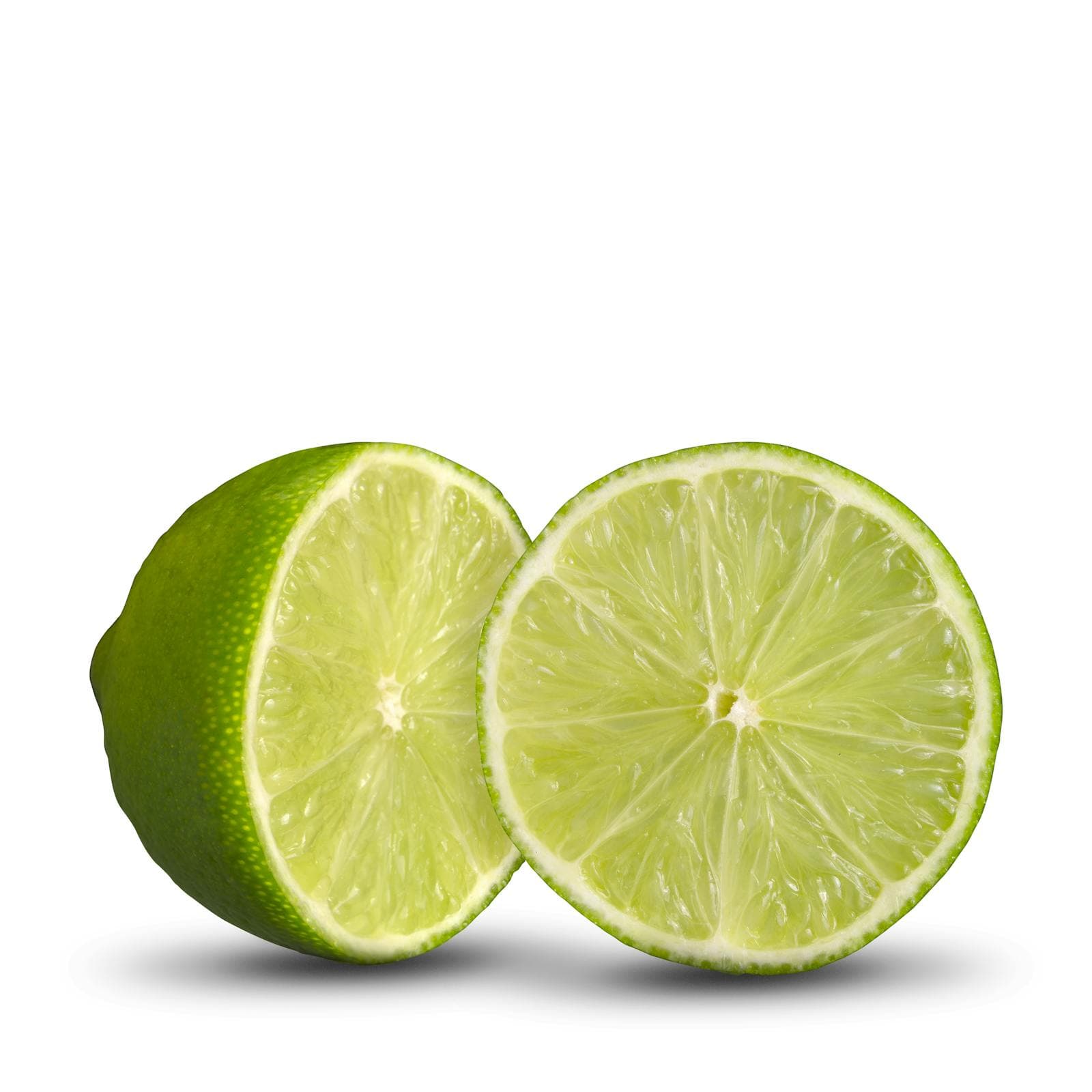
€0.40Lime
90 g · Mercadona
 €1.49
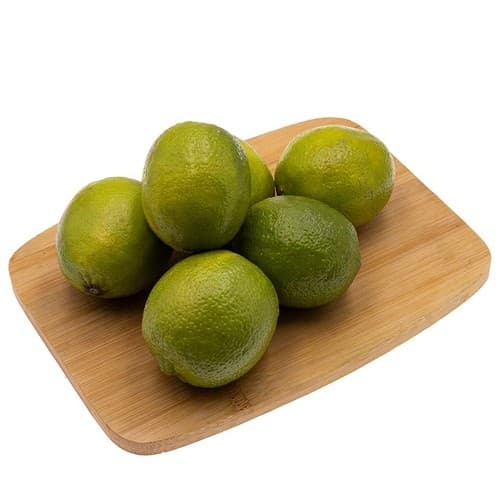
€1.49Lime in tray of 350 g
LA COLLITA · kg · Bonpreu
Good to know
- Scientific name
- Citrus hystrix
- Origin
- Southeast Asia (Thailand, Indonesia, Malaysia, Laos, Cambodia, Philippines)
- Also called
- Kaffir lime, Thai lime, Indonesian lime, Mauritius papeda, combava (Reunion)
- Plant part used
- Leaves (most common); fruit zest; occasionally rind
- Leaf description
- Distinctive double-lobed (bifoliate) shape, bright to deep green, 5–10 cm long
- Fruit description
- Small, round, 3–5 cm diameter; very bumpy dark green skin
- Flavor
- Intense citrus aroma with floral, herbal, and slightly piney notes; leaves more aromatic than fruit zest
- Peak season
- Year-round in tropical climates; fresh leaves best in summer months elsewhere
- Shelf life
- Fresh leaves: 1–2 weeks refrigerated; frozen: up to 6 months; fruit: 2–3 weeks at cool room temperature
- Yield
- 1 leaf (whole) is typical per serving; 1–2 fruit for paste or curry base for 4–6 servings
Substitutes
- Fresh lime or lemon zest + bay leaf — Closest approximation for cooked dishes; use 1 tsp zest plus 1 small bay leaf per 2 makrut leaves; bay leaf provides the herbal body while zest matches the citrus
- Lime zest + coriander root or stem — More authentic approximation; scrape the green part of 1 coriander root, bruise it, and combine with lime zest for aromatic effect
- Yuzu zest — Japanese citrus with similar floral, tart character; use equal amount; less herbal than makrut but close in citrus complexity
- Dried makrut leaves — Use 2–3 dried leaves per 1 fresh leaf; acceptable only in soups, stews, and curries that cook 30+ minutes; avoid in fresh applications
Pairs with
Also called
Kaffir Lime · Makrut Lime
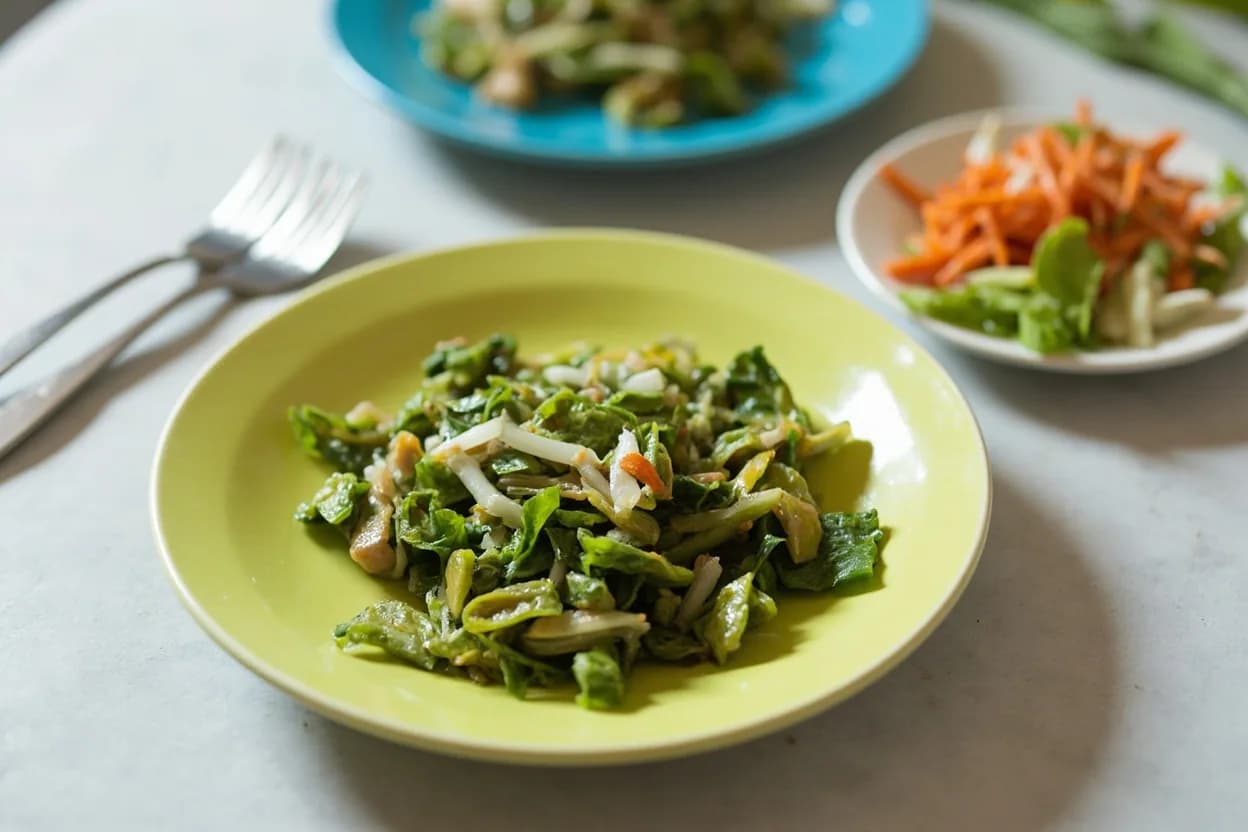
Appears in these dishes
Related
Tomato
Juicy, sun-sweet fruit for sauces, salads, and slow-cooked depth
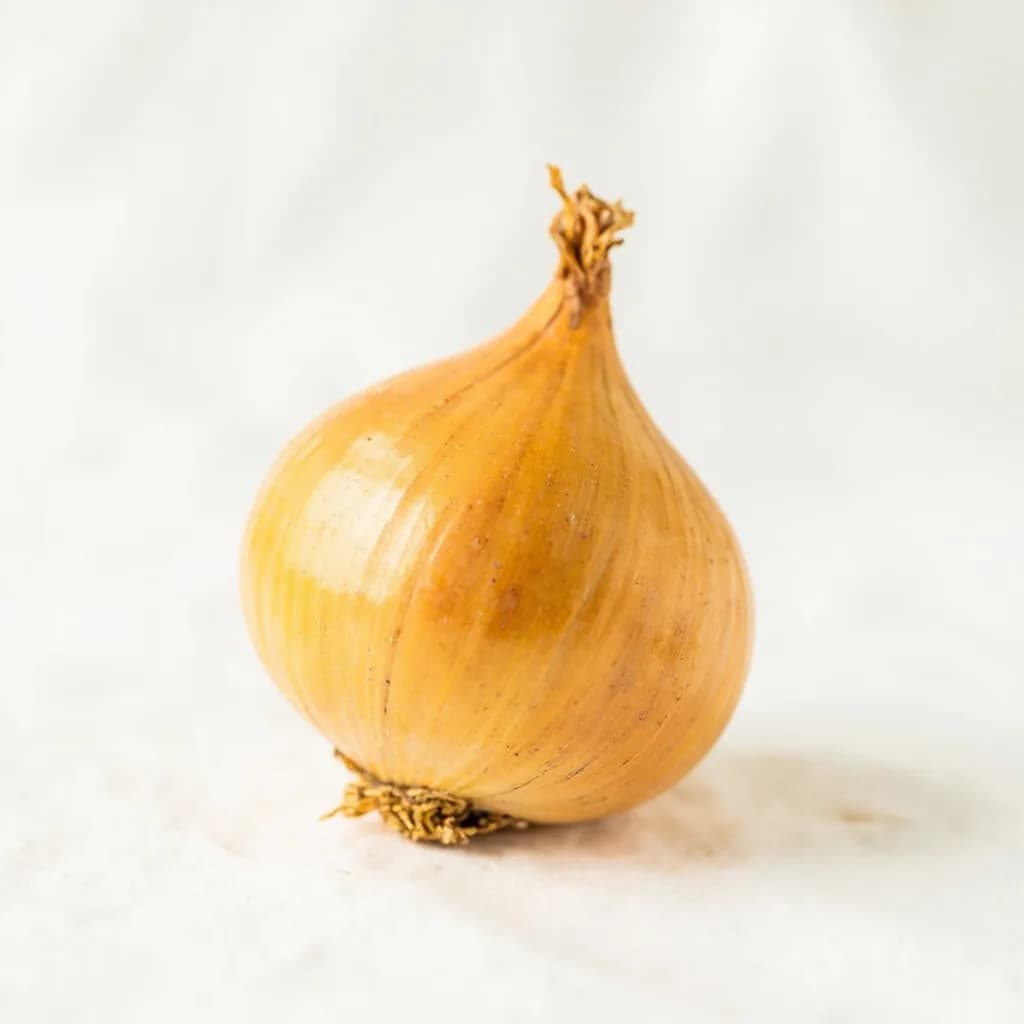
Yellow Onion
The aromatic backbone of soups, sofritos, and braises
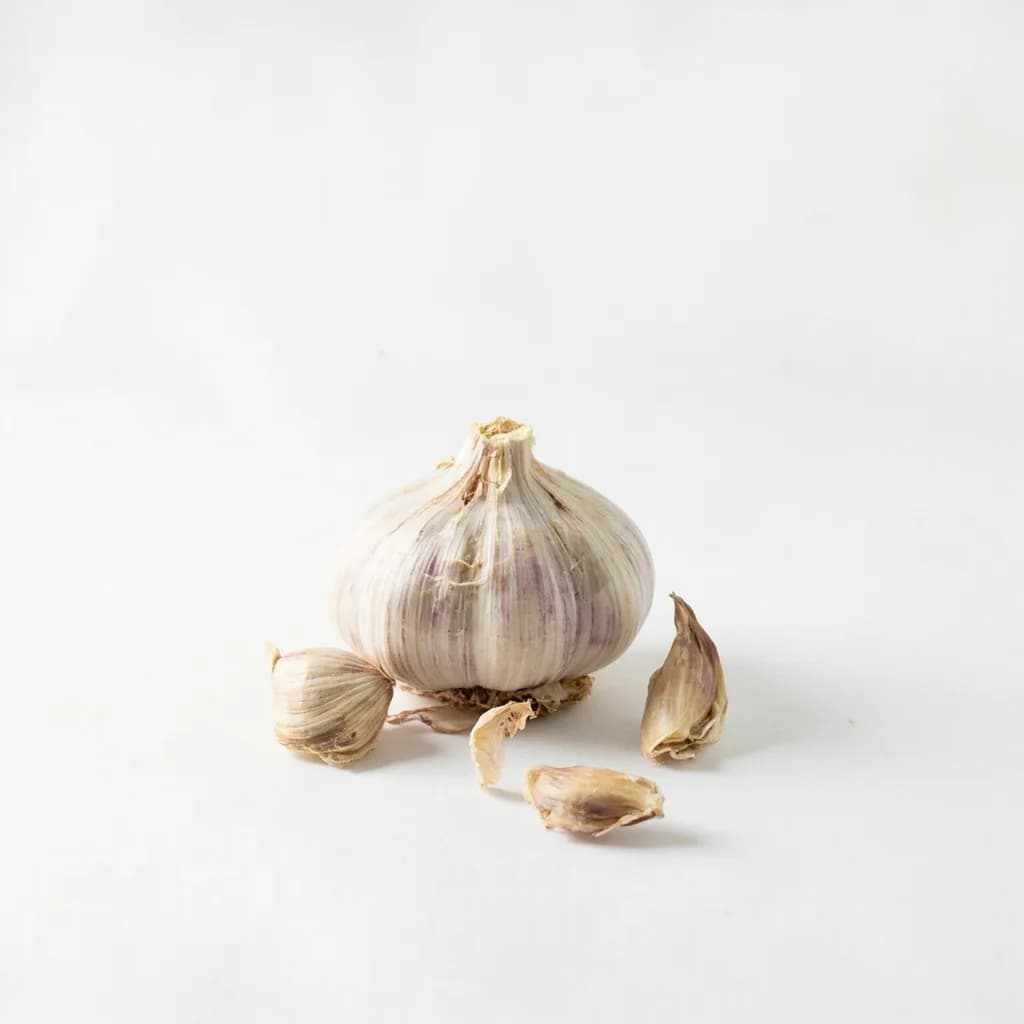
Garlic
Pungent cloves that perfume nearly every savory dish
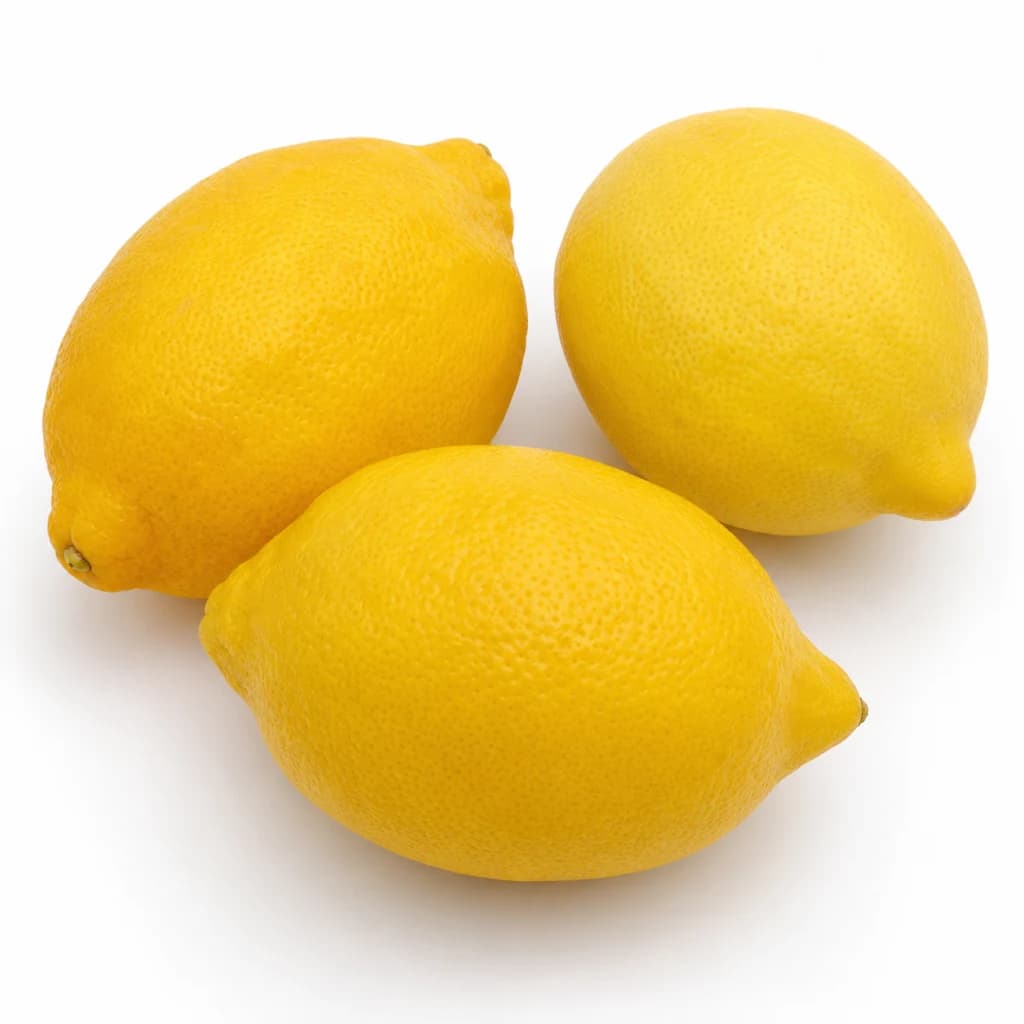
Lemon
Bright, acidic citrus that wakes up almost any dish
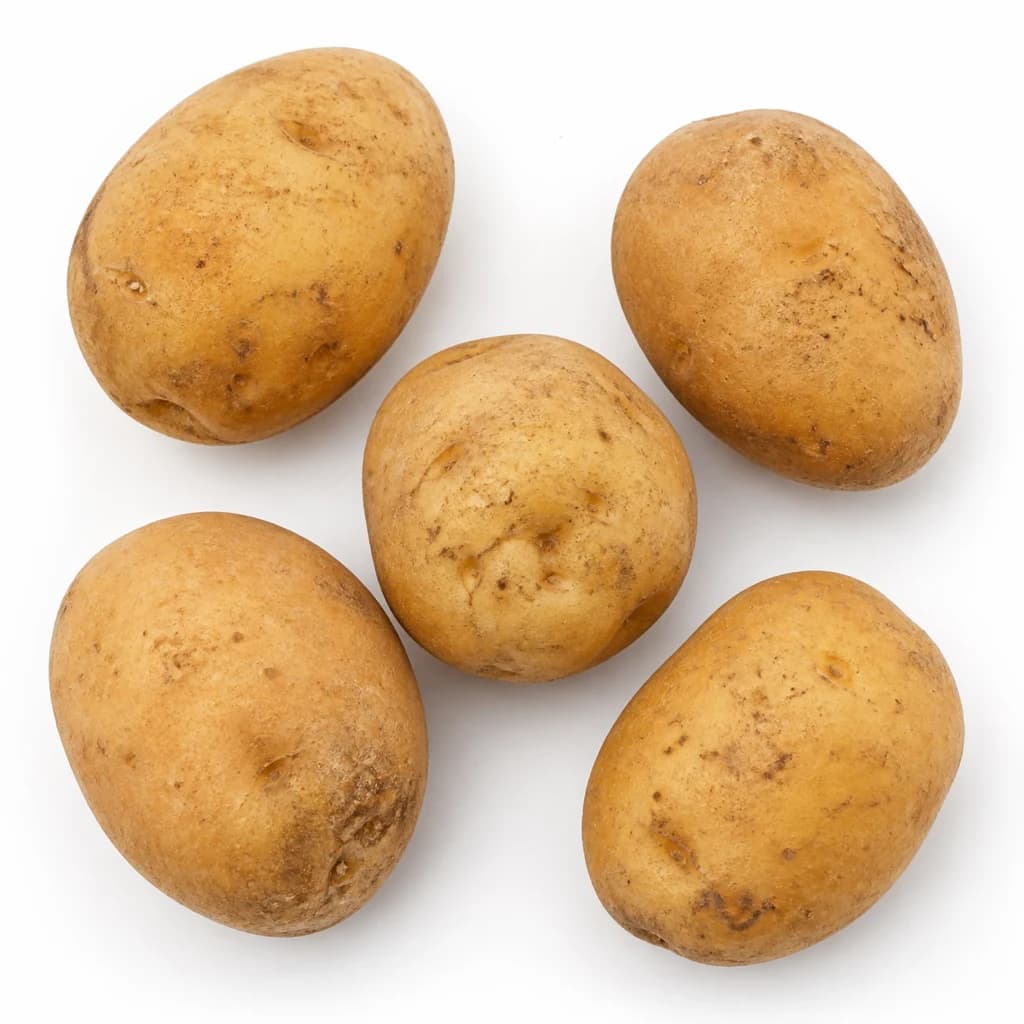
Potato
Humble, hearty staple — roast, mash, fry, or boil
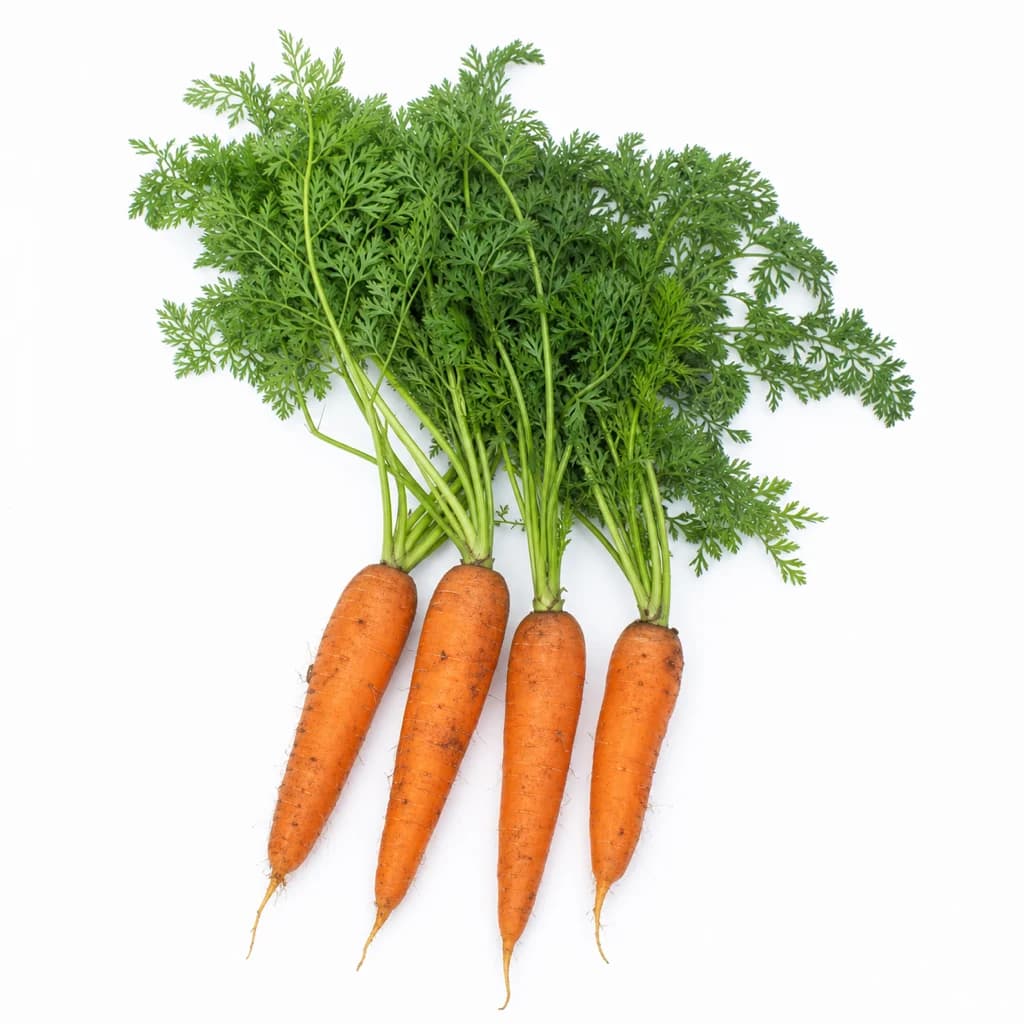
Carrot
Sweet, crunchy root — raw, roasted, or the base of a sofrito
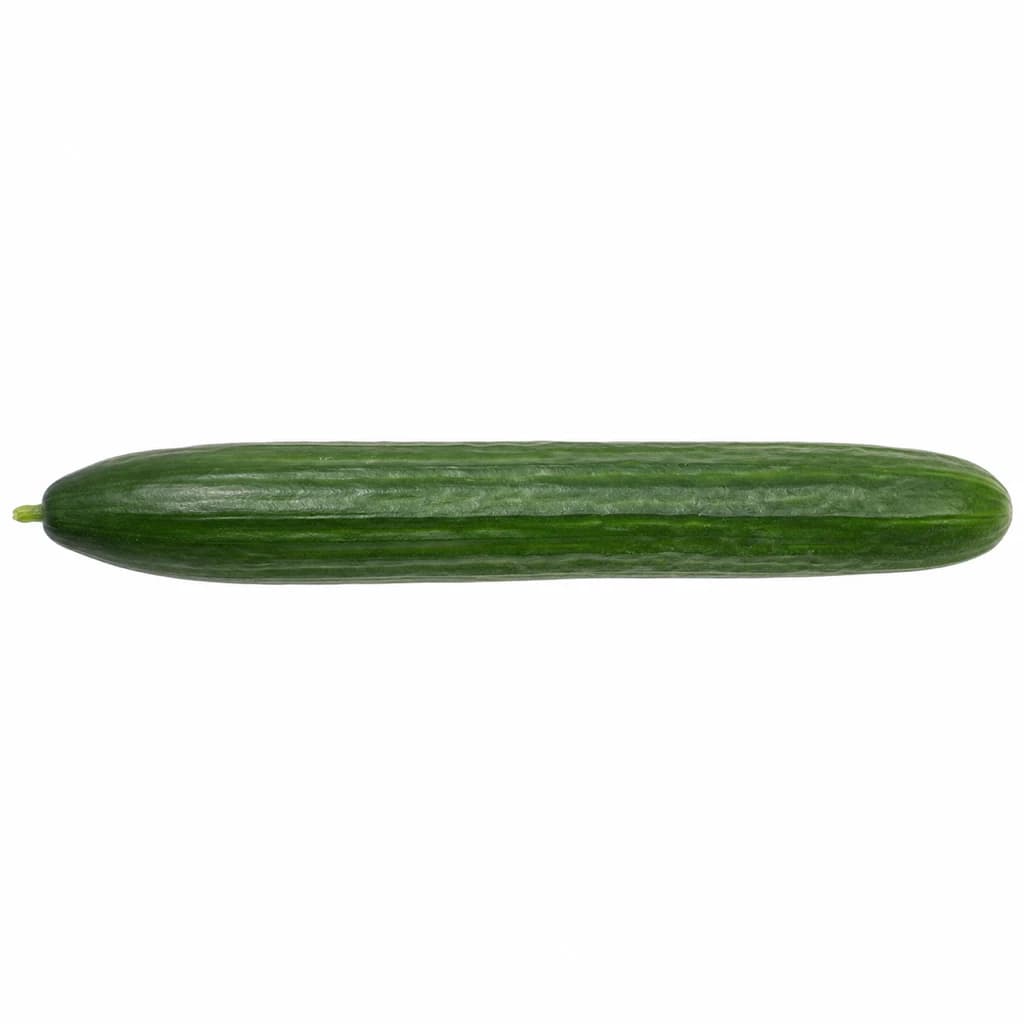
Cucumber
Cool, crisp, and watery — for salads, pickles, and tzatziki

Lettuce
Crisp leaves for salads, wraps, and a fresh crunch