Varieties
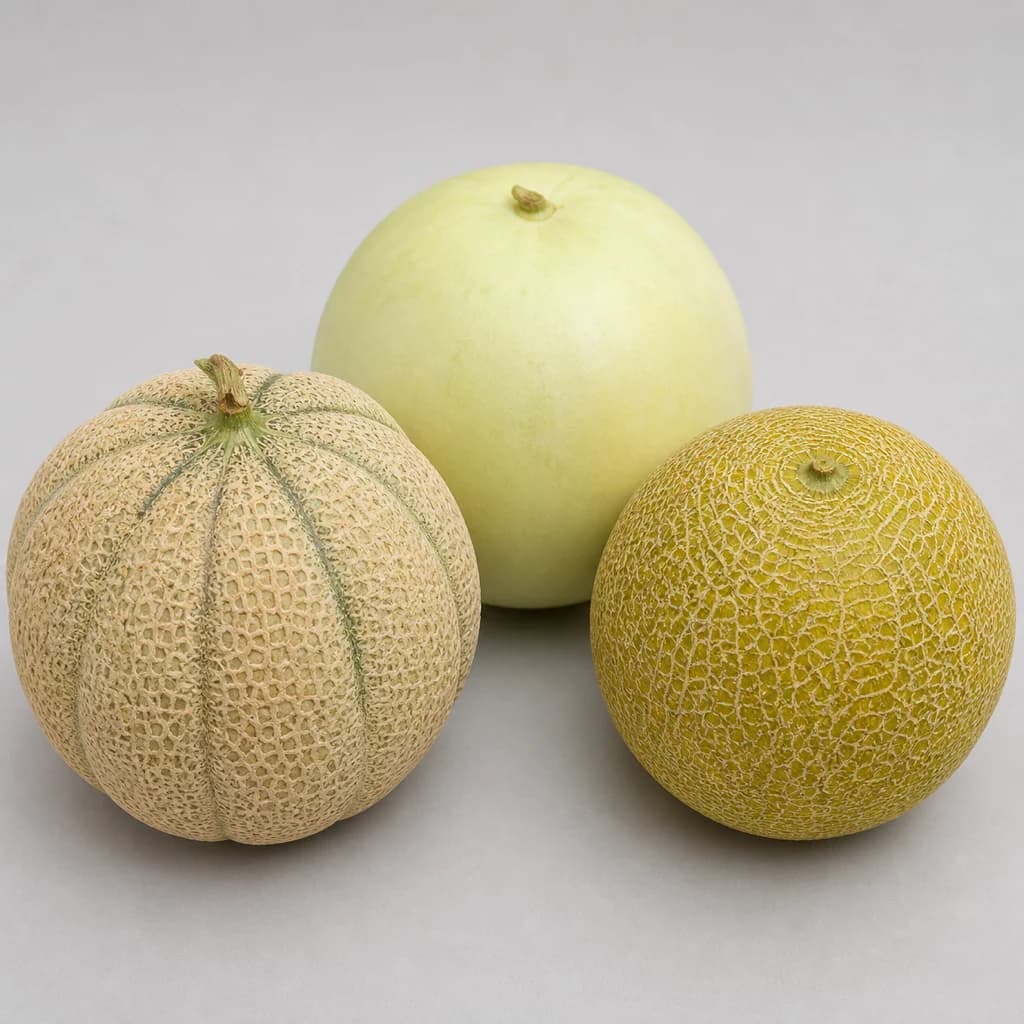
Three common melon types side by side: cantaloupe, honeydew, and Galia, showing their distinct exterior textures and colors.
Showing multiple varieties together in one scene teaches readers to distinguish the main types by their visible exterior differences.
Produce
Melon
Sweet, juicy summer fruit eaten fresh, in salads, or paired with cured ham.
Melon refers to the sweet-fleshed gourds such as cantaloupe and honeydew, with fragrant, watery flesh and a central seed cavity. They are eaten chilled and fresh, blended into drinks, tossed into fruit salads, or wrapped in prosciutto as an appetizer. Ripeness is judged by aroma and a slight give at the stem end.
Melons are warm-season fruits from the Cucurbitaceae family, genetically related to cucumbers and squashes but bred over millennia for their sweet, perfumed flesh. They divide broadly into two horticultural groups: netted melons (cantaloupe, Galia) with textured skin and orange or green flesh, and smooth melons (honeydew, Canary) with pale skin and firmer flesh. Watermelon stands apart—a separate genus entirely, prized for its exceptional hydration (90–95% water) and structural flesh that holds up to grilling and pickling. Melons are climacteric fruits (most continue ripening after harvest), which makes selecting and storing them critical: a rock-hard honeydew purchased in June will soften beautifully in a day or two at room temperature, while watermelon must be judged ripe at purchase since it will not improve further. Their high water content, delicate aromatic compounds, and proteolytic enzymes (which cause dairy to curdle and turn bitter) shape every decision from plating to pairing.
- Measured in
- piece
- Storage
- Fridge
Types & varieties
Netted skin, orange flesh. Most common in the U.S. Sweet, musky flavor. Look for uniform netting and a hollow sound when tapped.
Smooth, pale cream skin, green flesh. Sweeter and firmer than cantaloupe. Requires room temperature ripening after purchase.
Green-striped exterior, typically red flesh (also available in pink, orange, yellow). Highest water content. Non-climacteric—does not ripen after harvest.
Hybrid of cantaloupe and honeydew. Netted skin like cantaloupe, green flesh like honeydew. Strong aromatic fragrance.
Bright yellow, smooth skin; white to pale green flesh. Mild, slightly tangy flavor. Holds shape well in cooking.
Large, smooth, yellowish-green skin; peach-colored flesh. Very sweet, buttery texture. Highly perishable.
Deeply furrowed golden-yellow skin, white flesh. Mild, slightly spicy flavor. Stores longer than most melons.
Similar to cantaloupe but larger and sweeter, with finer netting. Green flesh with orange tint.
Small, pale ivory fruit. Extremely high sugar content (Brix 15–18°). Brief availability season.
The Melon and Dairy Problem
Melons contain proteolytic enzymes similar to papain in papaya. When combined with dairy—cream, milk, yogurt, or even a creamy cheese—in the same dish, these enzymes cause proteins to denature and curdle, while releasing bitter compounds. The effect intensifies over time, so a melon and cream dessert may look fine initially but deteriorate rapidly. This is not a matter of taste preference; it is a chemical reaction. Serve dairy and melon on the same plate separately, or choose non-dairy vehicles like coconut milk or cashew cream for melon-based desserts.
- Never fold raw melon into whipped cream or yogurt-based dips intended to sit
- Melon with aged cheese (feta, cotija) is safe—low moisture content prevents enzyme activity
- If a recipe requires melon and dairy together, cook the melon first to denature the enzymes (as in melon soup with yogurt)
How to Tell When a Melon Is Ripe
Ripeness indicators differ by type. For cantaloupe: press gently at the blossom end (the opposite end from the stem)—there should be slight give, and you should detect a sweet, floral aroma. The netting should be uniform and raised, not faded. Tap with a flat palm: a hollow, resonant sound indicates readiness. For honeydew: look for a faint sweet scent and skin that yields slightly to pressure. Unlike cantaloupe, honeydew rarely smells strongly when ripe, so trust the yield test. For watermelon: tap firmly with your palm—a deep, hollow thud signals ripeness. Check the field spot (the yellow patch where the melon rested on the ground); it should be creamy yellow, not white or green. No aroma test applies here. For any melon: avoid specimens with visible cracks, soft spots, or water pooling at the stem scar—these indicate overripeness or damage.
- Place unripe cantaloupe or honeydew in a paper bag at room temperature to accelerate ripening with trapped ethylene gas
- Once ripe, refrigerate whole melons and consume within 2–3 days
- Precut melon should smell fresh and clean; sour or fermented odors indicate bacterial spoilage regardless of appearance
Common uses
Tips & pitfalls
- Always bring cut melon to room temperature before serving—cold dulls the aromatic compounds and perceived sweetness.
- Do not combine melon with dairy in composed dishes; the proteolytic enzymes cause bitterness and curdling in milk, cream, or yogurt.
- For watermelon, tap the melon with a flat palm—ripe specimens produce a deep, hollow resonance. Also check the field spot (yellow patch) for creamy yellow coloring.
- Store whole, unripe cantaloupe and honeydew at room temperature. Once ripe, consume within 2–3 days or transfer to refrigerator.
- Score cantaloupe or honeydew flesh in a crosshatch pattern before broiling or grilling to increase caramelization and surface area.
- When buying precut melon, smell it—any sour, fermented odor indicates bacterial spoilage, even if the color looks normal.
- Place a whole cantaloupe or honeydew in a paper bag to accelerate ripening; the trapped ethylene gas speeds the process in 1–2 days.
- Avoid melons with visible cracks, soft spots, or water pooling at the stem scar.
Nutrition
Energy
142 kJ · per 100 g
Where the calories come from
Protein
0.8g
2% DV
Carbs
8.2g
3% DV
Fat
0.2g
0% DV
Fiber
0.9g
3% DV
Sugars
7.9g
of which
Sodium
16mg
1% DV
Source · USDA FoodData Central · Melons, cantaloupe, raw
View on FDC →In the shops
Matched grocery products
No matched grocery products for Melon yet.
Good to know
- Family
- Cucurbitaceae (gourd family), genus Cucumis
- Origin
- Likely domesticated in Africa; cultivated for over 4,000 years
- Peak Season
- Summer (cantaloupe: June–August; honeydew: June–October; watermelon: May–September)
- Water Content
- 90–95%
- Primary Nutrients
- Vitamin C, vitamin A (beta-carotene), potassium
- Ripening
- Cantaloupe and honeydew continue to ripen after harvest; watermelon does not
- Brix (sweetness)
- Honeydew: 14–16°; Galia: 11–13°; Cantaloupe: 9–12°
Substitutes
- Honeydew — For cantaloupe in salads or desserts; different texture but similar sweetness profile
- Cantaloupe — For honeydew; more aromatic, slightly less sweet, orange rather than green flesh
- Galia melon — Acceptable substitute for either cantaloupe or honeydew in most applications; intermediate characteristics
- Watermelon — Acceptable savory substitute in salads or gazpacho; texture and flavor differ significantly in sweet applications
Pairs with
Also called
Muskmelon · Cantaloupe · Honeydew
Appears in these dishes
Related
Tomato
Juicy, sun-sweet fruit for sauces, salads, and slow-cooked depth
Yellow Onion
The aromatic backbone of soups, sofritos, and braises
Garlic
Pungent cloves that perfume nearly every savory dish
Lemon
Bright, acidic citrus that wakes up almost any dish
Potato
Humble, hearty staple — roast, mash, fry, or boil
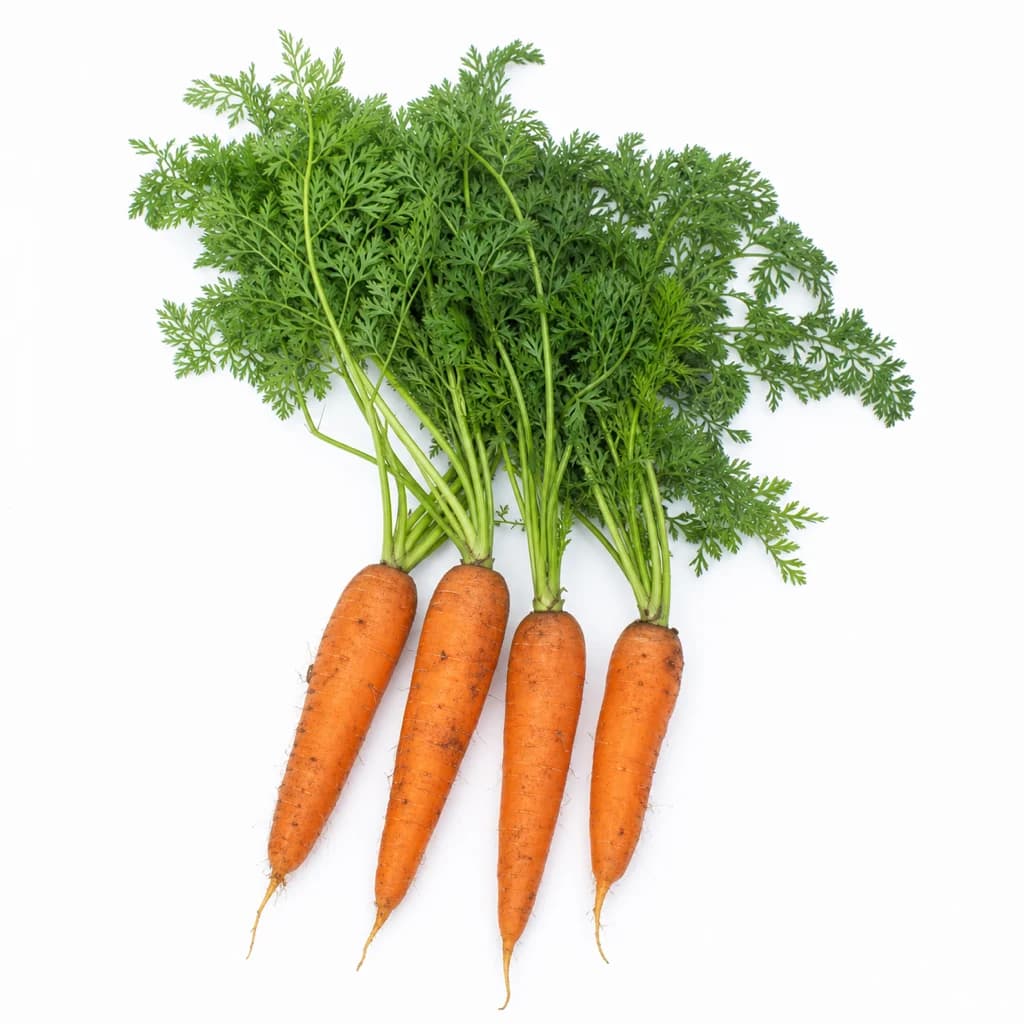
Carrot
Sweet, crunchy root — raw, roasted, or the base of a sofrito
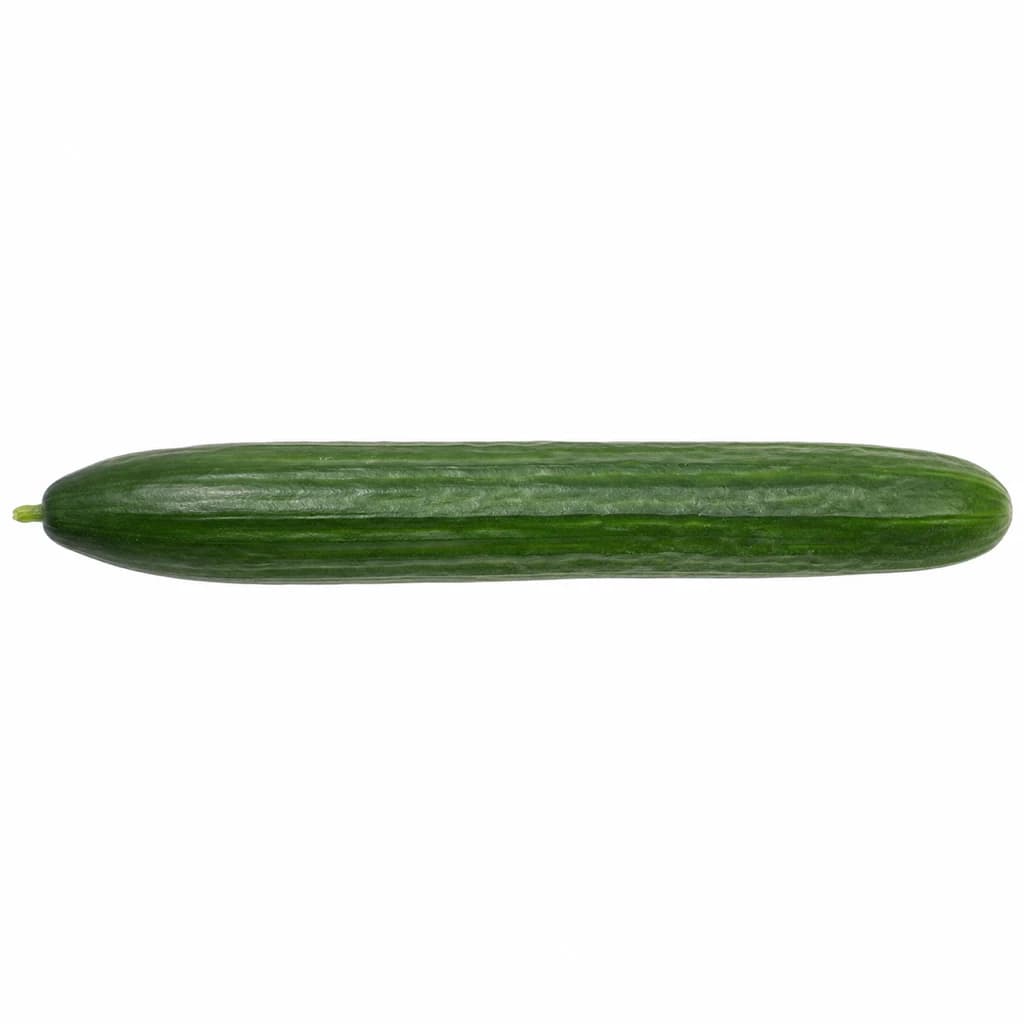
Cucumber
Cool, crisp, and watery — for salads, pickles, and tzatziki

Lettuce
Crisp leaves for salads, wraps, and a fresh crunch