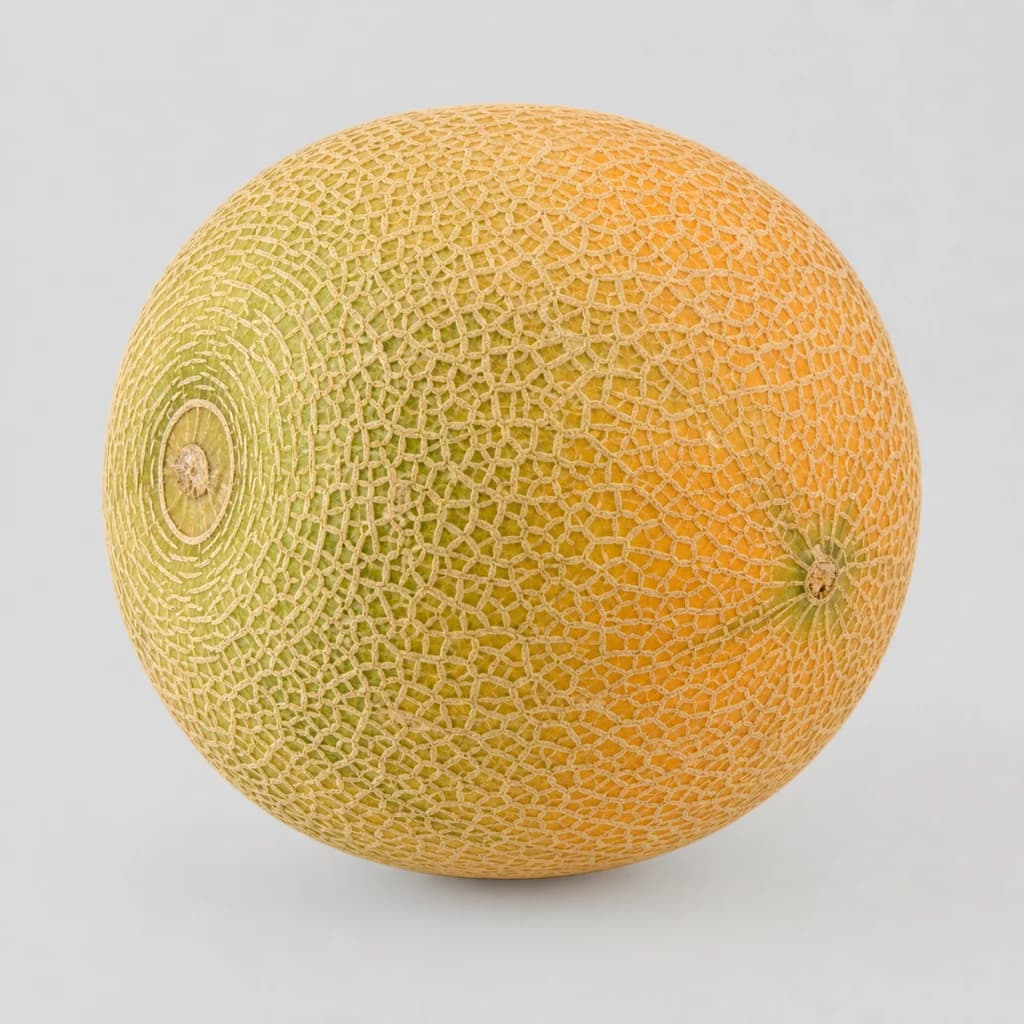
Natural form
A whole ripe cantaloupe showing the netted tan skin and slightly sunken stem end.
Teaches readers the exterior visual cues — netting pattern, skin color, and stem scar — used to identify and assess ripeness.
Produce
Cantaloupe
Fragrant, sweet melon for breakfast, salads, and prosciutto
Honeyed and floral, cantaloupe is a breakfast staple and a classic partner to salty prosciutto. Ripe fruit smells perfumed at the stem. Keep cut pieces cold.
Cantaloupe (rockmelon, muskmelon) is a fragrant, honeyed melon with soft orange flesh — a breakfast and brunch staple and the classic sweet-salty partner to thin slices of prosciutto. Ripe, it perfumes the whole kitchen; underripe, it's bland and crunchy and won't improve much. The netted-skin variety common in markets is judged by smell and a gentle give at the blossom end. Cube it, ball it, blend it, or wrap it in cured ham.
- Measured in
- piece
- Storage
- Refrigerate
- Shelf life
- 7 days
Find it in
Types & varieties
Netted tan skin, orange flesh; the common market melon (technically a muskmelon)
Smooth, ribbed, smaller; intensely perfumed and prized
Netted skin, green-tinged sweet flesh; aromatic
How to choose a ripe one
Smell is the best test: a ripe cantaloupe is sweetly, muskily fragrant at the stem end. It should feel heavy for its size, with a creamy-beige (not green) background under raised tan netting, and yield slightly to gentle pressure at the blossom (bottom) end. A clean, slightly sunken stem scar means it slipped naturally from the vine, ripe. Avoid green, rock-hard, soft-spotted, or odorless melons.
- Fragrant at the stem = ripe
- Creamy-tan netting, not green
- Slight give at the blossom end
How to store and a safety note
Keep a whole, ripe cantaloupe in the fridge for a few days; a slightly firm one can finish softening at room temperature first. Because the netted rind can harbor bacteria that transfers to the flesh when you cut through it, scrub the whole melon under running water before slicing. Refrigerate cut melon promptly in a sealed container and use within a few days.
- Scrub the rind before cutting
- Refrigerate cut melon promptly
- Use cut melon within a few days
How to serve
Halve, scoop the seeds, then slice into wedges (peel or eat off the rind), cube, or ball it. Its honeyed flesh plays beautifully against salt and acid — drape it with prosciutto, crumble over feta or burrata, hit it with lime, mint, or a grind of black pepper, or wrap it in cured ham as the classic Italian antipasto. Blend it into aguas frescas, smoothies, and chilled soups.
Common uses
Tips & pitfalls
- Choose by smell — a fragrant stem end is the surest sign of ripeness
- Scrub the rind before cutting to keep the netting's bacteria off the flesh
- Pair with salty prosciutto, feta, or a pinch of salt to amplify sweetness
- Lime, mint, or black pepper lifts its honeyed flavor
- Underripe melon won't sweeten much — buy it ripe
Nutrition
Energy
142 kJ · per 100 g
Where the calories come from
Protein
0.8g
2% DV
Carbs
8.2g
3% DV
Fat
0.2g
0% DV
Fiber
0.9g
3% DV
Sugars
7.9g
of which
Sodium
16mg
1% DV
Source · USDA FoodData Central · Melons, cantaloupe, raw
View on FDC →In the shops
Matched grocery products
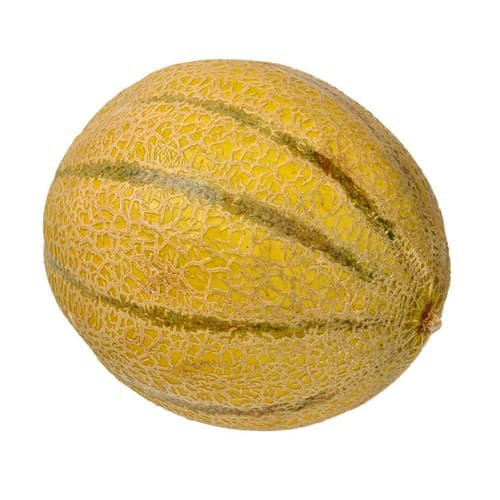 €3.49
€3.49Cantaloupe Melon 1 unit
Bonpreu
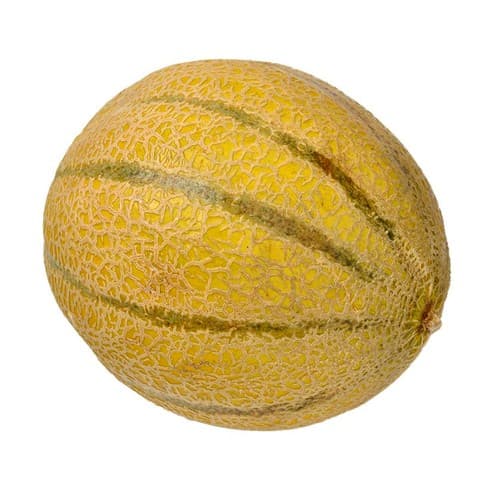 €3.96
€3.96Cantaloupe Melon 1 unit
ud · Bonpreu
Good to know
- Peak season
- Summer (peak June–August)
- Flavor
- Sweet, honeyed, floral, musky; soft and juicy when ripe
- Origin
- Cucumis melo originated in Asia (likely India); cultivated across Persia and the Mediterranean. The name "cantaloupe" comes from Cantalupo, near Rome, where it grew in the papal gardens
- Nutrition
- ~34 kcal/100g; very high vitamins A and C; potassium, hydrating
- How to buy
- Fragrant at the stem end, heavy, creamy-beige netting, slight give at the blossom end
Substitutes
- Honeydew — Milder, green-fleshed melon; swap in salads and with ham
- Galia — Aromatic netted melon; near-direct swap
- Mango / papaya — For sweet tropical flesh in fruit plates
Also called
melón cantalupo
Related
Tomato
Juicy, sun-sweet fruit for sauces, salads, and slow-cooked depth
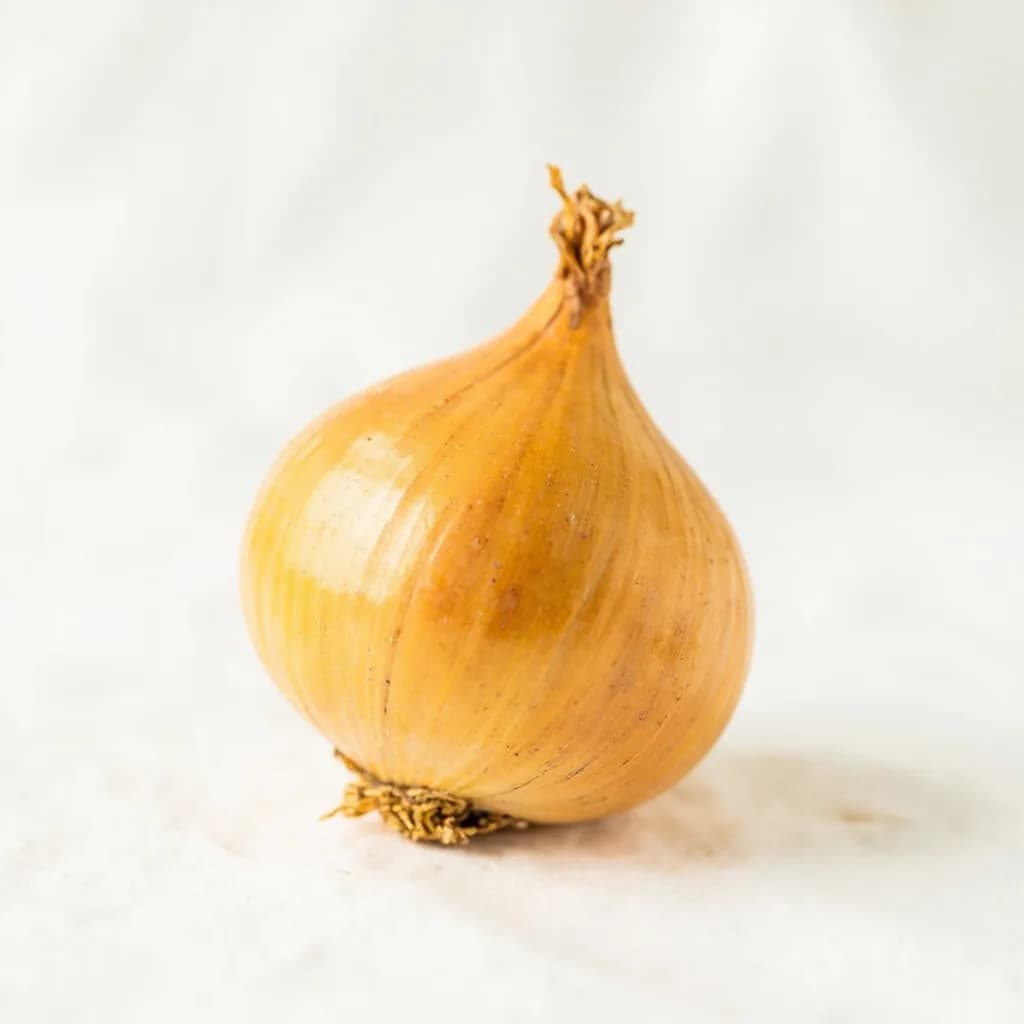
Yellow Onion
The aromatic backbone of soups, sofritos, and braises
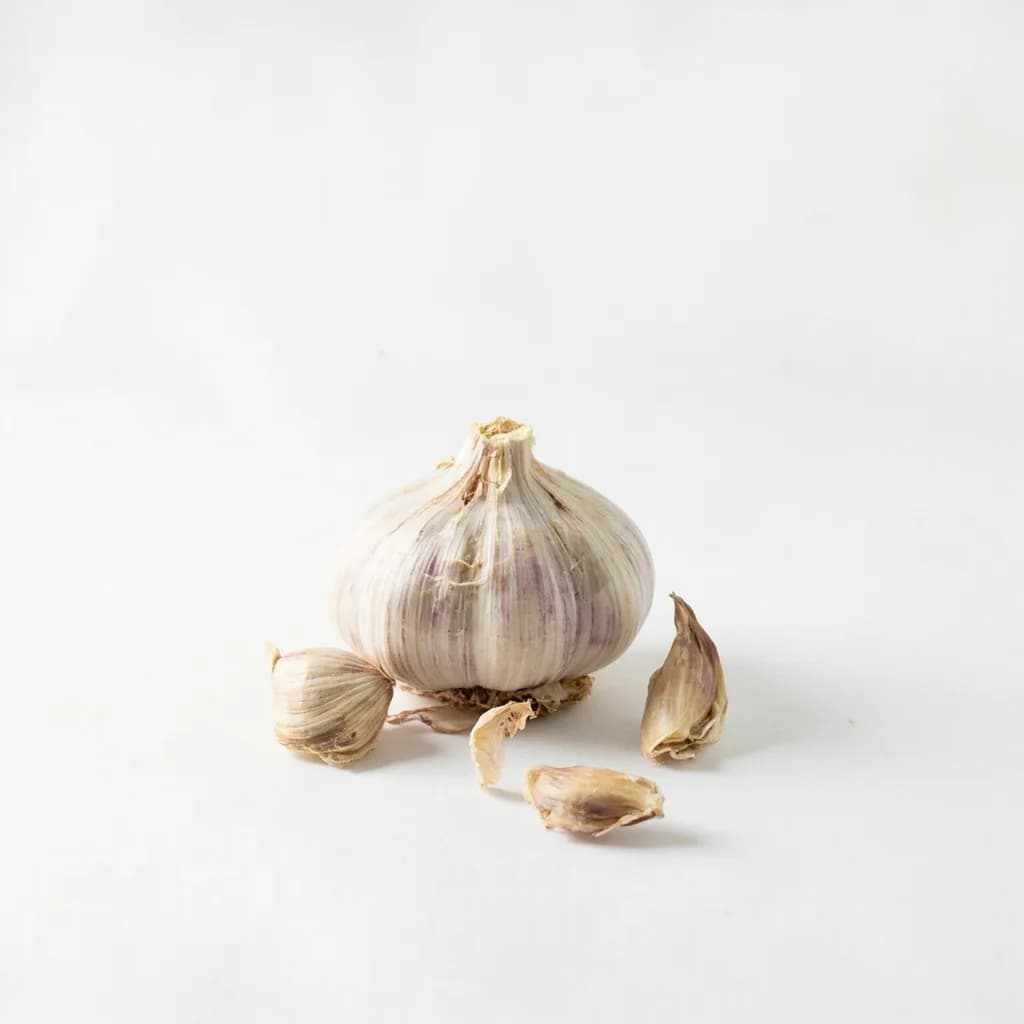
Garlic
Pungent cloves that perfume nearly every savory dish
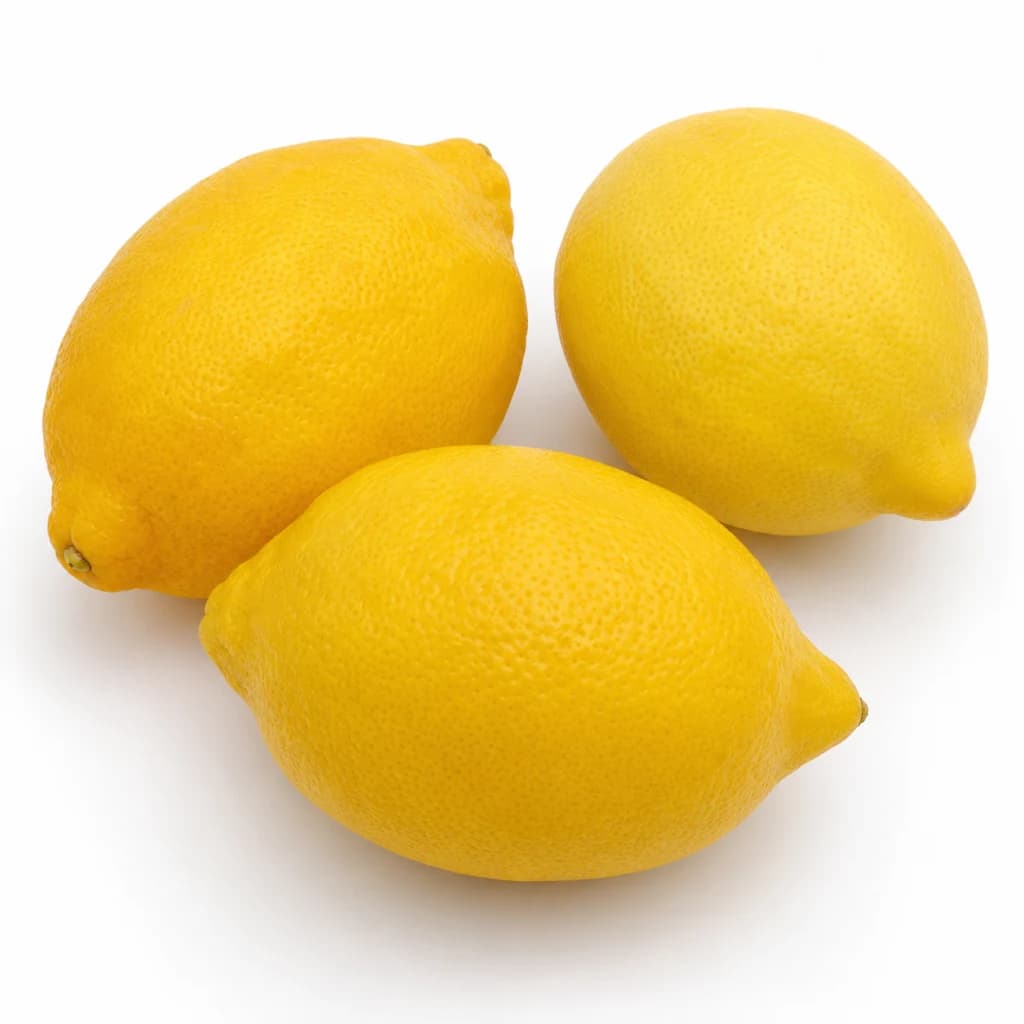
Lemon
Bright, acidic citrus that wakes up almost any dish
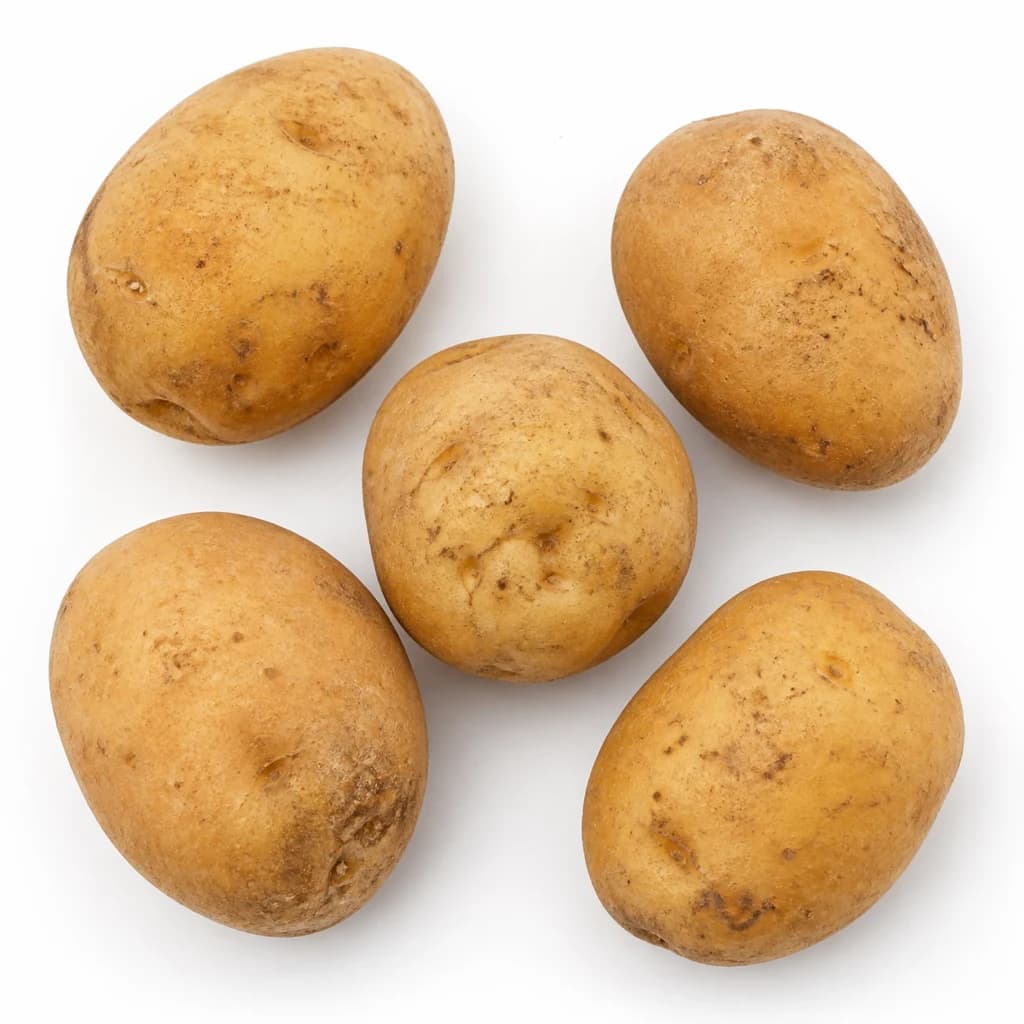
Potato
Humble, hearty staple — roast, mash, fry, or boil
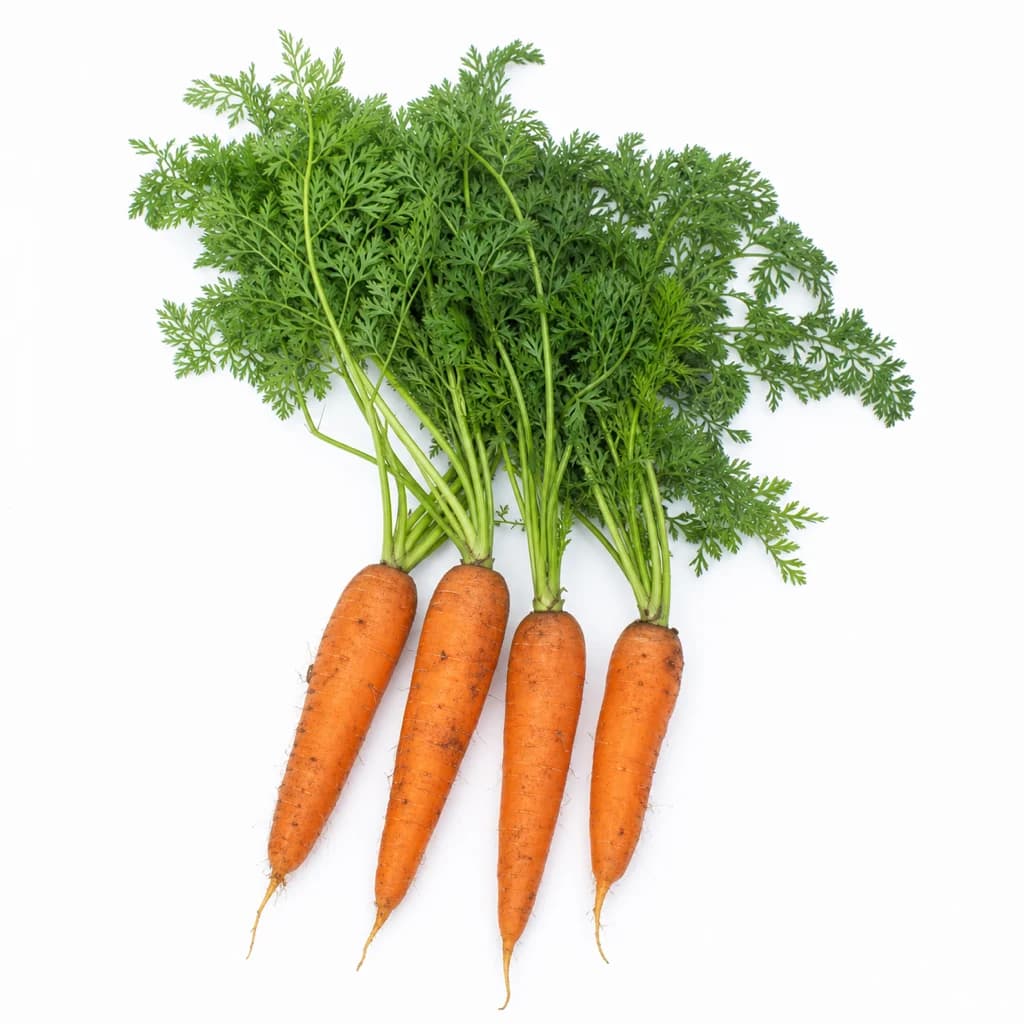
Carrot
Sweet, crunchy root — raw, roasted, or the base of a sofrito
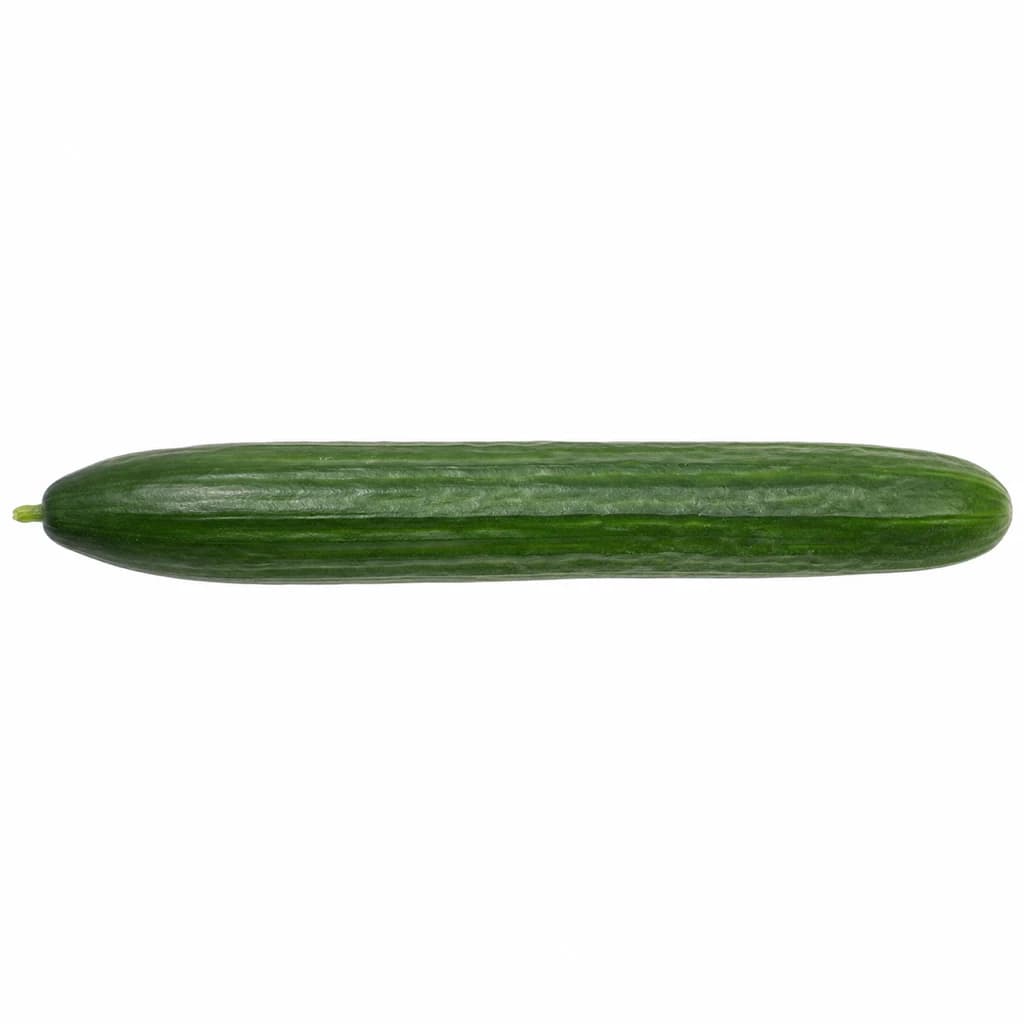
Cucumber
Cool, crisp, and watery — for salads, pickles, and tzatziki

Lettuce
Crisp leaves for salads, wraps, and a fresh crunch