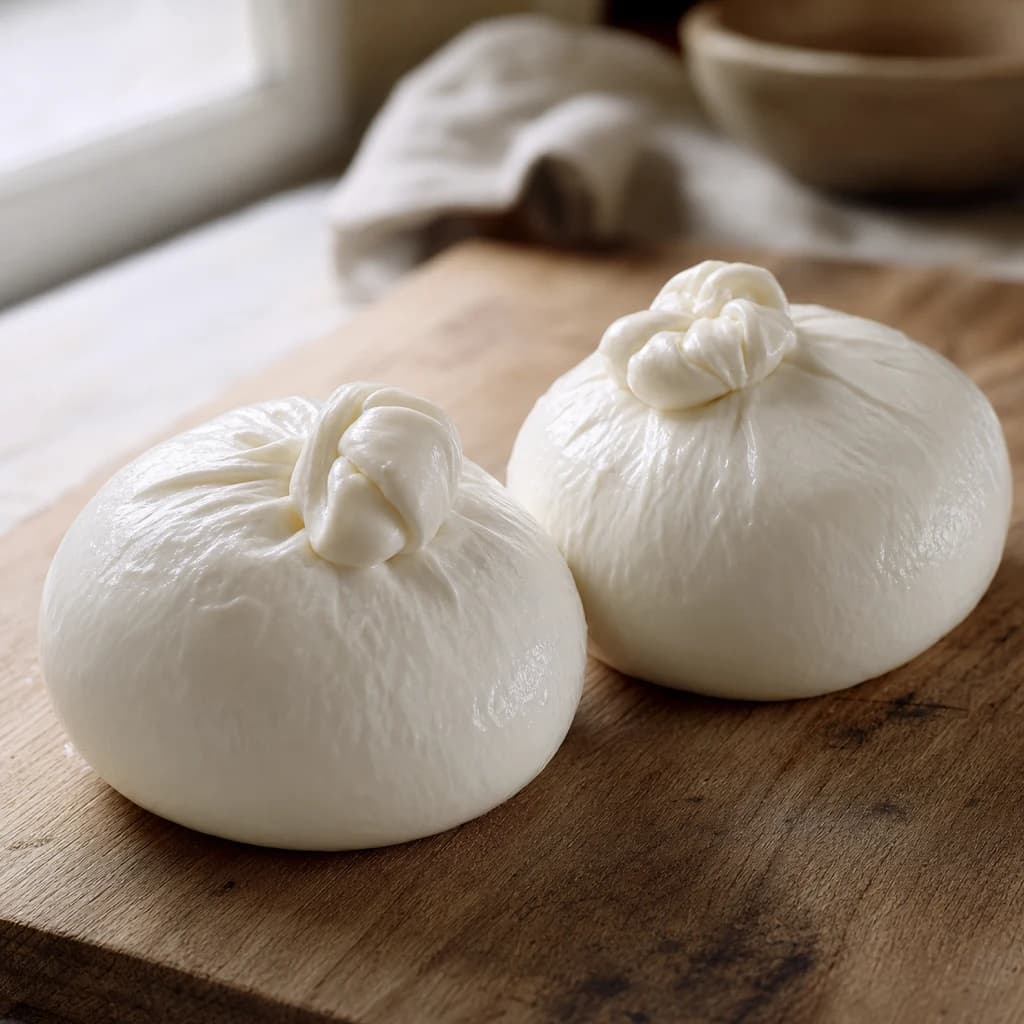
Natural form
Whole burrata balls resting on a wooden board, their mozzarella skin taut and glistening.
Shows the closed exterior form so readers recognize burrata before it is cut or served.
Dairy & Eggs
Burrata
Mozzarella pouch filled with cream and curd that spills out lush when cut open.
Burrata is a fresh Italian cheese consisting of a thin mozzarella shell enclosing a soft mix of stringy curd and cream called stracciatella. When cut, the rich interior spills out, making it a luxurious topping for tomatoes, grilled bread, salads, and pizza. It is best eaten very fresh at room temperature with good olive oil and salt.
Burrata is a fresh Italian cheese that elevates the mozzarella tradition through a clever bit of construction. The outer shell is made from solid mozzarella, drawn into a pouch and filled with a luxuriant mixture of cream and stracciatella—fine shreds of mozzarella curd suspended in fresh cream. When you cut into a burrata, the filling spills out with an almost liquid richness that no other cheese quite replicates. The contrast between the yielding, slightly springy exterior and the unctuous, flowing interior is the defining experience of eating this cheese.
The cheese hails from the Apulian town of Andria, where it emerged in the early 20th century as a way to use up excess cream and scraps of mozzarella curd from local production. Producers learned that enclosing these rich byproducts in a fresh mozzarella casing created something entirely new—something that captures the fresh, milky character of mozzarella while delivering the buttery richness of cream in a single bite. This is why burrata is never cooked; heat causes the cream to break and the delicate structure to collapse, leaving you with a greasy puddle rather than that characteristic spill.
Burrata demands respect for freshness. It is an alive, perishable product that begins degrading the moment it leaves the cheesemaker's hands. The window of peak quality is narrow—24 to 48 hours from purchase for true freshness, and even then only if properly stored in its liquid and served at room temperature. A fresh burrata should feel heavy in the hand, the skin taut and resilient, the interior liquid barely contained. This is not a cheese for planning ahead; it is a last-minute indulgence, purchased the same day you intend to eat it.
- Measured in
- g
- Storage
- Fridge
Allergens
Types & varieties
PDO-certified from Andria, Apulia; strict production standards using local milk
Traditional production area in the Murgia hills of Bari province
Historic production zone along the Adriatic coast of Apulia
Made with water buffalo milk; richer, slightly tangier flavor
The shredded curd and cream filling of burrata, sold separately as its own product
Smoked variety; not traditional but available from some producers
The Structure of a Great Burrata
Understanding what makes burrata distinctive lies in its construction. The outer shell is stretched mozzarella, worked until it forms a smooth, pliable skin capable of holding liquid. Inside, stracciatella—fine, soft ribbons of mozzarella curd—floats in fresh cream. The curd shreds are the key: they thicken and stabilize the cream slightly while maintaining a silky, flowing texture. A properly made burrata will have roughly equal proportions of cream and stracciatella by weight. When cut, the cream should flow freely but not be watery; the stracciatella should pull away in soft, irregular shreds rather than clumping. The skin should resist tearing just enough to contain the filling before releasing it dramatically on the first cut.
- Fresh burrata feels heavy—the liquid interior is dense with cream and curd
- The outer skin should spring back when gently pressed
- A deflated appearance or hard interior indicates age and quality loss
- Burrata is typically stored in brine or its own whey; some producers use modified atmosphere packaging
Buying and Storing Burrata
Burrata is perishable in the truest sense. The moment it is made, enzymatic activity begins changing its character. Producers typically mark packages with a production date, not just a sell-by date—always ask for the former when purchasing from specialty shops. The cheese should be kept submerged in its original liquid (brine or whey) in the coldest part of the refrigerator, ideally at 4°C or below. Never freeze burrata; the ice crystals destroy the delicate curd structure and turn the cream into something grainy and separated. A burrata at peak freshness has a clean, sweet milk scent with no sour or ammonia notes.
- Purchase from vendors with high turnover—daily deliveries are ideal
- Transport home quickly and refrigerate immediately
- Use within 24 hours of purchase for the best experience
- If the package is bulging, the cheese may be over-fermented
Common uses
Tips & pitfalls
- Always bring to room temperature for 30–60 minutes before serving; cold burrata has muted flavor and the cream tightens
- Test freshness by gently squeezing: a fresh burrata should feel heavy with liquid and the outer skin should spring back
- Store submerged in its original liquid in the coldest part of the refrigerator; do not let it dry out
- Tear rather than cut when plating to better control the spill of cream; a sharp knife can crush the structure
- Purchase from suppliers with rapid turnover—burrata's flavor deteriorates within hours of peak freshness
- If the outer skin appears deflated or the cream has hardened, quality has declined significantly
- When serving with tomatoes, salt the tomatoes first and drain excess liquid before assembling to prevent diluting the cheese
- For presentations where the cream spill is the visual centerpiece, place burrata on a tilted plate or use a spoon to catch the flow
- Avoid cooking burrata; heat causes the cream to separate and the structure to collapse—it is strictly a fresh, raw application
- If sourcing from specialty shops, ask for the production date rather than just the sell-by date
Nutrition
Nutrition
No USDA FoodData Central match for Burrata yet. We surface a per-100 g profile once a generic whole-food entry is matched and verified.
In the shops
Matched grocery products
No matched grocery products for Burrata yet.
Good to know
- Origin
- Apulia (Puglia), Italy, early 20th century; Burrata di Andria holds PDO status
- Primary Milk
- Cow's milk (occasionally water buffalo)
- Category
- Fresh, unaged cheese
- Shelf Life
- 24–48 hours from purchase; up to 5 days sealed in brine
- Storage
- Refrigerate in original liquid or brine; do not freeze
- Serving Temperature
- Room temperature (20–25°C / 68–77°F)
- Typical Weight
- 60–500 g per piece
- Fat Content
- 20–25% fat in finished cheese
- Texture
- Solid mozzarella outer shell; cream and stracciatella (shredded curd) interior
- Yield
- 1 liter of milk yields approximately 200–250 g burrata
Substitutes
- Stracciatella + fresh mozzarella — Tear fresh mozzarella into rough chunks and fold with stracciatella; lacks the contained pouch but replicates the texture and flavor
- Fresh mozzarella with a drizzle of cream — A practical substitute for presentations where the cream spill is not essential; the contrast will be less dramatic
Pairs with
Related

Whole Milk
Rich, full-fat milk for drinking, coffee, sauces, and baking
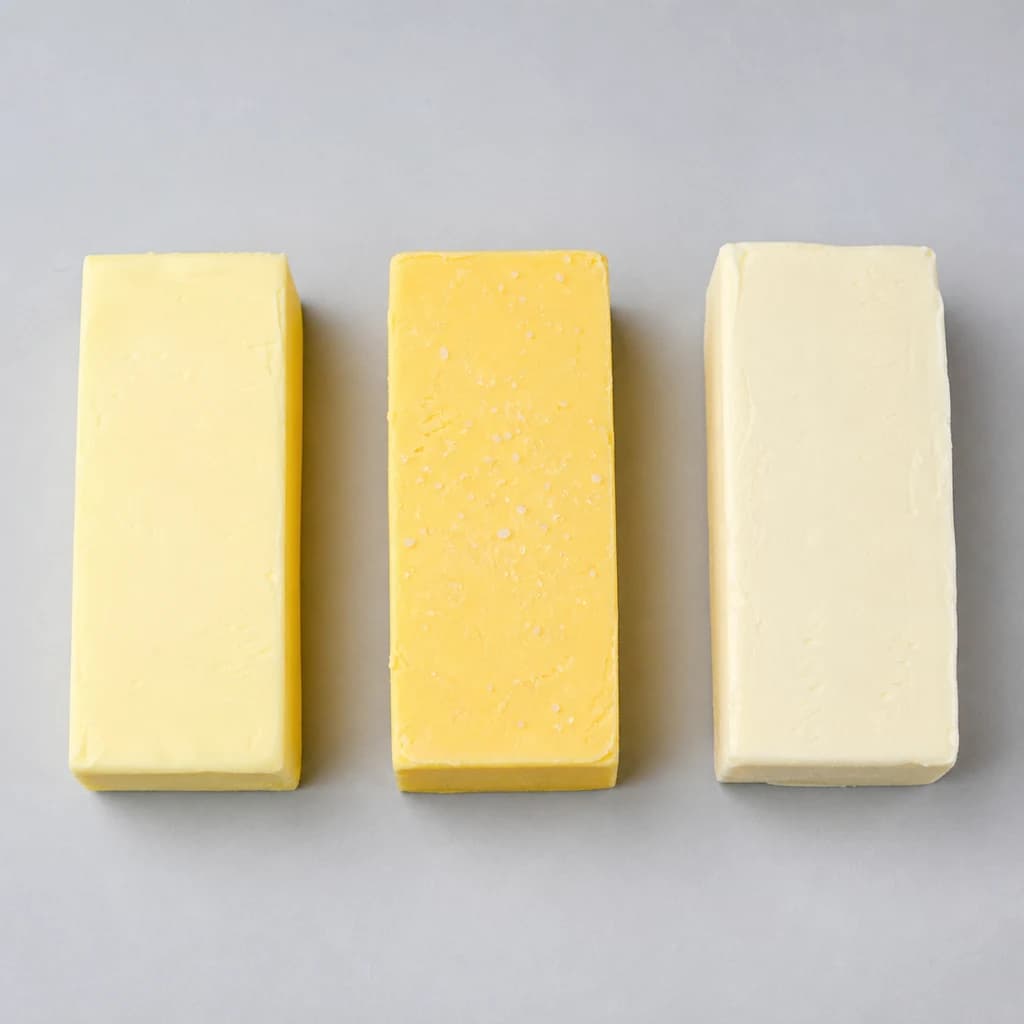
Butter
Golden fat for searing, baking, and finishing a sauce
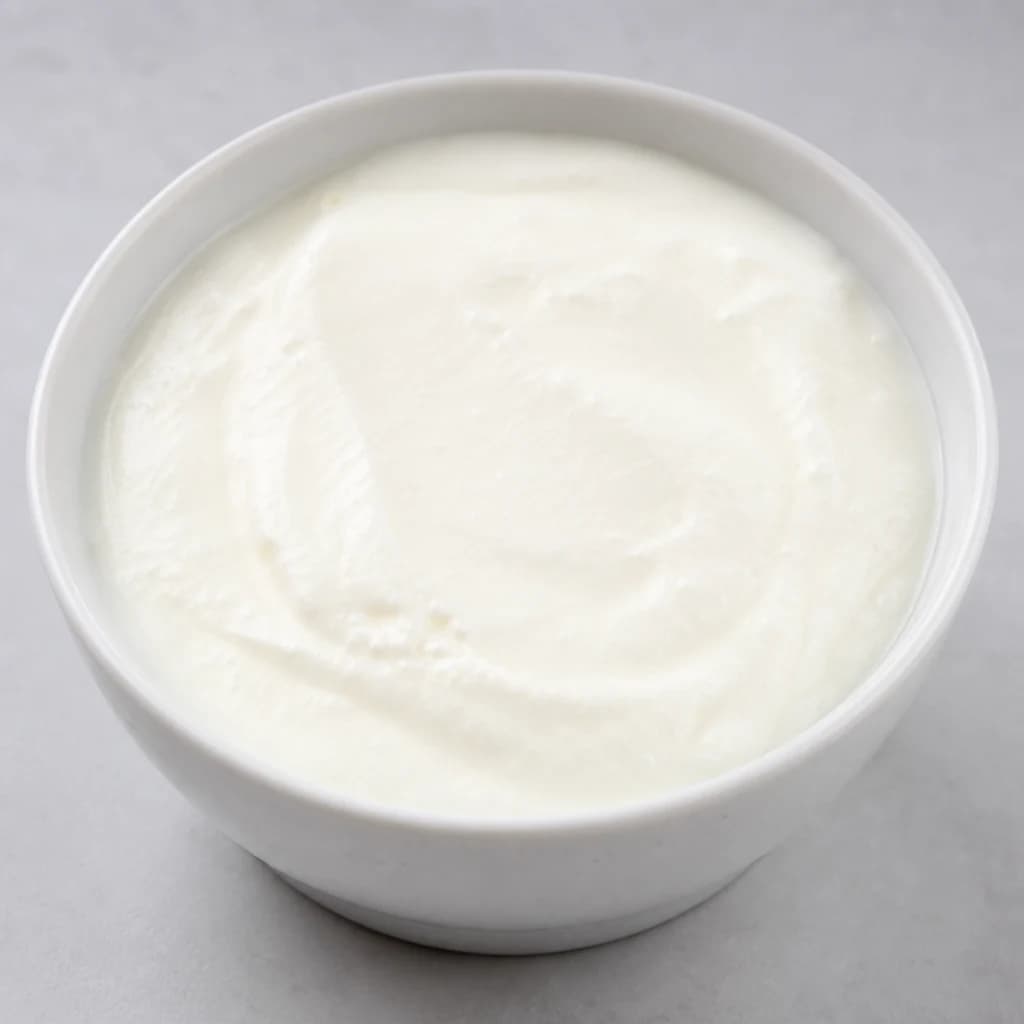
Yogurt
Tangy, creamy culture for breakfast, sauces, and marinades
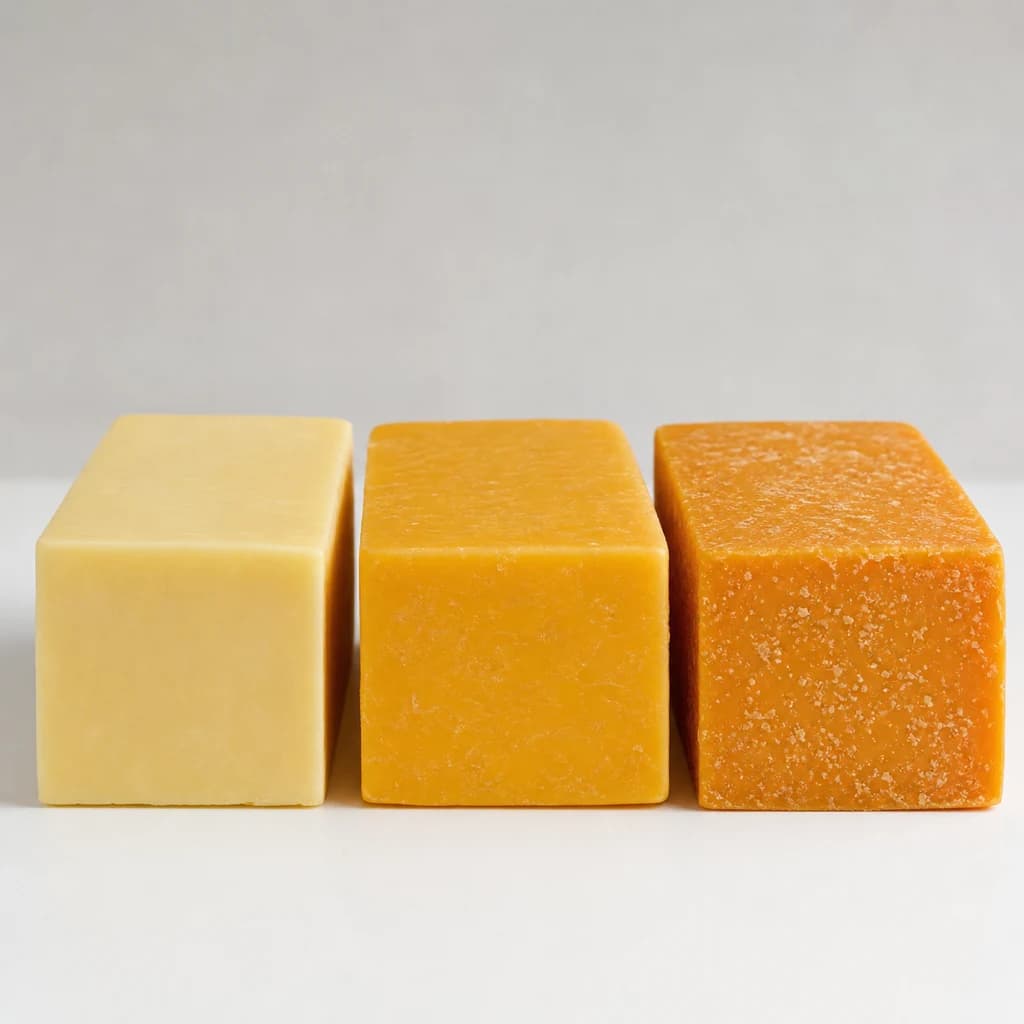
Cheddar Cheese
Sharp, melty cheese for sandwiches, gratins, and grating
Skim Milk
Fat-free milk for lighter drinking, coffee, and cooking
Heavy Cream
Rich cream that whips, enriches sauces, and sets ganache

Sour Cream
Tangy, thick cream for dolloping, baking, and dips
Mozzarella
Soft, milky cheese that melts into stretchy pizza pulls