Dairy & Eggs
Stracciatella
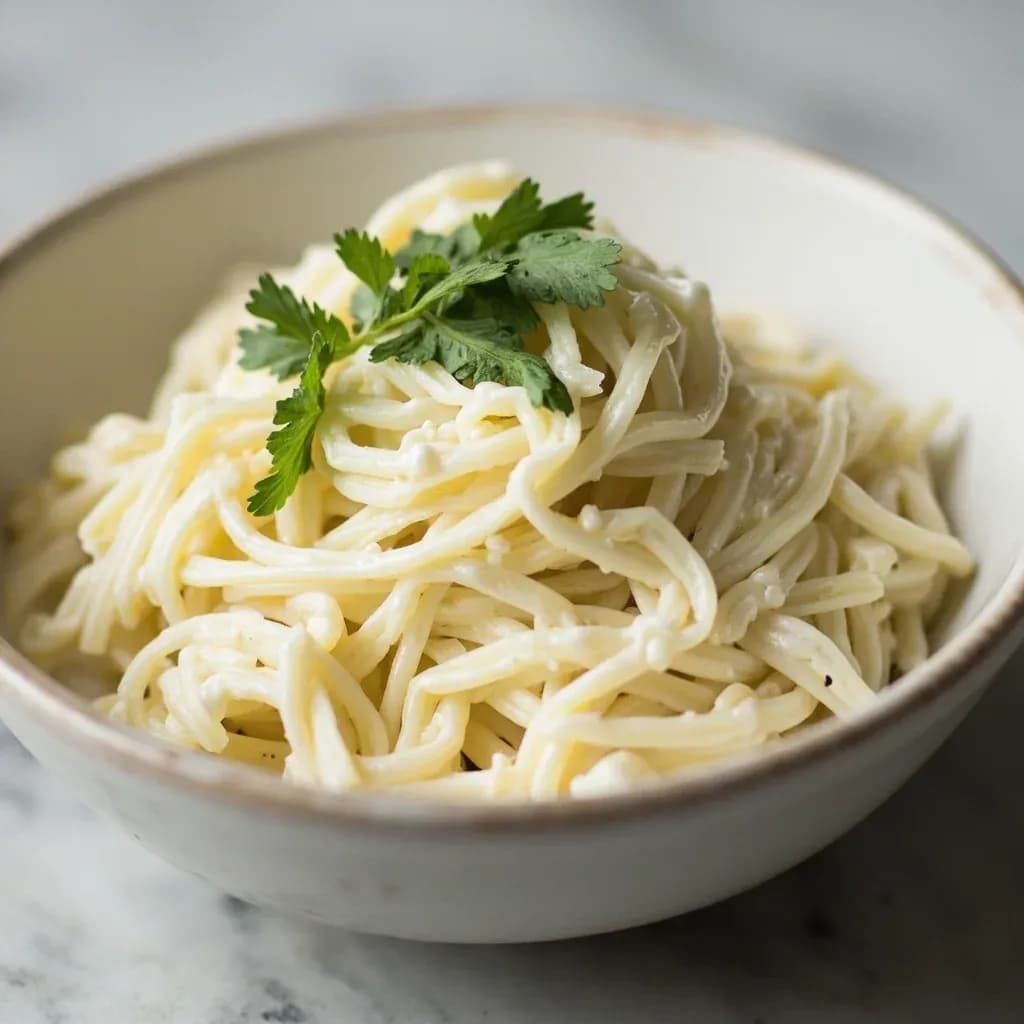
Creamy Italian filling of shredded mozzarella curds in cream — the lush inside of burrata.
Stracciatella (di bufala) is the soft, stringy mixture of torn fresh mozzarella curds bathed in cream that forms the molten center of burrata. It is milky, rich, and lightly tangy. It is spooned onto bread, pasta, pizza, or salads as a luxurious finishing cheese. (Not to be confused with the egg-drop soup or the chocolate-flecked gelato of the same name.)
Stracciatella is the creamy, luxurious interior of burrata cheese — hand-torn shreds of stretched mozzarella curd suspended in heavy cream. Its name derives from the Italian stracciare, meaning to tear or shred, a reference to the irregular ribbons of curd that give it character. Originally a byproduct of burrata production, stracciatella emerged as a standalone product as burrata's popularity grew beyond Apulia, becoming a staple of Italian-American cheese counters and specialty shops worldwide.
The magic of stracciatella lies in its paradoxical texture: silky, yielding shreds that retain their structure while swimming in liquid cream. The stretched-curd technique (pasta filata) gives the mozzarella strands their distinctive elastic pull, and the high fat content of the cream keeps everything lush and spreadable. In Puglia, especially around Andria and the surrounding Murgia plateau, true stracciatella is made with fresh curd worked by hand, torn rather than cut, and the curd-to-cream ratio varies by producer — some prefer a firmer, more shred-like texture while others favor a looser, more pourable consistency.
Because stracciatella is essentially a fresh, unaged dairy product, it is highly perishable. It should be purchased from sources with rapid turnover and consumed within a day or two of opening. Its delicate nature also means it must be treated as a finishing ingredient — never cooked — and always served at room temperature to experience its intended texture and flavor. The payoff for this attention is considerable: a single spoonful delivers a concentrated hit of milky richness that no other cheese quite replicates.
- Measured in
- g
- Storage
- Fridge
Allergens
Types & varieties
Standard cow's milk version; milder, more universally available, and most common in commercial production
Made from water buffalo milk; richer and more pronounced tang; traditional in some Pugliese production
Marketing term used when stracciatella is separated from the burrata pouch and sold separately — functionally identical to standard stracciatella
Why Temperature Matters More Than Anything Else
Stracciatella's behavior changes dramatically with temperature. Straight from the refrigerator, the cream thickens and the shreds tighten, producing a stiff, almost rubbery mass that resists spreading and loses its characteristic silkiness. At room temperature — roughly 20–22°C (68–72°F) — the cream flows freely and the curd shreds become yielding and plush. This is not a matter of preference; it is the intended state of the product. Always remove stracciatella from the refrigerator 20–30 minutes before serving. If you are in a hurry, set the sealed container in a bowl of lukewarm water for 10 minutes.
- Cold stracciatella is stiff and tight; room-temperature stracciatella is silky and spreadable
- Allow 20–30 minutes to come to room temperature before serving
- Lukewarm water bath can speed the process if needed
Understanding Freshness
Because stracciatella contains no preservatives and is minimally processed, freshness is your primary quality indicator. The lactic tang should be clean and pleasant, not sour or fermented. A slightly grainy texture or cream that has separated into distinct layers indicates age — still usable for cooking but past its prime for raw applications. Any ammonia smell is a definitive sign of advanced spoilage; discard it. When buying, look for the freshest available date and buy from retailers with high turnover.
- Smell it before buying: clean, lactic, faintly tangy is good; sourness is a warning sign
- Grainy texture or separated cream means it is past its prime for raw finishing
- Ammonia smell means discard immediately
- Buy from high-turnover sources and use within one to two days
Common uses
Tips & pitfalls
- Always keep stracciatella submerged in its liquid — exposure to air causes it to dry, oxidize, and lose its signature silkiness
- Serve at room temperature for the best texture and flavor; cold from the fridge it becomes stiff and resistant to spreading
- Never cook stracciatella — add it only as a finishing element after heat is removed from the dish
- If the cream separates or the texture seems grainy, the product is past its prime for raw use but still acceptable for cooked applications
- Do not rinse or press stracciatella to remove liquid; simply drain briefly on paper if the cream seems excessive
- When buying, smell it — it should smell clean, lactic, and faintly tangy; any sourness indicates fermentation
- For pizza, place a small amount in the center of the pie as it comes out of the oven and let residual heat warm it gently without melting
- Pair with a high-quality olive oil as a finishing drizzle — the fat carries the cream beautifully and adds fruity complexity
- If your stracciatella seems stiff even at room temperature, it likely has a higher curd-to-cream ratio; fold in a tablespoon of cold heavy cream to loosen
Nutrition
Nutrition
No USDA FoodData Central match for Stracciatella yet. We surface a per-100 g profile once a generic whole-food entry is matched and verified.
In the shops
Matched grocery products
No matched grocery products for Stracciatella yet.
Good to know
- Origin
- Apulia (Puglia) region, southern Italy, specifically Andria and the surrounding Murgia plateau
- Definition
- Hand-torn shreds of stretched mozzarella curd soaked in heavy cream — the filling scraped from burrata
- Milk Type
- Cow's milk (vaccina); buffalo stracciatella (di bufala) exists but is less common
- Flavor
- Rich, buttery, slightly tangy; milky and fresh with clean lactic notes and no ammonia or sourness
- Texture
- Soft, silky shreds suspended in liquid cream; spreadable and lush at room temperature
- Shelf Life
- 1–2 days refrigerated in original liquid; highly perishable, best consumed same day
- Storage
- Keep submerged in its cream at 4–8°C (39–46°F); never let shreds dry out or expose to air
- Yield
- 150g container yields 3–4 appetizer portions
- Difficulty
- Using: trivial. Making from scratch: advanced dairy technique requiring fresh mozzarella production knowledge
Substitutes
- Fresh ricotta — Similar spreadability but milder flavor and grainier texture; acceptable for baked applications or spreads, but lacks the signature richness for pasta finishing
- Homemade stracciatella — Tear 150g fresh mozzarella (ideally pizza filata style) into irregular shreds and soak in 60ml cold heavy cream for 30 minutes; workable for emergency situations but not identical in texture or depth of flavor
- Clotted cream — Similar richness and buttery notes but lacks the tang and the characteristic curd shreds; acceptable for spreads, inappropriate for pasta or pizza
Pairs with
Also called
stracciatella · stracciatella di bufala
Related

Whole Milk
Rich, full-fat milk for drinking, coffee, sauces, and baking
Butter
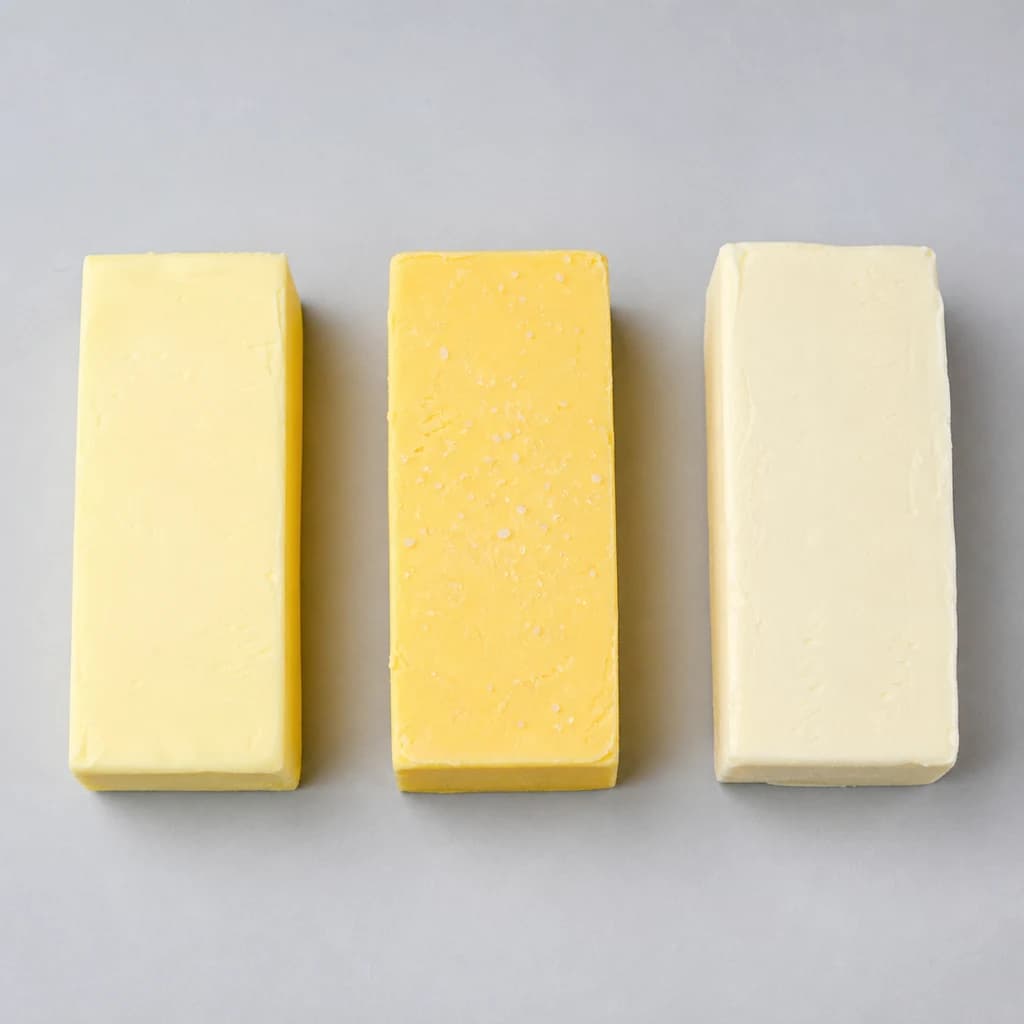
Golden fat for searing, baking, and finishing a sauce
Yogurt
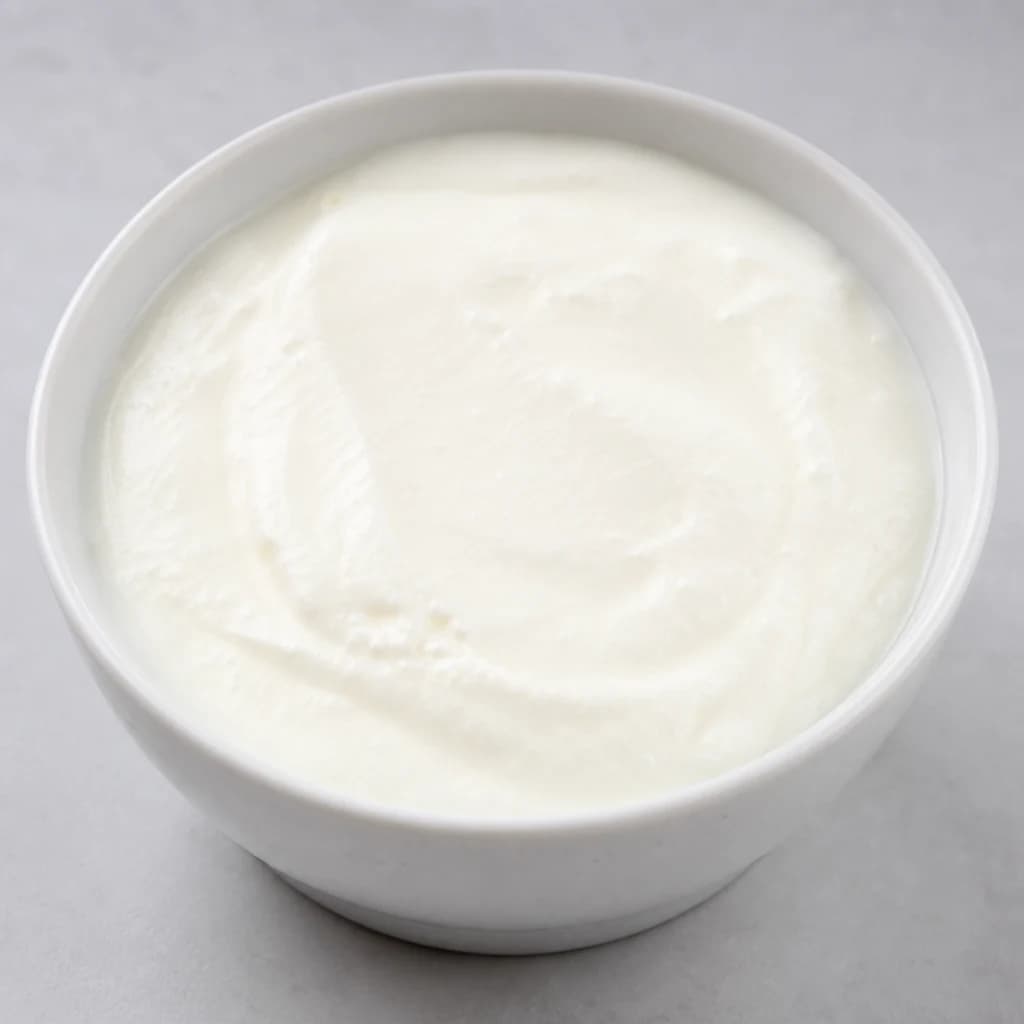
Tangy, creamy culture for breakfast, sauces, and marinades
Cheddar Cheese
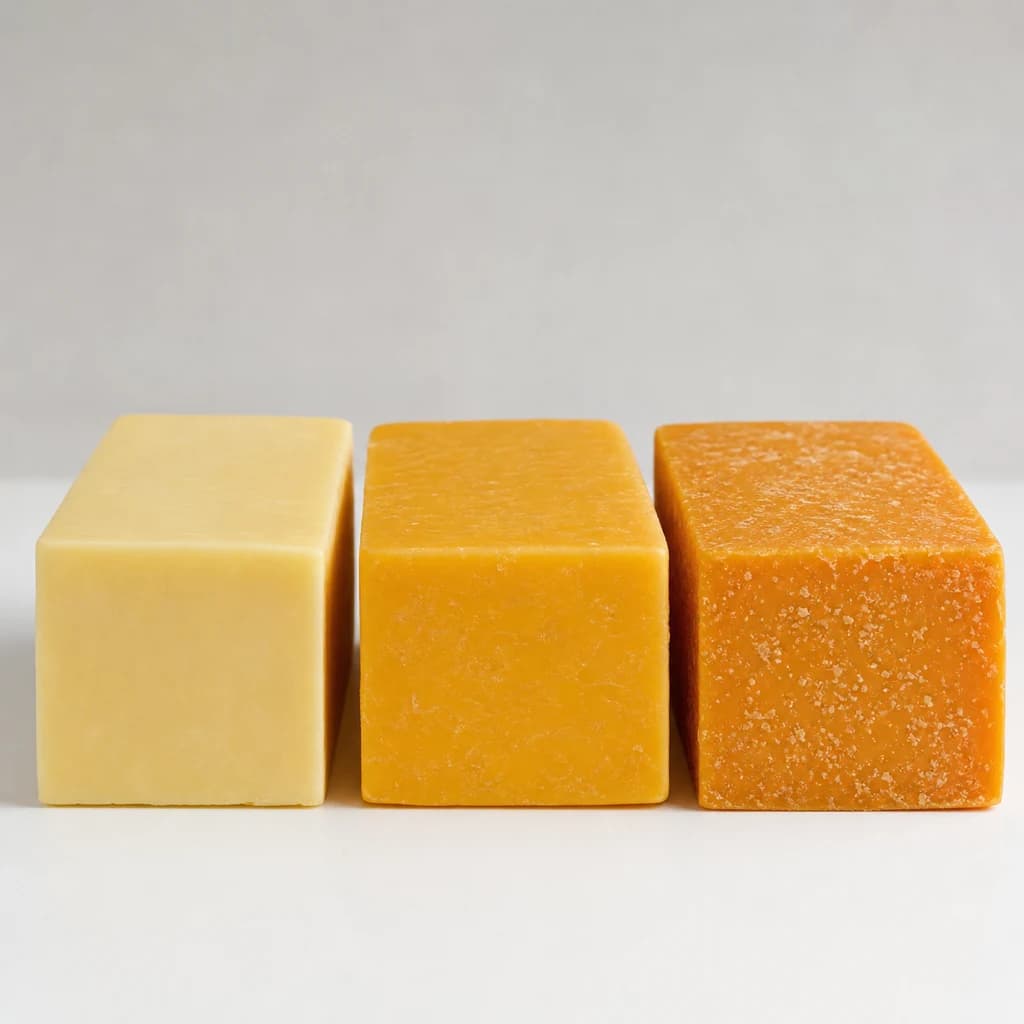
Sharp, melty cheese for sandwiches, gratins, and grating
Skim Milk
Fat-free milk for lighter drinking, coffee, and cooking
Heavy Cream
Rich cream that whips, enriches sauces, and sets ganache

Sour Cream
Tangy, thick cream for dolloping, baking, and dips
Mozzarella
Soft, milky cheese that melts into stretchy pizza pulls