Natural form
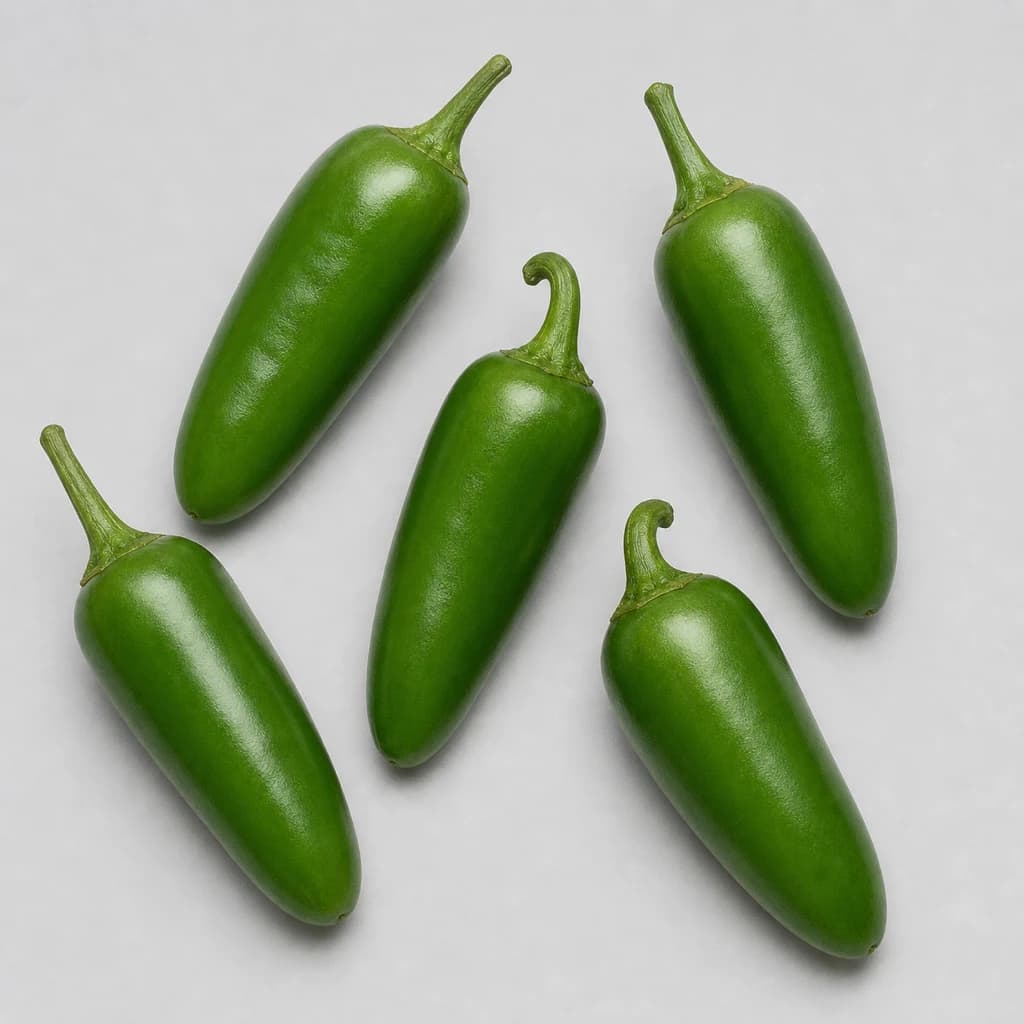
Fresh jalapeños showing characteristic elongated conical shape and glossy bright green skin.
Establishes the identifying visual signature — glossy green color, elongated conical form tapering to a rounded tip, and smooth surface — that readers use to recognize jalapeños at a glance.
Produce
Jalapeño Pepper
Bright green chili with a moderate, fruity heat
Fresh and grassy with a medium kick, jalapeños spark up salsas, nachos, and pickles — seed them to tame the heat or leave it in for fire. Keep them cold.
The jalapeño is the everyday chili — bright, grassy, and fruity with a moderate, approachable heat that you can dial up or down. Green ones are sharper and more vegetal; ripened red ones are sweeter and a touch hotter. Most of the burn lives in the white inner ribs and placental membrane; the seeds carry little heat themselves but pick it up by contact, so you control the fire by how much of the ribs (and the seeds attached to them) you leave in. Smoked and dried, the jalapeño becomes the chipotle — a whole second ingredient.
- Measured in
- piece
- Storage
- Refrigerate
- Shelf life
- 14 days
Find it in
Types & varieties
Underripe, grassy and sharp; the common type
Fully ripe, sweeter and slightly hotter
Smoke-dried jalapeño; smoky, deep — a distinct ingredient
Tangy, milder; for nachos and sandwiches
How to choose
Want firm, smooth, glossy peppers that feel heavy. Fine pale 'corking' lines on the skin are a sign of maturity and often more heat — not a defect. Avoid soft, wrinkled, or dull peppers. Heat varies pepper to pepper even on the same plant, so taste a sliver if a dish depends on a precise level.
How to control the heat
Capsaicin, the heat compound, is concentrated in the white pithy ribs (placenta) inside, with the seeds along for the ride. For milder flavor, slice the pepper open and scrape out the ribs and seeds; for full fire, leave them in. Red, ripe jalapeños are a bit hotter but also sweeter, which softens the perception of heat.
- Heat lives in the white ribs, not mainly the seeds
- Remove ribs and seeds to tame it
- Taste — heat varies pod to pod
Handle with care
Capsaicin sticks to skin and lingers; wear gloves when handling a lot of chilies, and never touch your eyes, nose, or lips afterward. Wash hands, board, and knife with soap (oil-cutting) and warm water. If you do get burned, milk or yogurt (dairy fat) soothes far better than water, which just spreads the oil.
Common uses
Tips & pitfalls
- Scrape out the ribs and seeds for flavor without the full fire
- Char or roast them to add smoky depth before adding to salsa
- Wear gloves and keep your hands away from your eyes
- Milk or yogurt, not water, calms a chili burn
- Ripe red jalapeños are sweeter — great for hot sauce
Nutrition
Energy
121 kJ · per 100 g
Where the calories come from
Protein
0.9g
2% DV
Carbs
6.5g
2% DV
Fat
0.4g
0% DV
Fiber
2.8g
10% DV
Sugars
4.1g
of which
Sodium
3mg
0% DV
Source · USDA FoodData Central · Peppers, jalapeno, raw
View on FDC →In the shops
Matched grocery products
No matched grocery products for Jalapeño Pepper yet.
Good to know
- Peak season
- Summer through early fall; available year-round
- Flavor
- Bright, grassy, fruity; medium heat (~2,500–8,000 Scoville)
- Origin
- Mexico; named for Xalapa, Veracruz
- Nutrition
- ~29 kcal/100g; vitamin C, capsaicin; eaten in small amounts
- How to buy
- Firm, glossy, smooth (or lightly corked); deep green or red; no wrinkling
Appears in these dishes

Related
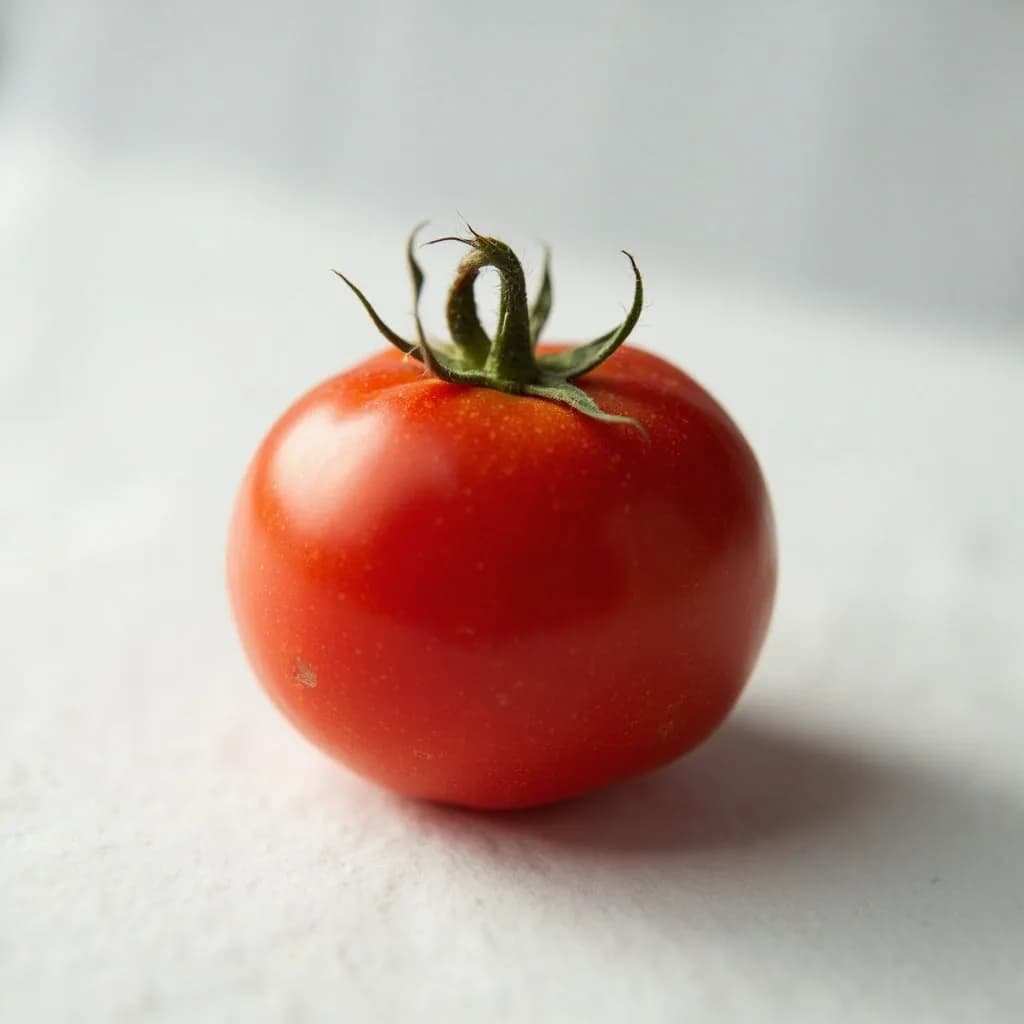
Tomato
Juicy, sun-sweet fruit for sauces, salads, and slow-cooked depth
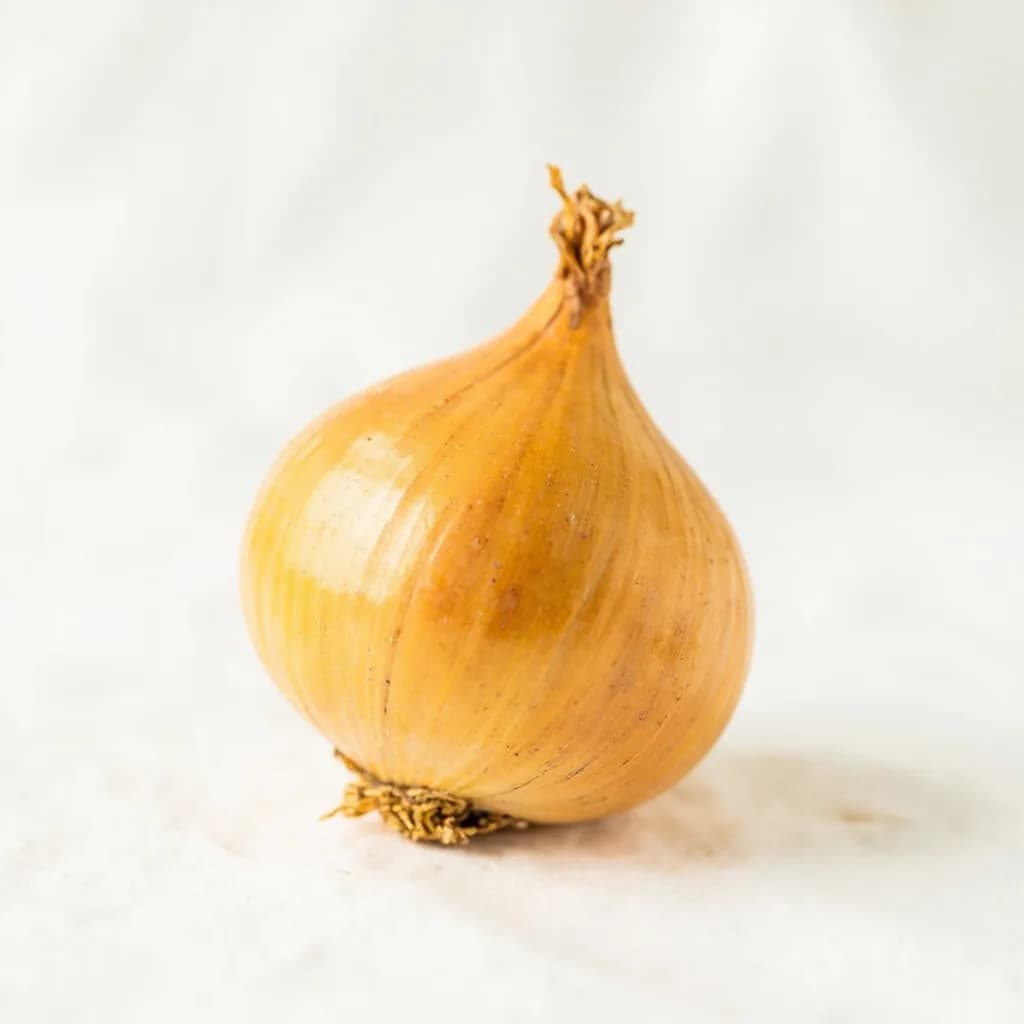
Yellow Onion
The aromatic backbone of soups, sofritos, and braises
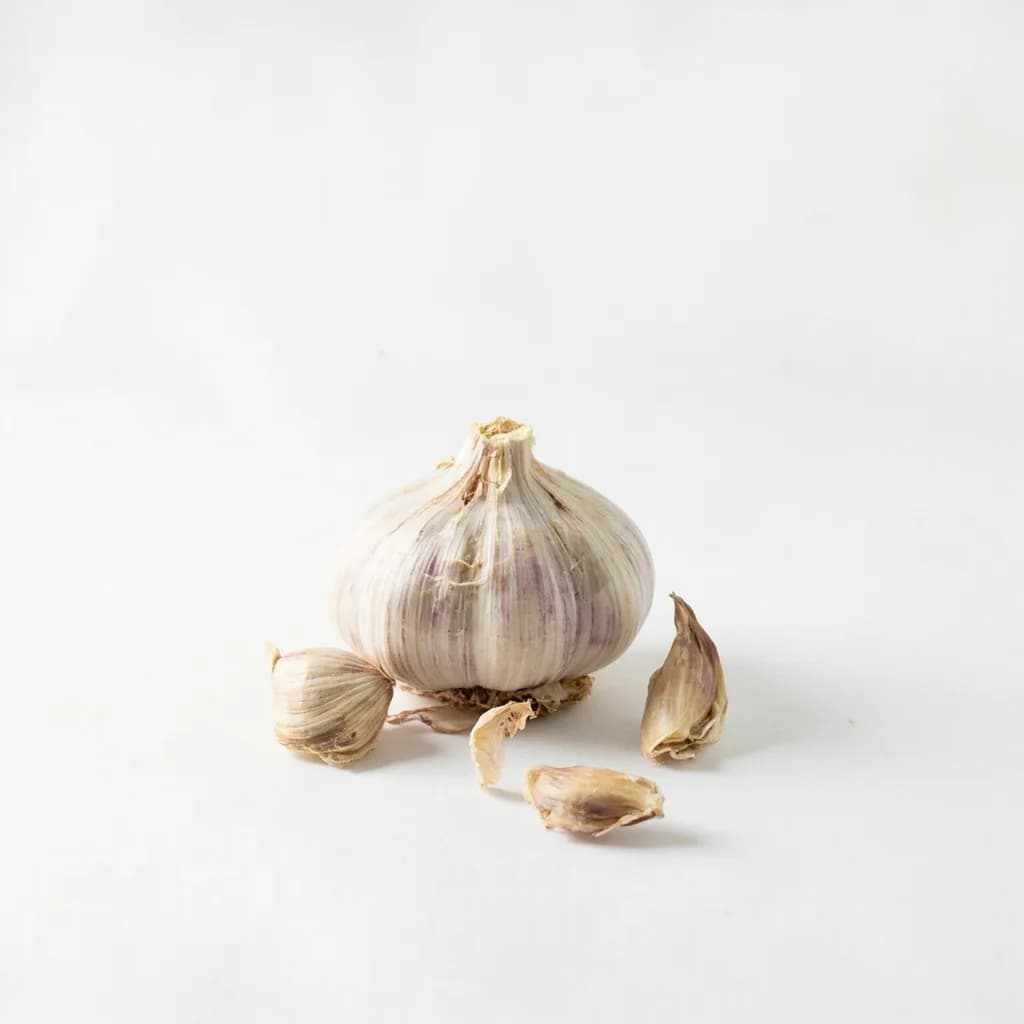
Garlic
Pungent cloves that perfume nearly every savory dish
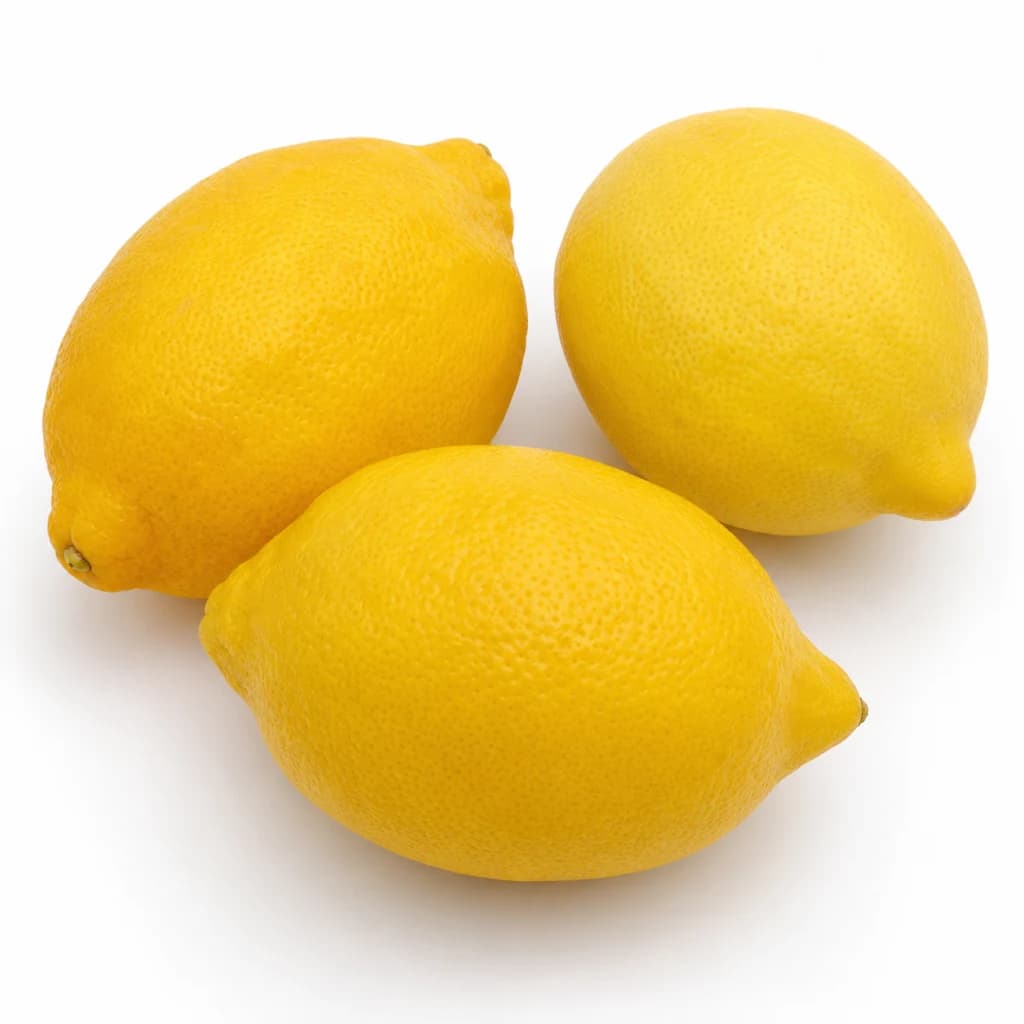
Lemon
Bright, acidic citrus that wakes up almost any dish
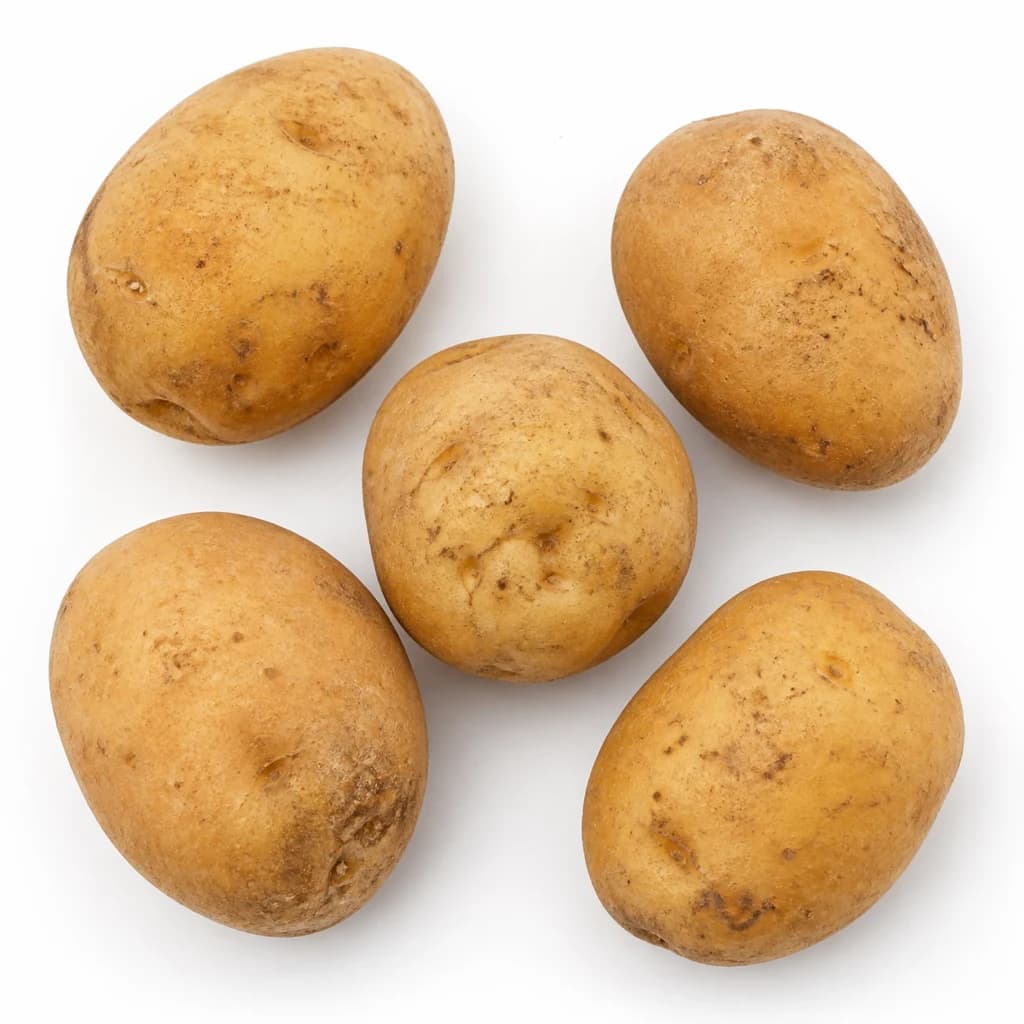
Potato
Humble, hearty staple — roast, mash, fry, or boil
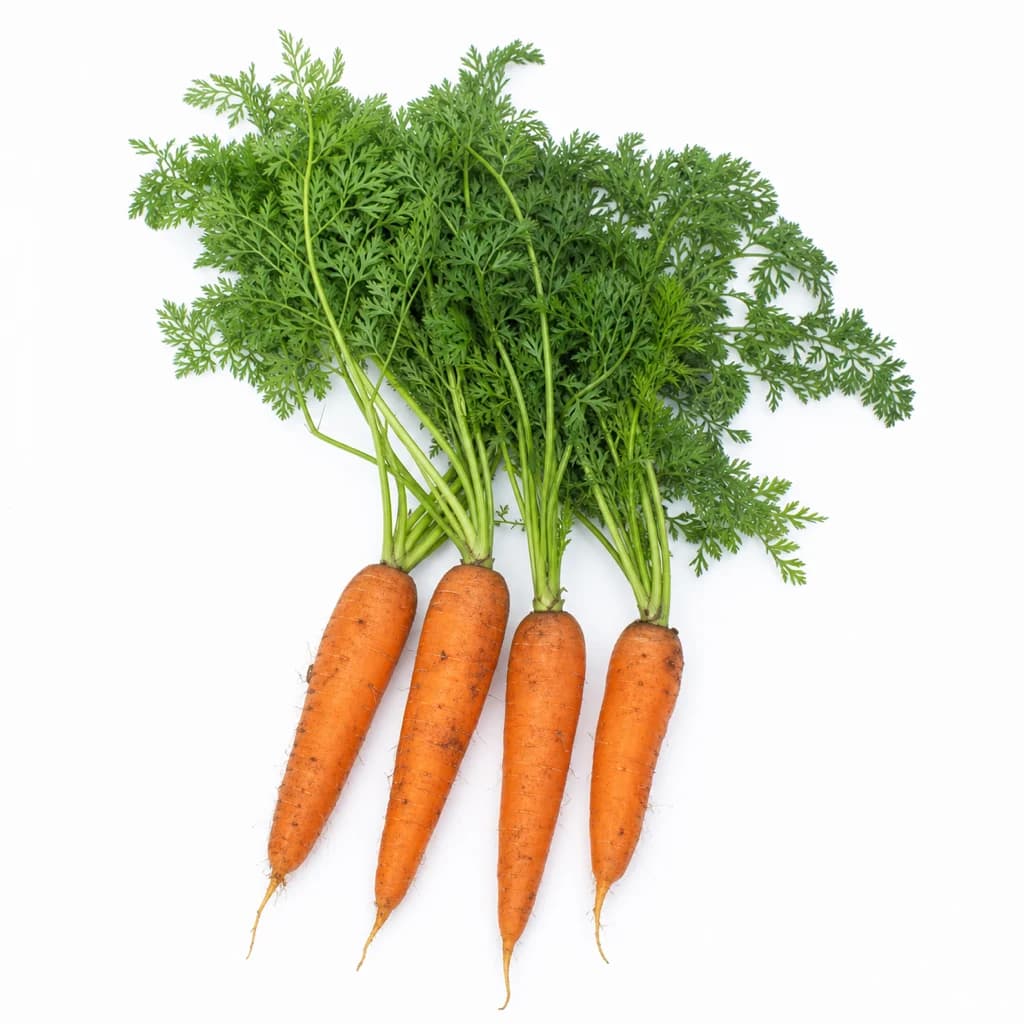
Carrot
Sweet, crunchy root — raw, roasted, or the base of a sofrito
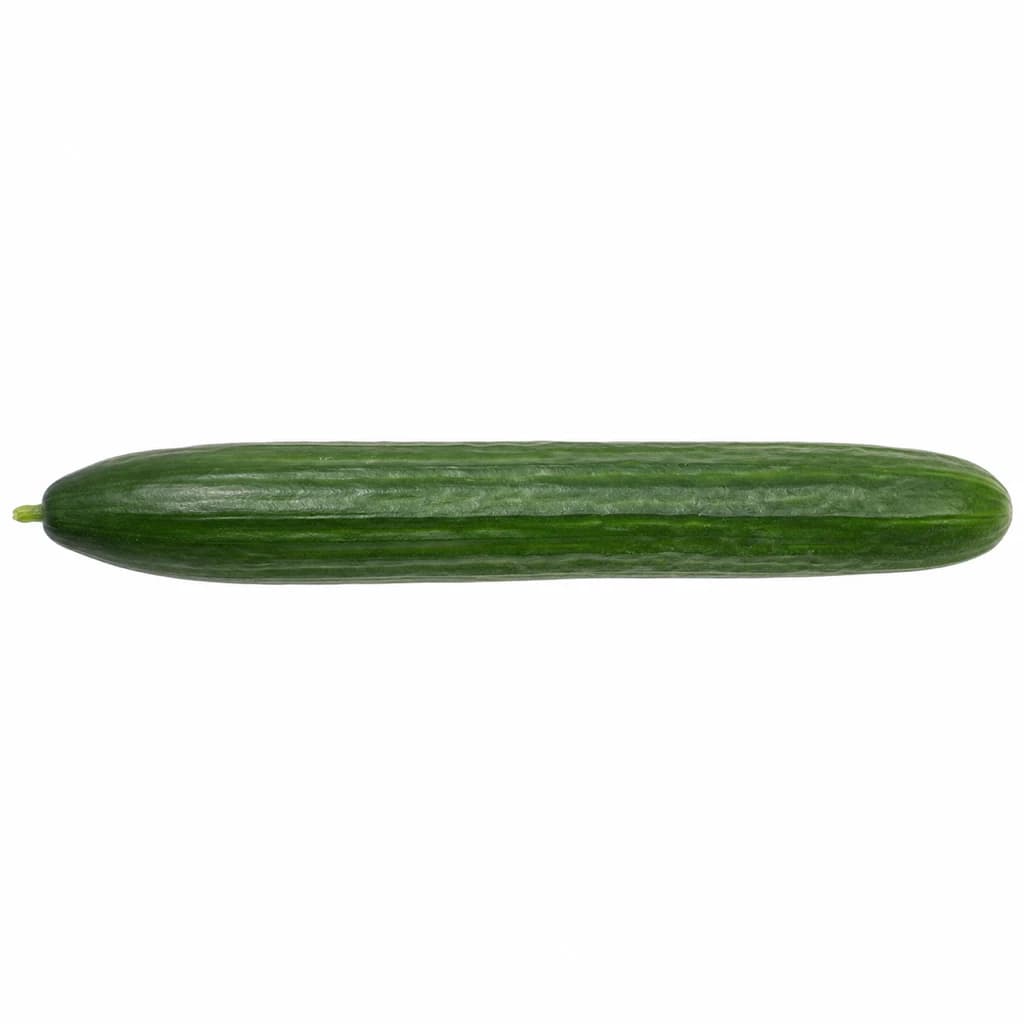
Cucumber
Cool, crisp, and watery — for salads, pickles, and tzatziki

Lettuce
Crisp leaves for salads, wraps, and a fresh crunch