
Natural form
A firm, dry wheel of aged Cotija sits on rough stone, showing its dense, crumbly exterior.
Shows the cheese in its whole aged wheel form so readers recognize it before it is crumbled.
Dairy & Eggs
Cotija Cheese
Hard, salty aged Mexican cow's-milk cheese crumbled over tacos, elotes, and beans.
Cotija is a firm, dry, intensely salty cow's-milk cheese from the Mexican town of Cotija de la Paz. Aged versions crumble like a coarse Parmesan and are scattered over street corn (elotes), tacos, refried beans, and salads as a finishing cheese. It does not melt smoothly, so it is used for sharp, salty contrast rather than for cooking down.
Cotija is one of Mexico's most treasured aged cheeses, crafted in the highlands of northwestern Michoacán since at least the 16th century. Made from full-fat cow's milk with natural animal rennet, the curds are pressed into cylindrical wheels, dry-salted, and aged on wooden boards for three to twelve months. The wheels—typically 3 to 5 kilograms—are often rubbed with lard or oil to protect them during aging, developing a harder exterior and a granular, crumbly interior that fractures cleanly under slight pressure. Often called the "Parmesan of Mexico," Cotija's flavor is distinct: sharp, intensely salty, and slightly nutty, with a mineral finish that deepens as it ages. The saltiness is functional, not incidental—it preserved the cheese before refrigeration and defines its character in the kitchen.
True aged Cotija should crumble with the touch of a fork and carry a faint aroma of toasted nuts and aged dairy. Its extreme hardness at serving temperature makes it purely a finishing cheese; unlike fresh or semi-firm varieties, it will not melt smoothly. When shopping, seek whole wheels or wedges cut to order rather than pre-packaged crumbles, which lose character rapidly. Domestic "Cotija-style" cheeses—often made from blends of colby, Monterey jack, and white cheddar—mimic the appearance but lack the granular texture and depth of the real thing. They serve as acceptable stand-ins but should not be mistaken for equivalent.
The cheese's traditional home is the Sierra de los Huicholes area of Michoacán and adjacent Guanajuato, where high-altitude dairies produce smaller wheels under Denominación de Origen protection (Cotija de la Sierra). Whether crumbled over elotes, folded into refried beans, or served as a table cheese with bread, Cotija brings an irreplaceable combination of salt, sharpness, and rustic depth that defines many cornerstone dishes of Mexican cuisine.
- Measured in
- g
- Storage
- Fridge
Allergens
Types & varieties
Aged 9–12 months; intensely salty, sharp, dry. Standard culinary reference with darker exterior and granular interior. Primary choice for crumbling over tacos, elotes, and beans.
Younger version aged 2–3 months; milder, softer, slightly pliable. Easier to slice; better for applications where some melting is desired. Less common outside Mexico.
Traditional mountain production from the Sierra de los Huicholes; smaller wheels (1–2 kg); PDO-protected; more complex, earthy flavor from high-altitude dairies.
Common uses
Tips & pitfalls
- Crumble it cold, directly from the refrigerator—it fractures cleanly into distinct pieces; at room temperature it becomes waxy and difficult to crumble cleanly.
- Taste before adding salt to any dish—commercial Cotija, especially añejo, can be aggressively salty, and overseasoning is the most common mistake cooks make with it.
- If the flavor is too intense or gritty for a softer dish, grate it finely on a microplane; the texture integrates better than rough crumbles in things like egg dishes or soups.
- Seek whole wheels or wedges cut to order rather than pre-shredded crumbles in plastic bags—the anti-caking agents interfere with crumbling and the flavor dulls rapidly after packaging.
- Authentic Mexican Cotija is difficult to find outside Mexico; US-made versions vary widely in quality and saltiness—read ingredient labels for 'cultured milk' without stabilizers or fillers.
- When substituting Cotija for Parmesan in a recipe, use half the quantity and adjust salt carefully—the flavor punch and saltiness differ substantially.
- Pair añejo with bold, rustic dishes; reserve fresher-style Cotija for milder preparations where slight melting is acceptable.
- Store wrapped in wax paper first, then loosely in plastic; this allows the cheese to breathe while preventing it from drying out in the refrigerator.
Nutrition
Energy
1531 kJ · per 100 g
Where the calories come from
Protein
20g
40% DV
Carbs
4g
1% DV
Fat
30g
38% DV
Fiber
0g
0% DV
Sugars
0g
of which
Sodium
1400mg
61% DV
Source · USDA FoodData Central · Cheese, mexican, queso cotija
View on FDC →In the shops
Matched grocery products
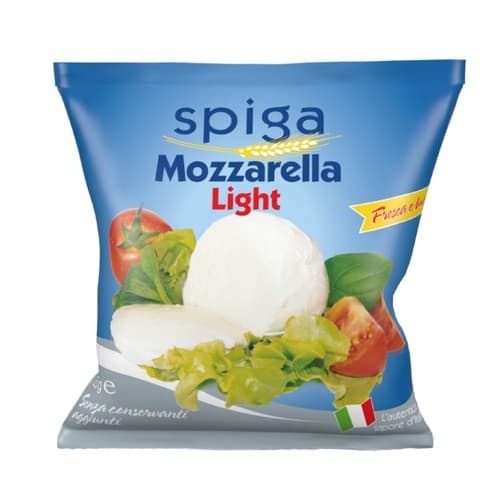 €1.00
€1.00Light Mozzarella
SPIGA · kg · Bonpreu
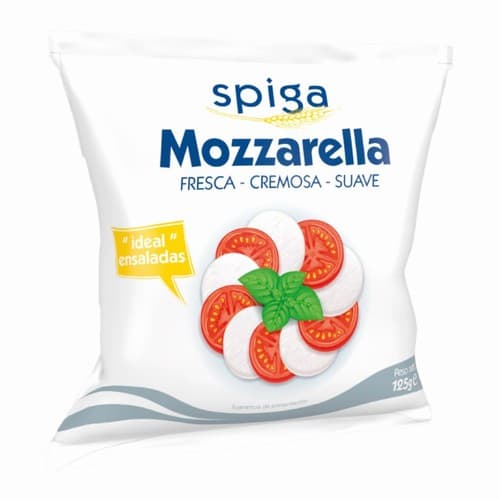 €0.90
€0.90Fresh Mozzarella
SPIGA · kg · Bonpreu
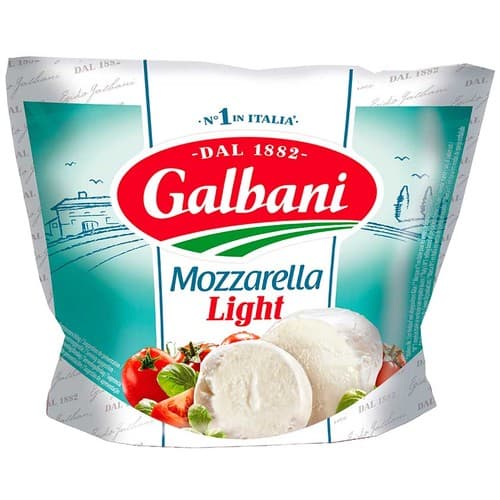 €1.95
€1.95Galbani Light Mozzarella
GALBANI · kg · Bonpreu
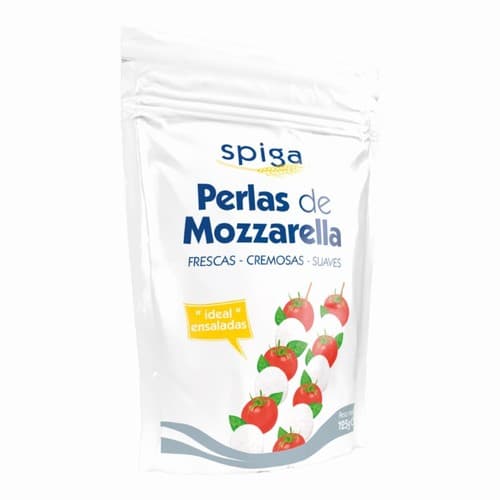 €1.59
€1.59Mozzarella Pearls
SPIGA · kg · Bonpreu
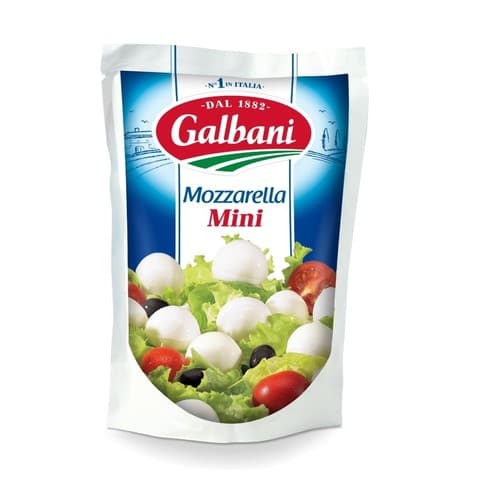 €3.65
€3.65Mini Mozzarella Balls
GALBANI · kg · Bonpreu
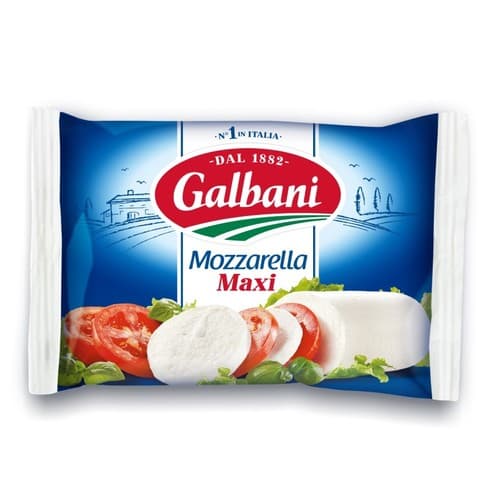 €3.99
€3.99GALBANI Mozzarella Maxi Fresh
GALBANI · kg · Bonpreu
Good to know
- Origin
- Cotija de la María, Michoacán, Mexico; Sierra de los Huicholes region
- Milk Type
- Cow's milk, 3.5–4% butterfat
- Aging Time
- 3–12 months depending on variety
- Texture
- Hard, crumbly, granular when aged; firmer than Parmesan
- Flavor
- Sharp, salty, slightly nutty; intensifies with age
- Fat Content
- 21–25%
- PDO Status
- Denominación de Origen for Cotija de la Sierra only
- Shelf Life
- Refrigerated, 4–6 weeks; flavor improves over time
- Form
- Cylindrical wheels, typically 3–5 kg
Substitutes
- Parmesan (Parmigiano-Reggiano) — Closest textural and flavor match for crumbled applications; use equal amounts and taste for salt before seasoning.
- Pecorino Romano — Sharper, saltier, and more tangy; use three-quarters quantity and reduce added salt in the dish.
- Feta (block-style, not brined) — Acceptable in a pinch for crumble-topping applications; significantly milder and less nutty, and it adds moisture.
- Dry Jack — California cheese with similar aging process; slightly sweeter, less salty. Good one-to-one substitute.
- Queso Blanco (fresh, hard variety) — Mild and won't crumble well; only suitable if a very mild, slightly melted result is acceptable.
Pairs with
Also called
Queso Cotija
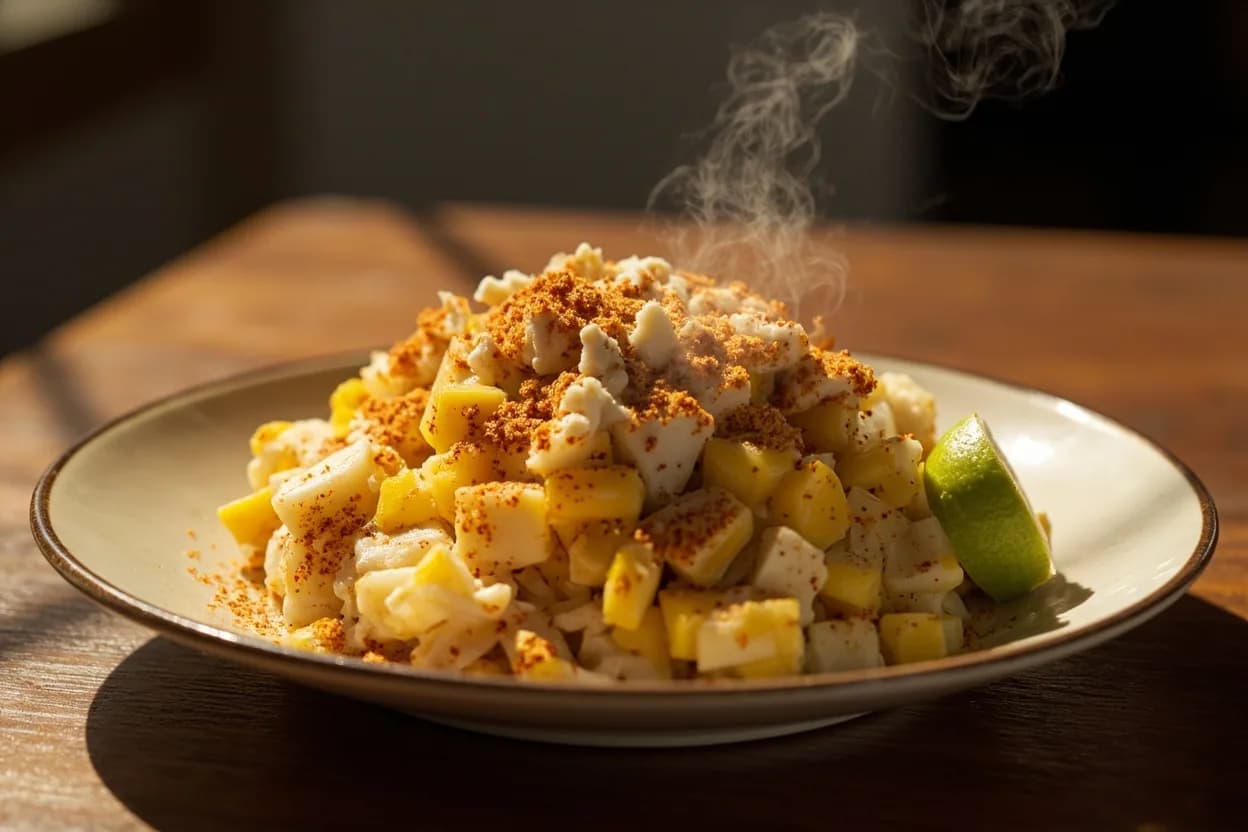
Appears in these dishes
Related

Whole Milk
Rich, full-fat milk for drinking, coffee, sauces, and baking
Butter
Golden fat for searing, baking, and finishing a sauce
Yogurt
Tangy, creamy culture for breakfast, sauces, and marinades
Cheddar Cheese
Sharp, melty cheese for sandwiches, gratins, and grating

Skim Milk
Fat-free milk for lighter drinking, coffee, and cooking
Heavy Cream
Rich cream that whips, enriches sauces, and sets ganache

Sour Cream
Tangy, thick cream for dolloping, baking, and dips
Mozzarella
Soft, milky cheese that melts into stretchy pizza pulls