
Natural form
A whole round of queso fresco on a wooden board, showing its soft, moist white surface.
Shows the cheese in its intact, recognizable block form so readers understand its size, color, and texture before any preparation.
Dairy & Eggs
Fresh White Cheese (Queso Fresco)
Mild, soft, crumbly unaged cheese used across Latin America; crumbled over dishes or eaten fresh.
Fresh white cheese, best known as queso fresco, is a soft unaged cheese with a mild, milky, slightly salty flavor. It crumbles easily and is scattered over beans, tacos, and salads, or eaten in slices with bread. Similar fresh cheeses appear worldwide, from Mató in Catalonia to queijo fresco in Portugal.
Queso fresco is not a single regulated product but a family of fresh white cheeses made throughout the Spanish-speaking Americas. The term literally means "fresh cheese," and it encompasses significant variation in texture, saltiness, and production method from country to country and producer to producer. In Mexico alone, regional differences exist between Oaxacan, Yucatán, central Mexican, and northern Mexican styles. The cheese is made primarily from cow's milk, though goat or sheep milk—and blends—are used depending on tradition and availability. Traditional production uses both acid and rennet for coagulation; some varieties rely on acid alone. The result is an unaged cheese typically consumed within days to two weeks of production.
The cheese's defining characteristic is its fresh, mild, slightly salty profile combined with a crumbly texture that makes it distinct from both soft ripened cheeses like brie and hard aged cheeses like parmesan. Its primary culinary function is as a finishing cheese—added at the table to provide texture, mild dairy richness, and salt that balances rather than dominates other flavors. It does not melt into strings or become gooey; instead it softens slightly and holds its crumbly integrity, which is exactly what you want. In frying applications with Panela or queso de freír, the cheese transforms into a crisp exterior with a soft, yielding interior—similar to halloumi—making it one of the few fresh cheeses that actually improves with heat.
Do not confuse queso fresco with Cotija (aged, sharper, much saltier), processed white cheese products, or American string cheese—they are fundamentally different products with different textures, flavors, and uses.
- Measured in
- g
- Storage
- Fridge
Allergens
Types & varieties
Squatter, denser cake form; holds its shape better when sliced; popular in Mexican taquerías for frying
Broadly similar; terms often used interchangeably in Mexico and Central America, though queso blanco sometimes refers to pure acid-coagulated (rennet-free) versions
Whey or part-whey cheese; softer, moister, more like ricotta; used in salads, on toast, and in fillings
Close relative with lower moisture; holds shape in hot oil; used for deep-frying in Caribbean and Central American cooking
Pressed and slightly cooked version; firmer and saltier than standard queso fresco
Dominican and Puerto Rican style; very white, crumbly, mild; distinct regional tradition
Bengali and Odia fresh cheese; not technically queso fresco but texturally very similar; used in sweets and savory dishes
Fresh Mexican cow's-milk cheese — mild, salty and crumbly; softens but doesn't melt, so it crumbles over tacos, beans and enchiladas as a finishing cheese.
Making Queso Fresco at Home
You can produce a serviceable queso fresco with just two ingredients and no special equipment. Heat 4 liters of whole milk to 85°C (185°F)—use a thermometer for accuracy, as temperature is the critical variable. Remove from heat, add 60 ml white vinegar (distilled white works well), and stir gently for about 30 seconds. Let the mixture sit undisturbed for 5 minutes as the curds form and separate from the whey. The milk should visibly curdle and the liquid turn translucent greenish-yellow. Line a colander with cheesecloth (or a clean cotton cloth), ladle in the curds, and let drain for 10–15 minutes. Season with salt to taste—start with about 5 grams and adjust. Gather the cloth and squeeze gently to remove excess moisture. For a drier, crumblier texture, hang the cheesecloth bundle for an additional 30 minutes. This yields approximately 300g of fresh cheese, best used the same day.
- Whole milk produces better texture than 2%—fat content matters for the final result
- White wine vinegar or lemon juice can substitute for white vinegar in a pinch
- For a firmer texture, add 1/4 teaspoon liquid rennet dissolved in 2 tablespoons non-chlorinated water along with the vinegar
- The whey byproduct can be used in bread dough or discarded
Common uses
Tips & pitfalls
- Taste before using—saltiness varies dramatically between brands and regional styles; adjust seasoning in your dish accordingly
- Store in an airtight container or wrapped tightly in plastic; place a damp paper towel (not touching the cheese) in the container to prevent drying out
- Use it as a finishing cheese, not a melting cheese—its value is the crumbly texture and mild counterpoint to bold flavors
- To crumble evenly without making a mess, pull the cheese apart with your fingers or tap it gently with a rolling pin inside a closed plastic bag
- If the cheese smells strongly of ammonia, it is past its prime—discard it
- For frying, press Panela or queso de freír between paper towels for 20 minutes first to remove excess moisture and achieve a better crust
- Look for a clean, lactic, fresh-milk scent; avoid packages with any liquid pooling at the bottom, which indicates excess moisture or poor handling
- Do not confuse with Cotija—Cotija is aged, sharper, and saltier; it does not crumble the same way and is a finishing cheese, not a melting one
- In Mexican taquerías, Panela is the preferred frying variety because it holds its shape without falling apart in oil
- For a crispier fried cheese, dust slices lightly with cornstarch before pan-frying
- Make your own: heat 4 liters whole milk to 85°C (185°F), add 60 ml white vinegar, stir gently, let sit 5 minutes, drain through cheesecloth—season with salt. Yields approximately 300g fresh cheese
Nutrition
Energy
1251 kJ · per 100 g
Where the calories come from
Protein
18.1g
36% DV
Carbs
3g
1% DV
Fat
23.8g
31% DV
Fiber
0g
0% DV
Sugars
2.3g
of which
Sodium
751mg
33% DV
Source · USDA FoodData Central · Cheese, fresh, queso fresco
View on FDC →In the shops
Matched grocery products
No matched grocery products for Fresh White Cheese (Queso Fresco) yet.
Good to know
- Origin
- Mexico and throughout Latin America; pre-Hispanic roots evolved with European cheesemaking techniques
- Milk
- Primarily cow's milk; sometimes goat, sheep, or a blend of milks
- Coagulation
- Acid and rennet (traditional); some varieties acid-only
- Aging
- Unaged fresh cheese; typically consumed within days to two weeks of production
- Flavor
- Mild, slightly tangy, fresh; saltiness varies significantly by brand and region
- Texture
- Crumbly and soft; crumbles easily with fingers; varies from compact to slightly moist depending on variety
- Melting
- Minimal—softens but does not become stretchy or gooey
- Shelf life
- Refrigerated, 7–14 days in original packaging or airtight container; does not freeze well
- Fat content
- Full-fat versions around 17–21%; reduced-fat variants available
- Salt content
- Moderate to high sodium; varies significantly by producer and regional tradition
Substitutes
- Feta — Saltier and more tangy due to brine aging; crumbles similarly but flavor is more assertive; drain and rinse to moderate saltiness
- Paneer — Indian fresh cheese; nearly identical texture and mild flavor; best direct substitute for cooking and frying applications
- Cotija — Aged Mexican white cheese; much saltier and sharper; use sparingly as a garnish substitute only; does not melt at all
- Ricotta — Softer, wetter, and milder; not a close textural match for crumbling but works in salads and fillings; press to drain excess moisture before using
- Farmer's cheese — American fresh cheese; mild, slightly tangy, crumbly; very close in both flavor and texture; good direct substitute in most applications
- Bulgarian feta — Similar crumbly white texture; often saltier; rinse briefly to reduce salt if using as a direct crumble substitute
- Halloumi — Holds shape much better when cooked; mild but slightly rubbery texture; not ideal for crumbling but useful for frying if queso de freír is unavailable
- Cream cheese — Too soft and rich; not a crumbly texture match; only viable in smooth fillings like quesadillas, not as a garnish
Pairs with
Also called
Queso Fresco · Queso Blanco · Fresh White Cheese · Mató · Queijo Fresco · Turrialba Cheese
Appears in these dishes

Related

Whole Milk
Rich, full-fat milk for drinking, coffee, sauces, and baking
Butter
Golden fat for searing, baking, and finishing a sauce
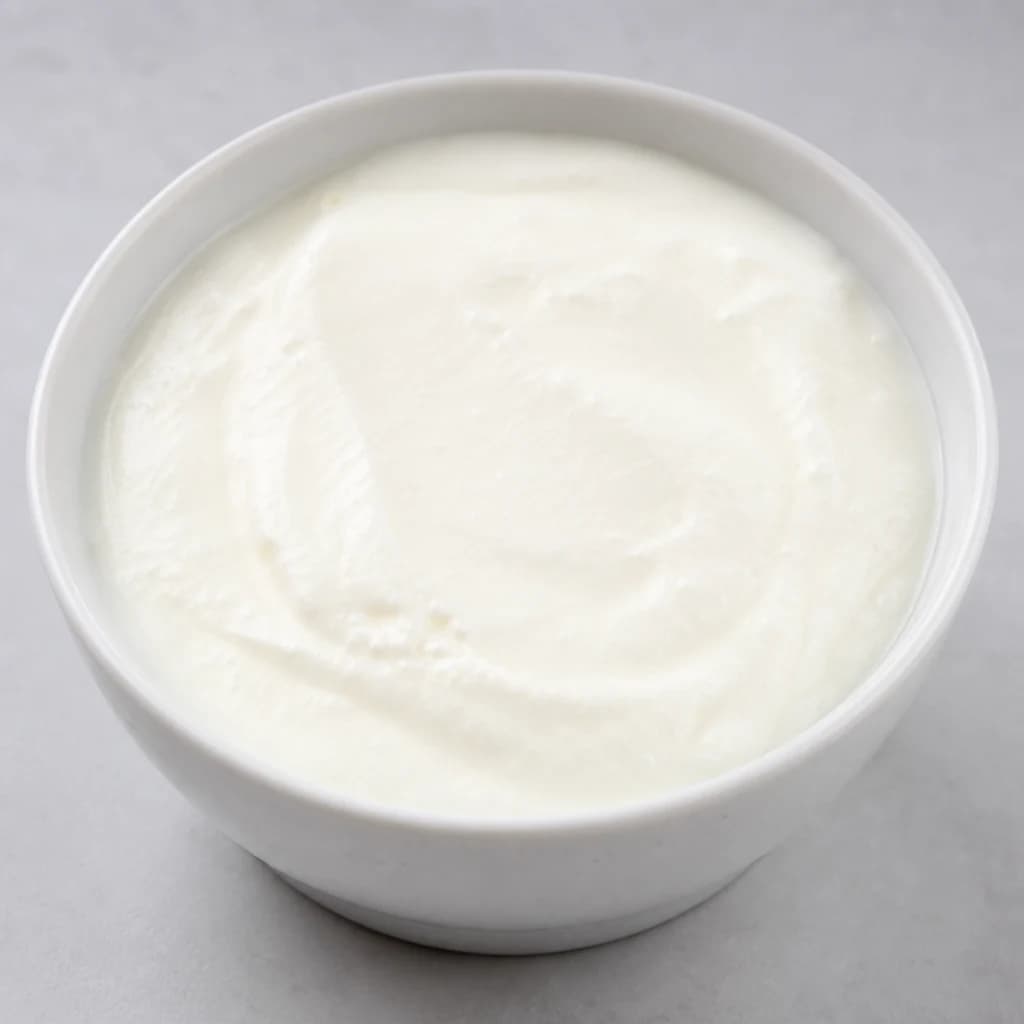
Yogurt
Tangy, creamy culture for breakfast, sauces, and marinades
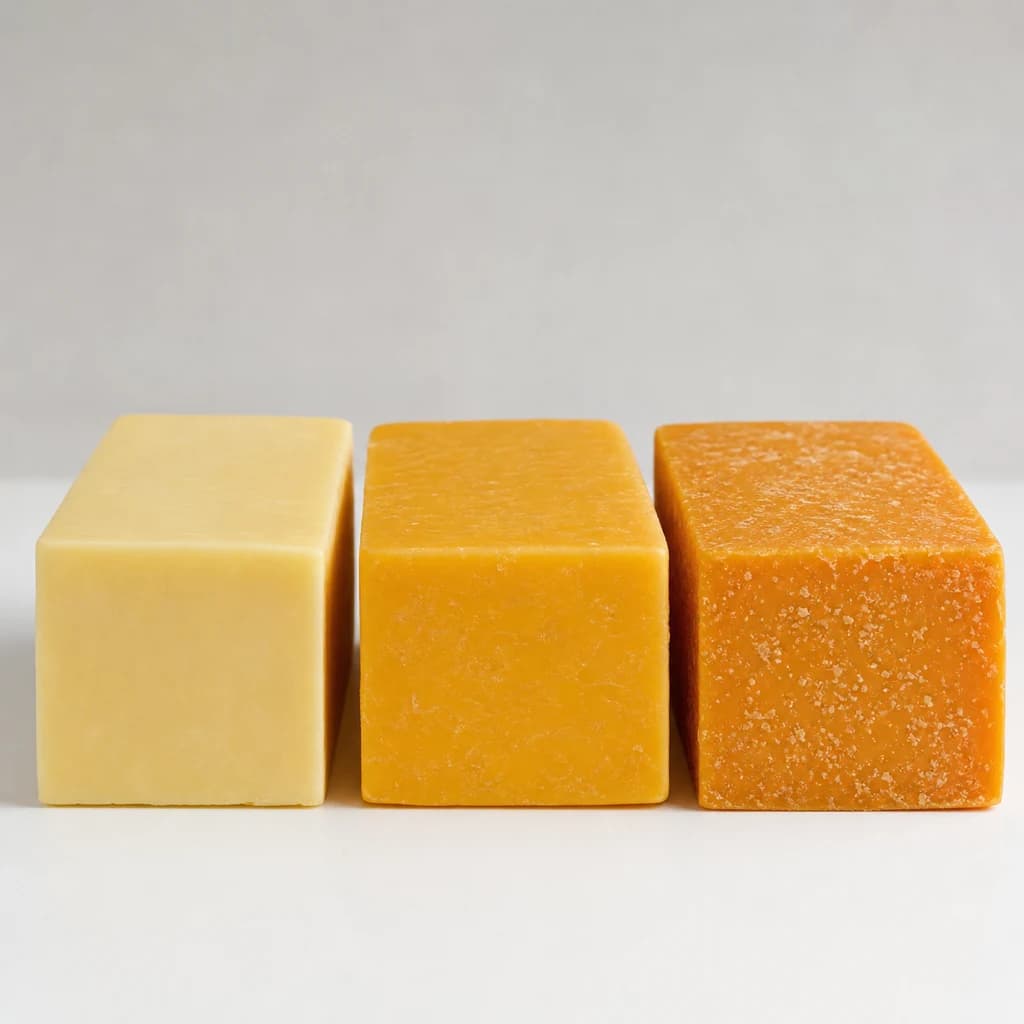
Cheddar Cheese
Sharp, melty cheese for sandwiches, gratins, and grating
Skim Milk
Fat-free milk for lighter drinking, coffee, and cooking
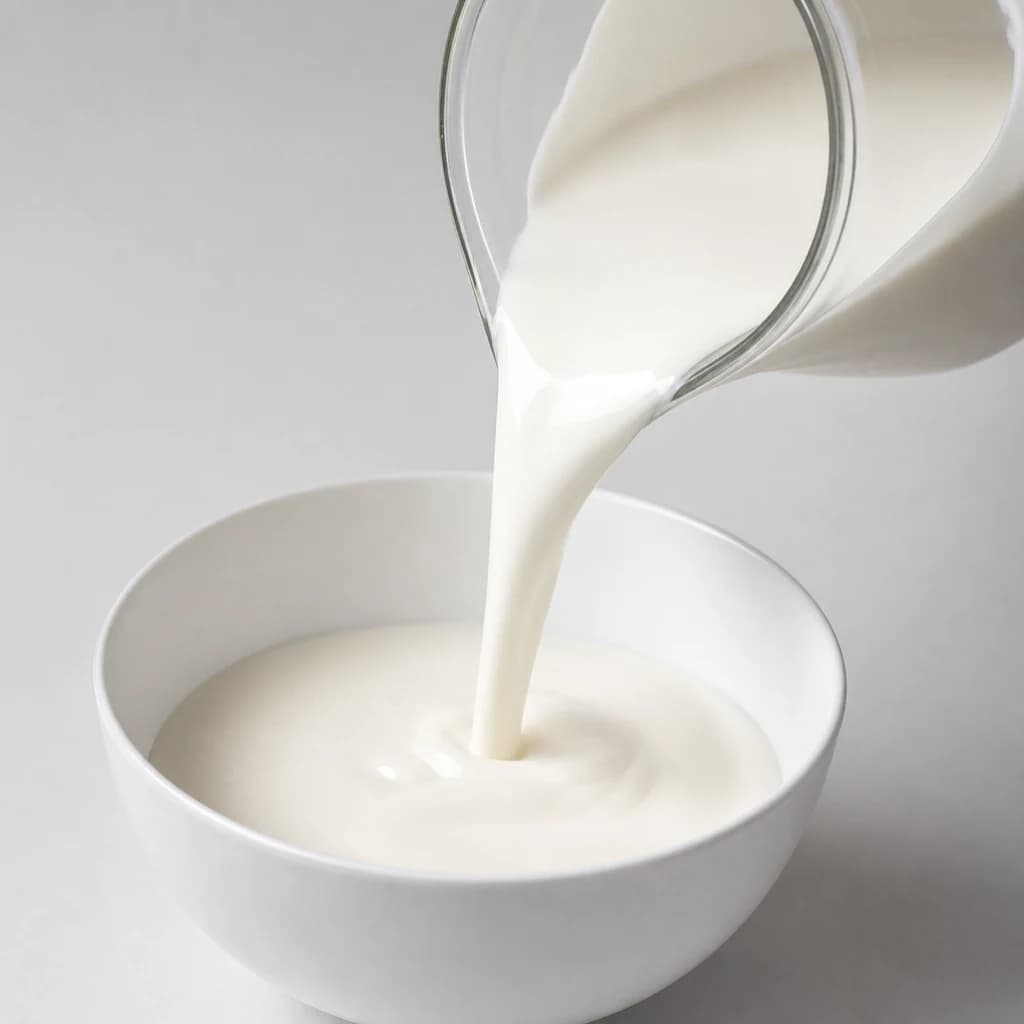
Heavy Cream
Rich cream that whips, enriches sauces, and sets ganache

Sour Cream
Tangy, thick cream for dolloping, baking, and dips
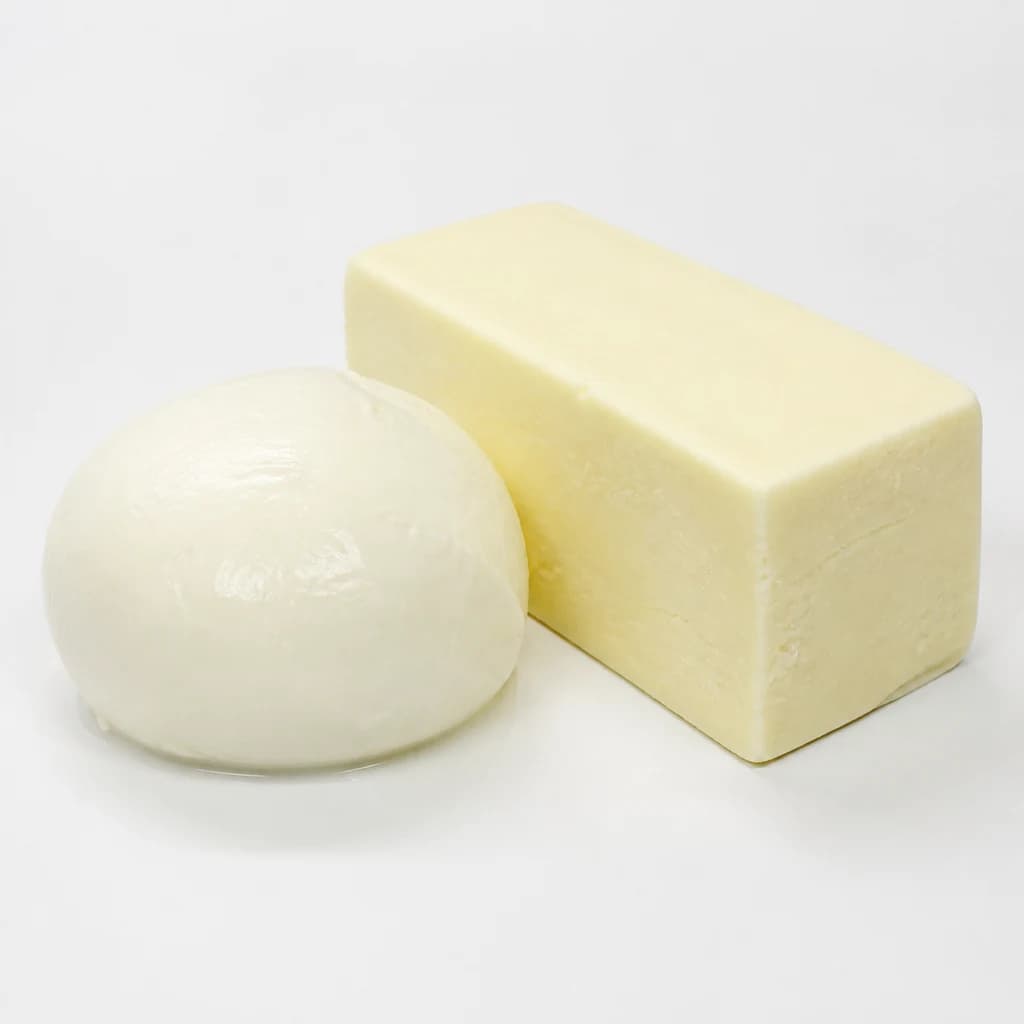
Mozzarella
Soft, milky cheese that melts into stretchy pizza pulls