Dairy & Eggs
Requesón (Ricotta-style Curd)
Soft, mild Latin American whey curd like ricotta, spooned into tacos, enchiladas, and stuffed chiles.
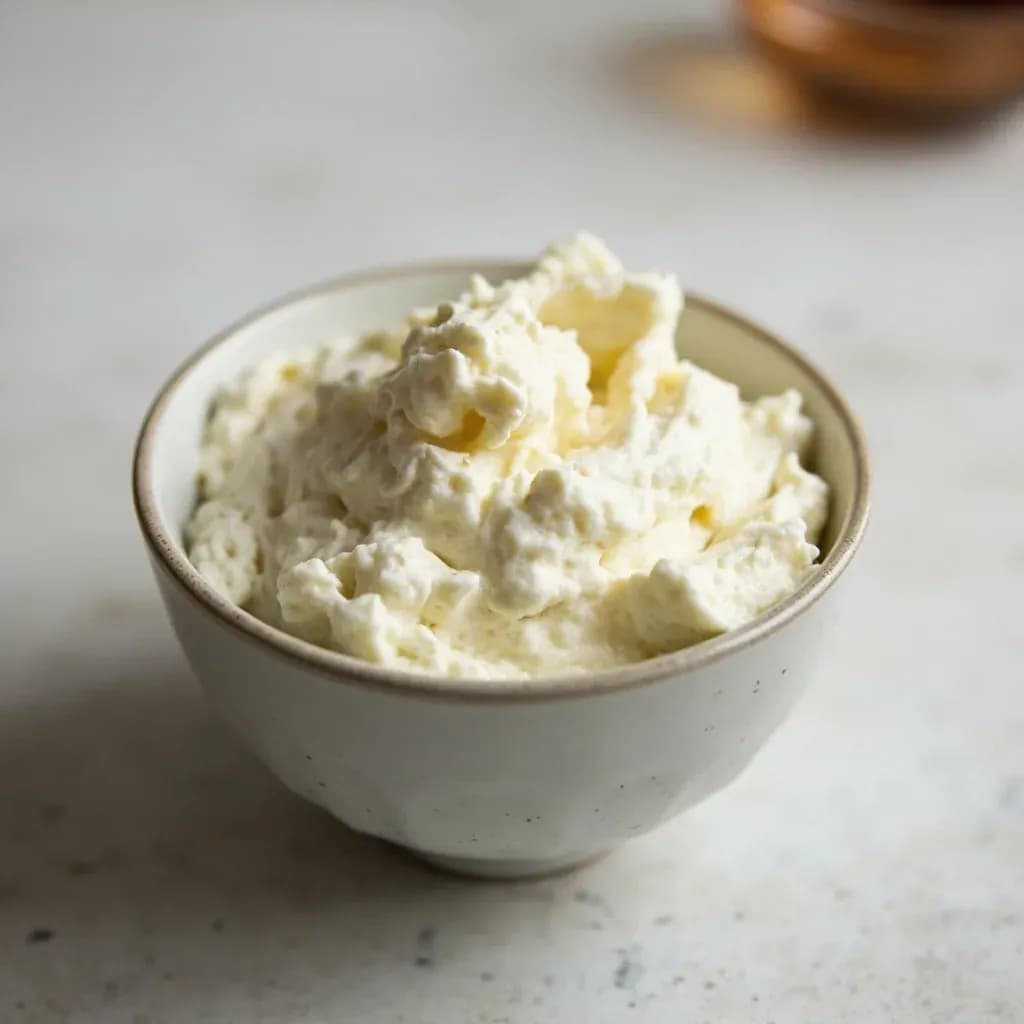
Requesón is a soft, fresh dairy product made from whey (and often added milk), similar to ricotta, popular across Mexico, Spain, and Latin America. It is moist, mild, lightly sweet, and spreadable or crumbly. It is used as a filling for tacos de requesón, enchiladas, and pastries, or eaten with honey.
Requesón is a fresh, unaged whey cheese native to Mexico and broader Latin America, produced by heating fresh whey—the liquid byproduct of cheese-making—with a small amount of milk and sometimes an acid like lemon juice or vinegar until soft curds form. The name derives from Medieval Spanish reqesón, ultimately from Arabic reqes meaning curd. Unlike true curd cheeses such as queso fresco or panela, requesón is specifically made from whey, which makes it more economical to produce and contributes to its widespread use in everyday cooking across Mexico, Colombia, and Central America.
In texture, requesón resembles ricotta but tends to be slightly drier and more grainy, with a moisture content that varies by producer. Its flavor is mild and clean with subtle lactic sweetness, practically bland without seasoning. This neutrality is precisely what makes it so versatile: requesón functions as a textural vehicle for bolder seasonings, appearing equally at home in savory preparations like tacos and chiles rellenos as in sweet contexts such as fruit cups and breakfast spreads. The quality and character vary significantly by region—Mexican requesón tends toward softer, more moist textures, while Colombian versions are often drier and saltier.
In the Latin American dairy pantry, requesón occupies a distinct niche alongside queso fresco and panela. It is spooned into tortillas at breakfast, stuffed into tamales for special occasions, and dressed with lime, herbs, or honey depending on the dish. Because it spoils quickly and absorbs surrounding odors easily, proper storage and fresh usage are essential to its successful incorporation into your cooking.
- Measured in
- g
- Storage
- Fridge
Allergens
Types & varieties
Made from cow's milk; the most common variety found in Mexican markets
Made from goat's milk; slightly tangier and more delicate; common in Central America
Whole-milk version; richer, creamier texture; popular in Colombia and parts of Mexico
Dried or pressed version; firmer, saltier; used as a grating cheese in some regions
Made from the cream layer (nata) of boiled milk; richer and smoother
Regional Differences
The character of requesón shifts considerably across Latin America. In Mexican markets, particularly Mexico City, requesón is sold fresh daily by cheese vendors and tends toward a soft, moist, almost spoonable consistency. Colombian requesón, often called requesón colombiano, is typically drier and saltier, sometimes pressed into molds and used in arepas de queso. In Central American countries like El Salvador and Guatemala, goat's milk versions are more common and prized for their delicate tang. When traveling or shopping at specialty Latin groceries, adjust your expectations and handling techniques to the regional style you find.
- Mexican requesón: softer, moister, best used same day for fresh applications
- Colombian requesón: drier, saltier, acceptable for cooked or baked dishes
- Central American requesón: often goat's milk, more delicate flavor and texture
- In all cases, buy from a trusted vendor and use within 2–3 days for fresh preparations
Common uses
Tips & pitfalls
- Season requesón before serving: it absorbs salt, lime juice, herbs, and spices readily, so taste and adjust before using in any dish
- Do not over-drain if you want a creamy, spreadable texture; for a firmer, crumblier result, let it drain longer in cheesecloth
- If your requesón tastes too sour or acidic, it is likely too old—use it only for cooking rather than eating fresh
- When using as a stuffing for tamales or chiles, squeeze out excess moisture first to prevent soggy fillings
- For a smoother texture in dips or spreads, pass it through a fine-mesh strainer or food processor
- Requesón is not ricotta—ricotta is smoother and wetter; if substituting in baked dishes, ricotta works, but for fresh applications requesón's grainier texture is distinct
- Store in an airtight container with a layer of plastic wrap pressed directly onto the surface to prevent drying and absorbing fridge odors
- In Mexico City markets, buy requesón fresh from the cheese vendor the same day you plan to use it for the best quality
- When making homemade requesón, use fresh whey from making another fresh cheese the same day—whey spoils quickly and will not yield good curds if more than 24 hours old
- Add requesón to cooked dishes in the final minutes only to preserve its soft texture; long cooking can cause it to tighten and become rubbery
Nutrition
Nutrition
No USDA FoodData Central match for Requesón (Ricotta-style Curd) yet. We surface a per-100 g profile once a generic whole-food entry is matched and verified.
In the shops
Matched grocery products
No matched grocery products for Requesón (Ricotta-style Curd) yet.
Good to know
- Origin
- Mexico and broader Latin America; name from Medieval Spanish reqesón, ultimately from Arabic reqes (curd)
- Primary Milk
- Cow's milk; sometimes blended with goat or sheep milk
- Type
- Fresh, unaged whey cheese similar to ricotta, but often slightly drier and more grainy
- Fat Content
- Ranges from nearly fat-free to full-fat depending on milk used and production method
- Flavor
- Mild, clean, slightly tangy with subtle lactic sweetness; bland without seasoning
- Texture
- Soft, spoonable, slightly grainy or mealy; moisture content varies by producer
- Shelf Life
- 5–7 days refrigerated, tightly wrapped; spoils quickly at room temperature
- Storage Temperature
- 35–40 °F (2–4 °C)
- Yield
- Approximately 1–2 lbs from 1 gallon of whole milk, varying by recipe
- Production Method
- Made by heating fresh whey with a small amount of milk and sometimes acid until soft curds form, then drained in cheesecloth
Substitutes
- Ricotta (whole milk) — Closest substitute; texture is smoother and wetter, so drain ricotta longer. Use 1:1 in most recipes.
- Panela (Queso Panela) — Firm fresh cheese; not a direct substitute but works as a crumbled topping or stuffing where a firmer texture is acceptable
- Cottage Cheese (small-curd, drained) — Drain thoroughly and blend briefly to approximate requesón's texture; flavor is slightly more tangy
- Farina or farmer cheese — Drier, slightly tangier fresh cheese; can substitute in stuffing applications when crumbled
- Homemade queso blanco — Can be made from milk acidified with lemon juice; similar mild flavor and uses but typically slightly firmer
Pairs with
Also called
requesón · requeson
Related

Whole Milk
Rich, full-fat milk for drinking, coffee, sauces, and baking
Butter
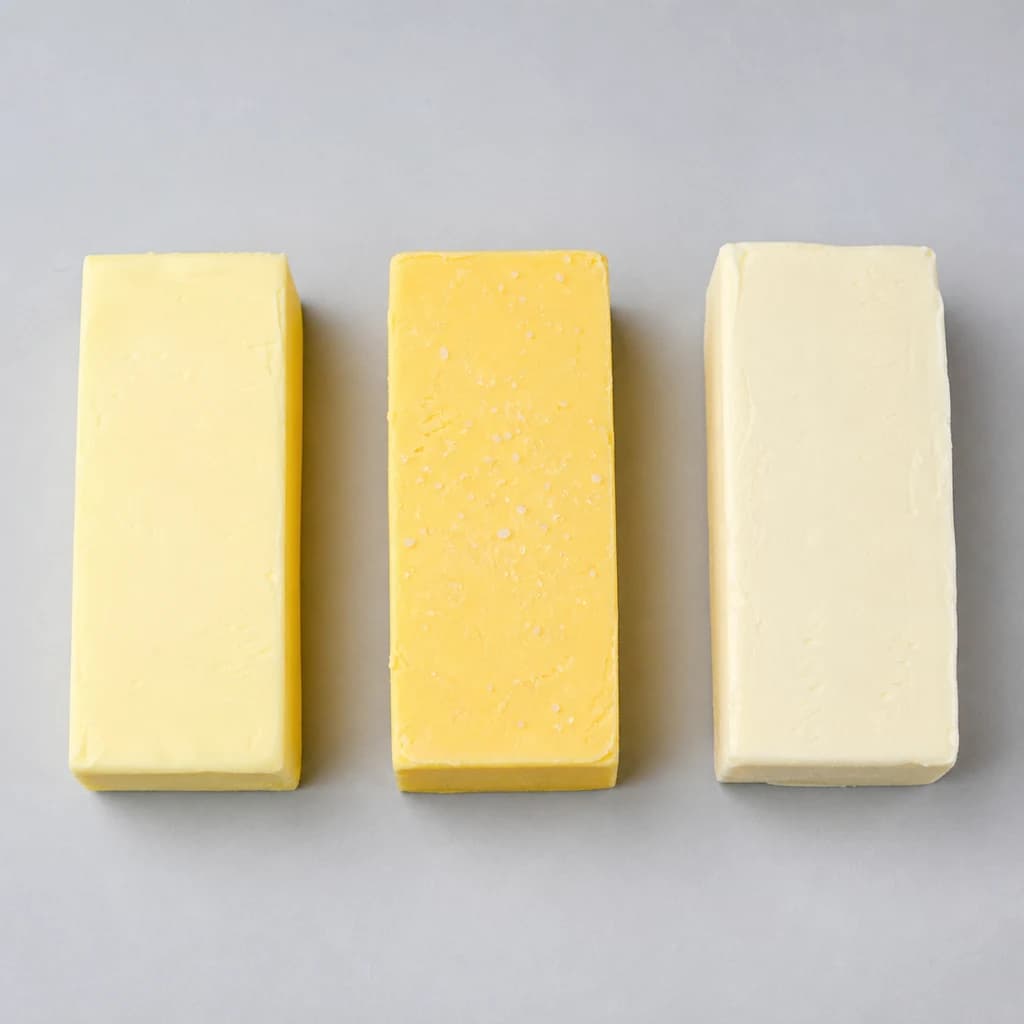
Golden fat for searing, baking, and finishing a sauce
Yogurt
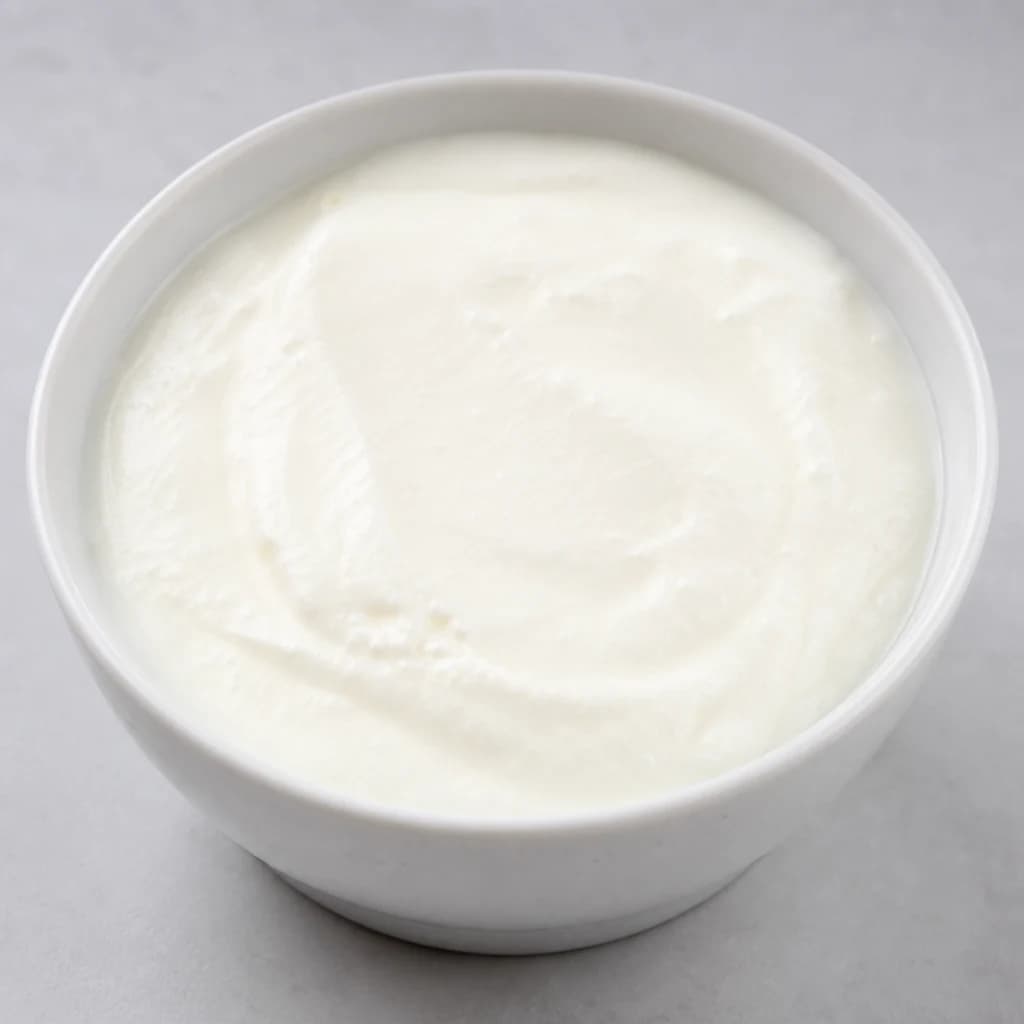
Tangy, creamy culture for breakfast, sauces, and marinades
Cheddar Cheese
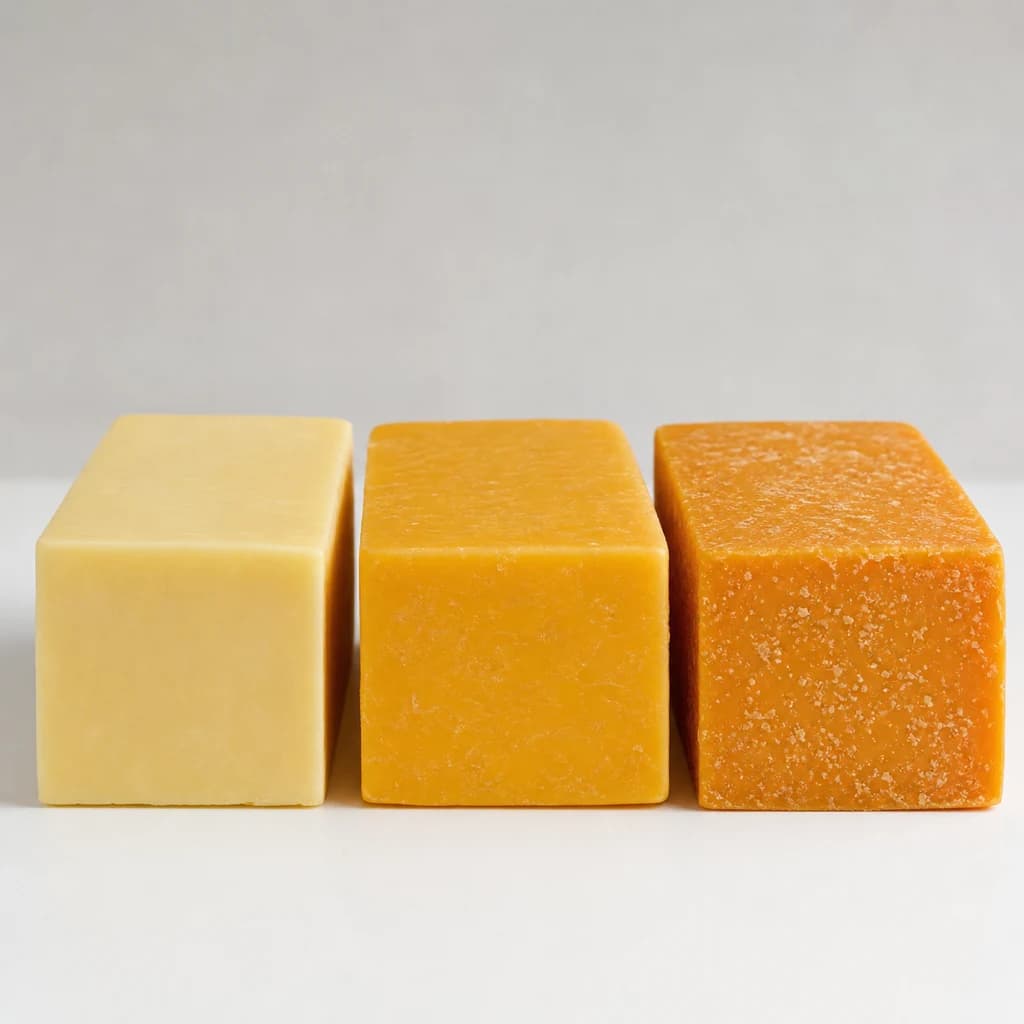
Sharp, melty cheese for sandwiches, gratins, and grating
Skim Milk
Fat-free milk for lighter drinking, coffee, and cooking
Heavy Cream
Rich cream that whips, enriches sauces, and sets ganache

Sour Cream
Tangy, thick cream for dolloping, baking, and dips
Mozzarella
Soft, milky cheese that melts into stretchy pizza pulls