Natural form
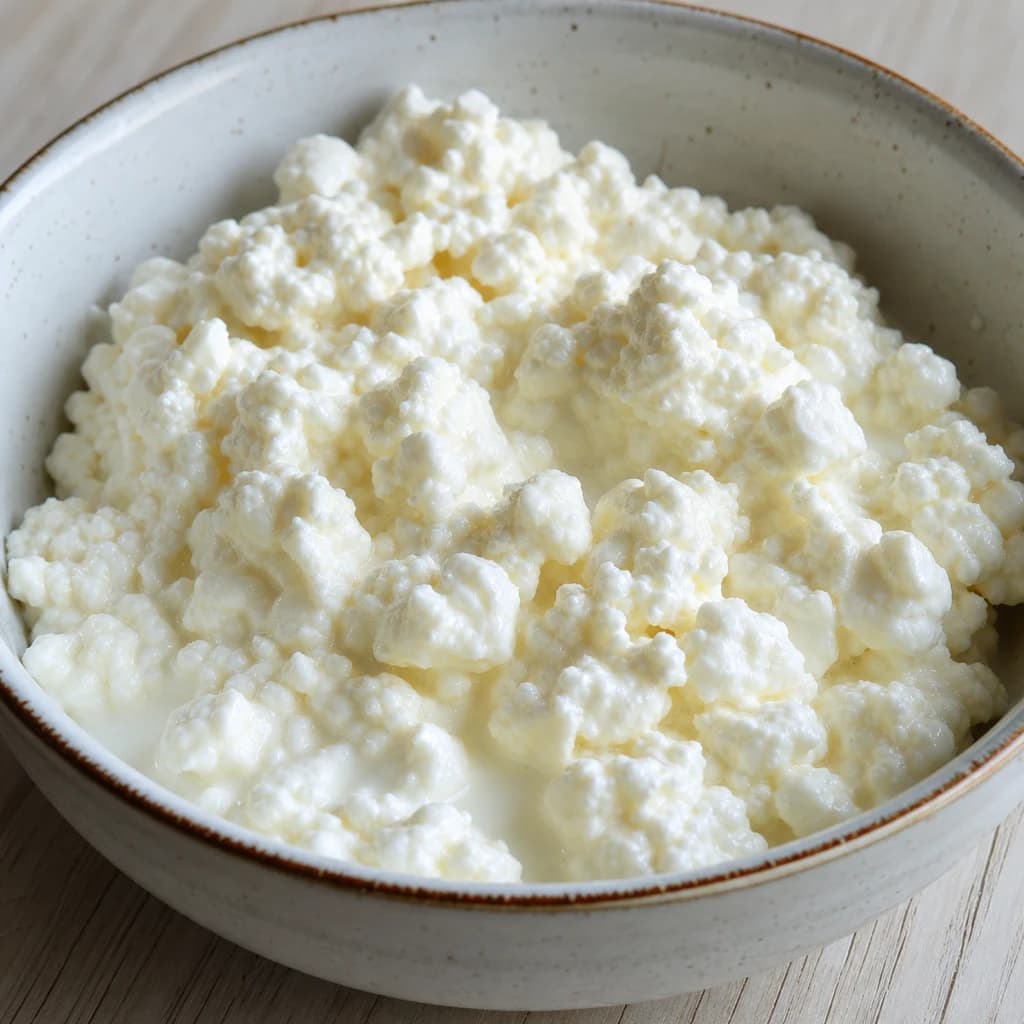
Loose white curds in a shallow ceramic bowl, showing cottage cheese's characteristic lumpy texture.
Shows the defining visual identity of cottage cheese — its soft, irregular white curds suspended in a small amount of cream — so readers instantly recognize it.
Dairy & Eggs
Cottage Cheese
Soft, lumpy fresh cheese curds with mild flavor; eaten plain or used in baking and fillings.
Cottage cheese is a fresh cheese of loose, soft curds in a little cream or whey, with a mild, slightly tangy taste. It is eaten plain with fruit, blended into dips, or folded into pancakes, dumplings, and savory fillings. Curd cheeses like gjizë and izvara across Europe share its fresh, unaged character.
Cottage cheese is a fresh, unaged cheese made by acidifying cow's milk with bacterial cultures and then coagulating it with rennet. The curds are cut, washed to remove excess lactose and acid, and then drained—never pressed—which leaves characteristic soft, moist lumps suspended in a lightly thickened whey. The washing step is what distinguishes cottage cheese from farmer's cheese and gives it that mild, slightly sweet flavor rather than a pronounced tang. Its high moisture content (80–85%) and loose curd structure make it behave quite differently from aged cheeses in cooking, absorbing flavors readily while releasing water when heated.
The cheese comes in large and small curd varieties, each suited to different culinary purposes. Large curds (also called baker's curd) are chunky and hold their shape, making them ideal for dishes where visible texture is desired, such as pierogi and pancakes. Small curds have a smoother texture, better suited for spreads, dips, and baked goods requiring a uniform consistency. Creamed versions fold in heavy cream or cream dressing for a richer mouthfeel, while nonfat versions retain the protein but can be drier. With approximately 11–14 grams of protein per half-cup serving, cottage cheese has reclaimed its role in protein-focused diets since its peak popularity in the 1970s.
In cooking, cottage cheese serves as both a direct consumption ingredient and a component in other dishes. When heated, its high moisture content causes it to weep, particularly when boiled or subjected to prolonged high heat; therefore, in hot dishes it is typically added near the end of cooking or baked at moderate temperatures for best results. When blended or processed smooth, it can substitute for ricotta in dishes like lasagna or baked pasta, though the result will be coarser and more moist.
- Measured in
- g
- Storage
- Fridge
Allergens
Types & varieties
Fine, soft curds; smoothest texture; best for spreading, dips, and lighter applications
Chunky, distinct curds; better for stuffed pasta, pancakes, and dishes where texture holds
Heavy cream or cream dressing mixed with larger curds; richer, creamier mouthfeel
Zero fat but retains protein; can be drier; works in high-protein diets and baking
Cottage cheese pressed to remove more whey; firmer, denser; sold as farmer's cheese in some regions
Pre-seasoned with herbs, pineapple, or chives; convenient for quick snacking
Common uses
Tips & pitfalls
- Drain in a fine mesh sieve lined with cheesecloth for 30–60 minutes if recipe specifies thick or drier cottage cheese
- Blend smooth in a food processor for a seamless ricotta-like texture in baked pasta dishes
- Season generously—commercial cottage cheese is often underseasoned, so taste and adjust salt before using
- Use large-curd style for dishes where you want visible curds (pierogi, pancakes); small-curd for sauces and spreads
- Avoid prolonged high-heat cooking—curds will toughen and release water if simmered too long; add toward end of cooking or bake at moderate temperatures
- Don't substitute one-to-one for ricotta in baked dishes expecting identical results—cottage cheese has more moisture and a different texture after baking
- Press firmly with paper towels when using in very lean baked goods to remove excess surface moisture
- Add a small amount of lemon juice or vinegar to pureed cottage cheese to brighten flavor if it tastes flat
- For a crispy-topped casserole, don't stir in—leave dollops on top before baking
Nutrition
Energy
397 kJ · per 100 g
Where the calories come from
Protein
10.9g
22% DV
Carbs
3g
1% DV
Fat
4.2g
5% DV
Fiber
0.1g
0% DV
Sugars
0.4g
of which
Sodium
403mg
18% DV
Source · USDA FoodData Central · Cheese, cottage, with vegetables
View on FDC →In the shops
Matched grocery products
No matched grocery products for Cottage Cheese yet.
Good to know
- Primary Ingredient
- Cow's milk (primarily); can also be made from goat, sheep, or plant-based milks
- Type
- Fresh, unaged acid-coagulated cheese; not aged or ripened
- Fat Content
- Full-fat (4–5%), 2%, 1%, or nonfat varieties; creamed versions add 3–4% more fat from heavy cream
- Protein
- 11–14 g per 1/2 cup serving; one of the highest protein cheese options
- Texture
- Soft, moist curds ranging from fine (small curd) to chunky (large/baker's curd)
- Flavor
- Mild, slightly tangy, fresh milky taste; less acidic than farmer's cheese or quark
- Shelf Life
- 10–14 days refrigerated at 35–40°F; check use-by date
- Production Method
- Milk is pasteurized, cultured with bacteria, coagulated with rennet, then curds are cut, washed, and drained
Substitutes
- Ricotta — Closest in mild flavor; smoother, more uniform texture; works in most cooked dishes but is slightly higher in fat and lower in protein
- Farmer's Cheese — Pressed cottage cheese variant; firmer and less moist; ideal one-to-one substitute in recipes where texture matters
- Greek Yogurt — Similar tang and protein content; thicker, smoother; acceptable in cold applications, dips, and smoothies; changes baked goods texture noticeably
- Mascarpone — Use only for spreadability purposes; much richer, higher fat, sweeter; not a direct substitute for savory dishes
- Fromage Blanc — French-style fresh cheese with similar mild flavor and smooth texture; comparable protein; works in dips and spreads
- Quark — German fresh cheese; slightly tangier and smoother than cottage cheese; excellent protein-rich substitute in most applications
Pairs with
Also called
Curd Cheese · Gjizë · Kohupiim · Izvara
Appears in these dishes


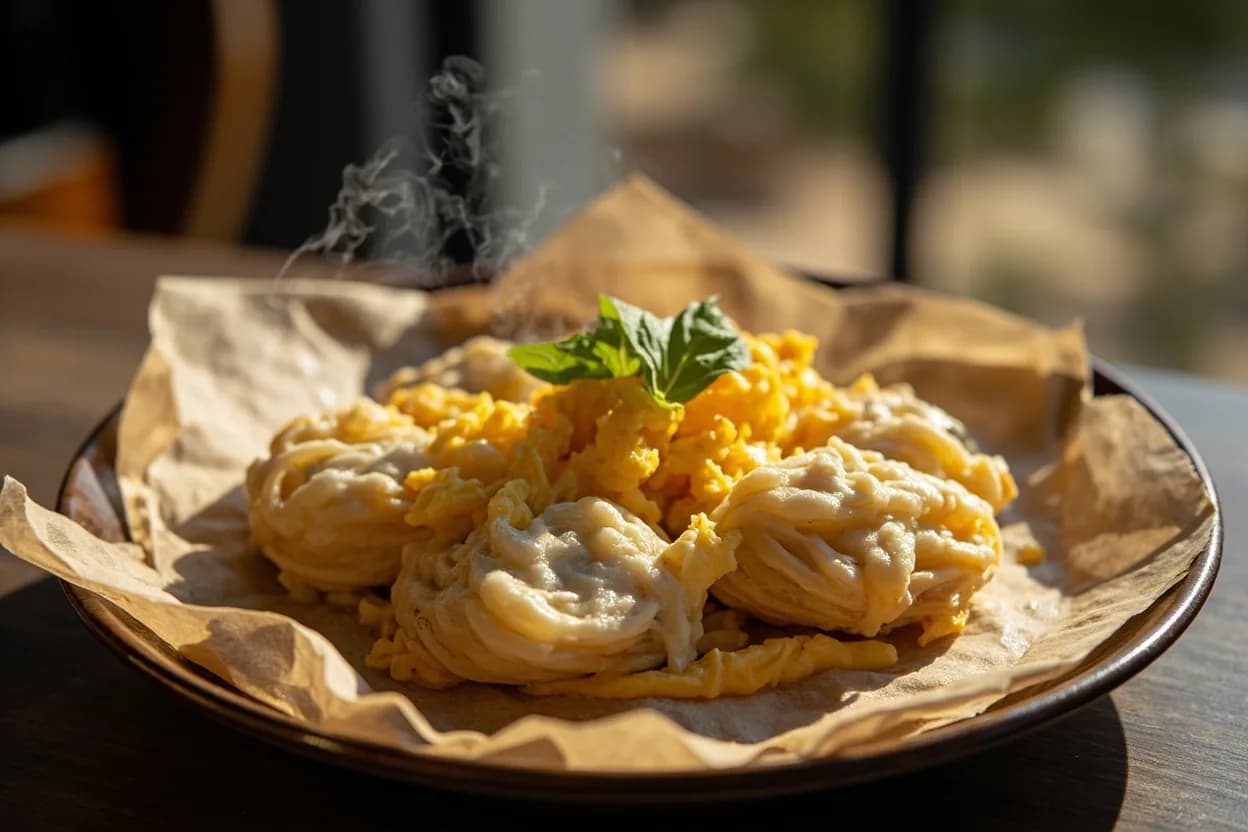

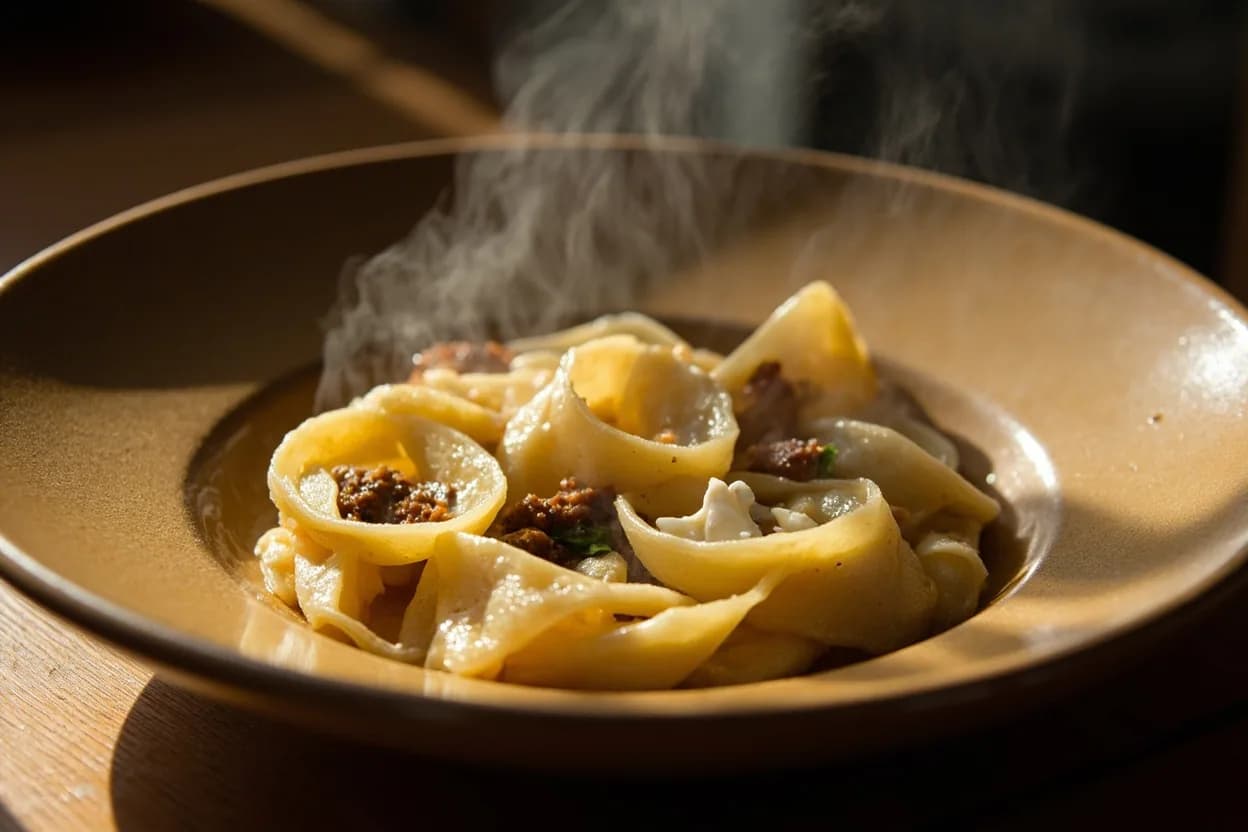
Related

Whole Milk
Rich, full-fat milk for drinking, coffee, sauces, and baking
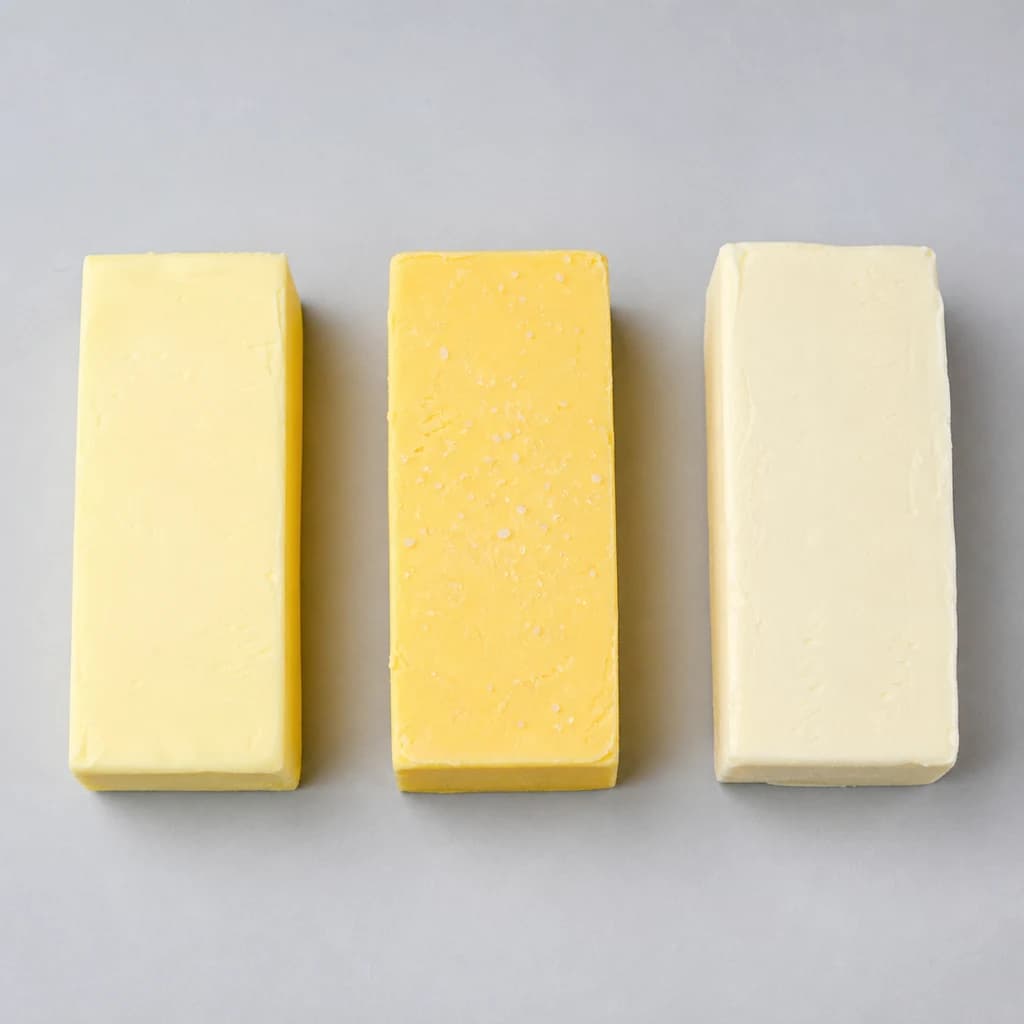
Butter
Golden fat for searing, baking, and finishing a sauce
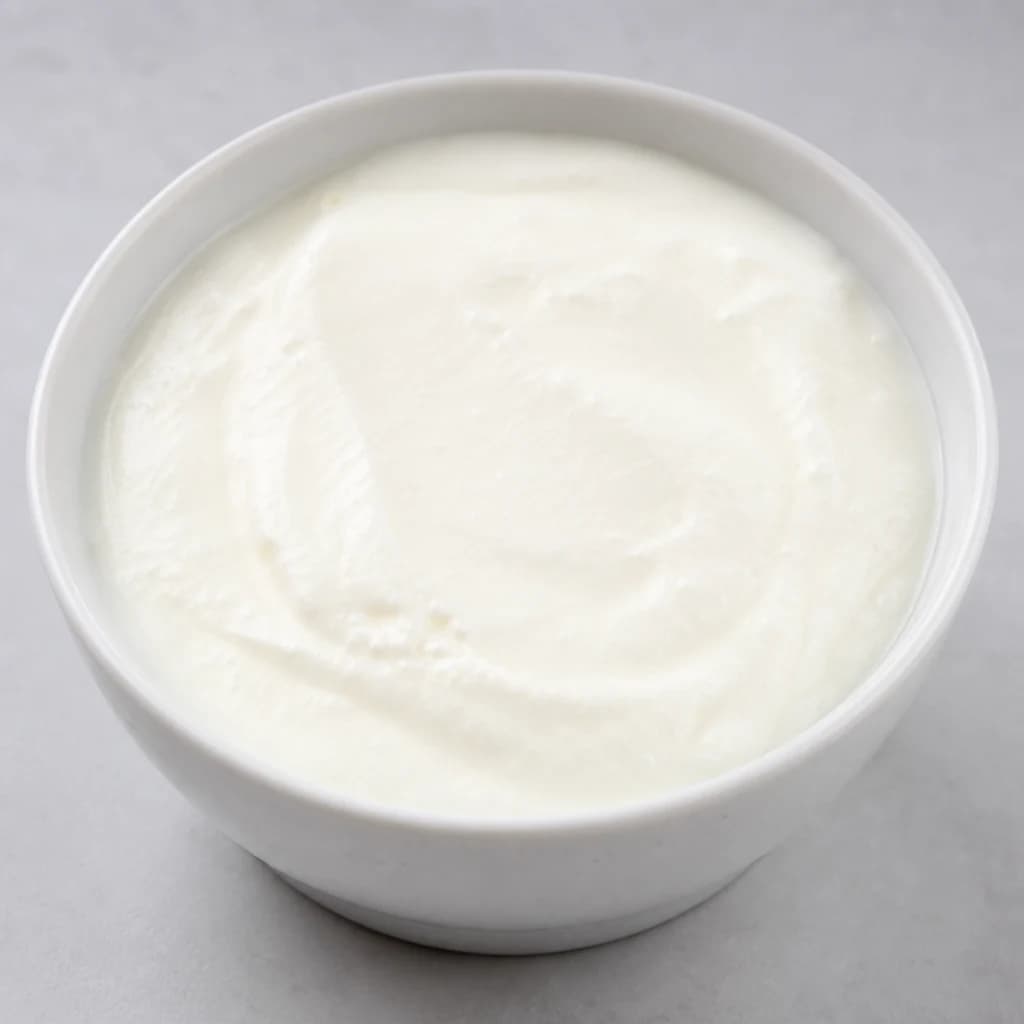
Yogurt
Tangy, creamy culture for breakfast, sauces, and marinades
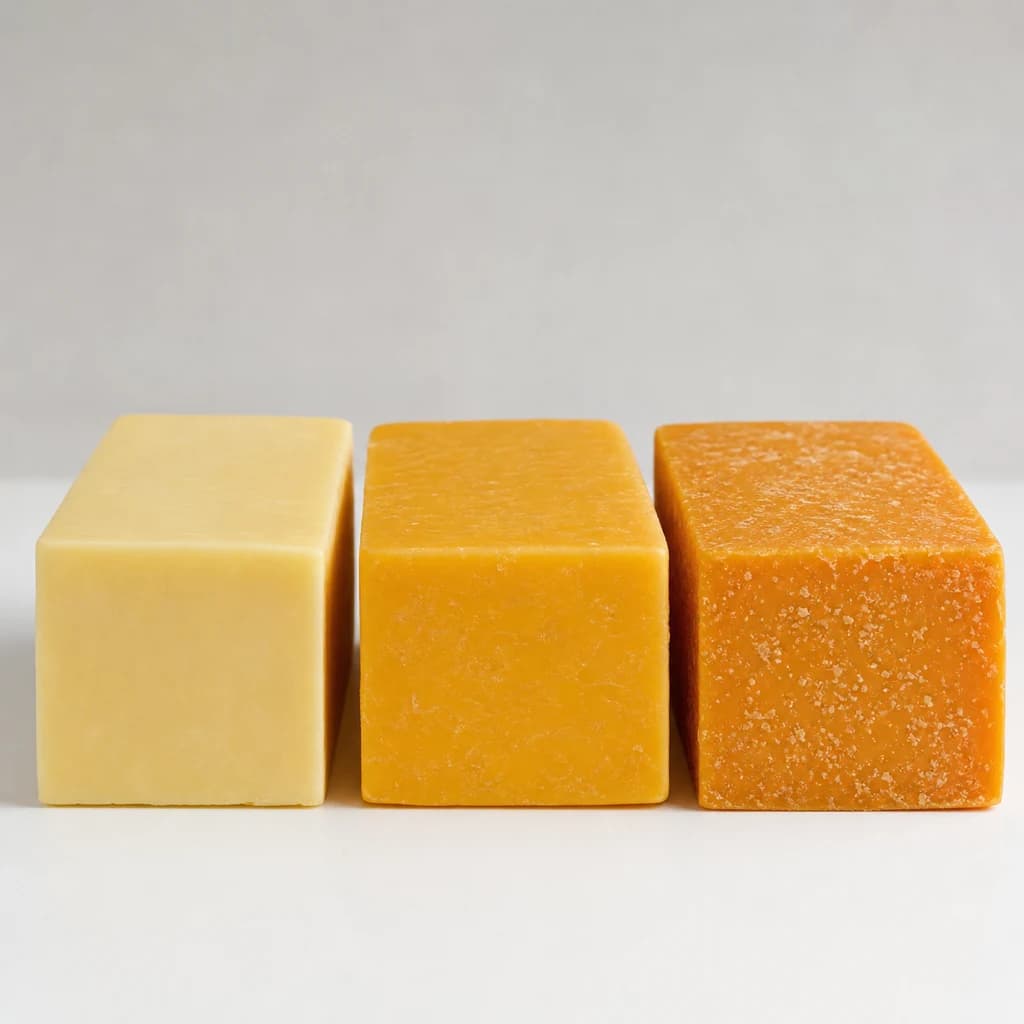
Cheddar Cheese
Sharp, melty cheese for sandwiches, gratins, and grating
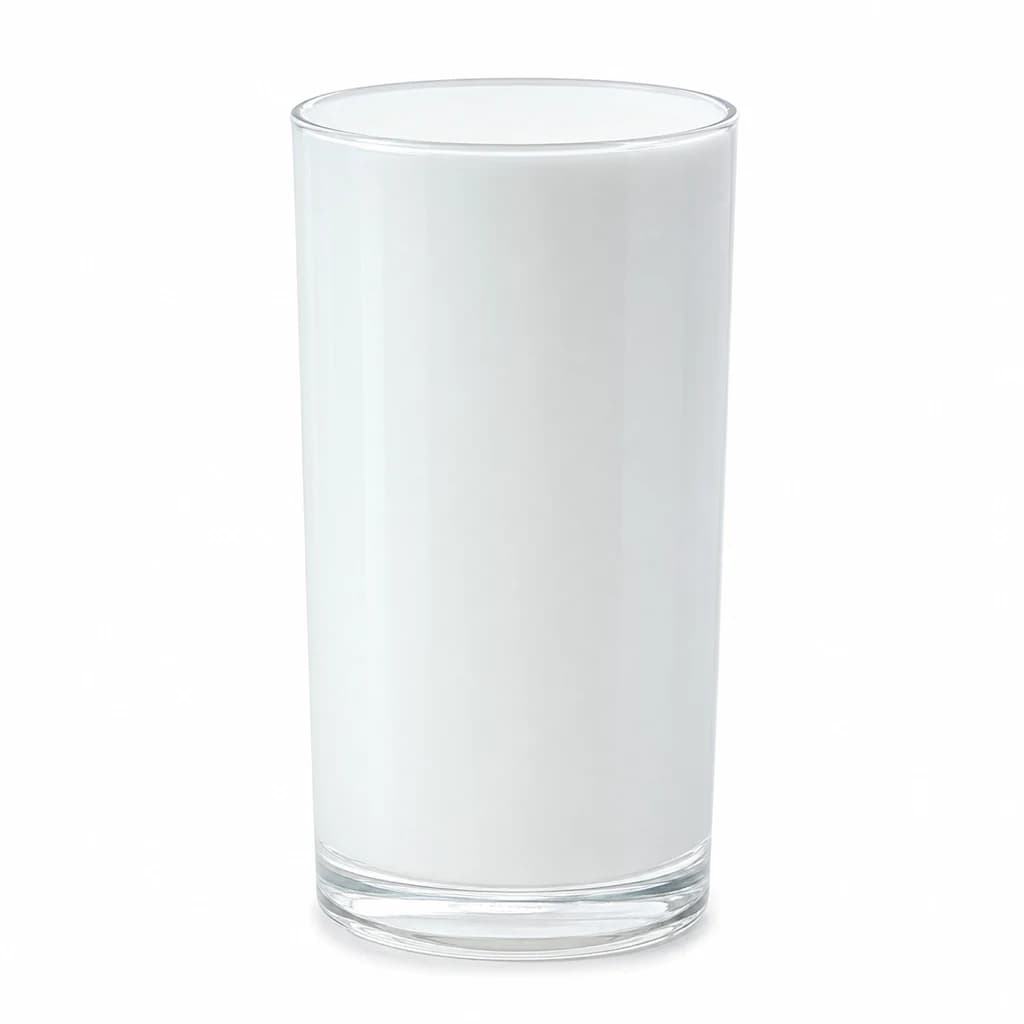
Skim Milk
Fat-free milk for lighter drinking, coffee, and cooking
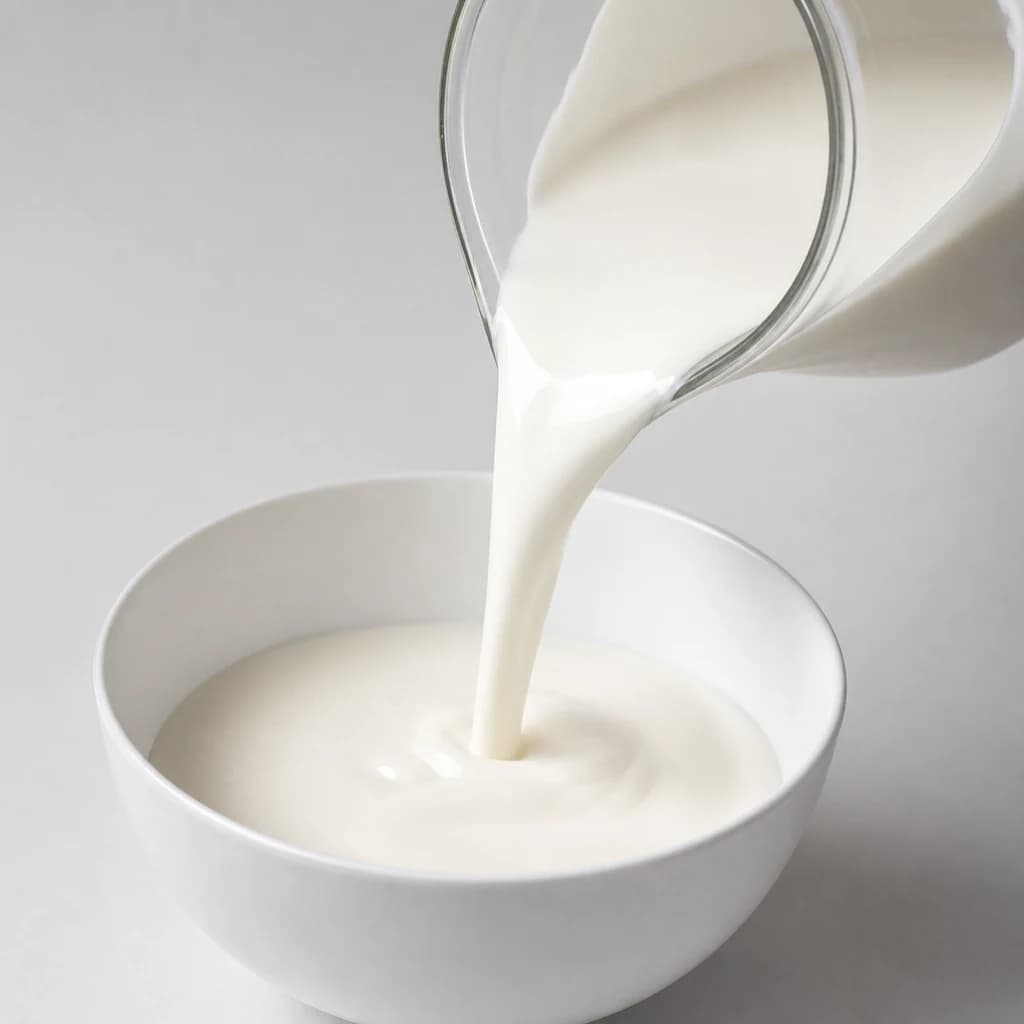
Heavy Cream
Rich cream that whips, enriches sauces, and sets ganache

Sour Cream
Tangy, thick cream for dolloping, baking, and dips
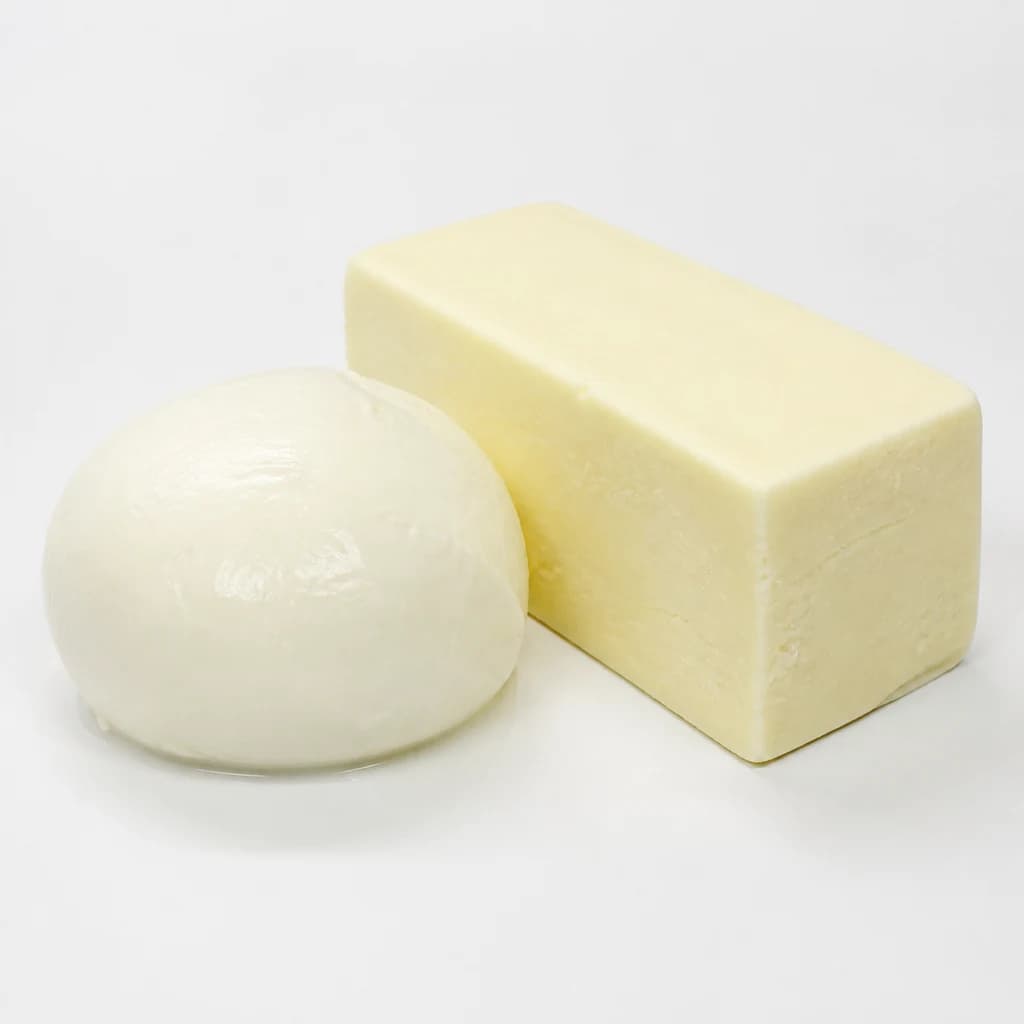
Mozzarella
Soft, milky cheese that melts into stretchy pizza pulls