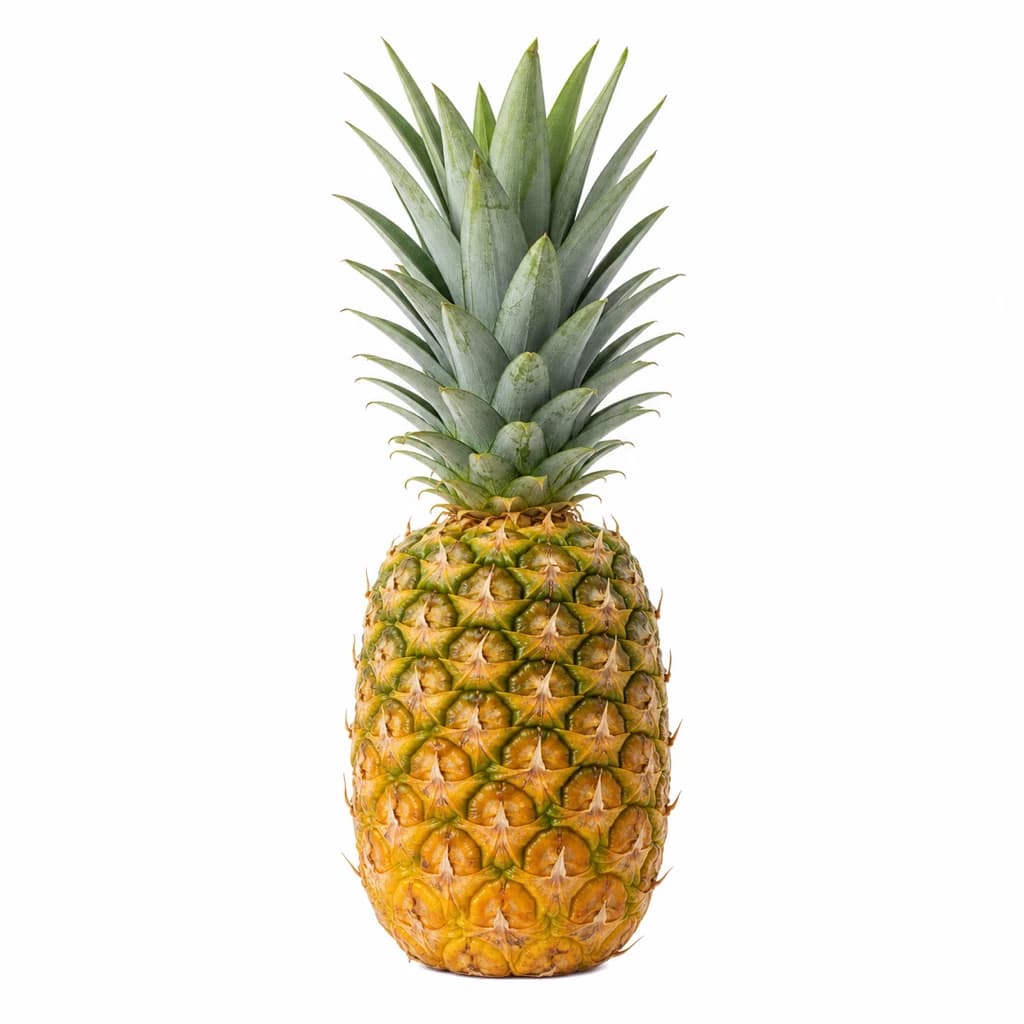
Natural form
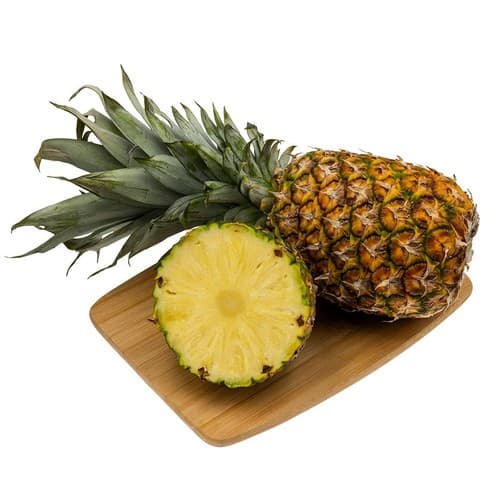
Whole pineapple showing the spiky crown, rough diamond-patterned golden skin, and cylindrical shape.
Shows the reader the unmistakable exterior features used to identify and select a ripe pineapple.
Produce
Pineapple
Tangy-sweet tropical fruit for grilling, salsa, and dessert
Bright, tangy, and tropical, pineapple grills to a caramelized sweetness, livens up a salsa, and finishes a meal fresh. Twist off the crown and keep cut pieces cold.
Pineapple is the tropical showstopper — bright, tangy, intensely sweet, and dripping with juice, its golden flesh balanced between sugar and acid. Eaten fresh it's a dessert in itself; grilled or roasted, it caramelizes into something almost custardy; and in savory cooking it cuts through rich pork, fires up a salsa, and sweetens a stir-fry or curry. Unlike many fruits, it does not ripen after picking, so choosing a ready one is everything.
- Measured in
- piece
- Storage
- Refrigerate
- Shelf life
- 5 days
Find it in
Types & varieties
The common extra-sweet golden supermarket pineapple
Smaller, very sweet, less acidic; deep yellow
White-fleshed, exceptionally sweet, low-acid
How to choose a ripe one
Since pineapple won't sweeten after harvest, judge ripeness now: it should feel heavy and dense for its size, smell sweet and fragrant at the base (a sour or fermented smell means overripe), and give slightly when pressed. The skin should show a golden-yellow tinge, not be entirely green; the crown leaves should be fresh and green. Avoid soft spots, dry brown leaves, or a wet, leaky base.
- Fragrant at the base = ripe
- Some golden color, not all green
- Heavy with a slight give
How to store and cut
A whole pineapple keeps a few days at room temperature (turning it upside down briefly can help distribute the sweetness) or up to a week in the fridge. To cut: slice off the crown and base, stand it up, and cut away the skin in strips, removing the dark 'eyes' by carving shallow diagonal grooves. Then quarter and cut out the firm central core. Refrigerate cut pineapple in a sealed container for a few days.
- Whole keeps days out, a week chilled
- Carve out the eyes and the tough core
- Store cut chunks airtight in the fridge
Bromelain — the enzyme quirk
Fresh pineapple contains bromelain, a protein-digesting enzyme that tenderizes meat (great for marinades) but also prevents gelatin from setting, so jellies and panna cotta won't firm up with fresh pineapple — cook or use canned pineapple (heat deactivates bromelain) instead. Bromelain is also why eating a lot of fresh pineapple can make your mouth tingle or feel raw.
Common uses
Tips & pitfalls
- Buy ripe — pineapple won't get sweeter after it's picked
- Grill or roast slices to caramelize the sugars into a custardy treat
- Don't use fresh pineapple in gelatin desserts — bromelain stops it setting (use canned)
- Use it in marinades to tenderize pork and chicken
- Save the core for blending into juice and smoothies
Nutrition
Energy
209 kJ · per 100 g
Where the calories come from
Protein
0.5g
1% DV
Carbs
13.1g
5% DV
Fat
0.1g
0% DV
Fiber
1.4g
5% DV
Sugars
9.9g
of which
Sodium
1mg
0% DV
Source · USDA FoodData Central · Pineapple, raw, all varieties
View on FDC →In the shops
Matched grocery products
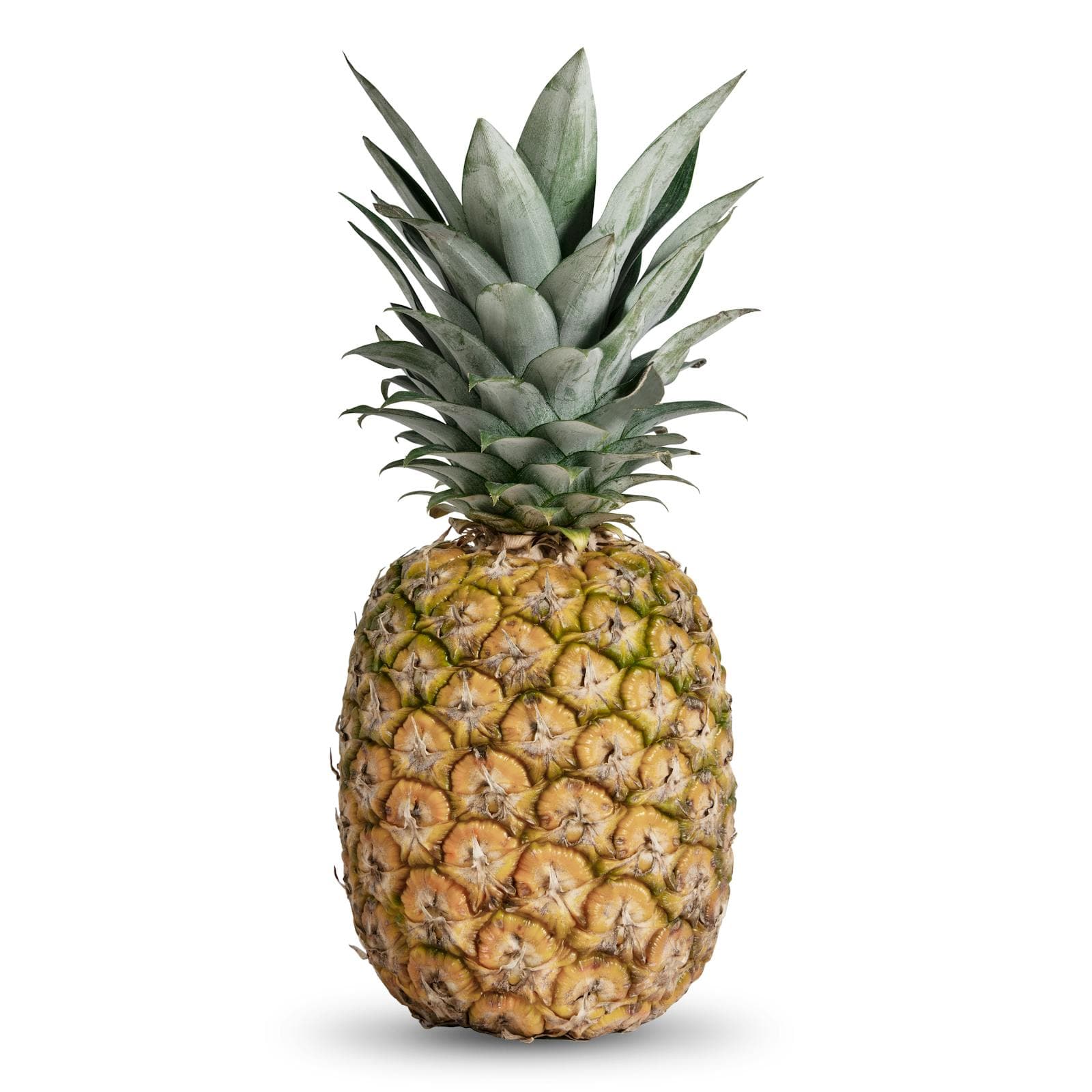 €4.82
€4.82Pineapple
2.41 kg · Mercadona
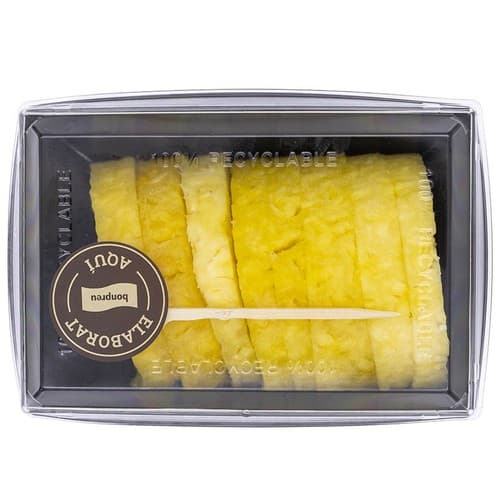 €1.99
€1.99Bonpreu Cut Pineapple
BONPREU · kg · Bonpreu
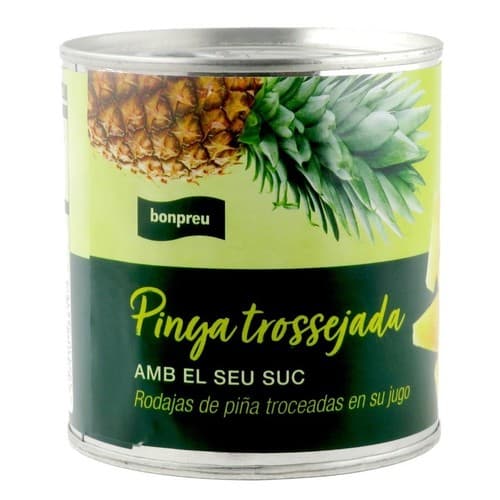 €1.99
€1.99Diced Pineapple Slices
BONPREU · kg · Bonpreu
 €3.93
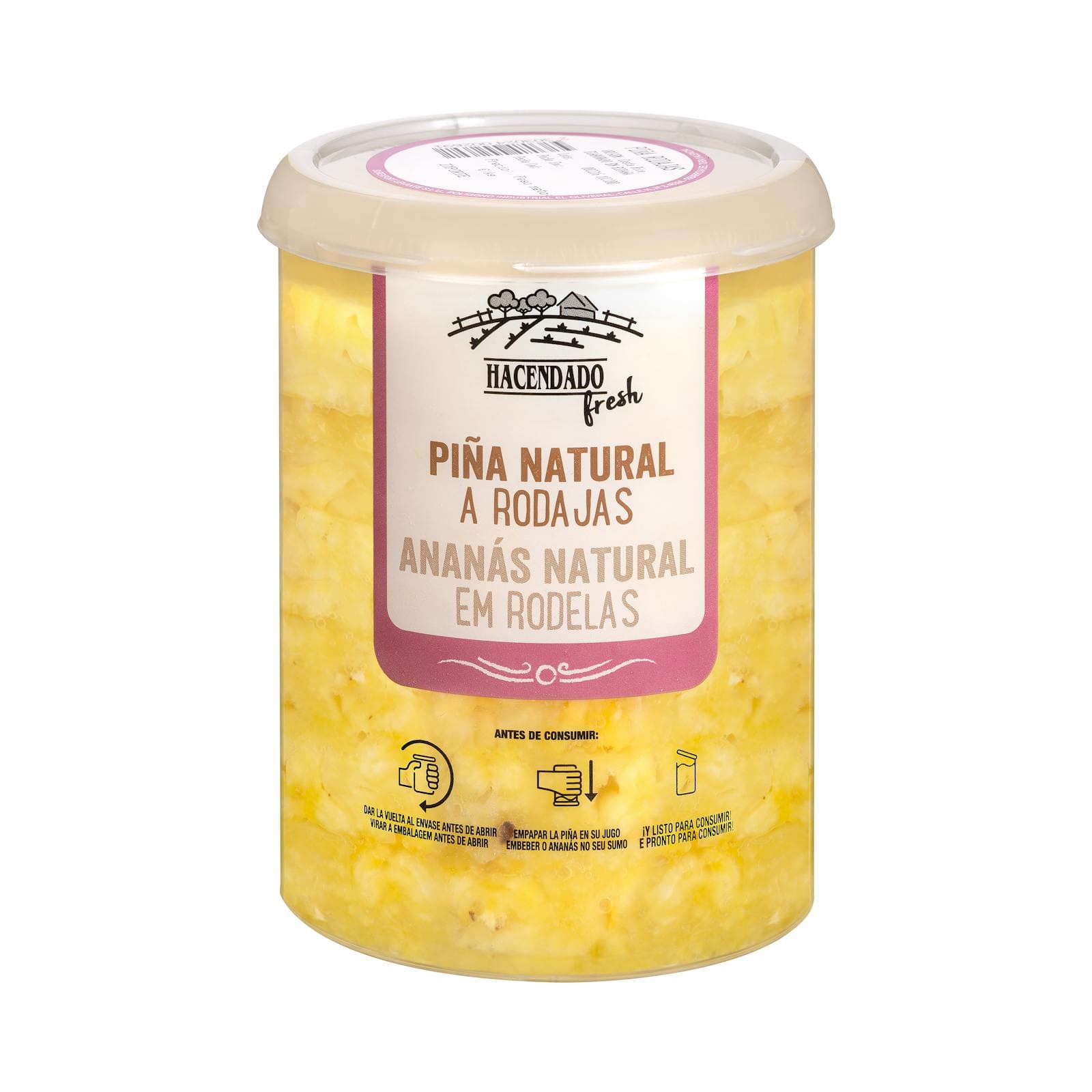
€3.93Natural Sliced Pineapple
600 g · Mercadona
 €3.99
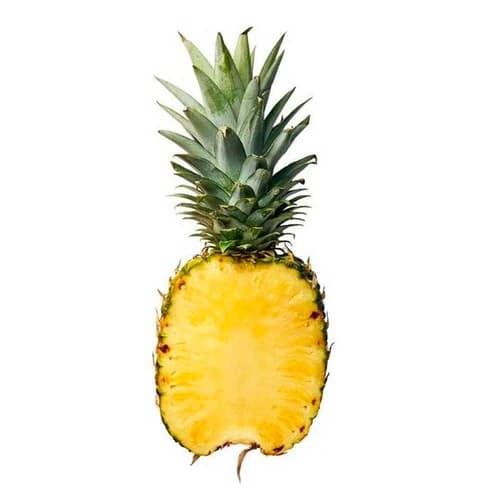
€3.99Ripened Pineapple 1 unit
LA COLLITA · Bonpreu
 €2.29
€2.29Ripe Pineapple Cut 1 unit
ud · Bonpreu
Good to know
- Peak season
- Spring (peak March–July); imported year-round
- Flavor
- Sweet-tart, tropical, juicy; tangy and bright
- Origin
- South America (Paraguay/Brazil); a tropical bromeliad
- Nutrition
- ~50 kcal/100g; very high vitamin C, manganese; bromelain enzyme
- How to buy
- Heavy, fragrant at the base, slight give, fresh green crown; golden tinge
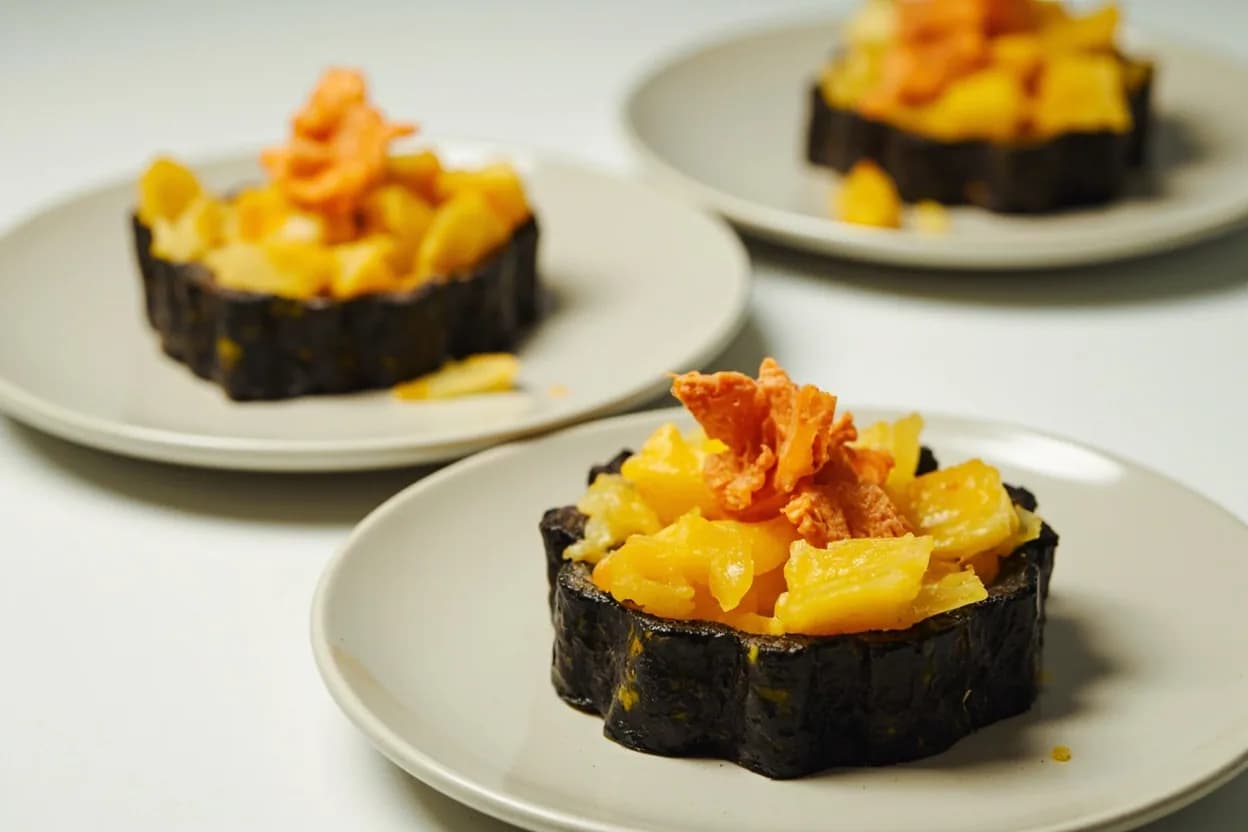
Appears in these dishes
Related
Tomato
Juicy, sun-sweet fruit for sauces, salads, and slow-cooked depth
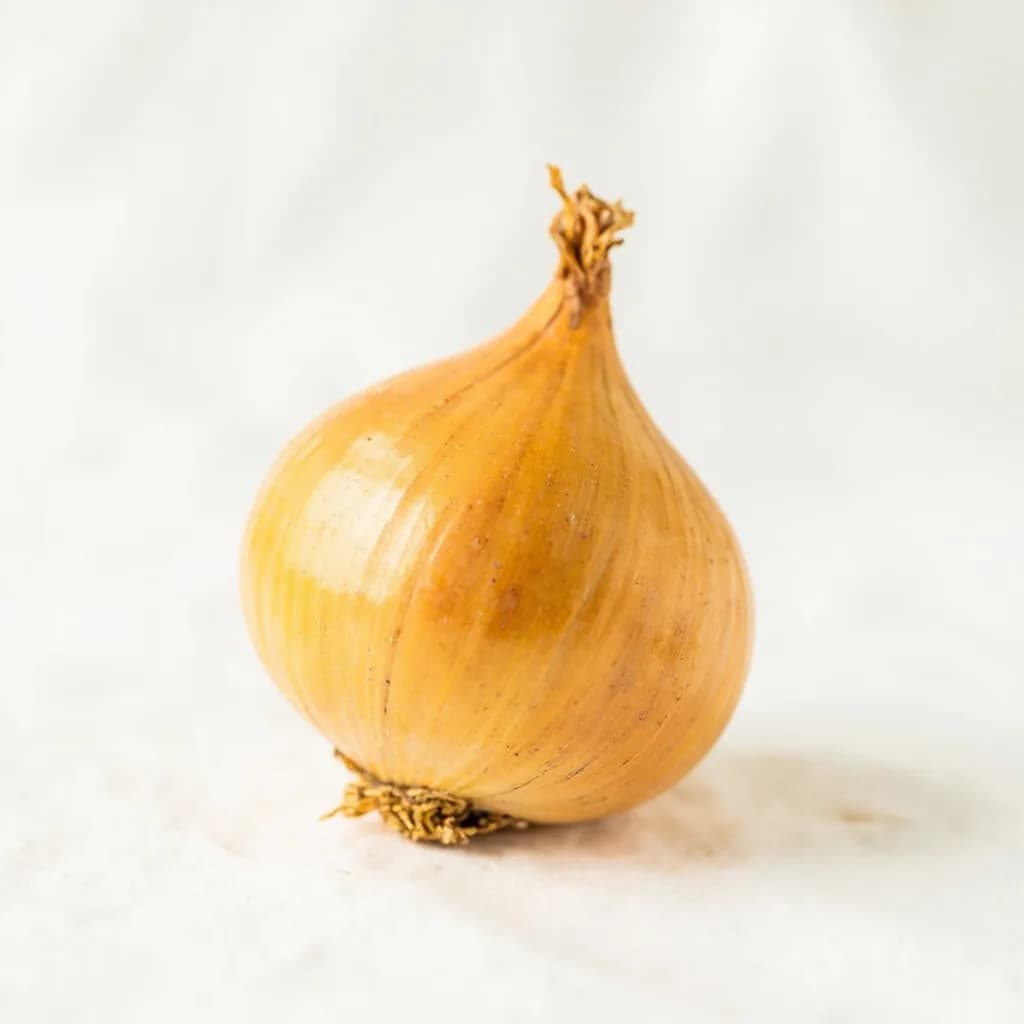
Yellow Onion
The aromatic backbone of soups, sofritos, and braises
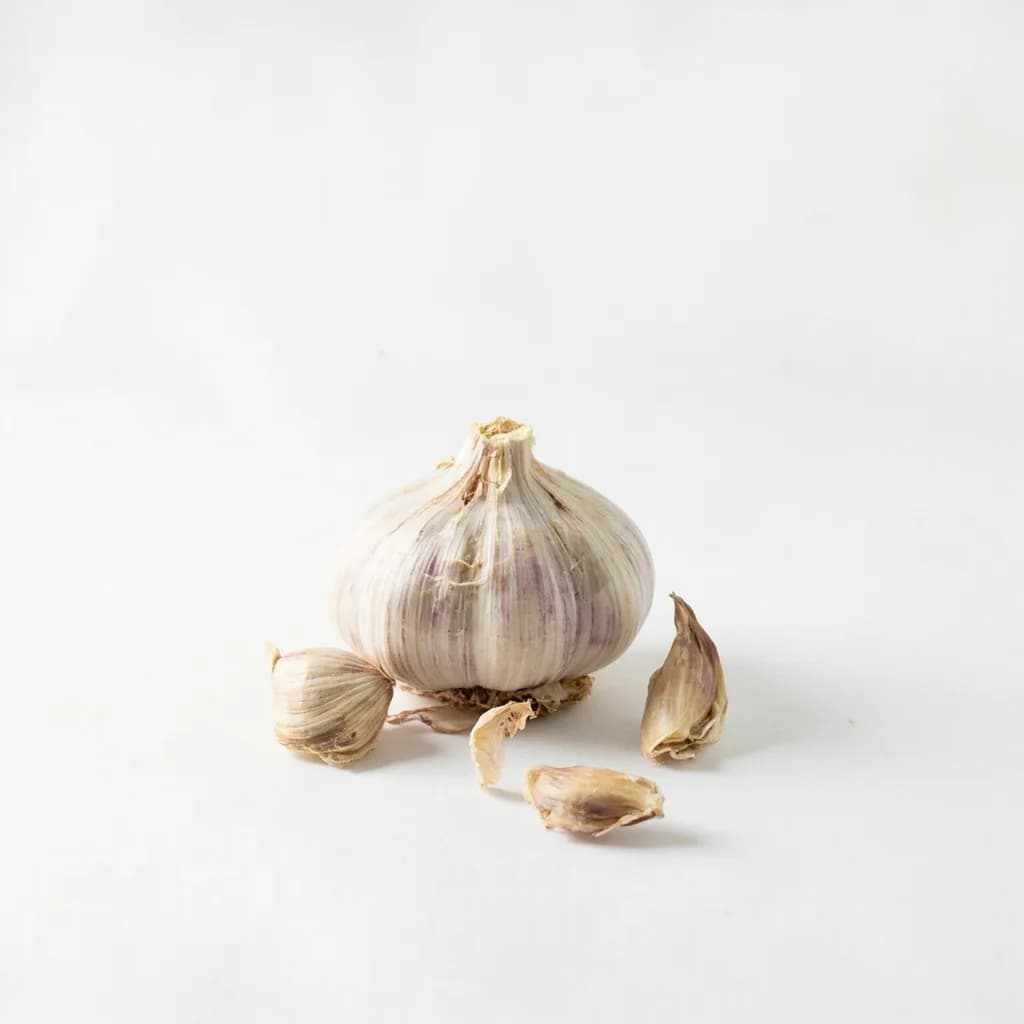
Garlic
Pungent cloves that perfume nearly every savory dish
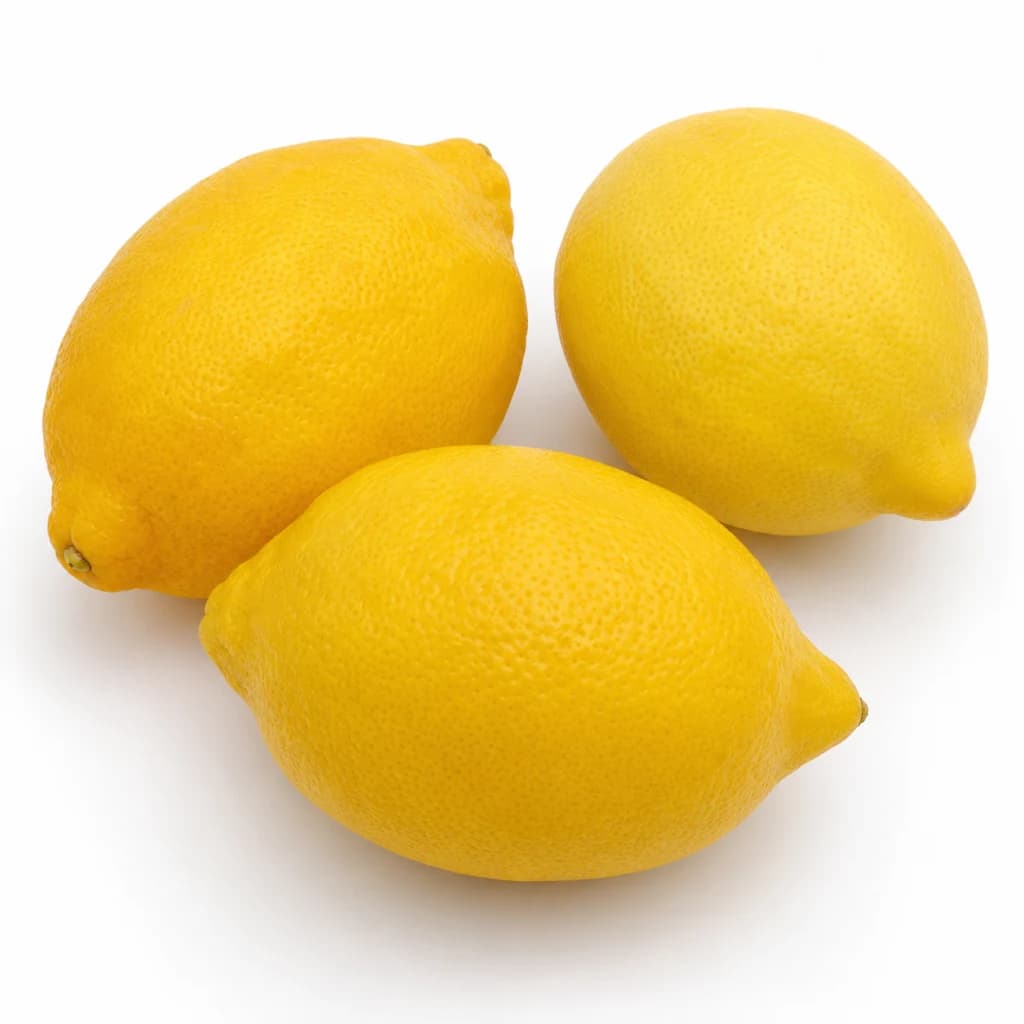
Lemon
Bright, acidic citrus that wakes up almost any dish
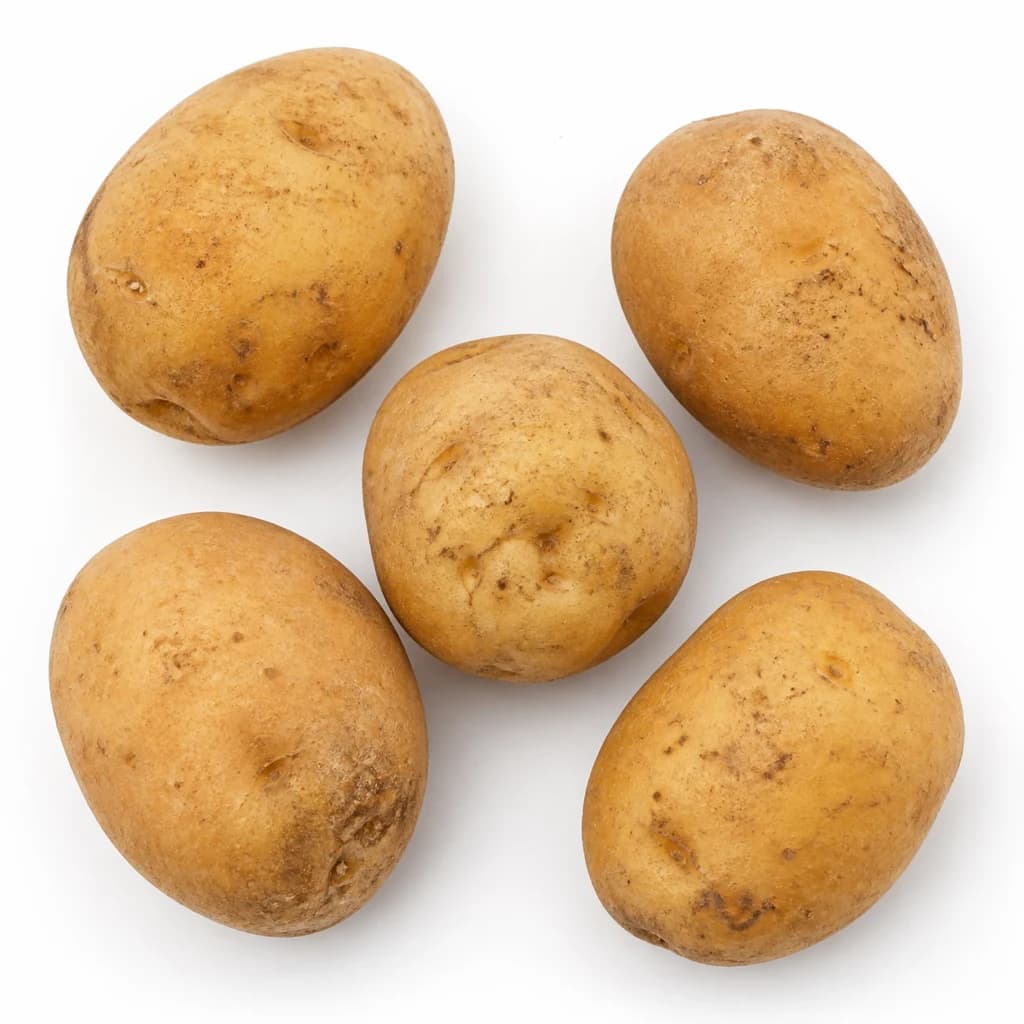
Potato
Humble, hearty staple — roast, mash, fry, or boil
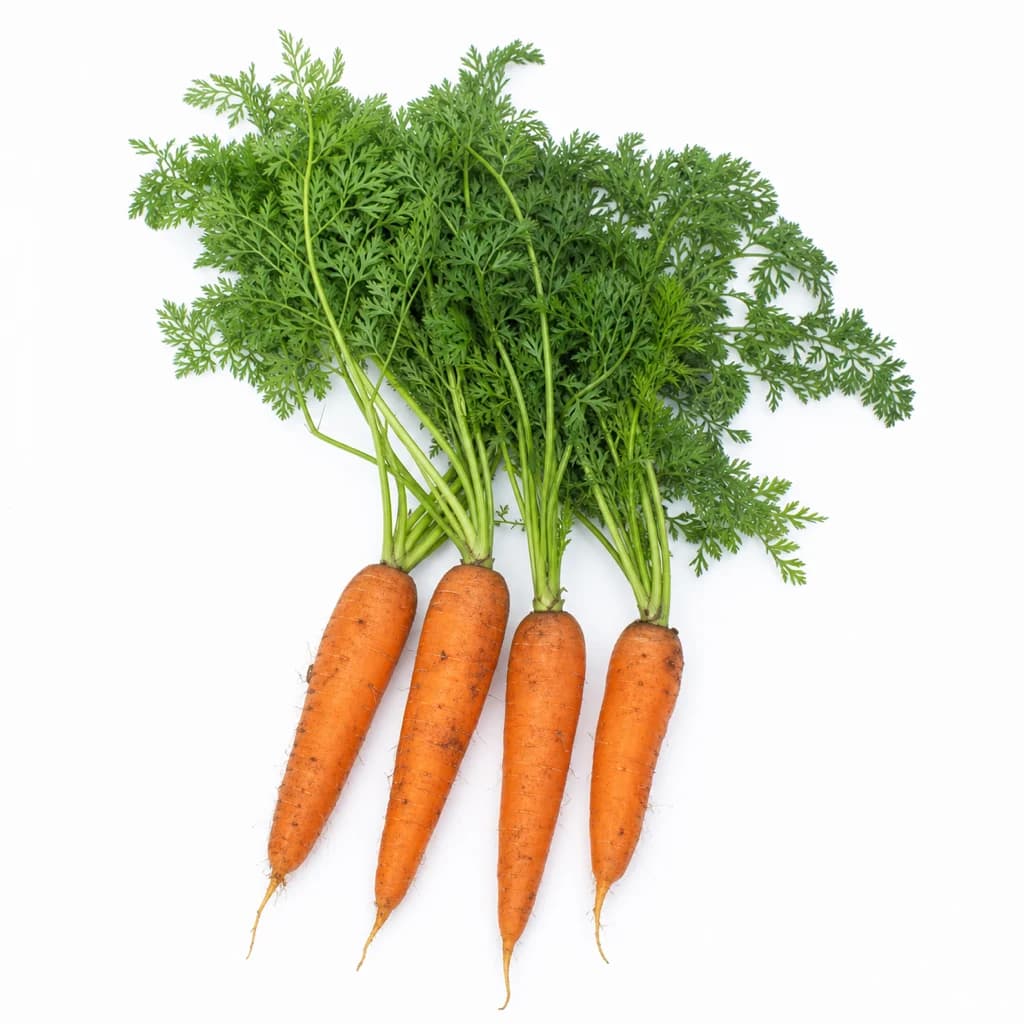
Carrot
Sweet, crunchy root — raw, roasted, or the base of a sofrito
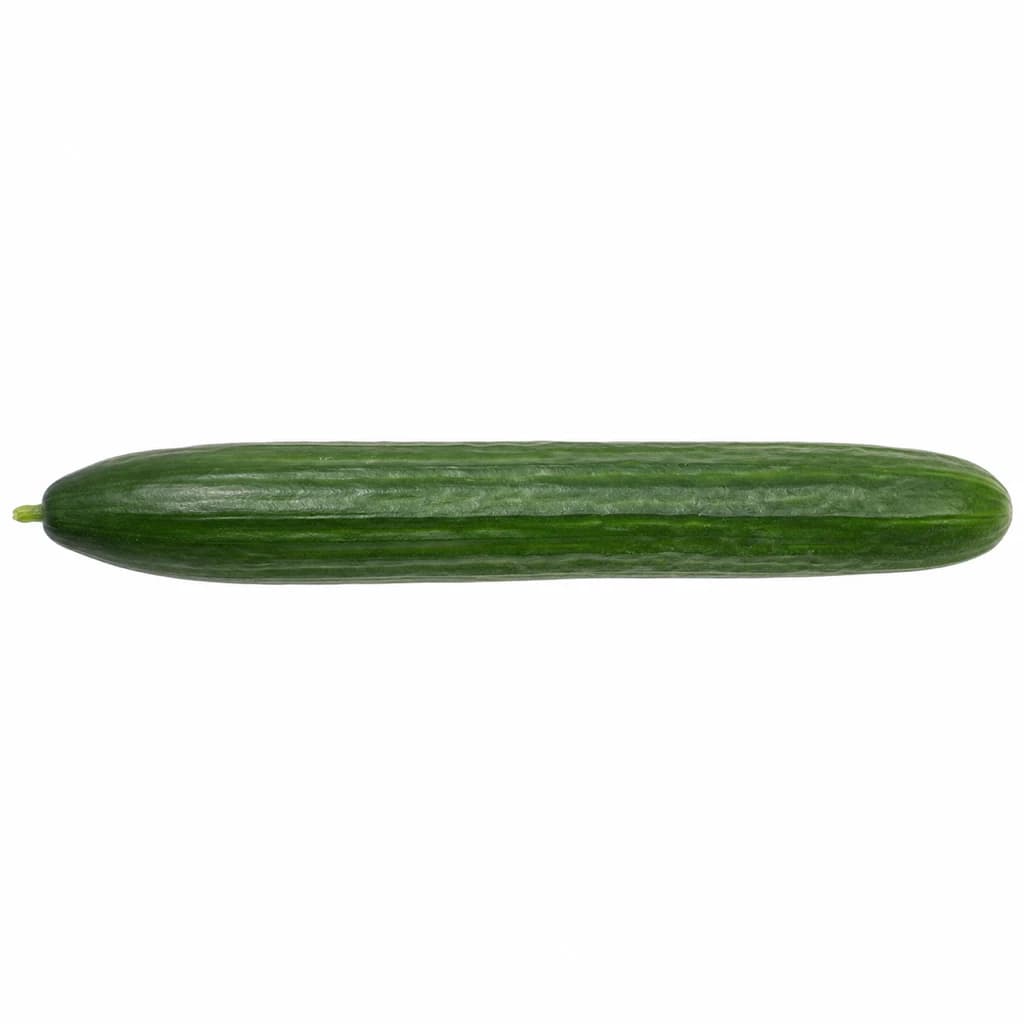
Cucumber
Cool, crisp, and watery — for salads, pickles, and tzatziki

Lettuce
Crisp leaves for salads, wraps, and a fresh crunch