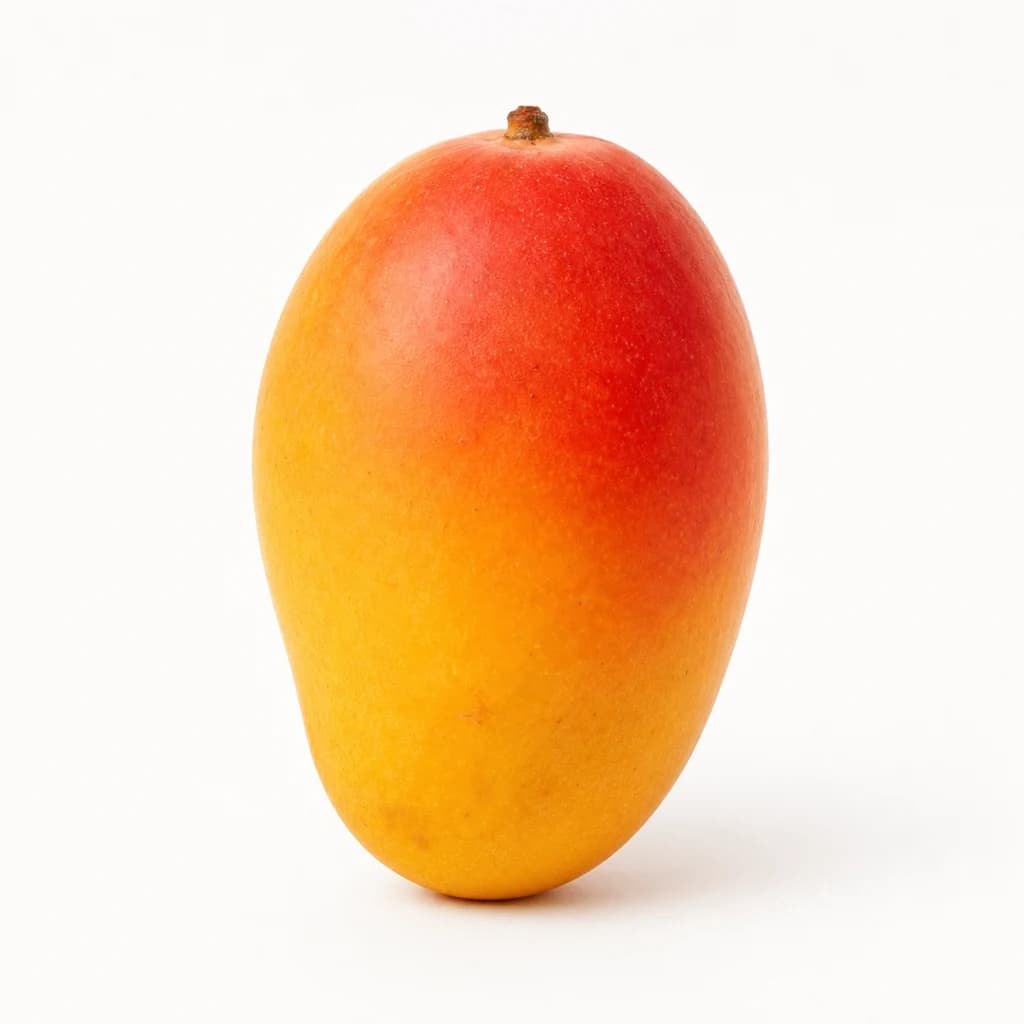
Natural form
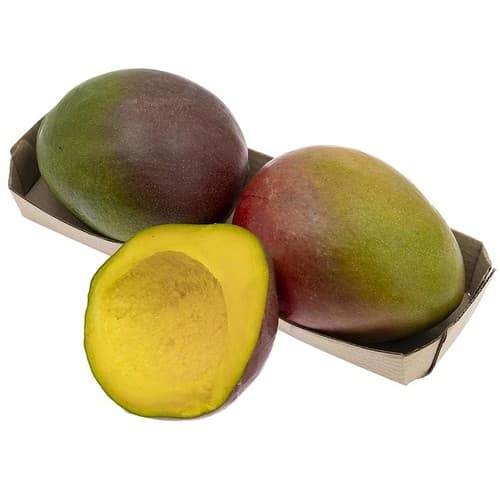
A ripe mango showing its oval shape, yellow-orange skin with red blush, and smooth surface.
Shows the reader the exterior cues — skin color, blush, and oval silhouette — used to identify and assess ripeness.
Produce
Mango
Lush, sweet tropical fruit for salsas, lassis, and snacking
Silky and intensely sweet, ripe mango blends into a lassi, dices into salsa, and is bliss eaten straight. Ripen it at room temperature, then chill. Squeeze for a gentle give.
The mango is the king of tropical fruit — lush, silky, and intensely sweet with a honeyed, faintly resinous fragrance and a vivid orange flesh. Ripe and eaten fresh it's pure bliss; underripe and green it turns tart and crunchy for salads, pickles, and chutneys. It blends into lassis and smoothies, dices into salsa, and purées into sorbet and dessert. The flat central pit and the slippery flesh make cutting an art worth learning.
- Measured in
- piece
- Storage
- Room Temperature
- Shelf life
- 5 days
Find it in
Types & varieties
Small, golden, buttery, nearly fiberless; intensely sweet
The common large red-green supermarket mango; firmer, more fibrous, milder
Indian variety prized as the most fragrant and rich; brief season
Large, sweet, juicy, low-fiber late-season mangoes
How to choose
Color is a poor guide (varieties ripen red, green, or gold) — judge by feel and smell. A ripe mango gives gently to a soft squeeze (like a ripe peach or avocado) and smells sweet and fruity at the stem end. A sour or alcoholic smell means overripe. Avoid very hard, shriveled, or heavily bruised fruit. Slightly firm mangoes will ripen at home.
- Squeeze for gentle give, not color
- Sniff the stem for sweet fragrance
- Firm ones ripen on the counter
How to ripen and store
Ripen firm mangoes at room temperature (faster in a paper bag with a banana or apple), out of the fridge — cold halts ripening and can leave underripe fruit bland. Once it's soft and fragrant, refrigerate to hold it a few more days. Cut mango keeps in a sealed container in the fridge for a couple of days, or freezes well for smoothies.
How to cut it (the hedgehog)
There's a large flat pit running the length of the fruit. Stand the mango on end and slice down either side of the pit to get two 'cheeks.' Score each cheek in a crosshatch grid (without cutting through the skin), then push the skin inward so the cubes pop out like a hedgehog — scoop or slice them off. Trim the remaining flesh from around the pit (the cook's snack).
- Slice the cheeks off either side of the flat pit
- Crosshatch and invert to cube
- Don't waste the flesh around the pit
Common uses
Tips & pitfalls
- Judge ripeness by smell and gentle give, not skin color
- Ripen on the counter in a paper bag; never start it in the fridge
- Use the crosshatch 'hedgehog' method to cube it cleanly
- Green (unripe) mango is a tart ingredient in its own right — salads, pickles, chutney
- Freeze cubes for instant lassis, smoothies, and sorbet
Nutrition
Energy
251 kJ · per 100 g
Where the calories come from
Protein
0.8g
2% DV
Carbs
15g
5% DV
Fat
0.4g
0% DV
Fiber
1.6g
6% DV
Sugars
13.7g
of which
Sodium
1mg
0% DV
Source · USDA FoodData Central · Mangos, raw
View on FDC →In the shops
Matched grocery products
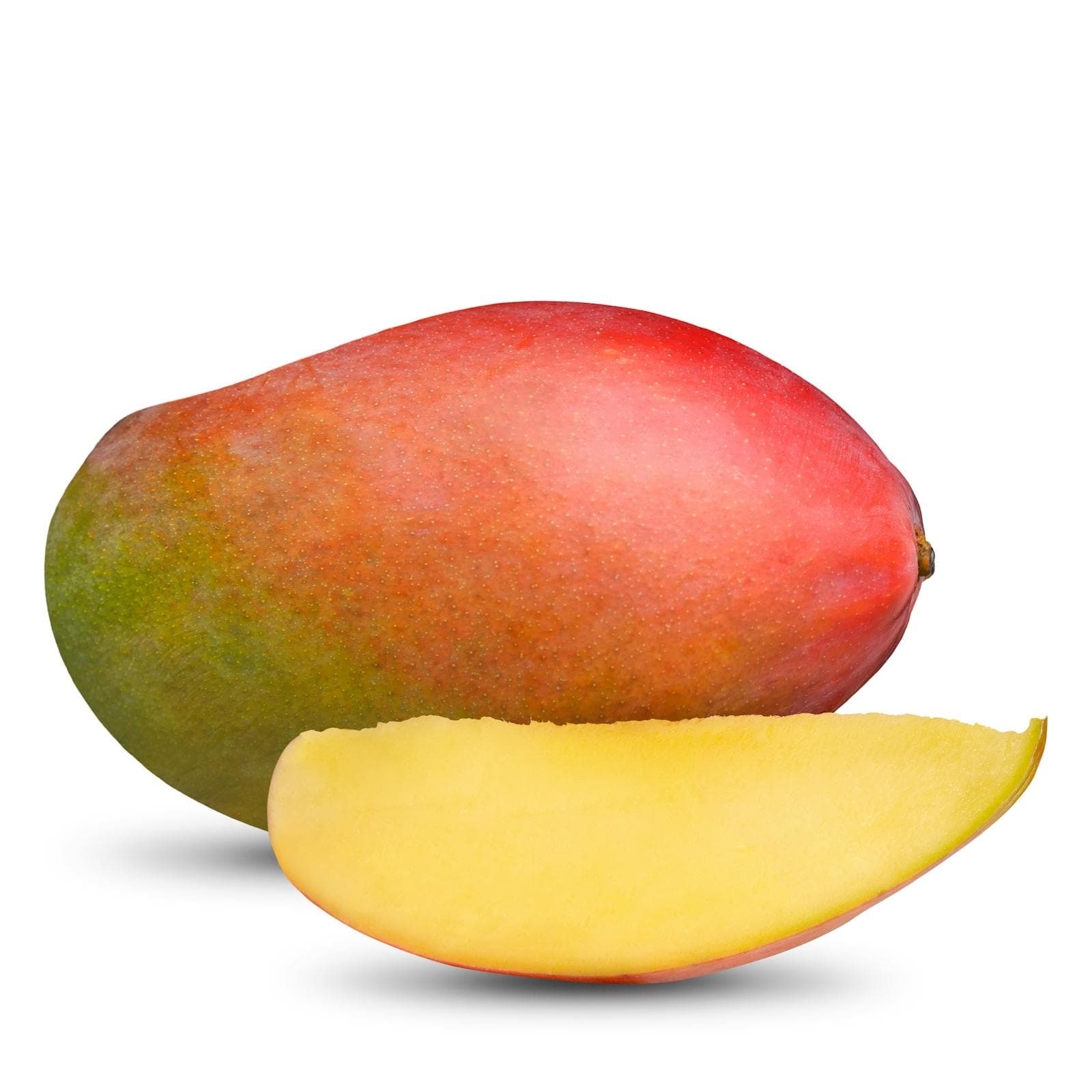 €1.45
€1.45Mango
500 g · Mercadona
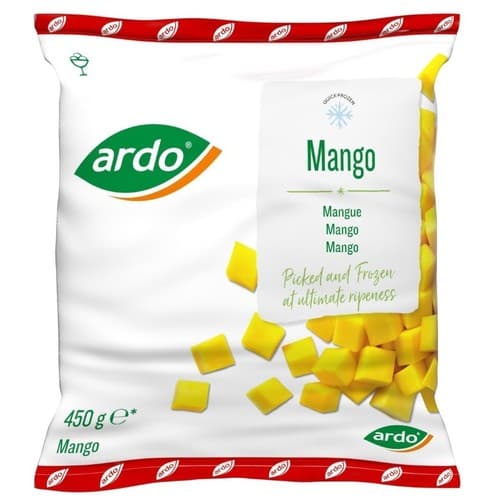 €2.75
€2.75Ardo Mango
ARDO · kg · Bonpreu
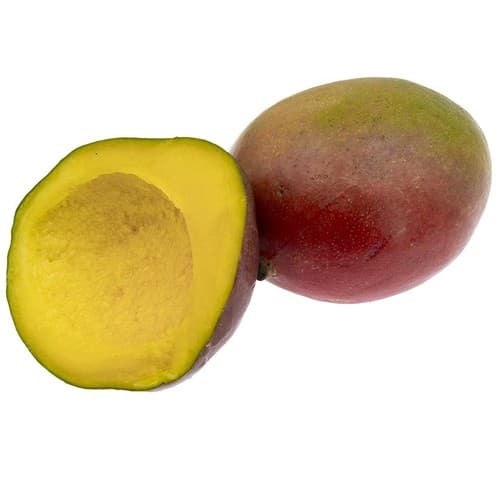 €3.99
€3.99LA COLLITA Mango 1 unit
LA COLLITA · Bonpreu
 €2.79
€2.79Mango in tray of 2 units
ud · Bonpreu
Good to know
- Peak season
- Spring through summer (varies by origin); imported much of the year
- Flavor
- Sweet, tropical, honeyed, faintly piney; silky when ripe, tart when green
- Origin
- South Asia; cultivated for thousands of years
- Nutrition
- ~60 kcal/100g; high in vitamin C, a moderate source of vitamin A; fiber
- How to buy
- Fragrant at the stem, gentle give; judge by feel and smell, not color
Substitutes
- Papaya — For soft tropical sweetness in salads and smoothies
- Peach / nectarine — For a sweet, juicy stone fruit in salsas and desserts
- Frozen mango — Picked ripe; ideal for lassis, smoothies, and sorbet
Also called
mango
Appears in these dishes


Related
Tomato
Juicy, sun-sweet fruit for sauces, salads, and slow-cooked depth
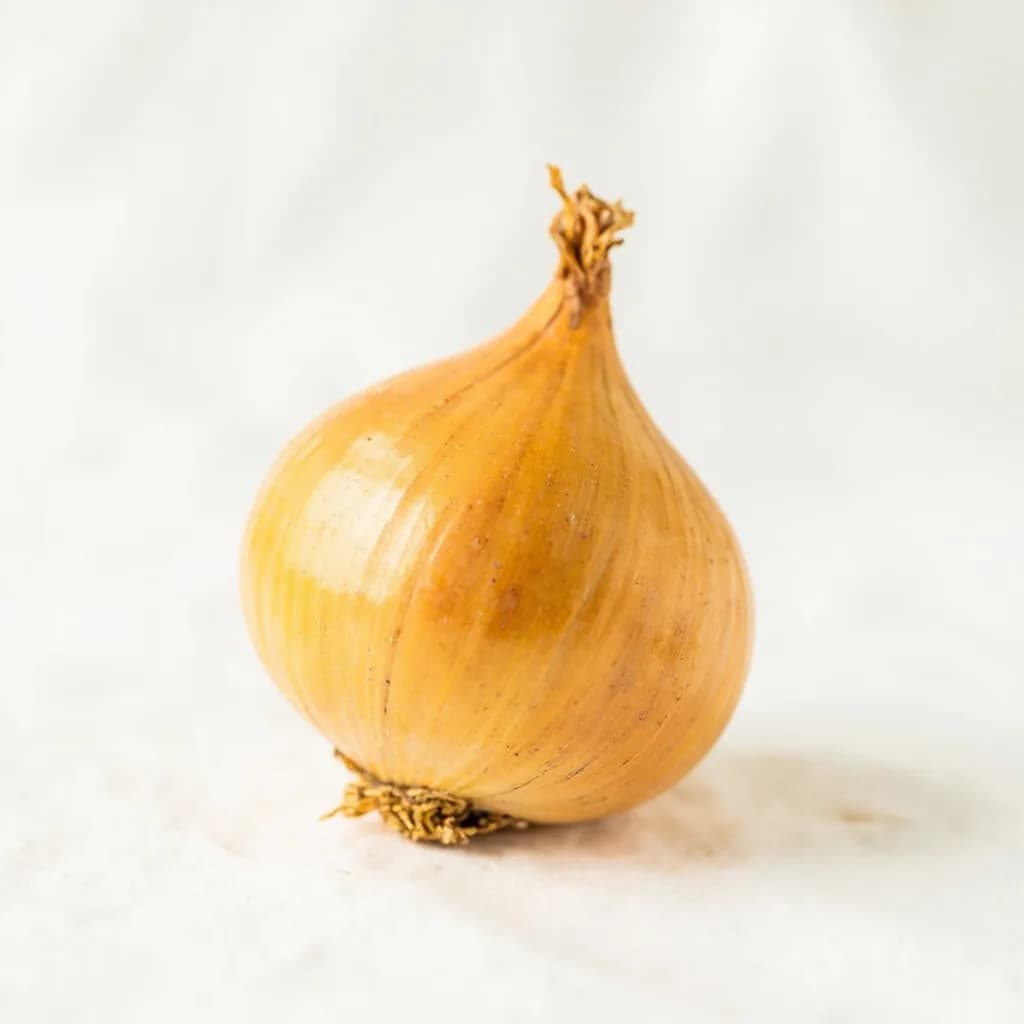
Yellow Onion
The aromatic backbone of soups, sofritos, and braises
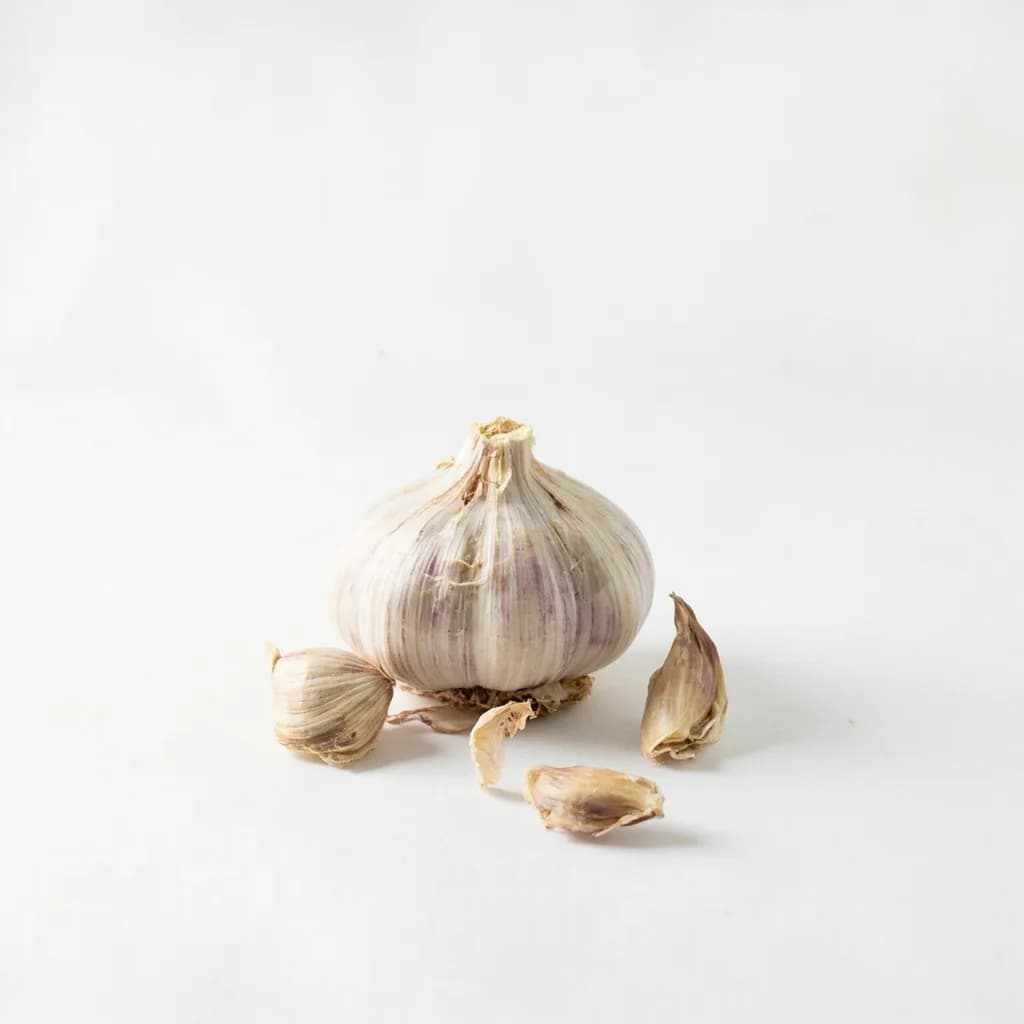
Garlic
Pungent cloves that perfume nearly every savory dish
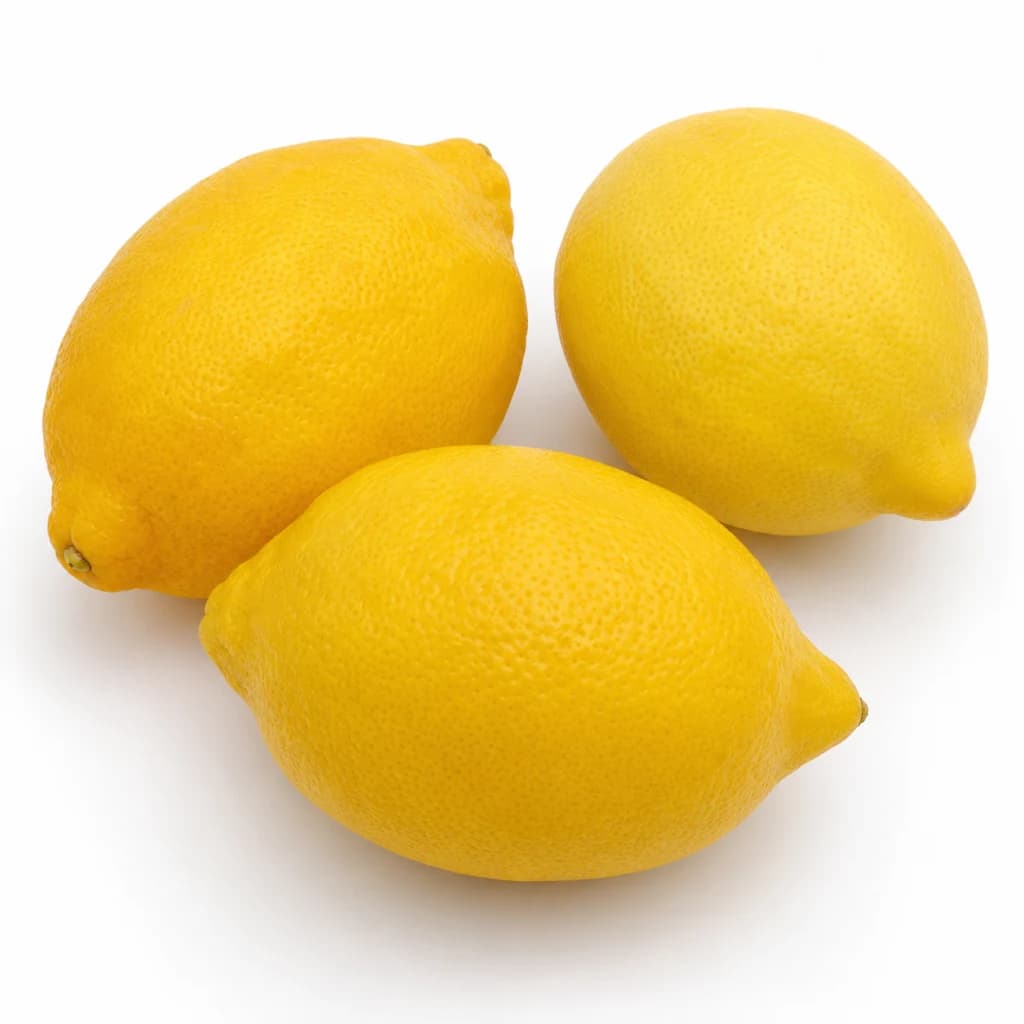
Lemon
Bright, acidic citrus that wakes up almost any dish
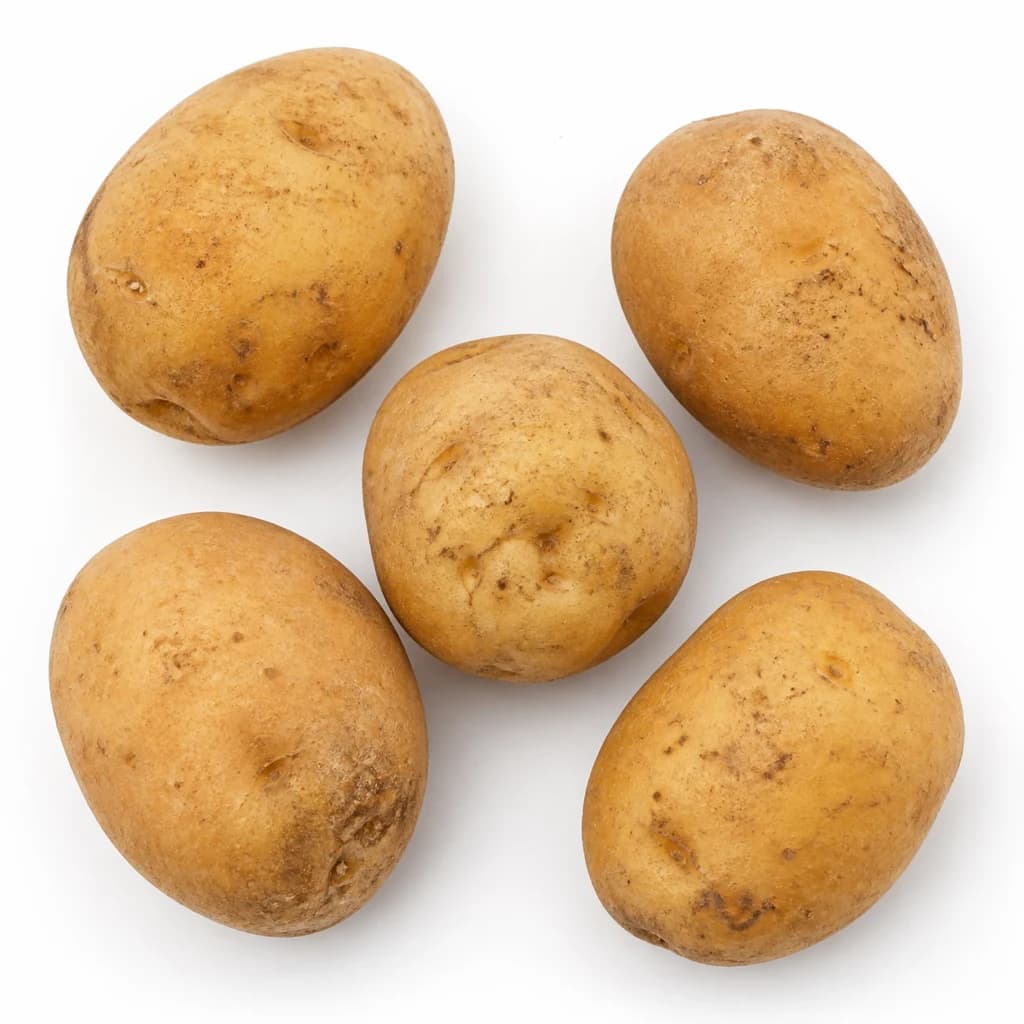
Potato
Humble, hearty staple — roast, mash, fry, or boil
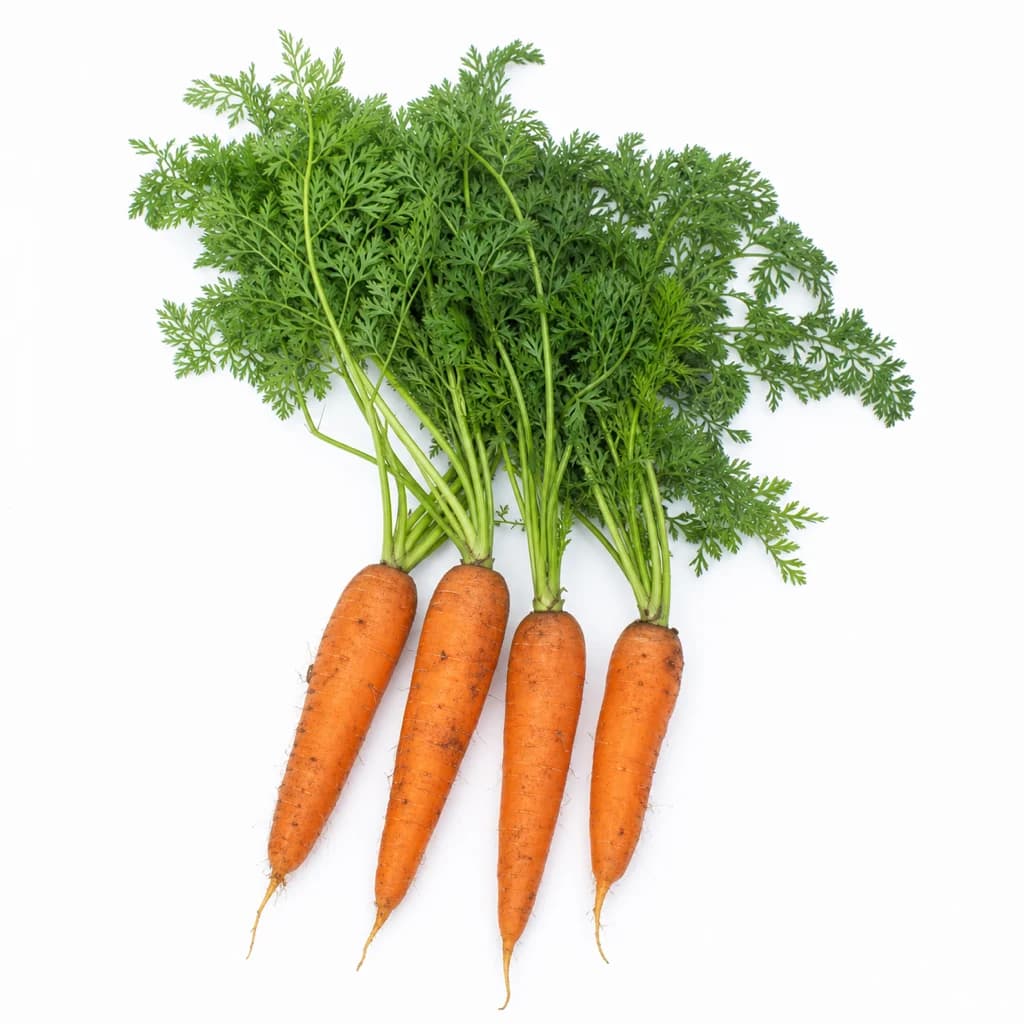
Carrot
Sweet, crunchy root — raw, roasted, or the base of a sofrito
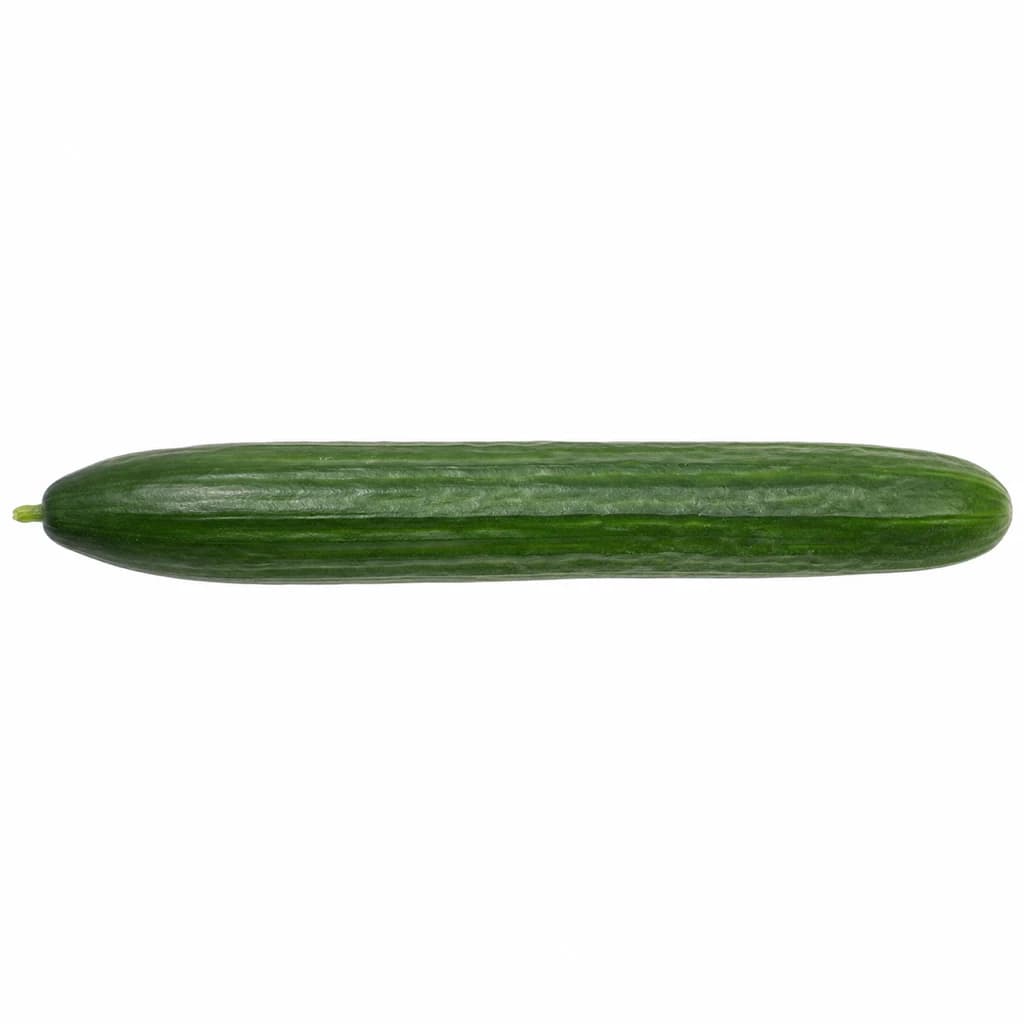
Cucumber
Cool, crisp, and watery — for salads, pickles, and tzatziki

Lettuce
Crisp leaves for salads, wraps, and a fresh crunch