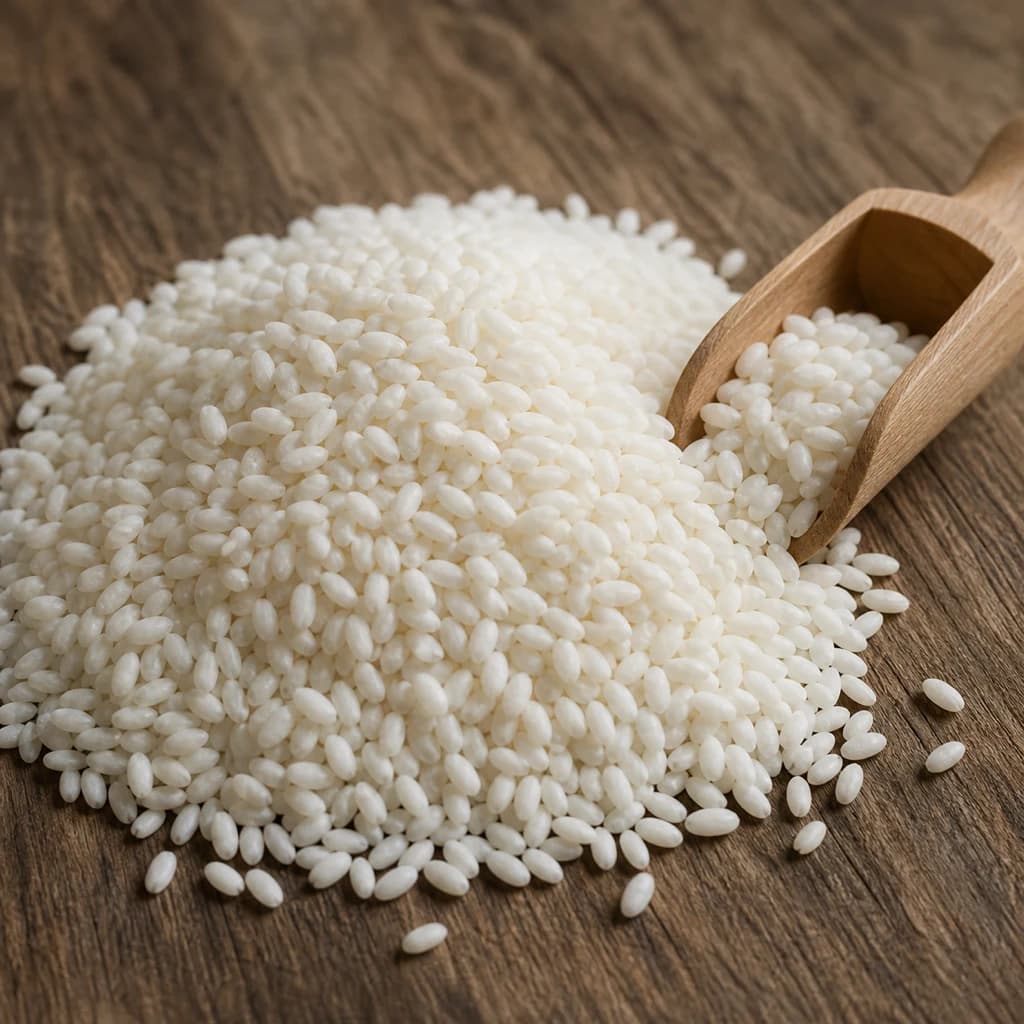
Natural form
Raw glutinous rice grains are short, round, and chalky white — distinct from regular long-grain rice.
Shows the raw grain's characteristic opaque, chalky appearance and short rounded shape that visually distinguishes it from other rice types.
Grains & Rice
Glutinous Rice
Sticky short-grain rice that clumps when cooked, for Asian savory and sweet dishes.
Glutinous rice, despite the name, contains no gluten but is very high in amylopectin starch, making it sticky and chewy when steamed. It is a staple in Southeast and East Asia, eaten by hand in Laos and Thailand, wrapped in leaves for zongzi, and used in sweets like mango sticky rice and mochi. It is typically soaked then steamed rather than boiled.
Glutinous rice (Oryza sativa var. glutinosa) is a short-grain rice distinguished by an extraordinarily high amylopectin content (98–100%) and negligible amylose (0–2%). Unlike regular rice, where amylose chains separate and cool into discrete grains, glutinous rice's branched amylopectin molecules hydrate, swell, and gelatinize into a thick, cohesive matrix that binds every grain together into a single sticky mass. This is not a textural quirk—it is the structural foundation of dozens of iconic Asian dishes, from Thai mango sticky rice to Japanese mochi to Chinese zongzi, where the rice must hold together when pinched, stuffed, or pounded.
Despite its name, glutinous rice contains no gluten. The Latin-derived "glutinous" refers purely to stickiness, not protein elasticity. In the United States, look for it labeled "sweet rice" in Asian grocery stores—a descriptor of its starch behavior, not its flavor. Across Asia it carries different names: mochigome in Japan, khao niao in Thailand and Laos, nuòmǐ in China. Its neutral, slightly nutty flavor makes it a remarkable vehicle for bold ingredients, while its dense, chewy texture satisfies in ways regular rice simply cannot replicate.
The cooking method is as distinctive as the grain itself. Glutinous rice is almost always steamed, never boiled, because direct water contact makes it gummy and waterlogged. It must be soaked thoroughly before steaming—4 to 24 hours depending on the variety—because the grain and intact bran layer (in black and red varieties) are denser than regular rice and resist hydration. The payoff is a texture that is dense and cohesive when hot, firming further as it cools, giving dishes like zongzi and tteok their characteristic bite and structural integrity.
- Measured in
- g
- Storage
- Pantry
Types & varieties
Most common variety; neutral flavor, white color; workhorse for savory dishes, desserts, and daily staples across Asia
Purple-black bran layer intact; nuttier, slightly sweeter; requires 12–24 hour soak and 45–60 minutes steaming; used in desserts, rice balls, and festive dishes in China, Japan, and Southeast Asia
Partially milled to remove some bran; earthy, faintly sweet; used in Thai-Lao sticky rice desserts and celebratory dishes such as khao tom mat
A specific cultivar of glutinous rice bred for mochi production; short, plump grains; prized for superior pounding quality and elastic texture
Why "Glutinous" Has Nothing to Do With Gluten
This is the most commonly misunderstood aspect of the ingredient. The word "glutinous" derives from Latin gluten, meaning glue, and describes the starchy stickiness of the cooked rice—not any protein content. Glutinous rice is entirely gluten-free and safe for people with celiac disease or gluten intolerance. The confusion persists because "gluten" itself sounds similar and also refers to something sticky, but there the connection ends. Gluten is a wheat protein; glutinous rice is a starch. In the United States, the grain is often labeled "sweet rice" in Asian markets—a commercial descriptor for its behavior, not its flavor, since the raw or cooked grain tastes only mildly nutty and neutral.
- The name describes starch-based stickiness, not protein content
- Glutinous rice is completely gluten-free
- Look for "sweet rice" or "glutinous rice" in Asian grocery stores, not "sticky rice" (which may refer to regular short-grain rice)
Why It Sticks: The Starch Science
The stickiness of glutinous rice is entirely structural. Regular rice contains a mix of amylose (linear chains that retrograde and separate as rice cools) and amylopectin (branched chains that form a thick, entangled gel). Glutinous rice is nearly pure amylopectin, which hydrates rapidly, swells dramatically, and forms a continuous starch gel during cooking. When the rice cools, amylopectin molecules reassociate into a dense, ordered structure that holds the grains together. This is why glutinous rice clumps when you squeeze it and why it must be steamed rather than boiled—excess water dilutes the starch matrix and produces a mushy, waterlogged result instead of distinct sticky clumps. The same amylopectin-driven gelatinization makes freshly steamed rice ideal for pounding into mochi, where the hot, hydrated starch must be worked before it sets.
- Amylopectin content (98–100%) drives stickiness; amylose content is negligible (0–2%)
- Branched-chain amylopectin forms a continuous gel matrix that binds grains together
- Steaming concentrates the starch; boiling dilutes it and ruins texture
- Cooked rice firms as it cools because amylopectin molecules reassociate into a denser structure
Buying and Storing Glutinous Rice
Look for glutinous rice in the rice section of any Asian grocery store; in mainstream supermarkets it may be in the international aisle. In the U.S., it is typically labeled "sweet rice" or "glutinous rice." In Japan, look for 糯米 (mochigome). In Thai or Vietnamese markets, it is sold as ข้าวเหนียว (khao niao) or gạo nếp. Whole-grain varieties (black, red) have higher oil content than white and turn rancid more quickly—purchase in quantities you will use within a few months, and store any leftovers in the freezer.
Dry uncooked glutinous rice keeps 1–2 years in an airtight container in a cool, dark pantry. Do not store near strong-smelling foods—whole grains absorb odors easily. Once ground into flour (sold as mochiko, shiratamako, or glutinous rice flour), store in the freezer; the higher fat content of ground rice causes rapid rancidity at room temperature. Homemade flour should be used within a few weeks. Cooked glutinous rice keeps 3–5 days refrigerated and can be quickly re-steamed to restore texture.
- U.S. label: "sweet rice" or "glutinous rice"; Japan: 糯米 (mochigome); Thailand/Laos: ข้าวเหนียว (khao niao); China: 糯米 (nuòmǐ) or 乌米 (wūmǐ) for black varieties
- Black and red varieties have higher oil content—buy smaller quantities and store in the freezer for long-term keeping
- Ground glutinous rice flour (mochiko) must be frozen for shelf stability
- Dried whole grains absorb strong odors—store away from spices, coffee, or cleaning products
Common uses
Tips & pitfalls
- Soak white glutinous rice at least 4–6 hours before steaming; overnight (8–12 hours) produces the most tender, evenly cooked result. Skipping or shortening the soak leads to chalky, undercooked centers.
- Drain thoroughly before steaming. Any free water sitting in the steamer dilutes starch release and produces uneven texture—some grains will be mushy, others underdone.
- Always steam, never boil. Direct contact with boiling water makes glutinous rice gummy and waterlogged rather than giving it the dense, cohesive texture you want.
- Use a tight-fitting steamer lid or wrap the rice in cheesecloth. Condensation dripping onto the rice creates wet patches and uneven stickiness.
- Black glutinous rice requires 12–24 hours of soaking and 45–60 minutes of steaming—budget extra time and add 5–10 minutes to steaming if unsure. The denser bran layer resists hydration.
- Never stir glutinous rice during or after cooking. Stirring breaks the starch matrix and creates a gluey, soupy mess instead of distinct sticky clumps. Gently fold if you must redistribute.
- Cooked glutinous rice firms noticeably as it cools. Serve immediately, or briefly re-steam (3–5 minutes) to restore optimal texture before serving.
- For mochi, steam the rice until fully cooked, then pound immediately while extremely hot. Once cooled, the starch sets and becomes impossible to work into a smooth dough.
Nutrition
Energy
1548 kJ · per 100 g
Where the calories come from
Protein
6.8g
14% DV
Carbs
81.7g
30% DV
Fat
0.6g
1% DV
Fiber
2.8g
10% DV
Sodium
7mg
0% DV
Source · USDA FoodData Central · Rice, white, glutinous, unenriched, uncooked
View on FDC →In the shops
Matched grocery products
No matched grocery products for Glutinous Rice yet.
Good to know
- Scientific name
- Oryza sativa var. glutinosa
- Starch composition
- 98–100% amylopectin, 0–2% amylose—the high branched-chain starch creates the characteristic sticky, cohesive texture
- Gluten content
- Zero; "glutinous" refers to starch-based stickiness, not gluten protein
- Primary colors
- White (most common), black (purple-black bran), red (partially milled)
- Typical soaking time
- 4–24 hours depending on variety; white needs 4–12 hours, black needs 12–24 hours
- Primary cooking method
- Steaming above boiling water in a steamer, bamboo basket, or steamer insert lined with cheesecloth
- Steamer time
- 20–45 minutes for pre-soaked white rice; 45–60 minutes for black glutinous rice
- Shelf life
- 1–2 years dry in airtight container; 3–5 days cooked and refrigerated
Substitutes
- Short-grain white rice — Moderately sticky but not cohesive enough for structural applications like zongzi, mochi, or steamed rice cakes where the rice must hold a wrapped or stuffed shape
- Sweet rice flour (mochiko) — Ground glutinous rice; acceptable for batters, doughs, and thickening where whole grains are not required; use 1:1 ratio by weight or volume
- Arborio rice — Higher amylopectin than long-grain rice; produces some stickiness useful for rice pudding but insufficient for traditional sticky rice dishes or desserts
- Sushi rice — Short-grain rice with moderate stickiness; a distant second for savory applications, unusable for steamed sticky rice or traditional desserts
Pairs with
Also called
Pulut · Sticky Rice · Khao Niaw · Sweet Rice
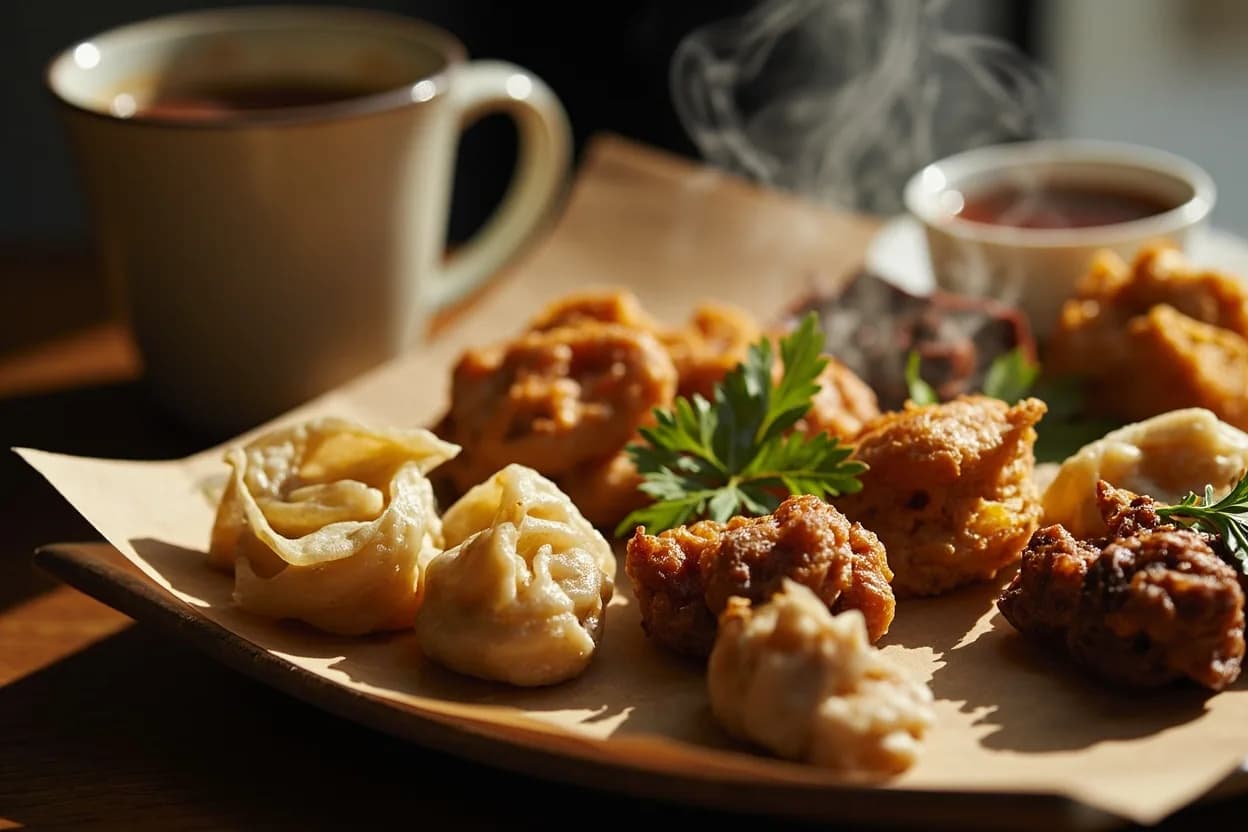
Appears in these dishes
Related

White Rice
Fluffy long-grain rice — the neutral base for almost any meal

White Bread
Soft sandwich loaf for toast, sandwiches, and crumbs
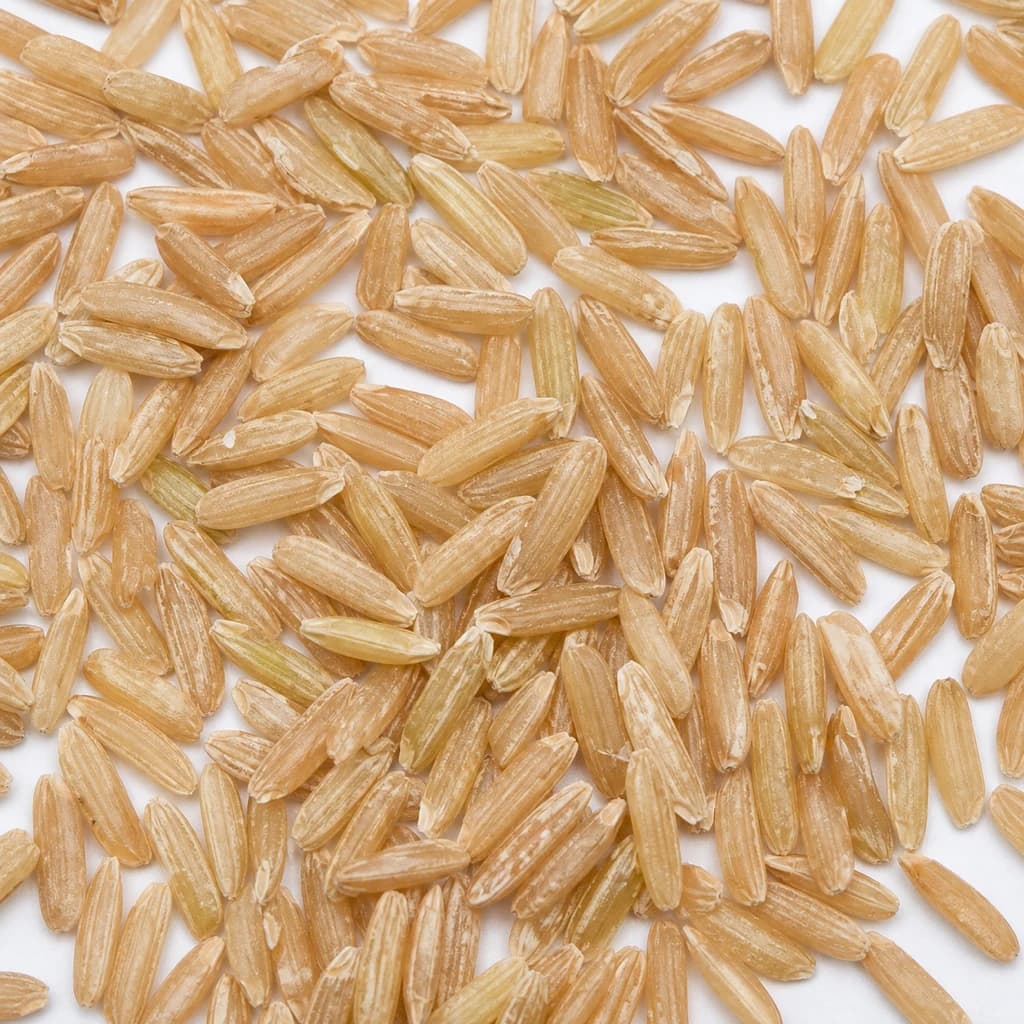
Brown Rice
Nutty, whole-grain rice with chew and extra fiber

Basmati Rice
Fragrant, long-grain rice that cooks up light and separate
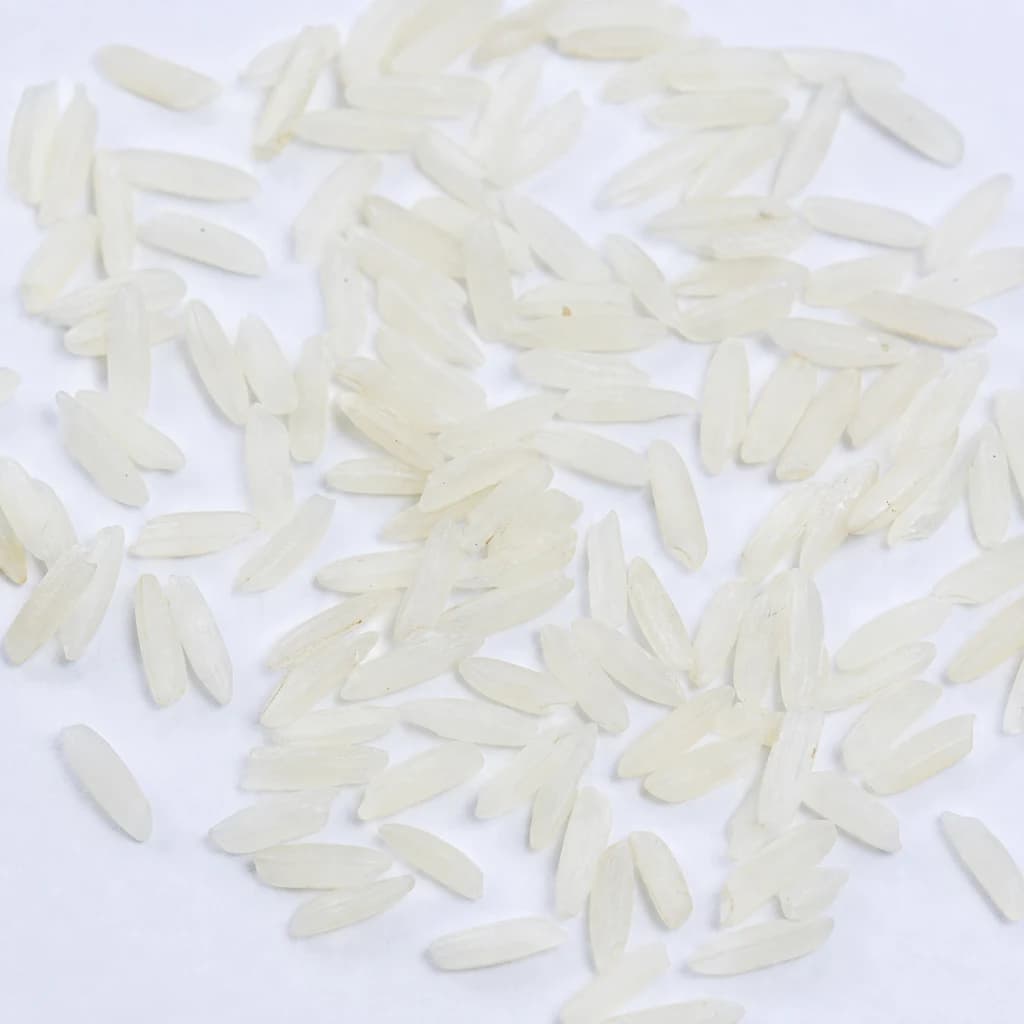
Jasmine Rice
Soft, floral-scented rice that's the pillar of Thai meals
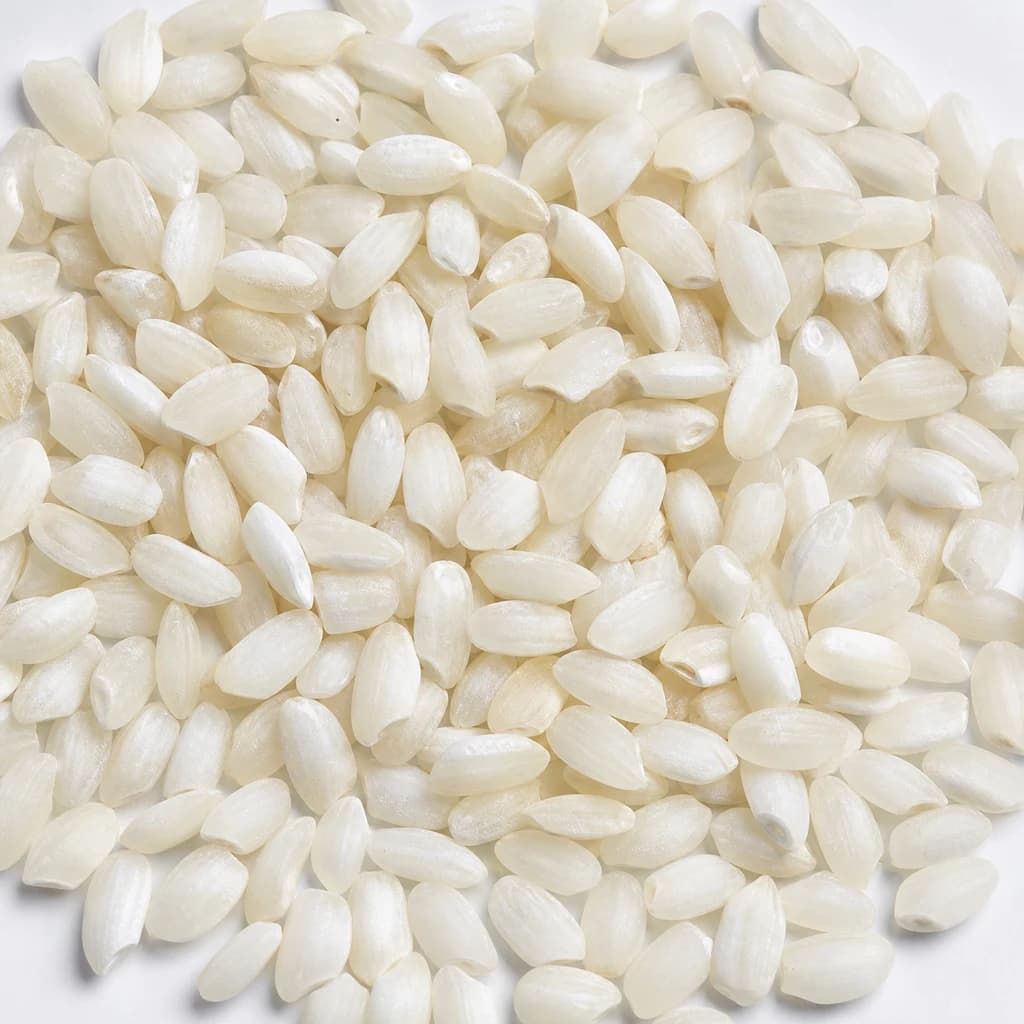
Arborio Rice
Plump, starchy rice that makes risotto creamy
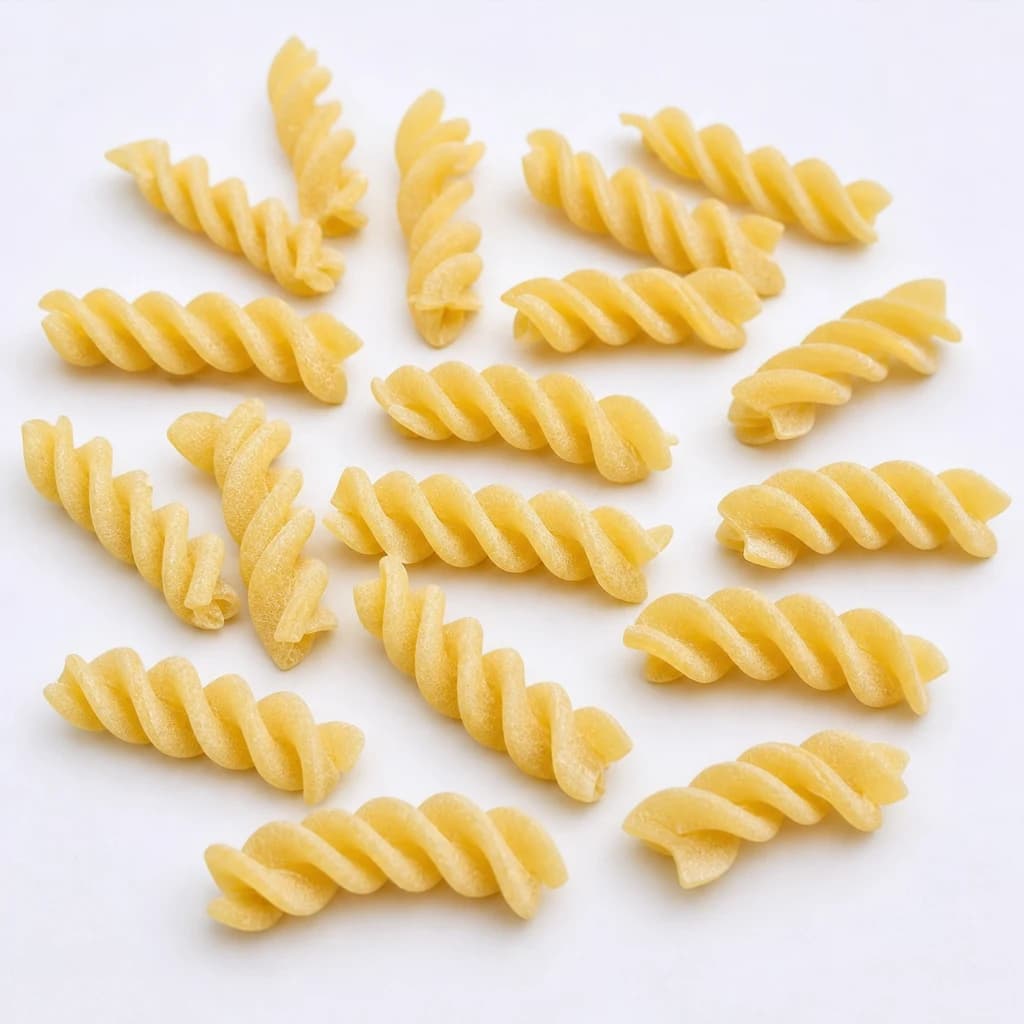
Fusilli
Spiraled pasta that twirls up sauce and dresses cold salads
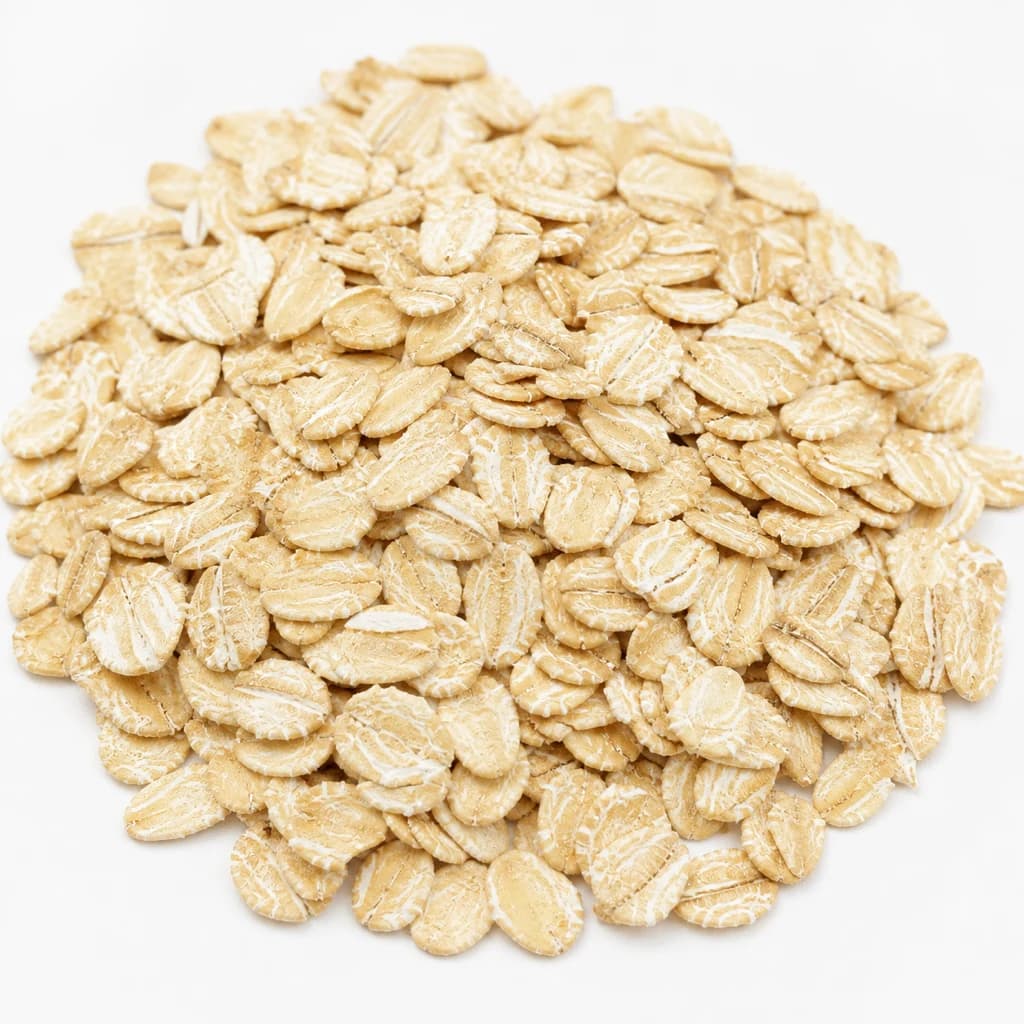
Rolled Oats
Hearty flakes for porridge, granola, and chewy cookies