Legumes & Beans
Red Bean Paste
Sweetened adzuki bean paste filling for East Asian buns, mochi, and pastries.
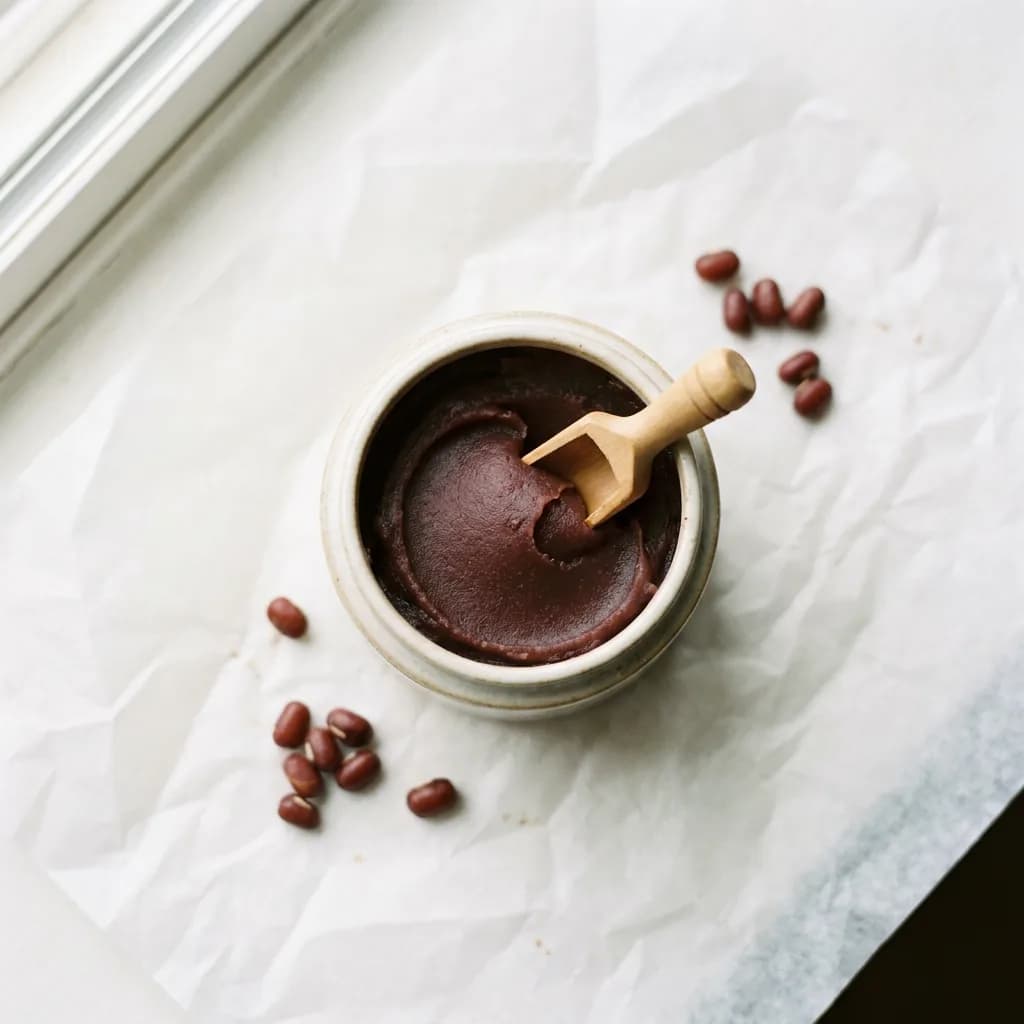
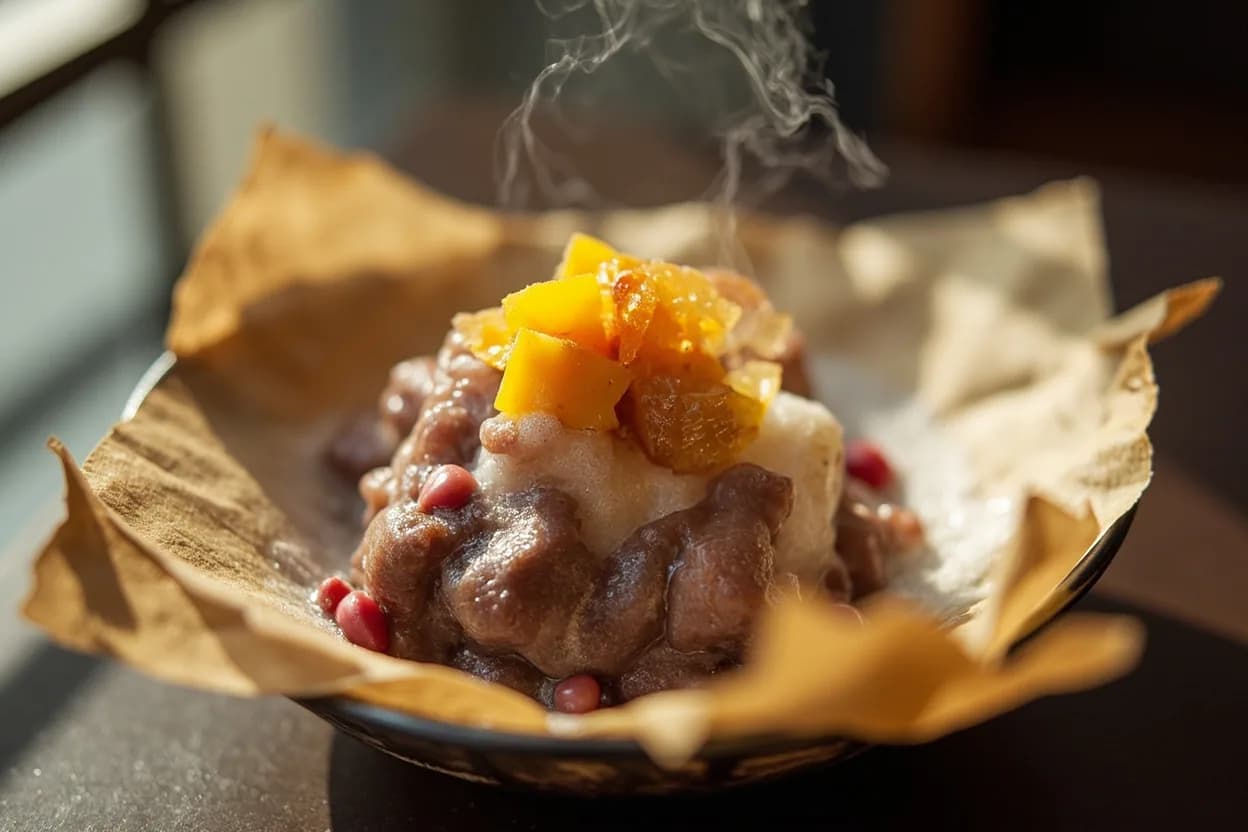
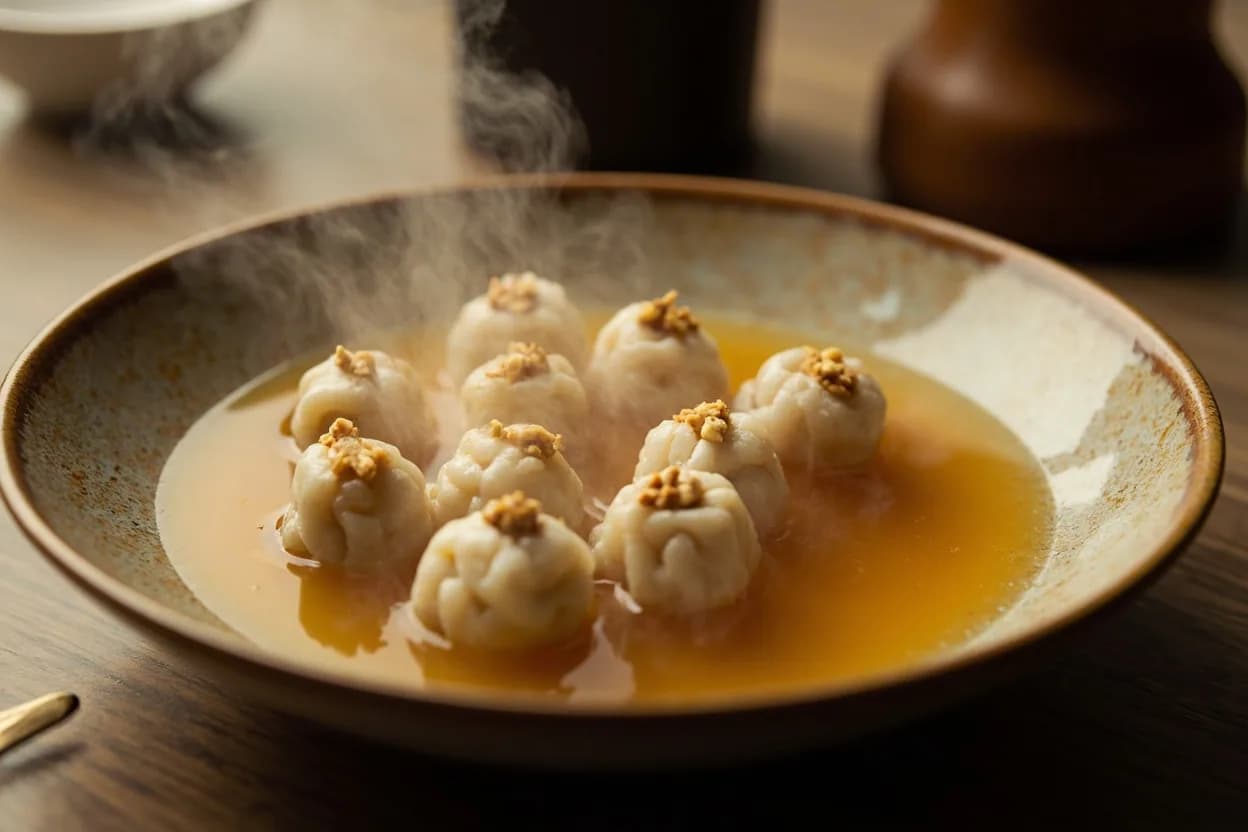
Red bean paste is a sweet paste made by cooking and mashing adzuki beans with sugar, used throughout East Asian desserts. It fills steamed buns, mochi, dorayaki, and mooncakes, and is layered into shaved ice and pancakes. It comes in a smooth strained form and a chunkier whole-bean version with a deep, earthy sweetness.
Red bean paste is a sweetened preparation of adzuki beans (Vigna angularis) cooked until tender and blended with sugar. It forms the backbone of East Asian sweet confectionery, appearing in buns, cakes, dumplings, and soups across Chinese, Japanese, and Korean cuisines. The paste ranges from silky-smooth to chunky, with a deep reddish-brown color and a flavor that is sweet, earthy, and subtly floral—distinctly bean-forward without being starchy or bland.
The paste functions as both filling and flavoring agent, valued for its ability to hold shape when cooled while remaining pliable enough to pipe or spread. The natural pectins in the cooked beans give the paste structure, while the sugar acts as both sweetener and preservative. Making it from scratch yields a cleaner flavor and allows control over sweetness; commercial versions vary widely in quality, often being excessively sweet or thin. Japanese anko and Chinese dòushā differ subtly in texture and sweetness—the Japanese version is typically smoother and slightly sweeter, while Chinese styles may retain more bean texture and use less sugar.
Quality of beans matters significantly. Japanese-grown adzuki beans, especially from Hokkaido, are prized for their thin skins, uniform size, and clean flavor. Imported beans vary; look for a deep, vibrant red color without dullness or discoloration. The paste's texture and flavor transform dramatically through cooking and mashing stages, making technique as important as ingredients.
- Measured in
- g
- Storage
- Fridge
Types & varieties
Smooth, refined paste with skins removed through straining; ideal for delicate pastries requiring a silky texture
Chunky paste containing whole or partially crushed bean pieces; preferred for taiyaki, dorayaki, and applications where texture contrast is desired
Smooth paste cooked with added simple syrup; glossier and more fluid consistency; used for decorative piping and coatings
Paste made from steamed beans rather than simmered; drier texture with more concentrated flavor; common in traditional wagashi
Ultra-smooth, almost buttery paste; beans ground very finely; used for premium wagashi and refined fillings
Very smooth and slightly moist; falls between koshi-an and tsubu-an textures; common in Kyoto-style sweets
Paste colored and flavored with mugwort; deeper green-black color with a slightly bitter, herbal flavor; traditional in certain regional Japanese sweets
Chinese-style red bean paste; often smoother and less sweet than Japanese anko; used in mooncakes and zongzi
Making Red Bean Paste from Scratch
The process divides into soaking, cooking, and sweetening stages. Skipping steps or adding sugar too early ruins the texture. Beans must be cooked in plain water until completely tender before any sugar is introduced. Sugar is typically added in stages—first a small amount once beans are tender, then the remainder during the final cooking-down phase to achieve proper consistency and flavor balance.
- Soak beans 6-12 hours in cold water with 1/4 teaspoon baking soda per cup of dried beans to accelerate softening
- Cook in fresh water until a fork slides through with no resistance, typically 45-90 minutes after soaking
- Mash or blend to desired consistency, then cook down with sugar over medium-low heat, stirring constantly
- The paste is done when it pulls away from the pan sides and holds its shape when cooled
- Strain through a fine-mesh strainer for smooth koshi-an, or press through a coarse strainer to retain texture for tsubu-an
Storage and Preservation
Proper storage extends usability significantly and prevents surface skin from forming.
- Press plastic wrap directly onto the paste surface before sealing the container to prevent drying
- Refrigerate for up to two weeks; freeze for up to six months
- Thaw frozen paste overnight in the refrigerator before use
- Commercial canned paste may need adjustment—thin with water or cook down briefly to reach desired consistency
Common uses
Tips & pitfalls
- Always soak adzuki beans 6-12 hours before cooking; this cuts cooking time roughly in half and ensures even tenderness throughout the batch
- Add 1/4 teaspoon baking soda per cup of dried beans to the soaking water; it softens beans and accelerates cooking without imparting off-flavors
- Cook beans in fresh water without sugar until completely tender—a fork must slide through with no resistance; adding sugar too early makes beans tough and leathery
- Skim foam and impurities from the surface during the first 15 minutes of simmering for a cleaner, less bitter final flavor
- After cooking, mash or blend beans to desired consistency, then cook down with sugar over medium-low heat, stirring constantly to prevent scorching
- The paste is done when it pulls away from the sides of the pan and holds its shape; it will thicken further as it cools
- For perfectly smooth koshi-an, pass cooked beans through a fine-mesh strainer or food mill while still hot, then cook down with sugar
- Press tsubu-an through a coarse strainer for a finer chunky texture while retaining bean pieces
- Use a heavy-bottomed stainless-steel pot; aluminum causes discoloration and off-flavors during long cooking
- Commercial canned or packaged anko varies in consistency—thin with water or cook down briefly to adjust
- A pinch of salt enhances the sweetness and rounds the flavor; do not omit it
- For long-term storage, press plastic wrap directly onto the paste surface to prevent a skin from forming
- The most common mistake is rushing the cooking process by adding sugar before beans are fully tender—this prevents proper softening and yields a tough, leathery paste
Nutrition
Nutrition
No USDA FoodData Central match for Red Bean Paste yet. We surface a per-100 g profile once a generic whole-food entry is matched and verified.
In the shops
Matched grocery products
No matched grocery products for Red Bean Paste yet.
Good to know
- Primary Ingredient
- Adzuki beans (Vigna angularis)
- Sweetener
- White sugar; sometimes maltose or dark brown sugar for variants
- Origin
- East Asia (China, Japan, Korea); documented since the Tang dynasty
- Japanese Name
- anko (餡子)
- Chinese Name
- dòushā (豆沙)
- Bean-to-Sugar Ratio
- 1:0.6 to 1:1 by weight, depending on desired texture
- Refrigerated Shelf Life
- 1–2 weeks in airtight container
- Frozen Shelf Life
- Up to 6 months
Substitutes
- Lotus seed paste (lianrong or renbing) — Similar smooth, sweet texture with a nuttier, less earthy flavor; used interchangeably in Chinese and Japanese pastries
- Mung bean paste (lüdouhuang) — Lighter yellow-green color and milder flavor; acceptable where earthy adzuki taste is not essential
- Sweet potato paste — Denser and more starchy with less sweetness; works in some savory-sweet applications but flavor profile differs significantly
- Chestnut paste (kuri-an) — Similar smooth texture with sweet, nutty flavor; used in premium wagashi but significantly more expensive
- Black bean paste — Made from fermented black soybeans; much saltier and more savory; not a true sweet substitute
- Red lentils cooked with sugar — Approximates a rough paste with softer texture; suitable for quick substitutions in a pinch
Pairs with
Also called
Anko · Adzuki Paste · Sweet Red Bean Paste
Appears in these dishes
Related
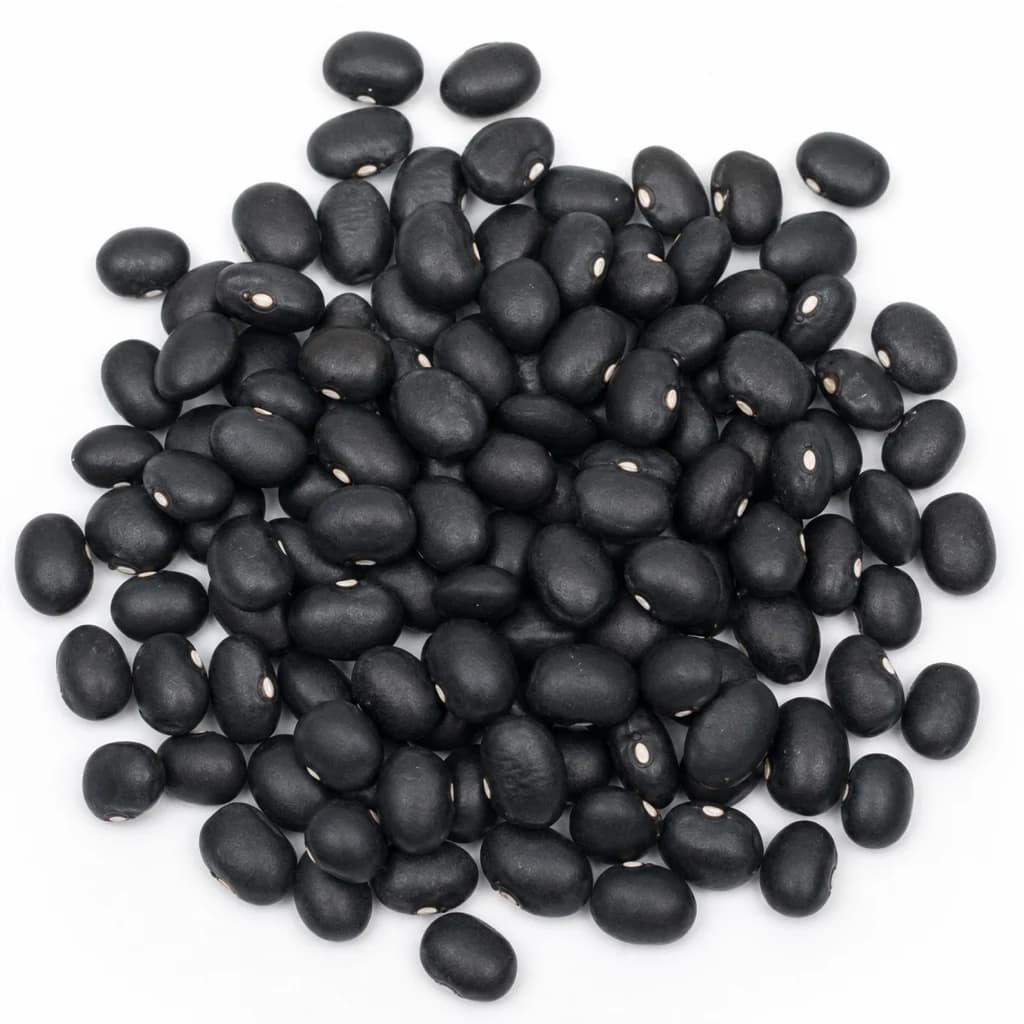
Black Beans
Earthy, creamy beans for bowls, soups, and tacos
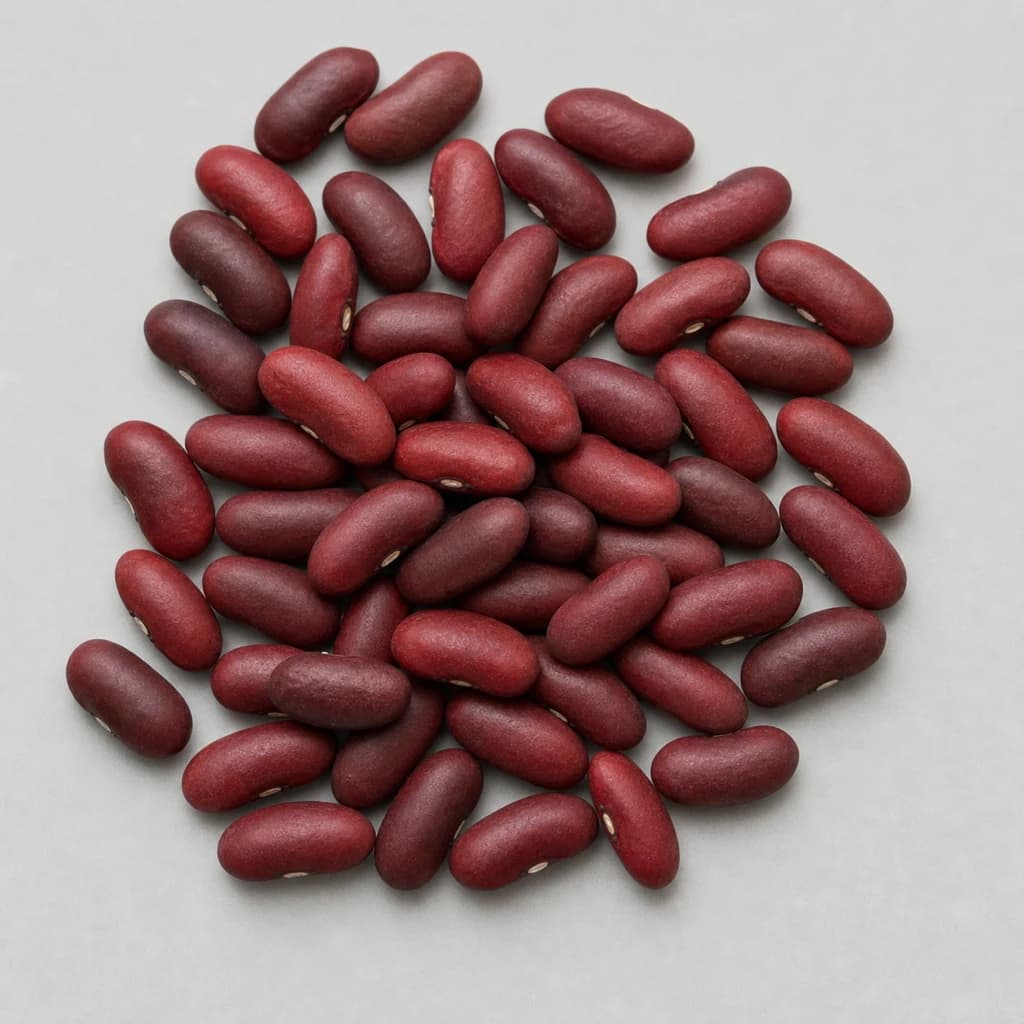
Kidney Beans
Hearty red beans that hold their shape in chili and stews
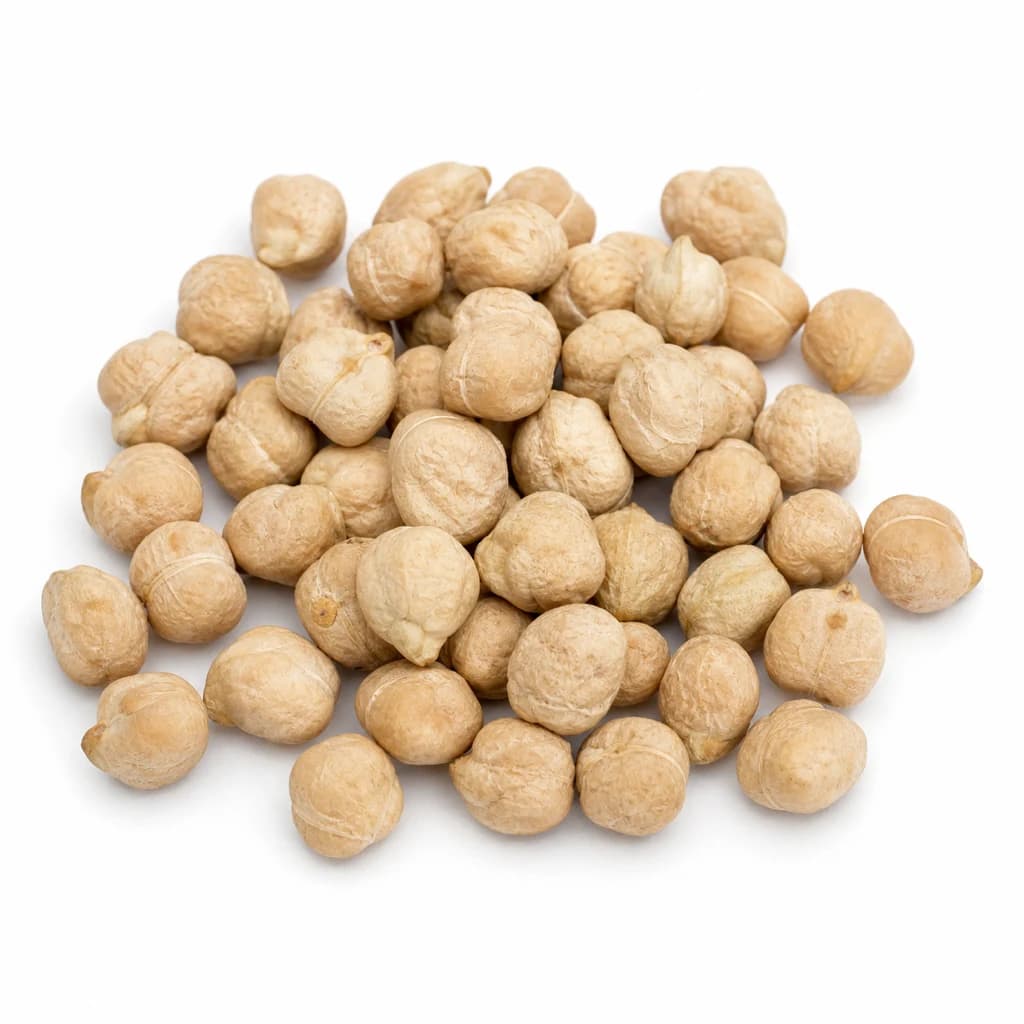
Chickpeas
Nutty, versatile beans for hummus, curries, and roasting
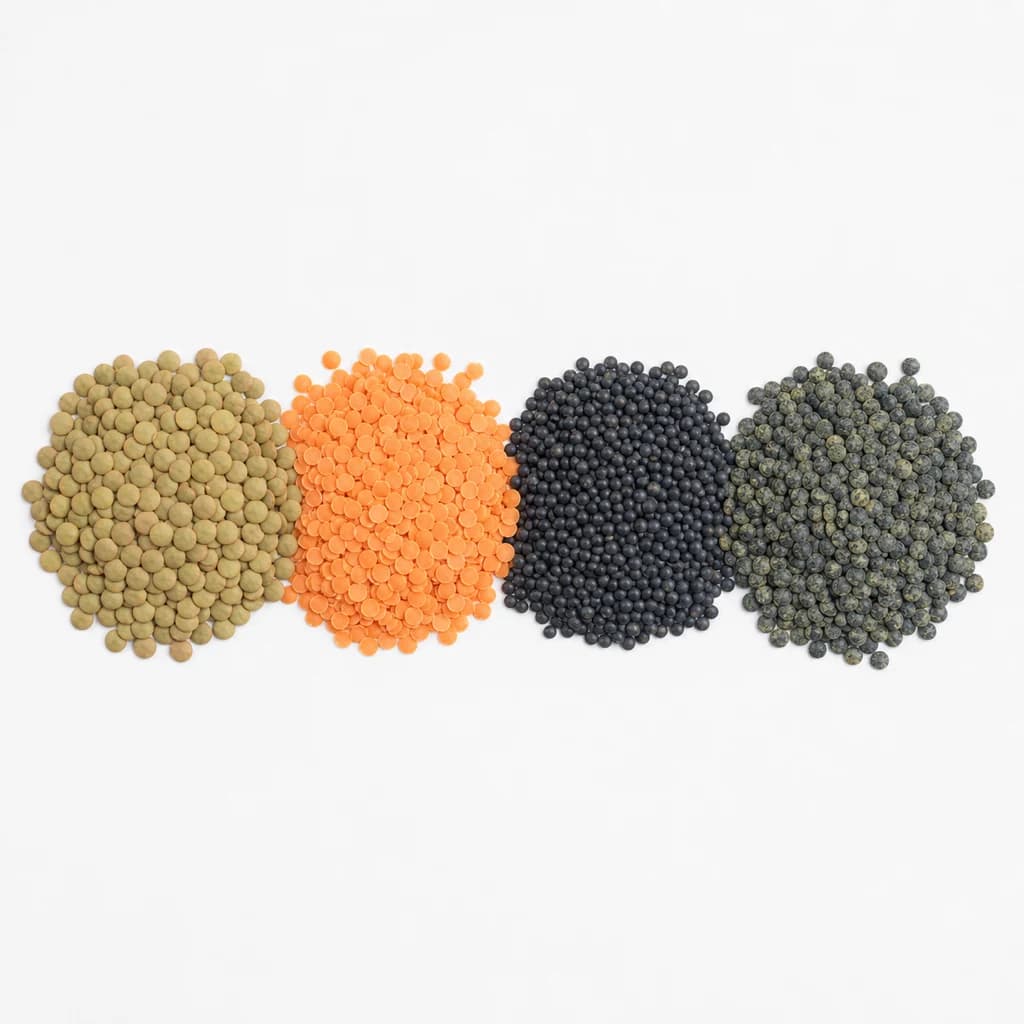
Lentils
Quick-cooking pulses for soups, dals, and hearty salads

White Beans
Creamy, mild beans for soups, stews, and silky purées
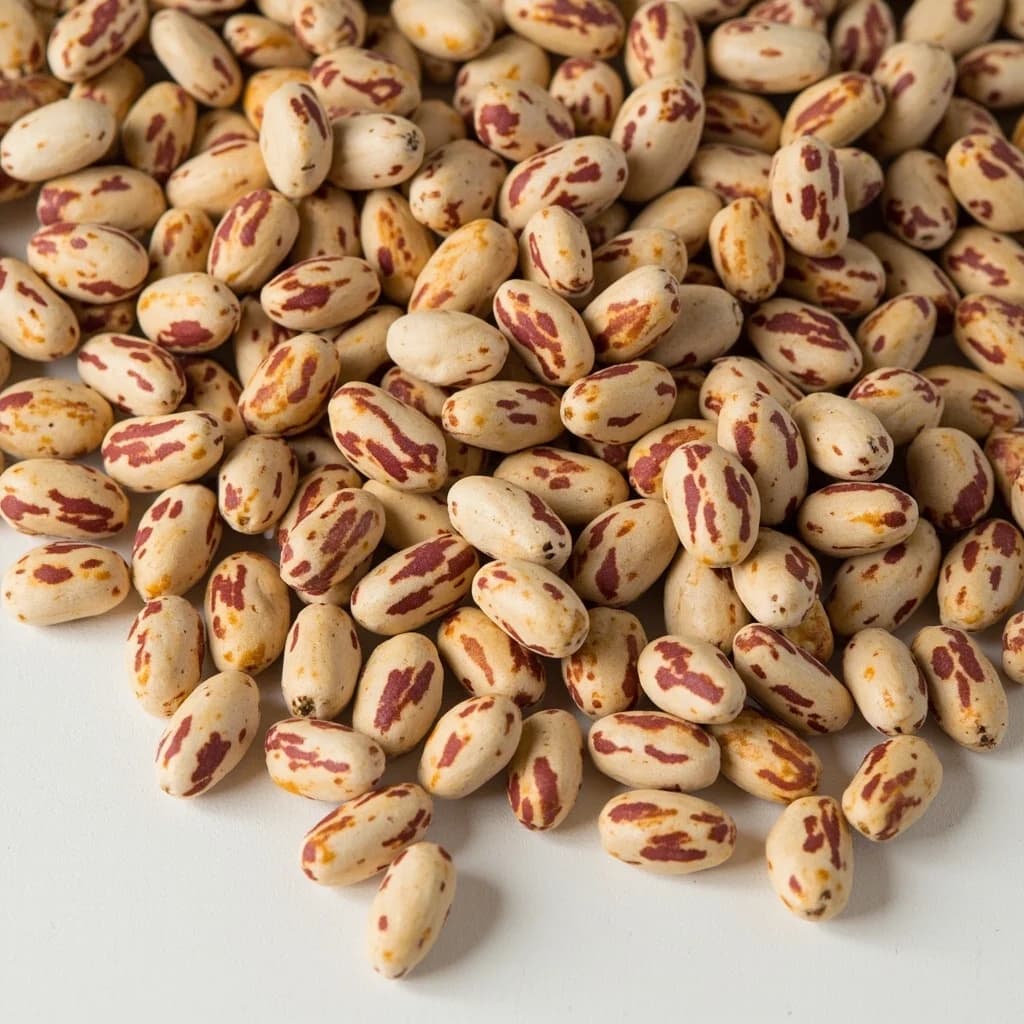
Pinto Beans
Creamy, speckled beans for refried beans and stews

Split Peas
Quick-cooking peas that melt into thick, comforting soups
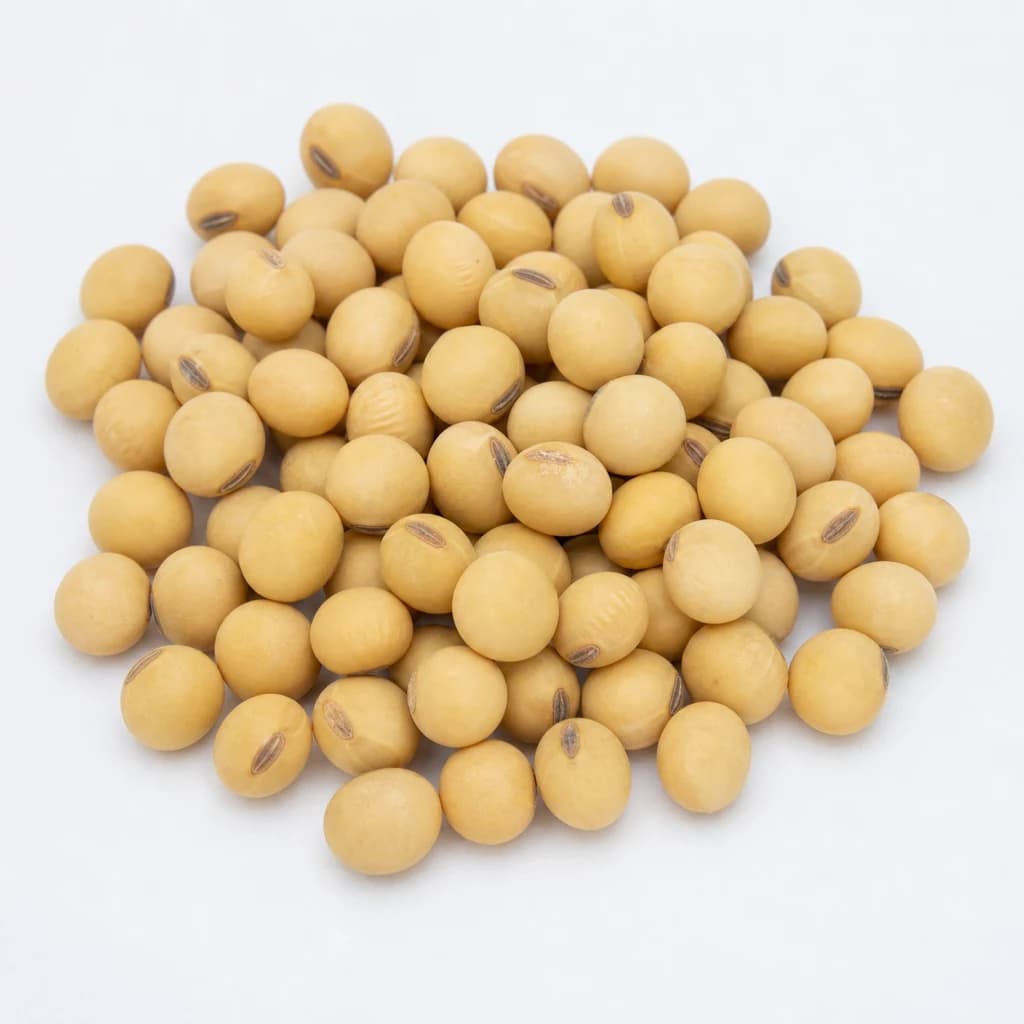
Soybeans
Protein-packed beans, the base for tofu and miso