Legumes & Beans
Lotus Seed Paste
Sweet, smooth paste of cooked lotus seeds used in mooncakes and Chinese pastries.
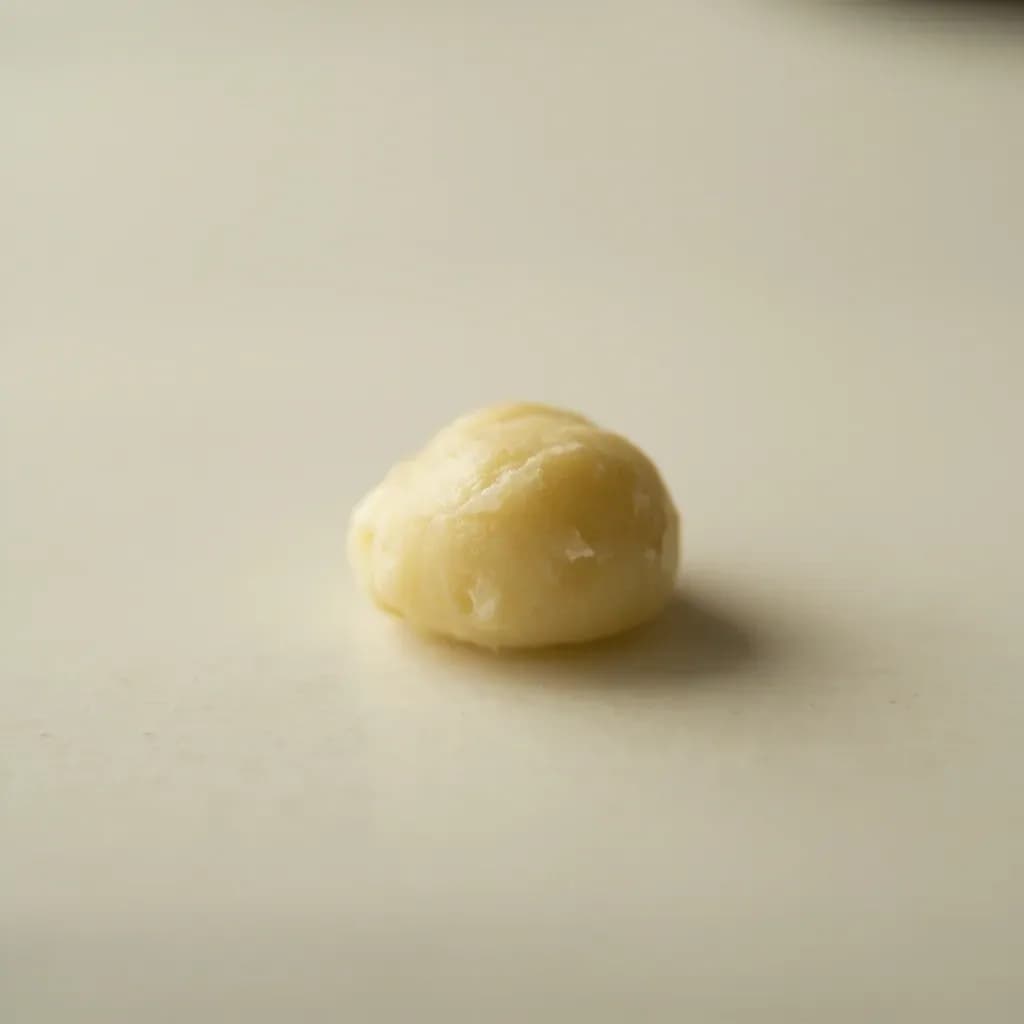
Lotus seed paste is a sweet, dense paste made by cooking and grinding lotus seeds with sugar and oil until smooth. A classic filling in Chinese pastries, it is best known inside mooncakes and steamed buns, prized for its silky texture and subtle, nutty sweetness. It comes in a pale plain form and a darker, richer version.
Lotus seed paste is a sweet, smooth filling made from cooked and processed lotus seeds (Nelumbo nucifera), universally beloved in Chinese, Japanese, and Southeast Asian pastry traditions. The paste is created by simmering dried lotus seeds until tender, removing the bitter green embryo at their center, then grinding them with sugar and fat until achieving a silky, homogeneous consistency. What distinguishes quality lotus seed paste is its remarkably clean, mildly sweet flavor with subtle nutty and floral notes—a blank canvas that accepts other flavors without competing with them, yet distinctive enough to anchor a pastry as the primary flavor. In mooncake tradition, lotus paste represents the refined, sophisticated end of the spectrum, prized over the earthier red bean for its subtlety and elegance.
The paste's texture is paramount: it must be smooth enough to spread evenly without graininess, yet firm enough to hold its shape when encased in pastry or dough. Premium versions are laboriously stirred in heavy copper or iron pans to develop a cohesive, almost elastic quality that prevents the filling from collapsing during baking. The ratio of lotus seeds to sweetener—typically 1:0.6 to 1:0.8 by weight—directly affects both flavor intensity and shelf stability, with higher sugar content producing more preservable paste. Fresh paste keeps refrigerated for about a week or frozen for up to three months, while commercially prepared versions offer extended shelf life at the cost of some nuanced flavor complexity.
Dried lotus seeds labeled 去芯莲子 (qù xīn liánzǐ) have the bitter germ already removed, saving significant prep time. Home cooks working from whole dried seeds should plan for a 2–4 hour soak before cooking, and should expect roughly 40% paste yield by weight. The transformation from raw seed to smooth paste is a patient process: low and slow cooking, thorough sieving, and gradual incorporation of fat produce a paste that behaves reliably in both traditional and modern applications.
- Measured in
- g
- Storage
- Pantry
Types & varieties
Classic version; pure white, refined sweetness; the gold standard for traditional mooncakes. Often contains only sugar and a small amount of oil.
Cooked longer or with honey/caramel for amber color; slightly richer flavor, common in Hong Kong-style bakeries.
Passes through fine mesh sieve; silky, homogeneous texture preferred for mooncakes and fine pastries.
Contains visible ground lotus seed pieces; textural contrast in fillings; less common in formal mooncakes.
Reduced sugar, added salt; savory applications or used in dim sum where a savory-sweet balance is desired.
Common uses
Tips & pitfalls
- Always remove the green embryo completely—the bitter germ destroys the paste's flavor profile and will make the entire batch inedible.
- Toast dried lotus seeds briefly in a dry pan before soaking to intensify their nutty flavor; watch carefully to avoid burning.
- For the smoothest paste, pass cooked paste through a fine-mesh sieve while still warm; this eliminates any remaining fiber or graininess.
- Add oil gradually in 2–3 additions, fully incorporating each before the next; rushing this step results in greasy, separated paste.
- Cook over medium heat, stirring constantly, especially toward the end when the paste thickens and scorches easily.
- The paste is done when it pulls away from the pan sides and holds its shape; overcooking makes it dry and crumbly when cooled.
- Store in an airtight container with a layer of plastic wrap pressed directly on the surface to prevent drying and skin formation.
- Frozen paste thaws quickly at room temperature; do not microwave as it can become gluey.
Nutrition
Nutrition
No USDA FoodData Central match for Lotus Seed Paste yet. We surface a per-100 g profile once a generic whole-food entry is matched and verified.
In the shops
Matched grocery products
No matched grocery products for Lotus Seed Paste yet.
Good to know
- Origin
- China; Cantonese and Teochew culinary traditions
- Main Producing Regions
- Hunan, Jiangxi, and Fujian provinces in China; also Japan and India
- Primary Season
- Harvested late summer to early autumn; dried seeds available year-round
- Key Flavor Note
- Mildly sweet, nutty, slightly floral; pure white lotus paste is the benchmark for subtlety
- Typical Composition
- Lotus seeds, sugar, vegetable oil or lard; sometimes maltose or honey
- Fresh Paste Shelf Life
- Refrigerate 1 week; freeze up to 3 months
- Critical Processing Step
- Green embryo (bitter germ) must be completely removed before cooking
- Dried Lotus Seeds
- Must soak 2–4 hours before cooking; yield approximately 40% paste by weight
Substitutes
- Red Bean Paste (Anko) — Closest flavor and texture match; slightly earthier and more assertive; use white azuki for a milder result. The most reliable substitute in both sweet and savory applications.
- Mung Bean Paste (Lǜdòu huáng) — Lighter color, milder flavor; excellent substitute when a cleaner backdrop is desired; slightly grainier texture unless strained.
- White Kidney Bean Paste — Similar smooth texture to lotus paste; neutral flavor takes sweetener well; works well in modern pastry applications.
- Chestnut Paste — Distinctly different but acceptable in sweet applications; nuttier, more rustic texture; popular in Taiwanese mooncakes.
Pairs with
Also called
Lotus Paste · Lin Yung
Related
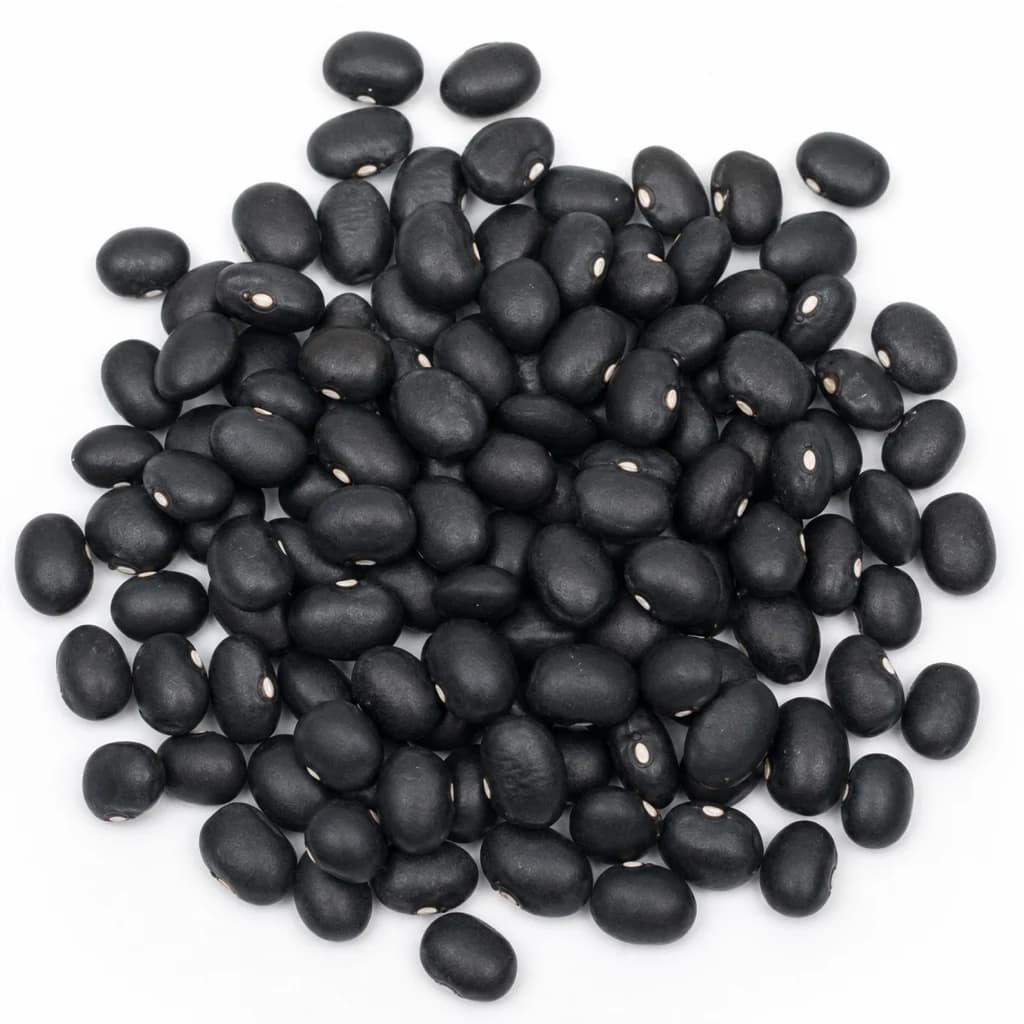
Black Beans
Earthy, creamy beans for bowls, soups, and tacos
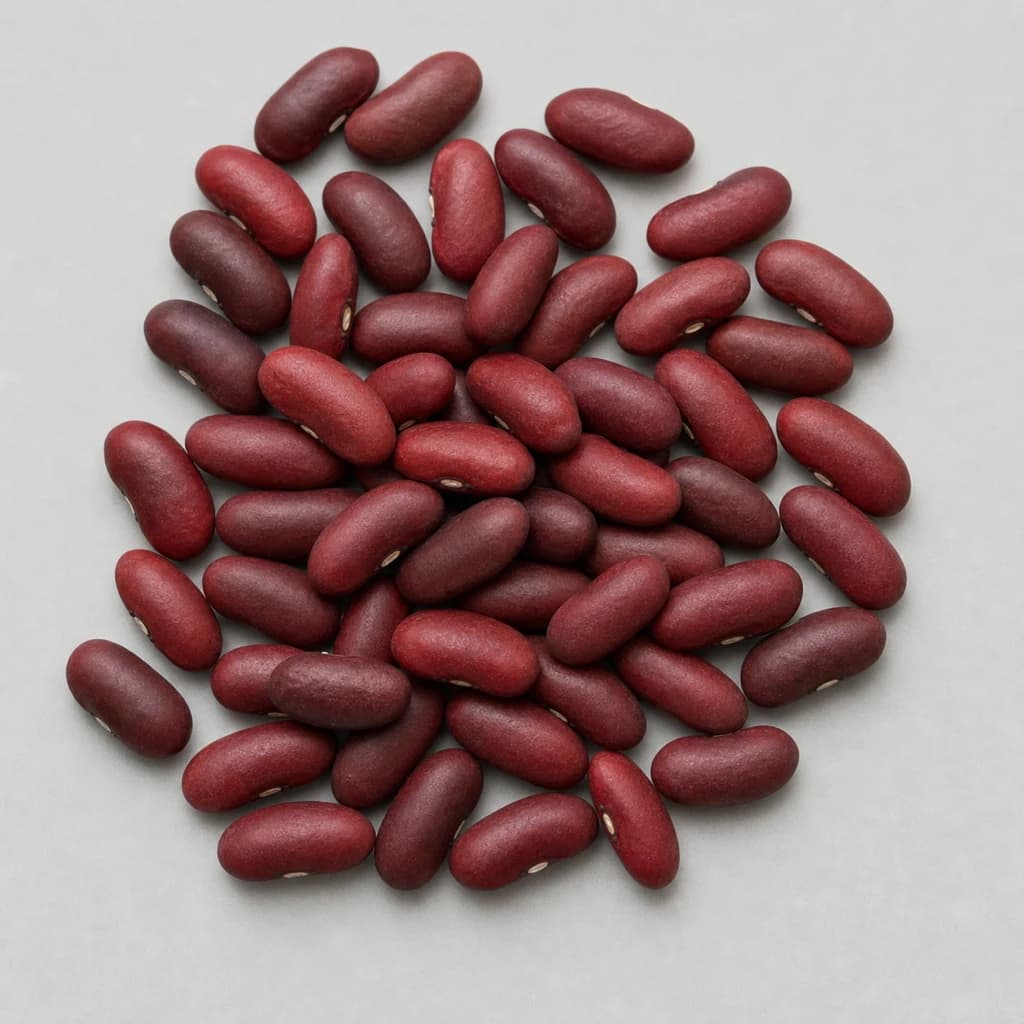
Kidney Beans
Hearty red beans that hold their shape in chili and stews
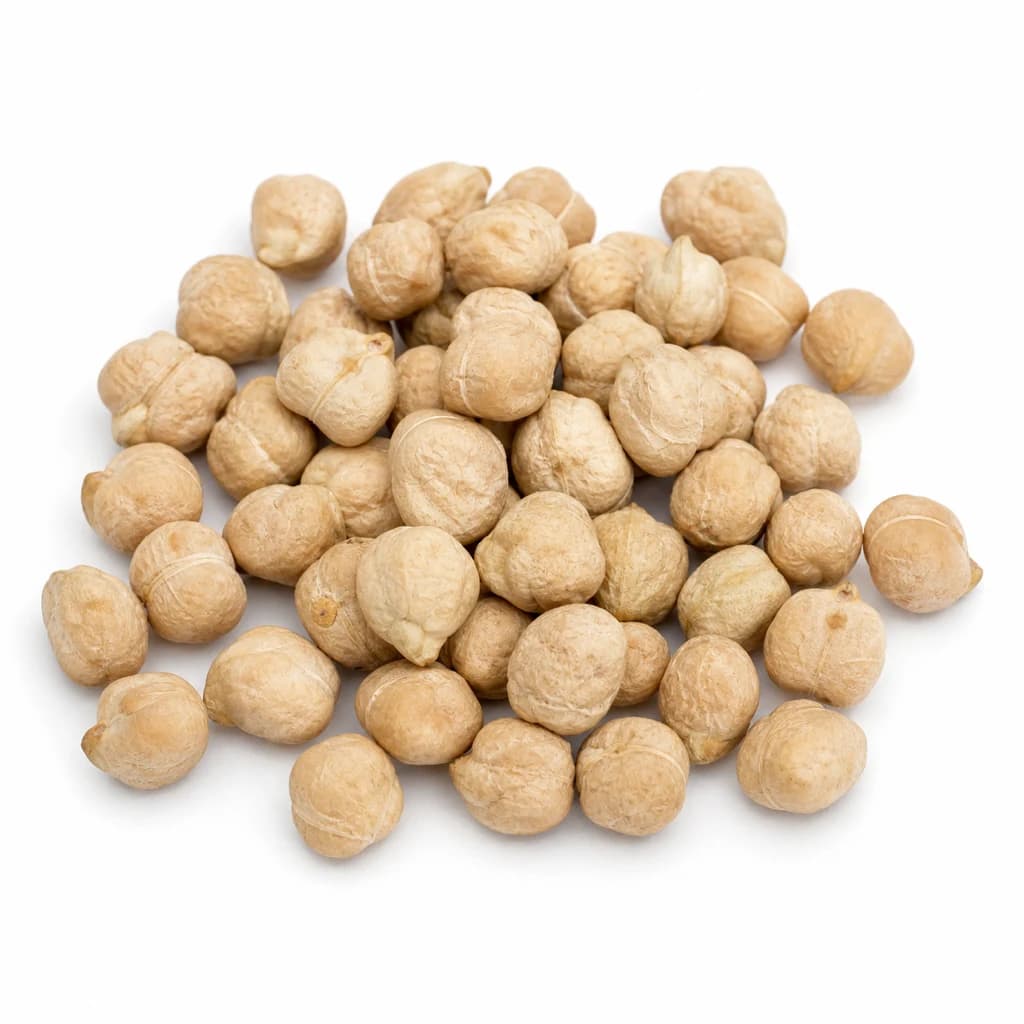
Chickpeas
Nutty, versatile beans for hummus, curries, and roasting
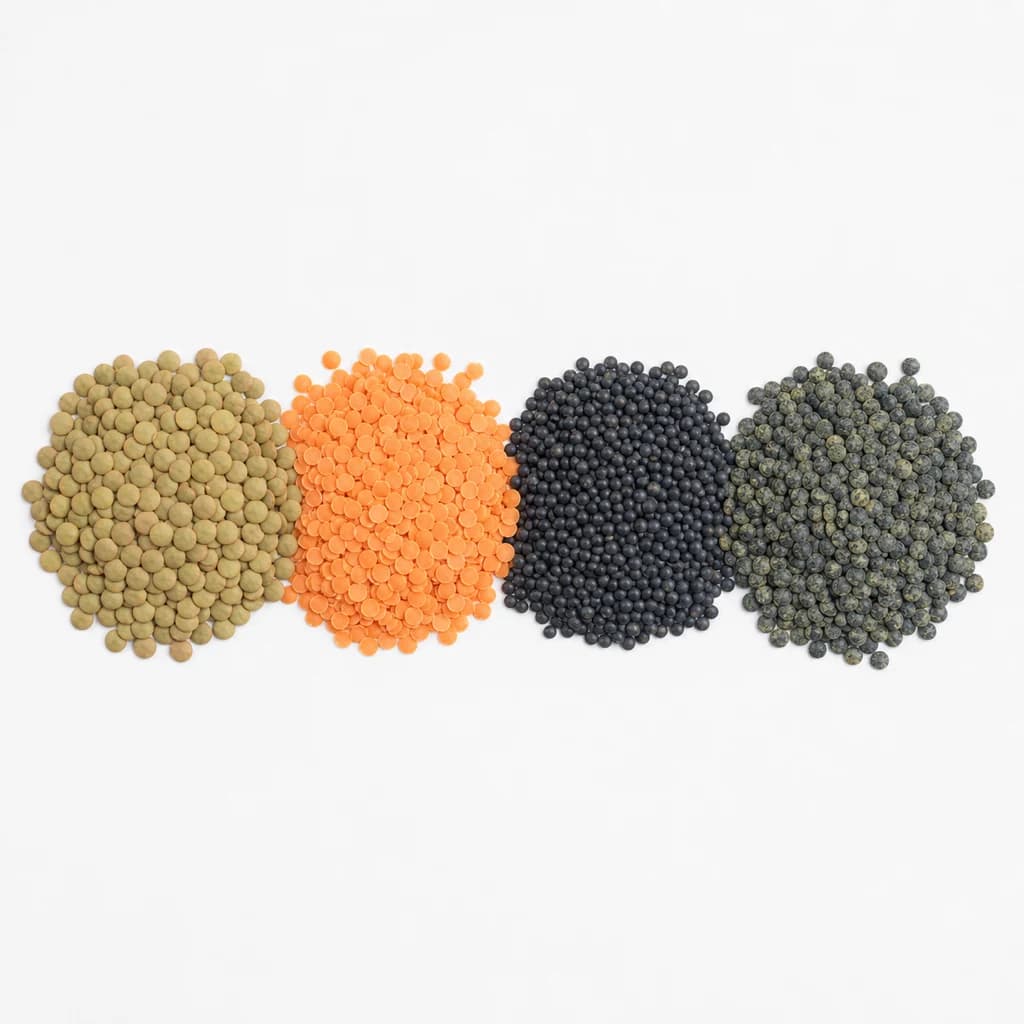
Lentils
Quick-cooking pulses for soups, dals, and hearty salads

White Beans
Creamy, mild beans for soups, stews, and silky purées
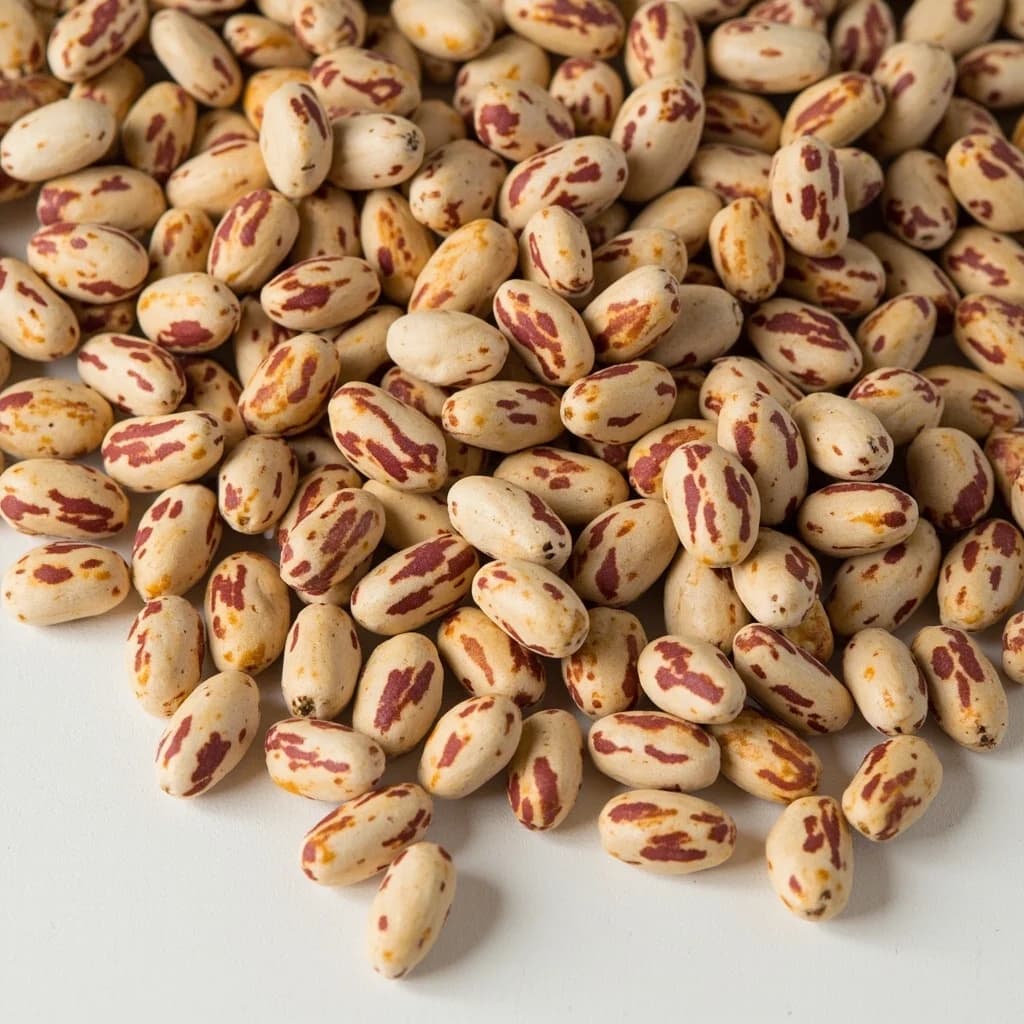
Pinto Beans
Creamy, speckled beans for refried beans and stews

Split Peas
Quick-cooking peas that melt into thick, comforting soups
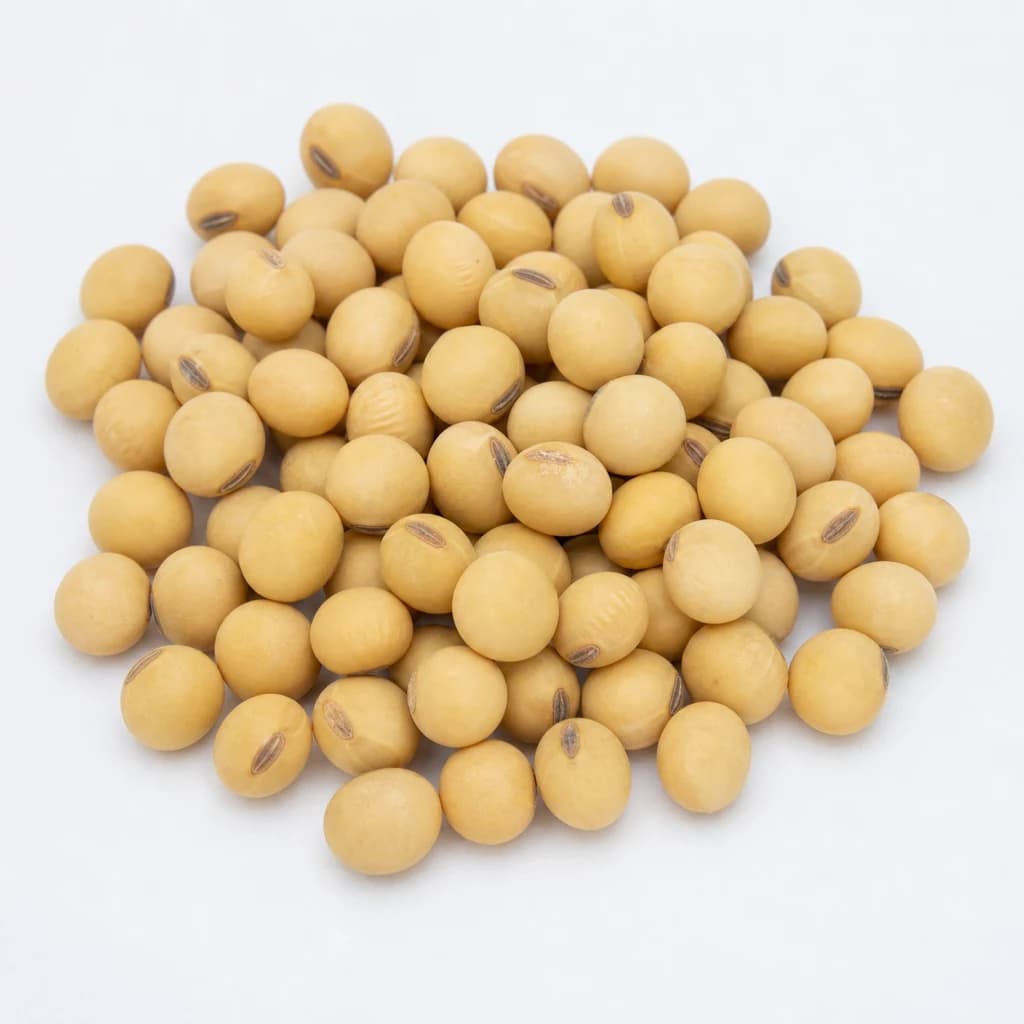
Soybeans
Protein-packed beans, the base for tofu and miso