
Natural form
Whole white peppercorns: smooth, cream-colored spheres ready for the grinder.
Shows the intact dried berry form, color, and surface texture that distinguish white from black pepper.
Spices
White Pepper
Earthy, mild pepper for pale sauces and Asian cooking
Milder and earthier than black pepper, white pepper seasons pale sauces and soups without flecking them, and is a staple of Chinese cooking. Keep it airtight and dark.
White pepper is the same berry as black pepper, but ripened, soaked, and hulled so only the pale inner seed remains — giving a milder, earthier heat without the black flecks — the retting (water-soaking) that removes the skin gives it a musty, slightly fermented aroma layered over the same piperine warmth. It's used where dark specks would mar a pale dish (cream sauces, mashed potatoes, light-colored soups) and is a staple of Chinese cooking, where its musty warmth defines hot-and-sour soup and many stir-fries. Like all pepper, it's best ground fresh; pre-ground loses aroma. Use it where its color and distinct earthiness fit, not as a direct swap for black pepper's brighter bite.
- Measured in
- g
- Storage
- Airtight
Find it in
Types & varieties
Grind fresh for the cleanest flavor.
Convenient, common in Chinese kitchens; fades fast.
How to use
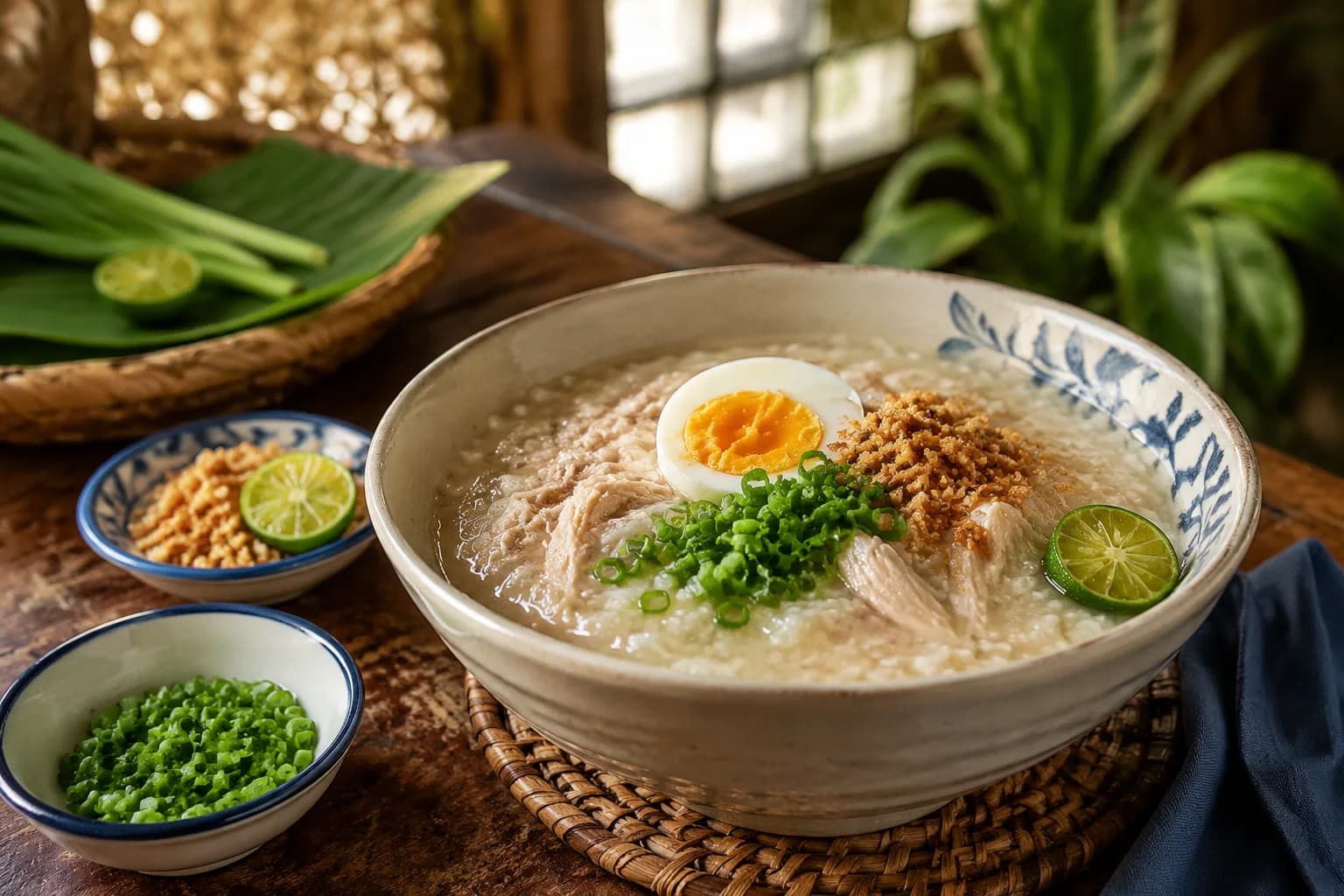
Reach for white pepper in pale dishes — béchamel, vichyssoise, mashed potatoes — where black flecks would look out of place, and in Chinese cooking like hot-and-sour soup and congee where its earthy funk belongs. Add it during cooking; its aroma is more volatile when ground.
- Use in pale sauces and soups to avoid dark specks
- Essential to many Chinese dishes (hot-and-sour soup)
- Grind fresh for the best flavor
White vs black
White and black pepper come from the same vine but taste different — white is milder, earthier, and a touch funky, black is sharper and more floral. They aren't perfect substitutes; choose white for color and its distinct earthiness.
Common uses
Tips & pitfalls
- Use in pale dishes where black pepper flecks would show.
- A defining flavor of Chinese hot-and-sour soup and stir-fries.
- It's earthier and funkier than black — not a direct swap.
- Grind fresh when you can; pre-ground fades quickly.
- A little adds warmth to cream sauces and mashed potatoes.
Nutrition
Energy
121 kJ · per 100 g
Where the calories come from
Protein
0.9g
2% DV
Carbs
6.5g
2% DV
Fat
0.4g
0% DV
Fiber
2.8g
10% DV
Sugars
4.1g
of which
Sodium
3mg
0% DV
Source · USDA FoodData Central · approx. Peppers, jalapeno, raw
View on FDC →In the shops
Matched grocery products
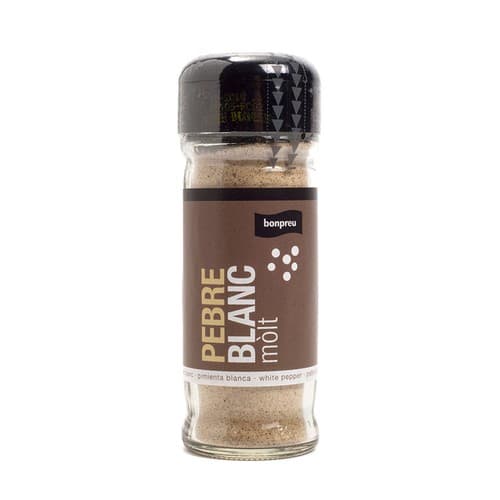 €1.19
€1.19Ground White Pepper
BONPREU · Bonpreu
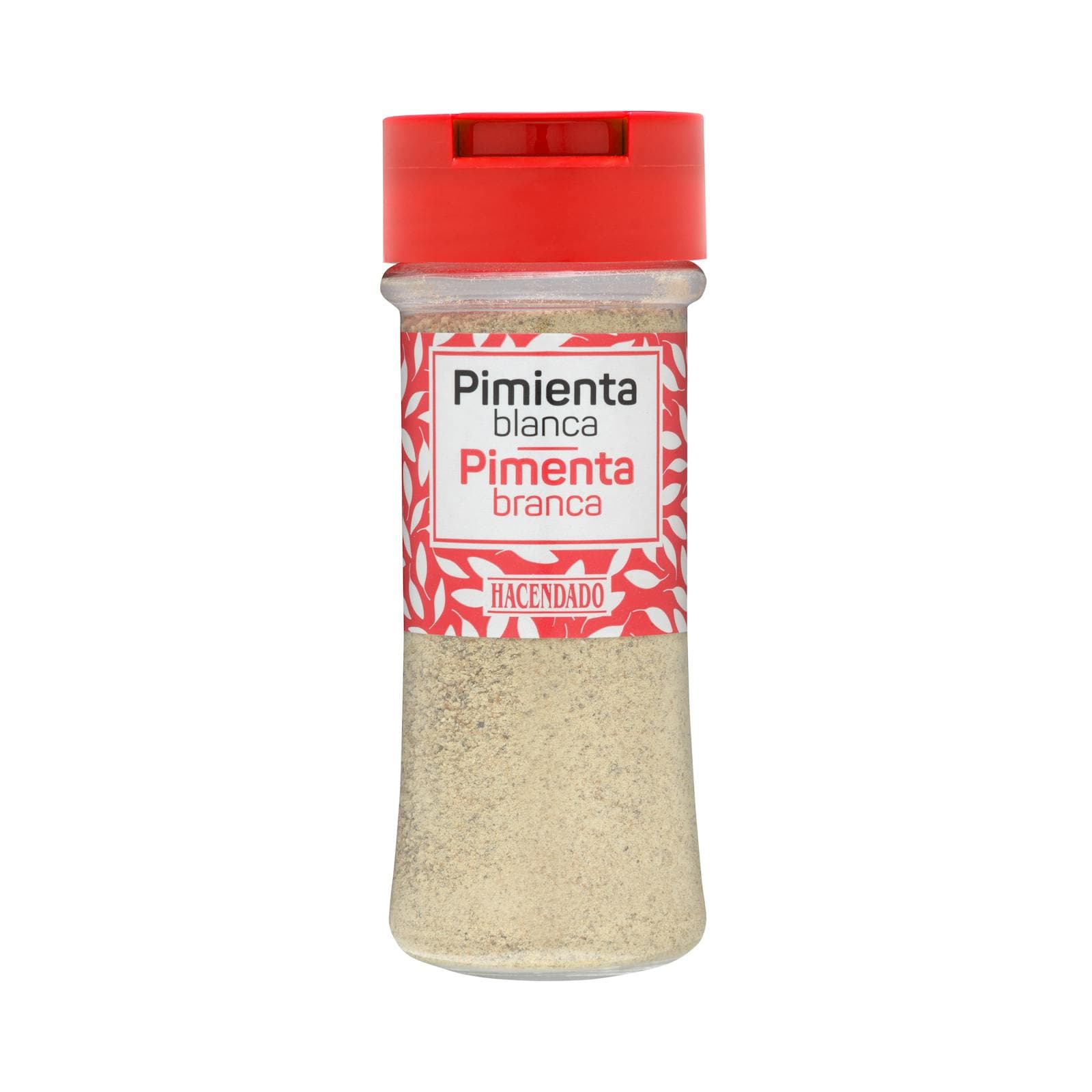 €2.30
€2.30Ground White Pepper
Hacendado · 70 g · Mercadona
Good to know
- Flavor
- Milder, earthier, slightly fermented/funky heat
- Form
- Whole or ground (pale)
- Add when
- During cooking; grind fresh when possible
- Cuisines
- Chinese, French, Scandinavian, Vietnamese
- How to buy
- Whole peppercorns to grind, or fresh ground; pale and fragrant
- How to store
- Airtight and dark; aroma fades when ground
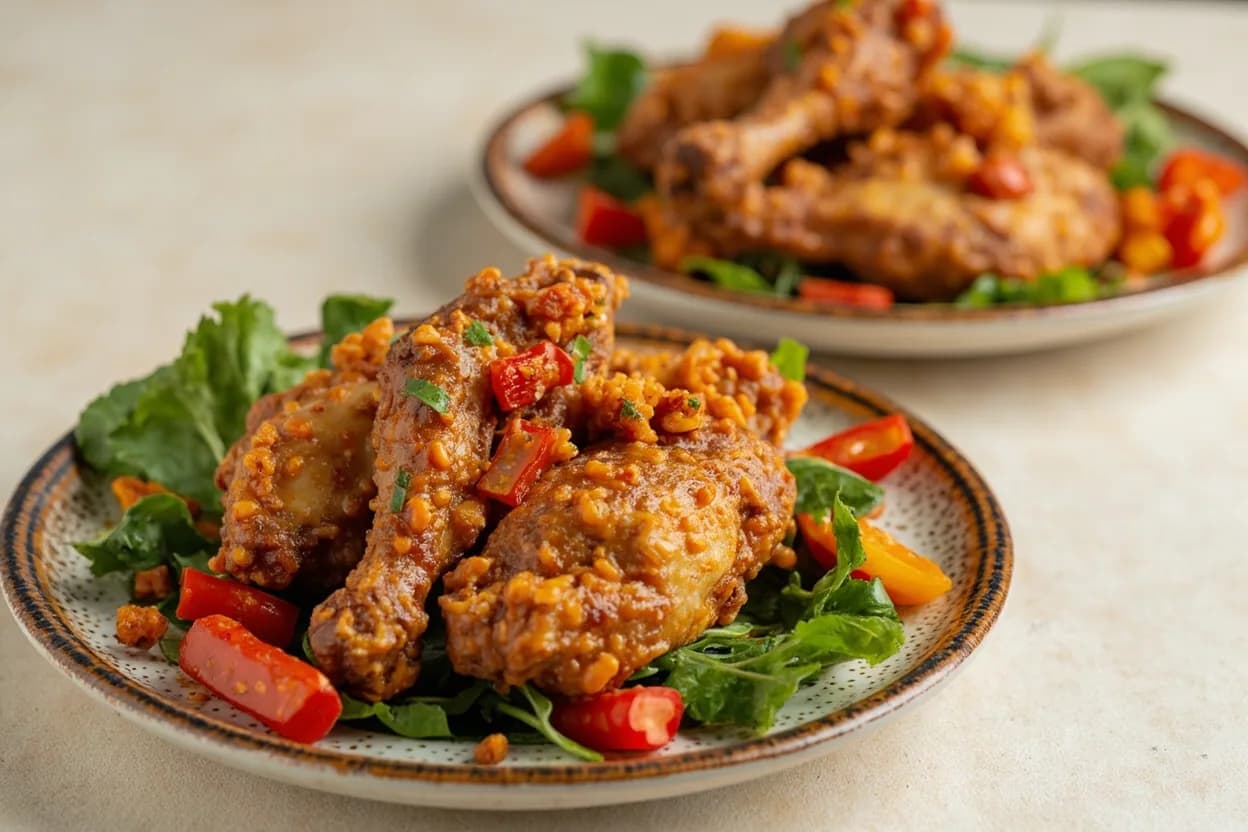
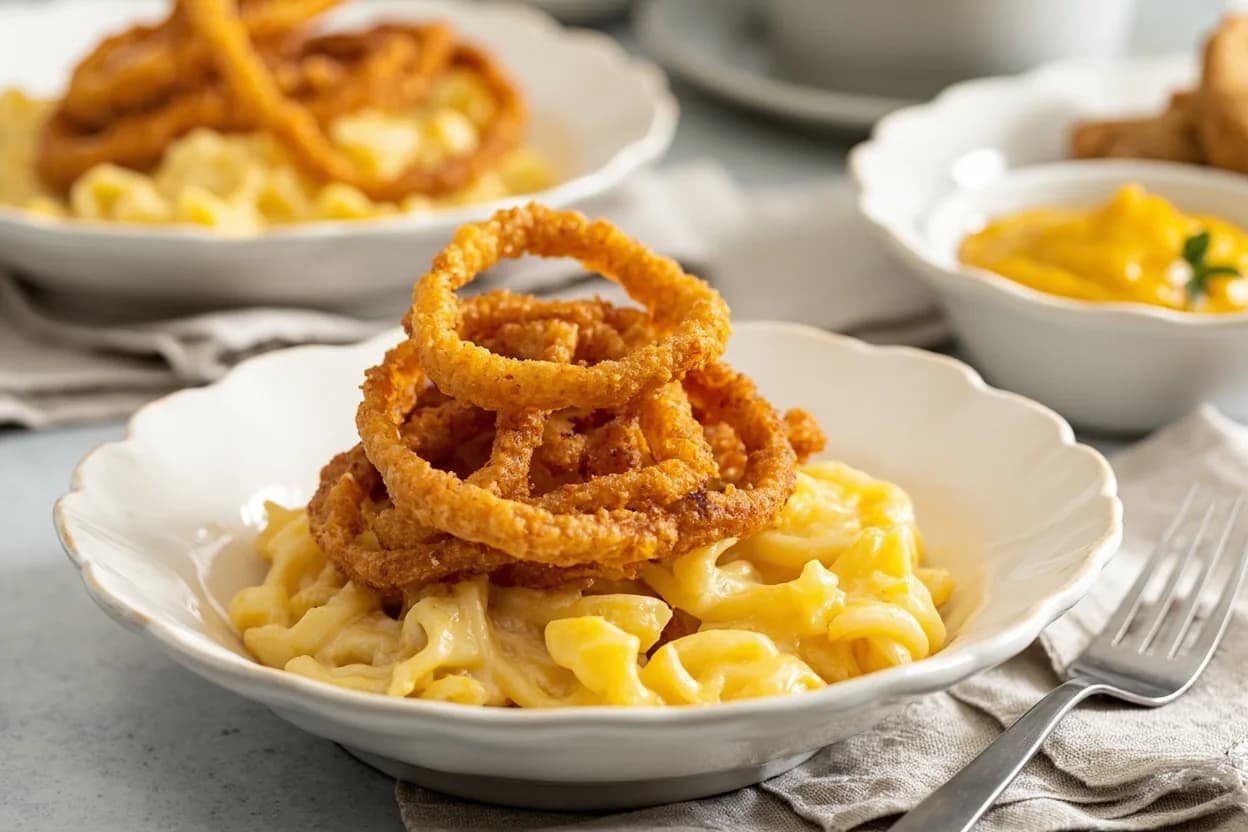
Appears in these dishes
Related
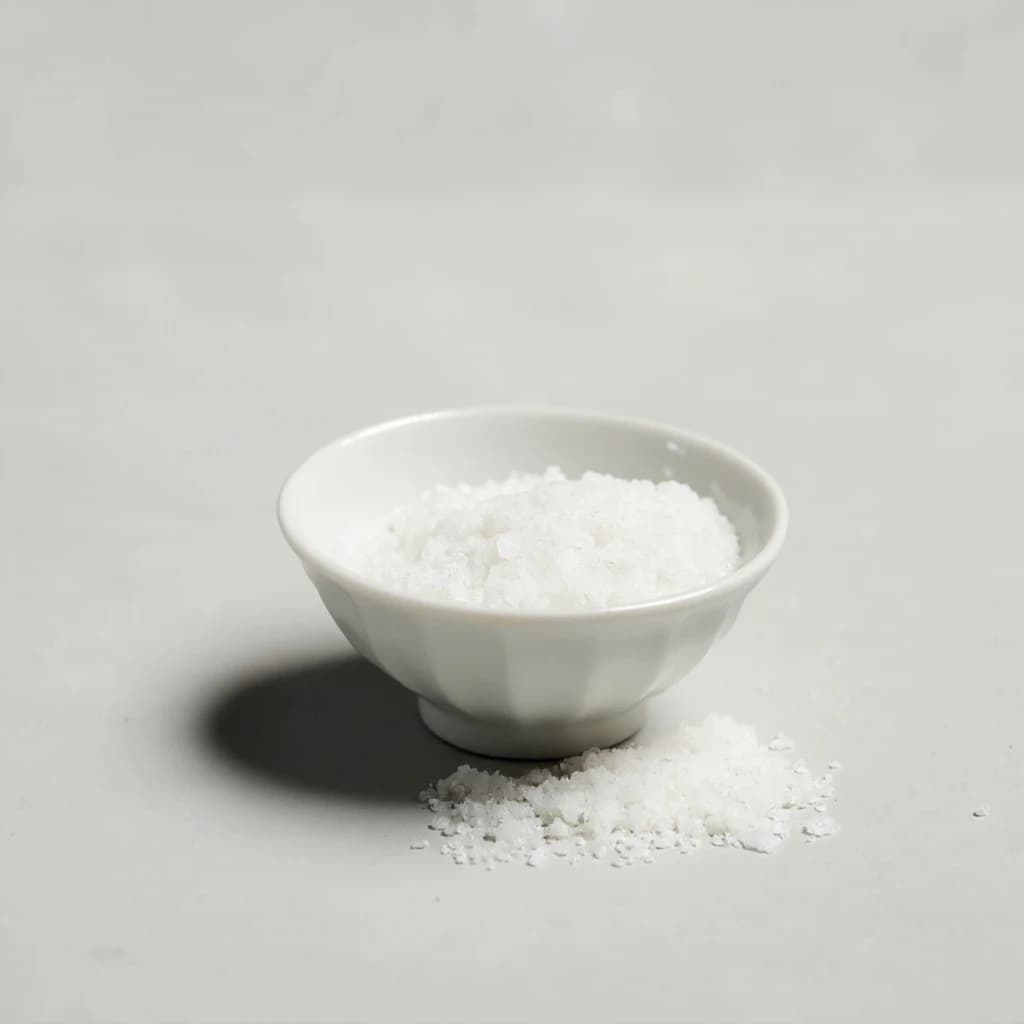
Salt
The one seasoning that makes everything else taste like itself

Black Pepper
Pungent, woody heat — best cracked fresh over anything savory
Amchur
Dried unripe mango ground to a tart, fruity souring powder
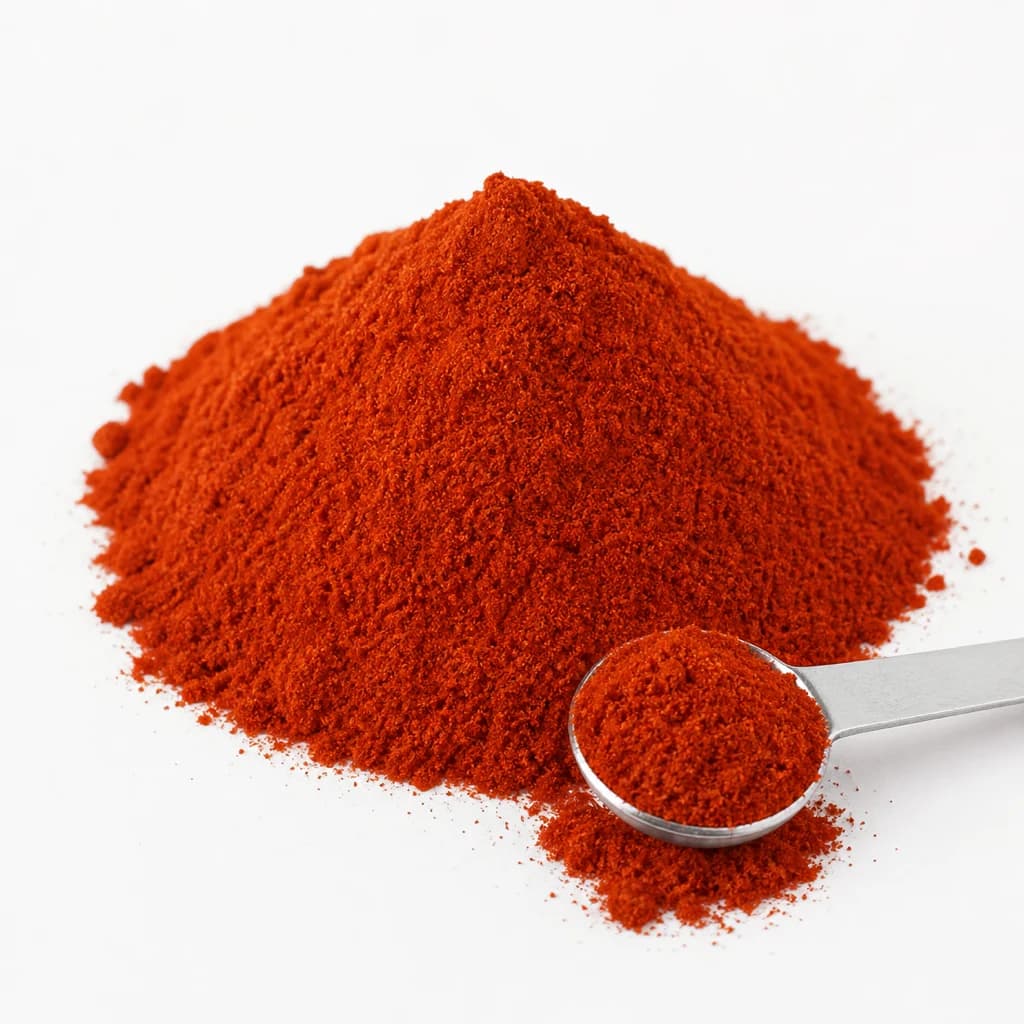
Paprika
Sweet, vivid ground pepper for color and gentle warmth
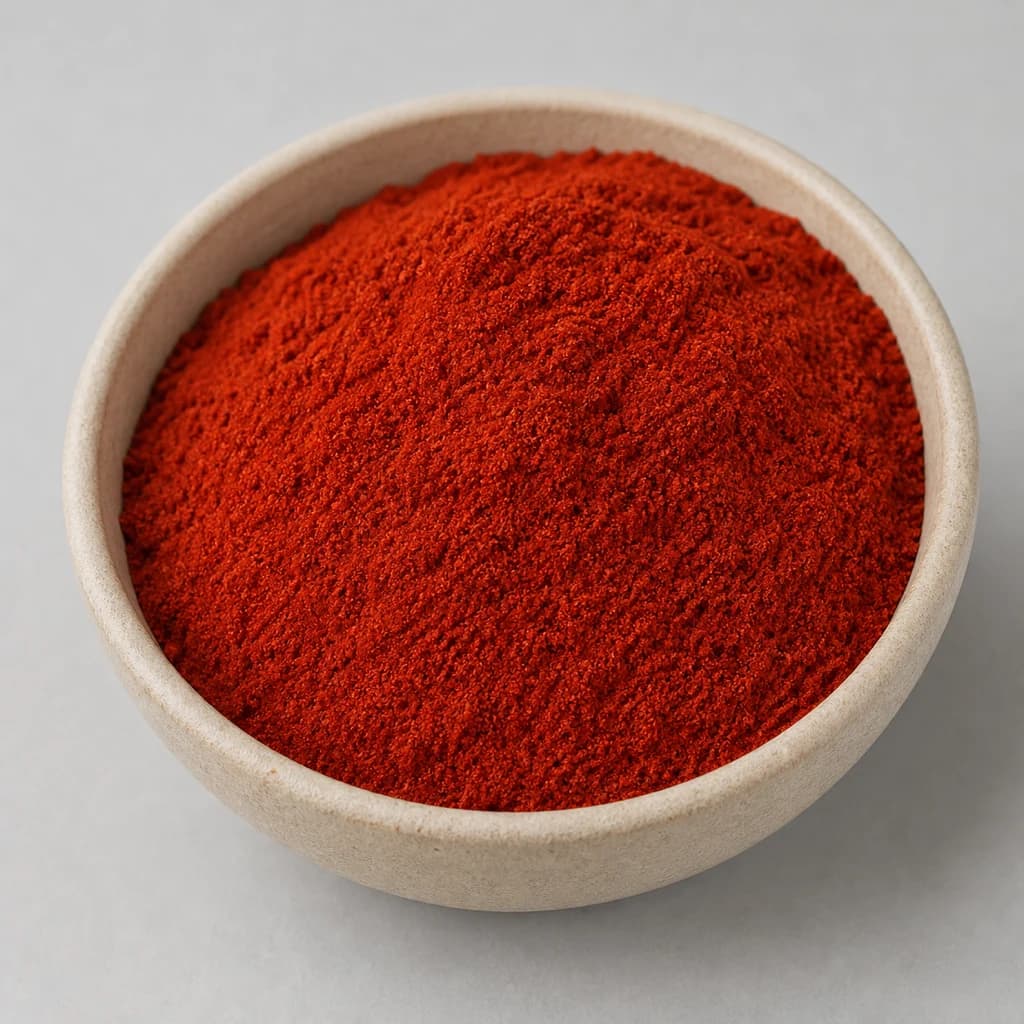
Smoked Paprika
Deep, smoky ground pepper for a campfire warmth
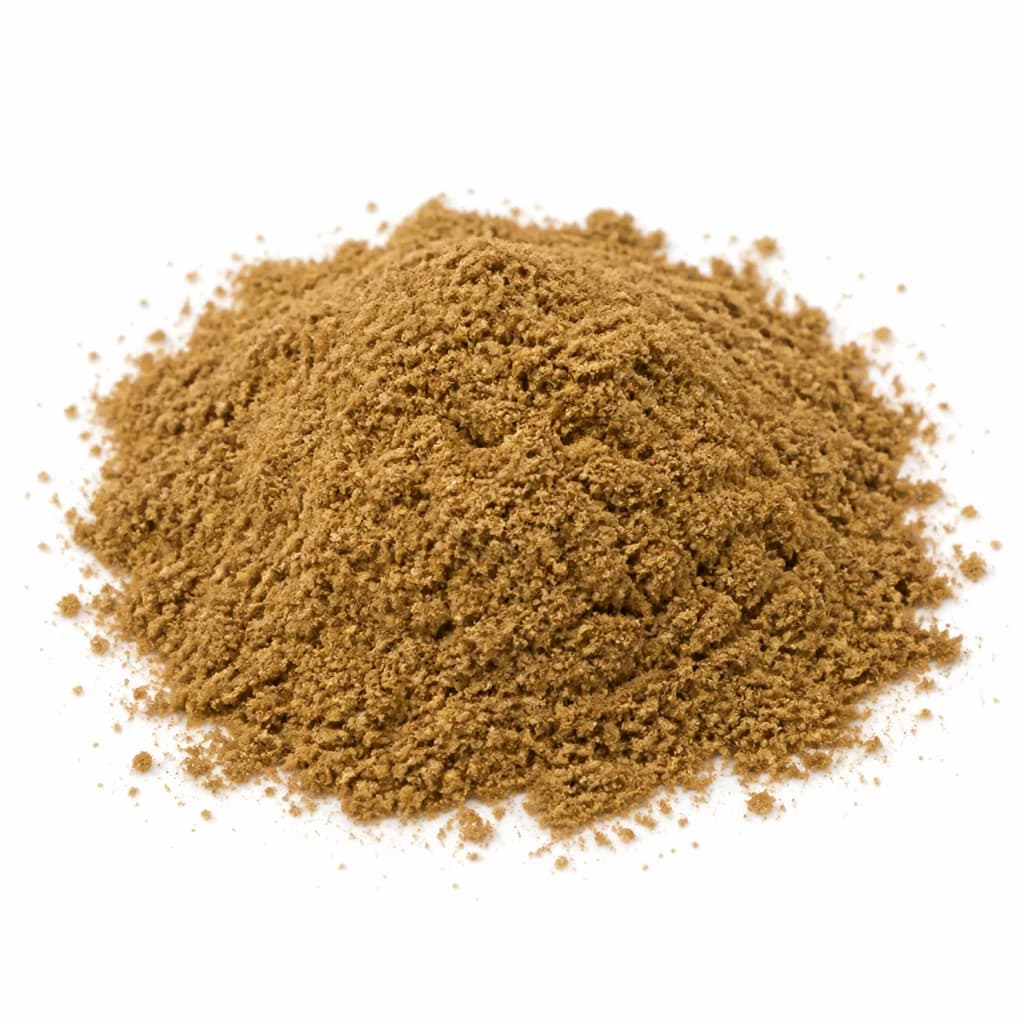
Cumin
Warm, earthy spice central to curries, chili, and tacos
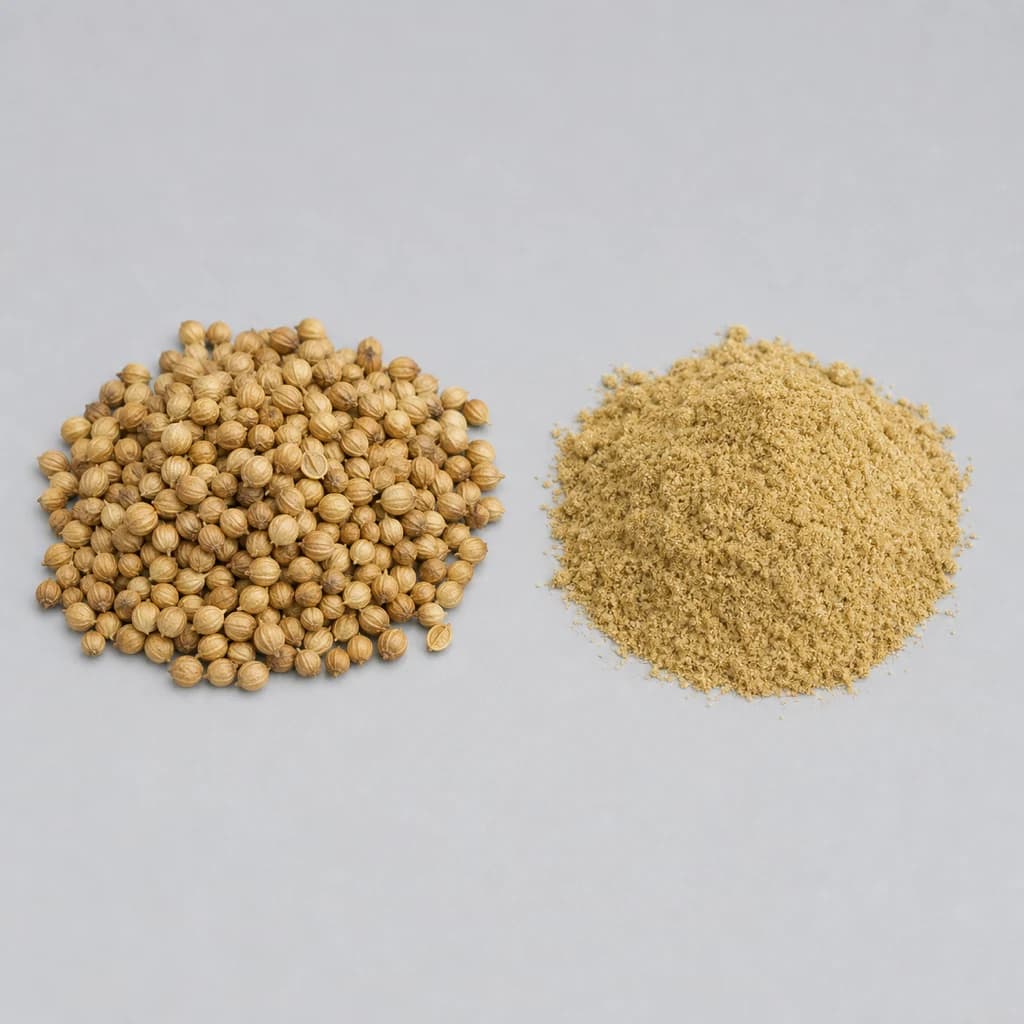
Coriander Seed
Citrusy, warm seed for curries, pickles, and rubs
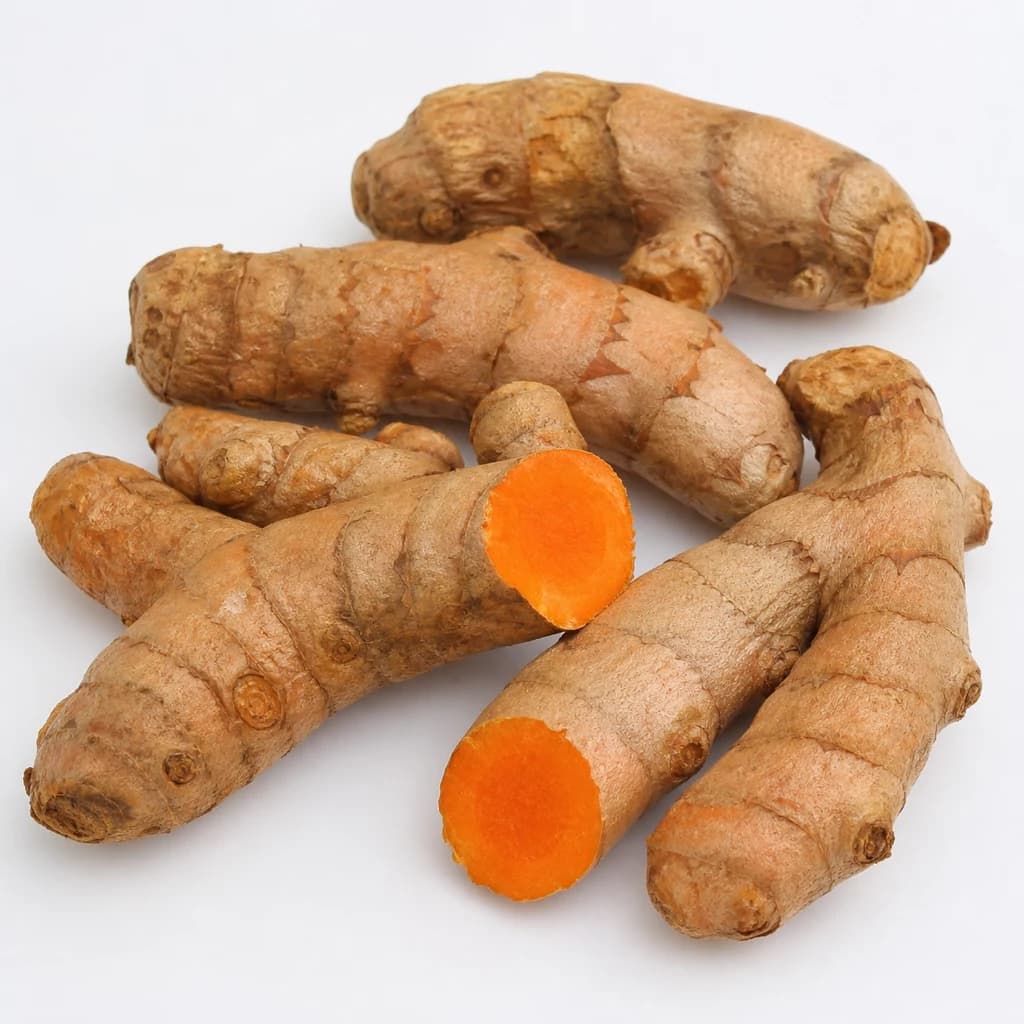
Turmeric
Golden, earthy spice for curries, rice, and color