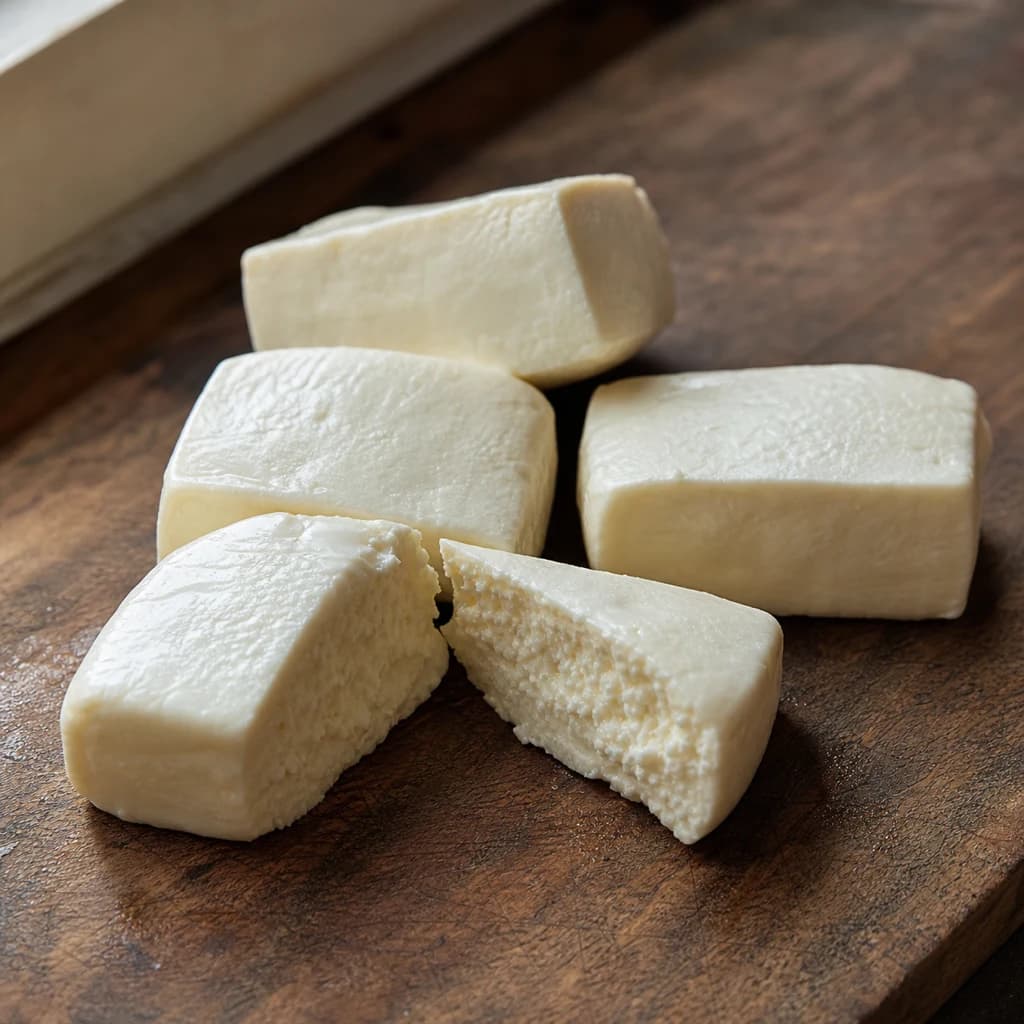
Natural form
Fresh wagashi blocks: firm white cheese with a slightly moist, squeaky texture before cooking.
Shows the raw cheese in its natural state so readers recognize its form, color, and texture before any cooking transformation.
Dairy & Eggs
Wagashi Cheese (Fulani Fried Cheese)
West African fresh cheese, often dyed and fried golden, eaten in stews and as a snack.
Wagashi, also called wara or wagasi, is a soft fresh cheese made by the Fulani of West Africa, traditionally curdled with the leaves of the Calotropis plant. It is firm enough to fry or grill into golden pieces and is added to stews, skewered, or eaten as a snack, sometimes dyed reddish with sorghum leaves. Mild and slightly squeaky, it holds its shape well in cooking.
Wagashi is a fresh, acid-coagulated cheese central to the culinary traditions of northern Nigeria, particularly among Fulani pastoralist communities who have perfected its production over generations. Unlike rennet-based cheeses that rely on enzymatic curd formation, wagashi is made by acid precipitation—using Calotropis procera leaf extract or citric acid to curdle heated milk, then pressing and shaping the resulting curd into small balls, discs, or braided forms. This method, shared with paneer and queso blanco, gives wagashi its defining characteristic: it holds together firmly when heated, making it uniquely suited for frying without melting into a puddle. The cheese's mild, clean flavor absorbs the spices and sauces it accompanies, while its dense, slightly rubbery texture provides satisfying chew.
- Measured in
- g
- Storage
- Fridge
Allergens
Types & varieties
Plain white, undyed; more common in rural areas and traditional preparations
Dyed orange or red with annatto; the most common commercial variety found in southern Nigerian markets
Braided or twisted shape; a specialty form produced by certain Fulani groups
Slightly smoked variety; smoke-dried over low flame after preparation for added depth
Why Wagashi Holds Its Shape When Fried
Unlike mozzarella or cheddar, which melt and pool when heated, wagashi maintains its integrity in hot oil. This behavior stems directly from its production method. Rennet cheeses develop a curd network through enzymatic action, creating proteins that stretch and flow when heated. Acid-coagulated cheeses like wagashi precipitate casein proteins at their isoelectric point, creating a dense, granular matrix with minimal elasticity. When you fry wagashi, the exterior quickly seals and browns while the interior warms without the proteins becoming fluid. This is why the cheese works in soups and stews—it softens slightly from the heat of the broth but remains distinct, rather than dissolving into the liquid or turning rubbery and tough.
Common uses
Tips & pitfalls
- Do not overheat milk before curdling; bring it to just below simmering (85–90°C) to avoid a rubbery final texture in the finished cheese
- If using Calotropis procera latex, add it sparingly—excess causes bitterness that cannot be removed once the curds form
- Fry in palm oil or palm olein for authentic flavor and color; refined neutral oil produces bland, lifeless results
- Oil temperature should be hot but not smoking (160–170°C); too hot burns the exterior before the interior warms through
- Turn fried wagashi once during cooking for even browning on both sides
- Press fresh wagashi balls firmly to remove excess moisture before frying; wet cheese splatters in the oil and will not crisp properly
- If substituting paneer, blanch it briefly in salted water first to approximate wagashi's mild saltiness
- Store leftover fried wagashi in a cool, dark place in an airtight container for up to a week; refrigeration causes them to toughen and lose their crispy texture
- When adding wagashi to soups, add it near the end of cooking to prevent it from becoming too soft and breaking apart
- Taste the fresh cheese before cooking—authentic wagashi should be mildly salty with a clean, milky flavor; bitterness indicates too much coagulant or poor-quality milk
Nutrition
Energy
1628 kJ · per 100 g
Where the calories come from
Protein
25.6g
51% DV
Carbs
1.6g
1% DV
Fat
31.1g
40% DV
Fiber
0g
0% DV
Sugars
1.6g
of which
Sodium
800mg
35% DV
Source · USDA FoodData Central · approx. Cheese, fontina
View on FDC →In the shops
Matched grocery products
No matched grocery products for Wagashi Cheese (Fulani Fried Cheese) yet.
Good to know
- Origin
- Northern Nigeria; associated with Fulani/Fulbe pastoralist communities
- Primary Milk
- Cow's milk from zebu cattle
- Coagulant
- Calotropis procera leaf extract or citric acid; traditional animal rennet rarely used
- Coagulation Type
- Acid precipitation (isoelectric casein), not enzymatic curd formation
- Color
- Naturally white; commonly dyed orange with annatto (orogo) or palm oil filtrate
- Texture (raw)
- Soft, slightly rubbery, dense; holds shape firmly when handled
- Texture (fried)
- Crispy golden exterior, warm soft interior
- Form
- Typically small balls (2–4 cm) or flattened discs; also braided or twisted shapes
- Shelf Life
- Fresh: 1–2 days refrigerated; fried: up to 1 week at room temperature in airtight container
- Fat Content
- Whole milk; approximately 4–5% fat in final product
- Typical Purchase
- Local markets and roadside vendors in northern Nigeria; rarely exported
Substitutes
- Queso Blanco — Closest texture and frying properties; mild, holds shape when fried, similar salt level
- Paneer — Good substitute in soups and stews; will crisp when fried but is slightly denser; blanch in salted water first to approximate wagashi's mild saltiness
- Feta (well-drained) — Too briny and crumbly for frying but acceptable in stews if rinsed and added at the end of cooking
- Ricotta Salata — Mild and crumbly; holds shape better than regular feta; acceptable in non-fried applications like salads or soups
Pairs with
Also called
Wagasi (Fulani Fried Cheese) · Wara (Local Cheese) · Wagashi
Related

Whole Milk
Rich, full-fat milk for drinking, coffee, sauces, and baking
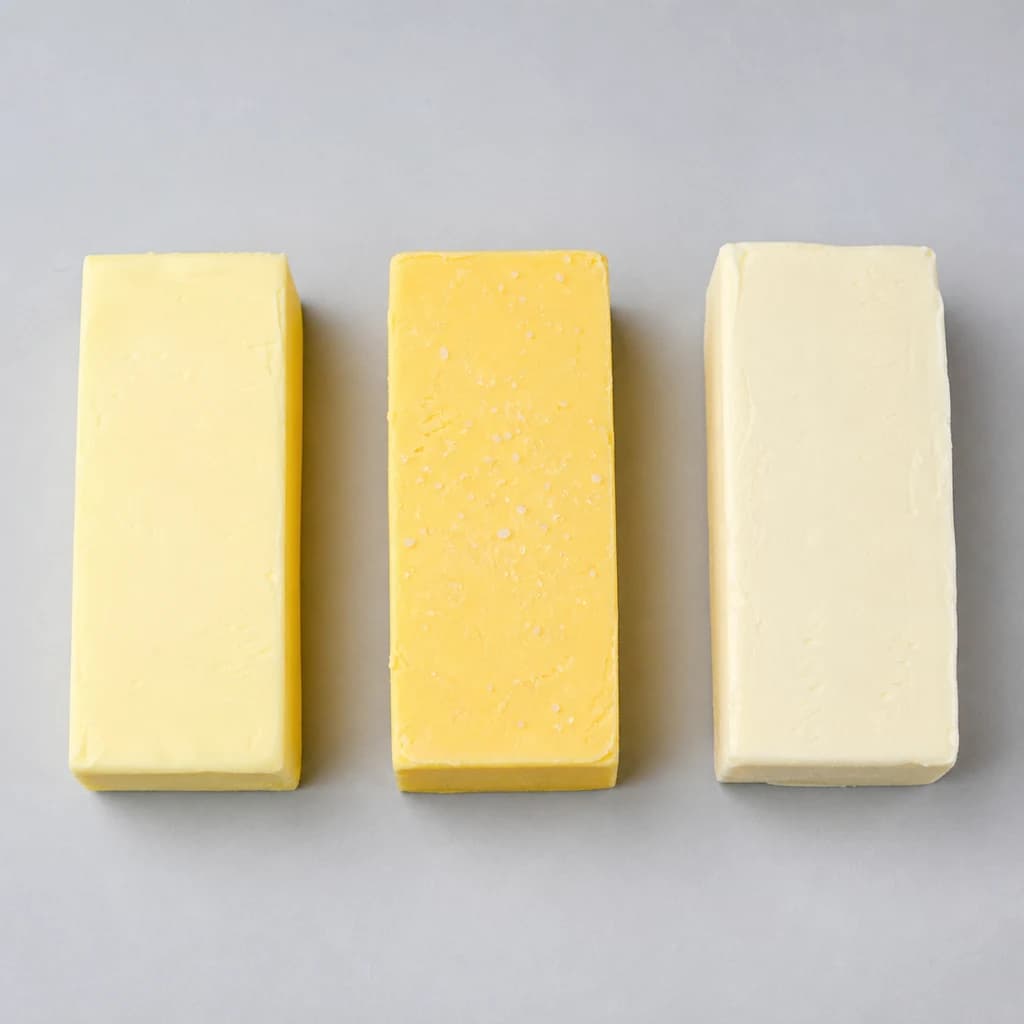
Butter
Golden fat for searing, baking, and finishing a sauce
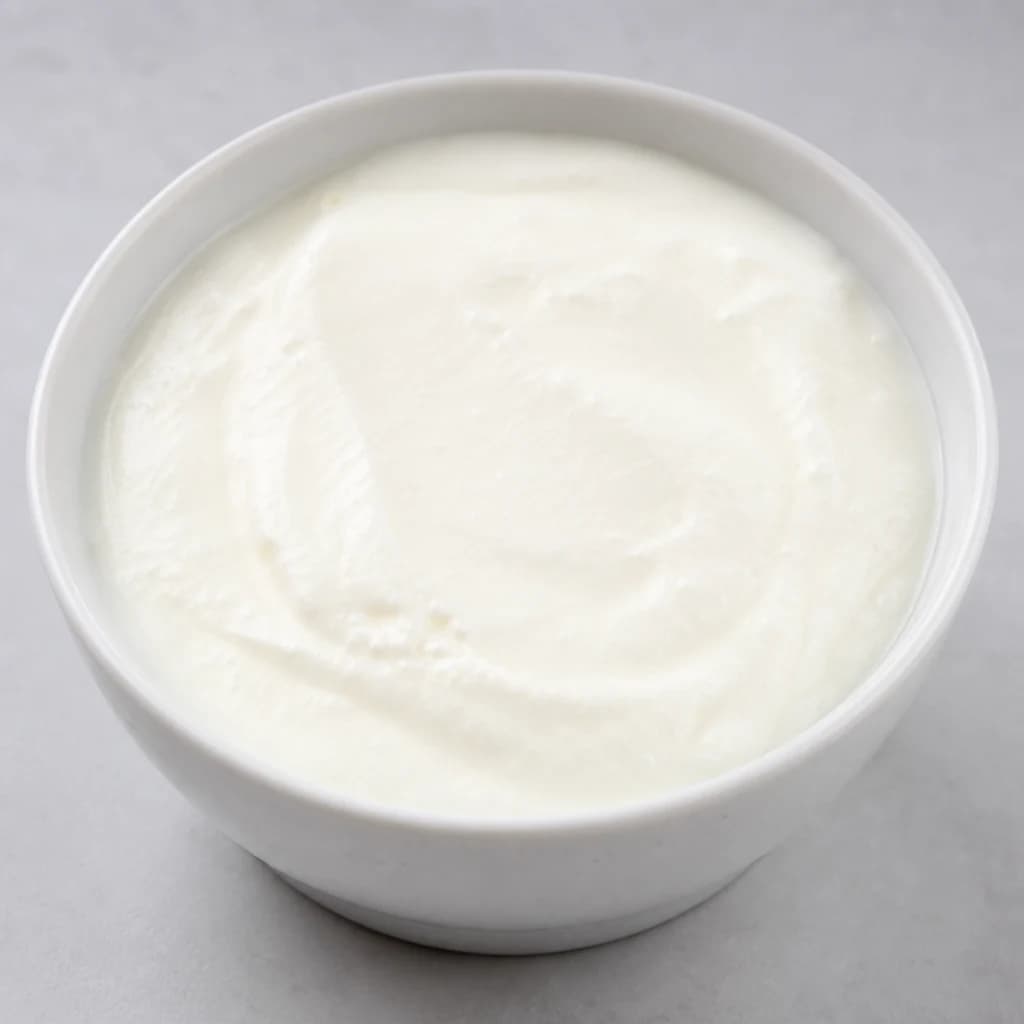
Yogurt
Tangy, creamy culture for breakfast, sauces, and marinades
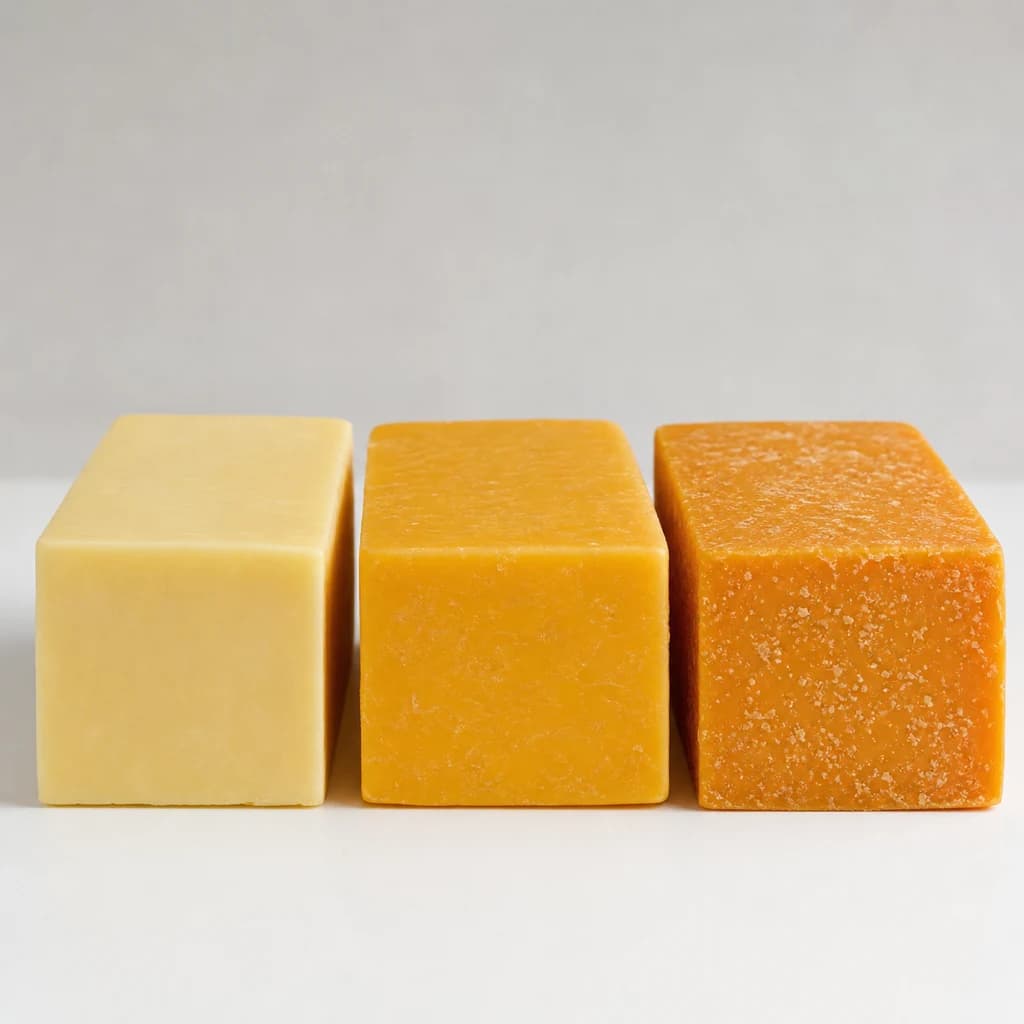
Cheddar Cheese
Sharp, melty cheese for sandwiches, gratins, and grating
Skim Milk
Fat-free milk for lighter drinking, coffee, and cooking
Heavy Cream
Rich cream that whips, enriches sauces, and sets ganache

Sour Cream
Tangy, thick cream for dolloping, baking, and dips
Mozzarella
Soft, milky cheese that melts into stretchy pizza pulls