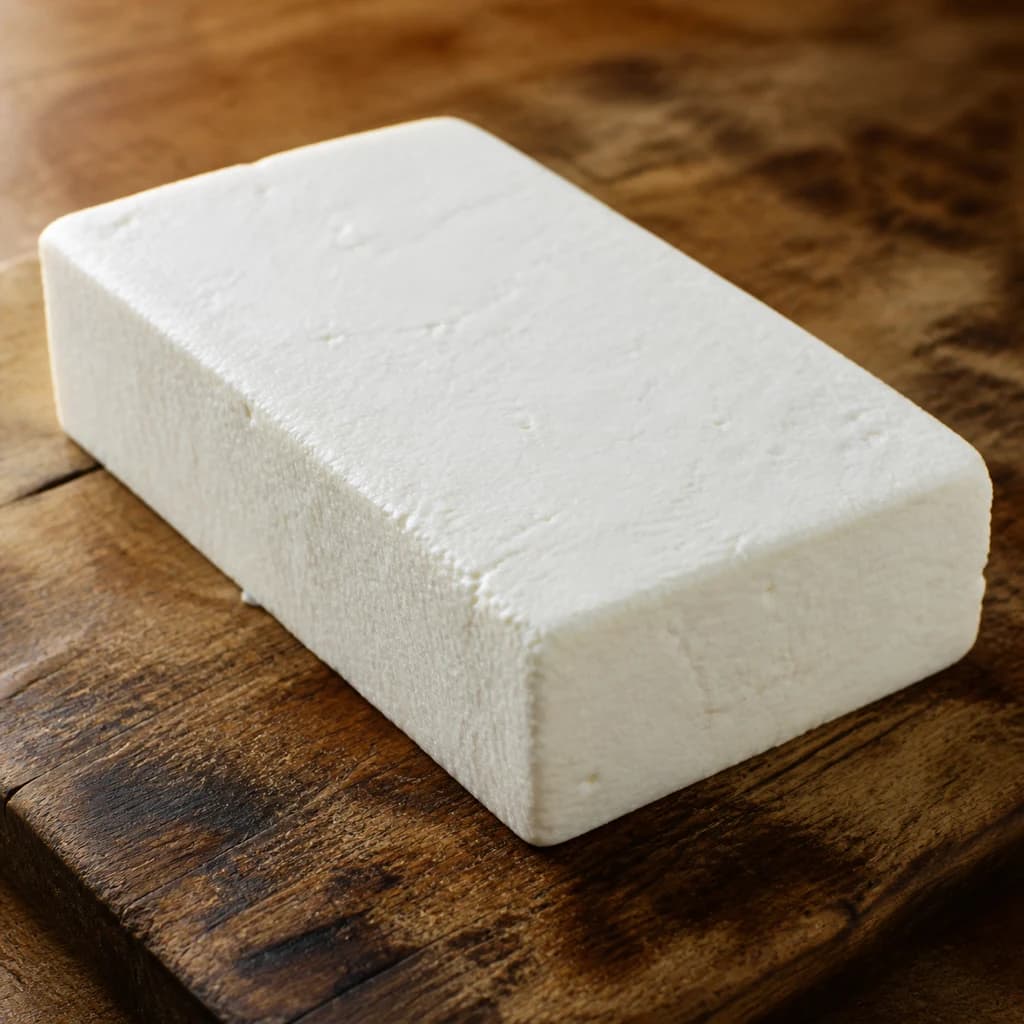
Natural form
A freshly pressed block of paneer resting on a wooden board, showing its dense white texture.
Shows the reader exactly what paneer looks like in its uncut, unmistakable pressed-curd block form before any preparation.
Dairy & Eggs
Paneer
Firm fresh Indian cheese that holds its shape when cooked; cubed into curries and grilled in tikka.
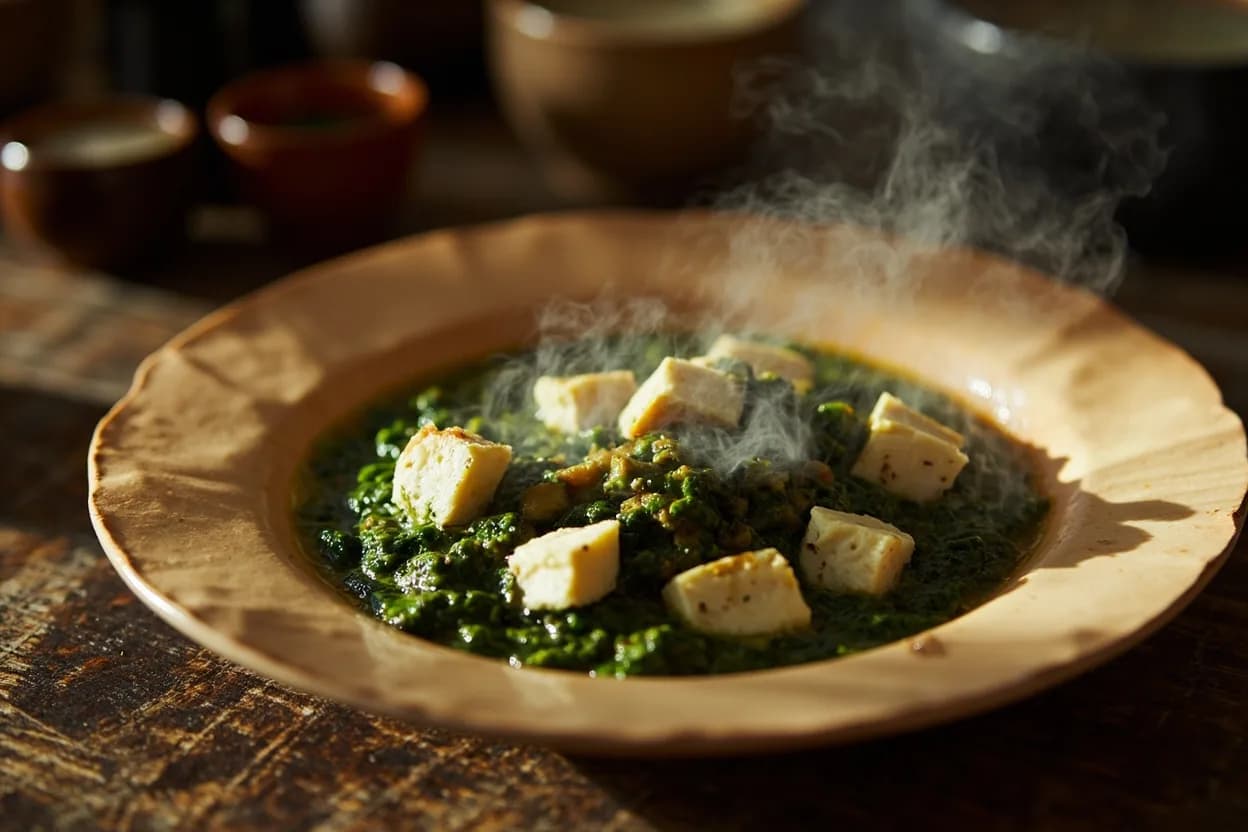
Paneer is a fresh, non-melting Indian cheese made by curdling milk with lemon or vinegar and pressing the curds. It holds its shape when simmered or grilled, making it the centerpiece of dishes like palak paneer, paneer tikka, and matar paneer. Mild and milky, it readily absorbs the spices it is cooked with.
Paneer is a fresh, acid-set cheese that has been a cornerstone of South Asian cuisine for centuries, particularly in the regional cuisines of North India, Bangladesh, and Pakistan. Unlike aged cheeses, paneer is made by curdling warm milk with an acid—such as lemon juice, yogurt, or white vinegar—then pressing the curds into a firm block. What makes paneer exceptional among cheeses is its remarkable ability to hold its shape under direct high-heat cooking without melting. This is due to its acid-set casein structure, which lacks the elastic protein network that allows rennet-coagulated cheeses like mozzarella or cheddar to melt smoothly. The result is a cheese that browns, chars, and simmers while remaining intact—a quality that makes it uniquely suited to the sauced, spiced dishes that define Indian cooking. Its flavor is mild and milky with a subtle tang, which allows it to absorb the bold spices and rich gravies it is typically cooked with while providing substance and texture. Paneer occupies a singular position in Indian cuisine as a protein source that behaves like meat in high-heat preparations—a quality that has made it indispensable in vegetarian cooking throughout the subcontinent.
- Measured in
- g
- Storage
- Fridge
Allergens
Types & varieties
Softer, more moist and crumbly than paneer; used for sweets like rasgulla and sandesh; originated in Odisha and West Bengal
Traditional variant from Rajasthan; paneer left to slightly ferment, developing a tangier flavor and compact texture
Pressed chhena; a hybrid texture between soft chhena and standard firm paneer, popular in Eastern India
Commercial varieties vary widely in firmness, saltiness, and crumb structure; check label for additives
The Science of Acid-Set Cheese
Understanding why paneer behaves differently from other cheeses helps you control the final texture. When you add an acid to heated milk, the acidity denatures the casein proteins and causes them to coagulate into solid curds, leaving behind liquid whey. This is fundamentally different from rennet coagulation, which uses an enzyme to cut casein proteins and create an elastic matrix that traps fat and moisture. Rennet cheeses like mozzarella stretch when heated because that elastic matrix softens and flows. Acid-set paneer, however, has no such network—its proteins simply clump together. The practical consequence is that paneer browns and caramelizes beautifully at high heat but never becomes stretchy or gooey.
- Higher fat milk produces softer, more tender paneer
- Longer pressing yields a denser block suitable for skewering and grilling
- Commercial paneer often uses citric acid and may contain additives to standardize texture
Storing and Handling
Fresh paneer is highly perishable. Always submerge refrigerated paneer in cold water and change the water daily—this prevents the surface from drying out and forming a hard skin. Frozen paneer develops a grainy, crumbly texture when thawed due to ice crystal formation, making it best suited for curries where the paneer will be simmered in sauce rather than grilled or fried. To minimize texture degradation when freezing, blanch cubes in boiling water for 2 minutes, cool thoroughly, then freeze in an airtight container.
- Submerge in cold water and change daily
- Freezing creates grainy texture—best for simmered dishes
- Blanch before freezing to minimize ice crystal damage
- Use frozen paneer within one month
Common uses
Tips & pitfalls
- Use fresh, unpasteurized or lightly pasteurized whole milk; ultra-pasteurized milk fails to curdle properly
- Heat milk slowly to just below boiling (85–90°C / 185–194°F) before adding acid—too hot makes tough paneer, too cool yields weak curds
- Add acid gradually while stirring; stop once curds cleanly separate from whey; excess acid yields rubbery, dry cheese
- Let curds sit off heat for 5 minutes after coagulation to firm up before draining
- Press gently at first to expel whey, then increase weight gradually; excessive pressure makes paneer dense and hard
- Salt paneer only just before cooking, not before pressing—salting too early draws moisture and yields dry, crumbly results
- Pat paneer cubes completely dry and let a skin form before adding to wet curries to prevent crumbling
- For a golden crust, sear paneer pieces in hot ghee or oil (180°C+) before adding to gravy
- Homemade paneer is softer and more moist than commercial; use within 3 days for best texture
- To freeze successfully, blanch cubes in boiling water for 2 minutes, cool, then freeze in airtight container
Nutrition
Energy
397 kJ · per 100 g
Where the calories come from
Protein
10.9g
22% DV
Carbs
3g
1% DV
Fat
4.2g
5% DV
Fiber
0.1g
0% DV
Sugars
0.4g
of which
Sodium
403mg
18% DV
Source · USDA FoodData Central · Cheese, cottage, with vegetables
View on FDC →In the shops
Matched grocery products
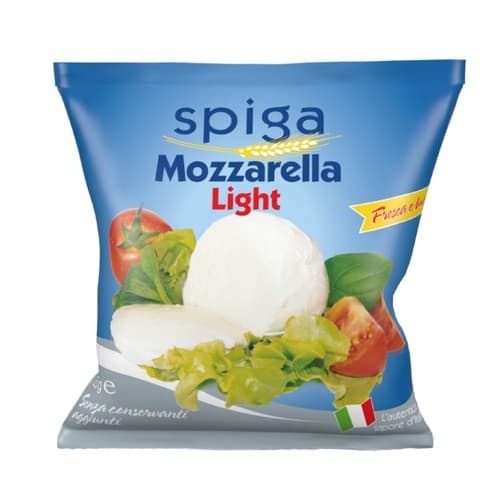 €1.00
€1.00Light Mozzarella
SPIGA · kg · Bonpreu
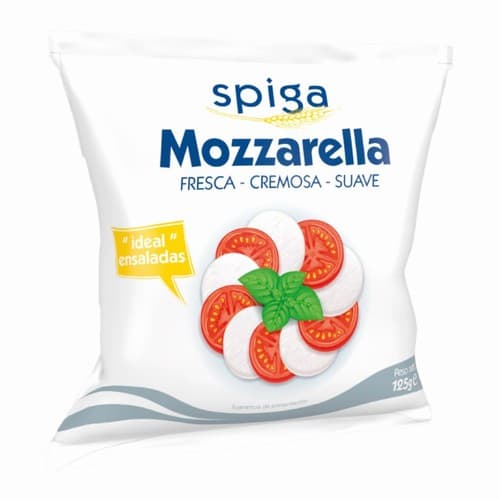 €0.90
€0.90Fresh Mozzarella
SPIGA · kg · Bonpreu
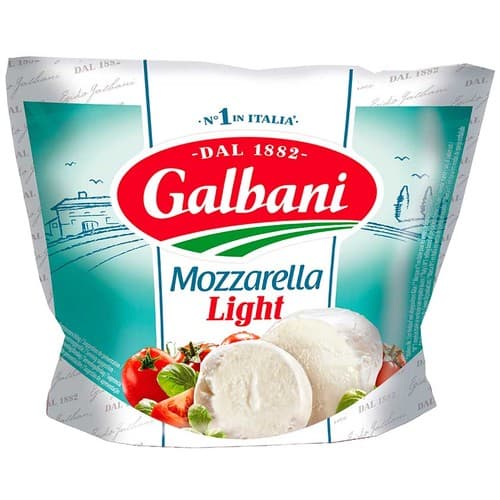 €1.95
€1.95Galbani Light Mozzarella
GALBANI · kg · Bonpreu
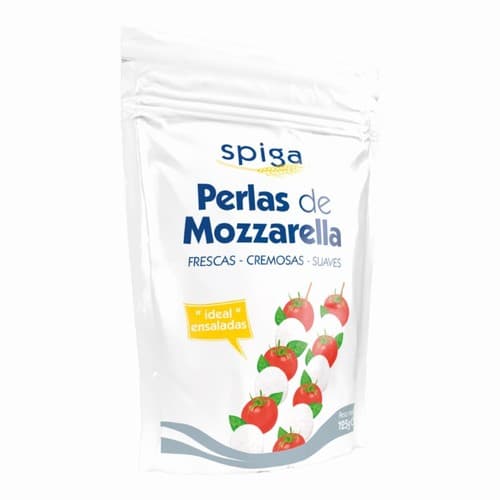 €1.59
€1.59Mozzarella Pearls
SPIGA · kg · Bonpreu
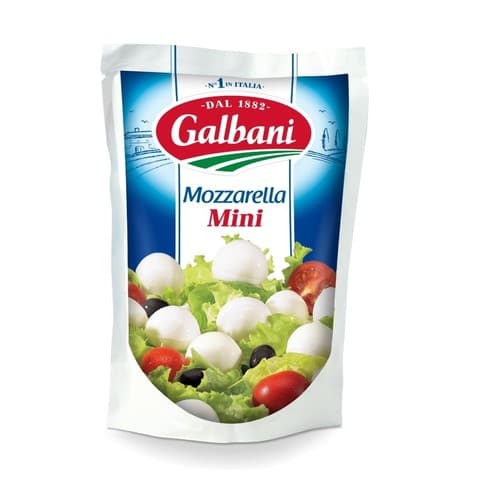 €3.65
€3.65Mini Mozzarella Balls
GALBANI · kg · Bonpreu
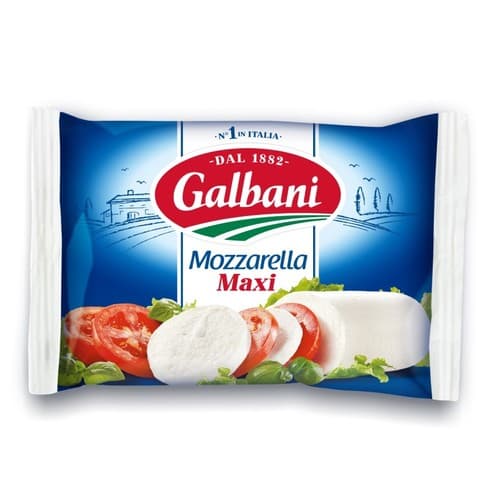 €3.99
€3.99GALBANI Mozzarella Maxi Fresh
GALBANI · kg · Bonpreu
Good to know
- Type
- Fresh acid-set cheese (unaged)
- Origin
- Indian subcontinent; term derives from Persian "panir" (cheese)
- Primary Milk
- Whole cow's milk; buffalo milk yields richer, whiter paneer
- Acid Coagulant
- Lemon juice, yogurt, citric acid, or white vinegar
- Fat Content
- Approximately 4–6% in finished product from whole milk
- Melting Point
- Does not melt; casein proteins coagulate rather than liquefy at high heat
- Shelf Life
- Refrigerated: 5–7 days in water; freeze: up to 1 month (texture degrades)
Substitutes
- Firm tofu — Best vegan substitute; press for 30 minutes to remove excess water, then cube and use in same preparations. Texture is slightly softer and more porous.
- Queso blanco — Latin American fresh cheese with similar non-melting properties; crumbles more easily; good for frying and salads.
- Ricotta salata — Pressed, salted ricotta; slightly tangy and crumbly; works in salads and cooked dishes but crumbles more than paneer.
- Cottage cheese (well-drained) — Acceptable in emergencies; press through cheesecloth for several hours to remove excess moisture. Texture is more granular and less dense.
Pairs with
Also called
Cottage Cheese (Paneer) · Indian Cottage Cheese
Appears in these dishes

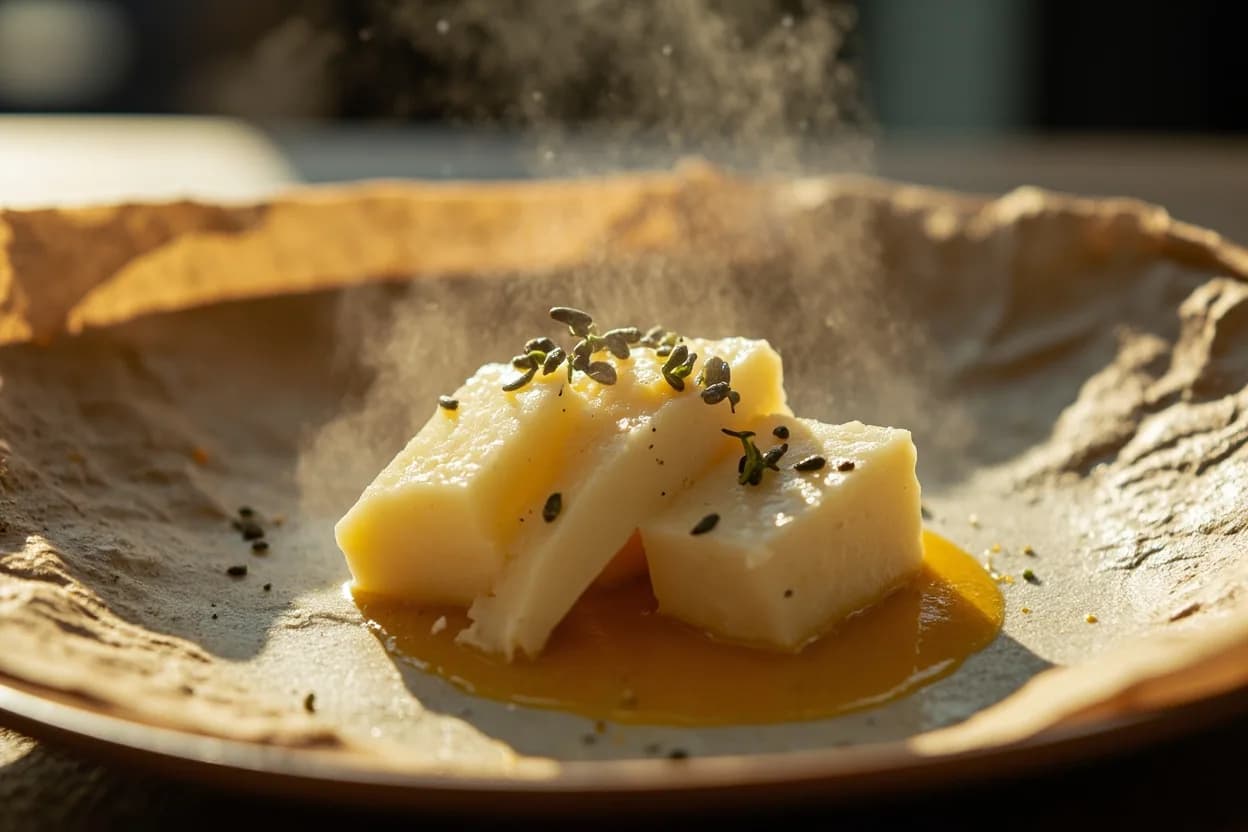
Related

Whole Milk
Rich, full-fat milk for drinking, coffee, sauces, and baking
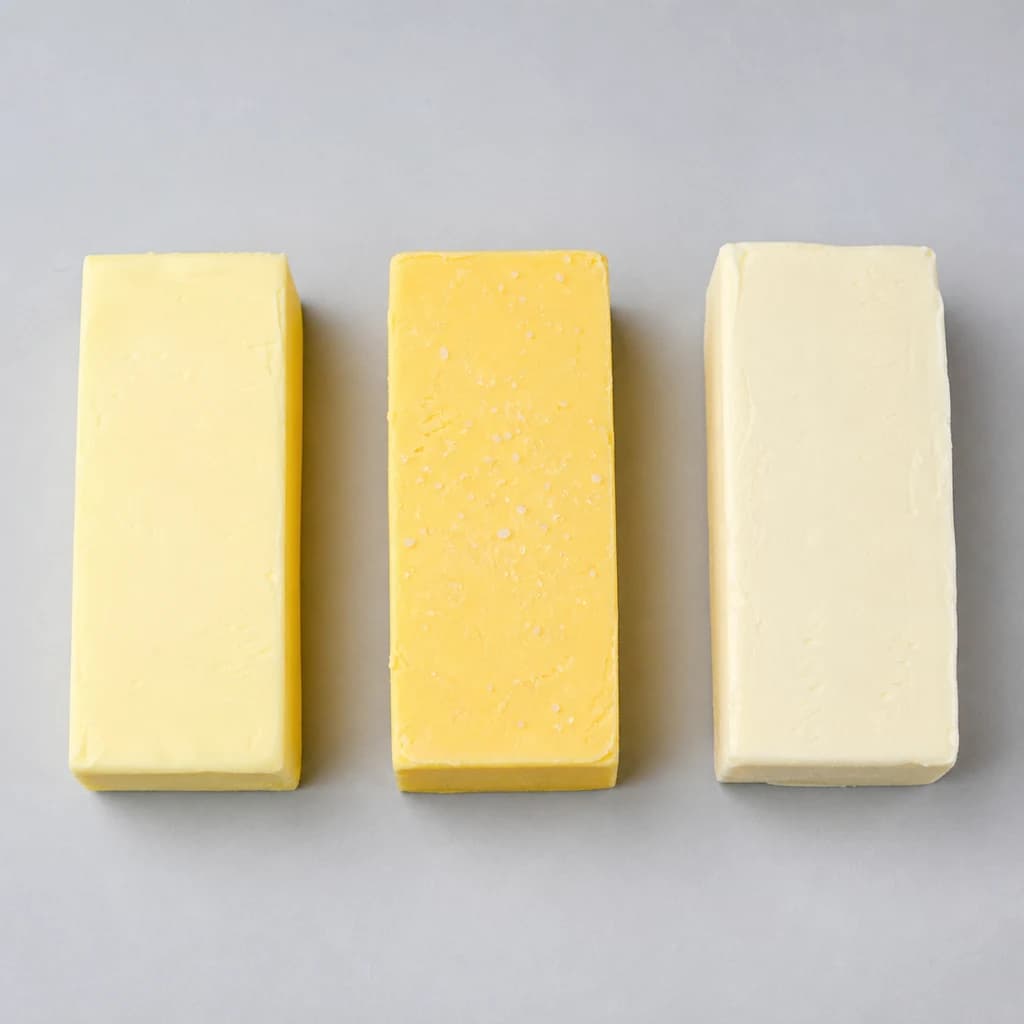
Butter
Golden fat for searing, baking, and finishing a sauce
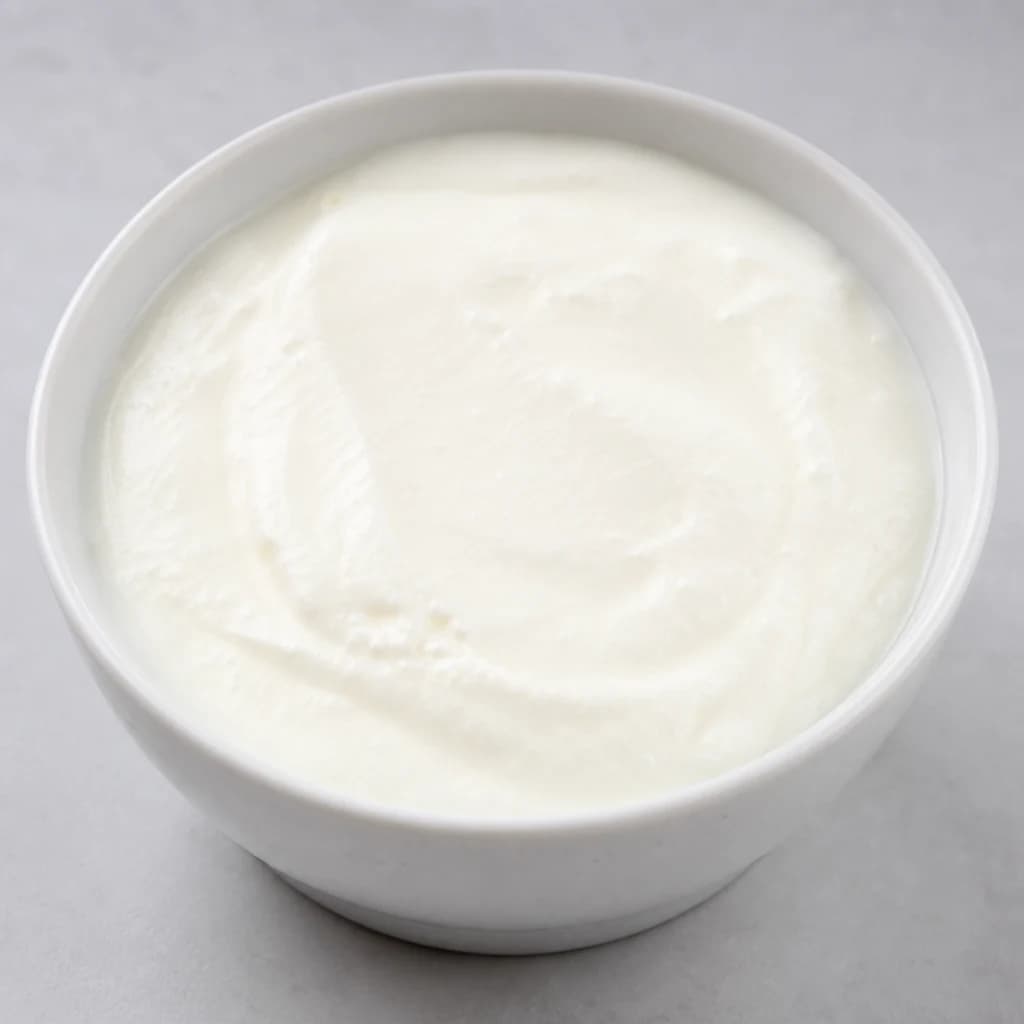
Yogurt
Tangy, creamy culture for breakfast, sauces, and marinades
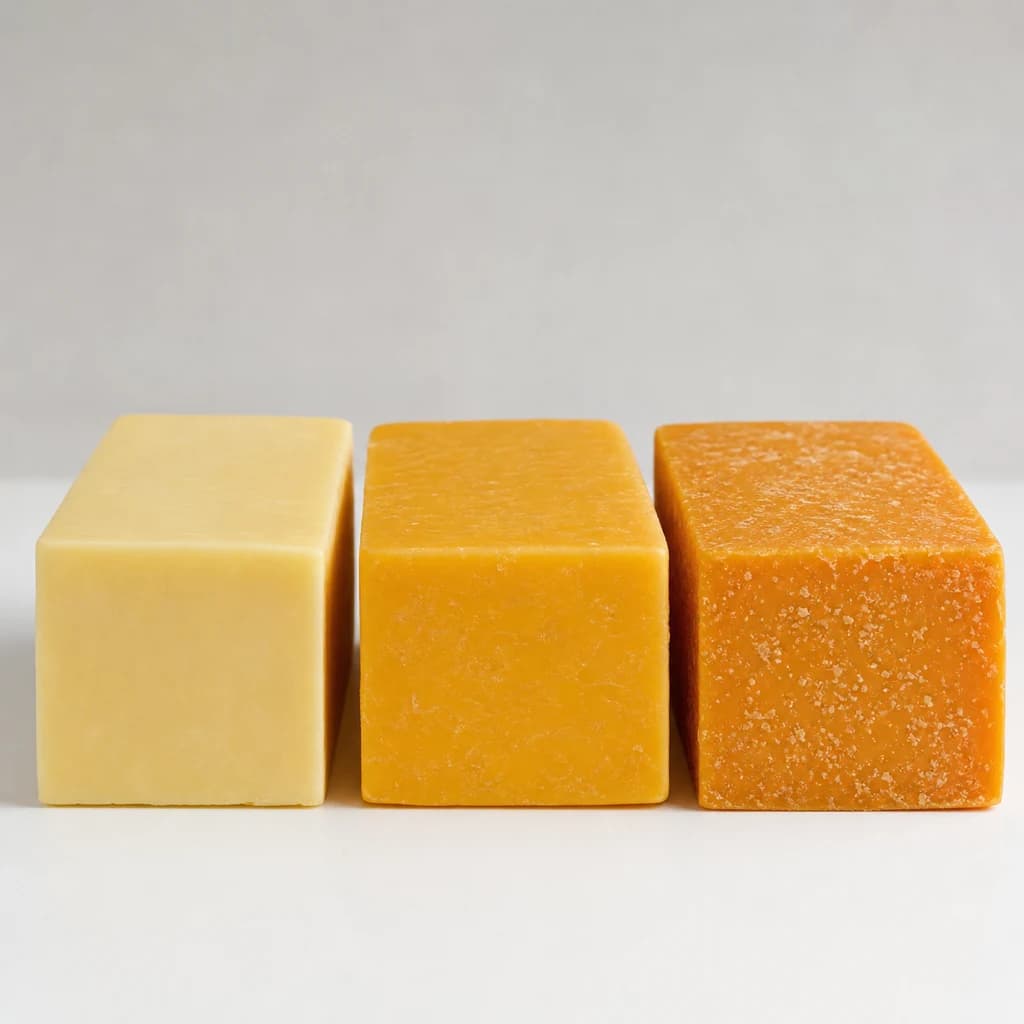
Cheddar Cheese
Sharp, melty cheese for sandwiches, gratins, and grating
Skim Milk
Fat-free milk for lighter drinking, coffee, and cooking
Heavy Cream
Rich cream that whips, enriches sauces, and sets ganache

Sour Cream
Tangy, thick cream for dolloping, baking, and dips
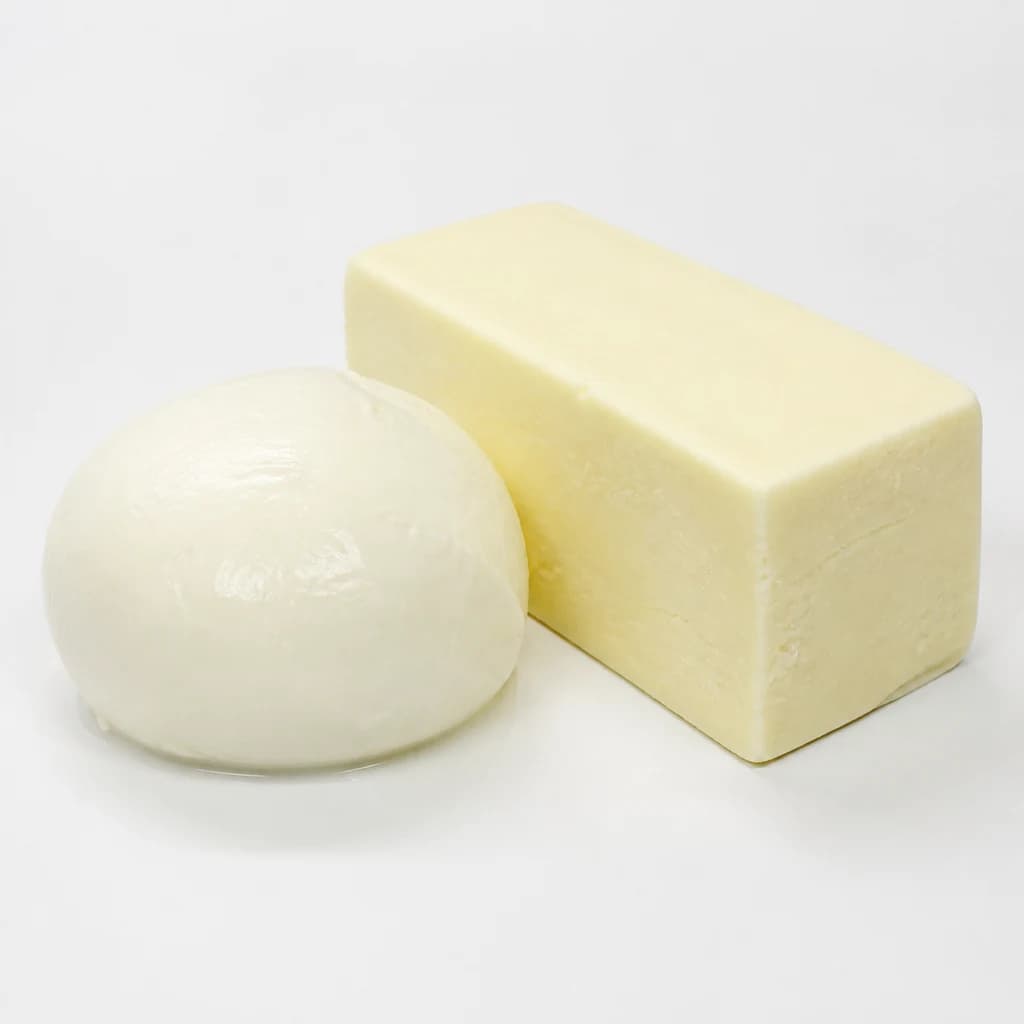
Mozzarella
Soft, milky cheese that melts into stretchy pizza pulls