Proteins
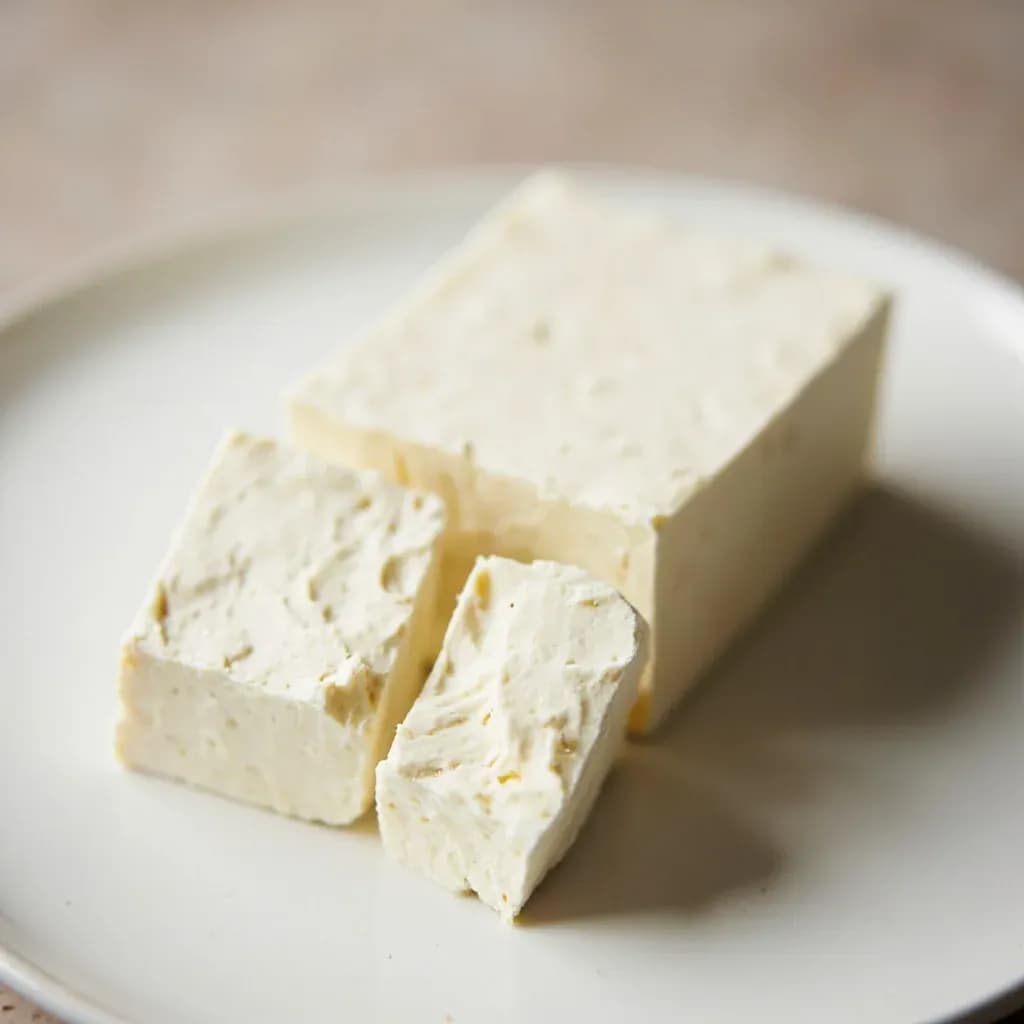
Extra-Firm Tofu
Dense, low-moisture soybean curd that holds shape for frying and grilling.
Extra-firm tofu is bean curd pressed to remove most of its water, giving it a dense, chewy texture. It holds its shape when cubed, pan-fried, grilled, or stir-fried, and crisps well, making it the go-to tofu for hearty plant-based dishes. Pressing further before cooking yields even better browning.
Extra-firm tofu is soybean curd coagulated with nigari or calcium sulfate, then pressed to remove the majority of its water content. This aggressive pressing creates a dense, tightly packed protein matrix that holds its shape under high heat without crumbling, making it the preferred choice for any application where structural integrity matters. The dense matrix also resists moisture escape during cooking, which is why pre-pressing remains non-negotiable for browning: trapped steam turns the exterior soggy before it can develop color.
The ingredient's significance in savory vegan and vegetarian cooking cannot be overstated. Its neutral flavor and meat-like chew allow it to absorb bold marinades—particularly when frozen and thawed to create an open, spongy cell structure—while its density stands up to aggressive cooking methods like deep-frying, grilling, and stir-frying. Unlike softer tofu that disintegrates into soups or scrambles, extra-firm tofu delivers satisfying texture and substantial protein (8–10g per 85g serving) in a format that even committed omnivores find compelling.
In Japanese cuisine, extra-firm tofu corresponds closely to momen-dofu (cotton tofu), the textured variety used in simmered dishes and hot pot rather than the silky kinugoshi-dofu preferred for delicate preparations. This context matters: extra-firm tofu is engineered for cooked applications where the cook wants the ingredient to perform like a protein, not disappear into a sauce.
- Measured in
- g
- Storage
- Fridge
Allergens
Types & varieties
Denser still; often vacuum-packed or frozen; requires minimal or no pressing
One step down in density; holds shape for most cooking but requires 30–45 minutes pressing for frying applications
Pre-pressed further at the factory; found in Asian markets; lowest moisture of standard offerings
Already marinated or vacuum-infused with soy, ginger, or umami seasoning; reduces active prep time
The Freezing Transformation
Freezing whole blocks of extra-firm tofu produces one of the most dramatic texture changes in cooking. Ice crystals form within the protein matrix, rupturing cell walls and creating a permanently open, spongy structure. After thawing, the tofu can be squeezed by hand to expel liquid, leaving a chewy, porous curd that absorbs marinades in minutes rather than hours. This technique is essential in Sichuan cooking for mapo tofu and appears throughout Chinese, Korean, and Japanese cuisines where a meatier bite is desired. The trade-off: freezing eliminates the clean, sliceable surface needed for crispy frying, so reserve this technique for stews, braises, and aggressive stir-fries rather than applications requiring a shatter-crisp crust.
- Freeze overnight in original packaging or sealed bag
- Thaw completely (microwave on defrost or overnight in refrigerator)
- Squeeze firmly by hand to remove ice crystals—expect 30–40% weight loss
- Use immediately; the texture will not hold if re-frozen
Why Pre-Pressing Is Not Optional
Even extra-firm tofu contains surface and interstitial moisture that must escape during high-heat cooking. Without pressing, the exterior steams in its own water before browning can occur, resulting in a gray, rubbery crust rather than the deep golden color that signals proper caramelization. The goal is not to dry the interior completely—internal moisture is essential for the characteristic dense-yet-juicy bite—but to eliminate surface water that would otherwise create steam.
- Wrap block in clean kitchen towels or paper towels
- Press with a flat weight (cast iron skillet, books, or dedicated tofu press) for 20–30 minutes
- Change towels once mid-press for very wet tofu
- For aggressive frying, press 45 minutes to 1 hour
Common uses
Tips & pitfalls
- Score the surfaces with a fork or serrated knife before marinating—tiny punctures allow bold flavors like soy sauce, miso, and chili paste to penetrate the dense curd
- Cornstarch or potato starch dredge applied just before frying ensures a shatter-crisp crust; toss pieces immediately before they hit the oil
- Use a wide, heavy pan and high heat; crowding the pan traps steam and prevents browning
- Let the first side develop a deep golden-brown crust before flipping—resist the urge to move it prematurely
- Cut with a sharp chef's knife or serrated edge; the dense texture crushes unevenly with dull blades
- Season the tofu itself with salt or soy sauce 10–15 minutes before cooking to improve browning through surface proteins
- Freeze-then-press for an open, spongy texture that drinks marinades in minutes; essential for mapo tofu and similar dishes
- Common mistake: not pressing, not scoring, crowding the pan, and flipping too early—each produces disappointing results
Nutrition
Energy
602 kJ · per 100 g
Where the calories come from
Protein
17.3g
35% DV
Carbs
2.8g
1% DV
Fat
8.7g
11% DV
Fiber
2.3g
8% DV
Sodium
14mg
1% DV
Source · USDA FoodData Central · Tofu, raw, firm, prepared with calcium sulfate
View on FDC →In the shops
Matched grocery products
 €1.90
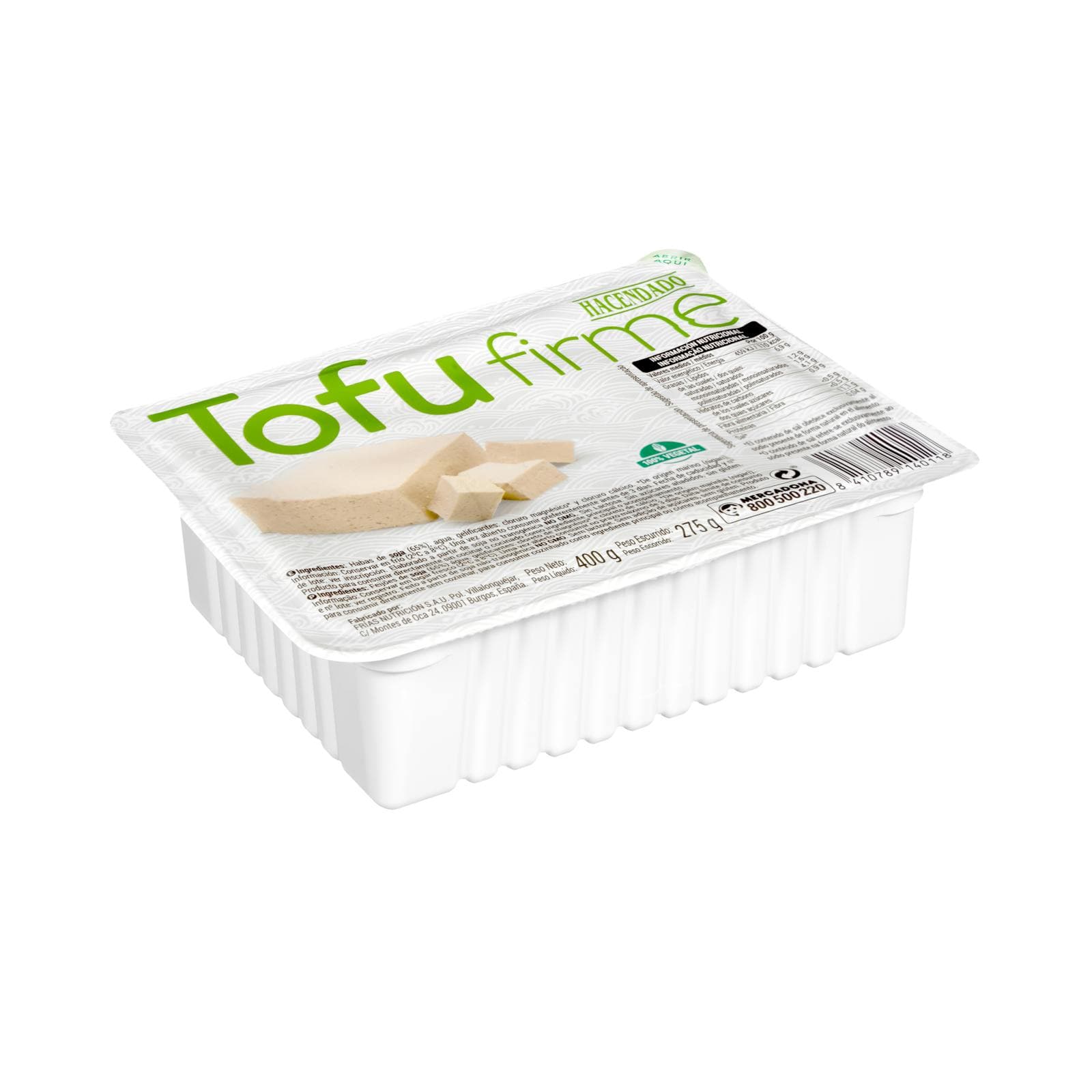
€1.90Firm Tofu
Hacendado · 400 g · Mercadona
 €2.45
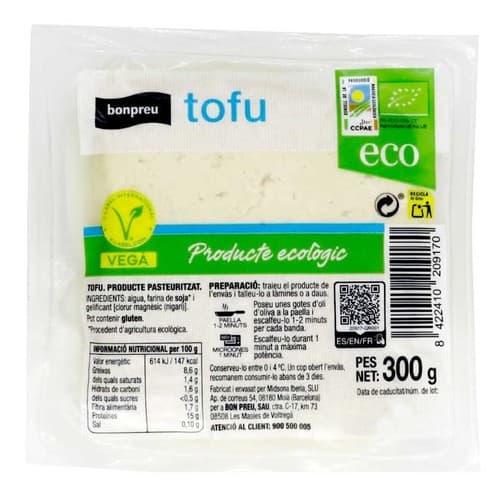
€2.45Bonpreu Organic Tofu
BONPREU · kg · Bonpreu
 €2.99
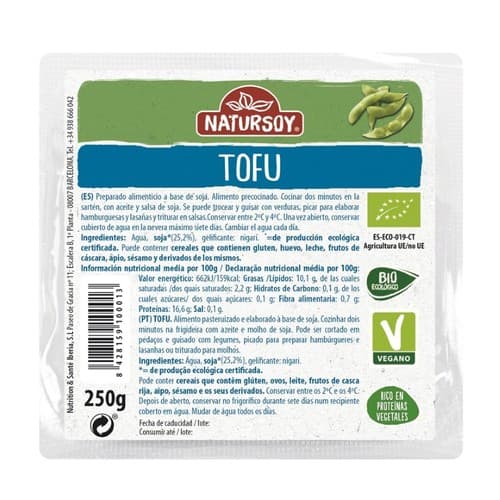
€2.99Natursoy Fresh Organic Tofu
NATURSOY · kg · Bonpreu
Good to know
- Type
- Soybean curd (legume protein)
- Origin
- China, over 2,000 years ago; now produced globally with Japan and California as major US sources
- Protein
- 8–10 g per 85 g serving
- Calories
- 70–80 per 85 g serving
- Typical Block Size
- 397–454 g (14–16 oz)
- Shelf Life (refrigerated, unopened)
- Check date; typically 2–3 weeks past sell-by date
- Shelf Life (opened)
- 3–5 days submerged in water, changed daily
- Freezer Storage
- Up to 3 months; freezing permanently alters texture
- Coagulant
- Nigari (magnesium chloride) or calcium sulfate
- Key Characteristic
- Lowest moisture content of standard tofu types; holds shape under high heat and pressure
Substitutes
- Super-Firm Tofu — Direct replacement; often already pre-pressed, saving 20–30 minutes of prep time
- Firm Tofu — Workable but press for 30–45 minutes to approximate extra-firm density; slightly tender result in fried applications
- Seitan (wheat gluten) — Much denser, chewier, higher protein; distinctly wheaty flavor; avoid for gluten-free needs
- Chickpea Tofu (Burmese tofu) — Made from chickpea flour; softer texture overall; works for frying but less structural integrity
- Paneer or Halloumi — Similar density and frying performance for South Asian or Middle Eastern preparations; dairy-based
Pairs with
Also called
firm tofu · Bean Curd
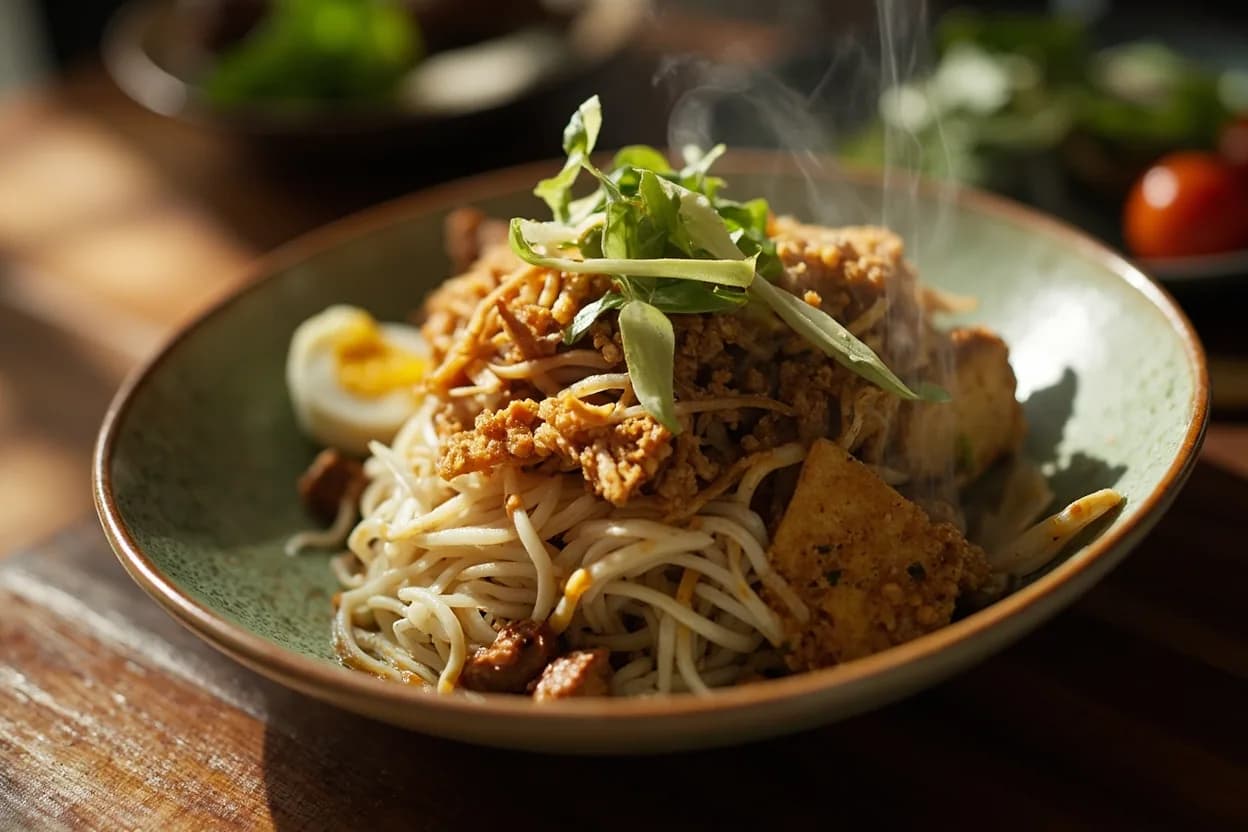
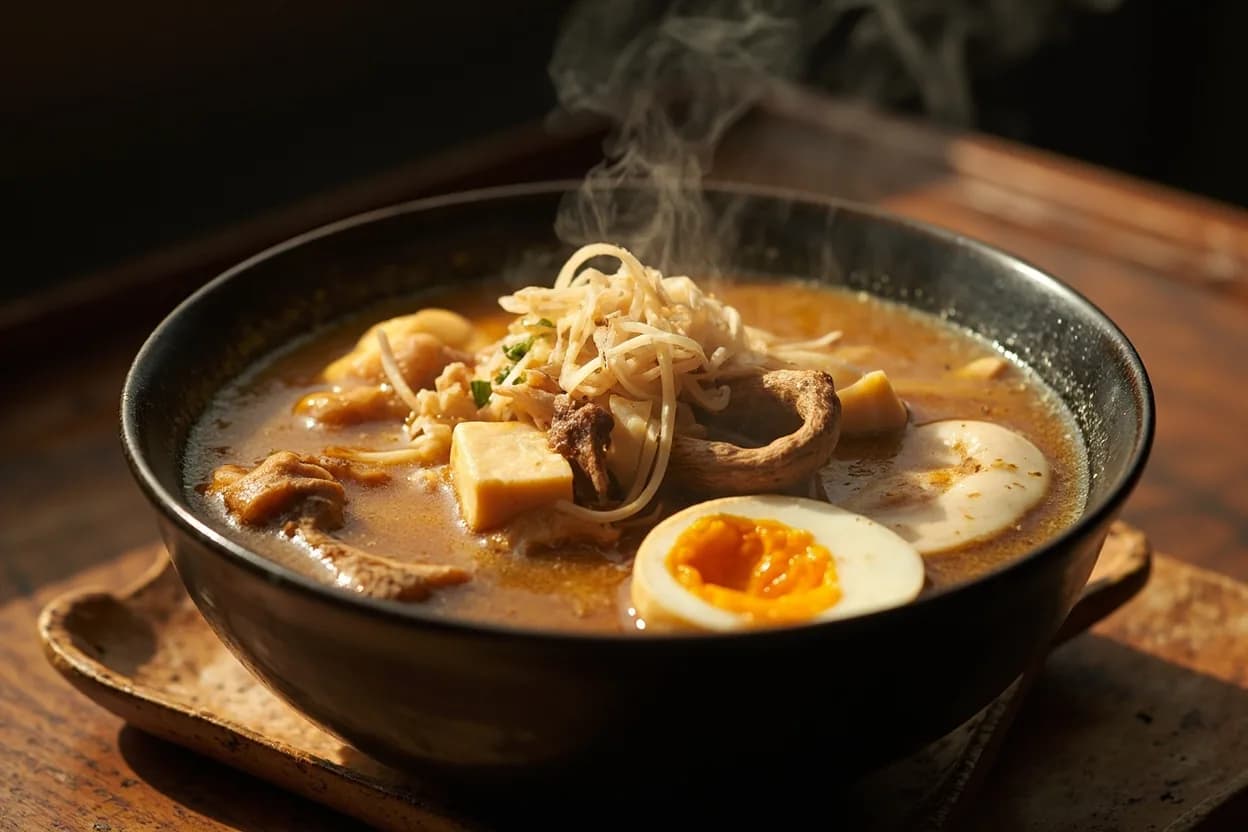
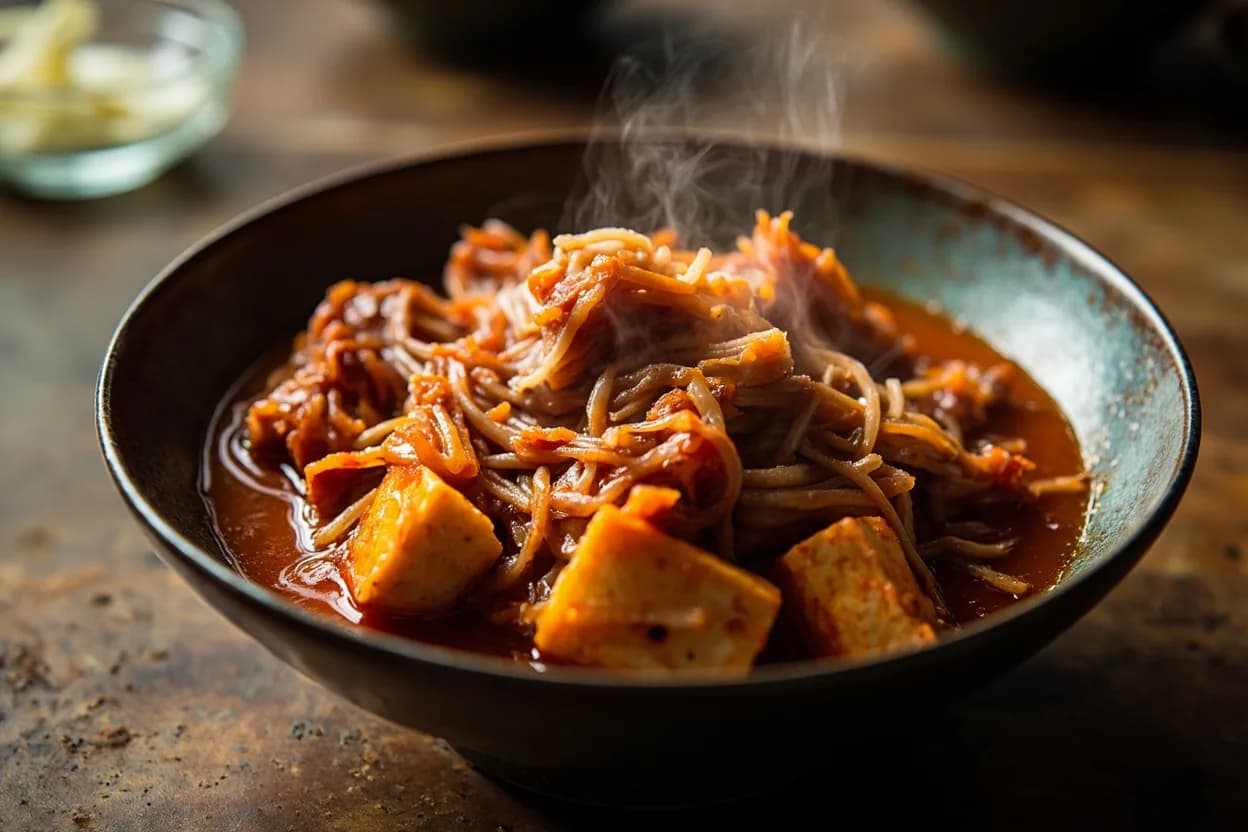
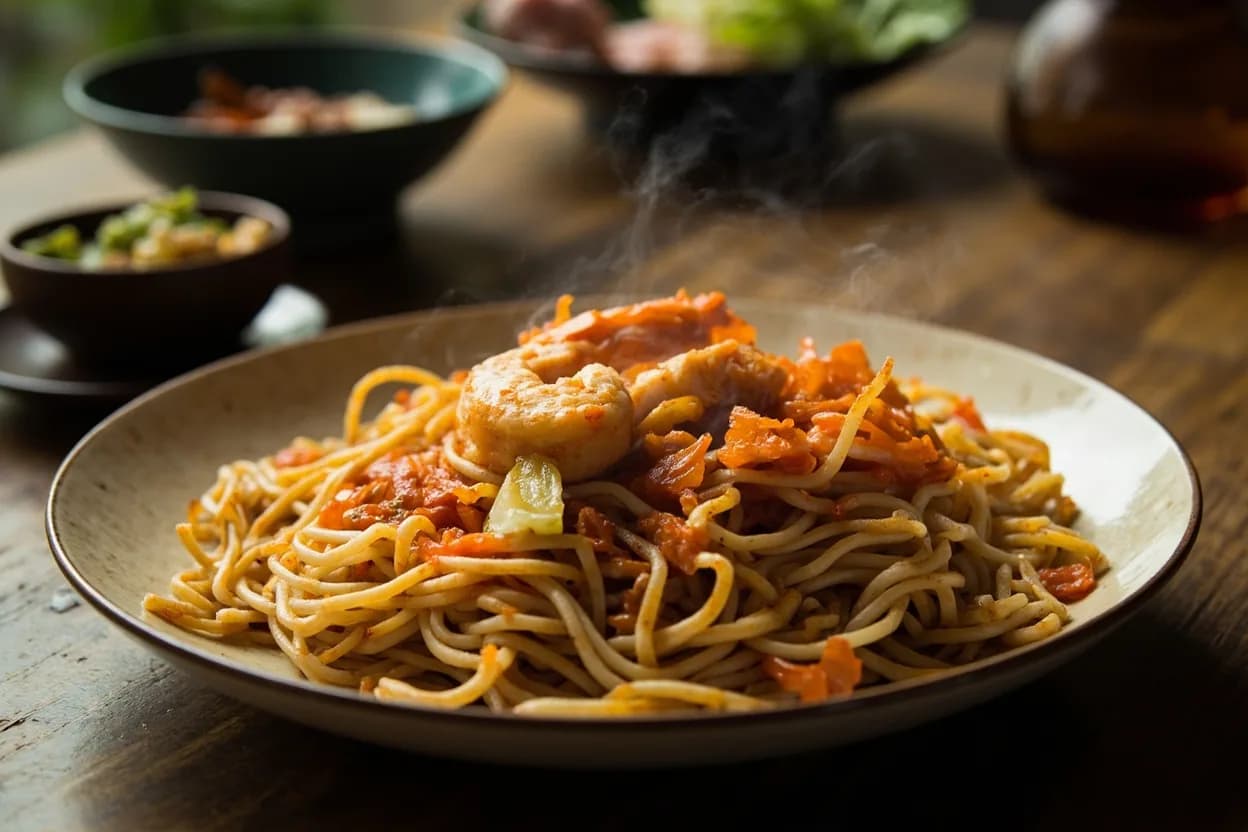
Appears in these dishes
Related
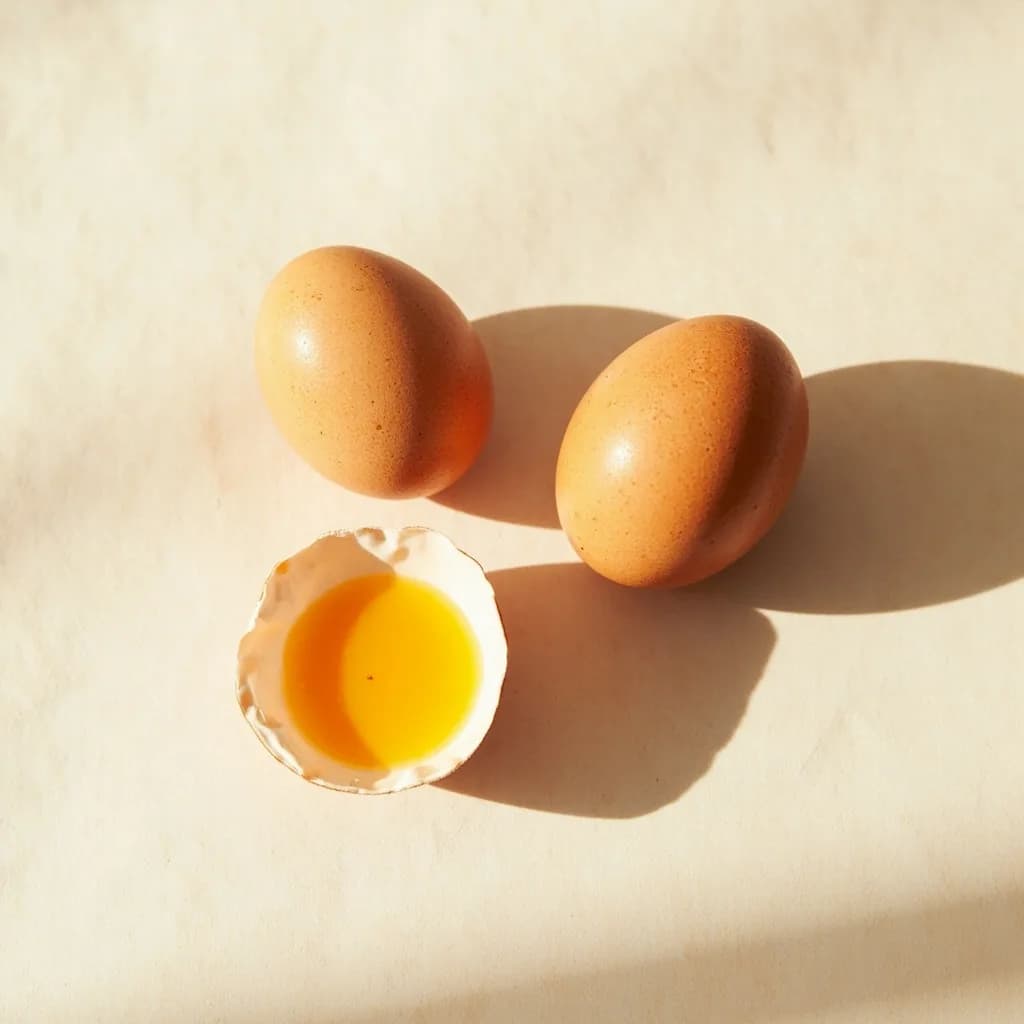
Egg
The kitchen's everything ingredient — bind, leaven, enrich, or fry
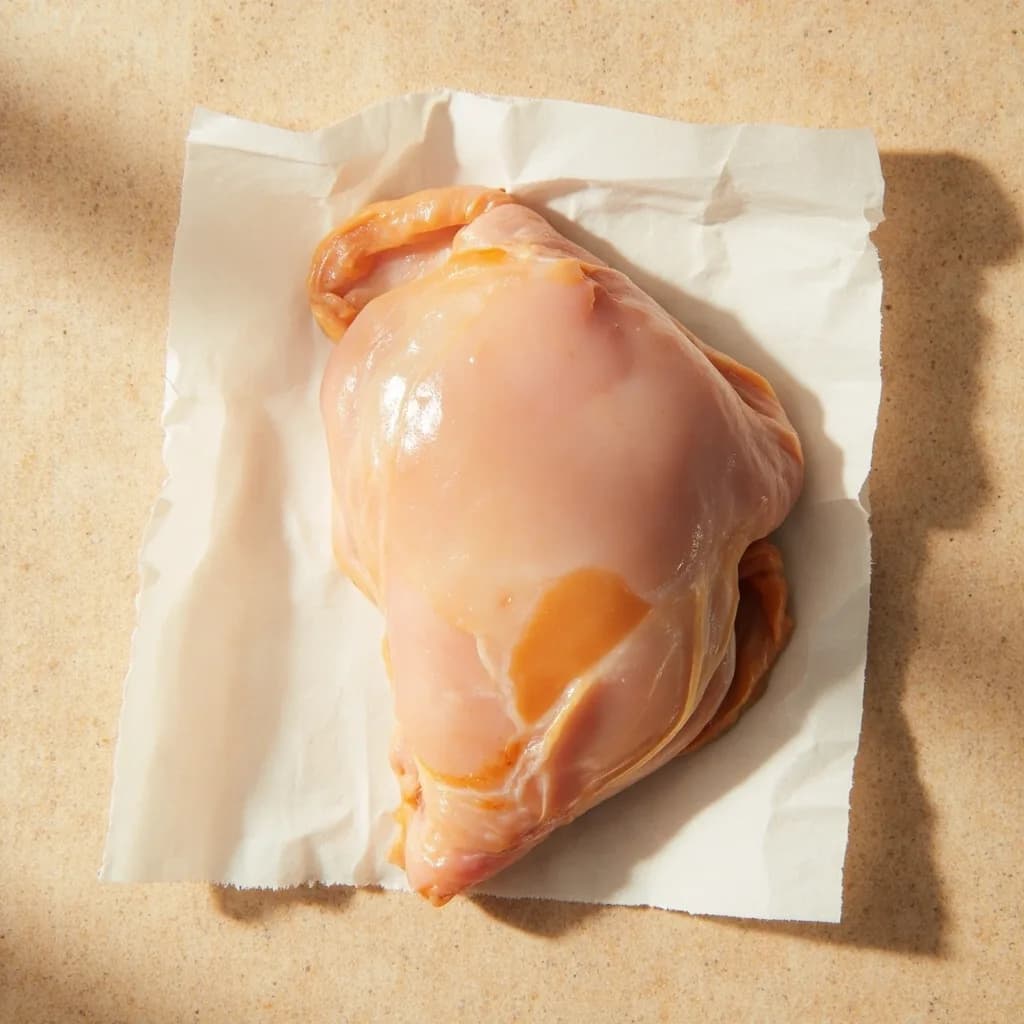
Chicken Breast
Lean, quick-cooking white meat for everyday dinners

Ground Beef
Versatile minced beef for burgers, ragù, tacos, and meatballs
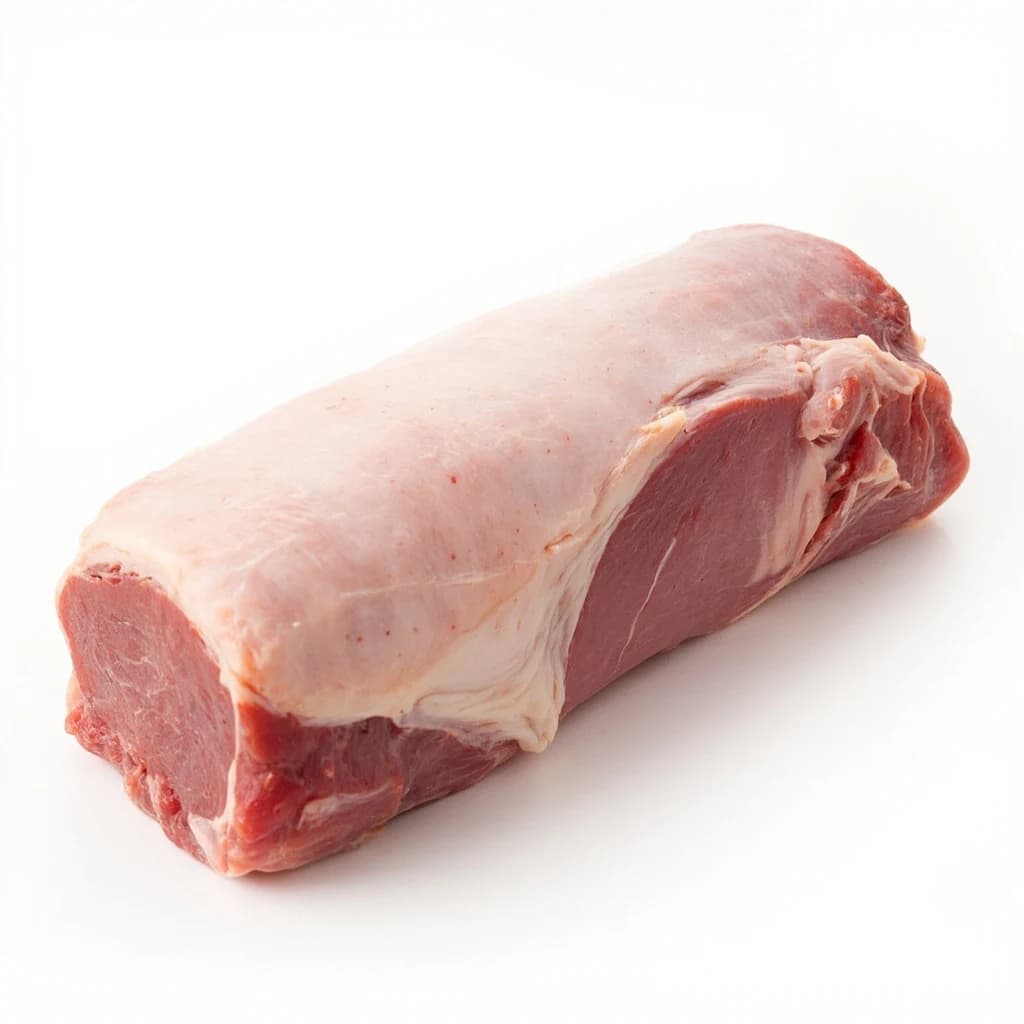
Pork Loin
Lean, tender roasting cut that stays juicy with care
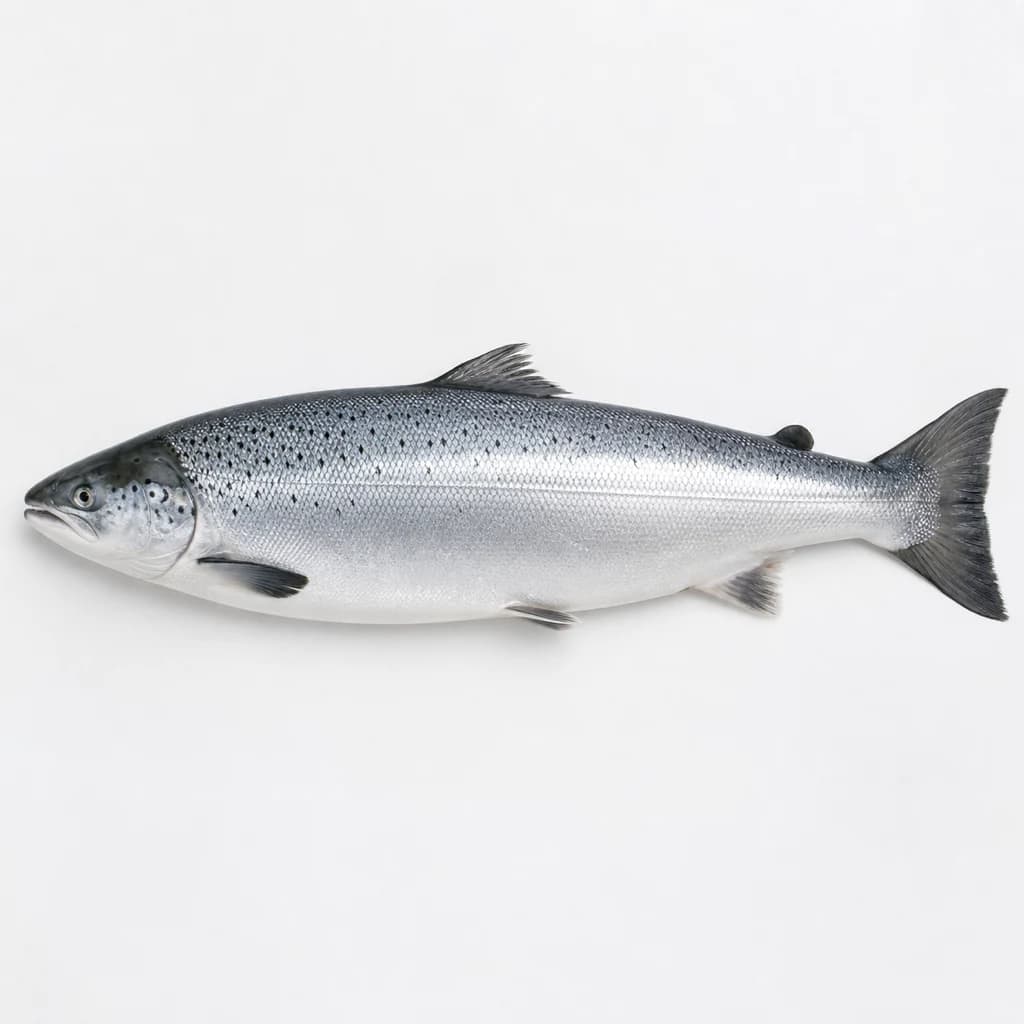
Salmon
Rich, rosy fish that roasts, grills, or cures beautifully

Egg White
Pure protein that whips to airy peaks for meringue and more
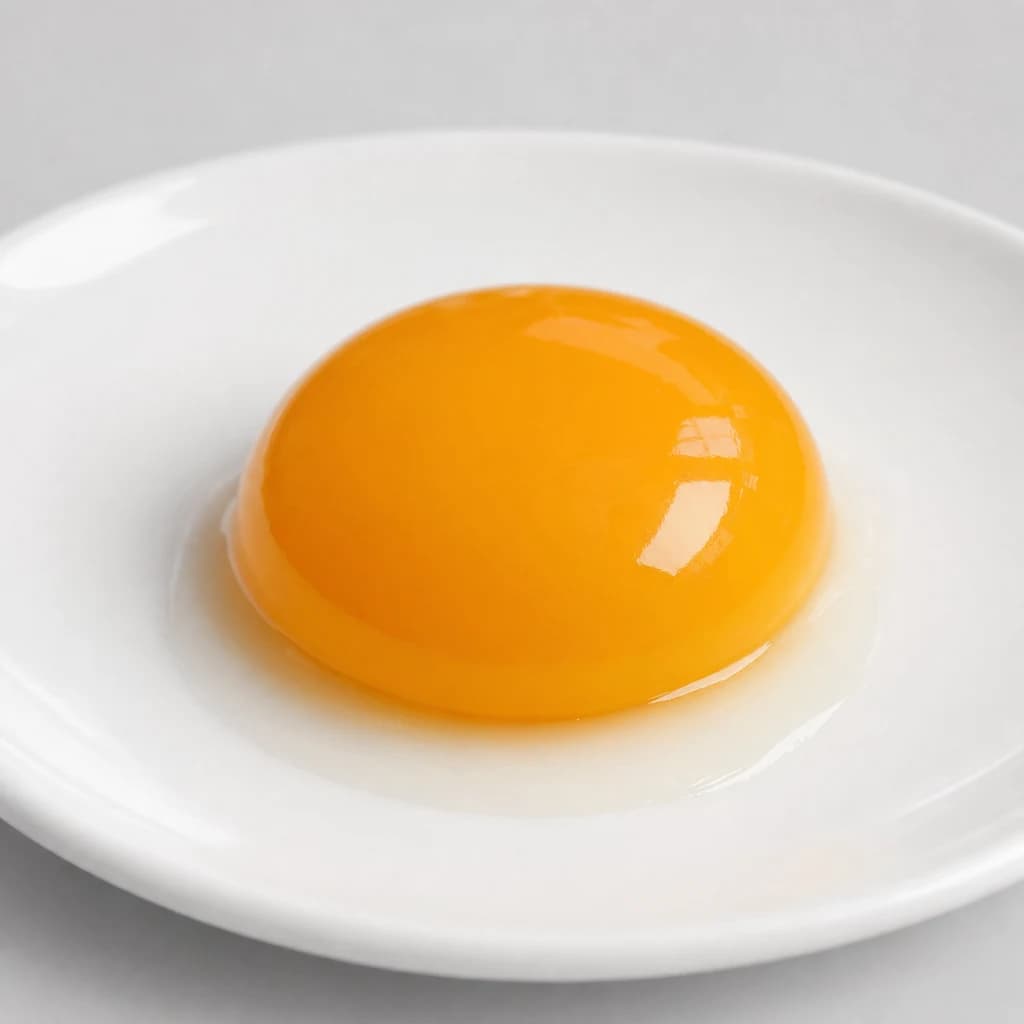
Egg Yolk
Rich, golden yolk for custards, mayonnaise, and pasta

Quail Egg
Tiny, speckled eggs for garnishing and elegant bites