Legumes & Beans
Chickpea Tofu (Tohu)
Soy-free Burmese tofu set from chickpea flour — silky, golden, sliced and fried.
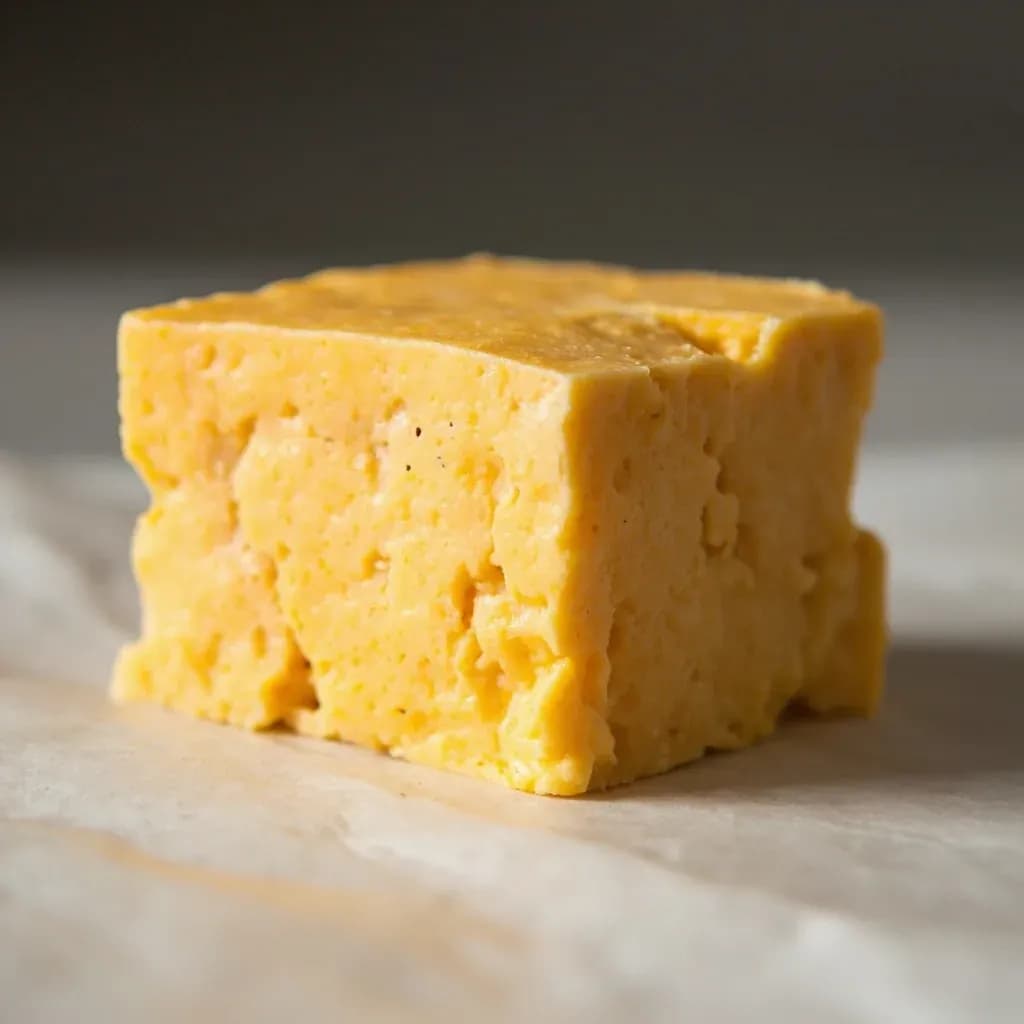
Chickpea tofu, known as tohu in Burmese (Shan) cooking, is made by cooking chickpea (gram) flour with water until it sets into a firm, golden block — no soy involved. It has a silky, custardy texture and mild nutty flavor, and is cubed for salads, sliced and fried until crisp, or simmered in curries. It is naturally gluten-free and a key Shan-state ingredient.
Chickpea tofu — known as tohu in Myanmar (Burma) and pe hpe in Burmese — is a starch-set legume tofu distinct in both production and character from the soy-based tofu familiar in East Asian and Japanese cuisines. It is made by cooking chickpea (besan) flour with water until the starch gelatinizes and the mixture thickens to a smooth paste, then setting it with an acid such as lime juice or rice vinegar. The result is a silky, dense cake with a finer grain than soy tofu, a golden-yellow hue when colored with turmeric, and a tender texture that holds its shape well under heat. Unlike soy tofu, which is pressed firmly and relies on protein coagulation, chickpea tofu retains considerably more moisture and is not pressed aggressively, giving it a melt-on-the-tongue quality prized in Burmese and Shan cuisine.
This tofu plays a foundational role in the cooking of Myanmar, northeastern India, and the Shan States, appearing in soups, curries, fried snacks, and salads. Its neutral, mildly nutty flavor makes it an adaptable canvas for bold sauces and seasonings. For cooks seeking a gluten-free protein or a soy-free alternative to conventional tofu, chickpea tofu offers a credible substitute that behaves differently but responds well to the same fundamental techniques: slicing, frying, grilling, or simmering. The name tohu is not related to the Japanese tofu — it arose independently in Southeast Asian culinary traditions, though the Burmese term likely reflects cultural exchange with East Asian cuisines over centuries.
Chickpea tofu behaves quite differently from its soy counterpart. Because it is set through starch gelatinization rather than protein curdling, it has a softer, more custard-like interior and a denser, slightly grainy surface that browns beautifully when fried. It absorbs sauces readily without becoming rubbery, and it holds together better than soy tofu when cut into thin strips or small cubes for frying. Fresh chickpea tofu is sold in Myanmar markets and some Indian grocery stores, typically submerged in water in the refrigerator case near conventional tofu. It keeps for about a week when properly stored, though the water should be changed daily to maintain freshness.
- Measured in
- g
- Storage
- Fridge
Types & varieties
Colored with turmeric; the most common Burmese variety, with a warm golden hue and mildly earthy flavor
Made without turmeric; slightly milder flavor and a creamier appearance
Regional Shan State variety; typically cut into thicker slabs for frying, yielding a crispier exterior
Not pressed after setting; sold in bowls as a soft, custard-like curd; ideal for soups and simmering
How Chickpea Tofu Differs from Soy Tofu
Understanding the fundamental differences between chickpea tofu and soy tofu helps you choose the right ingredient and adapt your techniques accordingly.
- Chickpea tofu is set by starch gelatinization and acid precipitation of legume proteins; soy tofu is set by coagulation of soy milk proteins with gypsum or nigari
- The texture of chickpea tofu is denser and more custard-like with a finer grain; soy tofu has a lighter, more spongy structure when cooked
- Chickpea tofu retains more moisture and is not pressed as firmly, giving it a silkier, more tender bite
- When fried, chickpea tofu browns more evenly and holds its shape without becoming rubbery; soy tofu develops a more pronounced spongy chew
- Chickpea tofu absorbs sauces and marinades quickly due to its open starch matrix; soy tofu requires scoring or pressing to absorb flavors effectively
- Chickpea tofu crumbles more readily when cut thinly if undercooked or cut while still warm — handle with care and cool completely before slicing
Buying and Storing
Fresh chickpea tofu is the most common form, sold in Myanmar markets and Indian grocery stores in larger cities. It is typically stored submerged in water in the refrigerator section.
- Look for tofu stored in clean, cold water with no off odors — fresh chickpea tofu should smell faintly nutty, not sour
- Avoid packages where the water is murky or the tofu surface appears slimy or discolored
- Once home, transfer to a clean container, cover completely with fresh cold water, and refrigerate
- Change the storage water daily to prevent fermentation and extend shelf life to 5–7 days
- For longer storage, the tofu can be frozen, but this significantly alters texture — frozen chickpea tofu becomes spongier and more porous, best suited for stir-fries rather than soups or frying
- Dried chickpea tofu is rare but may be found in specialty Asian markets; rehydrate before use according to package directions
Common uses
Tips & pitfalls
- Use very fine chickpea (besan) flour — coarse flour produces grainy, gritty tofu that refuses to set smoothly
- Stir constantly while cooking the flour-water mixture to prevent lumps and ensure even thickening throughout
- Do not raise the heat to speed up setting; gentle, steady heat produces a silkier, more cohesive texture
- Stop stirring once the mixture coats a wooden spoon thickly — continued agitation breaks down the starch and prevents proper setting
- Pour the mixture into a shallow, lightly oiled pan no more than 2–3 cm deep for even, consistent setting; deeper pours may remain liquid in the center
- Allow the tofu to cool and set fully (30–45 minutes at room temperature or 15–20 minutes in the refrigerator) before slicing — rushing leads to crumbling
- Slice with a wet knife and re-wet between cuts to prevent the tofu from sticking and tearing
- Light pressing (even for just 10–15 minutes under a weighted plate) makes the tofu denser and significantly better for frying — it absorbs less oil and holds its shape longer
- If the tofu crumbles when cut, the flour-to-water ratio was too low (too much liquid) or it wasn't cooked long enough before setting
- Fry at medium-high heat — too hot and the exterior burns before the interior warms through; aim for a steady golden color rather than a quick sear
- Season the frying oil with a pinch of salt or a whole chili to flavor the tofu as it cooks — this is a common technique in Shan and Burmese cooking
- When adding to soups or curries, drop the tofu in near the end of cooking to prevent it from breaking apart in the liquid
Nutrition
Energy
393 kJ · per 100 g
Where the calories come from
Protein
3.5g
7% DV
Carbs
16g
6% DV
Fat
1.8g
2% DV
Fiber
0.2g
1% DV
Sugars
1.2g
of which
Sodium
35mg
2% DV
Source · USDA FoodData Central · approx. Tofu yogurt
View on FDC →In the shops
Matched grocery products
 €1.90
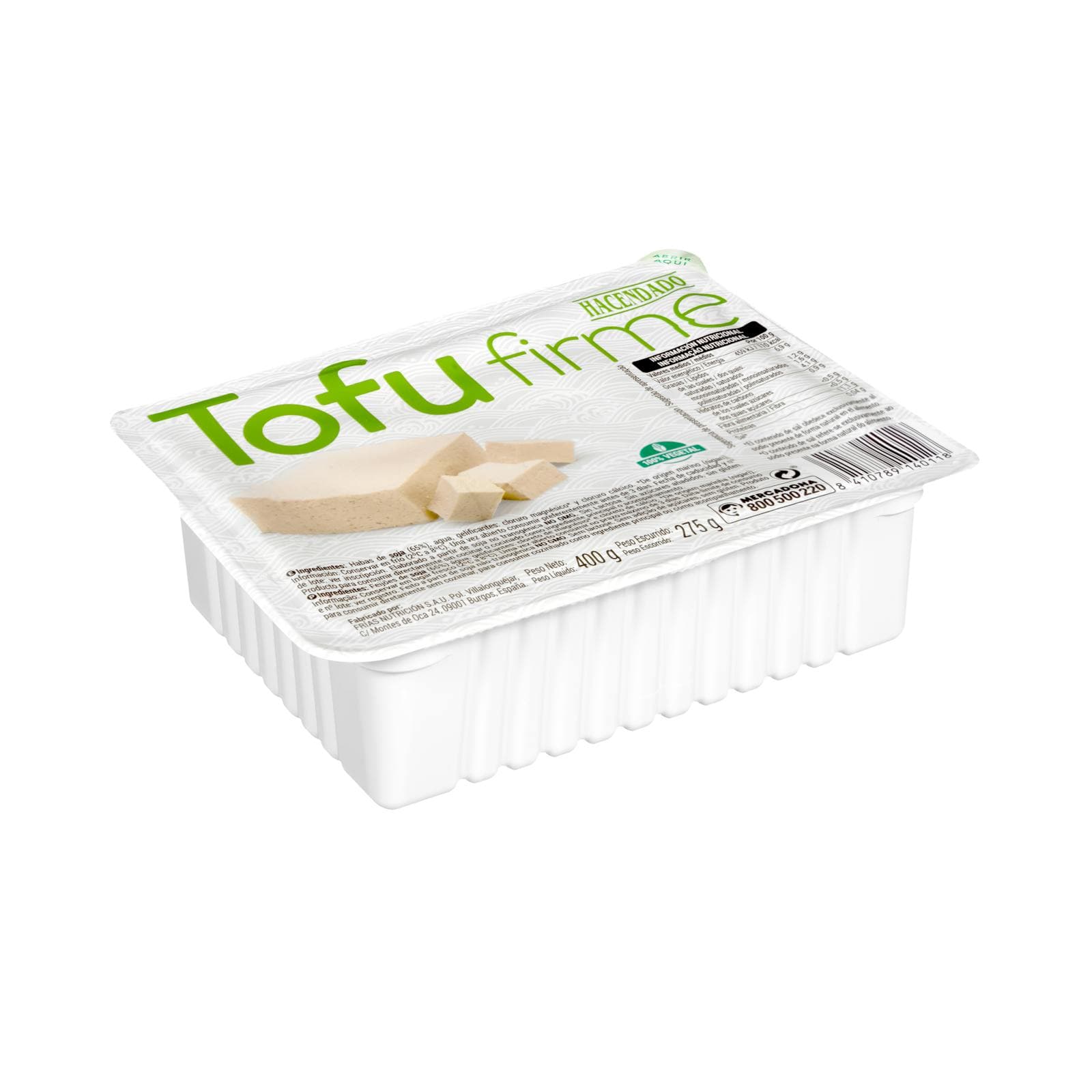
€1.90Firm Tofu
Hacendado · 400 g · Mercadona
 €2.45
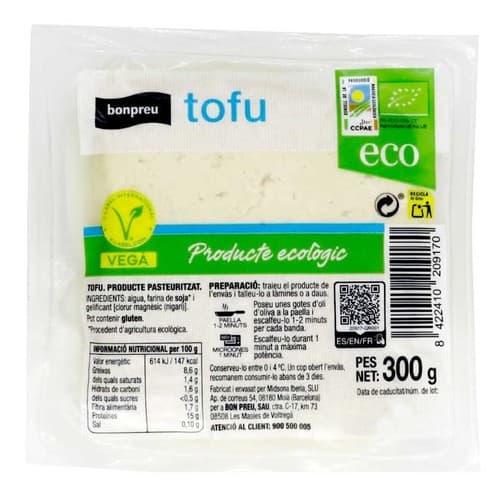
€2.45Bonpreu Organic Tofu
BONPREU · kg · Bonpreu
 €2.99
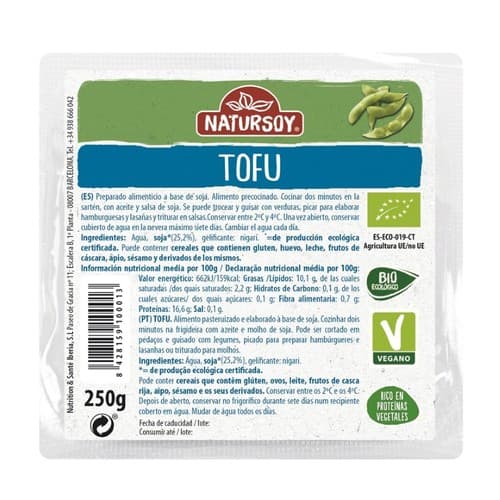
€2.99Natursoy Fresh Organic Tofu
NATURSOY · kg · Bonpreu
Good to know
- Origin
- Myanmar (Burma); also northeastern India (Assam, Manipur)
- Other Names
- Burmese tofu, Shan tofu, Pe hpe (Burmese)
- Primary Flour
- Finely ground chickpea (besan) flour
- Setting Agent
- Lime juice or rice vinegar (acid coagulation)
- Color
- Golden yellow (from added turmeric); white when turmeric is omitted
- Gluten-Free
- Yes — made entirely from legumes
- Storage
- Submerged in water, refrigerated; up to 1 week; change water daily
- Yield
- Approximately 3–4× the volume of chickpea flour used
Substitutes
- Soy tofu — Different texture (softer, more spongy) but works in most savory preparations; not gluten-free; press and score before cooking to improve sauce absorption
- Mung bean starch noodles (glass noodles) — Provides similar silky, yielding texture in soups; requires different preparation and cooking method; best in brothy dishes
- Egg tofu — Japanese variety has similar silky, custard-like quality; contains egg, not suitable for vegan diets; excellent in soups and steaming
- Pumpkin seed tofu — Similar neutral flavor and starch-setting method; harder to source outside specialty shops; behaves comparably when fried or simmered
Pairs with
Also called
Burmese Tofu · Shan Tofu · Tohu · Gram Flour Tofu
Related
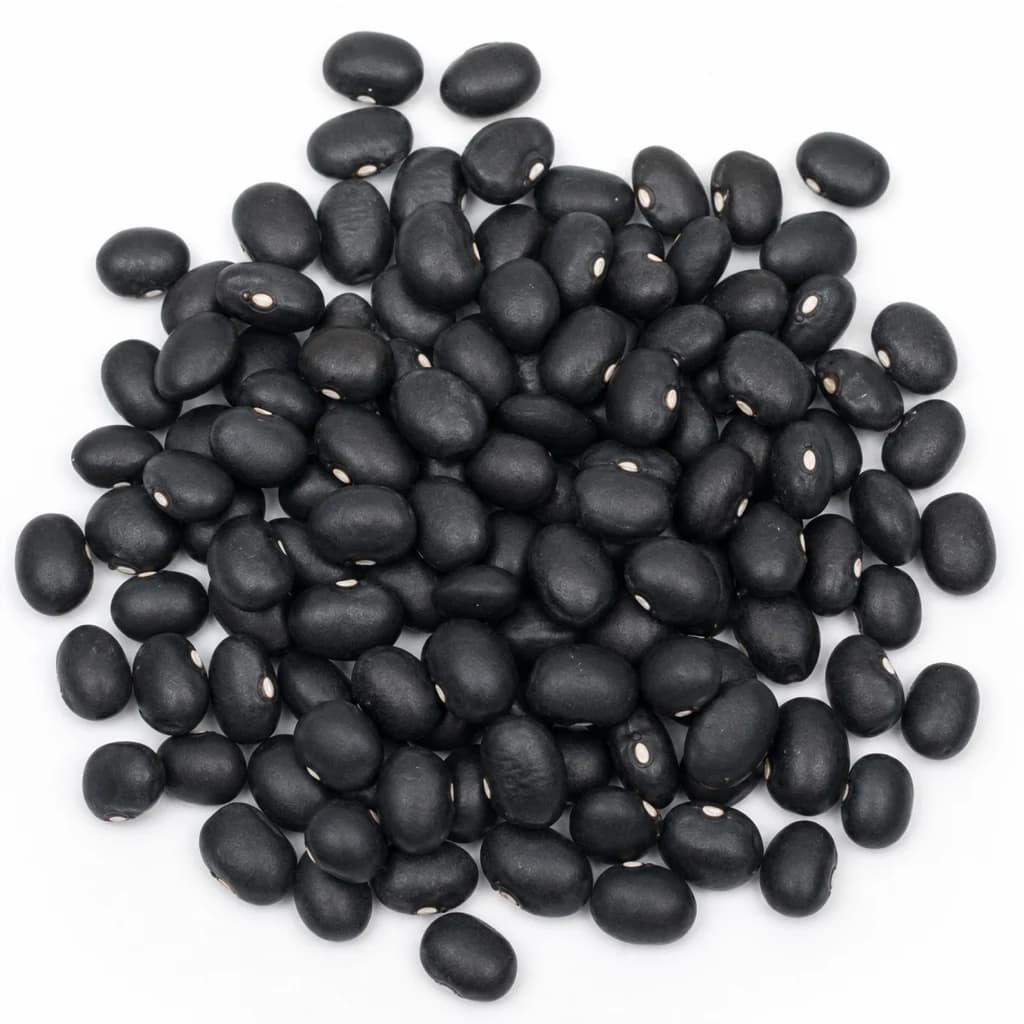
Black Beans
Earthy, creamy beans for bowls, soups, and tacos
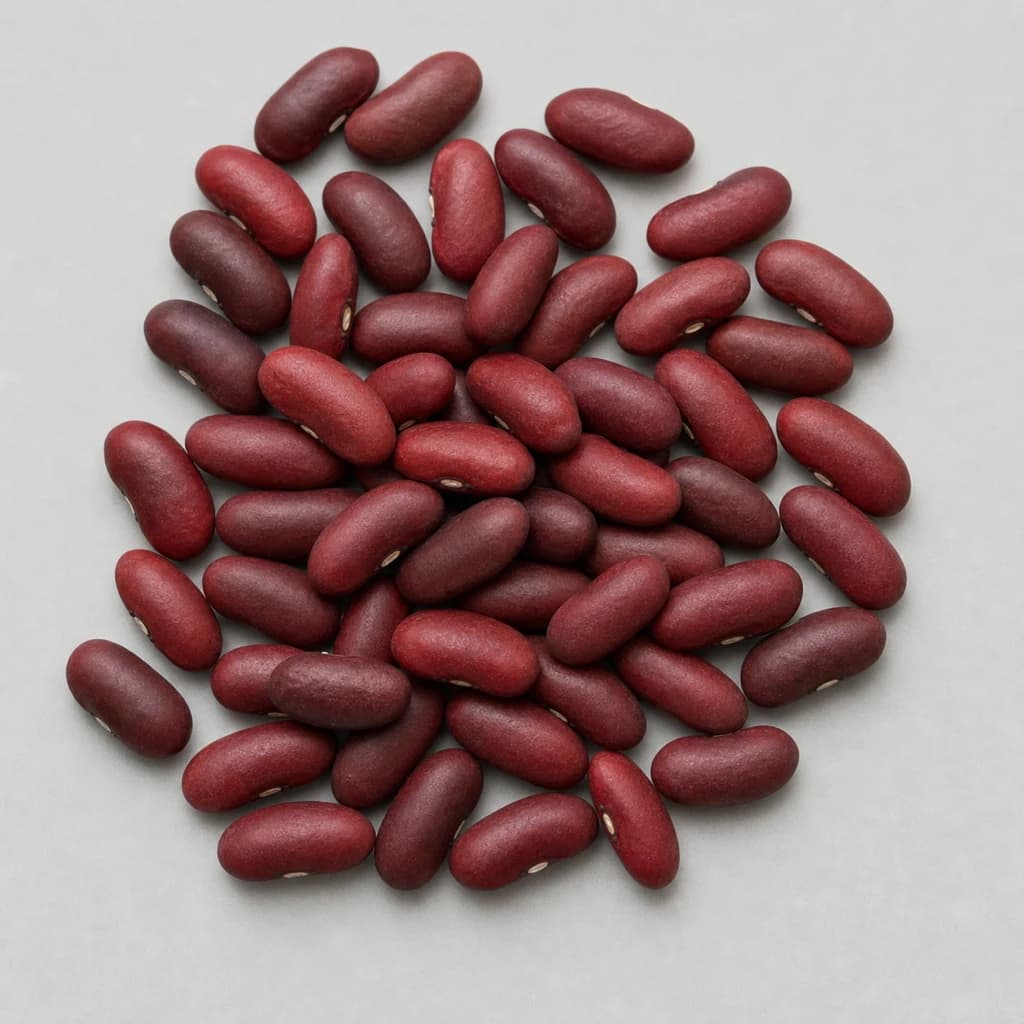
Kidney Beans
Hearty red beans that hold their shape in chili and stews
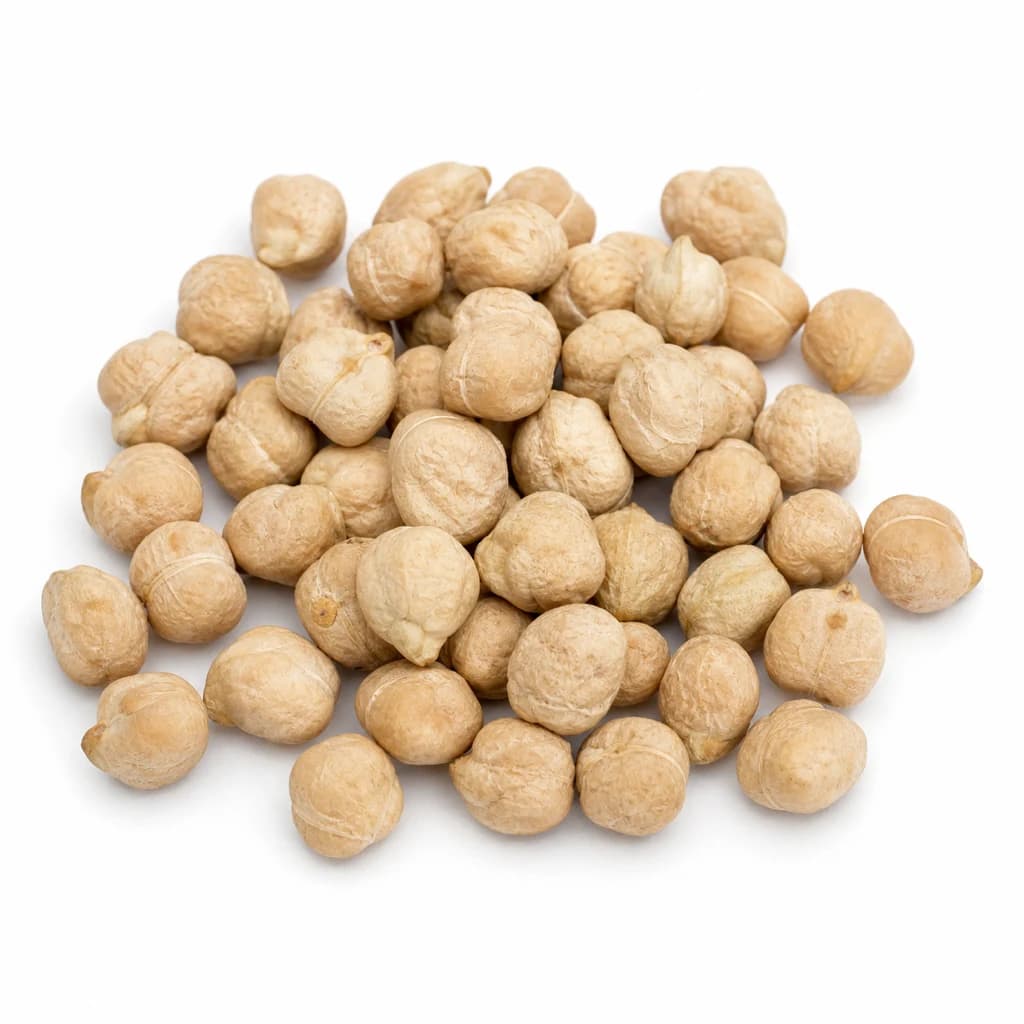
Chickpeas
Nutty, versatile beans for hummus, curries, and roasting
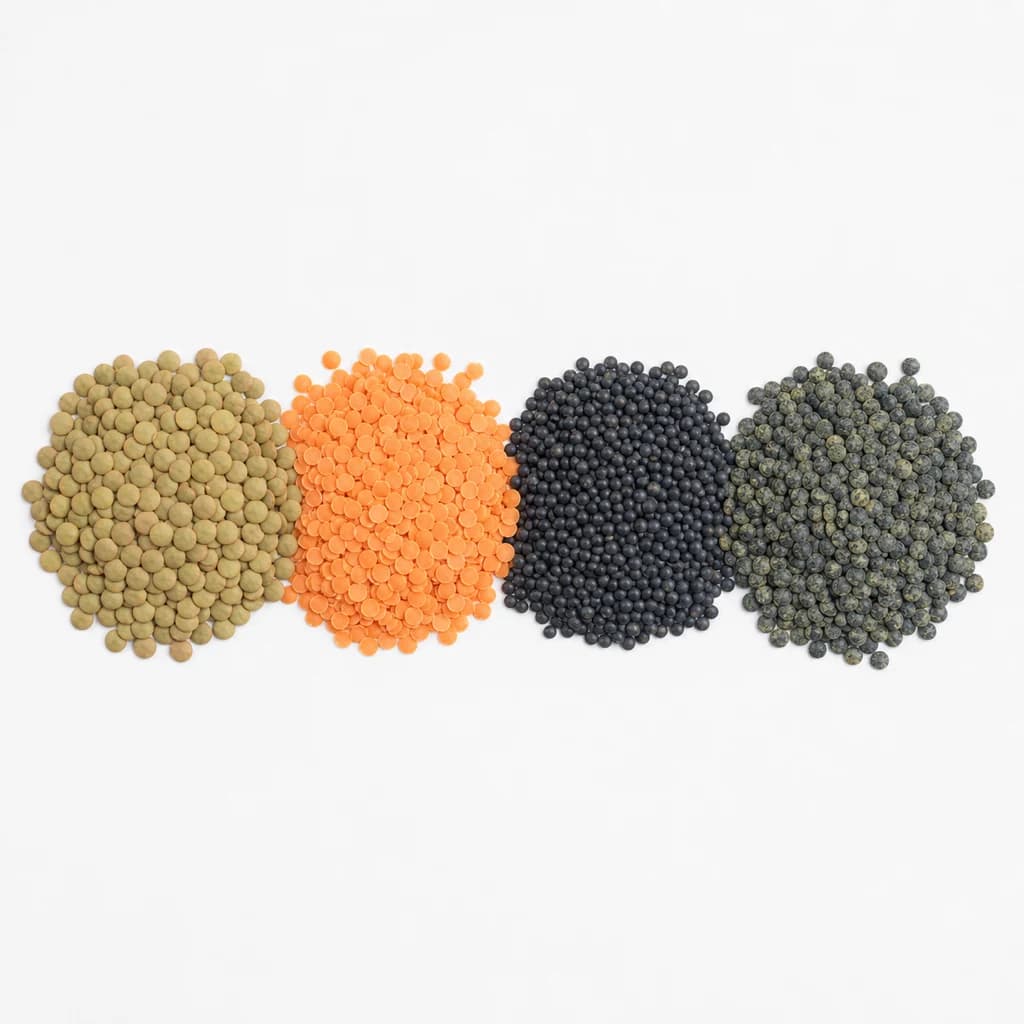
Lentils
Quick-cooking pulses for soups, dals, and hearty salads

White Beans
Creamy, mild beans for soups, stews, and silky purées
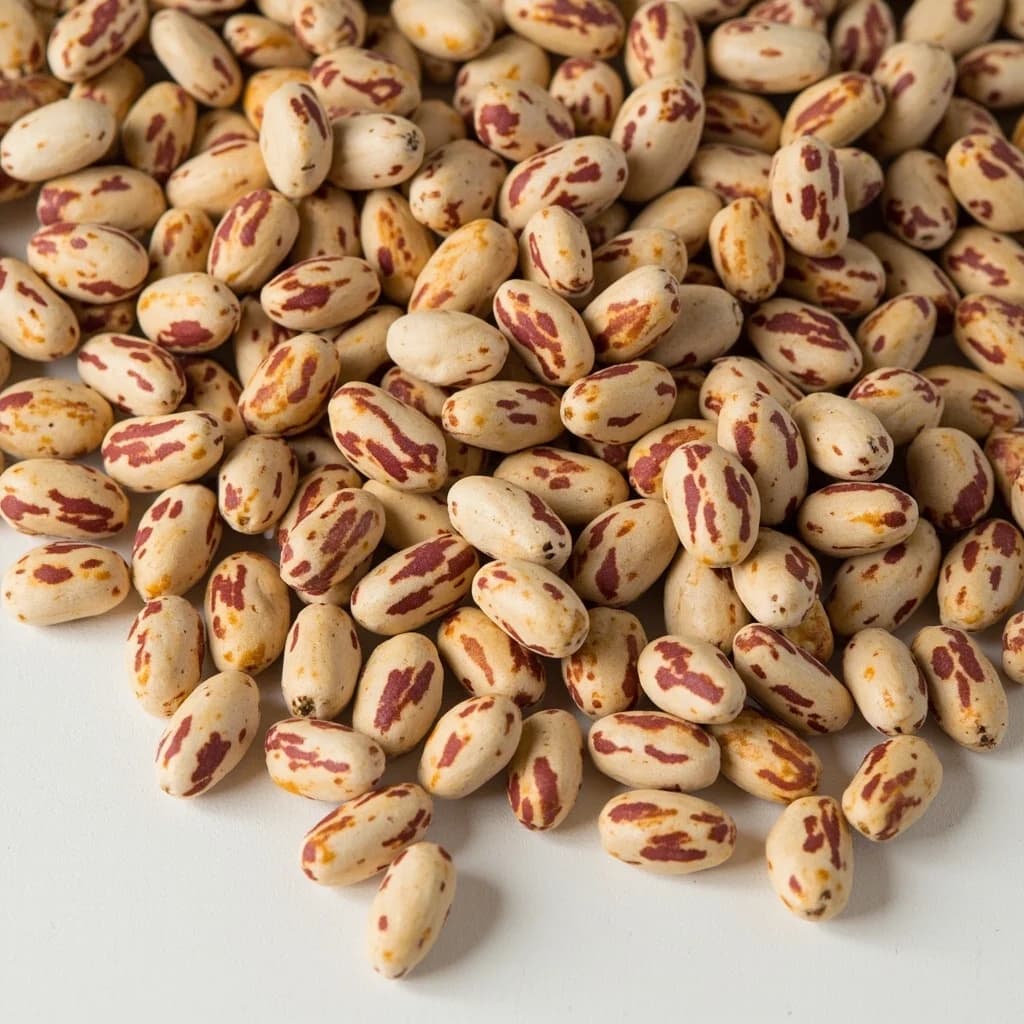
Pinto Beans
Creamy, speckled beans for refried beans and stews

Split Peas
Quick-cooking peas that melt into thick, comforting soups
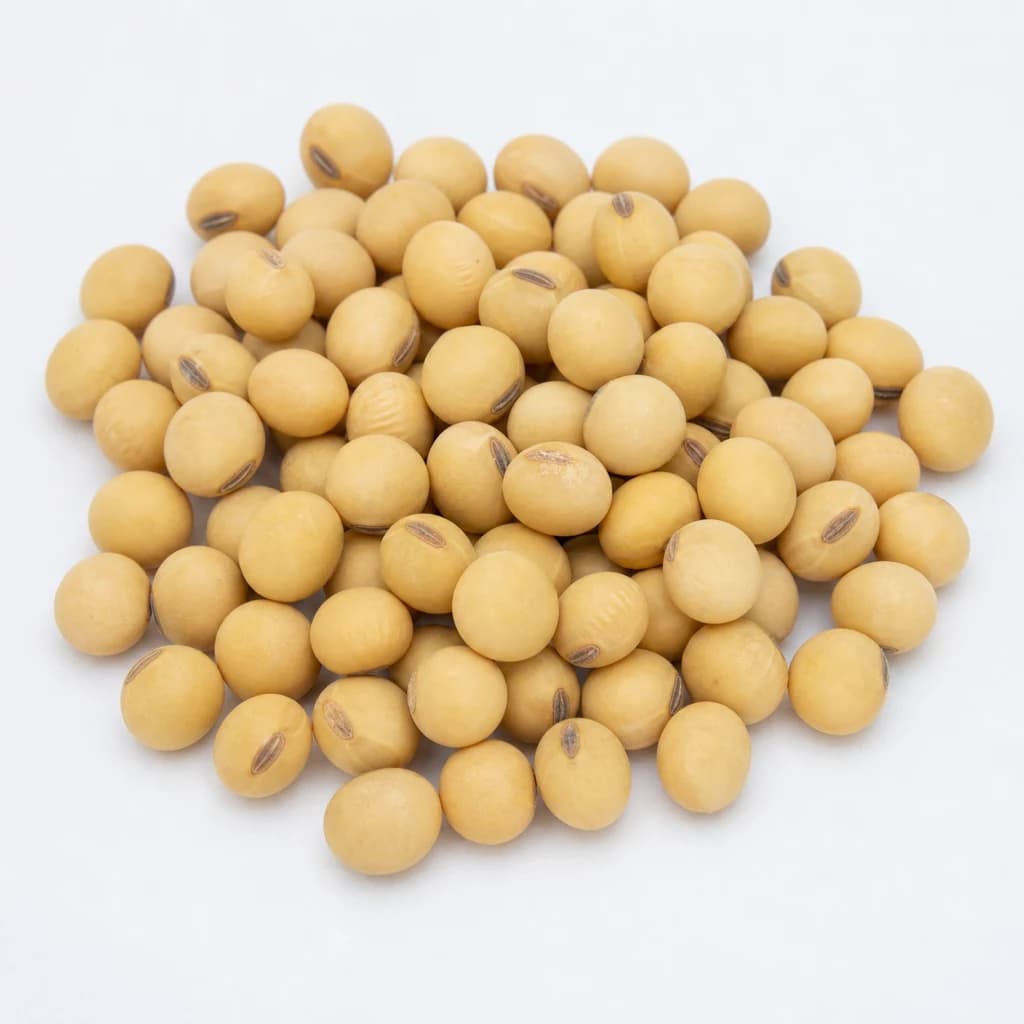
Soybeans
Protein-packed beans, the base for tofu and miso