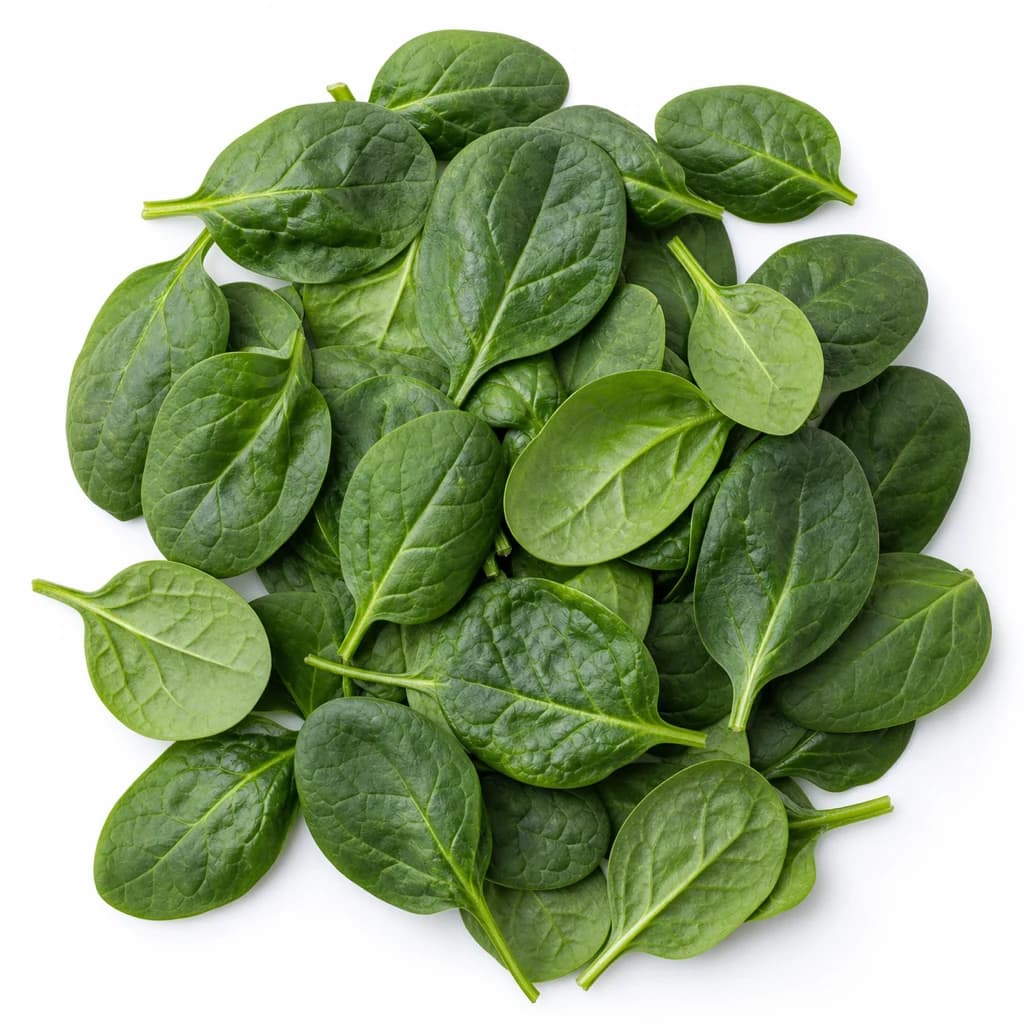
Natural form
Fresh spinach leaves showing the characteristic oval shape, deep green color, and prominent midrib.
Shows the reader exactly what raw spinach looks like — leaf shape, color, and texture — so they can identify it confidently.
Produce
Spinach
Tender greens for wilting, salads, and green smoothies
Mild and quick to wilt, spinach folds into pastas and curries or stays raw in a salad. It cooks down to a fraction of its volume, so grab plenty. Keep it dry and cold.
Spinach is a tender, mild leafy green that cooks down to a fraction of its raw volume in seconds, melting into pastas, curries, and eggs or staying bright and soft in a salad. Its gentle, slightly mineral flavor takes well to garlic, cream, lemon, and warm spices. Quick-cooking and endlessly versatile, it's one of the easiest ways to fold greens into almost any dish — just buy far more than you think you need.
- Measured in
- g
- Storage
- Refrigerate
- Shelf life
- 5 days
Find it in
Types & varieties
Tender, mild, no stems; great raw and quick-cooked
Crinkled, robust leaves; stands up to cooking
Smooth, easy to clean; the common bunched mature spinach
How to choose
Look for crisp, deep-green leaves with no yellowing, dark slimy patches, or sour smell. Bunched mature spinach should have firm stems; bagged baby spinach should be dry and lively, never wet and matted in the bag.
How to store and wash
Keep spinach dry and cold in the crisper — moisture turns it to slime fast. Don't wash until you're ready to use it. Mature bunched spinach can hide grit, so swish it in a big bowl of cold water, let sand sink, lift it out, and dry it well.
- Store dry; wash just before use
- Swish bunched spinach to release grit
- Use within a few days
How to cook it down
Spinach wilts almost instantly, so add it at the very end — a quick sauté in oil and garlic, or stirred into a hot dish off the heat. It releases a lot of water, so cook in batches and, for dishes like spanakopita, squeeze the cooked spinach hard to remove moisture. A note: the oxalic acid that gives raw spinach its faint chalkiness is reduced by cooking.
Common uses
Tips & pitfalls
- Buy at least double — a huge pile of raw spinach cooks down to almost nothing
- Squeeze cooked spinach dry before adding to fillings, dips, or pasta
- Add at the very end so it just wilts and stays green
- A finish of lemon or nutmeg flatters its mineral edge
- Massage a little oil into raw baby spinach to soften it for salads
Nutrition
Energy
96 kJ · per 100 g
Where the calories come from
Protein
2.9g
6% DV
Carbs
3.6g
1% DV
Fat
0.4g
1% DV
Fiber
2.2g
8% DV
Sugars
0.4g
of which
Sodium
79mg
3% DV
Source · USDA FoodData Central · Spinach, raw
View on FDC →In the shops
Matched grocery products
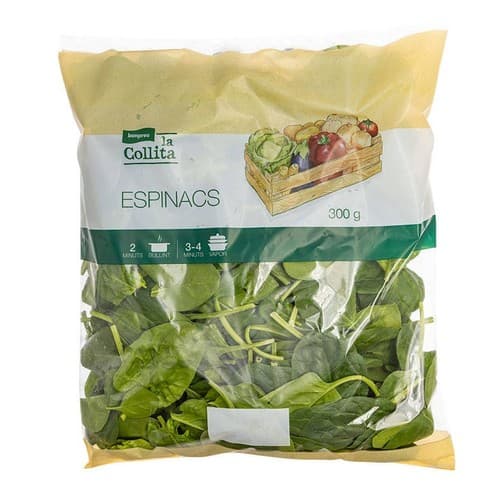 €1.29
€1.29Spinach
LA COLLITA · kg · Bonpreu
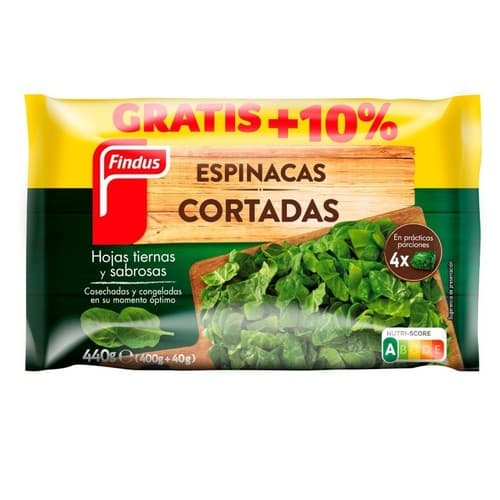 €2.89
€2.89Cut Spinach
FINDUS · kg · Bonpreu
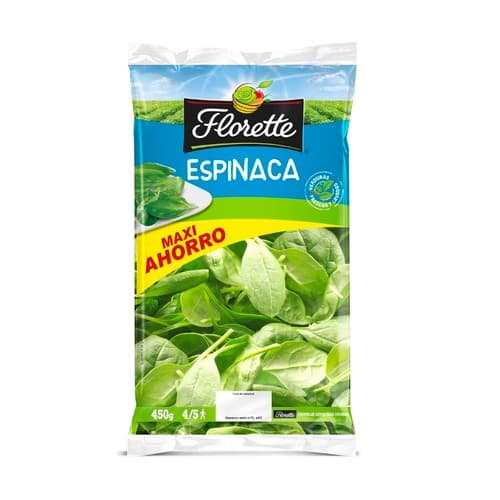 €2.59
€2.59Maxi Spinach
FLORETTE · kg · Bonpreu
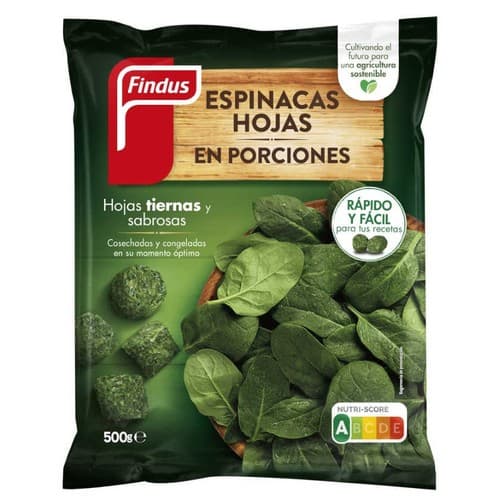 €2.99
€2.99Leaf Spinach
FINDUS · kg · Bonpreu
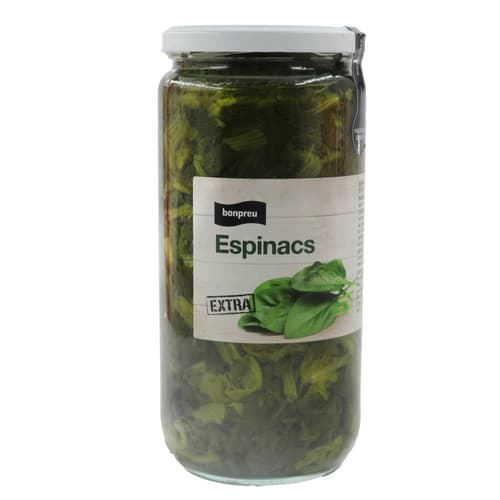 €1.55
€1.55Extra Spinach
BONPREU · kg · Bonpreu
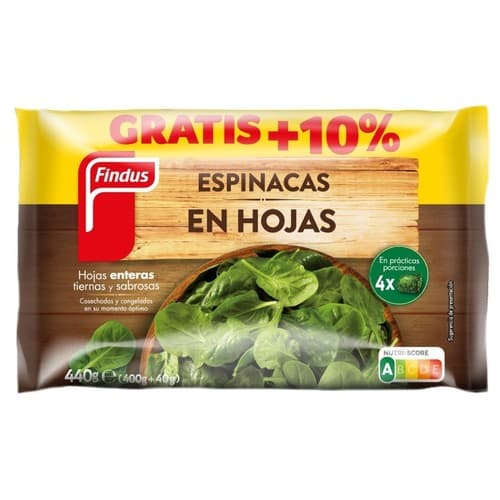 €2.89
€2.89Spinach Leaves
FINDUS · kg · Bonpreu
Good to know
- Peak season
- Spring and fall; available year-round
- Flavor
- Mild, mineral, slightly earthy; tender
- Origin
- Ancient Persia; spread through the Arab world to Europe
- Nutrition
- ~23 kcal/100g; iron, folate, vitamins K, A, C; oxalates
- How to buy
- Vivid green, perky leaves; no yellowing, slime, or sour smell
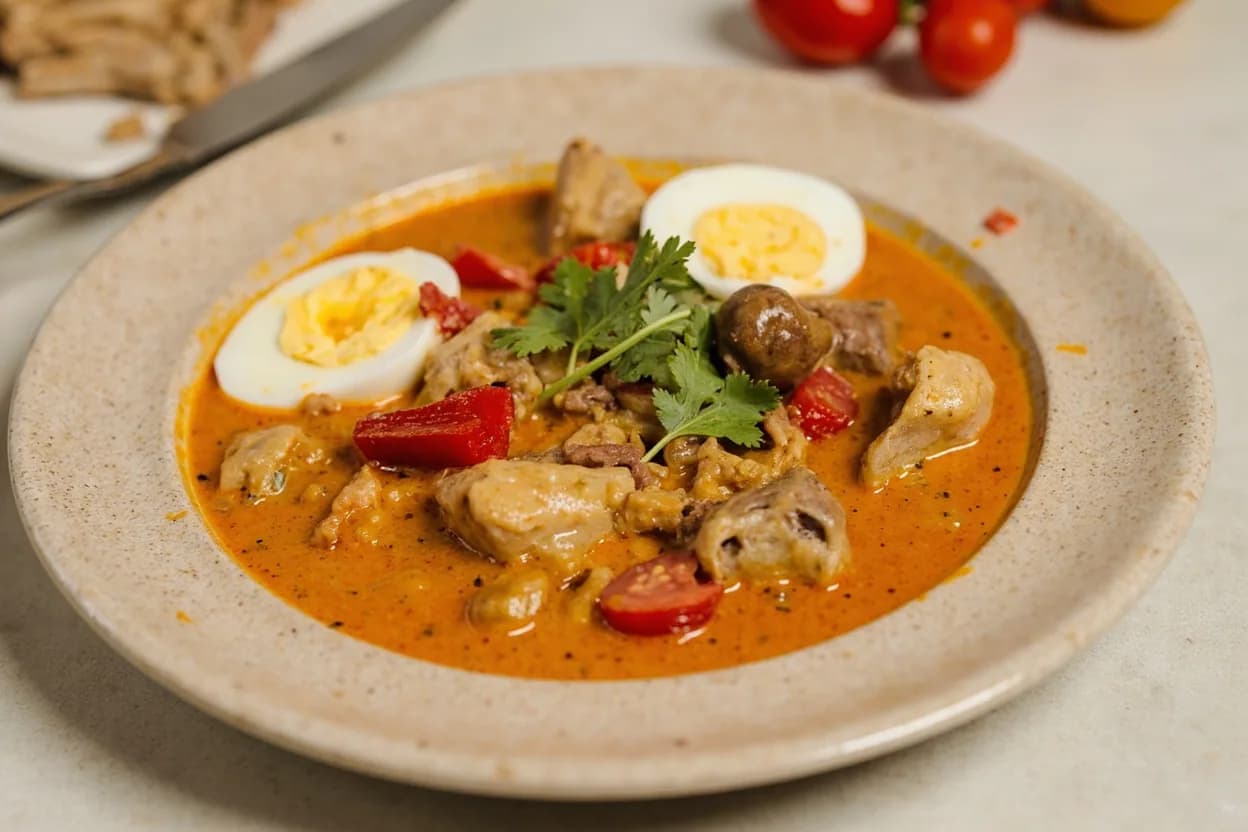
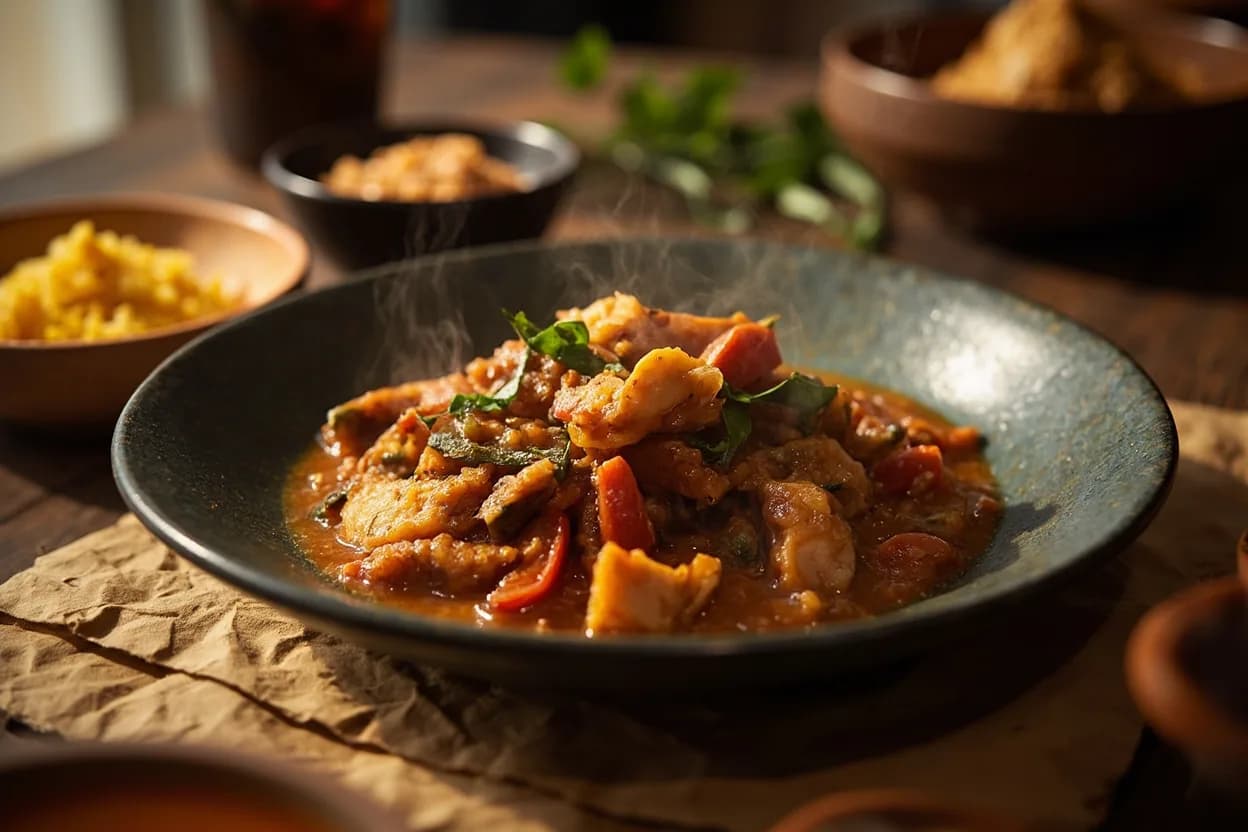
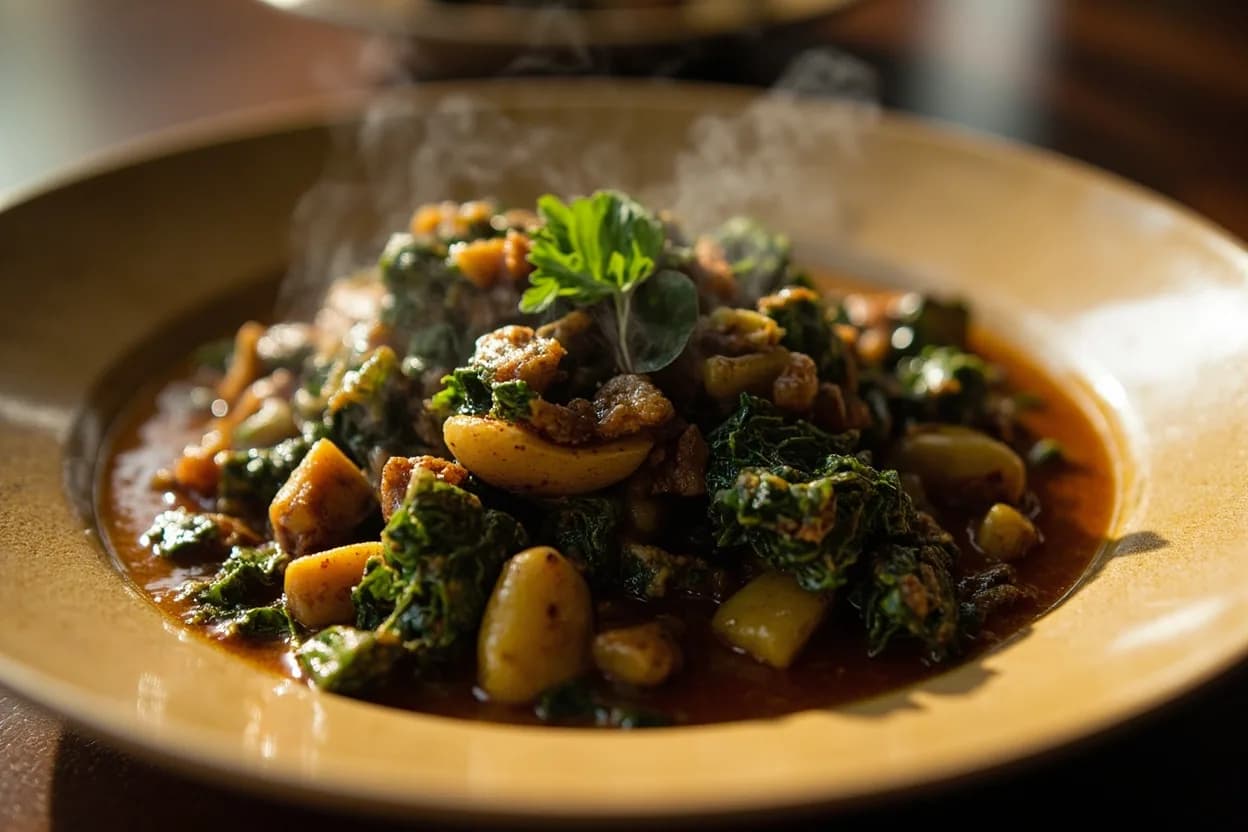
Appears in these dishes

Related
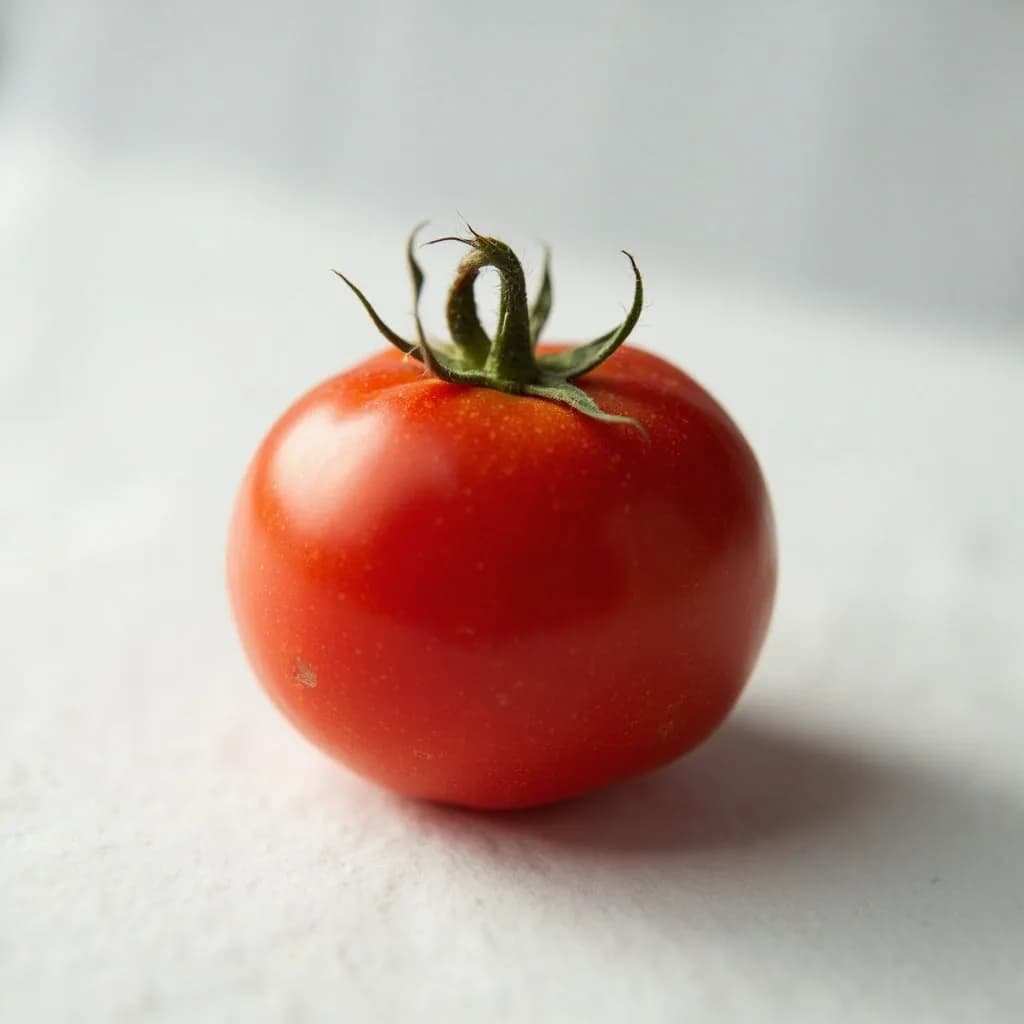
Tomato
Juicy, sun-sweet fruit for sauces, salads, and slow-cooked depth
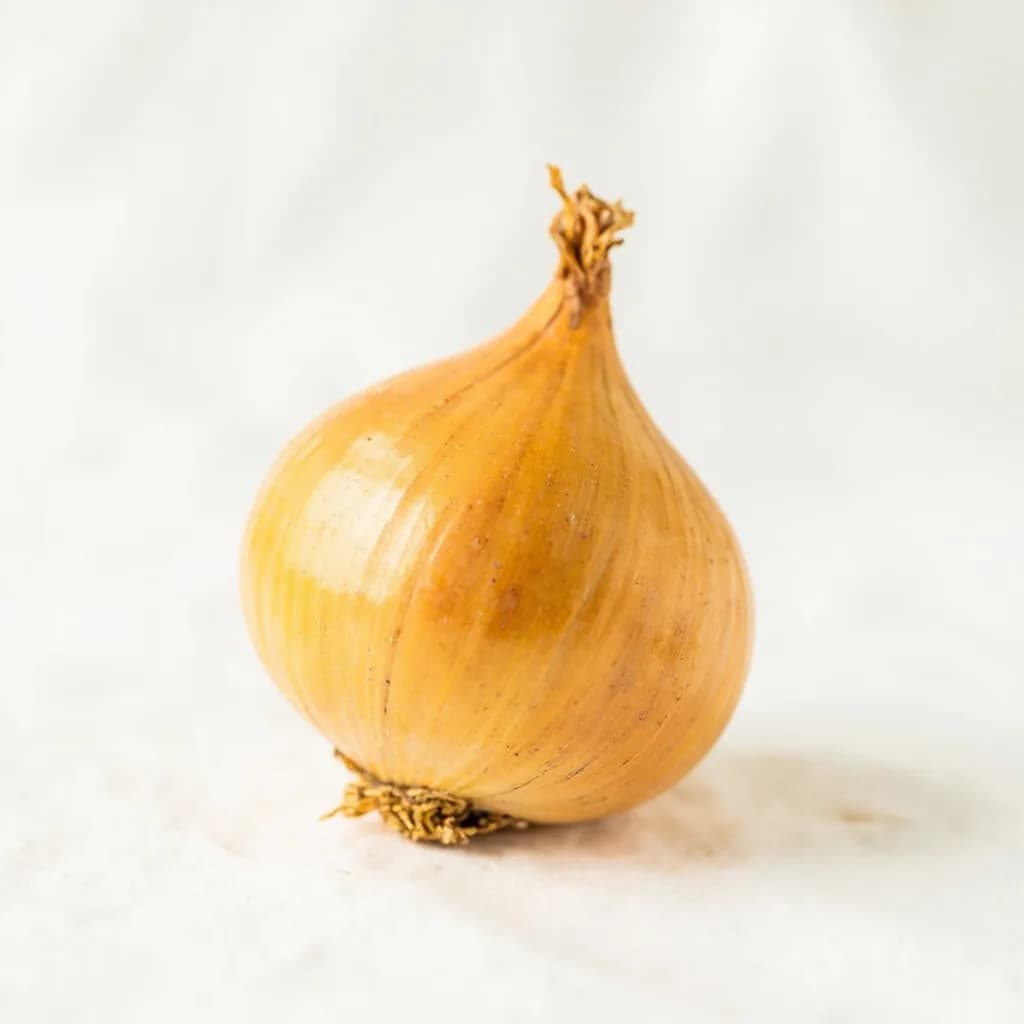
Yellow Onion
The aromatic backbone of soups, sofritos, and braises
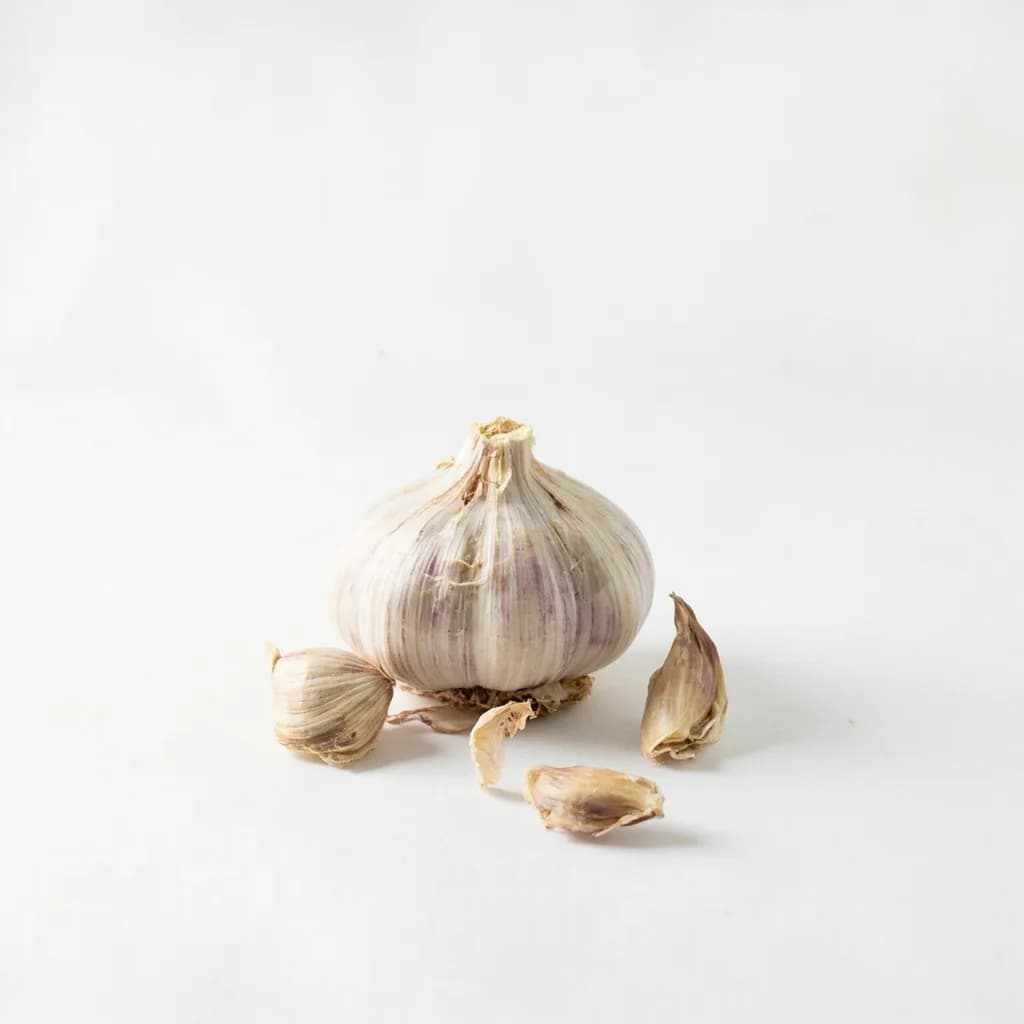
Garlic
Pungent cloves that perfume nearly every savory dish
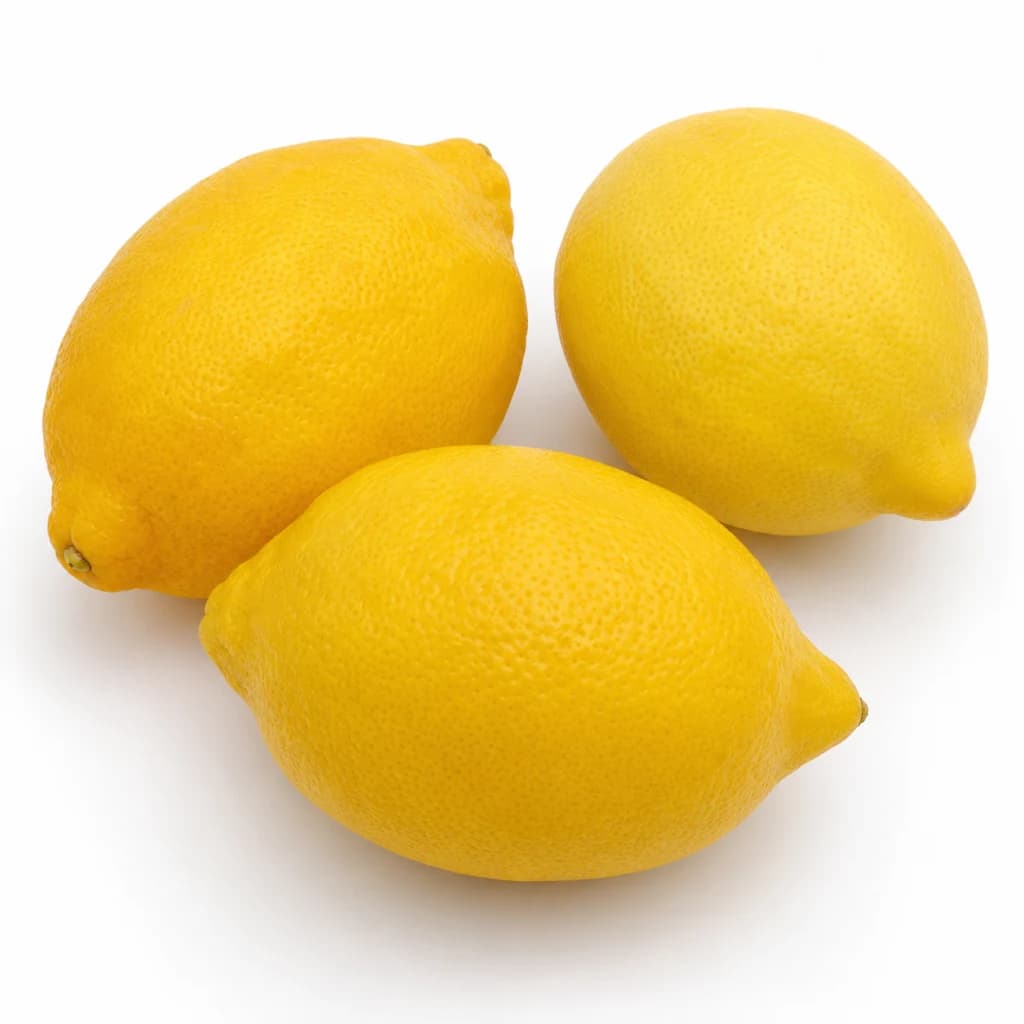
Lemon
Bright, acidic citrus that wakes up almost any dish
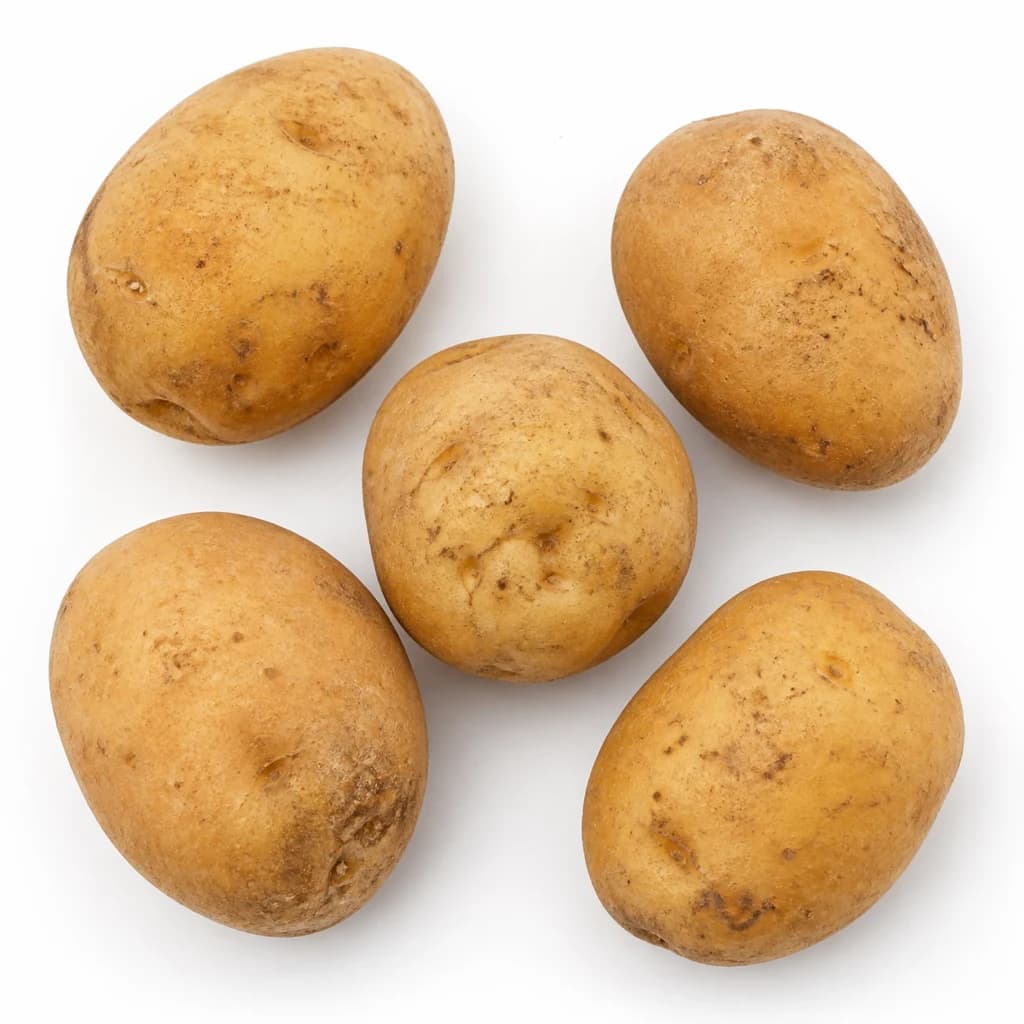
Potato
Humble, hearty staple — roast, mash, fry, or boil
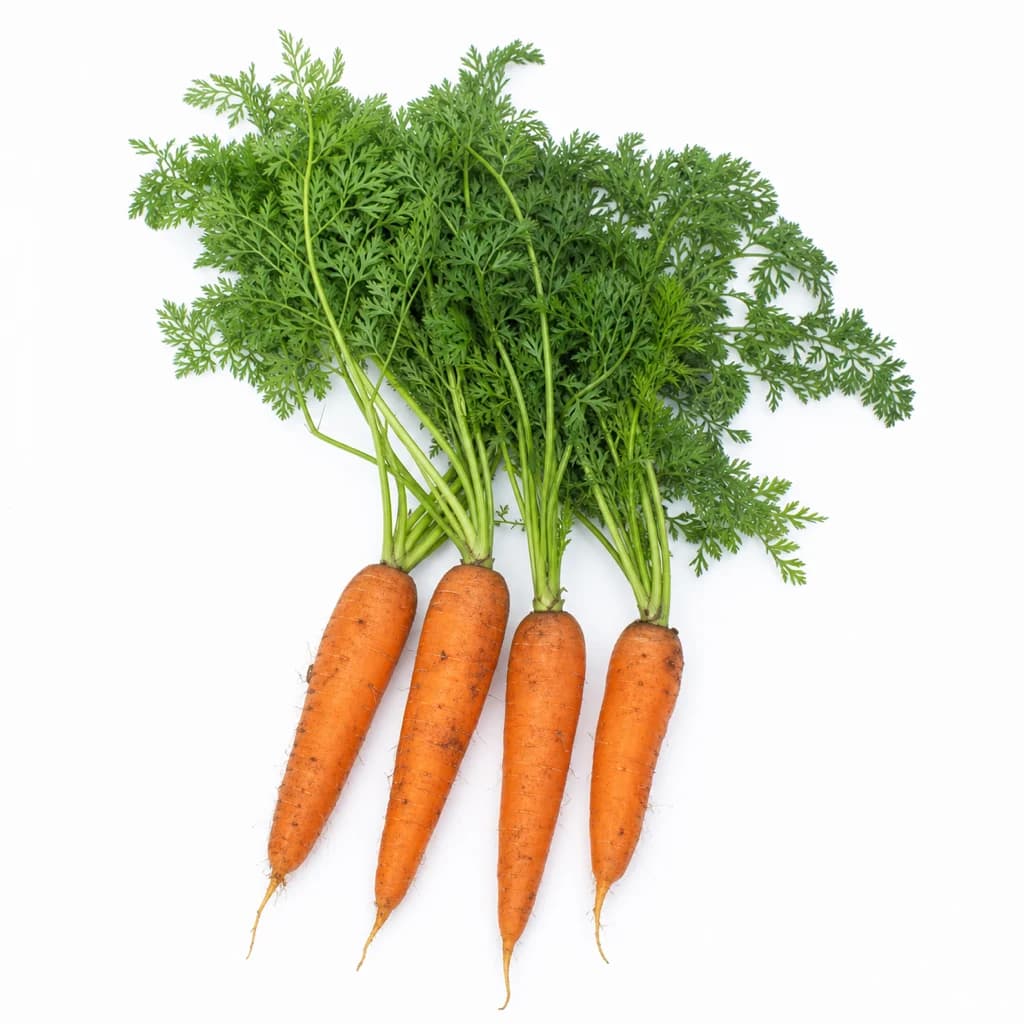
Carrot
Sweet, crunchy root — raw, roasted, or the base of a sofrito
Cucumber
Cool, crisp, and watery — for salads, pickles, and tzatziki

Lettuce
Crisp leaves for salads, wraps, and a fresh crunch