Natural form
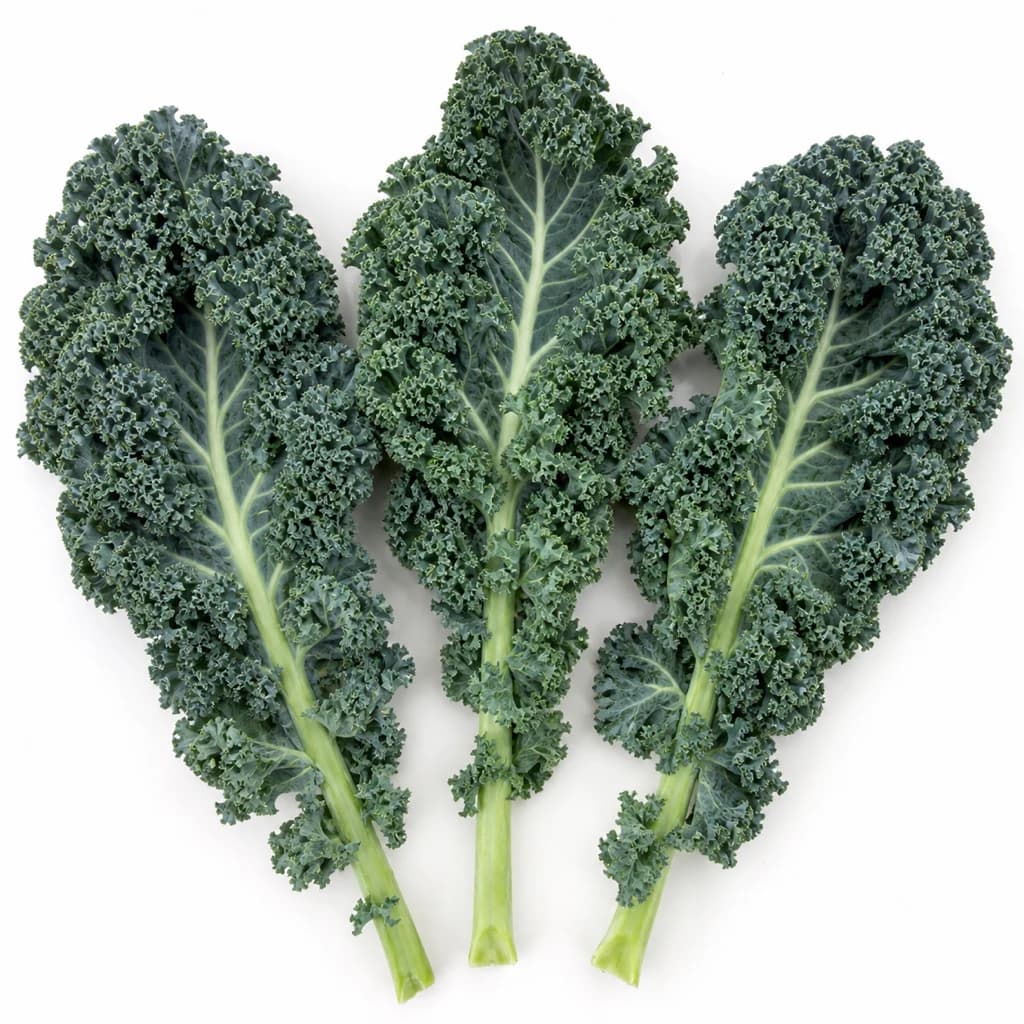
Curly kale stems showing their distinctive ruffled edges and deep blue-green color.
Shows the plant's identifying physical traits — leaf shape, color, and stem structure — so a reader can recognize kale at a glance.
Produce
Kale
Sturdy, nutritious greens for salads, soups, and crisping
Robust and slightly bitter, kale holds up to a long braise, massages into a hearty salad, and bakes into crisp chips. Strip the tough stems first. Keep it cold and dry.
Kale is the sturdy, hard-working green — robust, slightly bitter, and packed with nutrients, holding its texture where tender greens collapse. It braises for ages without turning to mush, massages into a salad that won't wilt by lunchtime, and bakes into crackly chips. The tough central rib is the only catch: strip it out, and kale rewards you with deep flavor and serious staying power.
- Measured in
- g
- Storage
- Refrigerate
- Shelf life
- 7 days
Find it in
Types & varieties
Frilly, peppery, sturdy; the common supermarket kale
Dark, bumpy, flatter leaves; sweeter, great for salads
Tender, flat, purple-stemmed; milder
Young and tender; eat raw, no need to massage
How to choose
Want firm, vibrant leaves with no yellowing, browning, or wilting, and crisp, moist-cut stems. Smaller leaves are more tender and less bitter. A blast of frost actually sweetens kale, so winter bunches are often the best.
How to store and prep
Kale (col rizada) is a fairly recent, patchily-stocked arrival in Spanish stores — the traditional local sturdy greens are grelos and berza (col gallega). Store unwashed in the crisper, loosely bagged, for up to a week. The thick central rib is tough and fibrous — fold each leaf and slice or tear the leafy part away from the stem (or strip it by hand). Save the stems for stock or slice thin and cook a little longer.
- Refrigerate dry for up to a week
- Always remove the tough central rib
- Slice thin for salads, tear for cooking
Massage it raw
Raw kale is tough and bitter, but a few minutes of massaging with a little oil, salt, and acid breaks down the cell walls — the leaves darken, soften, shrink, and turn sweeter and silkier. It's the single trick that makes raw kale salads genuinely good, and unlike tender greens, massaged kale holds up dressed for hours, even overnight.
Common uses
Tips & pitfalls
- Massage with oil, salt, and lemon for tender, non-bitter raw salads
- For chips, dry the leaves completely, oil lightly, and bake low so they crisp not burn
- Add hearty kale early to soups and braises — it can take the heat
- A splash of acid at the end balances the bitterness
- Don't bin the stems — finely sliced, they cook up fine
Nutrition
Energy
146 kJ · per 100 g
Where the calories come from
Protein
2.9g
6% DV
Carbs
4.4g
2% DV
Fat
1.5g
2% DV
Fiber
4.1g
15% DV
Sugars
1g
of which
Sodium
53mg
2% DV
Source · USDA FoodData Central · Kale, raw
View on FDC →In the shops
Matched grocery products
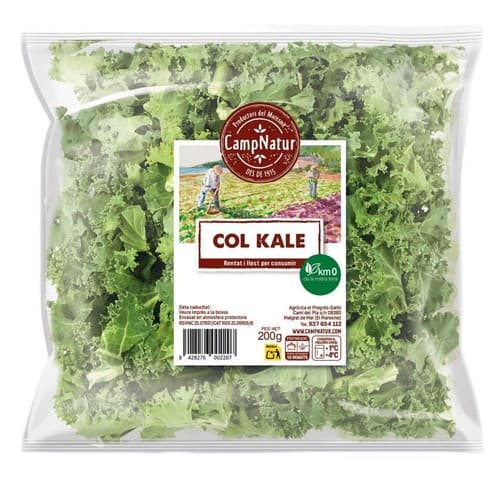 €1.65
€1.65Kale Km0 CampNatur
CAMPNATUR · kg · Bonpreu
Good to know
- Peak season
- Fall through winter; sweeter after frost
- Flavor
- Earthy, mineral, slightly bitter; mellows with cooking and massage
- Origin
- Eastern Mediterranean/Asia Minor; an ancient brassica
- Nutrition
- ~49 kcal/100g; very high vitamins K, A, C; calcium, antioxidants
- How to buy
- Firm, deeply colored leaves; moist stems; no yellowing or wilting
Substitutes
- Collard greens — Equally sturdy; braise the same way
- Swiss chard — Softer but holds up to cooking
- Cavolo nero (lacinato) — Direct, sweeter swap for curly kale
Also called
col rizada · kale
Appears in these dishes
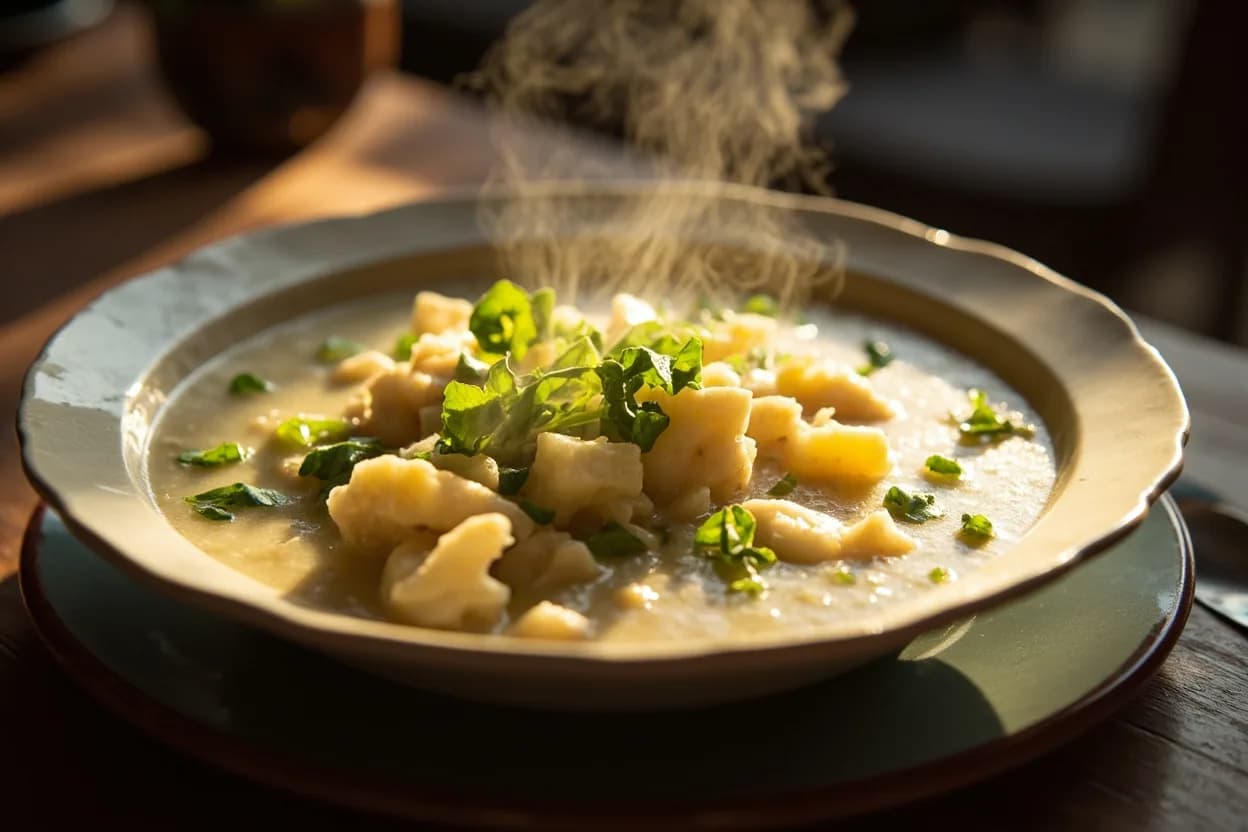
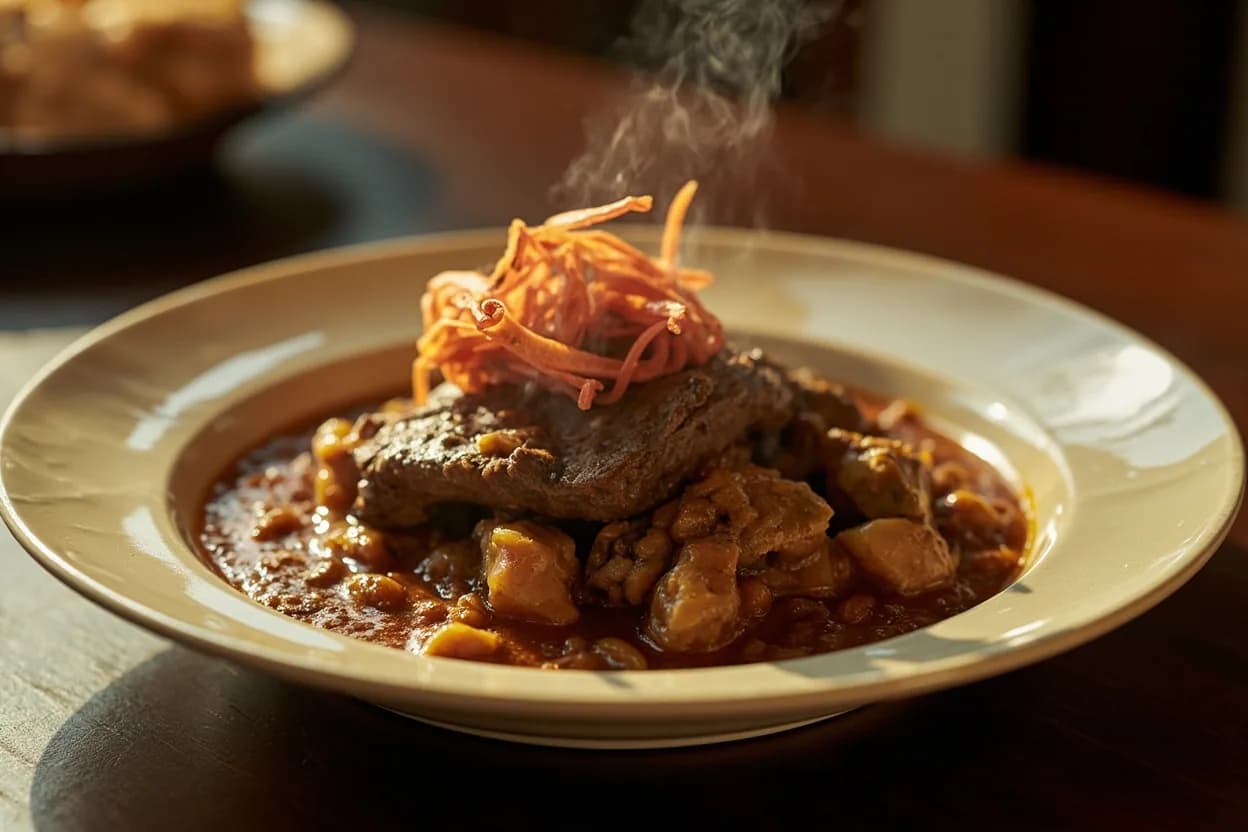

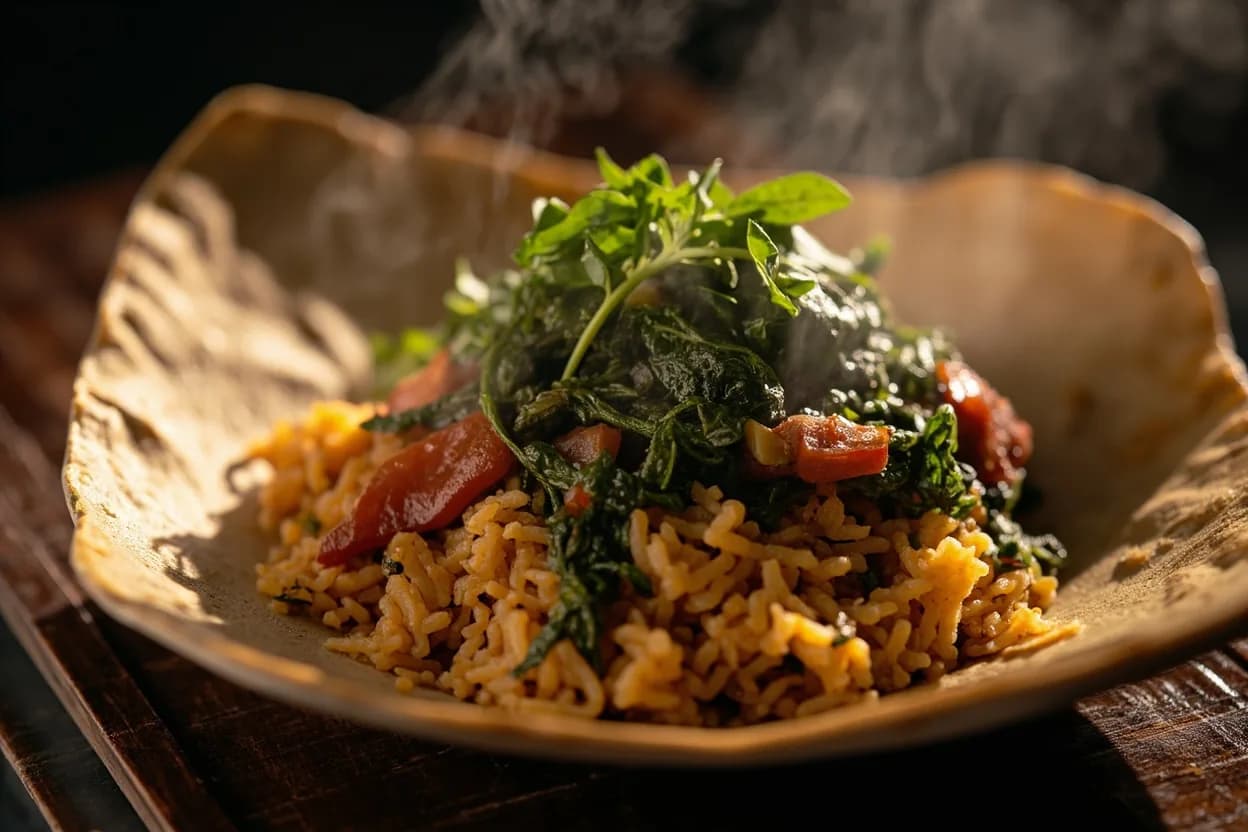
Related
Tomato
Juicy, sun-sweet fruit for sauces, salads, and slow-cooked depth
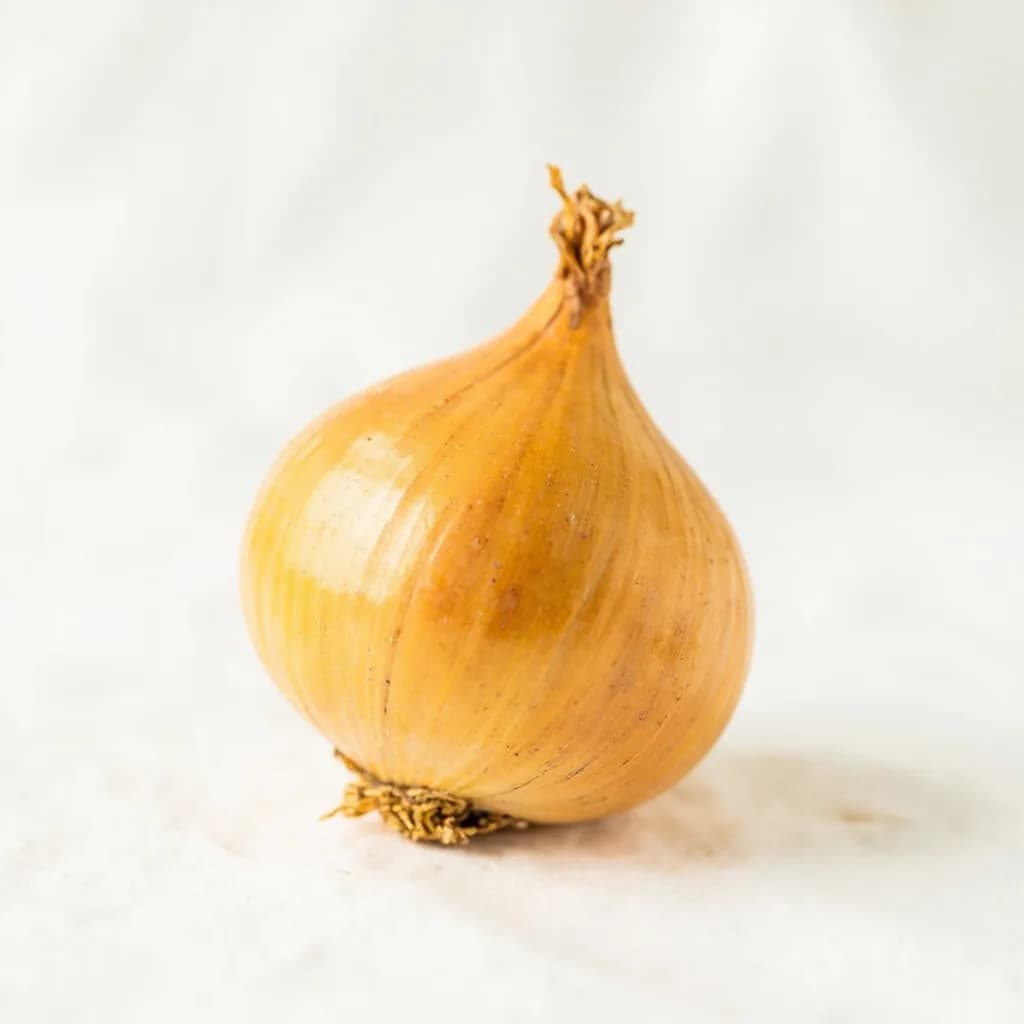
Yellow Onion
The aromatic backbone of soups, sofritos, and braises
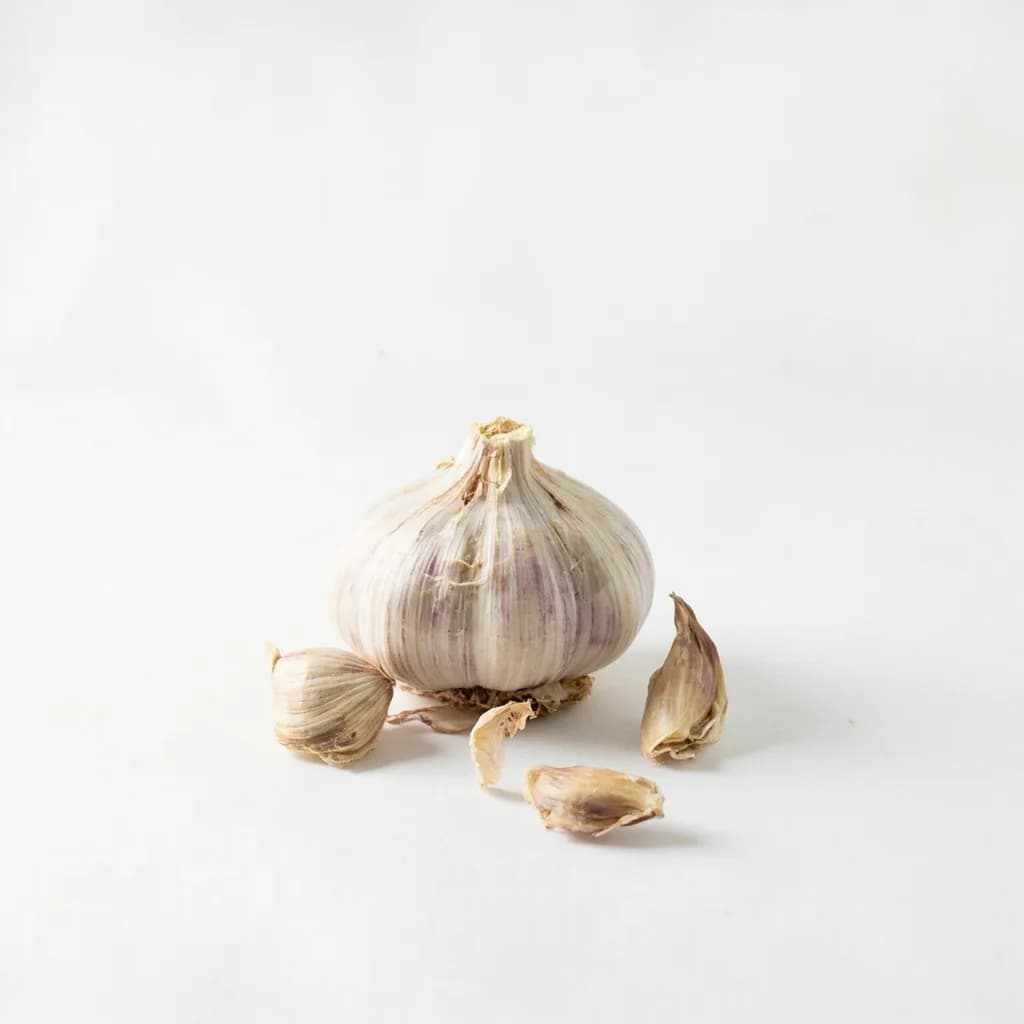
Garlic
Pungent cloves that perfume nearly every savory dish
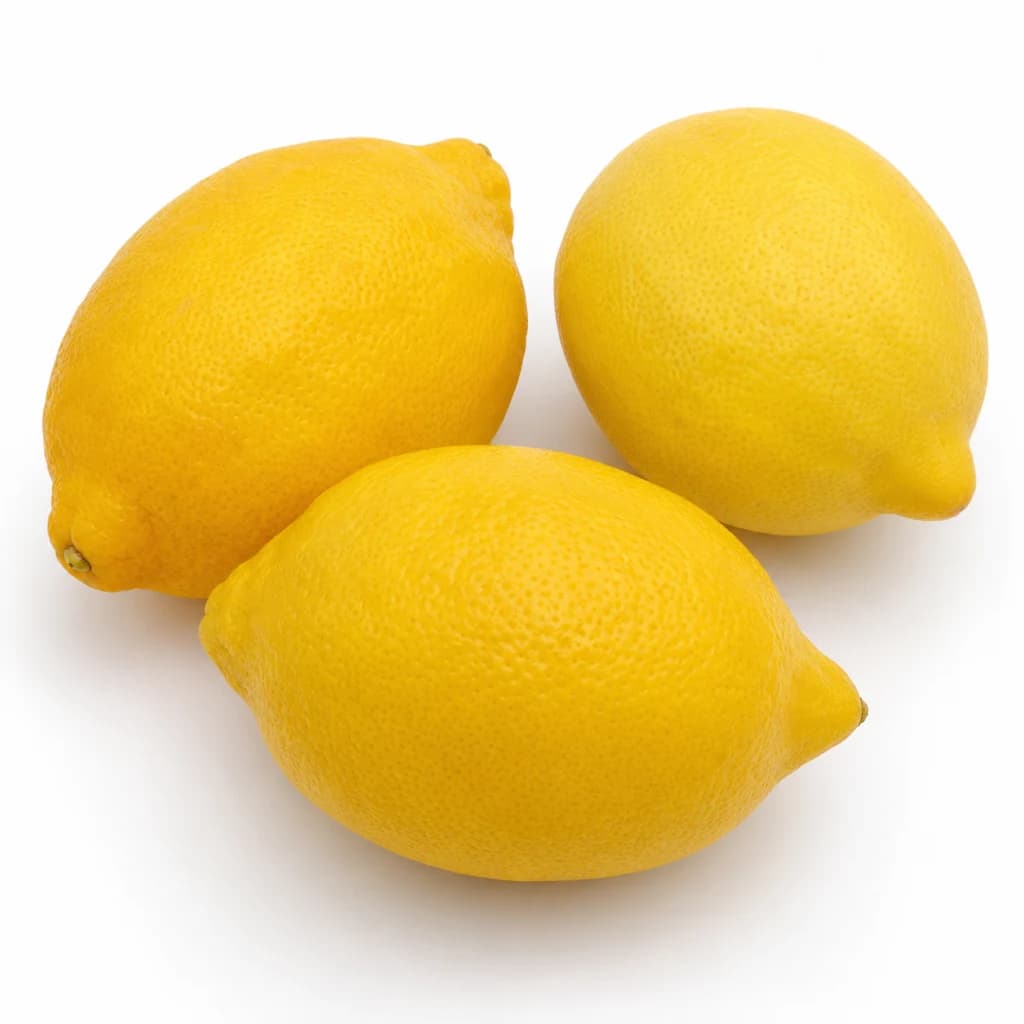
Lemon
Bright, acidic citrus that wakes up almost any dish
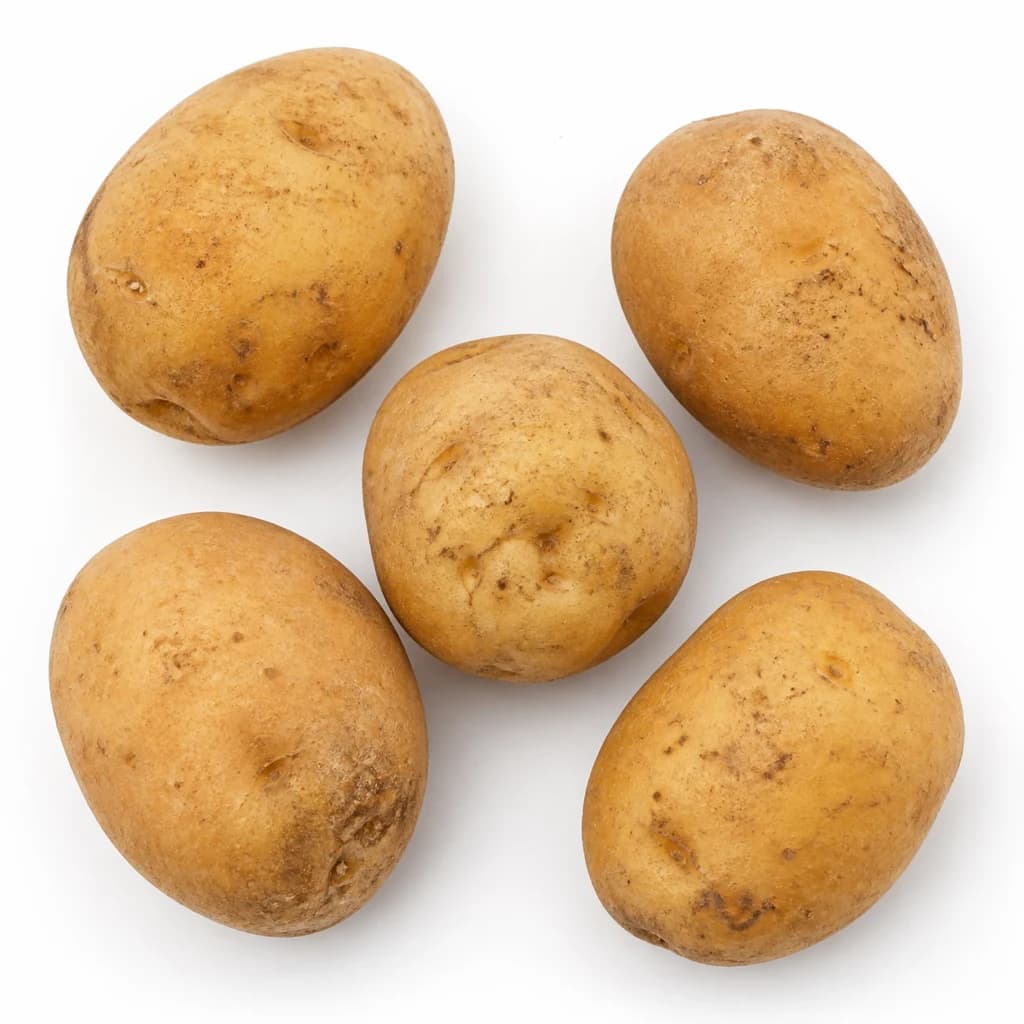
Potato
Humble, hearty staple — roast, mash, fry, or boil
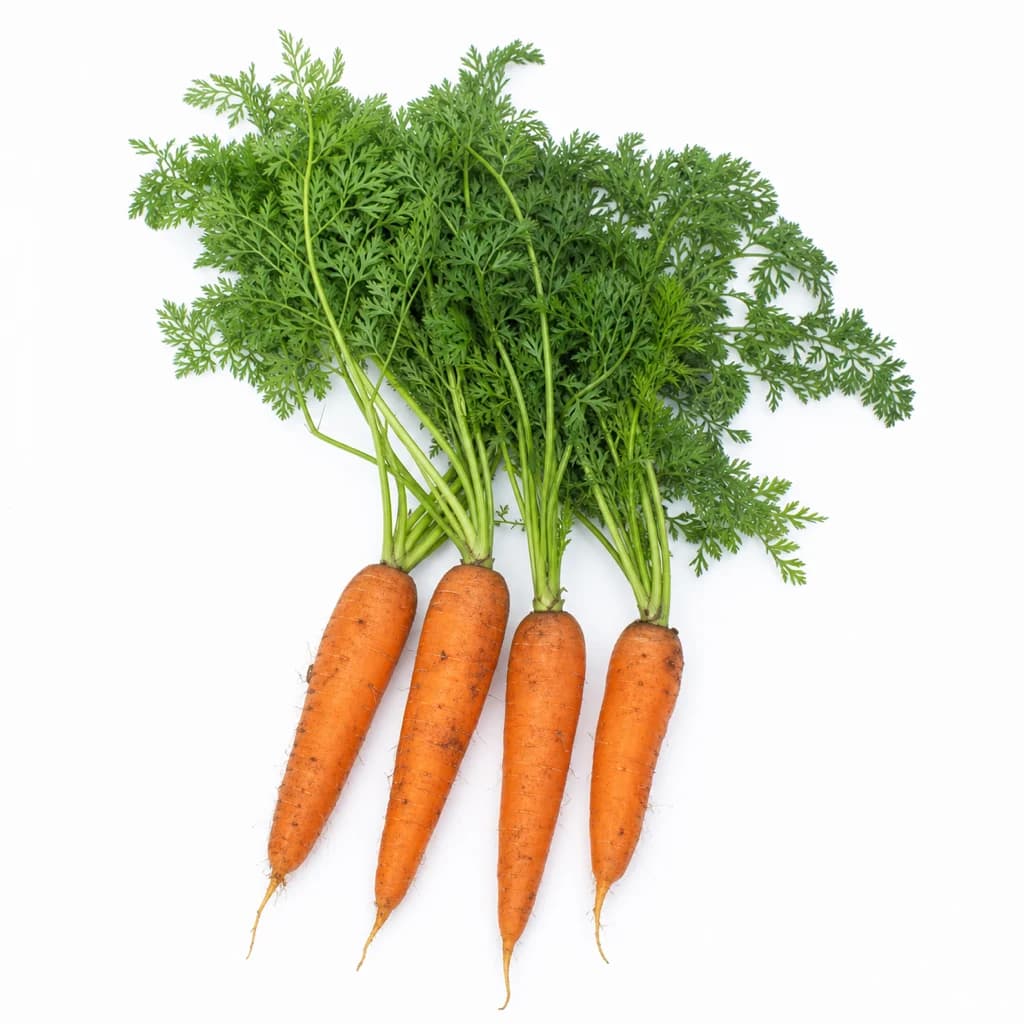
Carrot
Sweet, crunchy root — raw, roasted, or the base of a sofrito
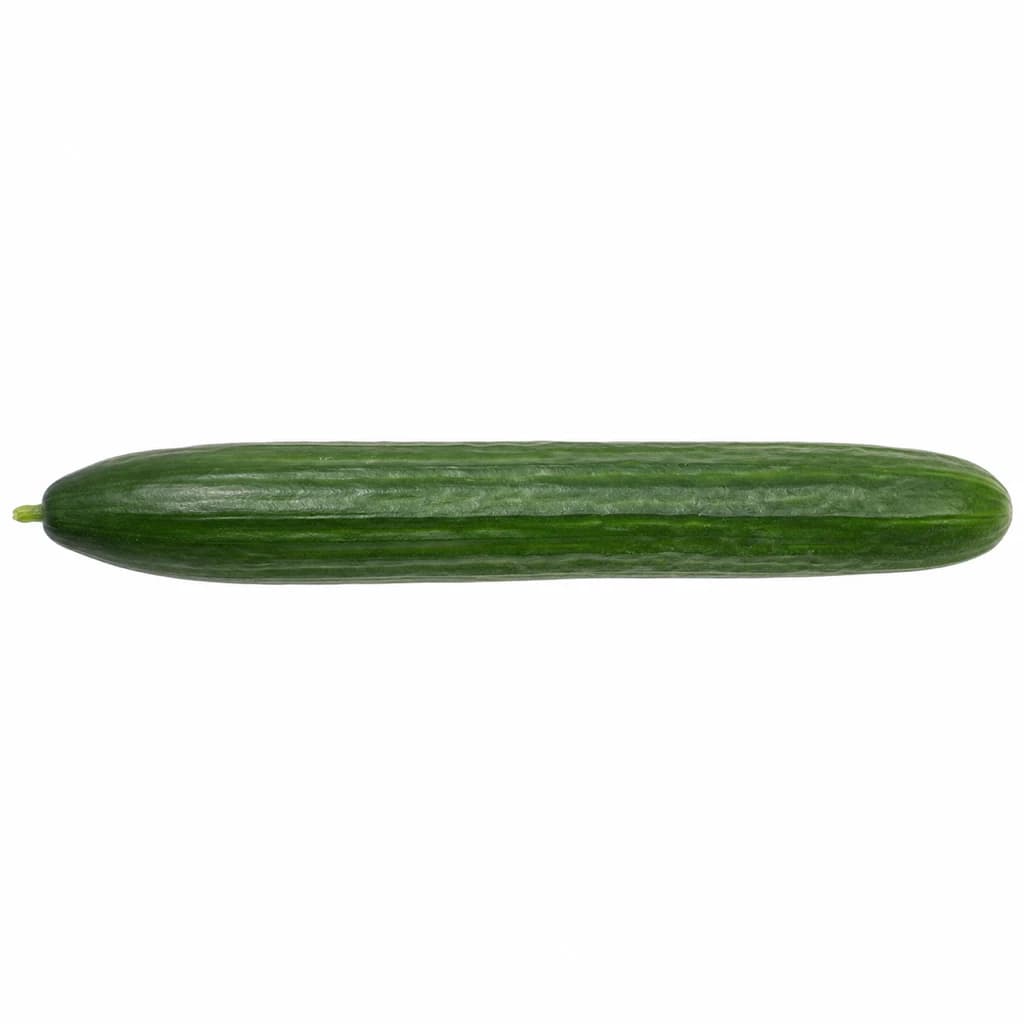
Cucumber
Cool, crisp, and watery — for salads, pickles, and tzatziki

Lettuce
Crisp leaves for salads, wraps, and a fresh crunch