
Natural form
Whole cavolo nero leaves showing their characteristically long, narrow, deeply puckered dark blue-green form.
Teaches the reader to identify this distinctive kale by its unmistakable leaf shape, color, and blistered texture before any preparation.
Produce
Cavolo Nero
Dark, blistered Tuscan kale with deep flavor, used in ribollita, soups and braises.
Cavolo nero is a Tuscan kale with long, narrow, deeply puckered dark blue-green leaves and a robust, savory flavor. It is essential to Italian dishes like ribollita and minestrone, and holds its texture well in long braises and slow soups. The sturdy leaves are usually stripped from their tough central ribs before cooking.
Cavolo nero—literally "black cabbage" in Italian—is a variety of Tuscan kale (Brassica oleracea var. acephala) distinguished by its narrow, savoyed leaves of deep blue-green that appear almost blistered or puckered. The name refers to its dark coloration, not botanical relation to heading cabbage. What sets cavolo nero apart is its exceptional ability to withstand winter cold: frost does not damage the plant but instead transforms it, converting starches to sugars and producing leaves that are noticeably sweeter and more complex in flavor than other kales. This cold-weather sweetness is why December through February harvests from Tuscany are considered peak quality. The leaves are thick and leathery with prominent center ribs that must be removed before cooking; the ribs themselves are far too fibrous for direct consumption, but the leaf blade cooks down to a silky, earthy richness that forms the backbone of countless Tuscan soups, braises, and pasta dishes. In the kitchen, cavolo nero behaves like a sturdy cooking green—it holds its shape when properly handled but becomes tender and rich when given enough time and heat.
- Measured in
- g
- Storage
- Fridge
Types & varieties
The standard cultivar; elongated, savoyed leaves with a distinctive bullate surface
A regional variant with slightly broader leaves; similar flavor and texture
A northern Italian variant with more pronounced savoying
Buying and Storage
Cavolo nero bruises easily, which accelerates deterioration. Choose whole heads with firm, unblemished leaves; avoid pre-cut bags, which have already begun to oxidize and will turn bitter within days. Store unwashed in a plastic bag in the refrigerator crisper drawer for up to five days. The leaves will wilt but remain usable. If purchasing from a farmers market, ask for the whole stalk and strip the leaves yourself at home.
- Buy whole heads, not pre-cut
- Refrigerate unwashed in a plastic bag up to 5 days
- Bruised leaves turn bitter quickly—use promptly
Common uses
Tips & pitfalls
- Strip and discard the tough center ribs entirely; cook only the leaf blades
- Tear or roughly chop the leaves—precision is unnecessary and the irregular edges cook more evenly
- Salt the leaves early when cooking them dry (as in a braise) to draw out moisture and speed softening
- Cook until just tender but still holding shape; overcooked cavolo nero turns dull and mushy
- Reserve bean or pasta cooking liquid to use as the base for soups—the starchy, seasoned water adds body and depth
- Finish soups and braises with a small splash of red wine vinegar or a squeeze of lemon to brighten the earthy flavor
- When making pesto di cavolo nero, blanch the leaves briefly before blending for a smoother, greener sauce
Nutrition
Energy
146 kJ · per 100 g
Where the calories come from
Protein
2.9g
6% DV
Carbs
4.4g
2% DV
Fat
1.5g
2% DV
Fiber
4.1g
15% DV
Sugars
1g
of which
Sodium
53mg
2% DV
Source · USDA FoodData Central · Kale, raw
View on FDC →In the shops
Matched grocery products
No matched grocery products for Cavolo Nero yet.
Good to know
- Botanical Name
- Brassica oleracea var. acephala
- Origin
- Tuscany, Italy
- Season
- Late fall through winter; peak December–February
- Flavor
- Deep, earthy, slightly sweet; less bitter than curly kale
- Texture
- Pebbled, savoyed dark blue-green leaves; tough center ribs require removal
- Name
- Cavolo nero means "black cabbage" in Italian
- Frost Effect
- Cold converts starches to sugars; winter-harvested leaves taste sweeter
Substitutes
- Curly kale — More bitter and less earthy; cook 5–10 minutes longer; compensate with extra garlic and olive oil
- Collard greens — Similar heartiness and fiber structure; remove stems thoroughly; cook 5–10 minutes longer than cavolo nero
- Swiss chard — Tender stems and delicate leaves; reduce cooking time by half; the flavor is less earthy and more vegetal
Pairs with
Also called
Tuscan Kale · Lacinato Kale · Black Kale · Dinosaur Kale
Appears in these dishes
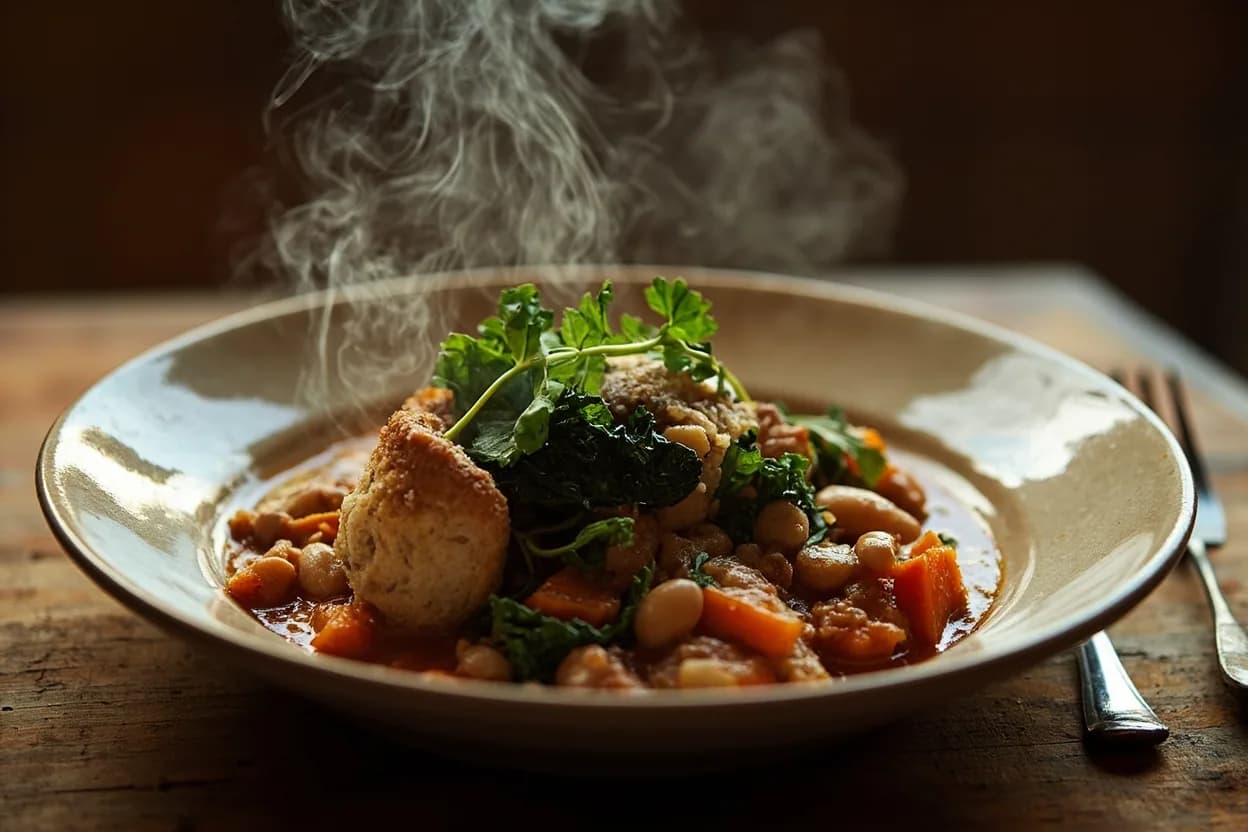
Related
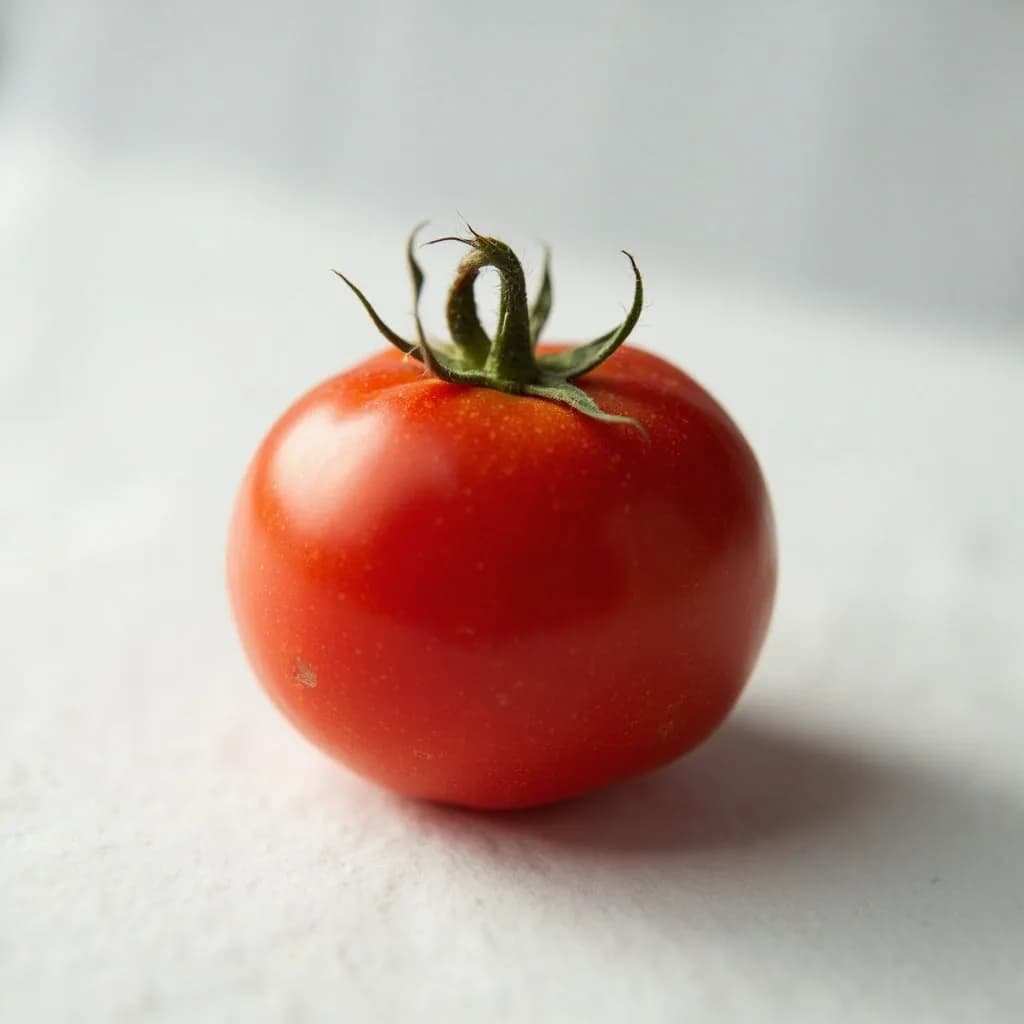
Tomato
Juicy, sun-sweet fruit for sauces, salads, and slow-cooked depth
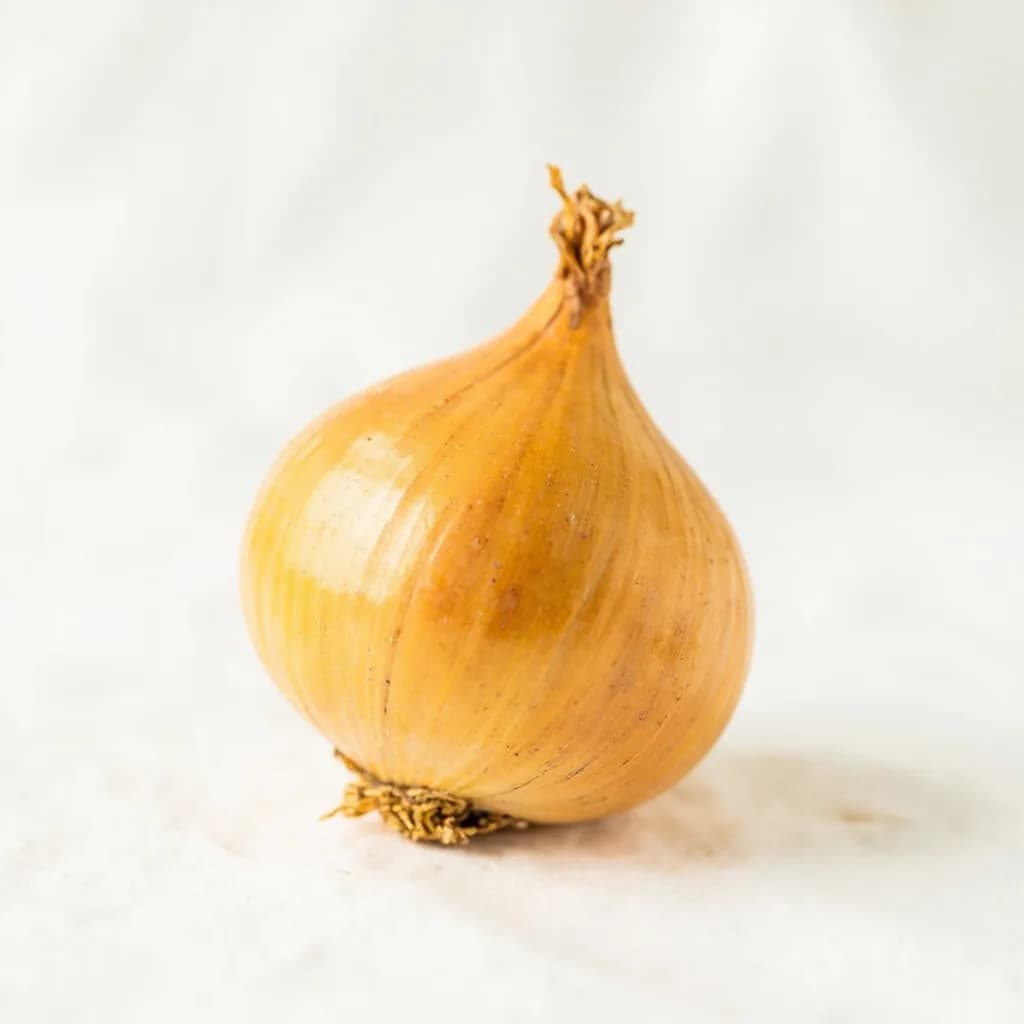
Yellow Onion
The aromatic backbone of soups, sofritos, and braises
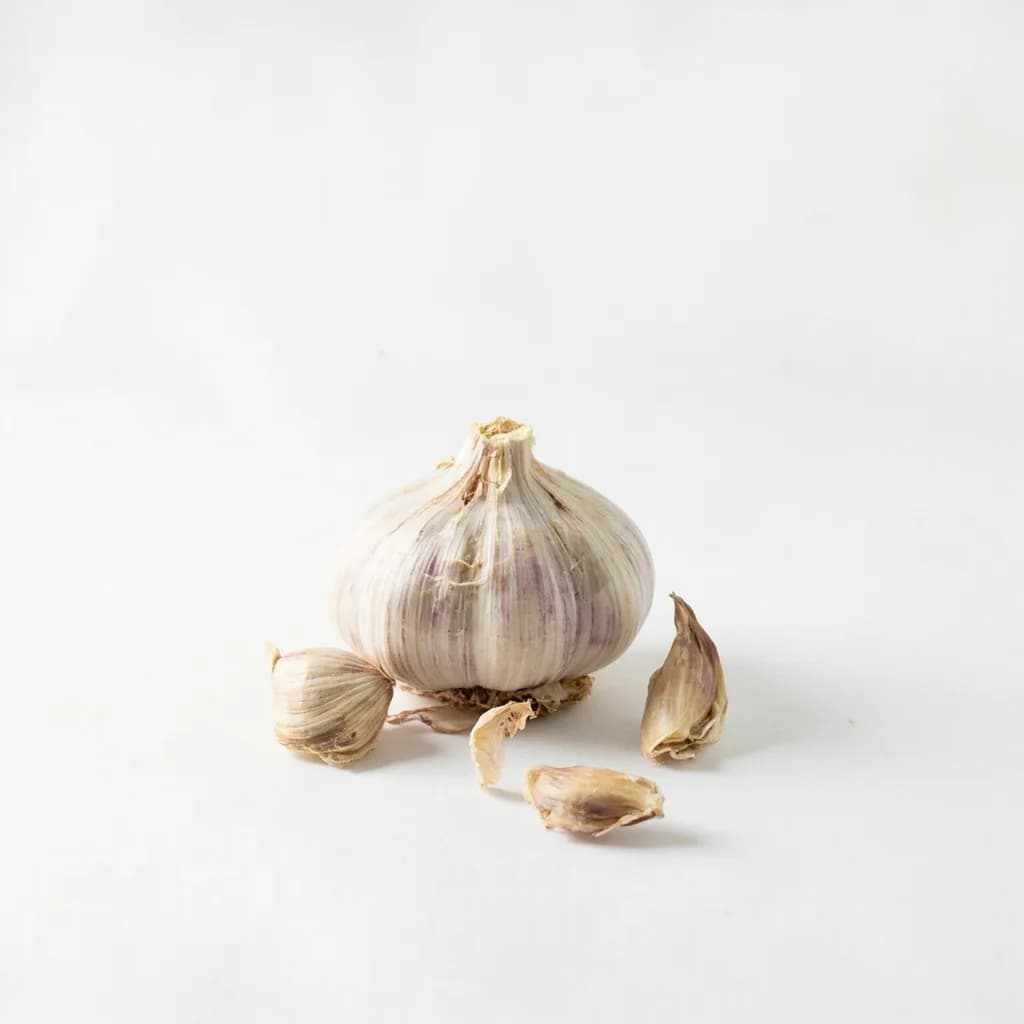
Garlic
Pungent cloves that perfume nearly every savory dish
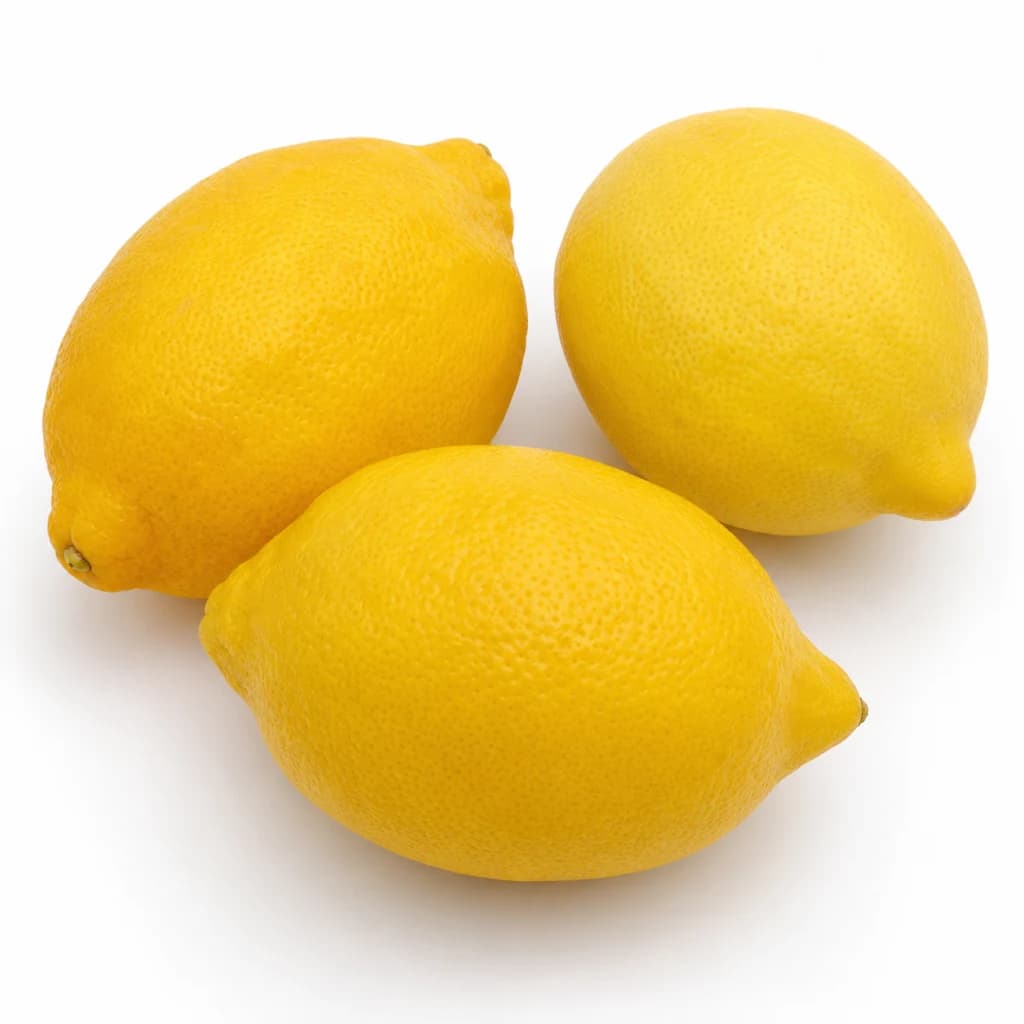
Lemon
Bright, acidic citrus that wakes up almost any dish
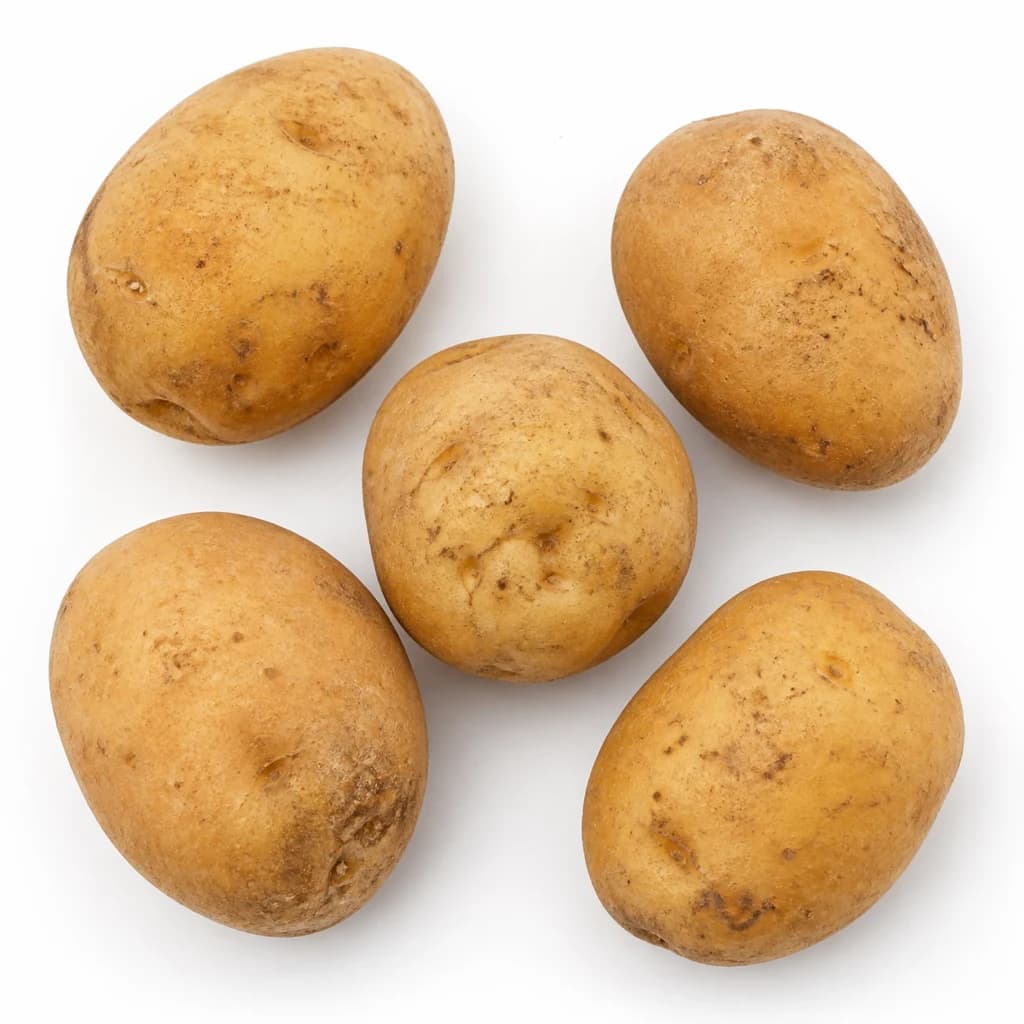
Potato
Humble, hearty staple — roast, mash, fry, or boil
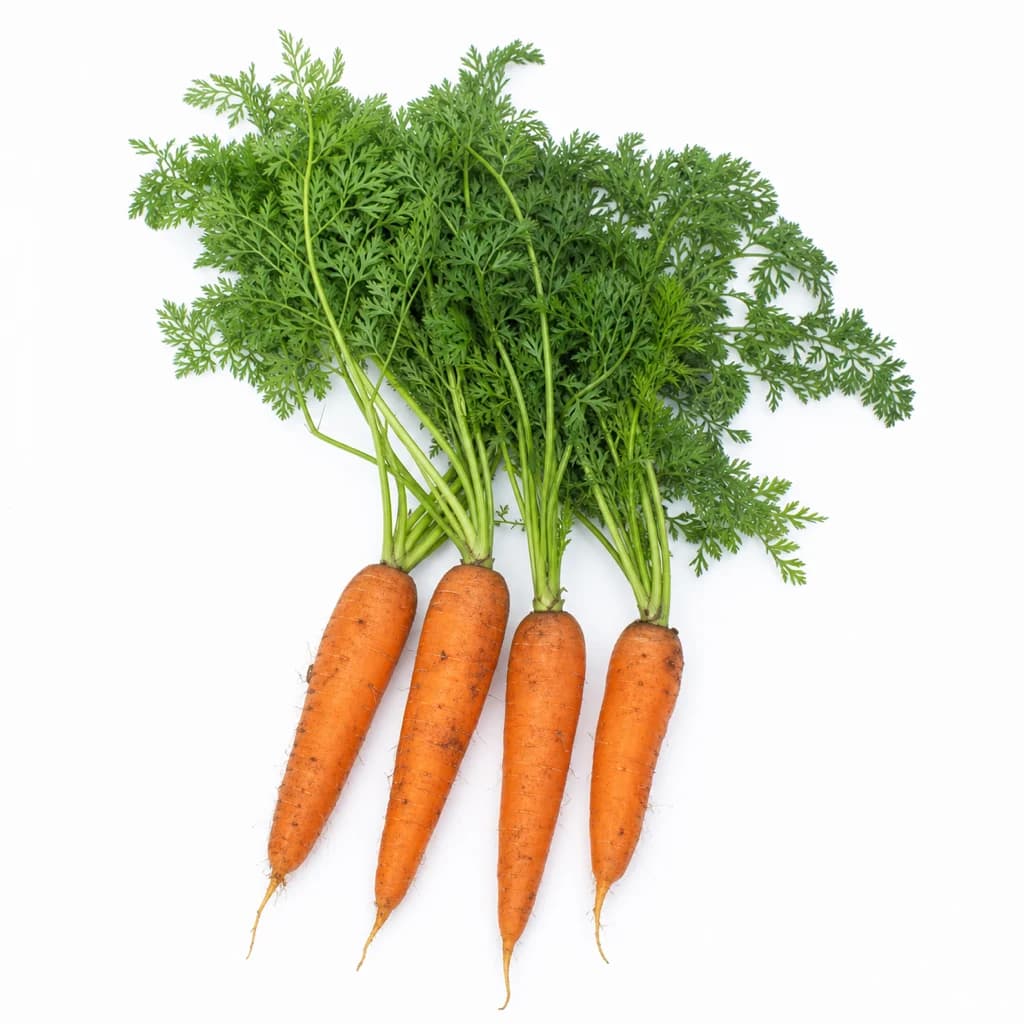
Carrot
Sweet, crunchy root — raw, roasted, or the base of a sofrito
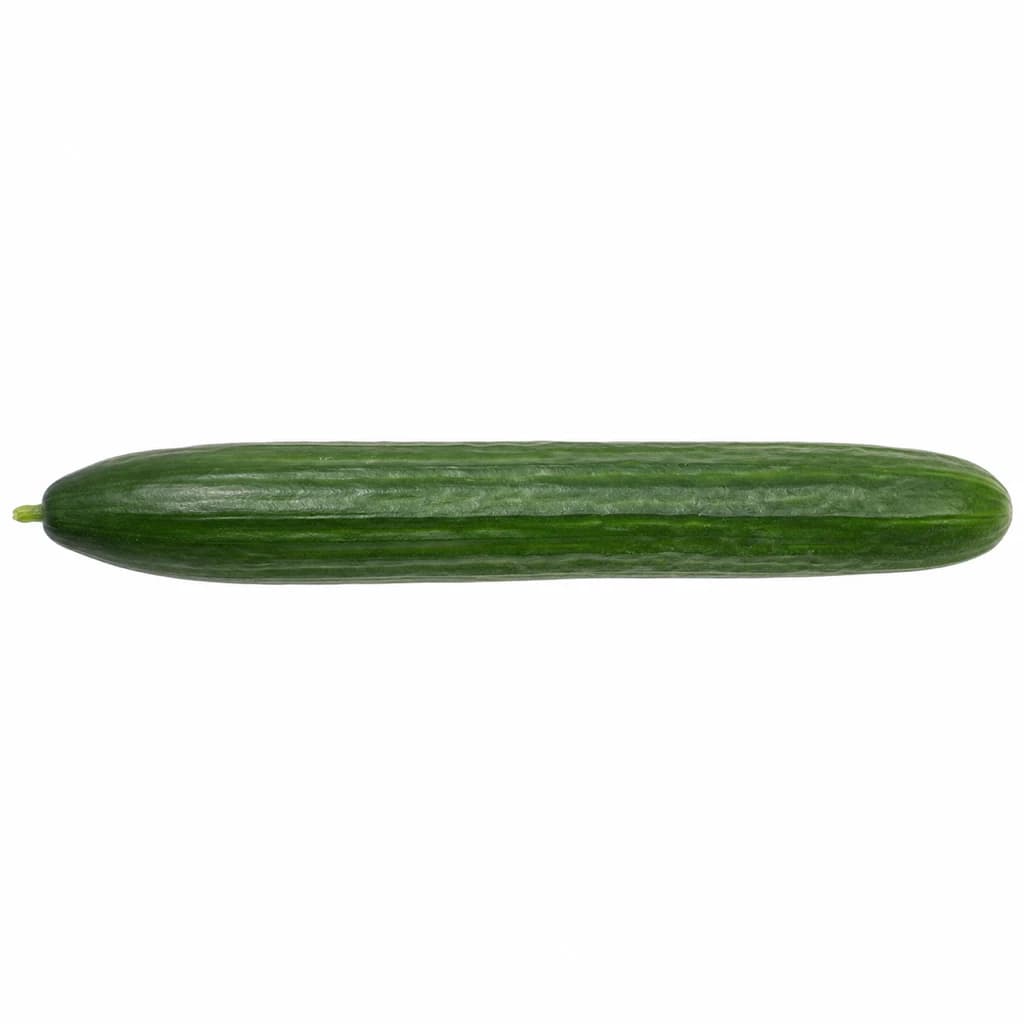
Cucumber
Cool, crisp, and watery — for salads, pickles, and tzatziki

Lettuce
Crisp leaves for salads, wraps, and a fresh crunch