Grains & Rice
Stale Bread
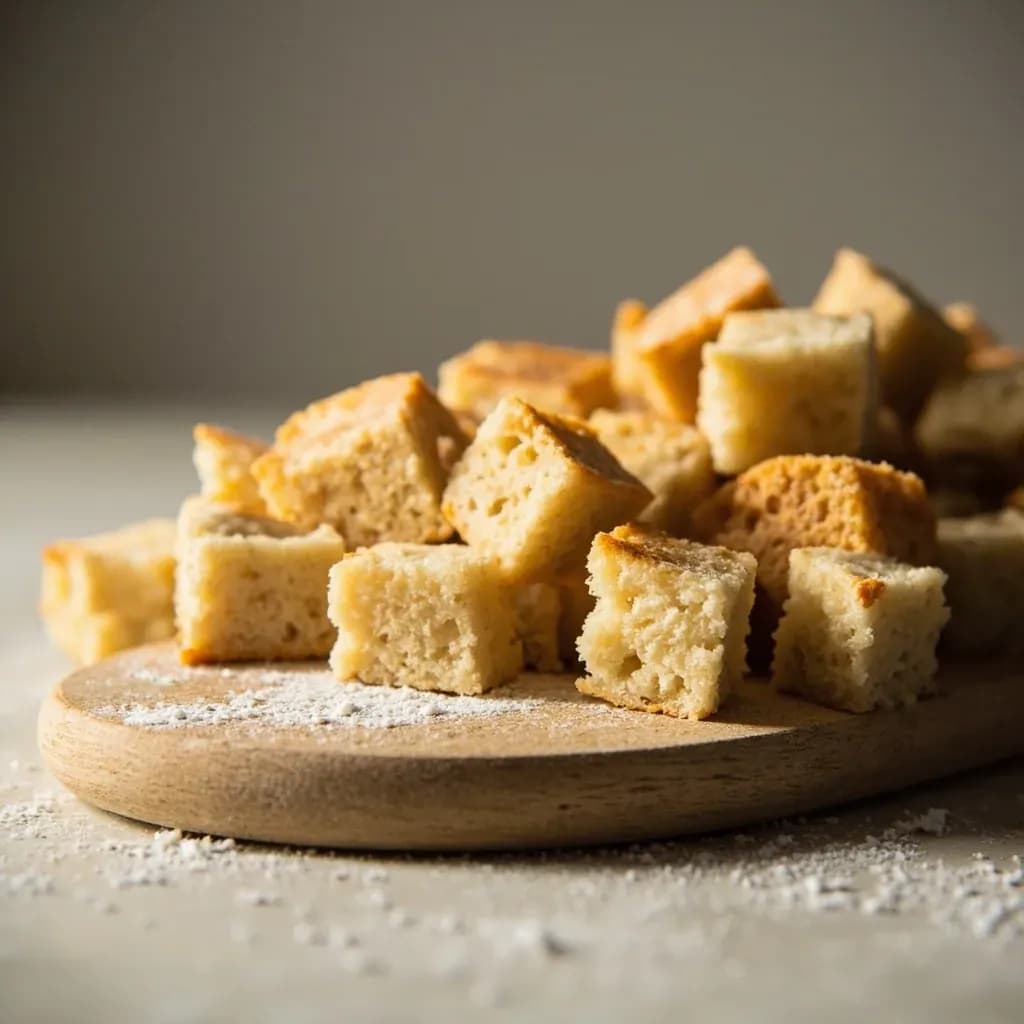
Day-old bread repurposed into breadcrumbs, panzanella, dumplings, ribollita and bread pudding.
Stale bread is dried-out day-old bread that cooks turn into countless dishes rather than waste, from Italian panzanella and ribollita to Austrian Semmelknödel and bread pudding. Its firmness lets it soak up liquids without dissolving, making it ideal for soups, stuffings and breadcrumbs. Many regional recipes were built specifically around using up leftover loaves.
Stale bread is bread that has lost moisture and firmened through starch retrogradation—typically one to three days old, but unmistakably useful rather than ruined. During staling, starch molecules recrystallize and expel water, causing bread to lose the soft, pliable quality of freshness. This process, which accelerates in the refrigerator, is what makes bread feel dry and unappealing when bitten into straight, but it fundamentally transforms the bread's behavior in cooked applications. The firm, dry interior can absorb significant liquid—twice its weight in some cases—without dissolving into mush, making stale bread indispensable for soups, salads, puddings, and stuffings.
This is a cornerstone of rustic European cooking, particularly Italian cucina povera, where nothing was wasted. Ribollita, panzanella, bread puddings, and dumplings all rely on stale bread's structural integrity. Most bread-eating cultures have developed such dishes: English bread and butter pudding, German Semmelknödel, Spanish torrijas. The paradox is that the staling process that makes fresh bread unpalatable makes the same bread ideal for liquid-heavy preparations. Fresh bread collapses into paste; stale bread holds its shape even when thoroughly soaked.
The quality to look for is firmness without spoilage. Truly moldy bread should be discarded—but bread that is simply dry, firm, and slightly chewy is exactly what you want. This is not a lesser ingredient; it is a different ingredient, purpose-built for applications where fresh bread fails.
- Measured in
- g
- Storage
- Pantry
Allergens
Types & varieties
Classic choice for crostini and bruschetta due to firm crust and light interior that dries evenly
Tangy flavor complements hearty soups like ribollita; holds structure well when soaked
Porous interior absorbs dressings and broths excellently for panzanella and soups
Traditional for bread pudding and meatballs; mild flavor does not compete with other ingredients
Nuttier flavor for stuffings; may require longer soaking time due to denser texture
Dense, sweet-yet-earthy; good for hearty German-style soups and as crostini base for strong spreads
Strong flavor pairs well with cured meats, cheeses, and pickles for soups and open-faced sandwiches
Rich, buttery; typically used for sweet applications like bread pudding and French toast
Common uses
Tips & pitfalls
- Stale bread is actually superior to fresh for most cooked applications because it maintains structure when wet
- For homemade breadcrumbs, stale bread tears more evenly than fresh bread, which tends to compress under a knife
- When making panzanella, salt tomatoes and let drain 20–30 minutes before tossing with bread to avoid soggy results
- For ribollita, bread is traditionally added just before serving, not cooked for hours, to maintain its integrity
- To refresh stale bread for eating as-is, wrap in damp paper towel and microwave 10–15 seconds, or bake at 350°F for 5 minutes
- Crusts are fine for breadcrumbs and stuffings but may be removed for more delicate applications like custards and puddings
- Dried bread (completely crisp) produces finer, more uniform crumbs than merely stale bread
- Italian recipes often call for country-style bread with crust left on for authentic texture
- For meatballs, soak bread in milk until completely soft, then squeeze out excess before incorporating
- Do not confuse staleness with spoilage—firm, dry bread is useful; bread with mold or off smells must be discarded
Nutrition
Energy
1113 kJ · per 100 g
Where the calories come from
Protein
12.5g
25% DV
Carbs
47.1g
17% DV
Fat
3.1g
4% DV
Fiber
6.3g
23% DV
Sugars
9.4g
of which
Sodium
375mg
16% DV
Source · USDA FoodData Central · approx. Bread, potato
View on FDC →In the shops
Matched grocery products
No matched grocery products for Stale Bread yet.
Good to know
- Definition
- Bread that has lost moisture and firmened through starch retrogradation, typically 1–3 days old but not spoiled
- Staling Process
- Starch molecules recrystallize and lose moisture, causing bread to firm up and lose flexibility while gaining structural stability when wet
- Culinary Advantage
- Firm texture allows bread to hold shape when soaked in liquids, essential for soups, salads, puddings, and stuffings
- Yield
- One pound of bread yields approximately 3–4 cups of fresh breadcrumbs or 2 cups of dried crumbs
- Proper Storage
- Room temperature in paper bag 1–2 days, then wrap in plastic and refrigerate up to 1 week, or freeze indefinitely
- Freezing Tip
- Slice before freezing; toast slices directly from frozen for maximum crispness
- Quick Staling Method
- Spread cubed or sliced bread on a baking sheet; bake at 300°F (150°C) for 15–20 minutes until thoroughly dried
- Common Mistake
- Using truly moldy bread—discard any bread with visible mold or off smells
Substitutes
- Fresh Bread — May work in a pinch but will become mushy; reduce soaking time significantly or toast dry first
- Panko or Dried Bread Crumbs — Good for coating applications; lacks the absorptive quality needed for soups and salads
- Polenta or Cornmeal — Provides similar bulk in some soups but completely different texture and flavor profile
- Crackers or Croutons — For stuffings; will be crunchier and less absorptive than proper stale bread
- Cornbread — Acceptable substitute in American Southern stuffings; different flavor profile but similar structure
Pairs with
Also called
Pane Raffermo · Stale Bread Rolls · Semmel · Day-Old Bread
Appears in these dishes
Related

White Rice
Fluffy long-grain rice — the neutral base for almost any meal

White Bread
Soft sandwich loaf for toast, sandwiches, and crumbs
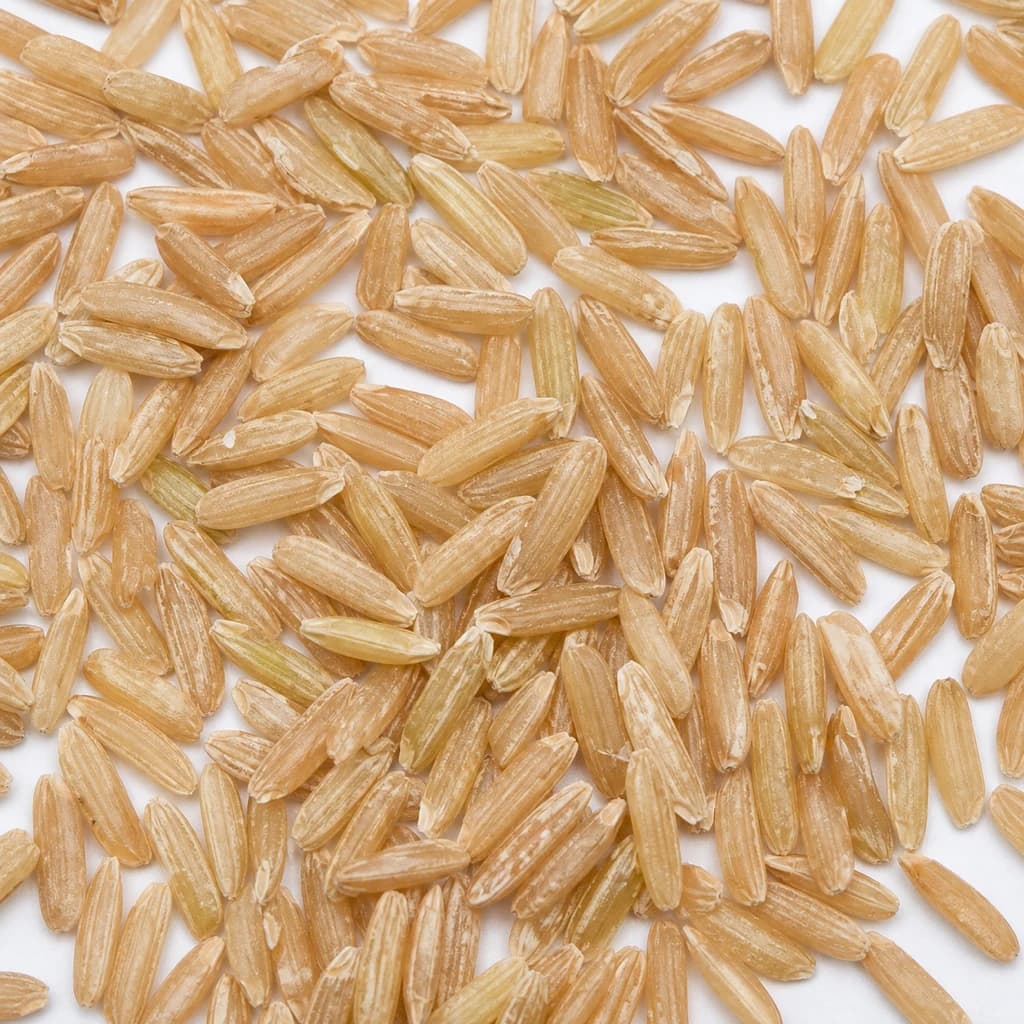
Brown Rice
Nutty, whole-grain rice with chew and extra fiber

Basmati Rice
Fragrant, long-grain rice that cooks up light and separate
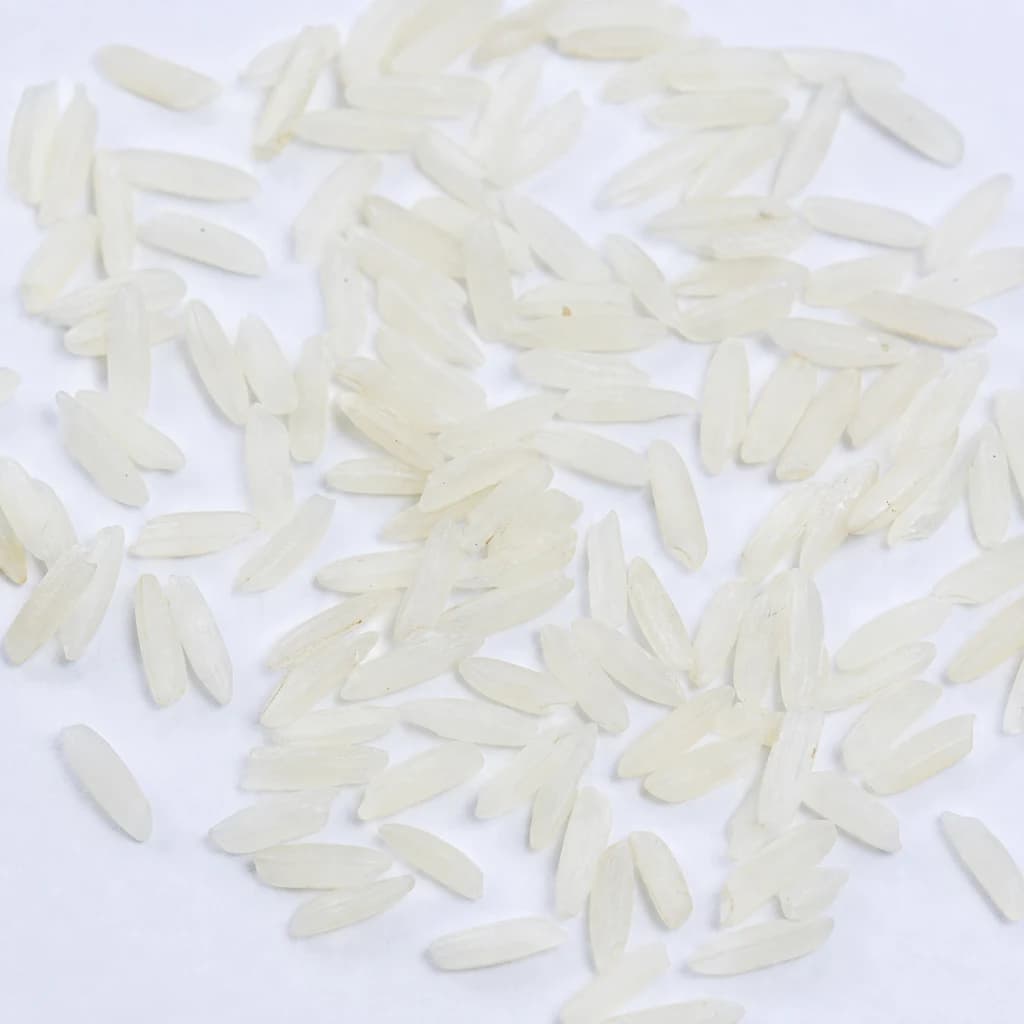
Jasmine Rice
Soft, floral-scented rice that's the pillar of Thai meals
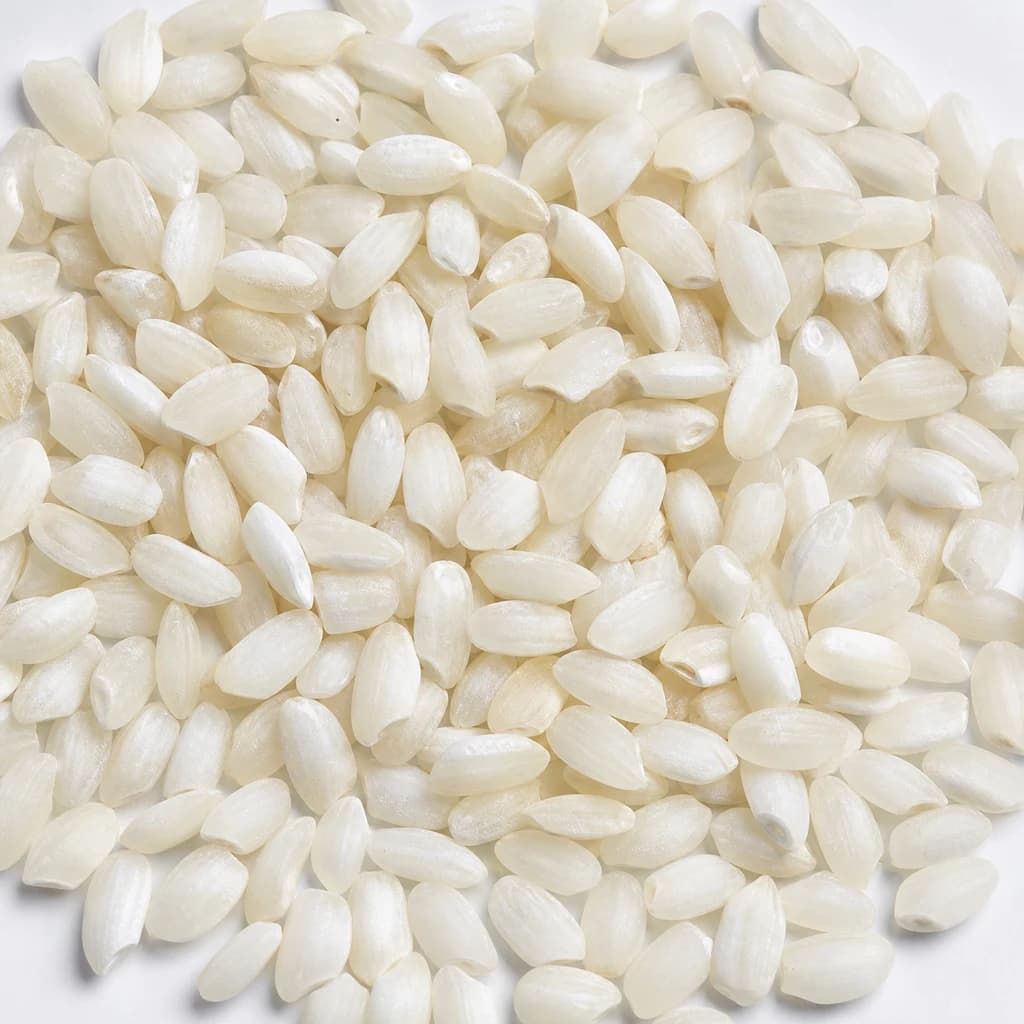
Arborio Rice
Plump, starchy rice that makes risotto creamy
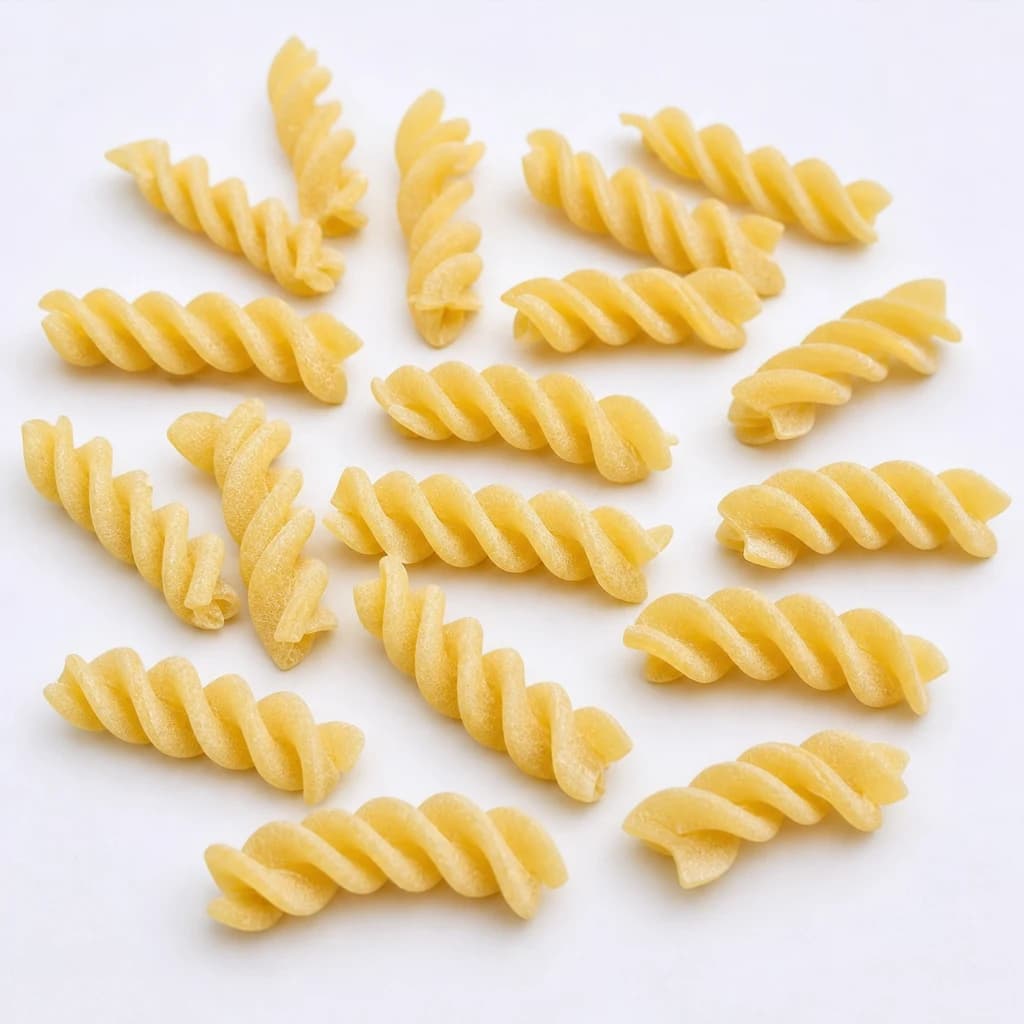
Fusilli
Spiraled pasta that twirls up sauce and dresses cold salads
Rolled Oats
Hearty flakes for porridge, granola, and chewy cookies