Baking
Baguette
Long, thin French bread with a crackling crust and airy crumb, eaten fresh daily.
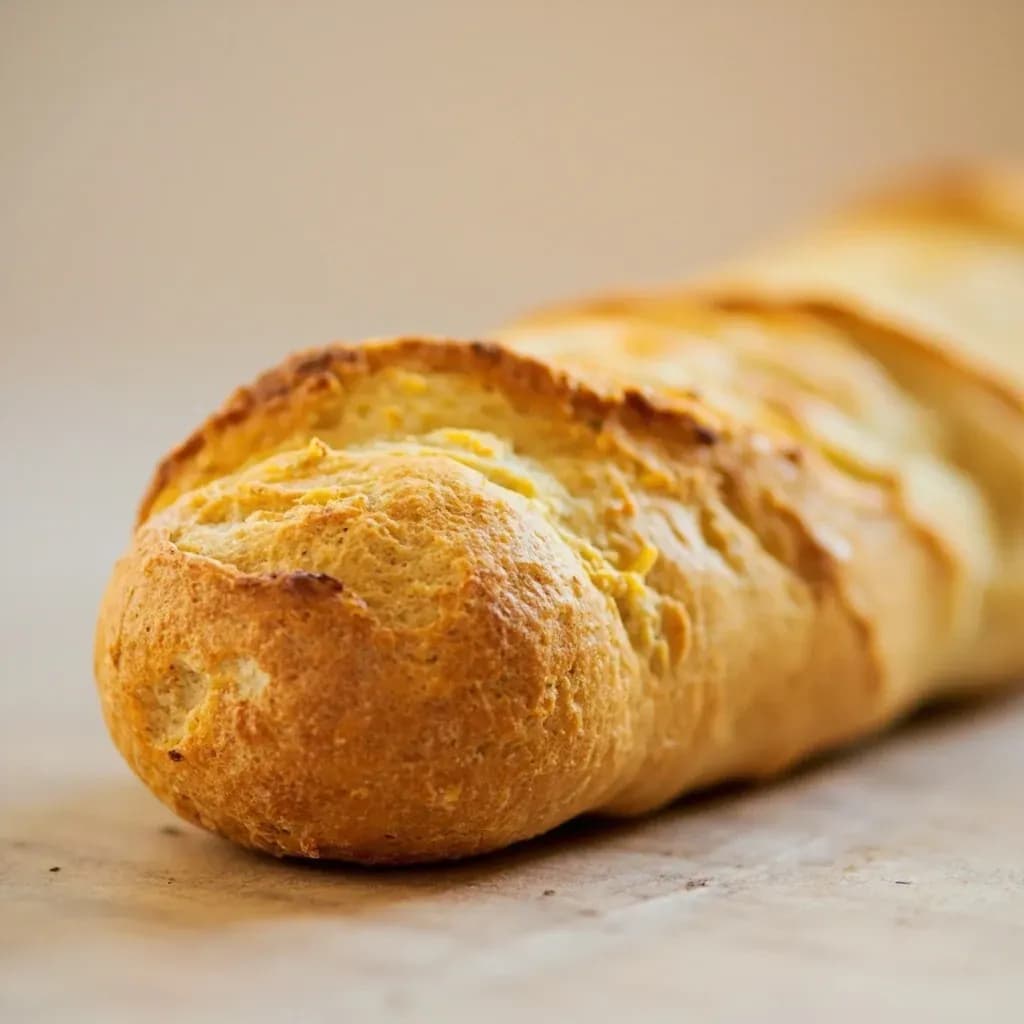
The baguette is a long, slender loaf of French bread made from flour, water, yeast, and salt, defined by its crisp golden crust and light, open crumb. It is eaten fresh as a table bread, split for sandwiches, and torn to mop up sauces. Best eaten the day it is baked, since it stales quickly.
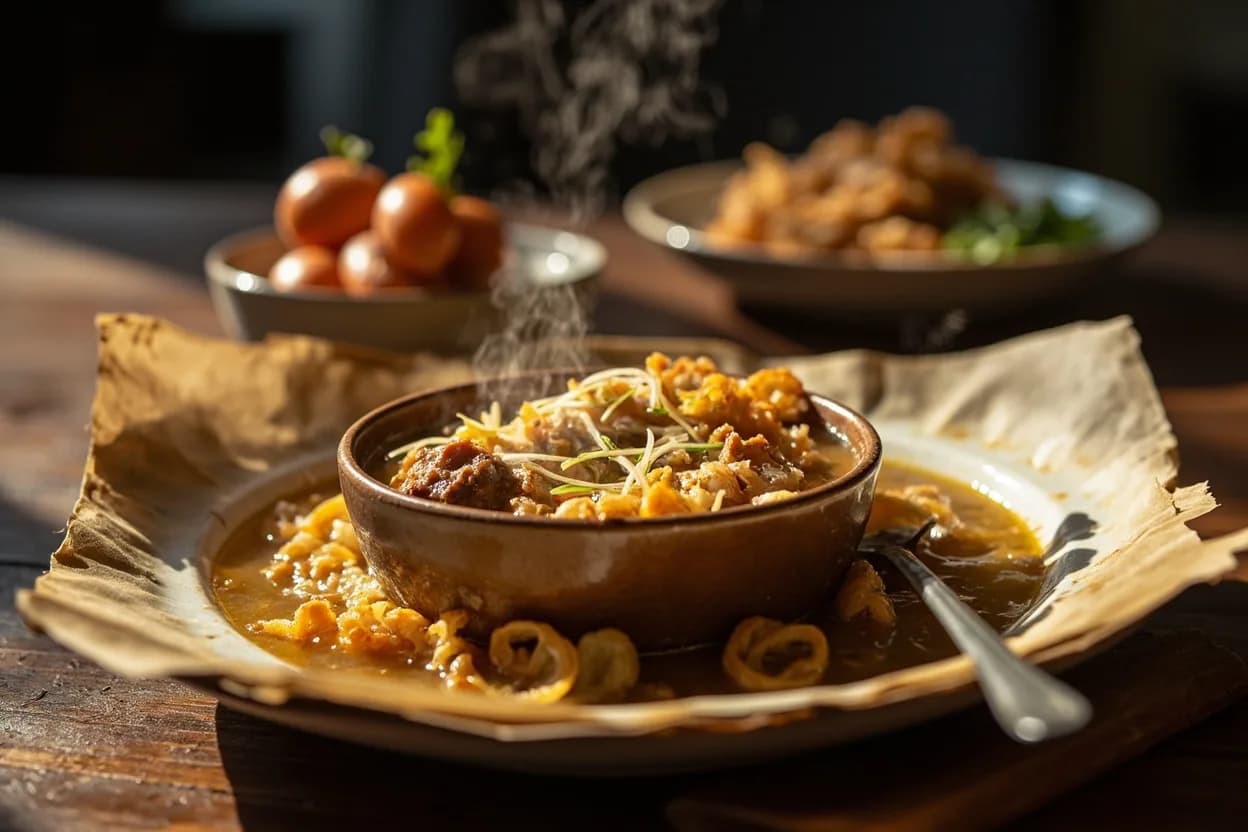
The baguette is a long, thin French loaf defined by its stark simplicity—flour, water, yeast, and salt, with no added fat or sugar. What distinguishes it from other breads is not just its dimensions but its character: a crackling, golden-brown crust that shatters under pressure, sheltering a light, irregular crumb (alvéolée) riddled with holes that trap air and butter alike. The bread evolved through 19th-century France, became synonymous with Parisian daily life, and was formally defined by French law in 1993 (the "pain de tradition française" decree requiring a minimum 80g, 50cm loaf made without unnecessary additives). True baguettes demand respect for fermentation time and high oven heat; they are baked fresh daily and meant to be consumed within hours, not days. At its best, the baguette is a vehicle—generous, neutral, and structural—equally at home cradling charcuterie, soaking up French onion soup, or simply torn and spread with butter. Store-bought versions are pale imitations, often frozen and rebaked with additives to compensate for lost freshness; the real thing cannot travel far and knows no compromise.
- Measured in
- piece
- Storage
- Pantry
Allergens
Types & varieties
Made with natural fermentation (levain) for deeper flavor; stricter regulations in France
The classic thin Parisian style; crispy crust, open crumb, often made with poolish
Thinner than standard, 2–3 cm wide; literally 'string baguette'
Softer, less crusty version; popular in some French regions for children's lunches
Shorter and thicker than baguette; 40–50 cm long with wider cross-section
Half-length baguette; ideal for single servings and restaurants
Made with added whole grains or seeds; heartier texture and flavor
Common uses
Tips & pitfalls
- Bake with steam: pour 1 cup boiling water into a preheated pan on the oven floor, or use oven steam injection; this creates the signature crackling crust and promotes oven spring
- Don't refrigerate: baguettes stale six times faster in the refrigerator due to starch retrogradation; store at room temperature in a paper bag or bread box
- Refresh day-old baguettes: spritz with water and bake at 190°C (375°F) for 5–7 minutes to restore crust and moisture
- Score immediately before baking: cuts must be made after the final proof when dough is at maximum rise; angle the blade at 30–45° and cut in one swift stroke
- Use high-protein flour: baguette dough needs strong gluten to hold the open, irregular crumb structure; all-purpose flour will produce a dense loaf
- Avoid over-proofing: over-proofed dough spreads rather than springs upward, producing flat, dense loaves
- Shape with tension: fold dough into a log, then roll under your palms to build surface tension that helps the baguette hold its shape and rise in the oven
- Serve immediately or not at all: ideal eating is within 30 minutes of baking; by 2 hours the crust softens and interior firms noticeably
- Don't slice until serving: pre-sliced baguette loses freshness rapidly; slice only what you need, cutting at an angle for larger surface area
Nutrition
Energy
1138 kJ · per 100 g
Where the calories come from
Protein
10.8g
22% DV
Carbs
51.9g
19% DV
Fat
2.4g
3% DV
Fiber
2.2g
8% DV
Sugars
4.6g
of which
Sodium
602mg
26% DV
Source · USDA FoodData Central · Bread, french or vienna (includes sourdough)
View on FDC →In the shops
Matched grocery products
No matched grocery products for Baguette yet.
Good to know
- Origin
- France, particularly Paris; standardized in the early 20th century
- Typical Dimensions
- 60–80 cm long, 5–7 cm wide, 3–4 cm tall
- Weight
- 250–350 g per loaf
- Dough Hydration
- 60–70% (higher than typical sandwich bread)
- Baking Temperature
- 230–250°C (450–480°F); steam required for proper crust development
- Shelf Life
- 6–8 hours optimal; stales rapidly due to lean dough and open crumb
- Flour Protein
- 11–12% protein bread flour required for adequate gluten structure
- Scoring
- 5–7 diagonal cuts at 30° angle, 5 mm deep; affects oven spring and final shape
- Leavening
- Commercial yeast or natural levain; prefermented flour (poolish or biga) builds complexity
- Equipment
- Baguette molds/trays optional; baking stone or steel recommended; steam injection or water pan essential for crust
Substitutes
- French batard — Similar dough and crust, though shorter and wider; acceptable for sandwiches and table use
- Ciabatta — Italian white bread with open crumb and crisp crust; works for sandwiches but lacks the baguette's slender form
- Italian filone — Very similar French-style loaf made in Italy; interchangeable in most applications
- Sourdough baguette — Made with levain instead of commercial yeast; more tangy, denser texture; best for those who prefer fermented flavor
- Frozen demi-baguette — Pre-shaped half-loaves available at most supermarkets; bake from frozen at 200°C (400°F) for 12–15 minutes
Pairs with
Also called
Pain · Baguette Bread · French Bread · Pan Francés
Appears in these dishes
Related

All-Purpose Flour
The do-anything flour for bread, cakes, sauces, and dredging

Bread Flour
High-protein flour for chewy, well-risen breads
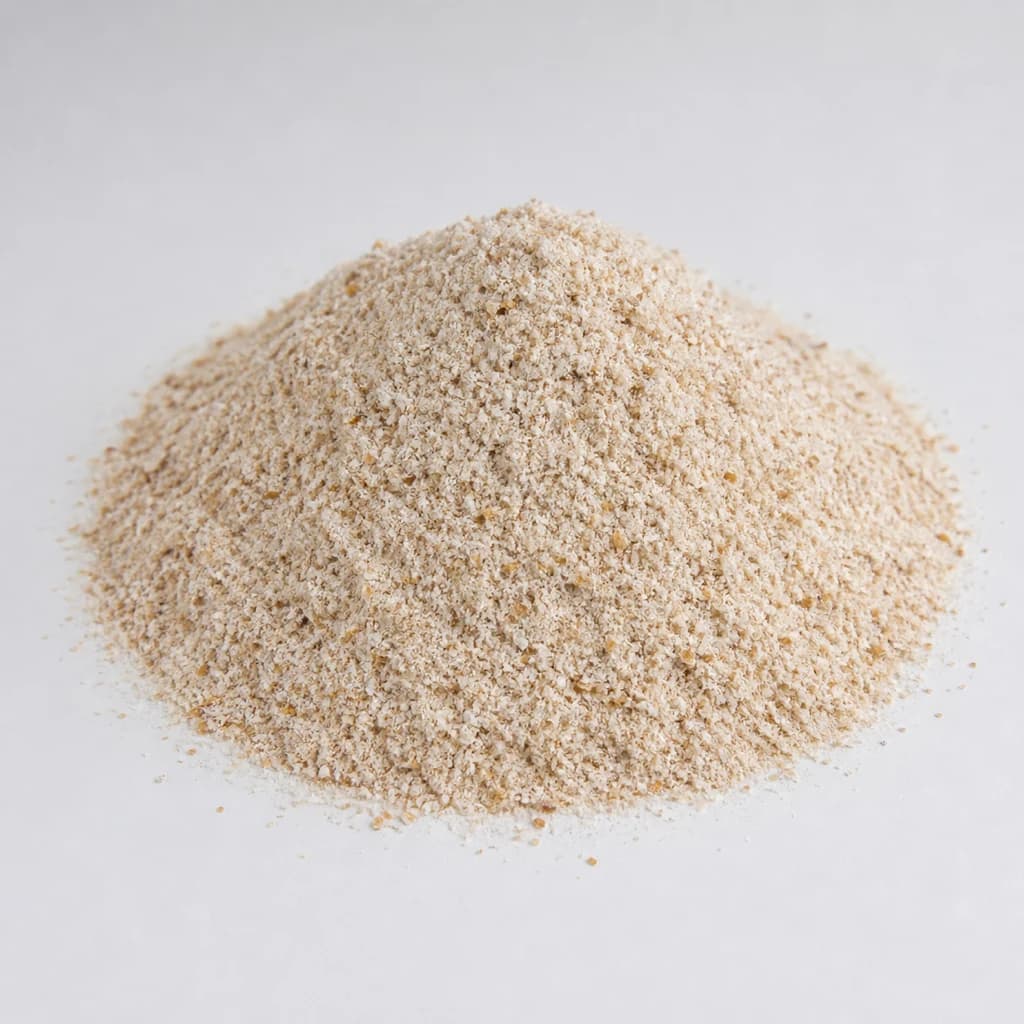
Whole Wheat Flour
Nutty, whole-grain flour for hearty breads and bakes
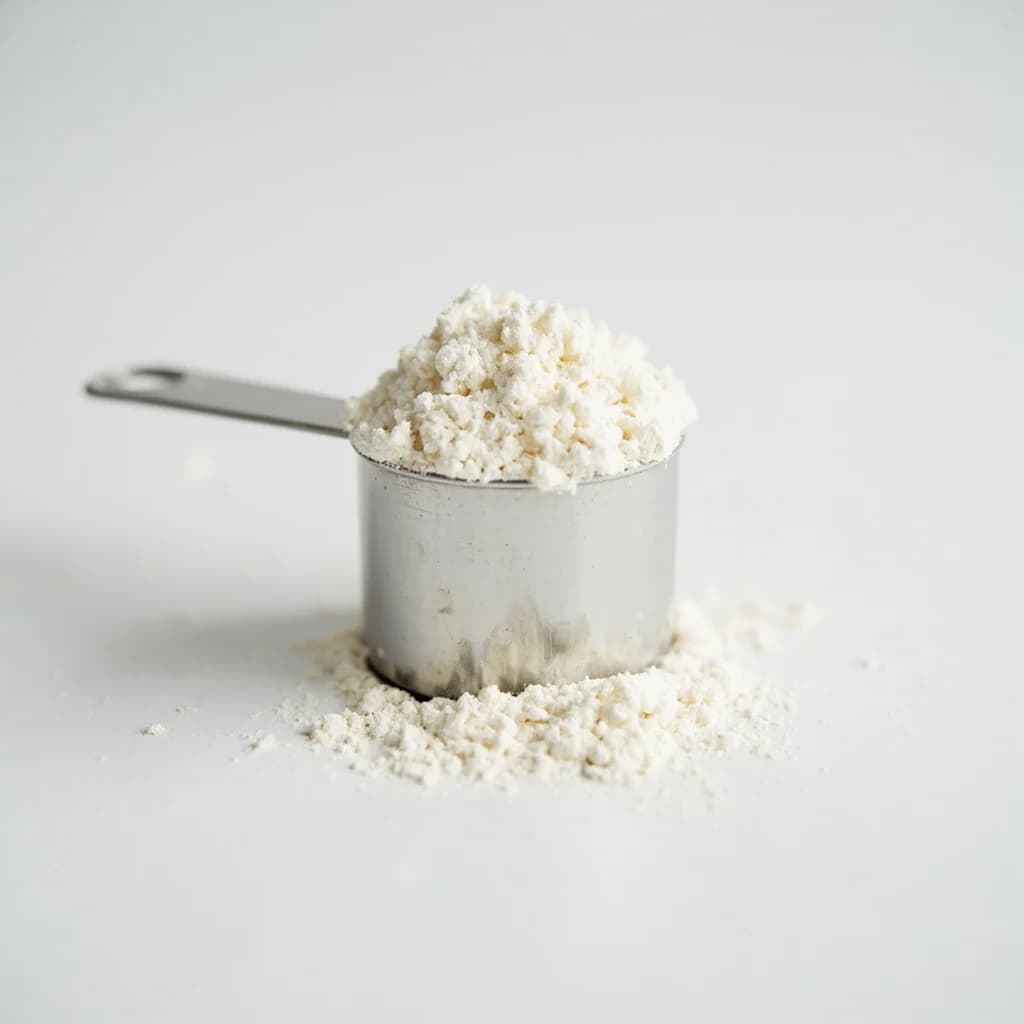
Cake Flour
Fine, low-protein flour for tender, delicate cakes
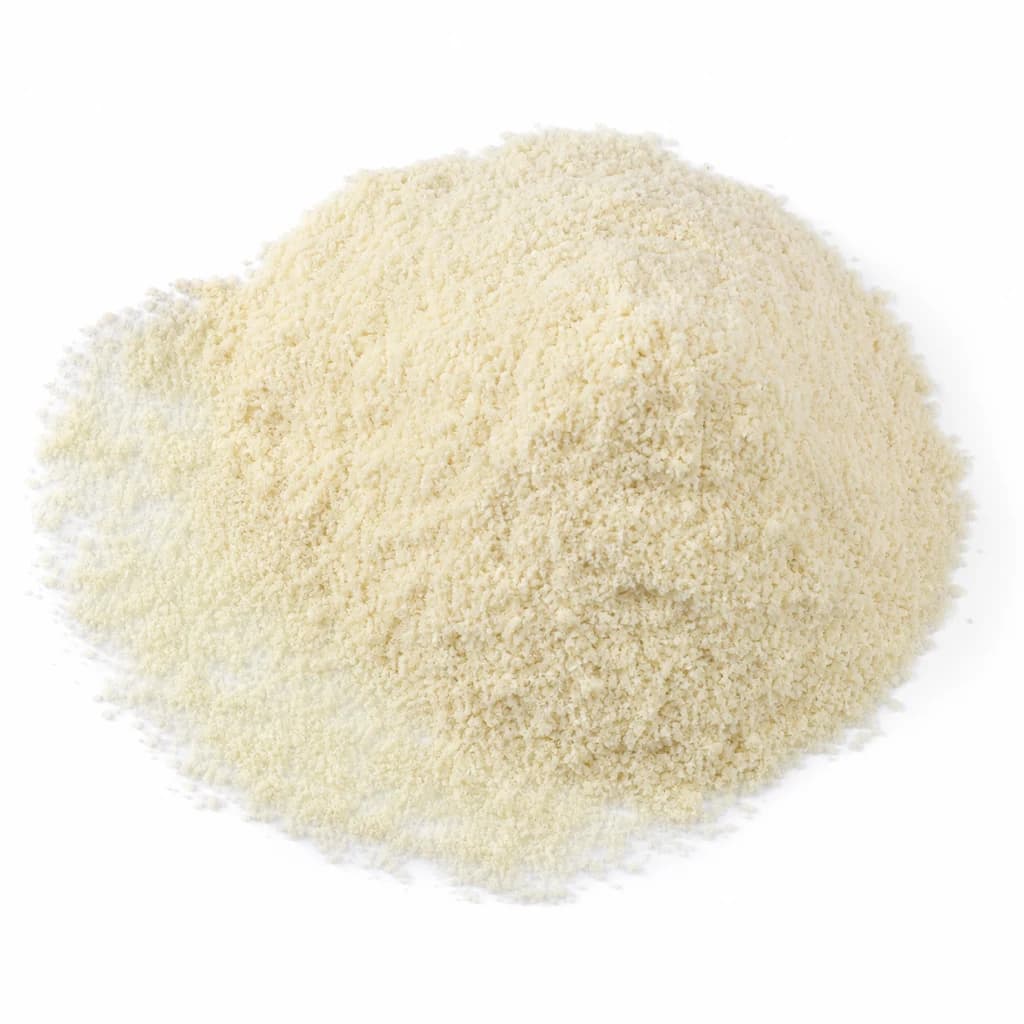
Almond Flour
Nutty, gluten-free flour for macarons and tender bakes

Baking Powder
All-in-one leavener for fluffy cakes, pancakes, and biscuits

Baking Soda
Pure leavener that needs acid to lift — and tenderize
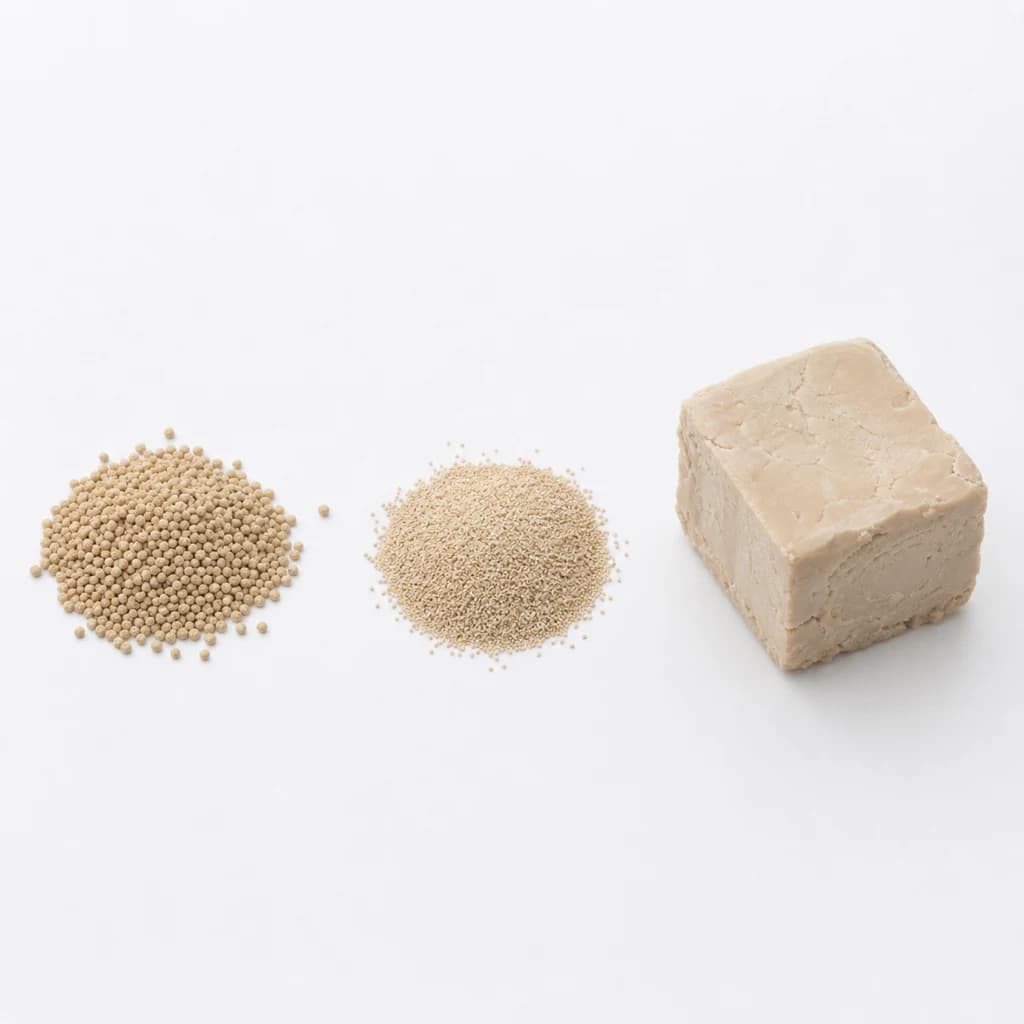
Yeast
Living leaven that makes bread rise and dough come alive