Ready to use
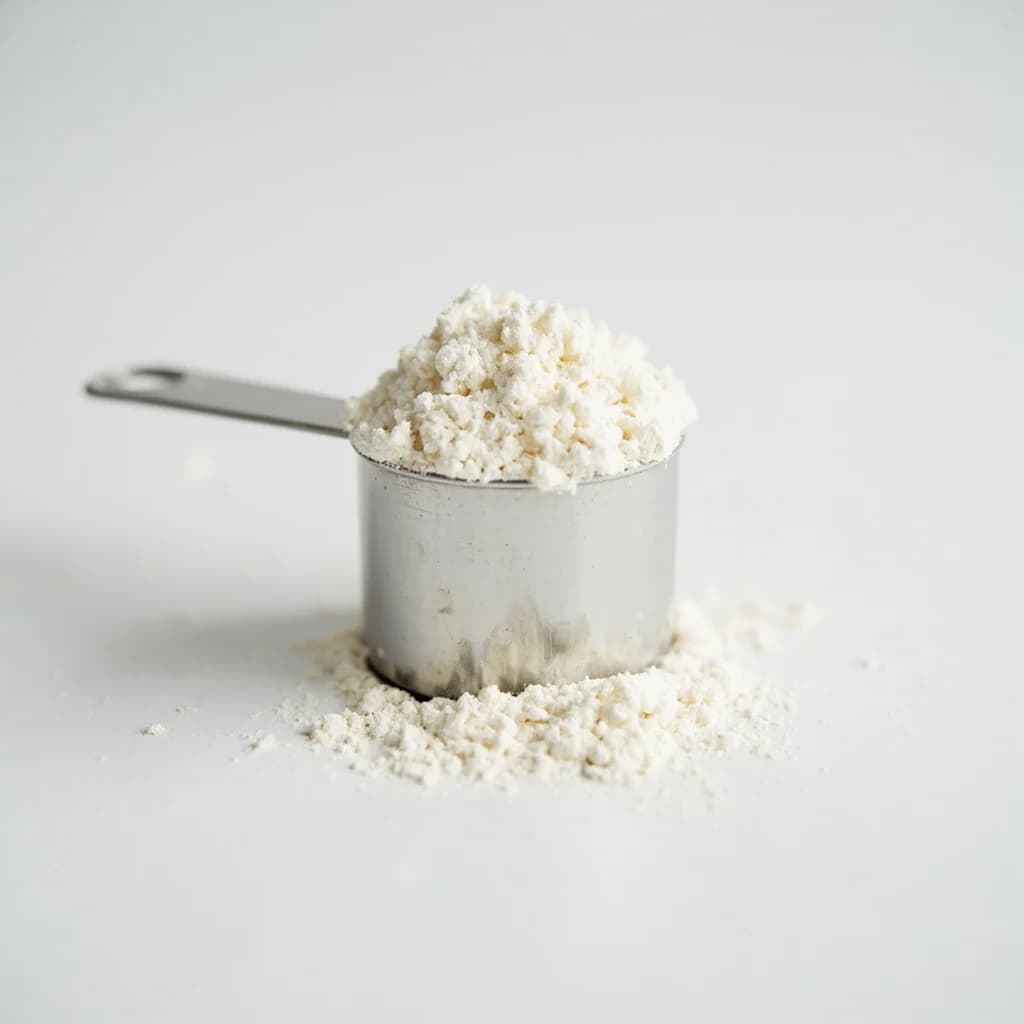
Cake flour heaped in a measuring cup, showing its ultra-fine, bright white, silky texture.
Demonstrates the distinguishing visual properties of cake flour — its fine grind, bright white color, and silky powdery texture — that set it apart from coarser flours.
Baking
Cake Flour
Fine, low-protein flour for tender, delicate cakes
Soft and finely milled, cake flour yields a tender, fine crumb in sponges and layer cakes. Its low protein keeps bakes light. Store it airtight to prevent clumping.
Cake flour is low-protein wheat flour (~7–9%), finely milled and usually bleached, designed to make the most tender, fine-crumbed cakes possible. Its low protein means less gluten and a softer, more delicate structure; the bleaching also helps it absorb more liquid and sugar, supporting the high-ratio cakes that turn out plush and white. Reach for it when fluffiness and a fine crumb are the goal.
- Measured in
- g
- Storage
- Airtight
Allergens
Find it in
Types & varieties
The standard; very soft and absorbent.
Slightly less absorbent; a more natural option.
Between cake and AP (~8–10%); for pie crust and biscuits.
How to use
Use it for cakes that should be light and fine — sponges, angel food, chiffon, and tender layer cakes. Sift it for the airiest results. It's too weak for bread or chewy cookies.
- Layer cakes and cupcakes
- Angel food and chiffon cake
- Tender biscuits and scones
- Delicate pastries
How to store
Keep it airtight and dry. It's no more perishable than other flour but clumps with humidity, so sift before using. Note that flour is a raw agricultural product: don't eat raw dough or batter, and heat-treat flour before any no-bake use (E. coli/Salmonella risk).
Common uses
Tips & pitfalls
- Make a substitute: per cup of AP, remove 2 tbsp and replace with cornstarch.
- Sift it for the lightest, finest cake crumb.
- Don't use it for bread — it lacks the protein for structure.
- It absorbs more liquid, so it suits sweet, high-ratio cakes.
- Flour is raw and can carry E. coli or Salmonella — don't taste or eat raw dough or batter; cook or heat-treat it before using in any no-bake recipe.
Nutrition
Nutrition
No USDA FoodData Central match for Cake Flour yet. We surface a per-100 g profile once a generic whole-food entry is matched and verified.
In the shops
Matched grocery products
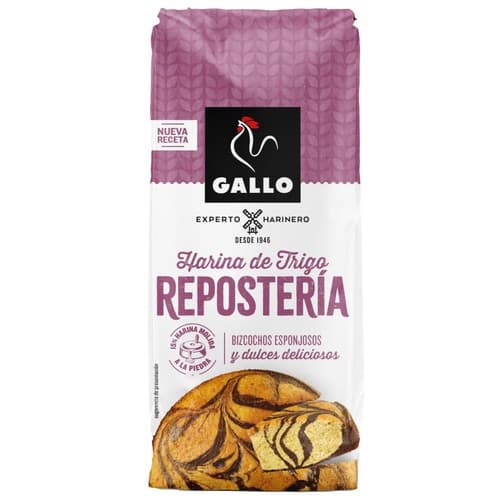 €1.69
€1.69Gallo Pastry Flour
GALLO · kg · Bonpreu
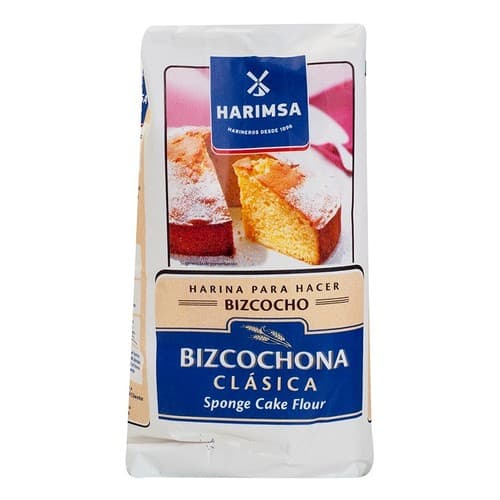 €1.65
€1.65HARIMSA Classic Biscuit Flour
HARIMSA · kg · Bonpreu
Good to know
- Flavor
- Mild, neutral
- Protein
- ~7–9% — low, for tenderness
- Best for
- Layer cakes, sponges, angel food, cupcakes
- Texture result
- Fine, soft, tender crumb
- How to store
- Airtight, cool, dry
- Shelf life
- ~6–12 months
Substitutes
- AP flour + cornstarch — Swap 2 tbsp of each cup AP for cornstarch.
- Pastry flour — Slightly stronger but close.
- All-purpose flour — Workable, with a denser crumb.
Pairs with
Also called
pastry flour · harina para repostería · farina de rebosteria · farina per a rebosteria · farina per a bescuit
Appears in these dishes
Related

All-Purpose Flour
The do-anything flour for bread, cakes, sauces, and dredging

Bread Flour
High-protein flour for chewy, well-risen breads
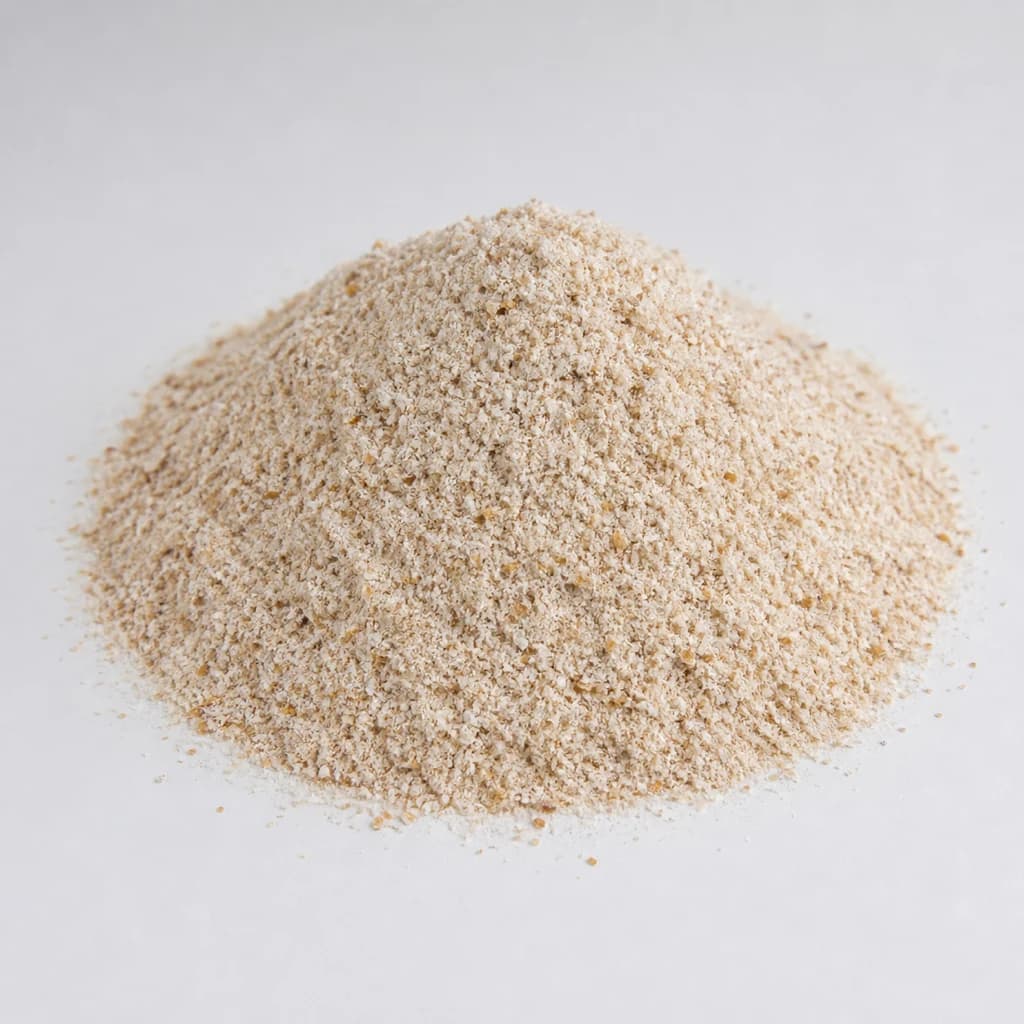
Whole Wheat Flour
Nutty, whole-grain flour for hearty breads and bakes
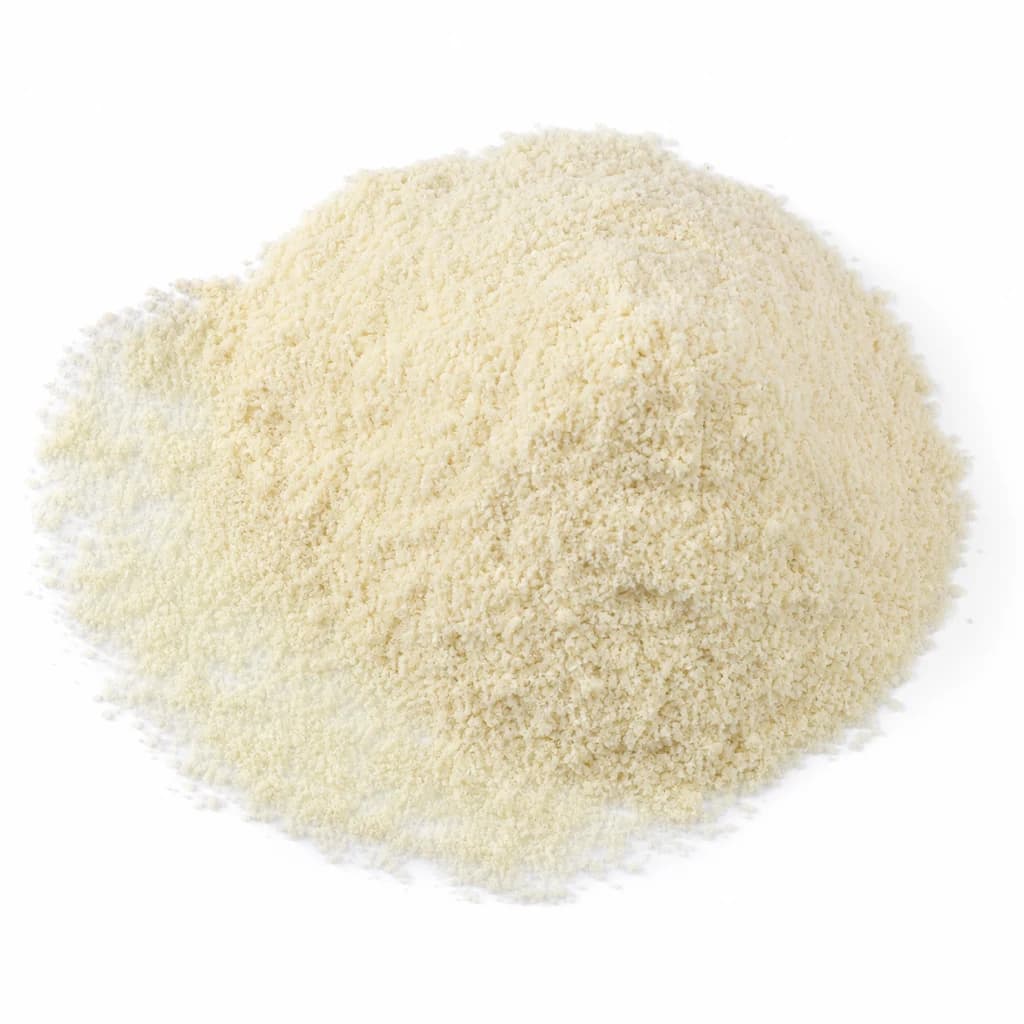
Almond Flour
Nutty, gluten-free flour for macarons and tender bakes

Baking Powder
All-in-one leavener for fluffy cakes, pancakes, and biscuits

Baking Soda
Pure leavener that needs acid to lift — and tenderize
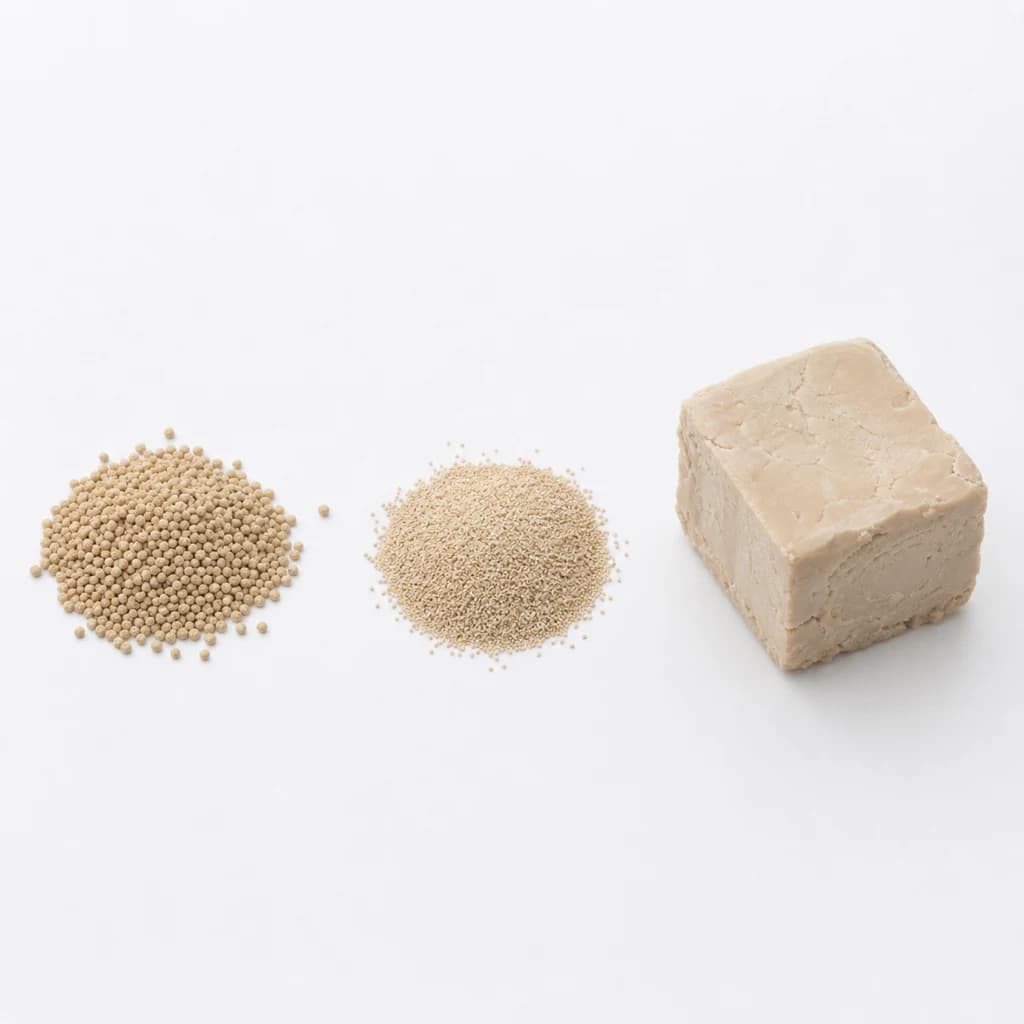
Yeast
Living leaven that makes bread rise and dough come alive
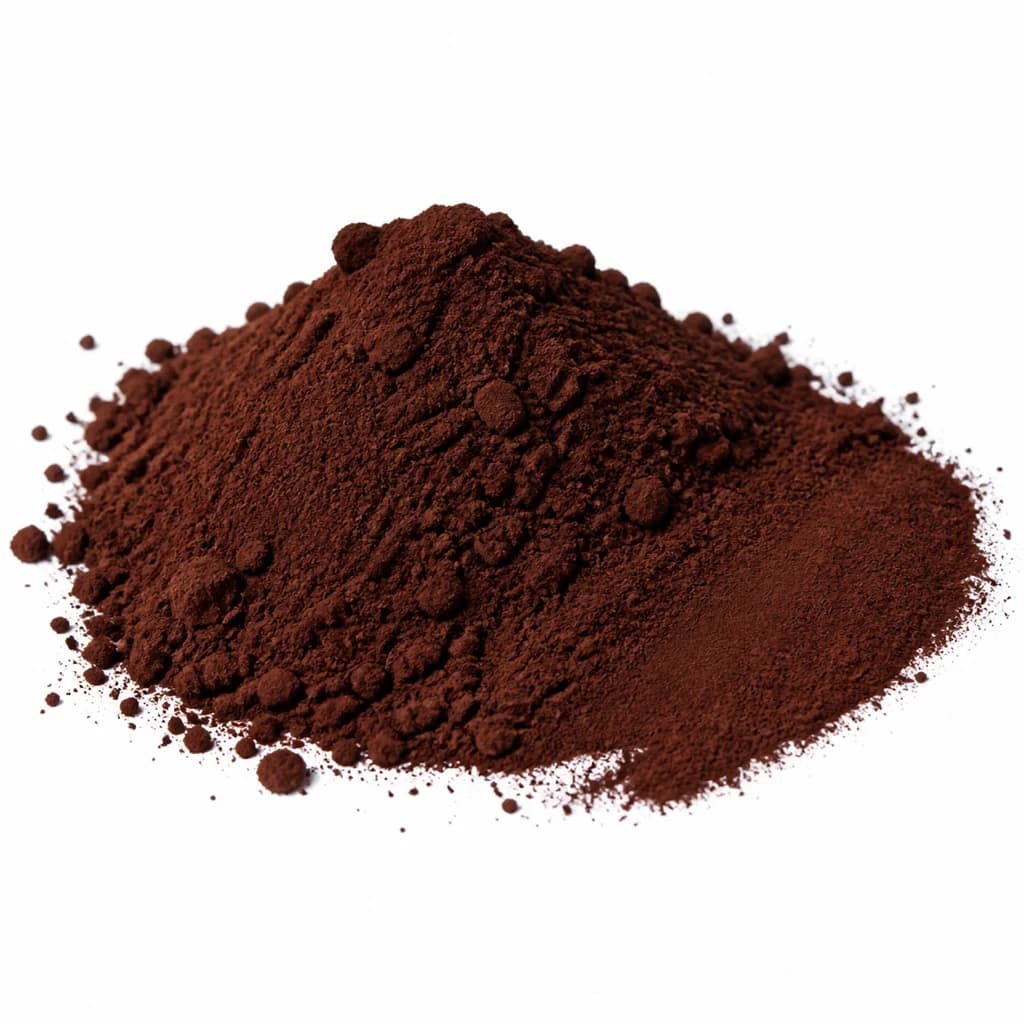
Cocoa Powder
Deep, bitter chocolate powder for cakes, drinks, and dusting