Natural form
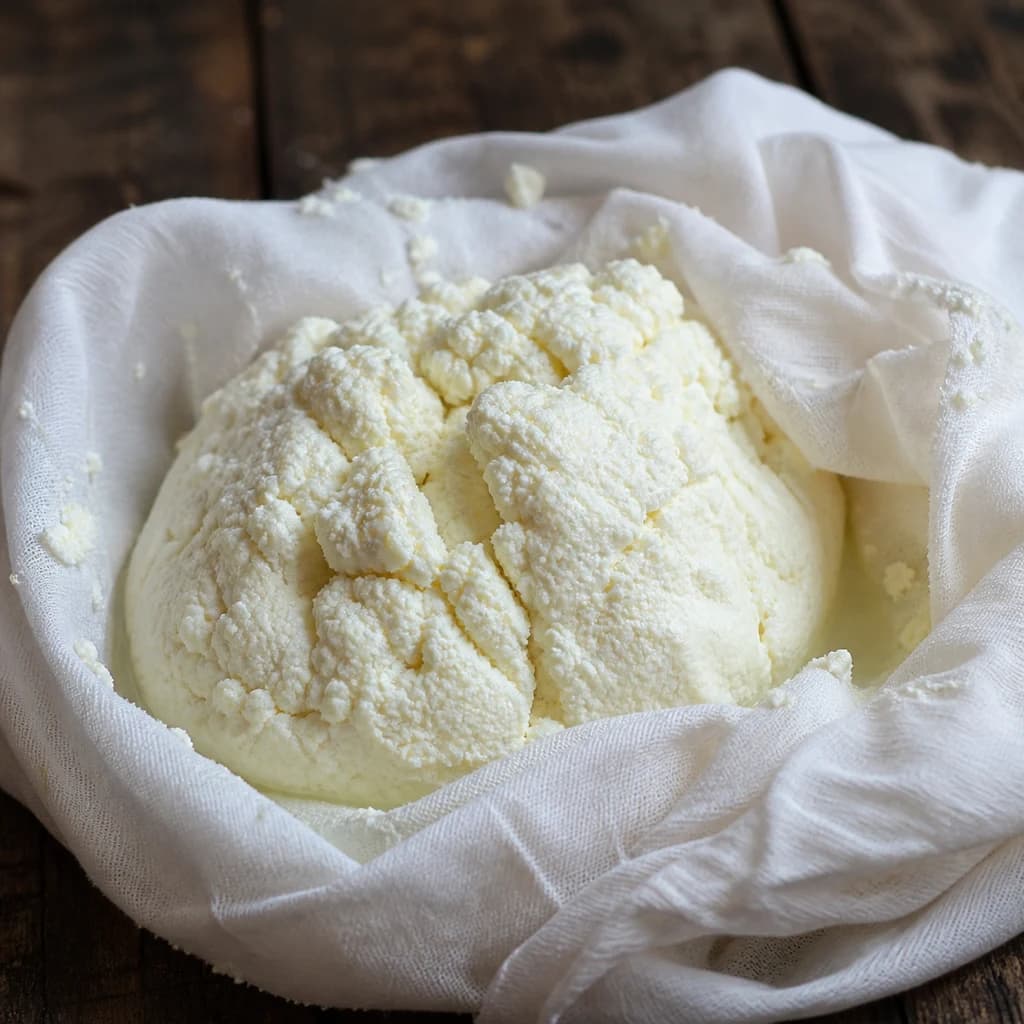
Freshly drained chhena in a muslin cloth, soft and moist with visible whey.
Shows chhena's defining fresh, undrained state — soft, moist, muslin-wrapped — exactly as it is made in a home kitchen, teaching its texture and form at the point of production.
Dairy & Eggs
Chhena (Fresh Curd Cheese)
Indian fresh acid-set curd cheese, the base for rasgulla and sandesh.
Chhena is an Indian fresh cheese made by curdling milk with an acid like lemon juice and draining it briefly, leaving a soft, moist, slightly grainy curd. Unlike paneer, it is not pressed firm. It is the foundation of Bengali sweets such as rasgulla, sandesh, and rasmalai.
Chhena is a fresh acid-set curd cheese native to Eastern India, particularly Odisha and West Bengal, where it serves as the foundational ingredient for an extraordinary range of traditional sweets. Unlike aged cheeses, chhena is made by heating whole milk to a boil, then introducing an acid—traditionally lemon juice, citric acid, or recovered whey from a previous batch—to precipitate the curds. The result is a soft, crumbly white cheese with high moisture content that crumbles gently under pressure. Its mild, faintly tangy flavor and delicate texture make it uniquely suited for sweets, as it absorbs sugar syrups and can be molded while retaining a tender, yielding bite.
The distinction between chhena and its cousin paneer is fundamental and practical: paneer is heavily pressed and dried for use in savory dishes where it must hold its shape, while chhena is lightly drained and reserved almost exclusively for confections. This difference in drainage determines everything—chhena's moisture allows it to become spongy when cooked in syrup (as in rasgulla) or to blend smoothly into sweetened doughs (as in sandesh). The cheese must be used within 24–48 hours of production; beyond that window, it loses its characteristic crumbly texture and develops off-flavors. Commercial production yields approximately 2.5–3 kilograms of fresh chhena from 10 liters of whole milk, and the fat content of the source milk (typically 8–12%) directly influences the richness and mouthfeel of the final product.
The regional traditions around chhena split roughly between Bengali and Odia styles. Bengali preparations like rasgulla and sandesh emphasize a delicate, spongy quality and refined sweetness, while Odia sweets such as rasabali and chhena poda tend toward richer, deeper flavors—often involving longer cooking or baking. The 2019 GI (Geographical Indication) tag awarded to Odisha's chhena poda has heightened awareness of these Odia traditions, which include preparations that range from simple spiced fritters to elaborate baked desserts. Regardless of regional variation, all chhena work demands fresh milk, careful acid addition, and minimal drainage time; deviations in any of these produce textural failures that no amount of sweetening can rescue.
- Measured in
- g
- Storage
- Fridge
Allergens
Types & varieties
Barely drained, extremely moist; used for rasgulla and rasabali where sponginess is desired
Drained longer, slightly drier texture; used for sandesh and chhena gaja
The Odia baked variety; chhena is mixed with sugar and cardamom, then slow-baked until caramelized on exterior; the signature dessert of Odisha, GI-tagged in 2019
Intentional slight fermentation; used in some traditional Odia savory preparations
Chhena vs. Paneer: The Critical Distinction
These two acid-set cheeses are often confused outside India, but using one for the other produces fundamentally different results. Paneer is drained until nearly dry and heavily pressed, creating a sliceable, shreddable cheese that holds its shape in curries and grills. Chhena retains significant moisture and is never pressed—it should remain crumbly and yield to gentle pressure. The practical consequence: paneer cannot replicate the spongy texture of rasgulla, and chhena cannot serve as a paneer substitute in savory dishes. When a recipe calls for chhena, the moisture balance is non-negotiable.
- Paneer: pressed 2–4 hours, 70–80% moisture reduction
- Chhena: drained 30–60 minutes, 40–50% moisture reduction
- Paneer is a cooking ingredient; chhena is a confectionery ingredient
The Markan Tradition
Traditional Odia and Bengali sweet makers traditionally use whey from a previous batch of chhena (called markan) as the coagulant for the next. This practice is not merely economical—it contributes a specific tang and microflora that commercial lemon juice cannot replicate. Markan produces curds that drain cleanly, leaving behind chhena with superior elasticity for molding and a subtle complexity in finished sweets. Where available, markan produces noticeably better results for traditional preparations, especially for rasgulla and sandesh.
- Markan adds depth of flavor through natural fermentation
- Commercial lemon juice works but produces a flatter taste
- Modern commercial producers use citric acid for consistency
Common uses
Tips & pitfalls
- Drain chhena just until it holds shape but remains crumbly — over-draining yields dry, rubbery texture ruined for rasgulla
- Use fresh lemon juice or white vinegar diluted with water for clean acid flavor; undiluted acid creates bitter notes
- Never knead chhena for rasgulla — gently press moisture out, then mix just until smooth for spongy texture
- The milk quality directly determines yield and texture; use fresh whole milk, not ultra-pasteurized (UHT) which fails to set properly
- Bring milk to a rolling boil, then reduce heat before adding acid; abrupt removal from heat yields uneven curdling
- Line the strainer with damp cheesecloth for best drainage without sticking
- For sandesh, hang chhena in muslin for only 30–45 minutes; for rasgulla, drain further until dough-like consistency
- Test freshness by pressing — fresh chhena should crumble easily; sticky or slimy texture indicates spoilage
- Common mistake: using paneer as chhena substitute — paneer is pressed longer and has different moisture balance, unsuitable for spongy sweets
- Do not freeze chhena; ice crystals destroy the protein structure and yield becomes grainy upon thawing
Nutrition
Nutrition
No USDA FoodData Central match for Chhena (Fresh Curd Cheese) yet. We surface a per-100 g profile once a generic whole-food entry is matched and verified.
In the shops
Matched grocery products
No matched grocery products for Chhena (Fresh Curd Cheese) yet.
Good to know
- Origin
- Eastern India, primarily Odisha and West Bengal
- Primary Milk
- Cow's milk (sometimes buffalo)
- Setting Agent
- Lemon juice, citric acid, or yogurt whey (markan)
- Texture
- Soft, crumbly, high moisture; crumbles when pressed
- Freshness
- Must be consumed within 24–48 hours for best quality
- Storage
- Refrigerate in airtight container up to 3 days; does not freeze well
- Fat Content
- Typically 8–12% fat depending on milk used
- Yield
- Approximately 2.5–3 kg fresh chhena from 10 liters whole milk
- pH
- 4.6–4.8 (mildly acidic)
- Protein
- High; coagulated from milk proteins (casein)
- Production Time
- 30–45 minutes from milk to finished cheese
Substitutes
- Paneer (pressed) — Pressed longer than chhena; will yield denser texture in rasgulla; acceptable for crumbly applications like certain savory dishes
- Ricotta (whole-milk) — Similar moisture and crumbly texture; mild flavor works; best for modern fusion applications rather than traditional sweets
- Farmer Cheese — American-style farmer cheese closely approximates texture; use immediately as it lacks chhena's subtle sweetness
- Cream Cheese (full-fat) — Too smooth for traditional preparations; acceptable for no-bake cheesecakes or mousse-style desserts as a contemporary substitute
Pairs with
Also called
Chenna
Appears in these dishes
Related

Whole Milk
Rich, full-fat milk for drinking, coffee, sauces, and baking
Butter
Golden fat for searing, baking, and finishing a sauce
Yogurt
Tangy, creamy culture for breakfast, sauces, and marinades
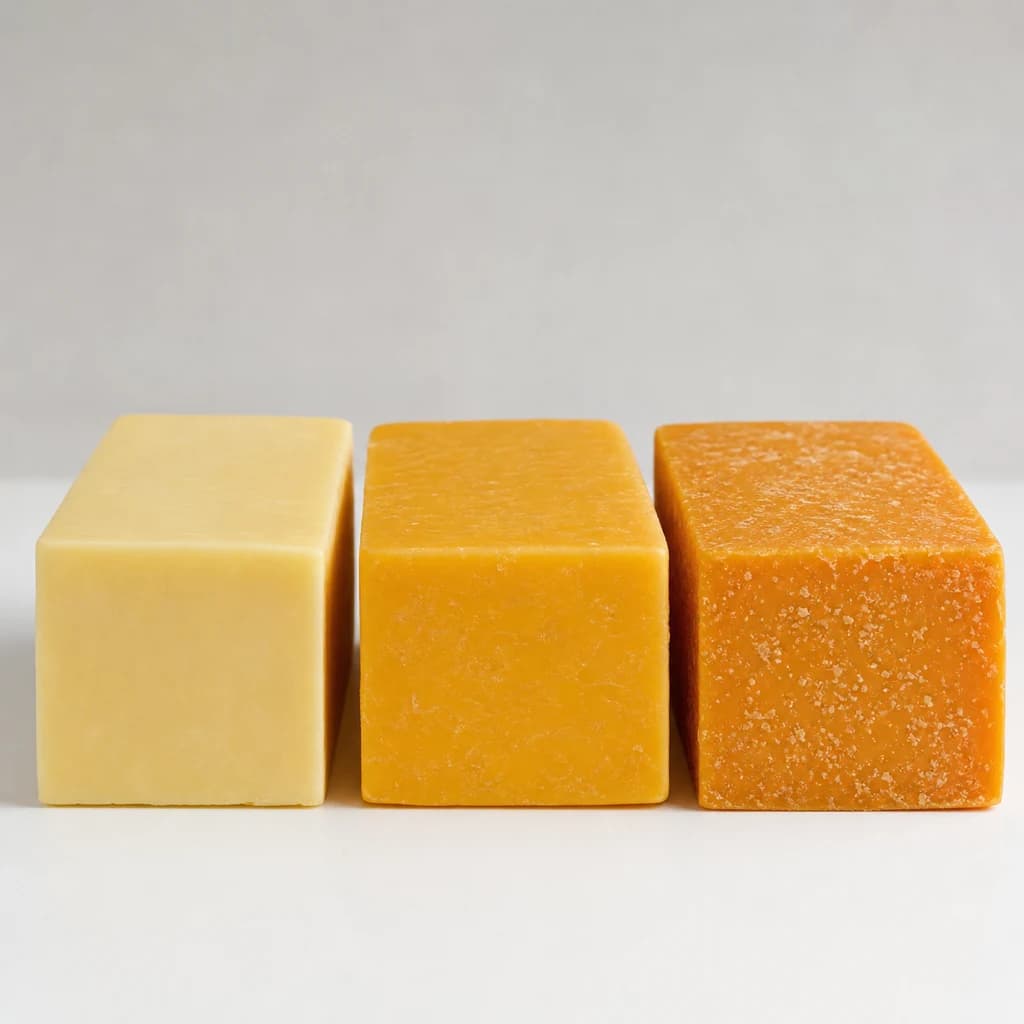
Cheddar Cheese
Sharp, melty cheese for sandwiches, gratins, and grating
Skim Milk
Fat-free milk for lighter drinking, coffee, and cooking
Heavy Cream
Rich cream that whips, enriches sauces, and sets ganache

Sour Cream
Tangy, thick cream for dolloping, baking, and dips
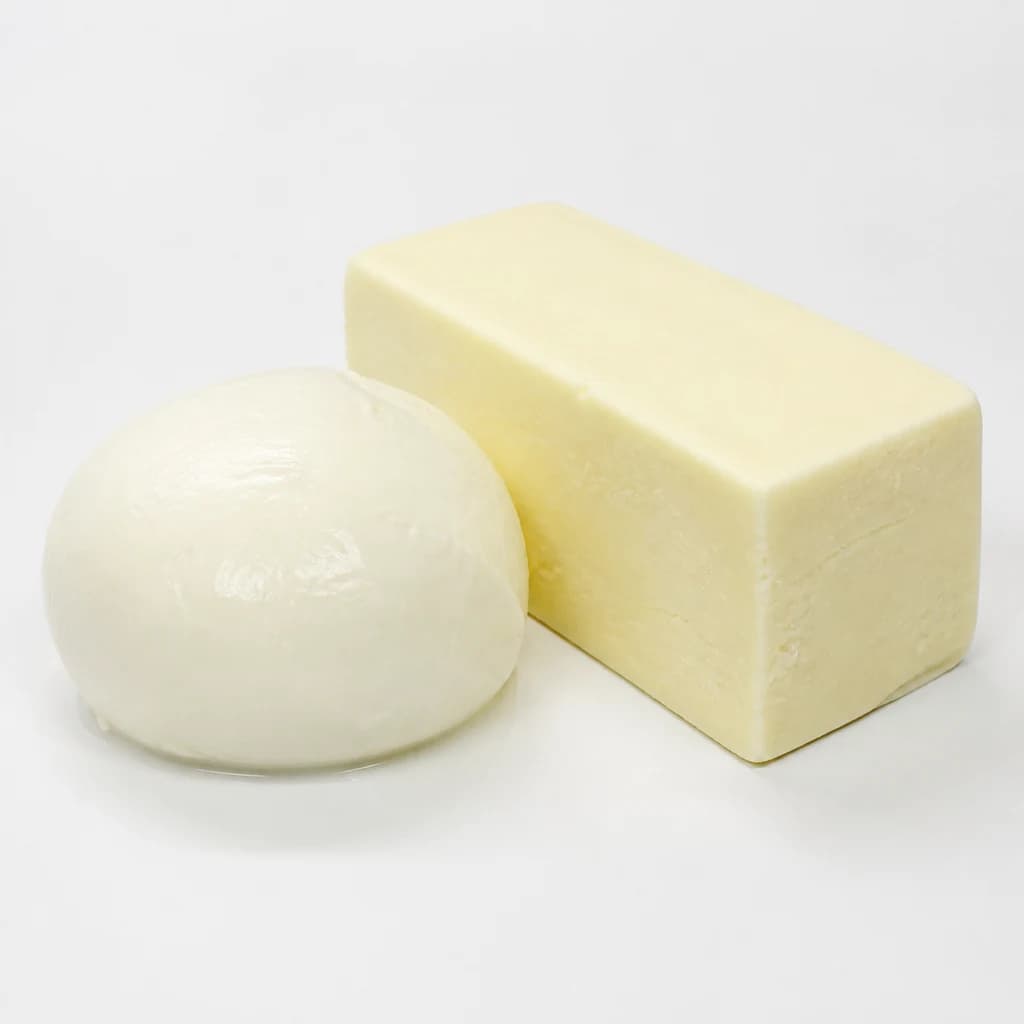
Mozzarella
Soft, milky cheese that melts into stretchy pizza pulls