
Natural form
Fresh green pea pods, intact and unopened, showing the vegetable as harvested.
Teaches the reader the whole pod form and bright green color before shelling.
Produce
Green Pea
Sweet round green seeds eaten fresh or frozen, added to rice, curries, soups, and sides.
Green peas are the small, sweet seeds harvested from pea pods, eaten as a tender vegetable rather than a dried legume. They are stirred into rice dishes, curries, soups, and stews, or served simply buttered as a side, and are very commonly bought frozen. Their bright sweetness is best preserved by brief cooking.
Garden peas (Pisum sativum) are shelling legumes cultivated since at least 5000 BCE in the Mediterranean and Near East. Unlike snow peas and snap peas, the pod of a garden pea is fibrous and inedible—the treasure is the round, sweet seeds inside. Fresh garden peas are one of the most perishable vegetables in the kitchen: their natural sugars convert to starch within hours of harvest, which is why peas sold as "fresh" at the grocery store are often starchy compared to their frozen counterparts. Frozen peas are typically flash-frozen within hours of picking, which locks in sweetness—making them genuinely superior in many applications. When shopping for fresh pods, choose bright green, firm, plump specimens with a slight sheen; avoid yellowing, wilted, or dull-looking pods, which indicate age and starchiness. The yield is roughly 1 cup shelled peas per pound of pods.
Peas occupy a unique position in the kitchen: they are delicate enough for raw applications yet sturdy enough to hold their shape in soups and stews. Their sweetness makes them compatible with both savory and slightly sweet preparations, and they perform equally well as a focal point (blanched with butter and mint) or a supporting actor (folded into risotto). Nutritionally, they offer roughly 8 grams of protein per cooked cup along with significant vitamin K, vitamin C, vitamin A, fiber, and iron—an unusually complete profile for a vegetable. Because their peak season is brief (late spring to early summer), frozen peas are not a compromise but a year-round lifeline to quality.
A common misconception is that fresh is always better. In blind tastings, frozen peas consistently outperform grocery-store "fresh" peas because of that rapid sugar-to-starch conversion. Treat frozen peas as a pantry staple; they require no thawing and go directly from freezer to pan. Fresh peas, by contrast, should be shelled minutes before cooking—never ahead of time—and cooked quickly to preserve their bright color and tender-crisp bite.
- Measured in
- g
- Storage
- Freezer
Types & varieties
Standard shelling pea with smooth or wrinkled seeds; fibrous pod discarded
Small, very sweet French heirloom with tender skin; prized for fine texture
Heirloom variety with excellent sweetness; reliable performer in home gardens
Large, wrinkled seeds; disease-resistant and prolific yielder
Cold-tolerant variety; suitable for early spring planting in marginal climates
Edible podded type; sweet and crisp; eaten whole or split lengthwise
Flat, thin pod with undeveloped seeds; delicate; primarily the pod is consumed
Understanding Freshness and Flavor
The sugars in fresh peas begin converting to starch the moment the pods are picked. This biochemical shift is why the difference between garden-fresh and grocery-store "fresh" peas can be dramatic. Within 24–48 hours of harvest, peas lose perceptible sweetness; by 72 hours, they taste distinctly starchy and dull. Frozen peas bypass this problem entirely—they are blanched and flash-frozen within hours of picking, effectively pausing the sugar-to-starch conversion at its sweetest point. When fresh peas are in season and you can source them from a farmers market or your own garden, cook them the same day, ideally within an hour of shelling.
- Taste a raw pea before cooking: it should be noticeably sweet and juicy
- If fresh peas taste starchy when raw, they will taste worse cooked—use them only in purees where their sweetness doesn't matter
- Frozen peas are preferable to any fresh peas that have been stored more than 2 days
Blanching and Cooking Times
Peas cook quickly and should not be overworked. The goal is a tender-crisp bite that retains brightness. Frozen peas require slightly less time than fresh.
- Fresh or frozen: 60–90 seconds in aggressively salted boiling water, then ice bath
- For a butter-and-herb side dish, toss blanched peas with cold unsalted butter (it will melt gently without greasiness) and finish with fresh mint
- For risotto or pilaf: add peas in the last 3 minutes of cooking so they retain structure and color
- In soups: add pureed peas at the end to avoid breaking them up in the blender or overcooking
Common uses
Tips & pitfalls
- Always shell peas just before cooking; exposed to air, they lose sweetness within hours.
- Salt blanching water aggressively—use at least 1 tablespoon per quart of water. Peas need it.
- Blanch fresh or frozen peas for exactly 60–90 seconds, then transfer immediately to ice water to preserve bright green color and a tender-crisp bite.
- Do not add acid (lemon, vinegar) until after cooking; acidity dulls the color and mutes sweetness.
- Frozen peas can go directly from freezer to pan; do not thaw first or they will steam and turn mushy.
- For raw applications, massage shelled peas gently with a pinch of salt and a drizzle of olive oil to soften the texture slightly without cooking.
- To achieve a smooth puree, pass through a food mill rather than a blender to avoid a gluey result.
Nutrition
Energy
339 kJ · per 100 g
Where the calories come from
Protein
5.4g
11% DV
Carbs
14.5g
5% DV
Fat
0.4g
1% DV
Fiber
5.7g
20% DV
Sugars
5.7g
of which
Sodium
5mg
0% DV
Source · USDA FoodData Central · Peas, green, raw
View on FDC →In the shops
Matched grocery products
No matched grocery products for Green Pea yet.
Good to know
- Botanical name
- Pisum sativum
- Family
- Fabaceae (legume)
- Plant part used
- Seeds, shelled from pods
- Origin
- Mediterranean region and Near East, cultivated since 5000 BCE
- Peak season (Northern Hemisphere)
- Late spring to early summer (fresh); year-round (frozen)
- Shelf life (fresh, in pods)
- 2–3 days refrigerated
- Shelf life (frozen)
- 8–12 months at 0°F (-18°C)
- Yield
- ~1 cup shelled (150g) per 1 lb (450g) of pods
- Protein
- ~8g per cooked cup
Substitutes
- Frozen peas — Nearly always acceptable; flash-frozen at peak freshness, often sweeter than fresh grocery-store peas
- Edamame — Different texture and milder flavor; blanch briefly before using
- Canned peas — Mushy and muted; acceptable only in emergencies; rinse before using
- Baby lima beans — Closest in size and cooking behavior; slightly earthier; cook slightly longer
Pairs with
Also called
Arveja · Garden Pea · Green Peas · Pea · Peas · Garden Peas · Frozen Peas
Appears in these dishes
Related
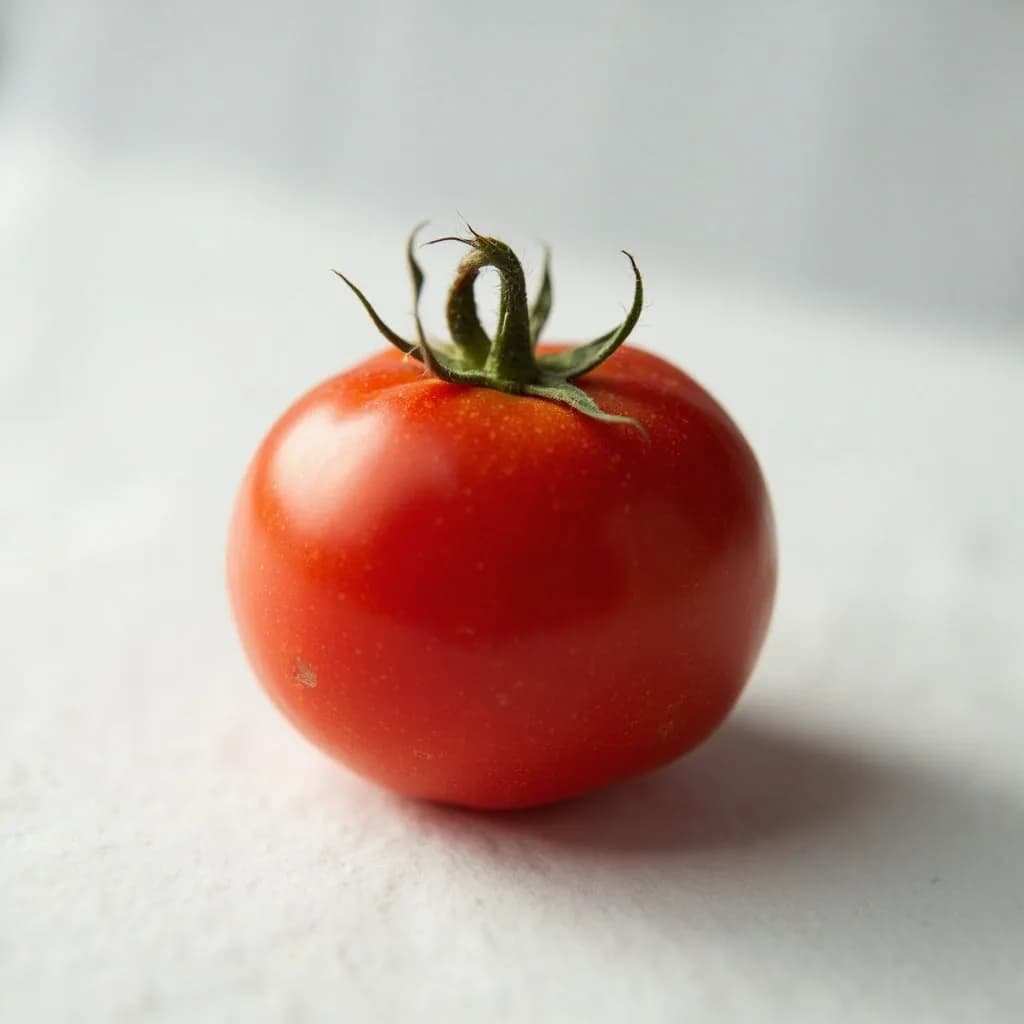
Tomato
Juicy, sun-sweet fruit for sauces, salads, and slow-cooked depth
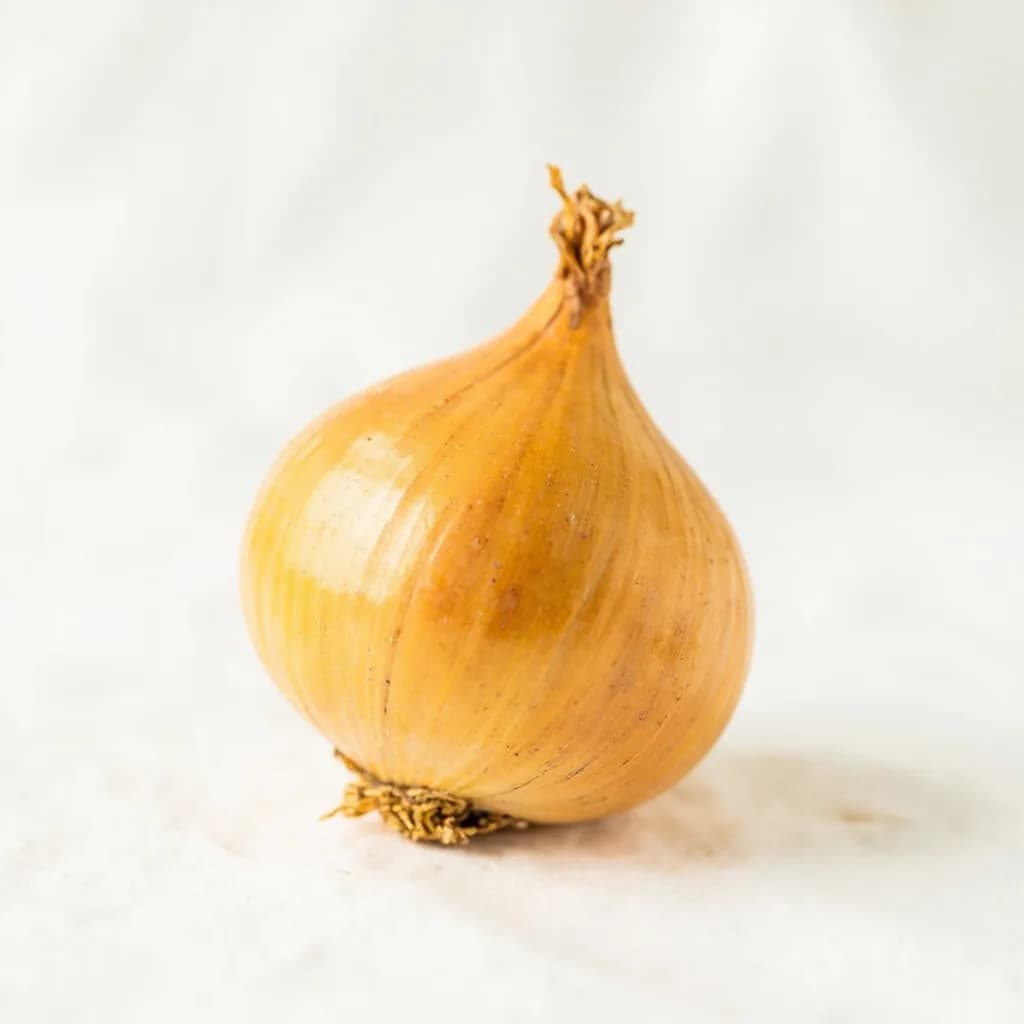
Yellow Onion
The aromatic backbone of soups, sofritos, and braises
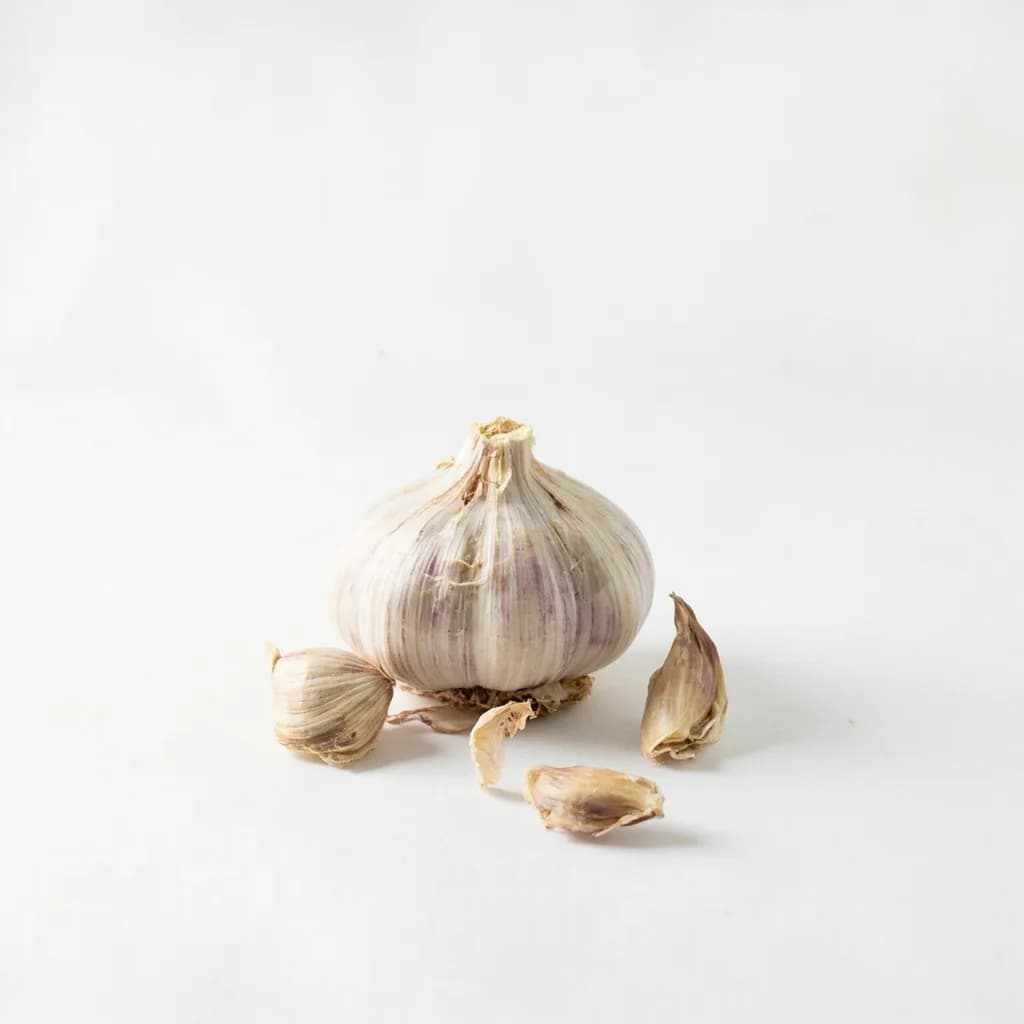
Garlic
Pungent cloves that perfume nearly every savory dish
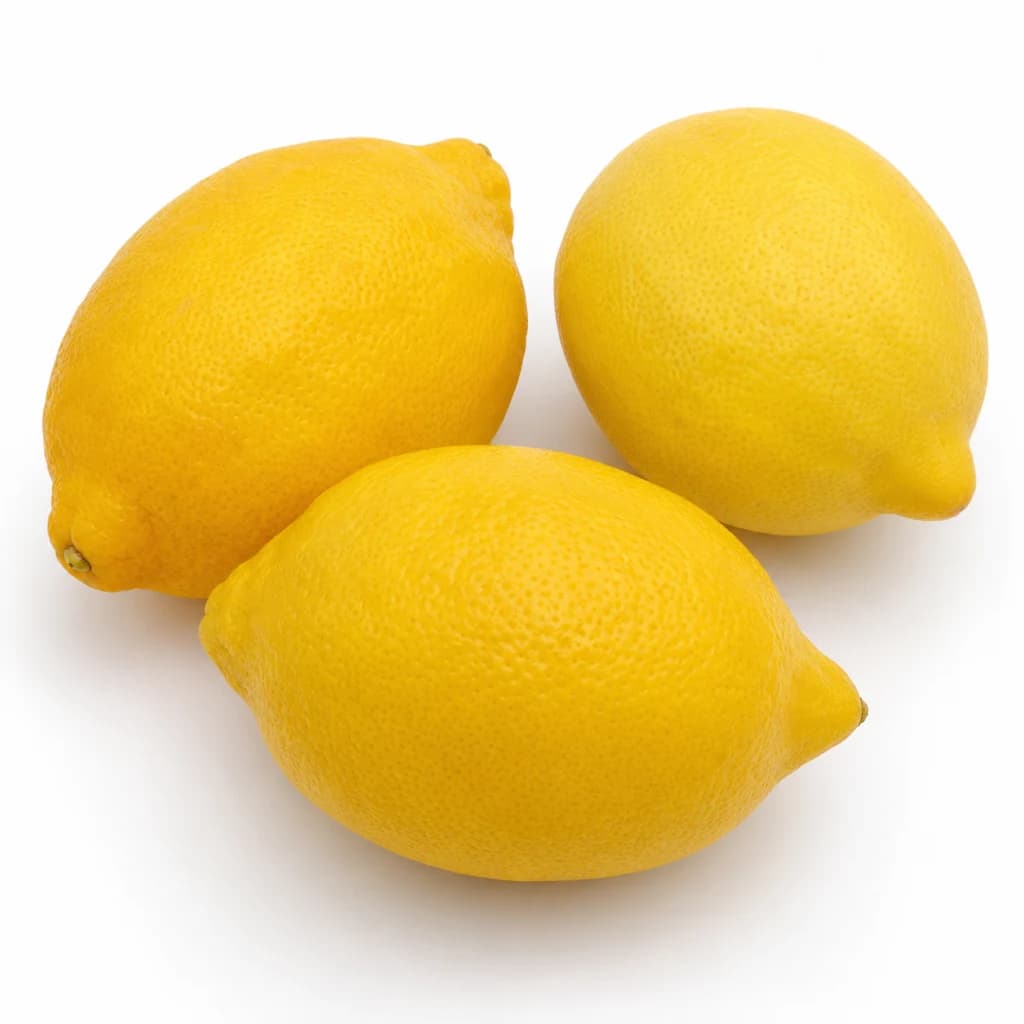
Lemon
Bright, acidic citrus that wakes up almost any dish
Potato
Humble, hearty staple — roast, mash, fry, or boil
Carrot
Sweet, crunchy root — raw, roasted, or the base of a sofrito
Cucumber
Cool, crisp, and watery — for salads, pickles, and tzatziki

Lettuce
Crisp leaves for salads, wraps, and a fresh crunch