Natural form
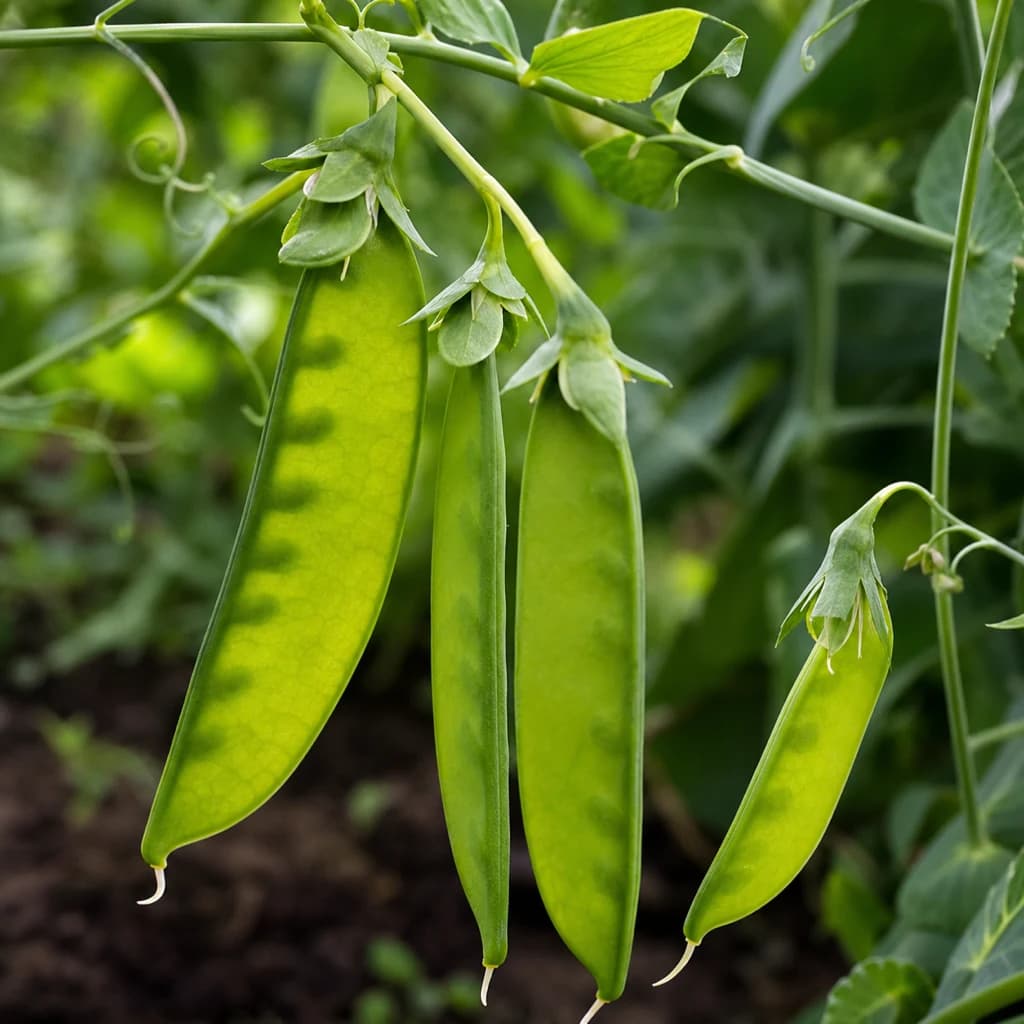
Fresh snow peas still on the vine, showing their flat, translucent pods and tiny inner seeds.
Shows the defining characteristic of snow peas — the flat, whole edible pod with visibly small seeds inside — in their unprocessed state.
Produce
Snow Pea (Mangetout)
Flat, edible-pod peas eaten whole, crisp and sweet in stir-fries, salads, and quick saute.
Snow peas are flat, tender pea pods harvested young so the whole pod is edible while the seeds inside are still small. Sweet and crisp, they are stir-fried, blanched for salads, or eaten raw, and are a fixture of Chinese and Southeast Asian cooking. Only a quick cook is needed to keep them bright green and snappy; the stringy edge is usually pulled off first.
Snow peas, botanically classified as Pisum sativum var. macrocarpon, are flat, edible-podded peas cultivated for over 5,000 years in the Mediterranean and Central Asia. Unlike shelling peas, where the pod is discarded, snow peas are eaten whole—their translucent, paper-thin pods are tender enough to require no preparation beyond rinsing. The inner peas are barely visible, remaining small and undeveloped, which gives the pod its characteristic flat profile and delicate texture. Their flavor is subtly sweet with a faintly grassy note, never starchy, making them one of the most restrained and elegant vegetables in the kitchen. In French culinary tradition they are called mangetout—meaning "eat all"—and this name reflects their 100% edibility and near-zero waste when properly selected.
The snow pea occupies a unique niche in the produce world: it bridges raw and cooked applications with equal ease. Raw, it provides a clean, juicy snap that holds its own in composed salads. Cooked, it responds to heat with startling speed—a quality that rewards attentiveness and punishes distraction. Its thin membrane means it transitions from crisp to limp in seconds, so timing is the defining skill when working with this ingredient. The vivid green color, vivid enough to fade under heavy heat, also makes snow peas a natural garnish that communicates freshness before a dish is even tasted. Chefs rely on them to add visual lightness and textural contrast in otherwise heavy preparations.
Understanding the difference between snow peas and their close relatives prevents common kitchen errors. Sugar snap peas have thick, rounded, fully edible pods with a pronounced curvature and a sweeter, more substantial bite—they belong to a different cross that includes English pea ancestry. Shelling peas are what the name implies: varieties grown for the internal peas alone, with tough, fibrous pods that must be discarded. Snow peas are specifically the flat-podded type, and within this category there is meaningful variation in size, tenderness, and intended use. Freshness is non-negotiable; once the pods yellow or lose their snap, the vegetable has passed its useful window regardless of how it is cooked.
- Measured in
- g
- Storage
- Fridge
Types & varieties
Most common commercial variety; 5–8 cm long, very flat; widely available in supermarkets
Slightly larger and broader than standard; popular in Cantonese cuisine; sometimes called 'hon ken tau'
Heirloom variety; disease-resistant; produces 10–12 cm pods; mildly sweet
Compact plant; small pods, often grown in home gardens; same flat-pod characteristic
Japanese variety; particularly tender; bred for raw consumption in sushi and salads
Young tendrils and leaves of the snow pea plant; used in Chinese cooking; distinct from pods and far more perishable
Buying and Storage
Snow peas are one of the few vegetables where freshness is immediately obvious and functionally important. Choose pods that are uniformly bright green with no pale or yellowish patches, which indicate age or exposure to light. The ideal pod will be firm to the touch with a slight translucency that lets you glimpse the undeveloped peas inside. A simple bend test works: a fresh pod snaps crisply without bending; a limp or rubbery pod has passed its prime. Avoid any with brown spots, dryness at the seams, or a dull surface sheen.
Storage is straightforward but time-sensitive. Keep unwashed pods in a loosely closed perforated bag in the crisper drawer of the refrigerator. They lose moisture quickly in open air and will wilt within a day if left exposed. Do not store snow peas near ethylene-producing fruits—apples, bananas, pears, and avocados—because the gas accelerates pod yellowing and decay. Under proper conditions they hold for 4–5 days, but the clock starts the moment they are harvested. Use them as soon as possible after purchase, ideally within 24 hours for maximum sweetness and snap.
- Store unwashed in a perforated bag in the crisper drawer
- Keep away from ethylene-producing fruits
- Use within 24–48 hours for peak sweetness and crunch
- Do not freeze raw; blanch first if freezing is necessary
The Snow Pea vs. Its Relatives
Confusion between snow peas, sugar snap peas, and shelling peas is the most common source of cooking disappointments. These are three distinct vegetable types, each with specific culinary uses, and substituting one for another without adjusting technique produces inferior results.
Snow peas have the flattest pods of the three. The membrane is thin enough to eat raw or after the briefest cooking. The inner peas remain small and unobtrusive. Sugar snap peas result from crossing snow peas with English shelling peas, giving them thicker, rounder, fully edible pods with a more pronounced sweetness and a satisfying snap. They handle longer cooking and hold their texture better in braises or heavy sauces. Shelling peas—sometimes called English peas—are grown for the peas themselves, which develop fully inside a tough, inedible pod. The pods are always discarded; the peas are shelled and cooked separately, often pureed into soups or folded into risotto. Attempting to cook shelling pea pods as you would snow peas produces fibrous, unpleasant results.
Knowing which pea you have changes how you cook it. Snow peas go in last. Sugar snaps go in earlier. Shelling peas are shelled first. These distinctions sound basic but prevent a remarkable number of kitchen failures.
- Snow peas: flat pods, brief cooking, whole-eaten
Pea Shoots: The Companion Ingredient
When purchasing snow peas at an Asian market or from a specialty grower, you may encounter snow pea shoots—young tendrils, curly leaves, and stem tips of the snow pea plant. These are a distinct ingredient with their own culinary identity. They have a delicate, grassy sweetness that is more vegetal and less sweet than the pods, with a tender texture that wilts almost instantly.
Use shoots the same day you buy them; they deteriorate faster than any other green in the produce drawer. Rinse gently, shake dry, and add them to stir-fries in the final 30 seconds of cooking, or scatter them raw over finished dishes as a garnish. In Cantonese cuisine, they appear in warm noodle soups or are briefly wilted with garlic as a side dish. Do not substitute shoots for pods in a recipe or vice versa—their cooking times, textures, and roles on the plate are fundamentally different.
- More perishable than pods; use the same day
- Wilt in under 30 seconds of cooking
- Best as a garnish or in brief stir-fries, not as a main vegetable component
Common uses
Tips & pitfalls
- Add snow peas to stir-fries only in the last 60–90 seconds of cooking; residual heat will finish them off the burner
- Taste a raw pod before cooking to gauge sweetness and tenderness—overmature pods can be fibrous even when cooked
- Trim the stem end like string beans only if the string pulls away easily; young pods often do not need it
- For a charred effect in stir-fries, do not crowd the wok—cook in batches so they blister rather than steam
- If pods are slightly tough, blanch 30 seconds in salted boiling water then ice bath before sautéing
- Never use frozen snow peas in stir-fries—they turn mushy and waterlogged; frozen is acceptable only for soups or purees
- Store away from ethylene-producing fruits such as apples and bananas, which accelerate yellowing
- For salads, slice diagonally for better mouthfeel and visual interest
Nutrition
Energy
339 kJ · per 100 g
Where the calories come from
Protein
5.4g
11% DV
Carbs
14.5g
5% DV
Fat
0.4g
1% DV
Fiber
5.7g
20% DV
Sugars
5.7g
of which
Sodium
5mg
0% DV
Source · USDA FoodData Central · approx. Peas, green, raw
View on FDC →In the shops
Matched grocery products
No matched grocery products for Snow Pea (Mangetout) yet.
Good to know
- Scientific Name
- Pisum sativum var. macrocarpon
- Family
- Fabaceae (legume)
- Origin
- Mediterranean region and Central Asia, cultivated for over 5,000 years
- Peak Season
- Late spring through early summer in temperate climates; year-round in mild climates like California and Taiwan
- Flavor Profile
- Delicate, sweet, slightly grassy; subtle pea sweetness without starchy interior
- Pod Characteristics
- Flat, thin, translucent membrane; 5–10 cm long; edible whole with inner peas barely visible
- Nutritional Highlight
- Excellent source of vitamin C (~60% DV per cup), vitamin K, and fiber; only ~35 calories per cup
- Shelf Life
- Refrigerate unwashed in a perforated plastic bag for 4–5 days; best used the same day
- Selection Criteria
- Firm, bright green pods; no yellowing, browning, or wilting; audible snap when bent
- Yield
- Approximately 100% edible; negligible waste when pods are tender
Substitutes
- Sugar Snap Peas — Best substitute; sweeter, thicker, and rounder pods with fully edible shells; increase cooking time by roughly 30 seconds
- Haricots Verts — French green beans; similar size and texture but lacks the sweet pea flavor; works in sautéed preparations
- Water Chestnuts — For raw applications needing crunch; entirely different flavor but maintains crisp texture in stir-fries and salads
- Tenderstem Broccoli — Provides similar quick-cooking vegetable role with a different flavor; stems cook at the same pace as snow peas
- Mung Bean Sprouts — Comparable texture in stir-fries; softer mouthfeel; widely available and inexpensive
Pairs with
Also called
Mangetout · Snow Pea · Chinese Pea Pod
Appears in these dishes
Related
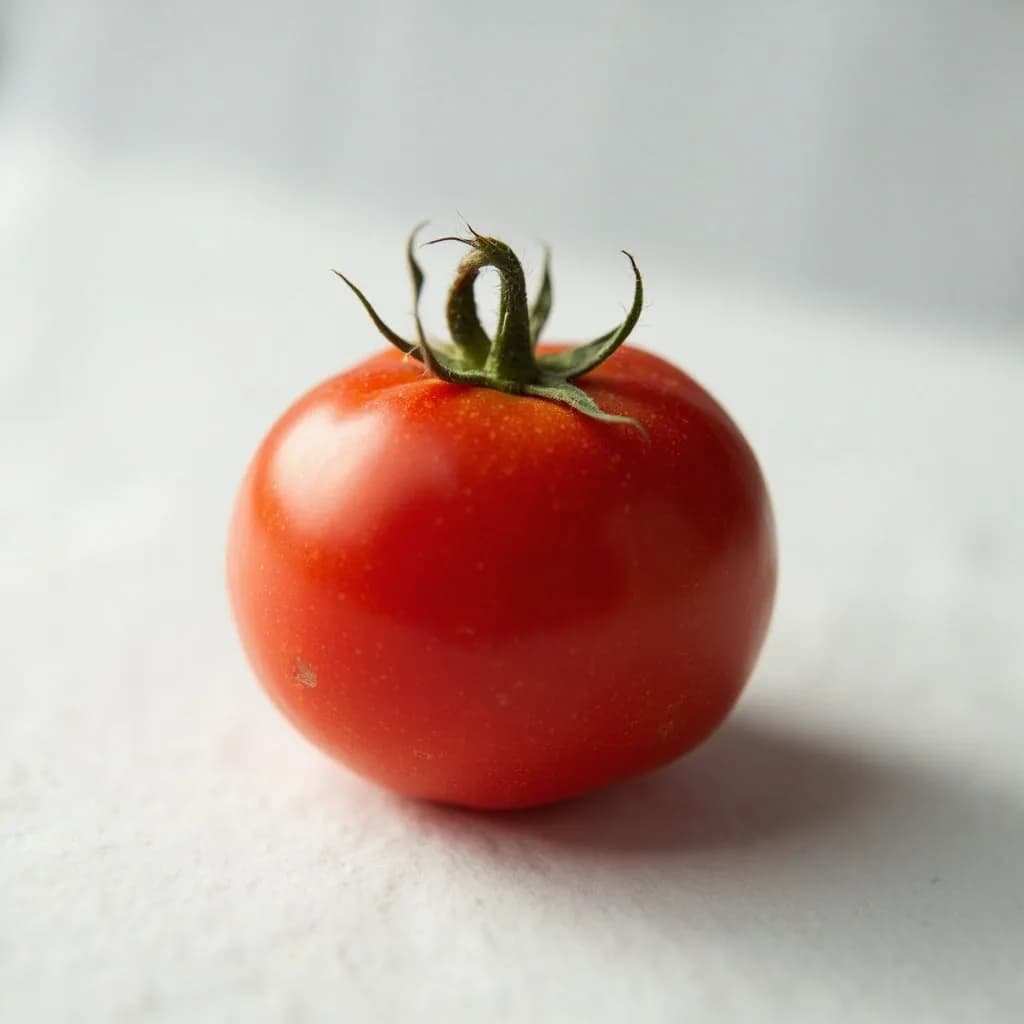
Tomato
Juicy, sun-sweet fruit for sauces, salads, and slow-cooked depth
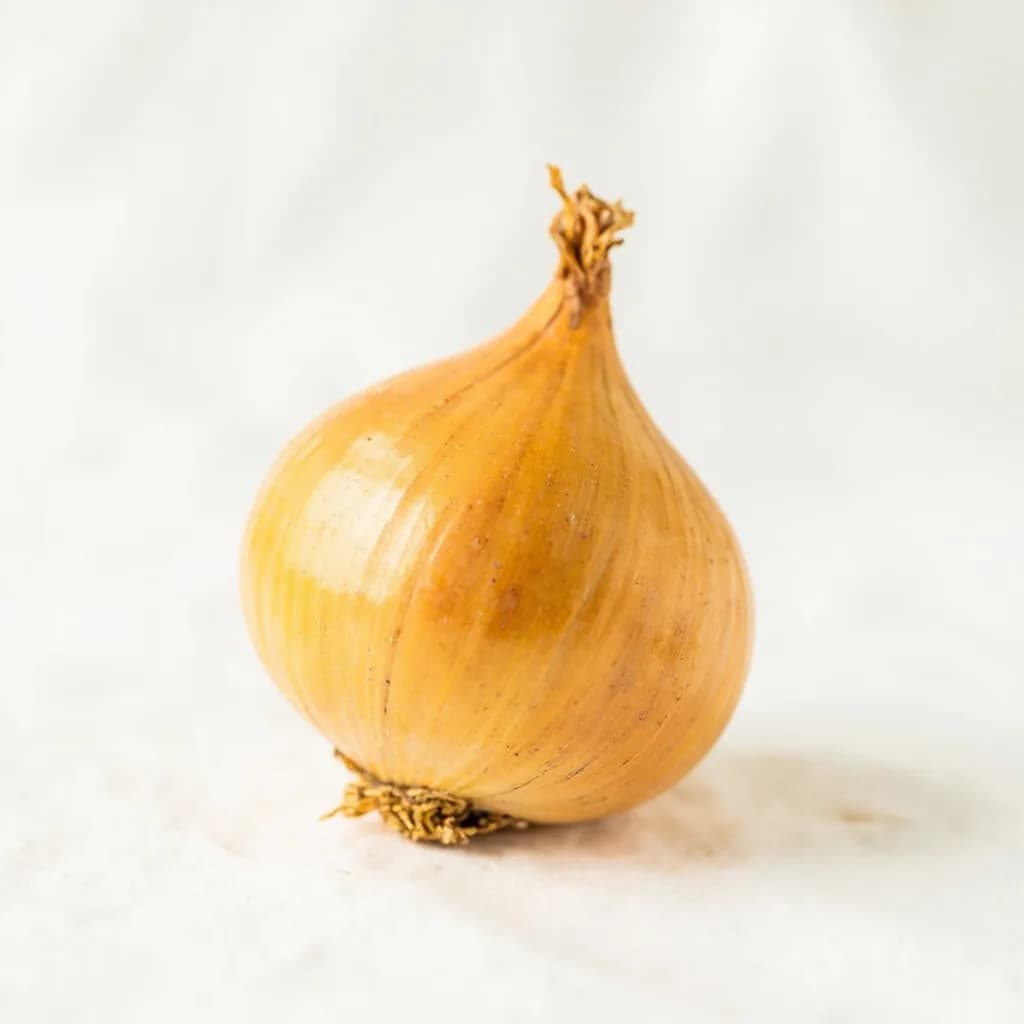
Yellow Onion
The aromatic backbone of soups, sofritos, and braises
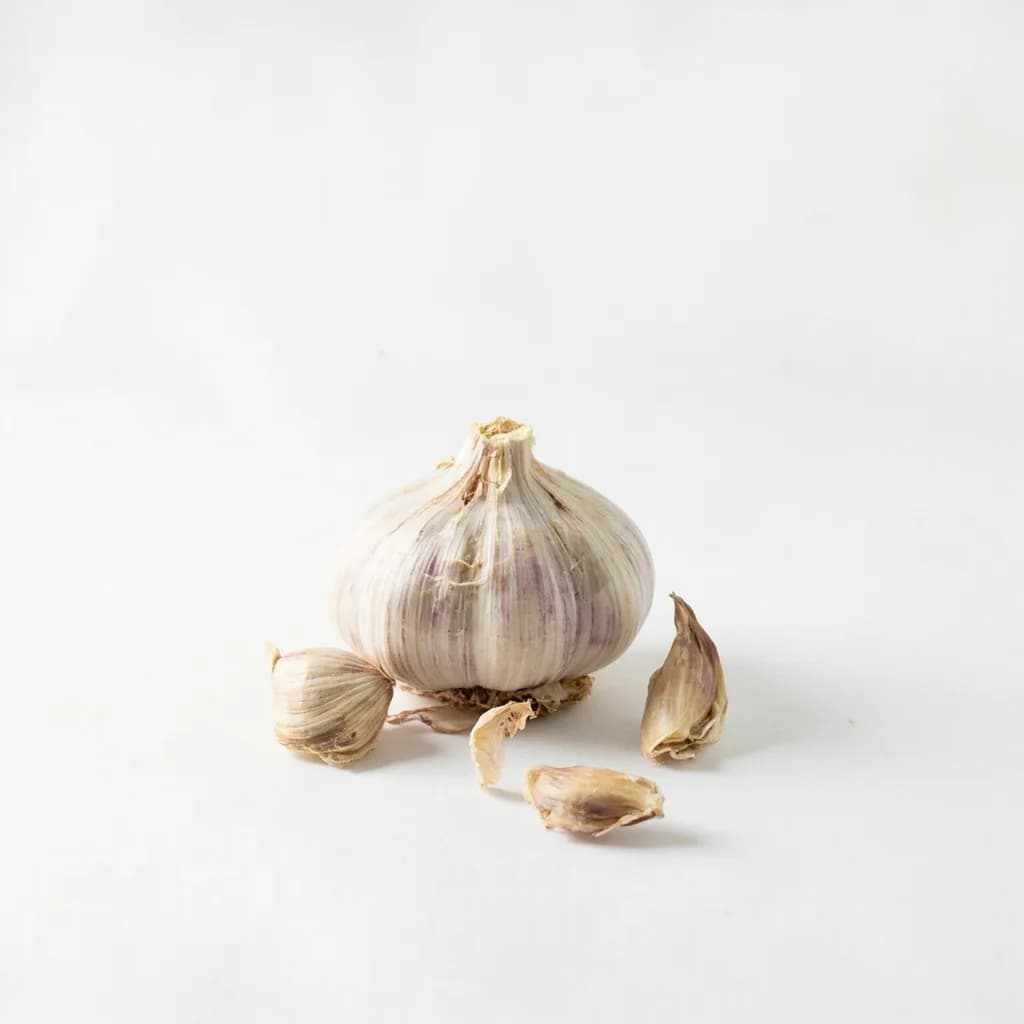
Garlic
Pungent cloves that perfume nearly every savory dish
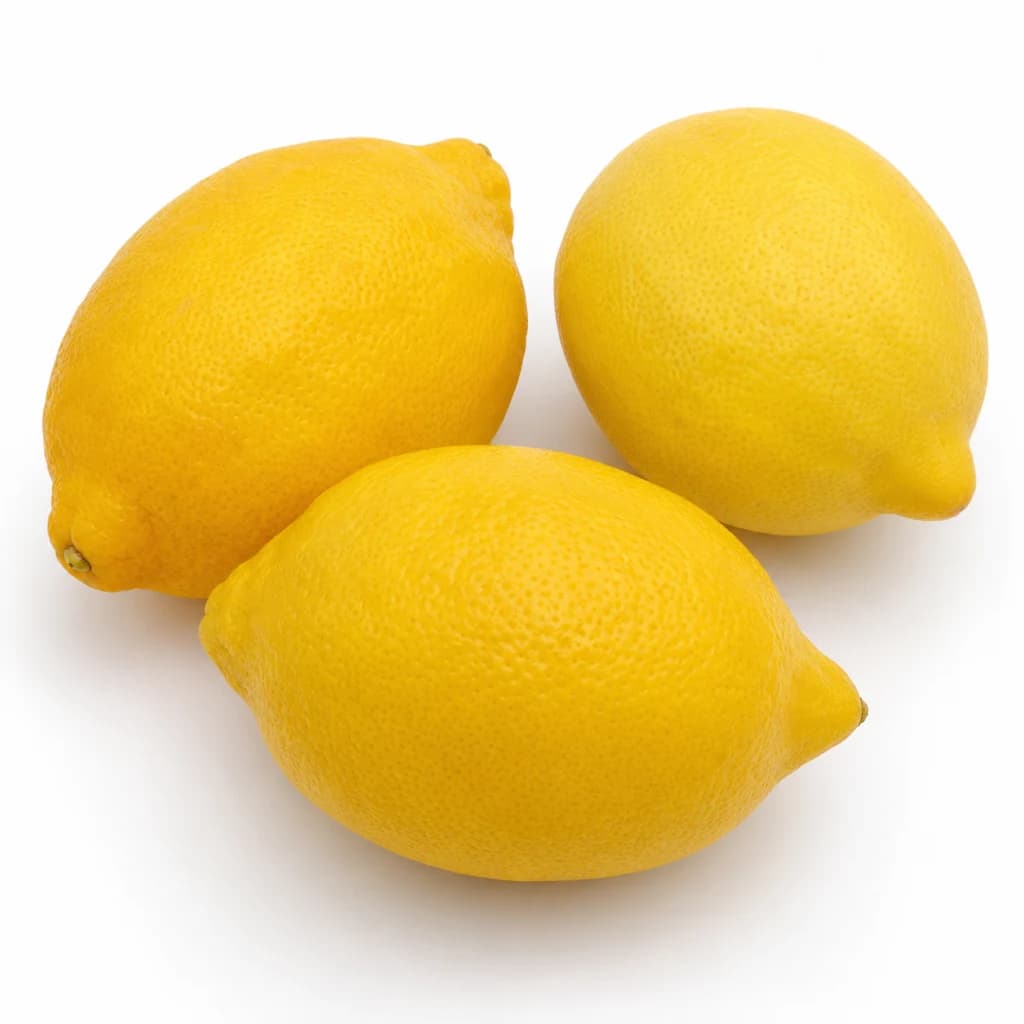
Lemon
Bright, acidic citrus that wakes up almost any dish
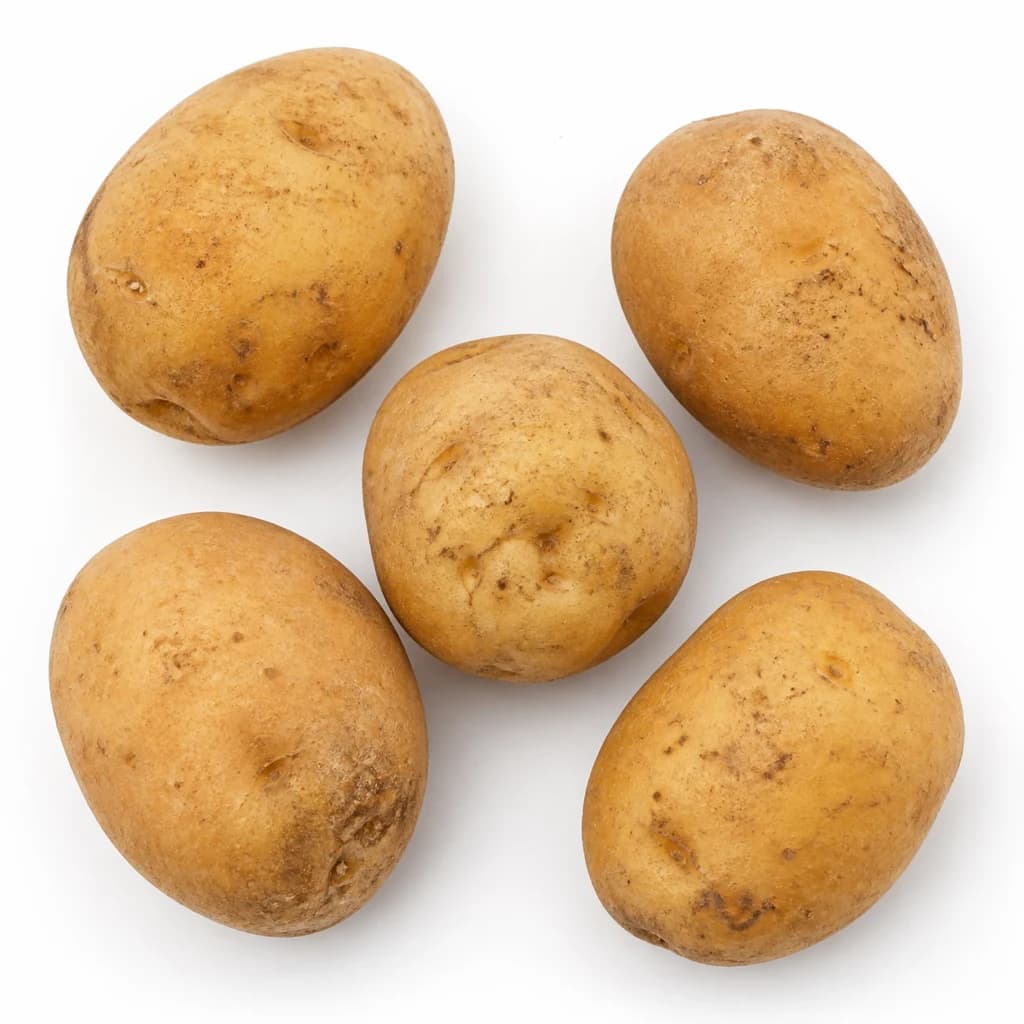
Potato
Humble, hearty staple — roast, mash, fry, or boil
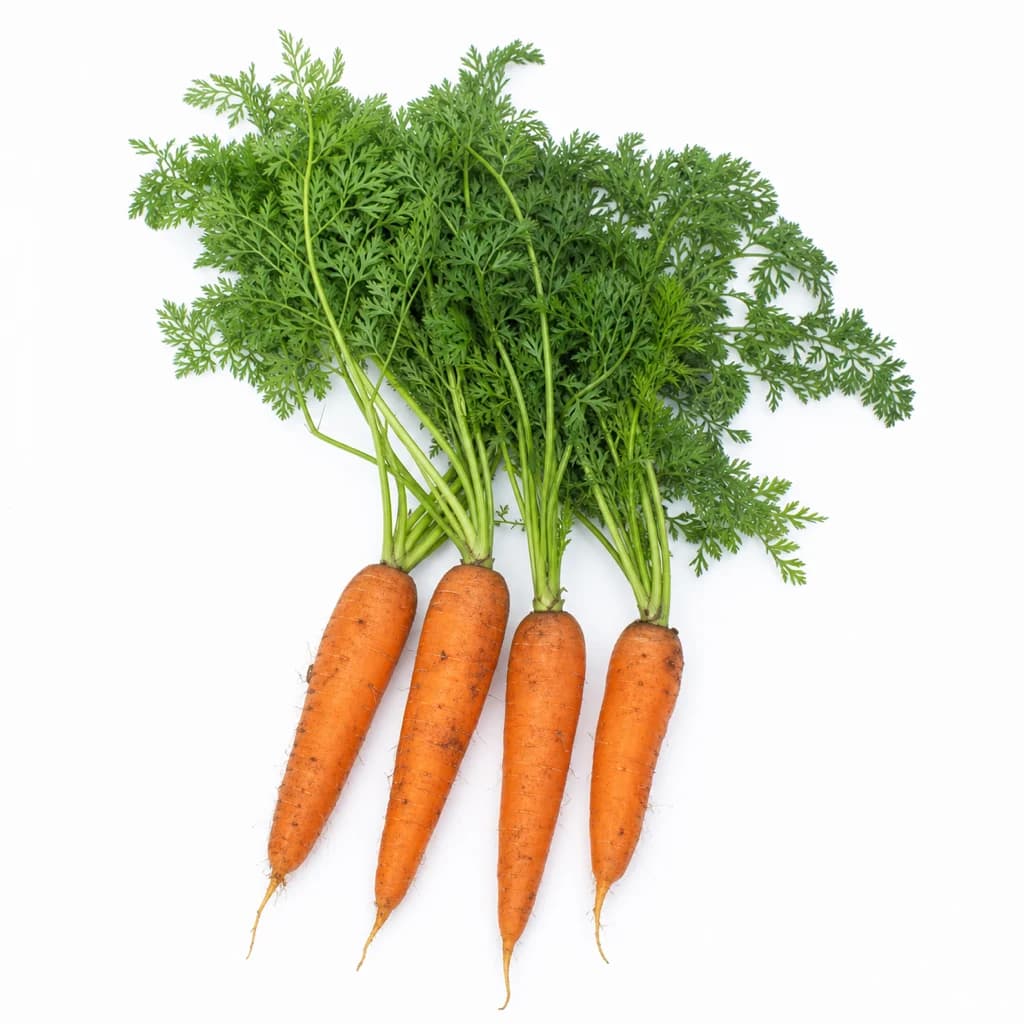
Carrot
Sweet, crunchy root — raw, roasted, or the base of a sofrito
Cucumber
Cool, crisp, and watery — for salads, pickles, and tzatziki

Lettuce
Crisp leaves for salads, wraps, and a fresh crunch