
Natural form
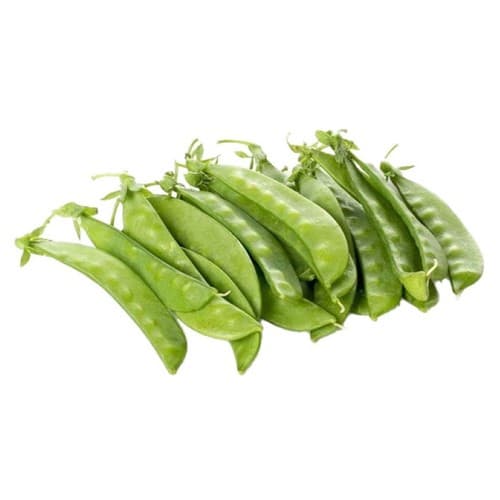
Whole sugar snap pea pods showing the plump, bright green edible shells.
Shows the defining feature of snap peas — the plump, fully enclosed edible pod — distinguishing them from flat snow peas or shelled green peas.
Produce
Snap Pea
Sweet, edible-pod peas for snacking and quick stir-fries
Crisp and sweet, sugar snap peas are eaten pod and all — raw for snacking or flash-cooked in a stir-fry. Cook them briefly to keep the snap. Keep them cold.
Sugar snap peas are the best of both pea worlds — a plump, sweet pea inside a crisp, edible pod you eat whole. Crunchy and candy-sweet raw, they're a perfect snack and crudité, and a flash in a hot pan or a quick blanch keeps their snap while warming them through. Don't overcook them: the whole point is that fresh, juicy crunch. A handful raw, dunked in something creamy, is one of spring's simplest pleasures.
- Measured in
- g
- Storage
- Refrigerate
- Shelf life
- 5 days
Find it in
Types & varieties
Plump, rounded pod with full peas inside; eaten whole
Flat pod, tiny peas; also eaten whole, milder
Tough pod, eaten for the peas inside only
How to choose
Want bright-green, firm, plump pods that look and feel crisp and snap cleanly. Avoid yellowing, limp, swollen, or blemished pods. The pea seeds inside should be small to medium — overgrown ones mean a tougher, starchier pod. They should feel light and fresh, not heavy and tired.
How to store and prep
Keep snap peas cold in the crisper, loosely bagged, and eat within a few days for peak sweetness, which fades over time. Some varieties have a tough fibrous string along the seam: pinch the stem end and pull it down the length to remove it. Many modern snap peas are nearly stringless.
- Eat within a few days for max sweetness
- String them if the seam is fibrous
- Keep cold and loosely bagged
How to cook (briefly)
The cardinal rule is don't overcook — snap peas are at their best raw or barely cooked, so the crunch and sweetness survive. Blanch for under a minute and shock in ice water, stir-fry over high heat for a minute or two, or just toss them raw into salads. Long cooking turns them limp, drab, and dull — exactly what you're trying to avoid.
Common uses
Tips & pitfalls
- Eat them raw — they're at their sweetest and crunchiest uncooked
- Blanch under a minute and shock in ice water to keep the snap
- Stir-fry hot and fast with ginger and garlic for a quick side
- String the seam if it's tough; most modern ones don't need it
- Halve on the bias to show the peas inside and grab dressing
Nutrition
Energy
339 kJ · per 100 g
Where the calories come from
Protein
5.4g
11% DV
Carbs
14.5g
5% DV
Fat
0.4g
1% DV
Fiber
5.7g
20% DV
Sugars
5.7g
of which
Sodium
5mg
0% DV
Source · USDA FoodData Central · approx. Peas, green, raw
View on FDC →In the shops
Matched grocery products
 €3.39
€3.39Snow Pea LA COLLITA in Tray 250 g
LA COLLITA · kg · Bonpreu
Good to know
- Peak season
- Spring through early summer (cool weather)
- Flavor
- Sweet, crisp, fresh, grassy; juicy
- Origin
- A 1979 cultivar (bred by Calvin Lamborn) crossing snow and shelling peas; the pea itself, Pisum sativum, is an ancient Near-Eastern/Mediterranean crop
- Nutrition
- ~42 kcal/100g; fiber, vitamins C, K, A
- How to buy
- Bright green, firm, plump pods that snap; no yellowing or limpness
Substitutes
- Snow peas — Flatter, milder; eaten whole the same way
- Green beans — For a snappy cooked green (less sweet)
- Asparagus — For a spring vegetable with crunch
Also called
sugar snap pea · sugar snap peas · tirabeques · tirabec · tirabecs
Related
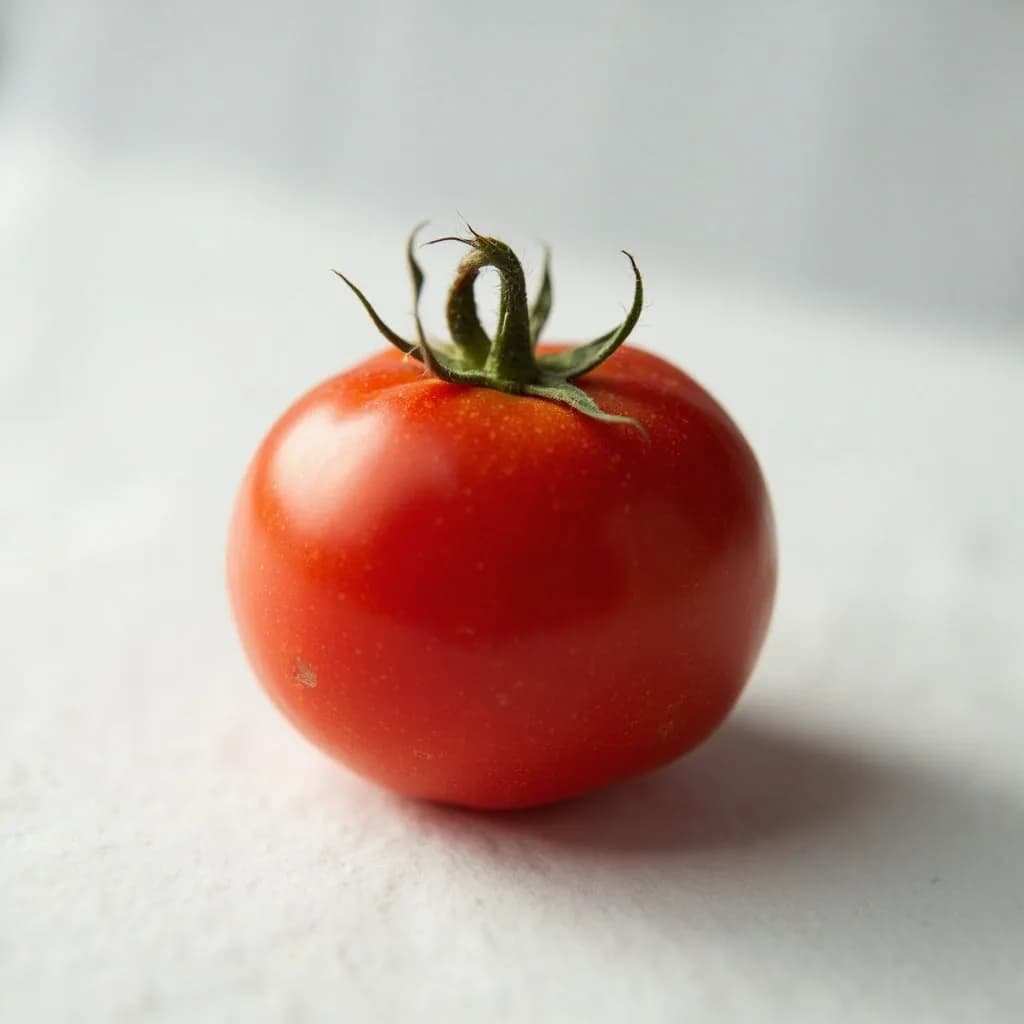
Tomato
Juicy, sun-sweet fruit for sauces, salads, and slow-cooked depth
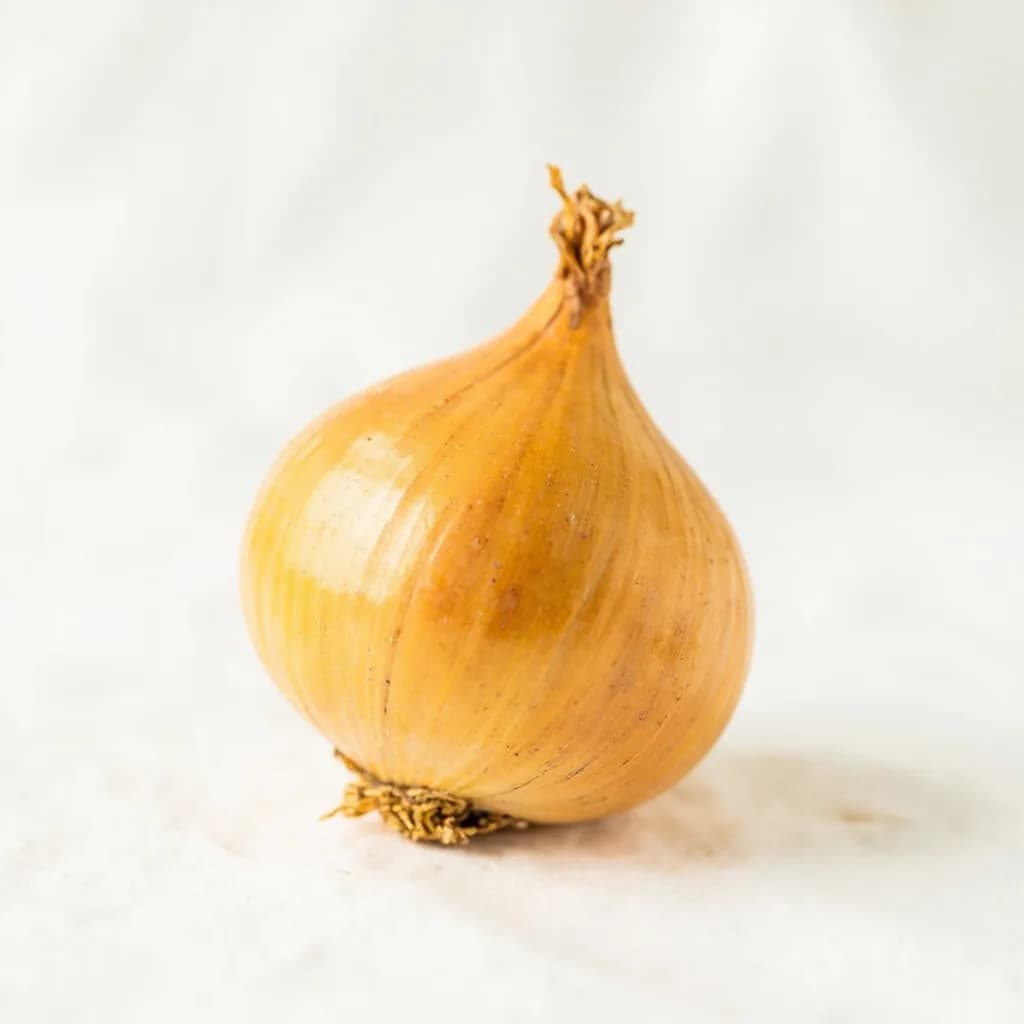
Yellow Onion
The aromatic backbone of soups, sofritos, and braises
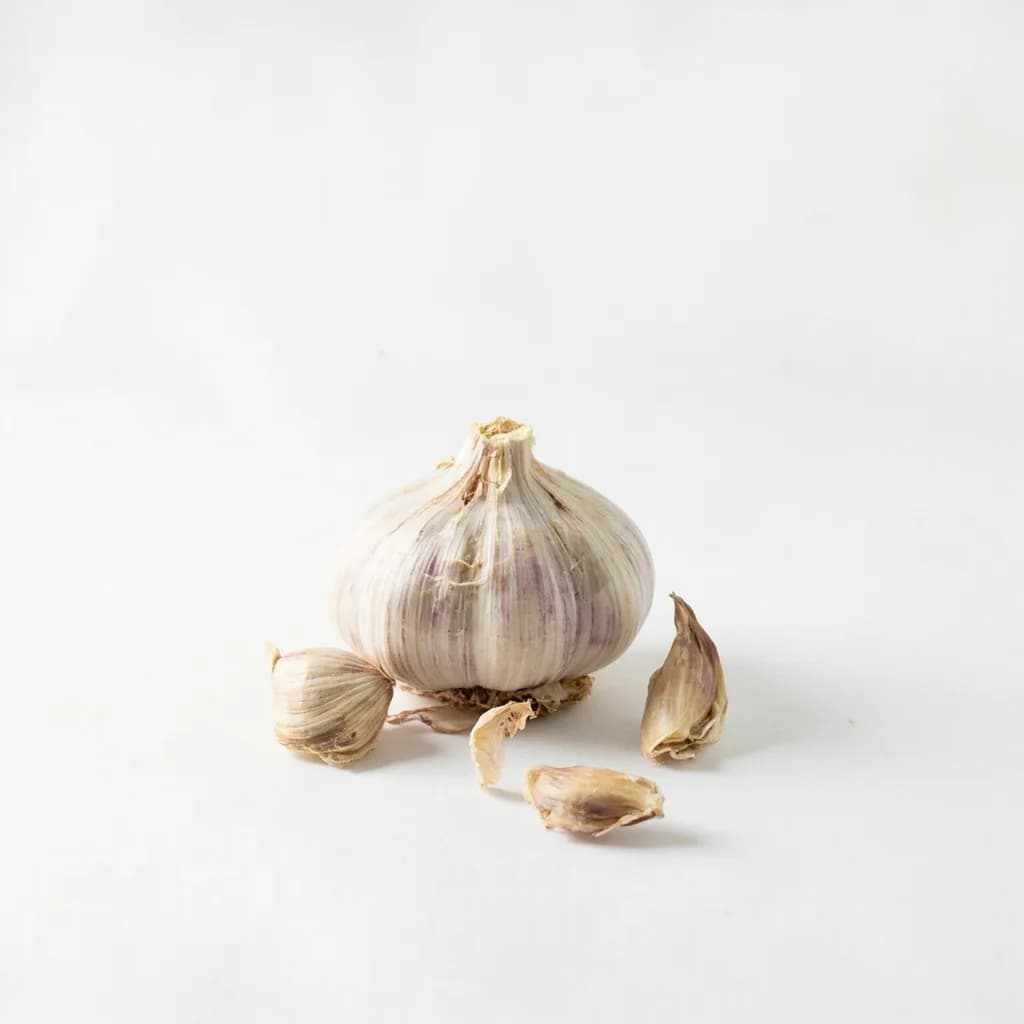
Garlic
Pungent cloves that perfume nearly every savory dish
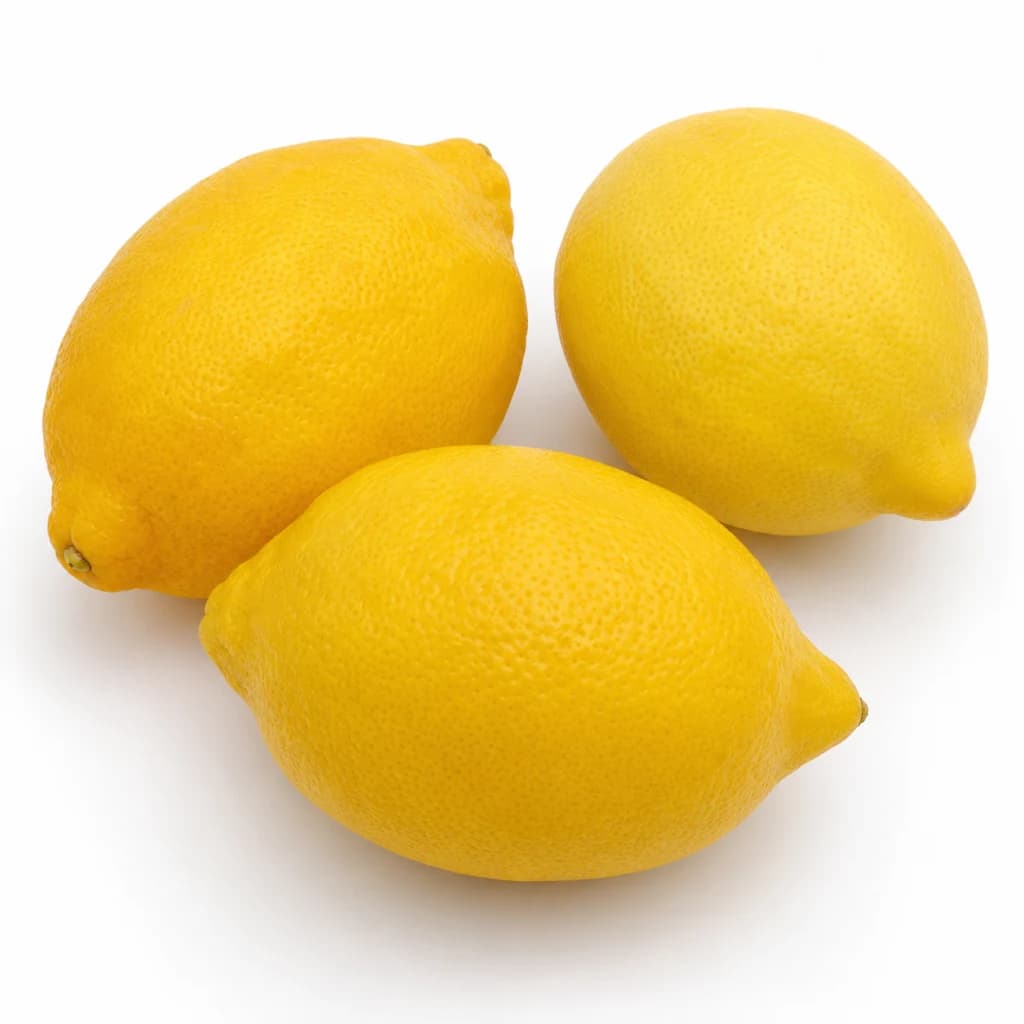
Lemon
Bright, acidic citrus that wakes up almost any dish
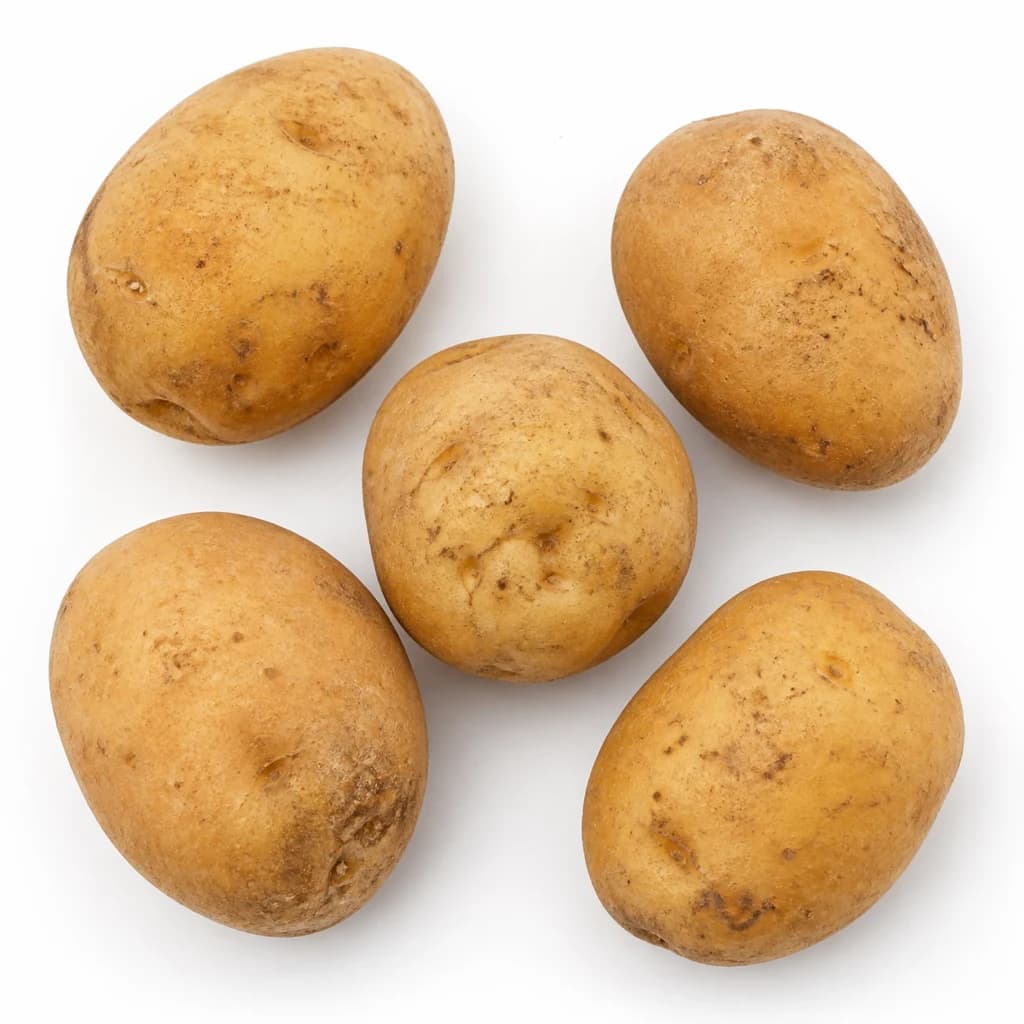
Potato
Humble, hearty staple — roast, mash, fry, or boil
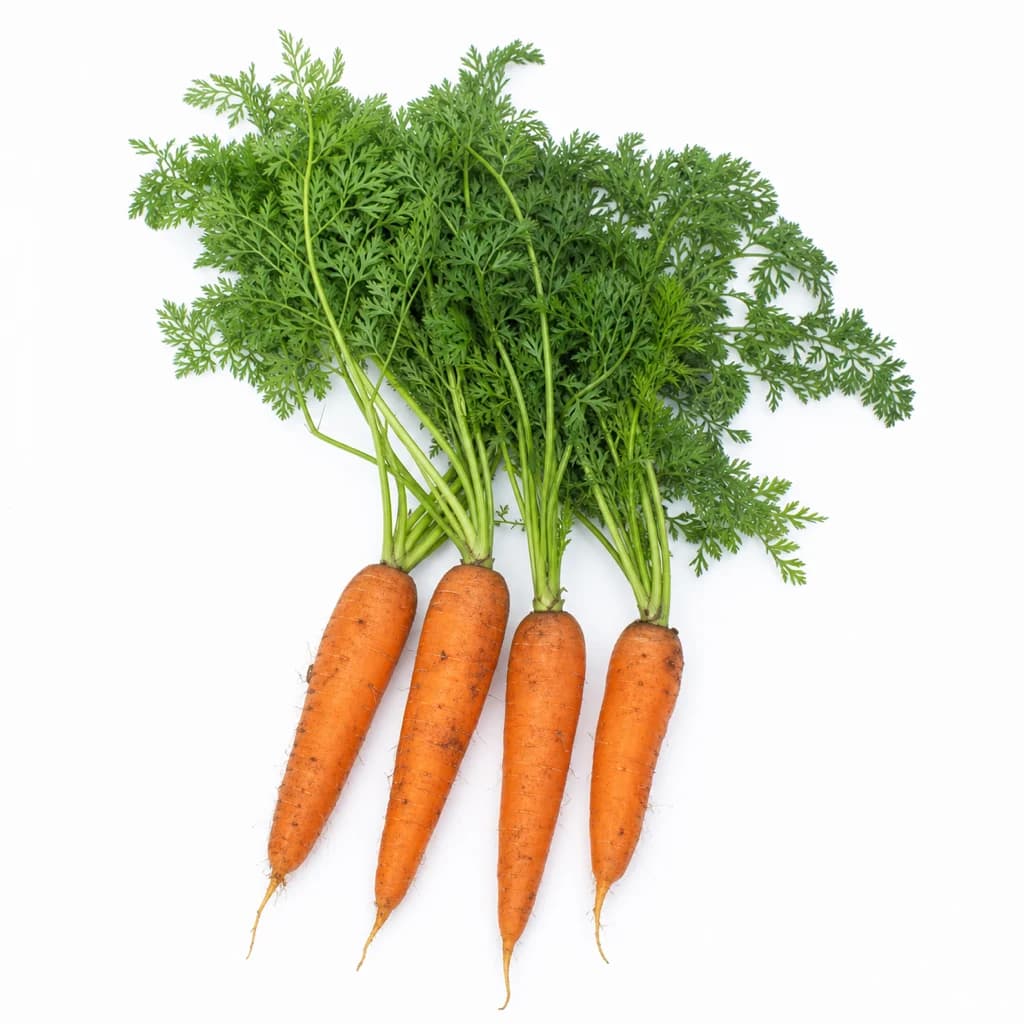
Carrot
Sweet, crunchy root — raw, roasted, or the base of a sofrito
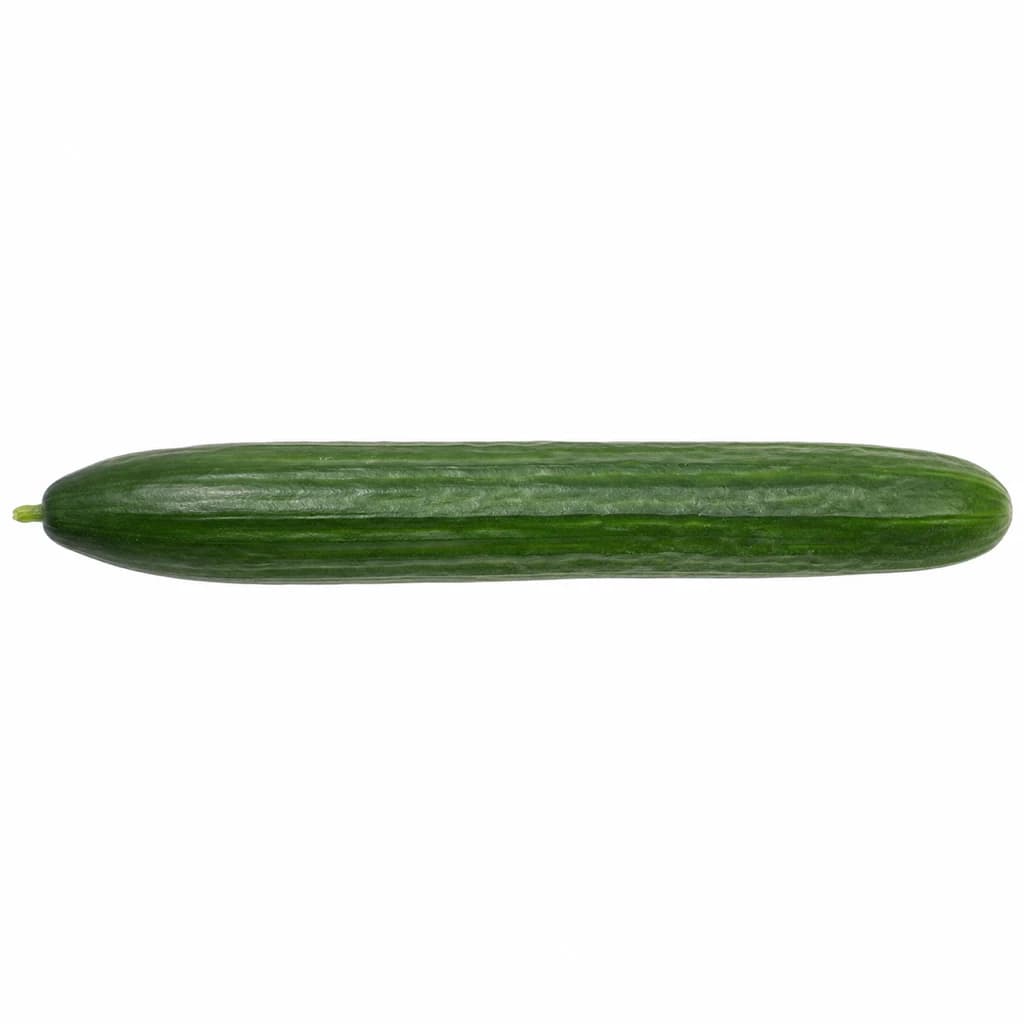
Cucumber
Cool, crisp, and watery — for salads, pickles, and tzatziki

Lettuce
Crisp leaves for salads, wraps, and a fresh crunch