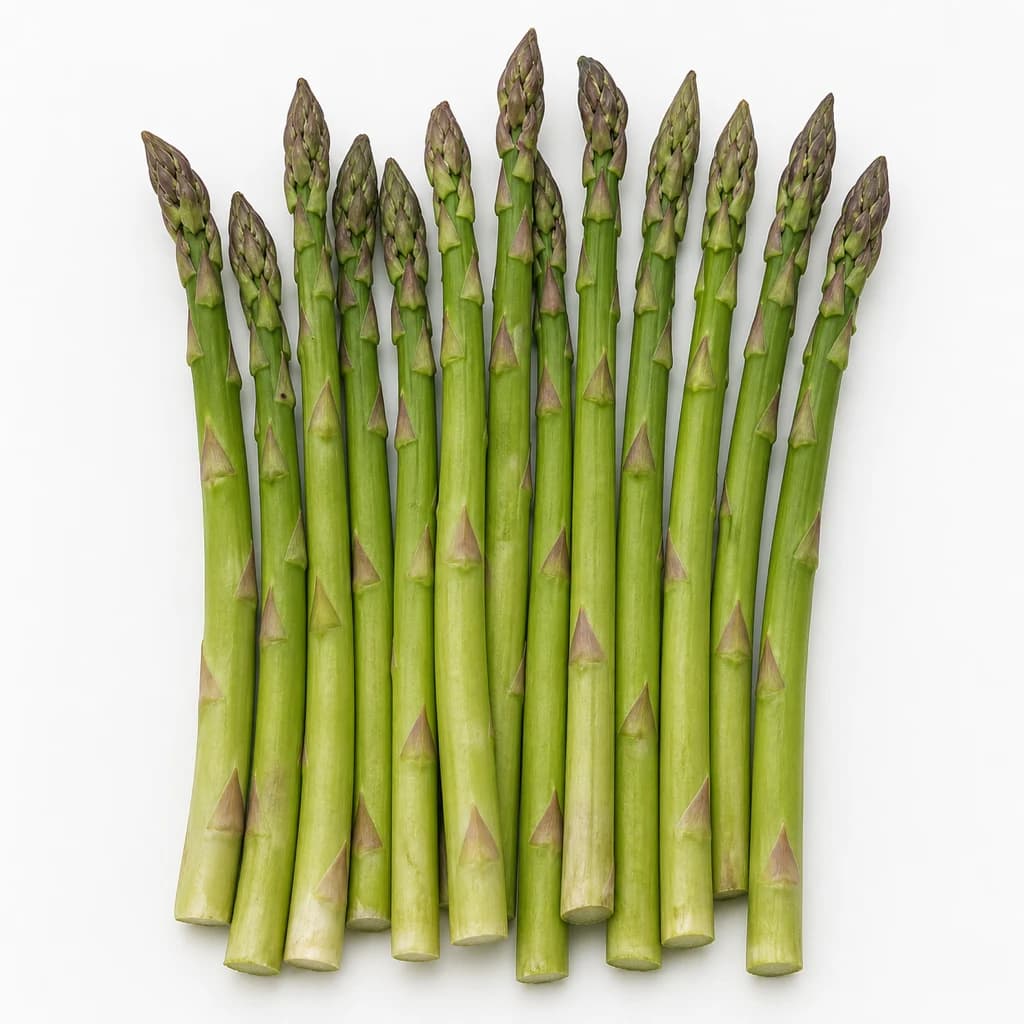
Natural form
Fresh asparagus spears showing tight scaled tips, ribbed stems, and pale cut bases.
Shows the plant's defining visual features — spear shape, scaled tips, and green coloring — so a reader can identify it immediately.
Produce
Asparagus
Tender green spears for roasting, grilling, and steaming
Grassy and tender, asparagus roasts and grills in minutes, its tips going crisp and sweet. Snap off the woody ends. Stand the spears in water in the fridge to keep them fresh.
Asparagus is the elegant herald of spring — tender green (or white, or purple) spears with a grassy, faintly sweet flavor and a satisfying snap. At its fleeting peak it needs almost nothing: a quick roast, grill, or steam until the tips go crisp-tender and the stalks turn vivid. It cooks in minutes and pairs beautifully with eggs, lemon, butter, and cured ham. Buy it in season, cook it simply, and eat it soon.
- Measured in
- g
- Storage
- Refrigerate
- Shelf life
- 5 days
Find it in
Types & varieties
The common spear; grassy and all-purpose
Grown covered from light; milder, more delicate — peel it
Sweeter, nuttier; turns green when cooked
Pencil-thin spears; tender, quick-cooking
How to choose
Want firm, straight spears with tightly closed, dry tips (mushy or flowering tips mean it's old) and freshly cut, moist bottoms. Pick a bunch of even thickness so they cook at the same rate — thick spears are meaty and sweet, thin ones tender and quick; neither is 'better,' just different.
How to store
Asparagus is perishable and best eaten within a day or two. To keep it fresh, trim the ends and stand the spears upright in a jar with an inch of water, like cut flowers, loosely covered, in the fridge. This keeps them crisp far longer than lying in a drawer.
- Eat as soon as you can after buying
- Stand upright in water in the fridge
- Trim the woody ends before cooking
How to trim and cook
The bottom of each stalk is woody — bend a spear and it snaps naturally where the tender part begins, or simply trim an inch or two off the base (peel the lower stalks of thick or white asparagus). Then cook fast: roast or grill at high heat, blanch briefly, or steam, just until the spears are bright and tender-crisp. Overcooked asparagus goes limp and drab.
Common uses
Tips & pitfalls
- Snap or trim off the woody ends — don't try to cook them tender
- Roast or grill at high heat for the best, slightly charred flavor
- Don't overcook; stop at bright green and tender-crisp
- Peel the lower stalks of thick or white spears for even tenderness
- A poached egg, lemon, and parmesan turn it into a meal
Nutrition
Energy
84 kJ · per 100 g
Where the calories come from
Protein
2.2g
4% DV
Carbs
3.9g
1% DV
Fat
0.1g
0% DV
Fiber
2.1g
8% DV
Sugars
1.9g
of which
Sodium
2mg
0% DV
Source · USDA FoodData Central · Asparagus, raw
View on FDC →In the shops
Matched grocery products
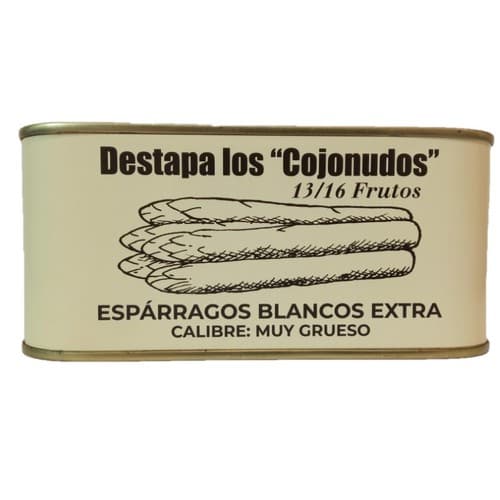 €4.75
€4.75White Asparagus
DESTAPA · kg · Bonpreu
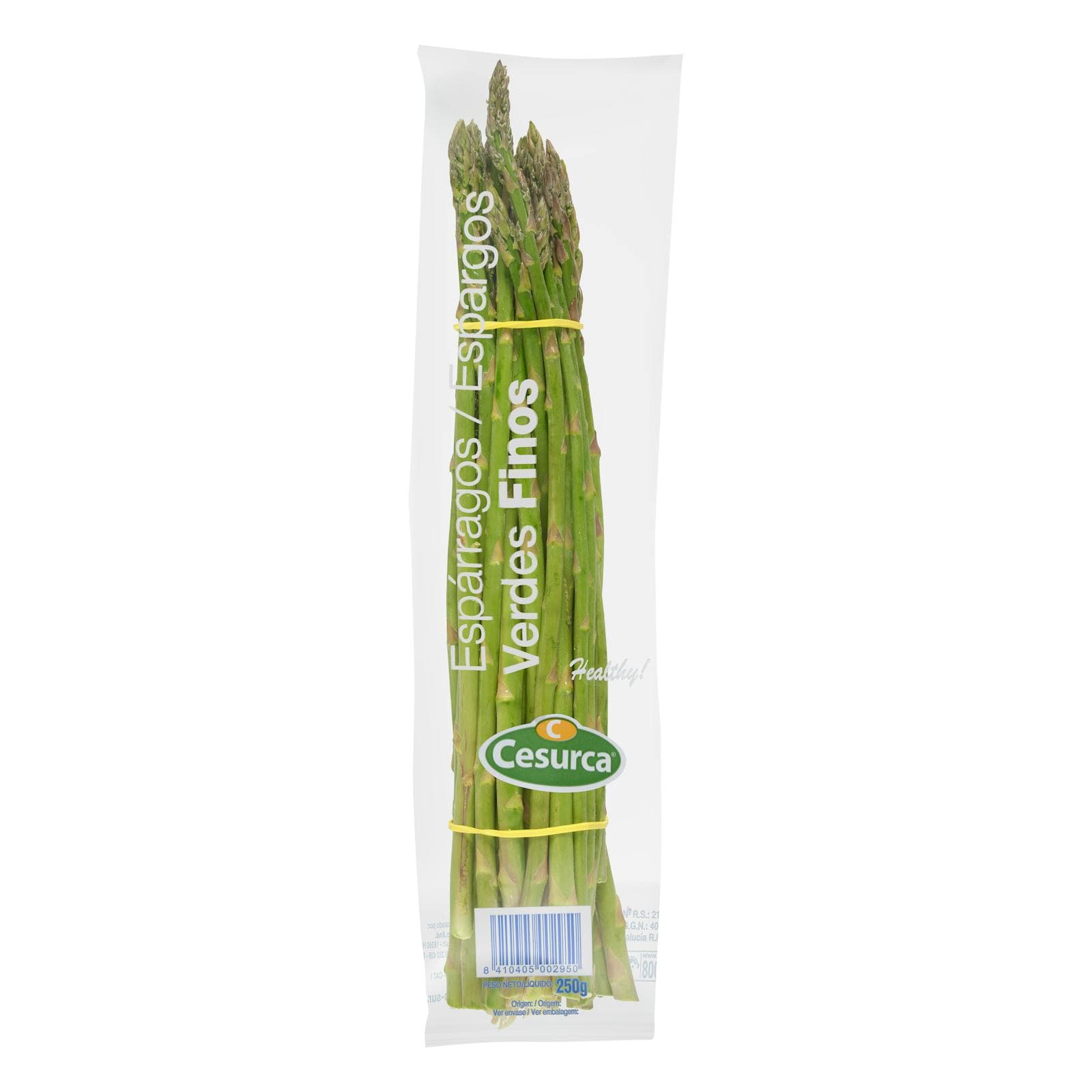 €2.00
€2.00Fine Green Asparagus
250 g · Mercadona
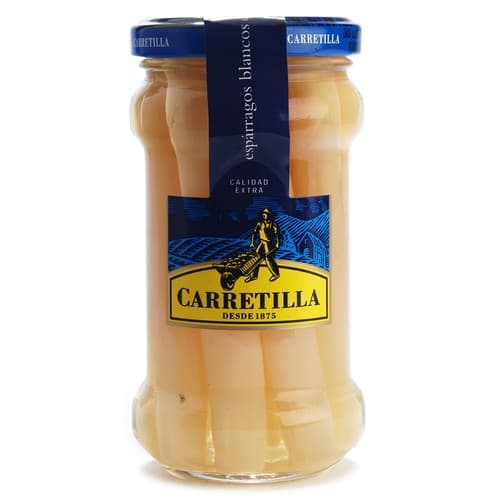 €2.99
€2.99White Short Asparagus
CARRETILLA · kg · Bonpreu
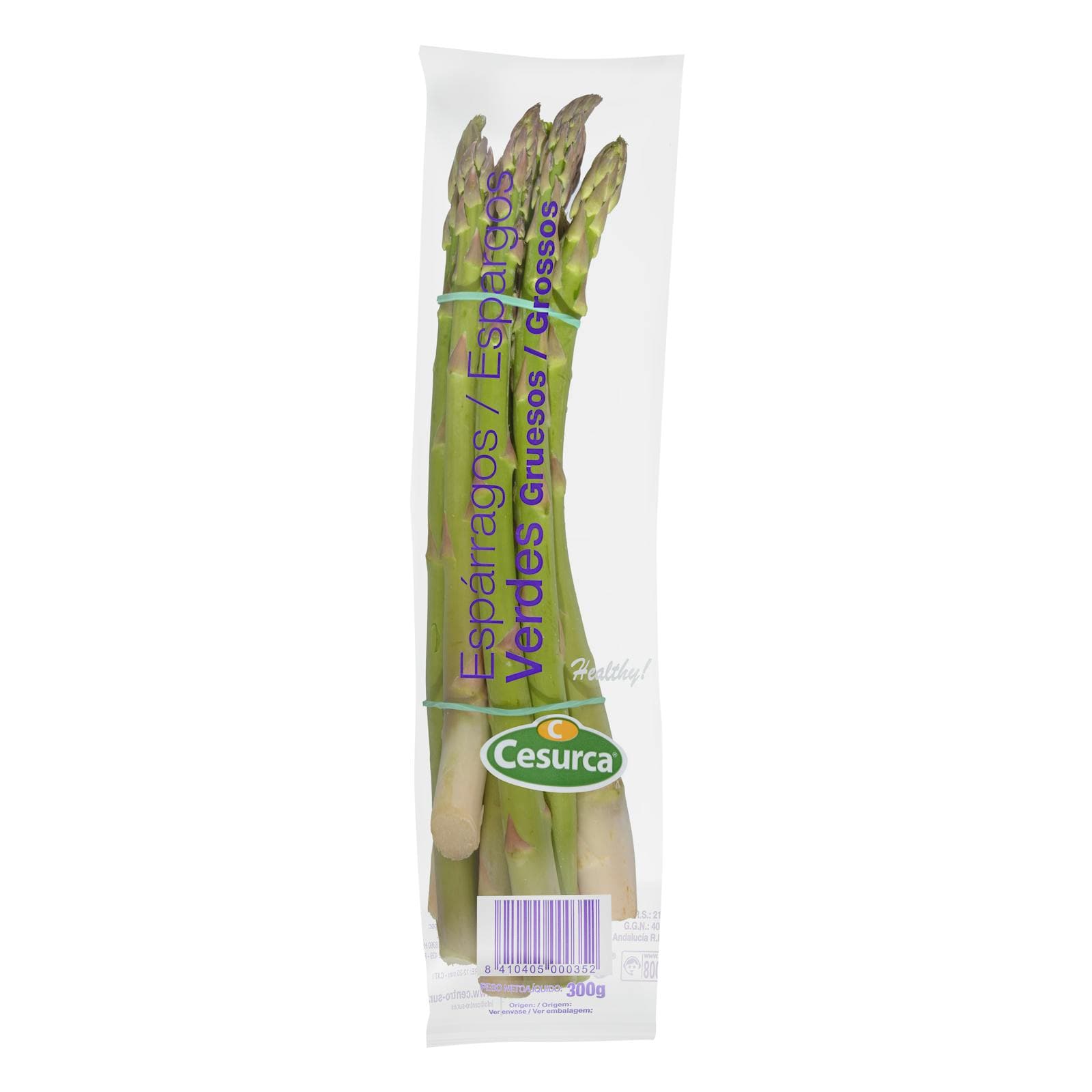 €3.90
€3.90Green Thick Asparagus
300 g · Mercadona
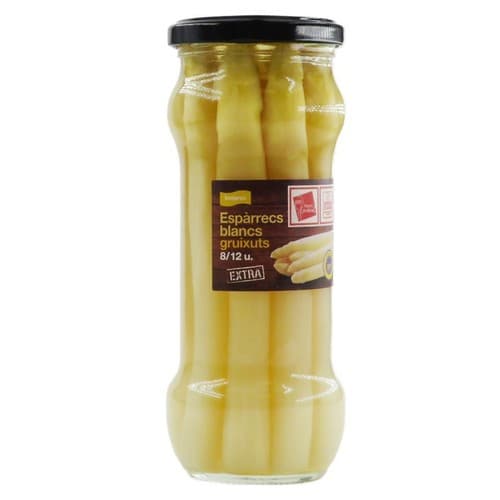 €4.45
€4.45Thick White Asparagus
BONPREU · kg · Bonpreu
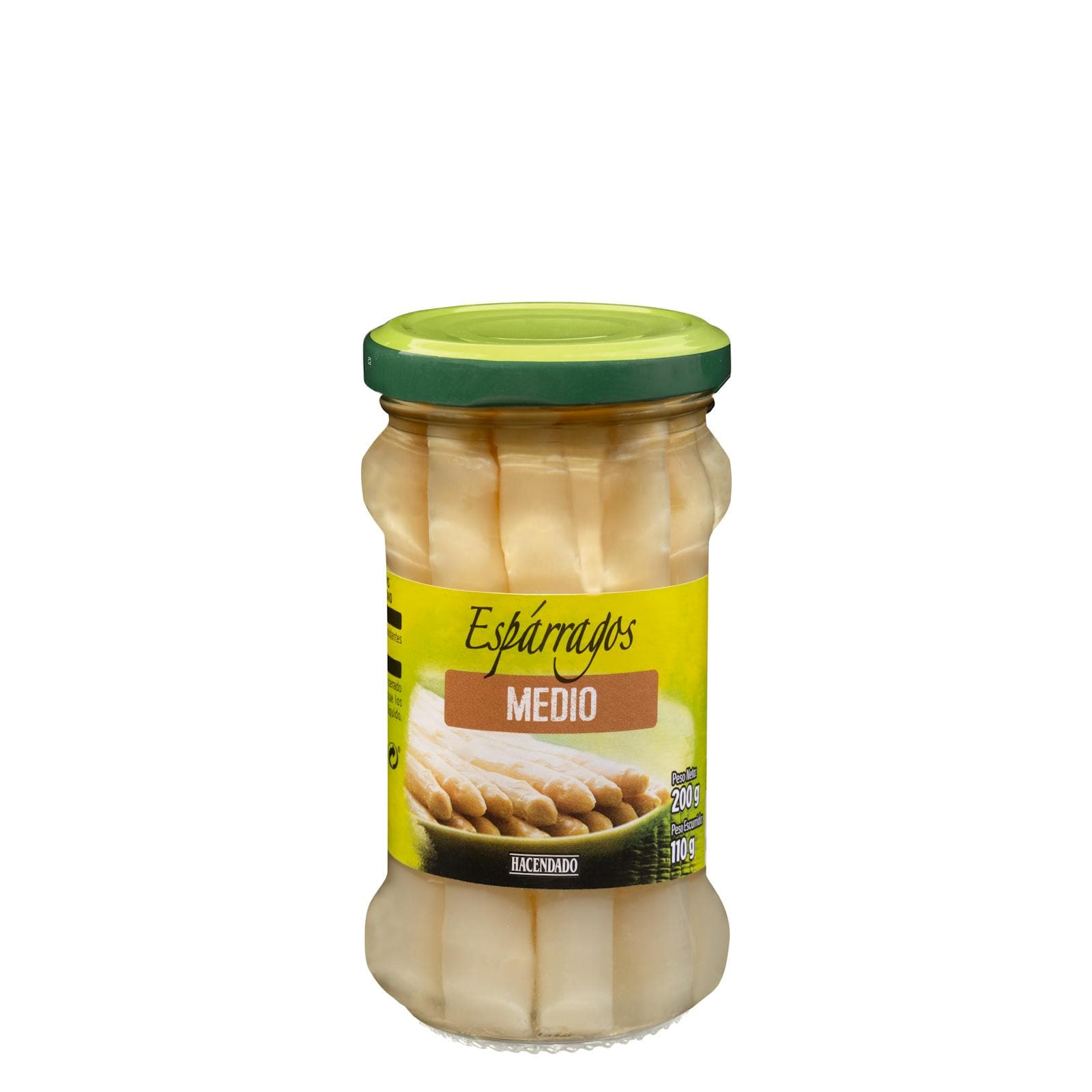 €1.50
€1.50Medium White Asparagus
Hacendado · 200 g · Mercadona
Good to know
- Peak season
- Spring (March–June); green and white (espárrago blanco de Navarra) peak April–June. Outside that window, white asparagus is mostly sold tinned or jarred
- Flavor
- Grassy, green, faintly sweet and nutty; tender-crisp
- Origin
- Eastern Mediterranean; prized since antiquity
- Nutrition
- ~20 kcal/100g; folate, vitamins K, A, C; fiber
- How to buy
- Firm, straight spears; tight, dry tips; moist-cut ends; uniform thickness
Substitutes
- Green beans — For a snappy green side; roast or blanch the same
- Broccolini — Similar spear shape; roast or grill
- Sugar snap peas — For spring sweetness and crunch
Also called
espárragos
Related

Tomato
Juicy, sun-sweet fruit for sauces, salads, and slow-cooked depth

Yellow Onion
The aromatic backbone of soups, sofritos, and braises

Garlic
Pungent cloves that perfume nearly every savory dish

Lemon
Bright, acidic citrus that wakes up almost any dish

Potato
Humble, hearty staple — roast, mash, fry, or boil

Carrot
Sweet, crunchy root — raw, roasted, or the base of a sofrito

Cucumber
Cool, crisp, and watery — for salads, pickles, and tzatziki

Lettuce
Crisp leaves for salads, wraps, and a fresh crunch