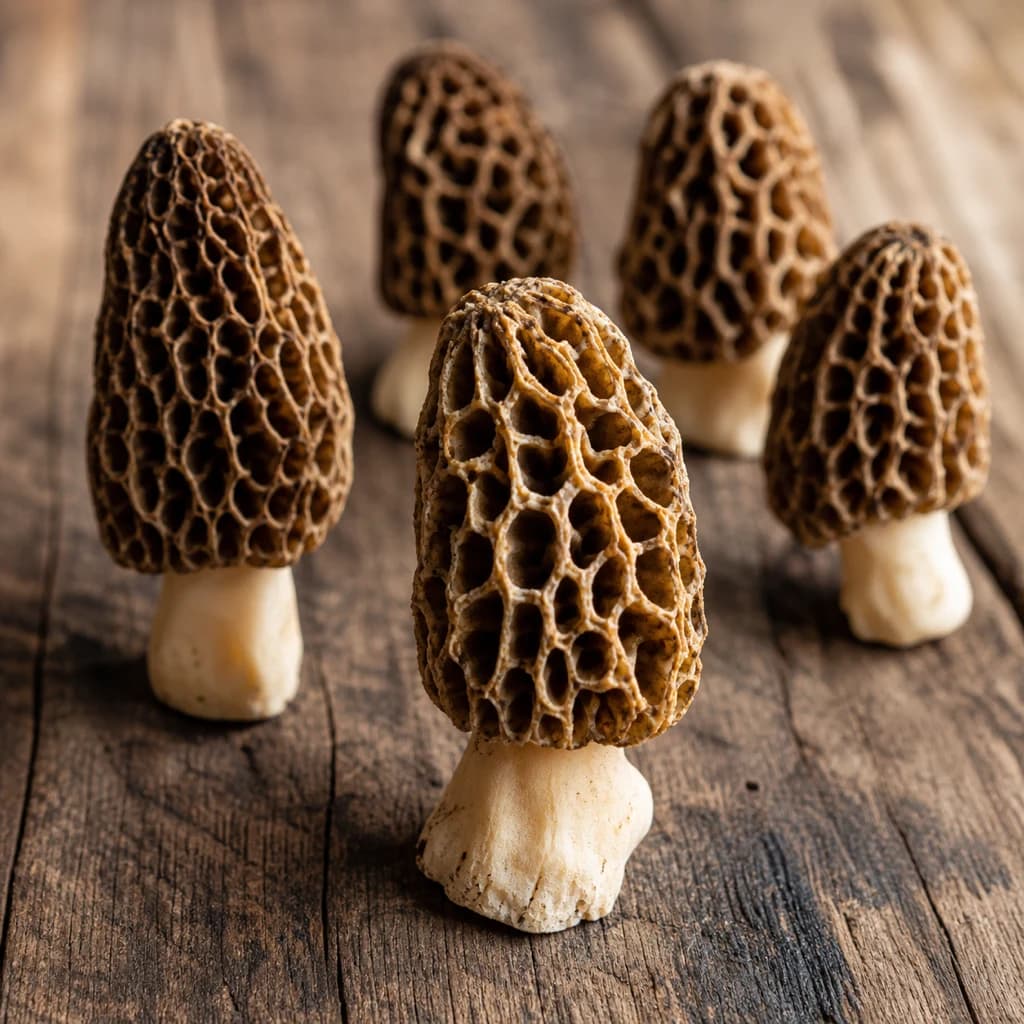
Natural form
Freshly foraged morel mushrooms showing their distinctive honeycomb-textured conical caps.
Establishes the unmistakable whole form — hollow, ridged, conical cap — that makes morels instantly recognizable.
Produce
Morel Mushroom
Prized wild honeycomb-capped mushroom with a deep, earthy, nutty flavor.
Morels are wild spring mushrooms with distinctive honeycombed, conical caps and a rich, earthy, nutty flavor. Highly prized and foraged rather than farmed, they are sautéed in butter, added to cream sauces and used in French and Himalayan dishes where they are called gucchi. Their hollow caps must be cleaned carefully and they must always be cooked.
Morels are among the most coveted wild mushrooms in Western cooking, prized for their short spring season and their deeply concentrated, earthy flavor that carries hints of smoke and toasted nut. Their unmistakable honeycomb-pitted caps are not merely decorative — the ridged structure functions as a spore-distribution mechanism, but it also creates tiny crevices that trap forest soil, insects, and debris, making thorough cleaning non-negotiable. Unlike most cultivated mushrooms, morels remain primarily wild-harvested; their mycelium fruits unpredictably after warm spring rains in deciduous forests, old orchards, and even recent burn sites, making each find a small event. The interior is fully hollow — cap and stem alike — which gives them a lighter texture than dense mushrooms like porcini when cooked, but also means they absorb fat readily and brown quickly. Their season spans just six to eight weeks in spring, which is precisely why they command premium prices and serious attention in the kitchen. The difference between an exceptional morel dish and a mediocre one lies almost entirely in technique: proper cleaning, correct moisture management, and adequate cooking time are non-negotiable.
- Measured in
- g
- Storage
- Fridge
Types & varieties
Morchella americana / M. esculenta; most common variety; pale yellow to tan coloring; mildest, sweetest flavor of the morels
Morchella angusticeps / M. elata; darker brown to black; earlier season; more intense, smokier flavor
Morchella encrypta; early-season variety with grayish tones; mild and delicate flavor
Morchella populicola; cap edge hangs free from the stem rather than attaching at the rim; found near cottonwoods and aspens
Common uses
Tips & pitfalls
- Never eat raw or undercooked morels — they contain hemolytic compounds destroyed by heat; insufficient cooking causes gastrointestinal distress, and large amounts of undercooked morels can be dangerous
- Clean by cutting in half vertically, then swishing in cold water; the honeycomb structure traps dirt — a soft brush helps, but do not soak them or they become waterlogged and soggy
- Dry sauté first in a hot, dry skillet to evaporate internal moisture, then add butter for proper browning; adding fat to wet mushrooms steams them into rubbery submission
- Do not crowd the pan — cook in batches if needed; overcrowding drops pan temperature and turns morels rubbery instead of yielding a golden-brown exterior
- When foraging, verify every specimen: false morels (Gyromitra) have wrinkled, saddle-shaped caps that attach at the base of the stem, and their interior is not fully hollow; several Gyromitra species are seriously toxic
- Par-cook before freezing — sauté in butter until cooked through, cool on a sheet tray, then transfer to freezer bags; this preserves texture and flavor for months
- For dried morels: soak in warm water for 20–30 minutes, reserve the soaking liquid as a highly flavored stock, then drain and sauté the rehydrated mushrooms
Nutrition
Energy
130 kJ · per 100 g
Where the calories come from
Protein
3.1g
6% DV
Carbs
5.1g
2% DV
Fat
0.6g
1% DV
Fiber
2.8g
10% DV
Sugars
0.6g
of which
Sodium
21mg
1% DV
Source · USDA FoodData Central · Mushrooms, morel, raw
View on FDC →In the shops
Matched grocery products
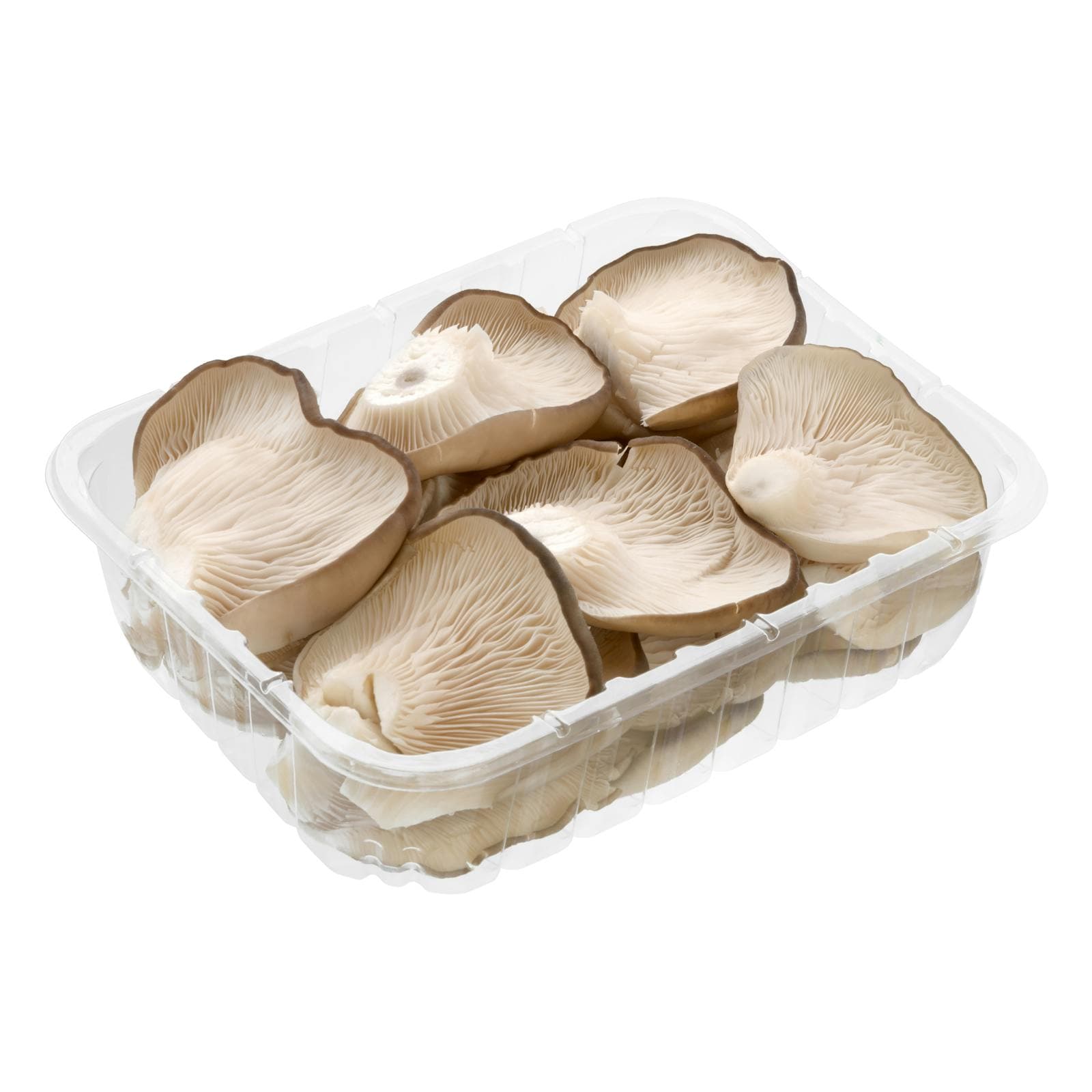 €2.05
€2.05Mushrooms
250 g · Mercadona
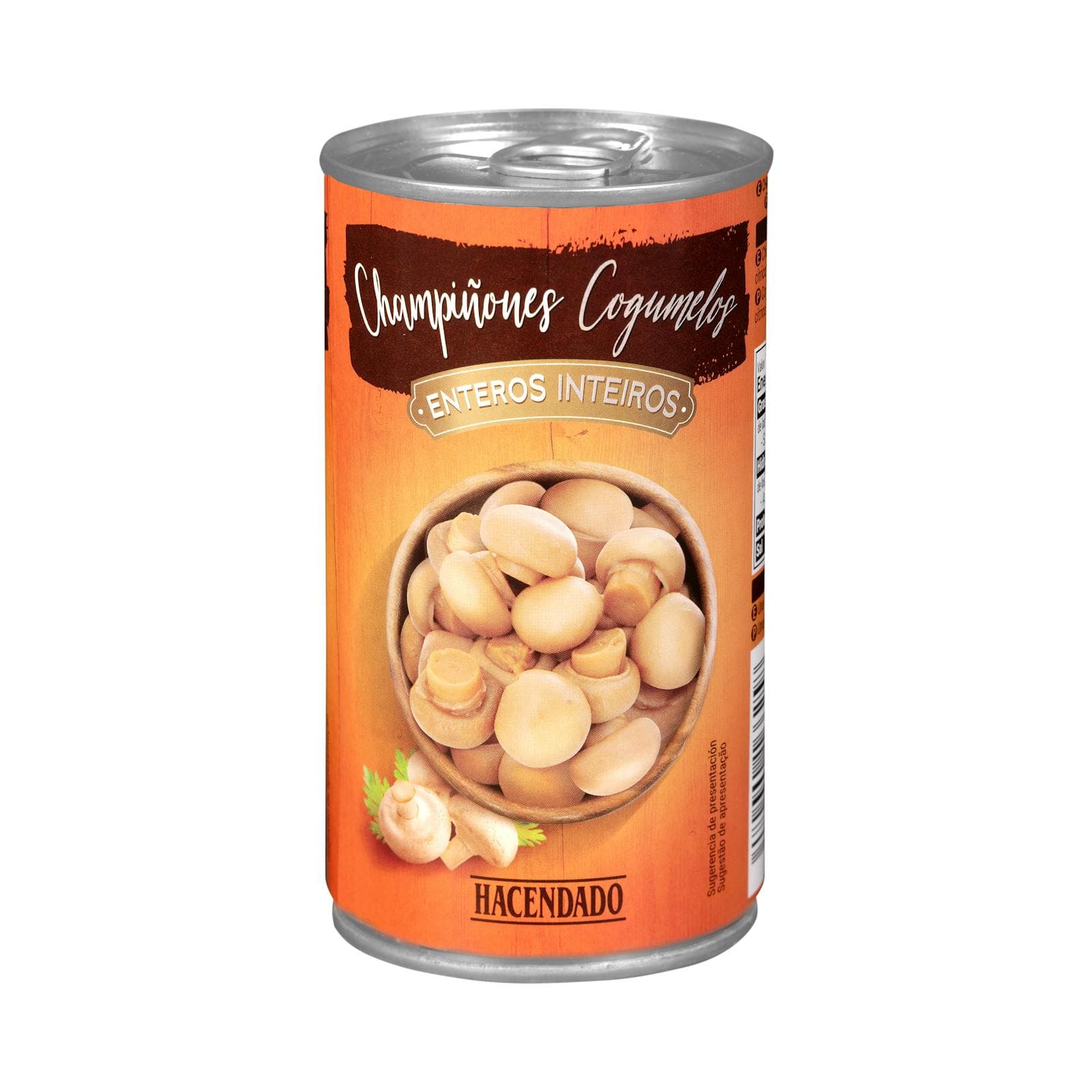 €1.45
€1.45Whole Mushroom
Hacendado · 355 g · Mercadona
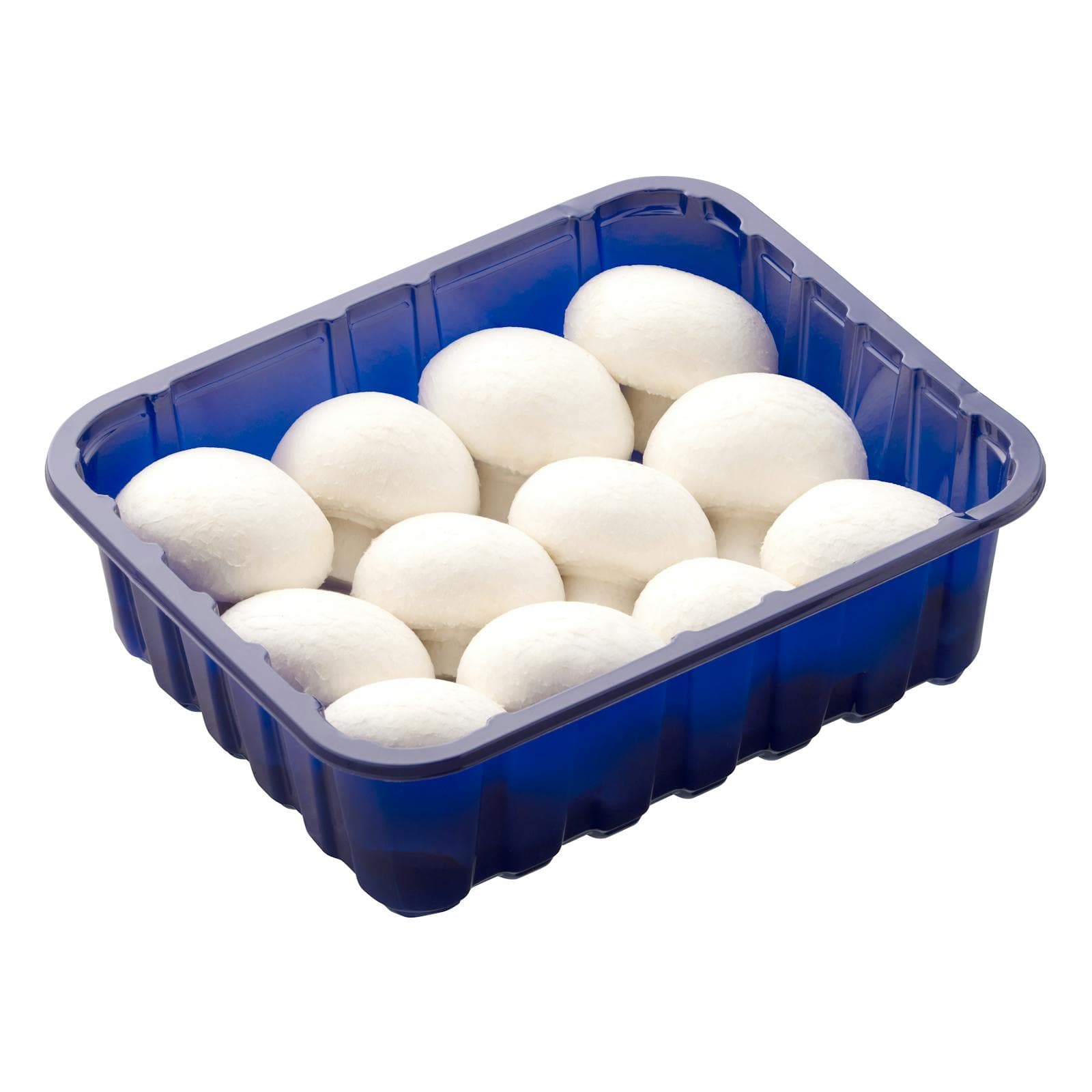 €1.50
€1.50White Mushrooms
300 g · Mercadona
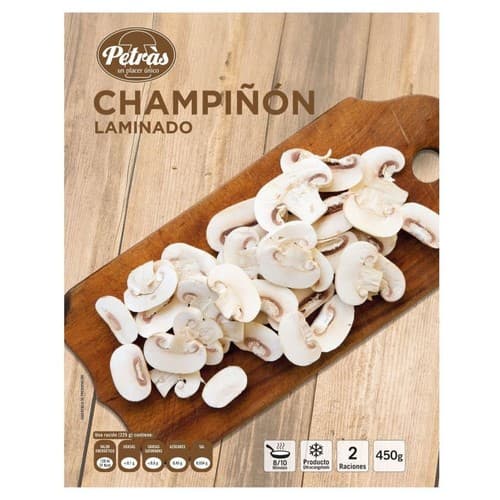 €1.99
€1.99Sliced Mushrooms
PETRAS · kg · Bonpreu
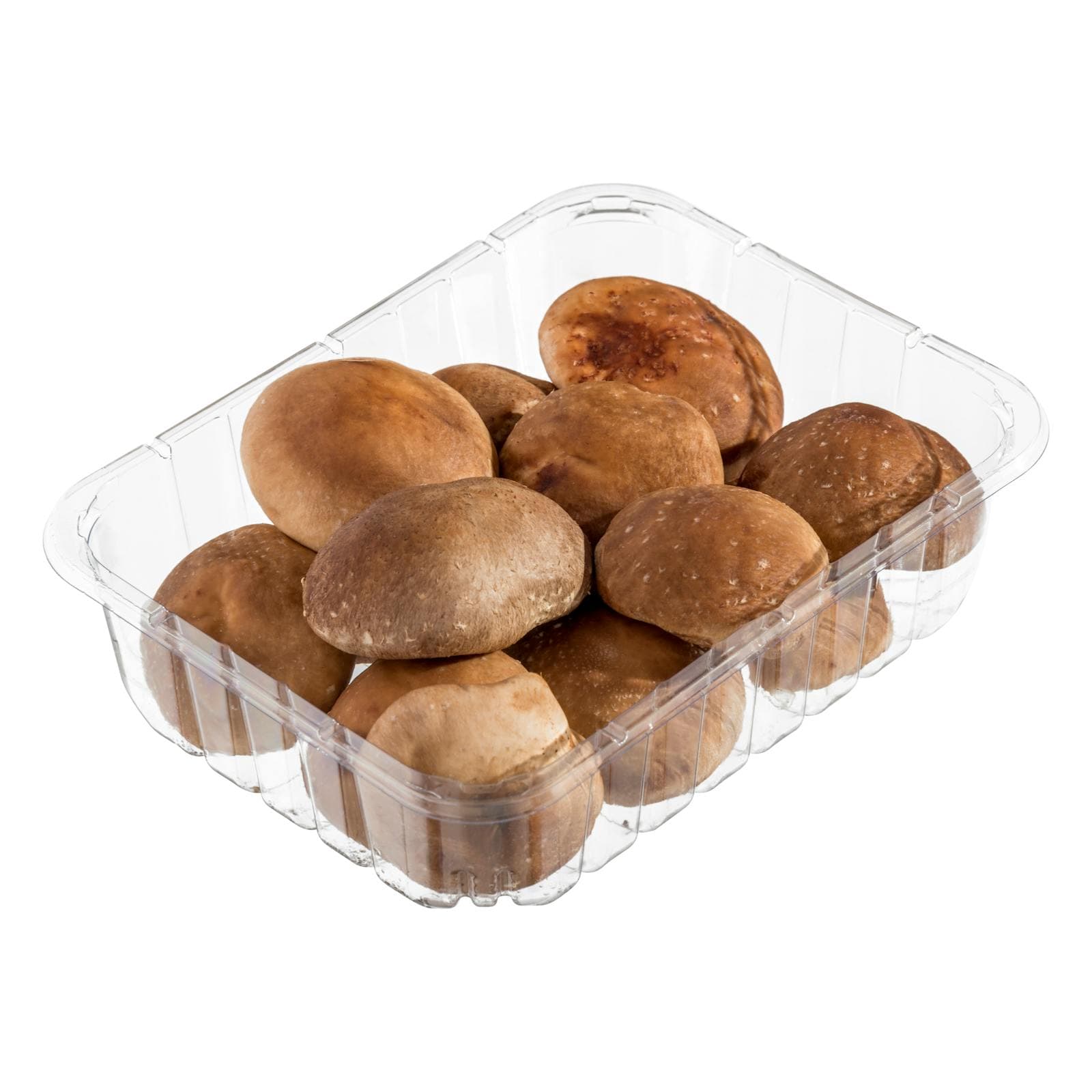 €3.96
€3.96Shiitake Mushrooms
300 g · Mercadona
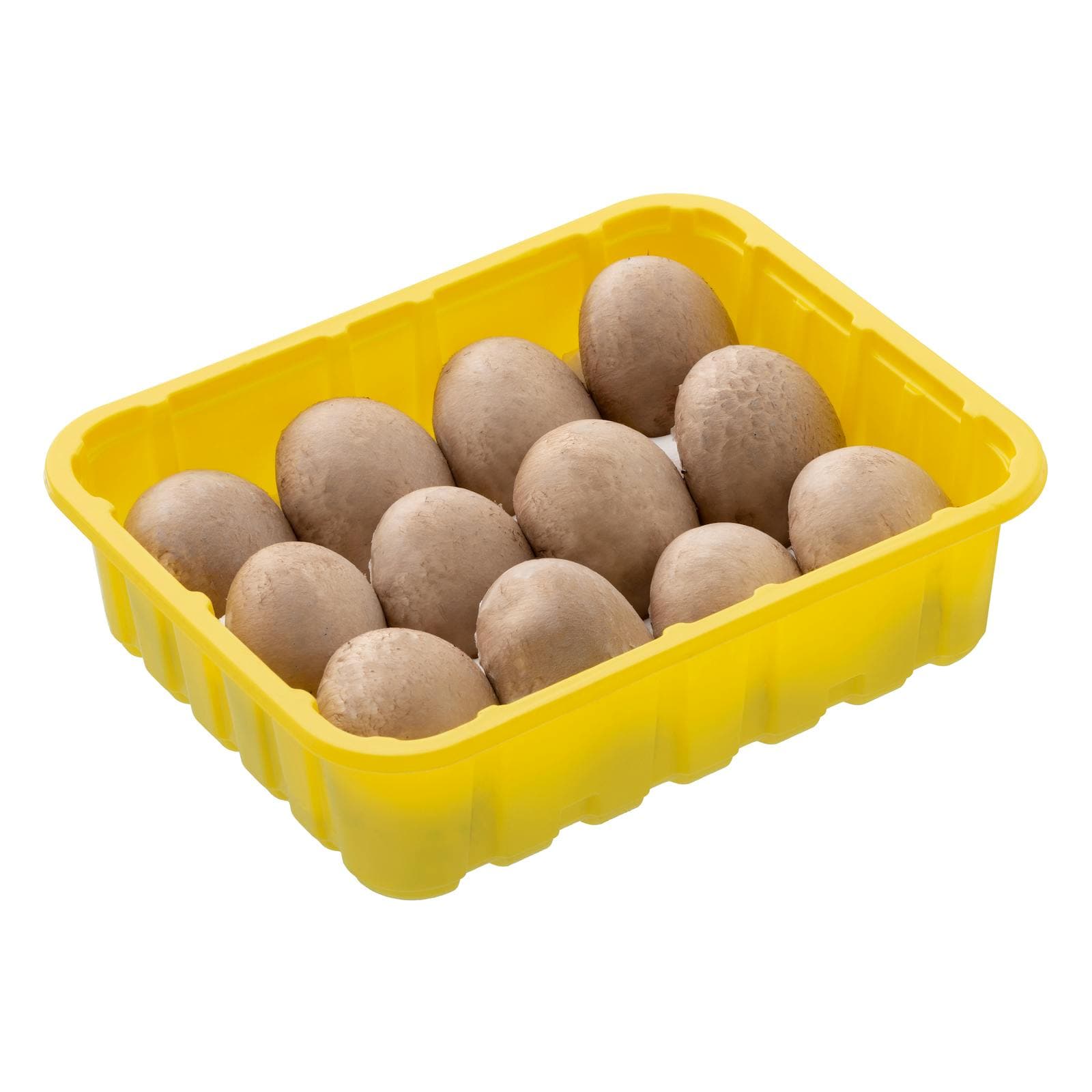 €2.16
€2.16Portobello Mushrooms
300 g · Mercadona
Good to know
- Scientific Genus
- Morchella (ascomycete)
- Season
- Early spring, March–May in the Northern Hemisphere (6–8 weeks)
- Habitat
- Deciduous forests, old orchards, elms, burn sites; mycelium fruits after warm rains
- Distinguishing Feature
- Honeycomb-pitted conical cap; fully hollow interior in both cap and stem
- Flavor Profile
- Earthy, nutty, smoky; darker varieties (black morels) are more intense
- Raw State
- TOXIC — must be cooked thoroughly (minimum 10–15 minutes) before eating
- Shelf Life
- 2–3 days fresh refrigerated; freezes well after par-cooking in butter
- Cultivation
- Predominantly wild-harvested; limited commercial cultivation emerging from specialty farms
Substitutes
- Dried Porcini — The most reliable flavor substitute; rehydrate and use the soaking liquid as stock; the texture is denser and less honeycomb-like, but the umami depth is comparable
- Chanterelle — Closest fresh substitute in texture and earthiness; lacks the nutty intensity of morels but cooks similarly and is reliably available
- Dried Morel (rehydrated) — If available, dried morels are often more concentrated in flavor than fresh; 1 oz dried approximates 1 lb fresh by weight
- Black Trumpet — Good earthy, smoky alternative; the appearance is completely different — small, hollow, tubular — but the flavor profile is compatible
Also called
Gucchi · Morel
Related
Tomato
Juicy, sun-sweet fruit for sauces, salads, and slow-cooked depth
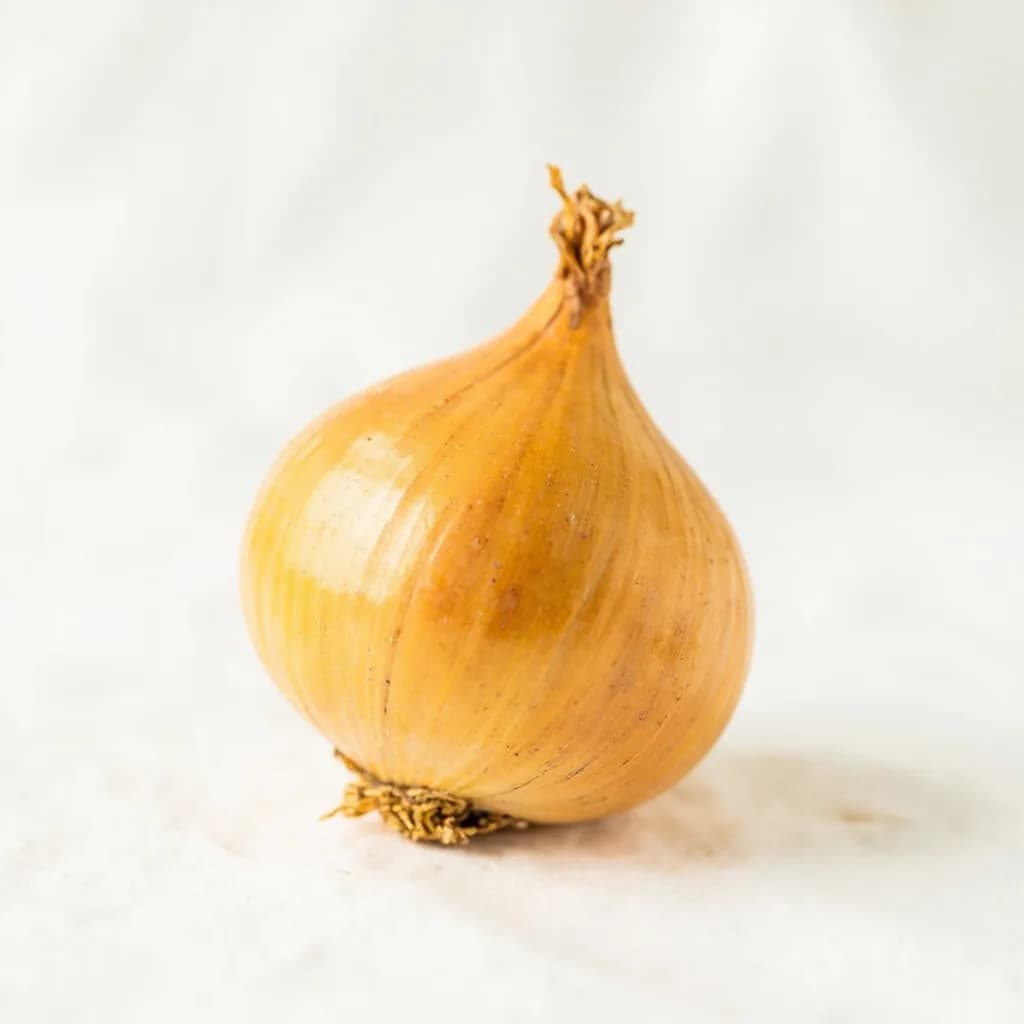
Yellow Onion
The aromatic backbone of soups, sofritos, and braises
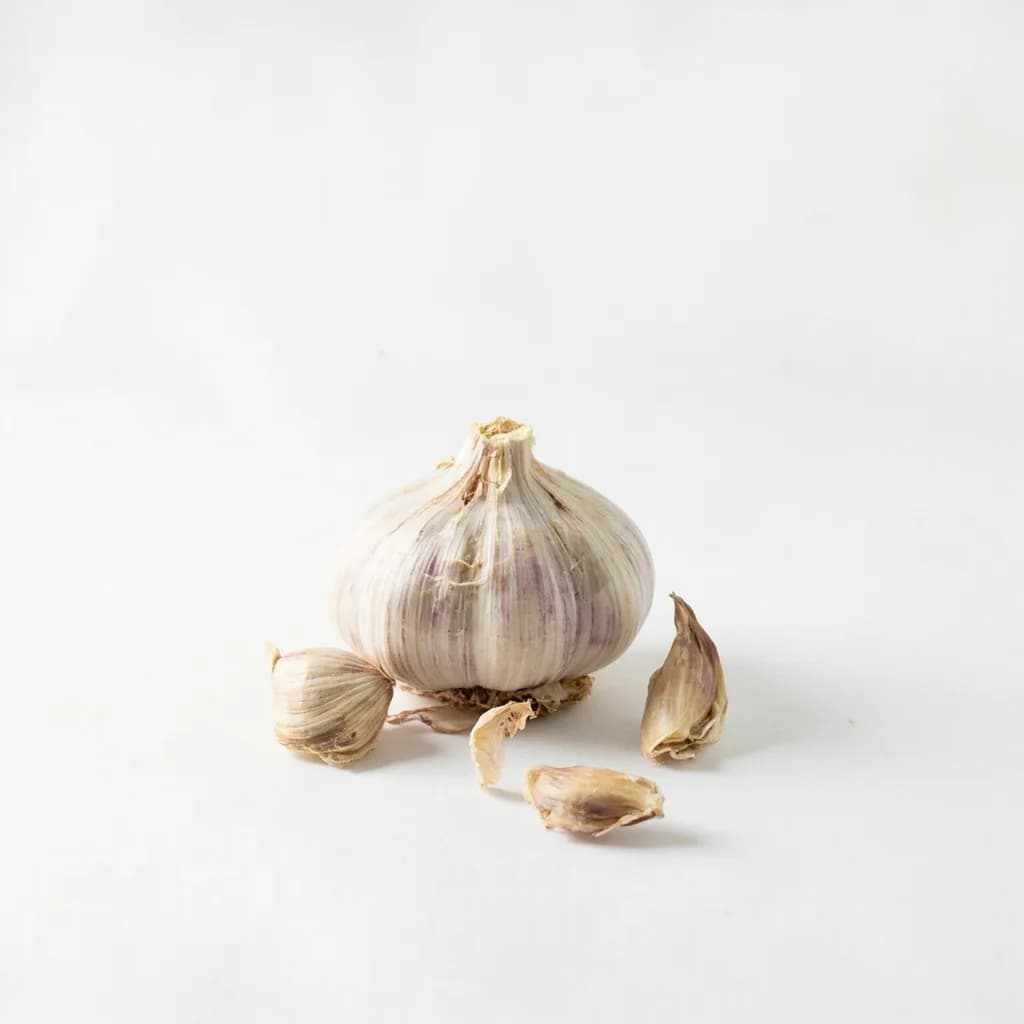
Garlic
Pungent cloves that perfume nearly every savory dish
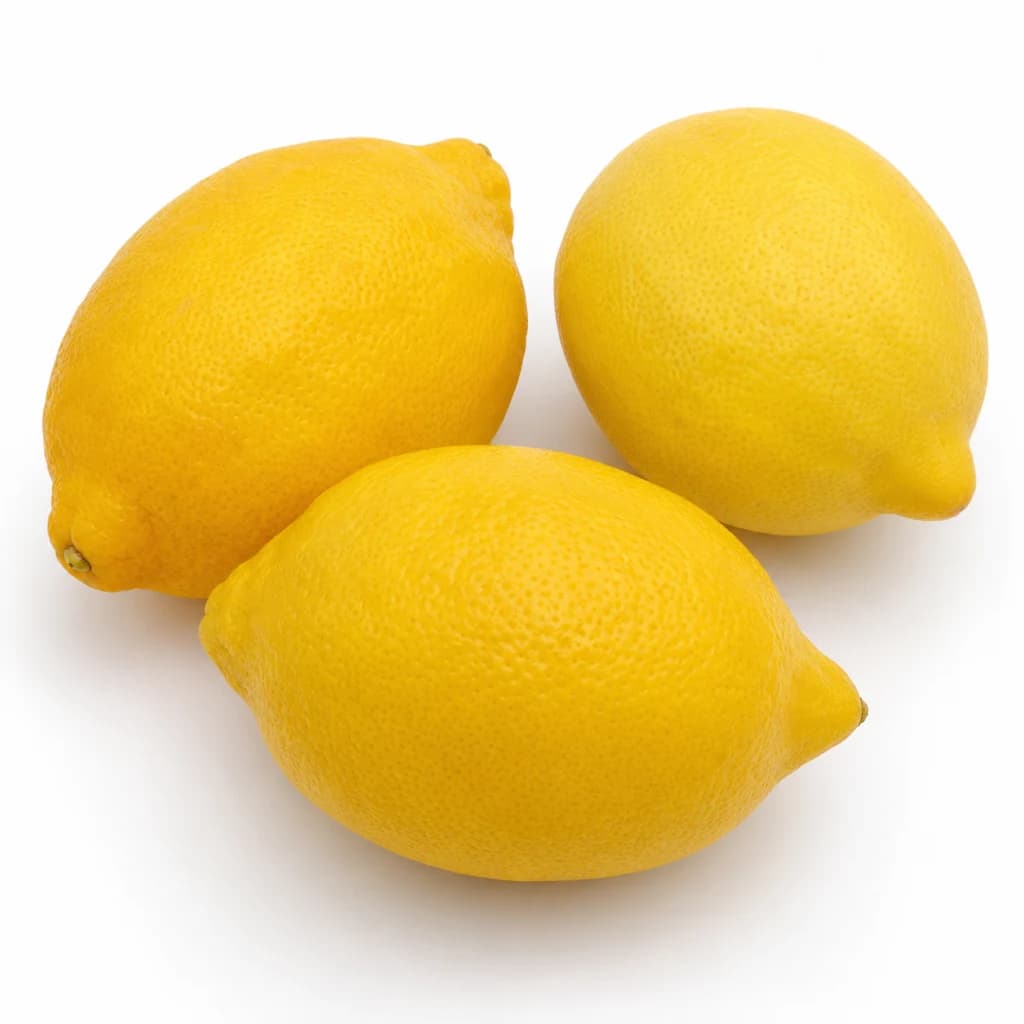
Lemon
Bright, acidic citrus that wakes up almost any dish
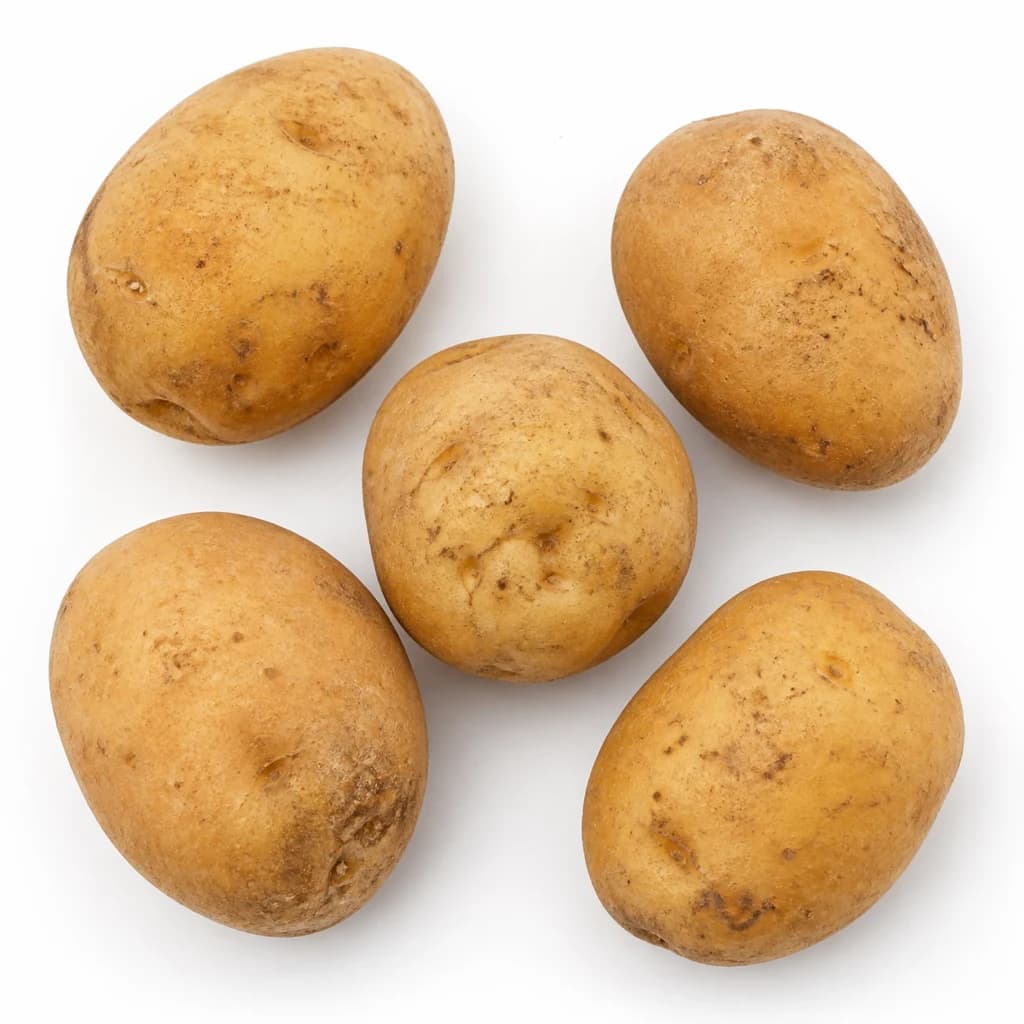
Potato
Humble, hearty staple — roast, mash, fry, or boil
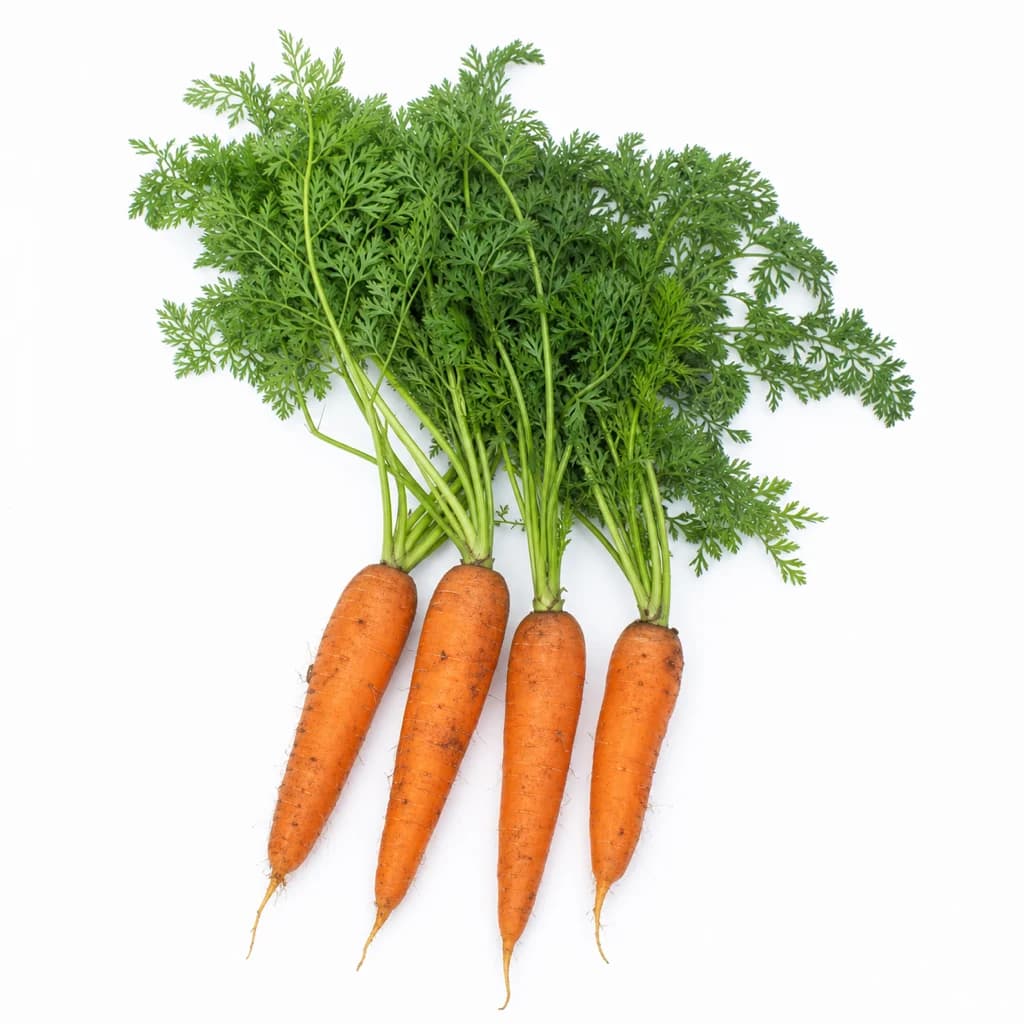
Carrot
Sweet, crunchy root — raw, roasted, or the base of a sofrito
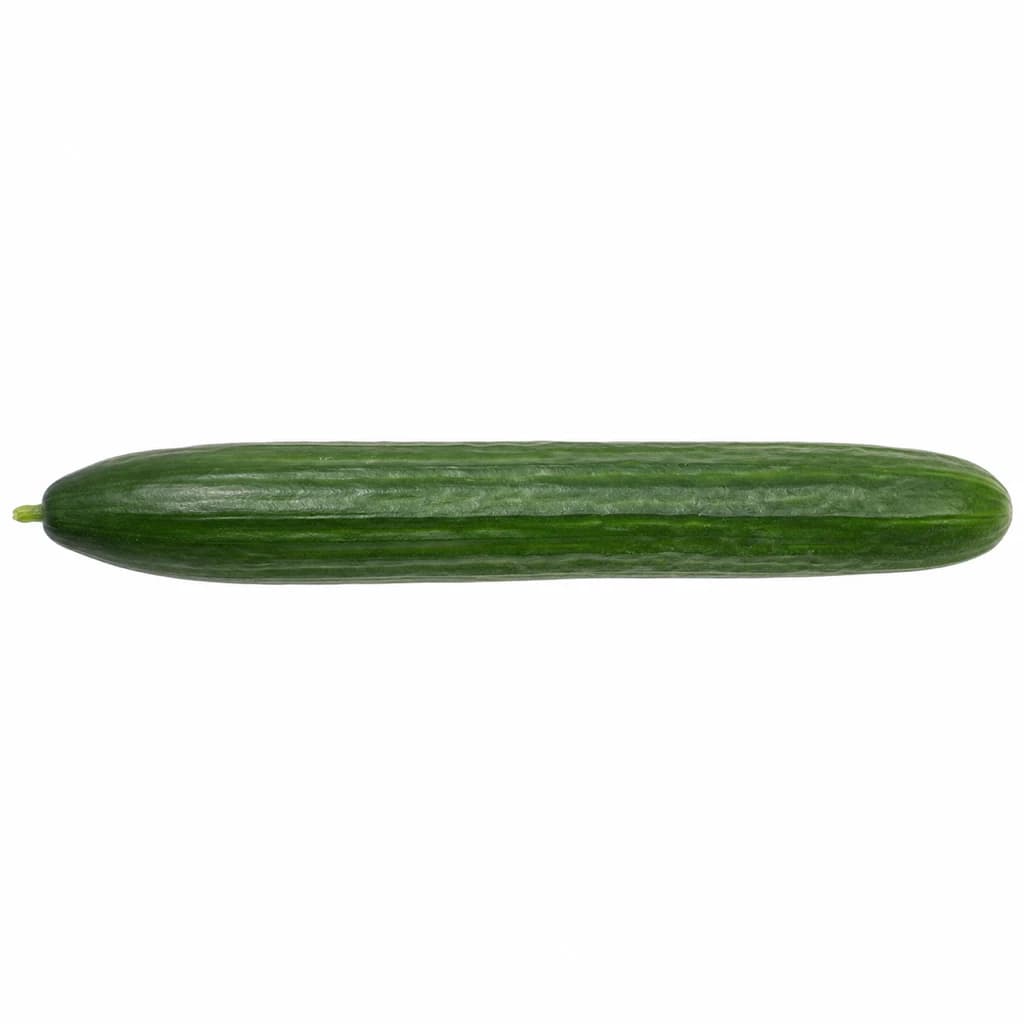
Cucumber
Cool, crisp, and watery — for salads, pickles, and tzatziki

Lettuce
Crisp leaves for salads, wraps, and a fresh crunch