Produce
Dried Porcini
Intensely savory dried wild mushrooms that bring deep umami to risottos, sauces, and stocks.
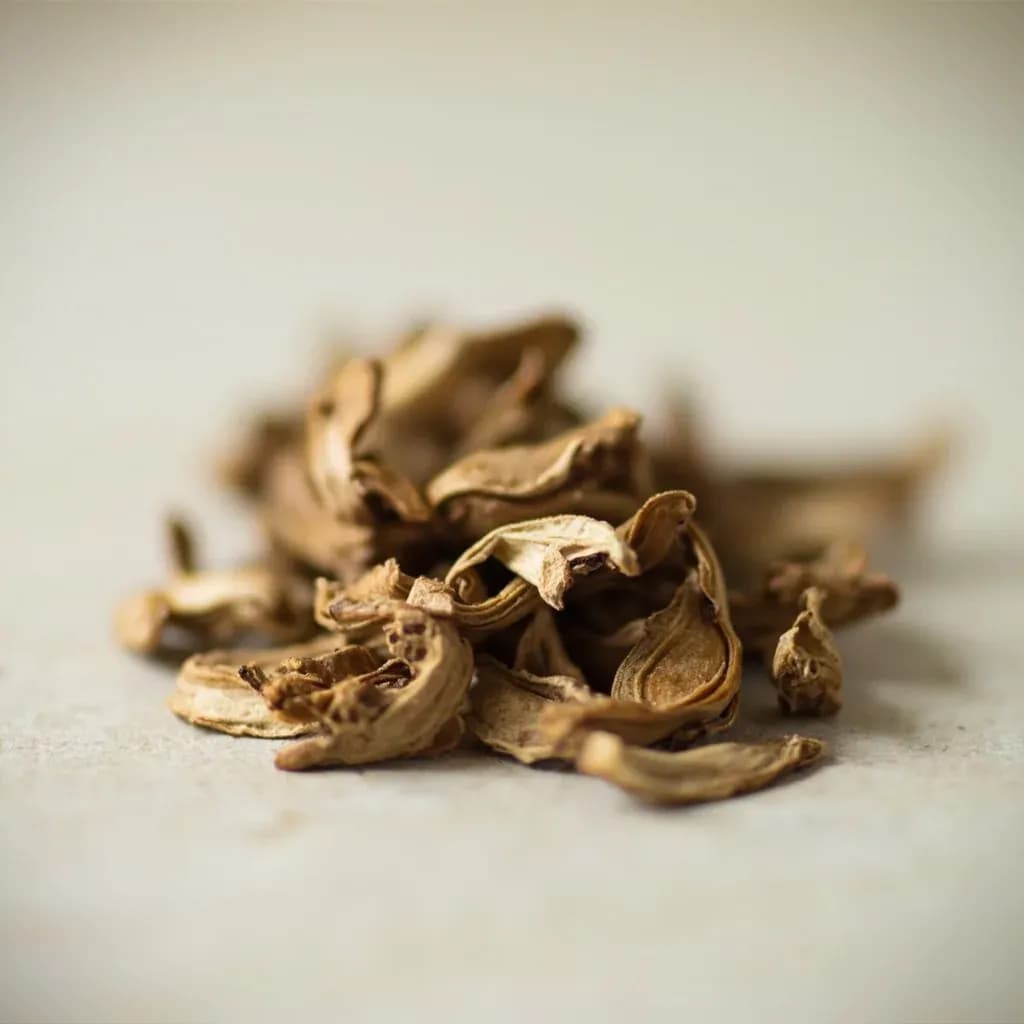
Dried porcini are sliced and dried king bolete mushrooms with a concentrated, woodsy, deeply umami aroma. Soaked in warm water to rehydrate, both the mushrooms and their fragrant soaking liquid flavor risottos, pasta sauces, braises, and stocks in Italian and French cooking. Drying intensifies their meaty flavor far beyond that of the fresh mushroom.
Dried porcini are the concentrated, pantry-ready form of Boletus edulis—also known as the king bolete, cep, or penny bun—one of the most prized wild mushrooms in European cuisine. The ancient practice of air-drying these mushrooms transforms them fundamentally: the water evaporates, leaving behind a dense, chewy concentration of flavor that bears little resemblance to the fresh counterpart. As the mushrooms dry, glutamic acid and guanylic acid concentrate dramatically, increasing the umami potential by a factor of roughly ten compared to fresh. The result is an ingredient that functions almost like a seasoning—capable of lifting stocks, sauces, and grains into something deeply savory and forest-floor aromatic.
Rehydrating dried porcini is simple, but the liquid matters as much as the mushrooms. Soak them in warm water for 20–30 minutes, then strain the soaking liquid through fine-mesh cheesecloth to remove grit and sandy residue. That dark, fragrant liquid is not to be discarded: it is liquid umami, and it should be incorporated into whatever dish you're making—risotto, braising liquid, soup base, or sauce. The rehydrated mushrooms themselves should be tender and pliable, not rubbery. If they are tough, they may be old or have been rehydrated in water that was too hot, which can also extract unwanted bitter compounds.
Quality among dried porcini varies enormously. Choose pieces that are pliable, not crumbling or brittle, with a deep warm brown color. The aroma should be intensely woodsy and fragrant. Faded color, a musty smell, or crumbly texture indicate age or improper storage, and the flavor will be muted. Italian porcini from Friuli-Venezia Giulia and Slovenia set the standard, but good Balkan and North American varieties are increasingly available. A little goes a long way, and they remain one of the most reliable ways to bring wild-forest flavor into your kitchen any time of year.
- Measured in
- g
- Storage
- Pantry
Types & varieties
Considered the gold standard; Friuli-Venezia Giulia and Slovenia produce highly regarded lots with consistent quality and intense flavor
Quality varies by producer; often more affordable than Italian, but seek out reputable suppliers for reliable results
Boletus edulis grows in Pacific Northwest and Appalachian forests; seasonal availability with flavor comparable to European imports
Why Drying Transforms the Mushroom
The transformation from fresh to dried porcini is not merely about removing water—it is a fundamental chemical change. Fresh Boletus edulis has a delicate, buttery flavor that is pleasant but restrained. Once dried, the mushrooms develop the deep, almost meaty savoriness that has made porcini indispensable in Italian and Central European cooking for centuries. The concentrated glutamates respond to fat, alcohol, and acid in ways that fresh mushrooms do not, making dried porcini a true seasoning as much as an ingredient. This is why a small amount of rehydrated porcini can anchor a risotto or braise in a way that a large quantity of fresh mushrooms cannot.
- Glutamate concentration increases roughly 10× during drying
- Guanylate compounds amplify the umami effect when combined with other ingredients
- The texture shifts from fragile to pleasantly chewy after rehydration
- Aromatics become more stable in dried form, extending shelf life significantly
Rehydrating and Using the Soaking Liquid
The soaking liquid is where much of the magic lies, and discarding it is one of the most common mistakes cooks make with dried porcini. The liquid captures water-soluble flavor compounds that would otherwise be lost, including glutamates, aromatics, and pigments that tint dishes a rich amber. Always strain it through a fine-mesh sieve lined with cheesecloth to remove any grit or sand—porcini grow in forest floors and can harbor significant debris. Once strained, the liquid can be used directly in risotto, added to stocks, or incorporated into sauces. It will keep refrigerated for a few days or frozen for several months.
- Use warm (not boiling) water for rehydration to avoid extracting bitter compounds
- Aim for 20–30 minutes of soaking; longer is not necessarily better
- Never discard the soaking liquid—it is concentrated umami broth
- Strain through cheesecloth over a fine-mesh sieve to remove grit
Common uses
Tips & pitfalls
- Store dried porcini in glass jars with tight-fitting lids; never refrigerate as moisture causes rapid deterioration.
- Always strain rehydration liquid through a fine-mesh sieve lined with cheesecloth to remove grit and sandy residue.
- Add the strained soaking liquid to stocks, sauces, or risottos—it is liquid gold with concentrated umami and should never be discarded.
- Rehydrate in warm (not boiling) water for 20–30 minutes; hot water can extract bitter compounds and make the mushrooms rubbery.
- Taste a rehydrated piece before using; if rubbery, the mushrooms may have soaked too long or be old stock.
- Toast dry porcini briefly in a dry pan before grinding to amplify their nutty, earthy aroma—this works well for seasoning salts and spice blends.
- Do not discard soaking water even if it looks dark; the intensity is desirable, not a sign of contamination.
- Check for a strong, woodsy fragrance before purchasing—muted or musty odors indicate age or poor storage.
Nutrition
Nutrition
No USDA FoodData Central match for Dried Porcini yet. We surface a per-100 g profile once a generic whole-food entry is matched and verified.
In the shops
Matched grocery products
No matched grocery products for Dried Porcini yet.
Good to know
- Scientific name
- Boletus edulis (king bolete, cep, penny bun)
- Drying method
- Air-dried or machine-dried at low temperatures to preserve flavor compounds
- Primary growing regions
- Hardwood forests of Europe (especially Italy, Slovenia, and Central Europe), North America, and parts of Asia
- Harvest season
- Late summer through autumn in the Northern Hemisphere
- Shelf life
- 6–12 months in airtight container, away from heat and light; flavor degrades over time
- Flavor compounds
- Glutamic acid and guanylic acid concentrate during drying, creating intense umami—approximately 10× fresh levels
- Price tier
- Premium—among the most expensive dried mushrooms, reflecting scarcity and demand
Substitutes
- Dried Shiitake — More accessible and affordable; flavor is woodier and less nutty; use slightly less as they can overpower more delicate dishes
- Dried Morels — Expensive in their own right; distinctly honeycombed texture and smoky-sweet flavor; excellent when porcini are unavailable
- Fresh Porcini (when available) — Not a 1:1 substitute; fresh have a lighter, more delicate flavor and different texture; use dried to deepen fresh dishes rather than replace them
Pairs with
Also called
Dried Cep · Funghi Porcini Secchi
Appears in these dishes
Related
Tomato
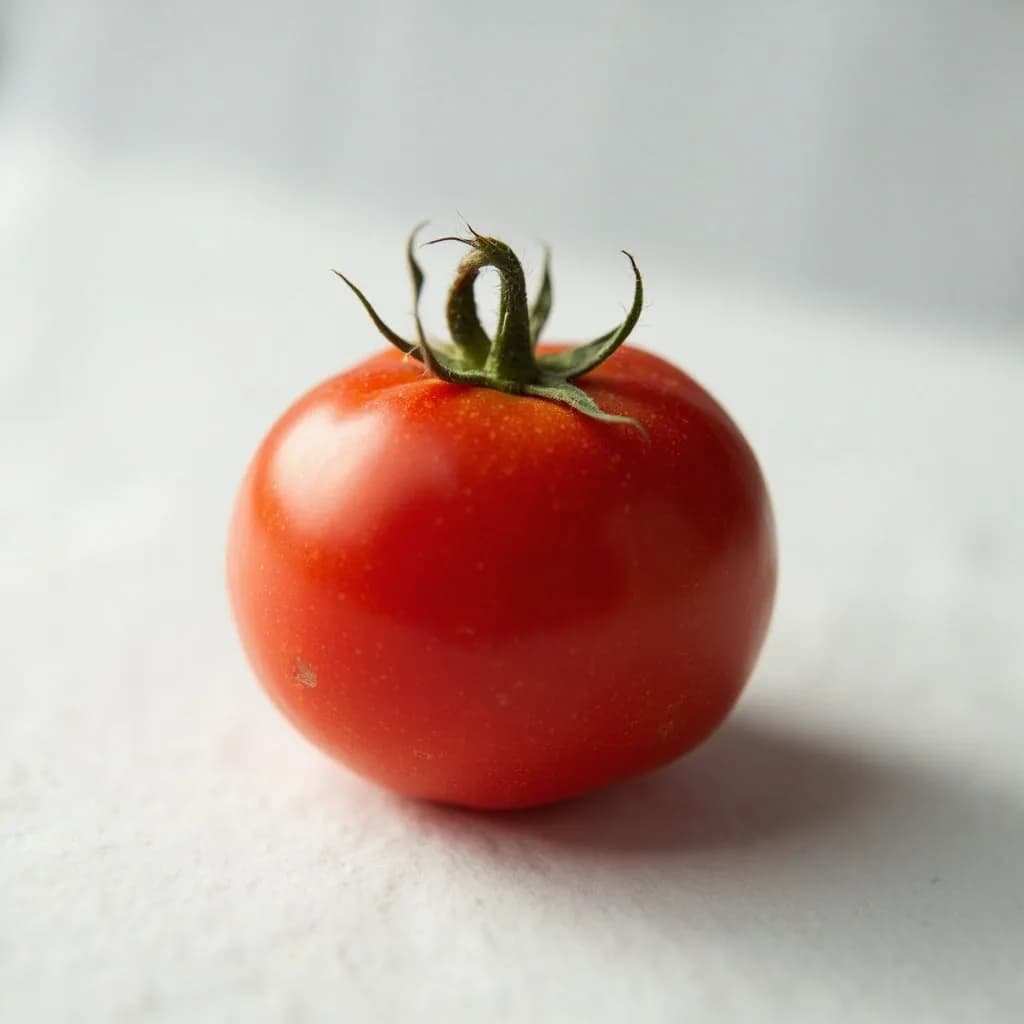
Juicy, sun-sweet fruit for sauces, salads, and slow-cooked depth
Yellow Onion
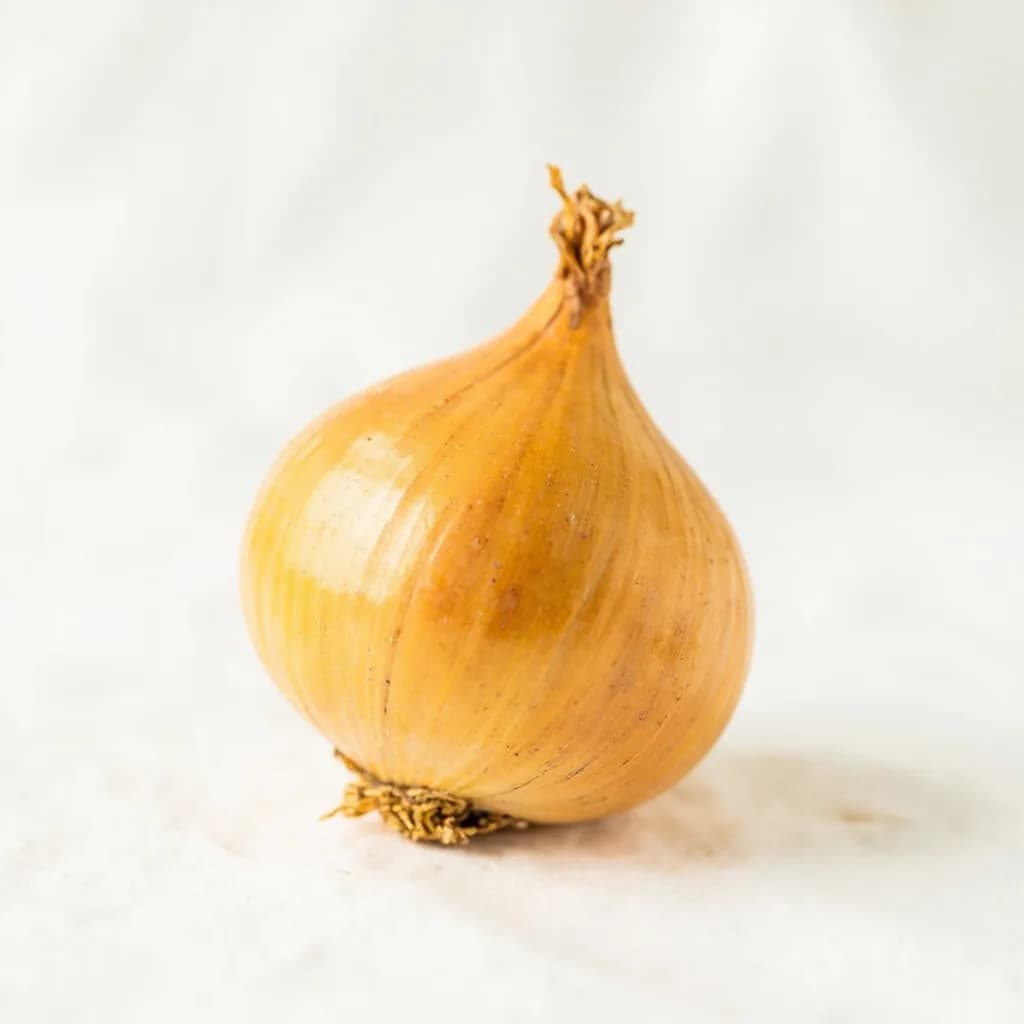
The aromatic backbone of soups, sofritos, and braises
Garlic
Pungent cloves that perfume nearly every savory dish
Lemon
Bright, acidic citrus that wakes up almost any dish
Potato
Humble, hearty staple — roast, mash, fry, or boil
Carrot
Sweet, crunchy root — raw, roasted, or the base of a sofrito
Cucumber
Cool, crisp, and watery — for salads, pickles, and tzatziki

Lettuce
Crisp leaves for salads, wraps, and a fresh crunch