Produce
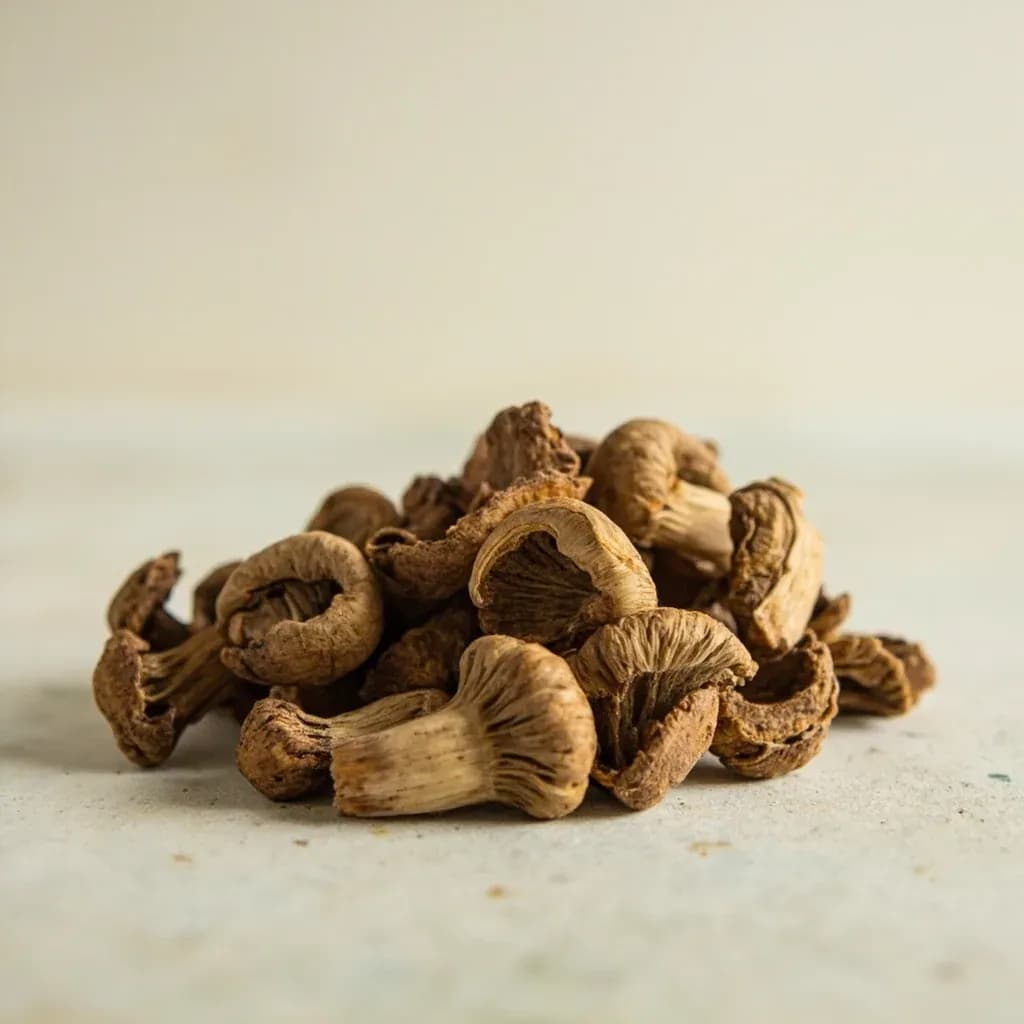
Dried Shiitake Mushroom
Umami-packed dried mushrooms, rehydrated for East Asian soups, stir-fries, and braises.
Dried shiitake are whole or sliced shiitake mushrooms dried to concentrate their savory, smoky depth. Soaked until pliable, they and their flavorful soaking liquid form the backbone of Chinese, Japanese, and Korean broths, braises, and dumpling fillings. The drying process boosts their natural glutamates, giving a far stronger umami than fresh shiitake.
Dried shiitake mushrooms are the sun-dried or machine-dried caps of Lentinula edodes, a cultivated fungus native to East Asia with over a thousand years of culinary history. The drying process is transformative: fresh shiitake contain modest glutamate, but as moisture leaves the cells, that content concentrates dramatically—increasing roughly ten to fifteen times over fresh. The result is a pantry staple with an extraordinary capacity to deliver deep, layered savory flavor that simply cannot be replicated by fresh mushrooms. When rehydrated, the caps become pliable and meaty with a pleasant chew, and the soaking liquid becomes a rich, aromatic dashi that forms the backbone of countless East Asian dishes. Unlike many dried ingredients that are mere convenience, dried shiitake are actively preferred over fresh in many traditional preparations for the depth and complexity they bring.
- Measured in
- g
- Storage
- Pantry
Types & varieties
Thick-fleshed, meaty caps; premium grade, excellent for braising and steaming
Very large caps; high-end Japanese variety with intense flavor and chewy texture
Bell-shaped, medium thickness; versatile for soups and stir-fries
Cap surface develops flower-like cracks during sun-drying; considered premium with particularly sweet, aromatic character
Large, uniformly sized caps; standard for most commercial and culinary uses
Common uses
Tips & pitfalls
- Soak in lukewarm to warm water (35–45°C / 95–115°F) for 30–60 minutes — never use boiling water, which shocks the mushrooms and extracts bitter, flat flavors while dulling the aromatic complexity
- Always strain the soaking liquid through a fine-mesh sieve lined with cheesecloth; this fragrant dashi is irreplaceable in the dish and should never be discarded
- Rinse rehydrated mushrooms briefly and rub the gills with your fingers to dislodge trapped grit that washing alone won't remove
- Snap or cut away the tough stems — they are rarely eaten whole and are typically discarded, though you can dry and grind them into a seasoning powder
- Press rehydrated mushrooms gently with paper towels before slicing; excess water dilutes sauces and prevents proper browning in stir-fries
- Sun-dried mushrooms develop higher vitamin D content than machine-dried or oven-dried varieties — look for sun-dried when available
- For faster rehydration, place mushrooms in a sealed bag with warm water and gently massage; this cuts rehydration time significantly but does not improve flavor the way slow soaking does
- Larger caps are meatier and better suited for braising or serving as a standalone element; reserve smaller and medium caps for stocks and sliced applications
Nutrition
Energy
1238 kJ · per 100 g
Where the calories come from
Protein
9.6g
19% DV
Carbs
75.4g
27% DV
Fat
1g
1% DV
Fiber
11.5g
41% DV
Sugars
2.2g
of which
Sodium
13mg
1% DV
Source · USDA FoodData Central · Mushrooms, shiitake, dried
View on FDC →In the shops
Matched grocery products
No matched grocery products for Dried Shiitake Mushroom yet.
Good to know
- Scientific Name
- Lentinula edodes
- Origin
- East Asia (Japan and China); cultivated for over 1,000 years
- Flavor
- Deep umami, earthy, savory, meaty texture when rehydrated
- Shelf Life
- 1–2 years stored airtight in a cool, dark place
- Rehydration Ratio
- 1 part mushroom to 5–10 parts water by weight
- Umami Concentration
- Glutamate content increases 10–15× compared to fresh mushrooms
- Available Forms
- Whole caps (with or without stems), sliced, or powdered
Substitutes
- Dried porcini mushrooms — Different species with distinct earthy flavor; use at 1:1 ratio but note porcini are more expensive and carry their own pronounced character
- Dried oyster mushrooms — Milder and slightly sweet; good vegetarian umami source, use in similar quantities to shiitake
- Fresh shiitake mushrooms — Not a direct substitute — fresh have less concentrated umami and a fundamentally different flavor profile; use 5–10× more by weight
- Shiitake mushroom powder — Concentrated dried product useful for seasoning but lacks the texture and body that rehydrated whole mushrooms provide
Pairs with
Also called
香菇 · Dried Black Mushroom · Dōnggū
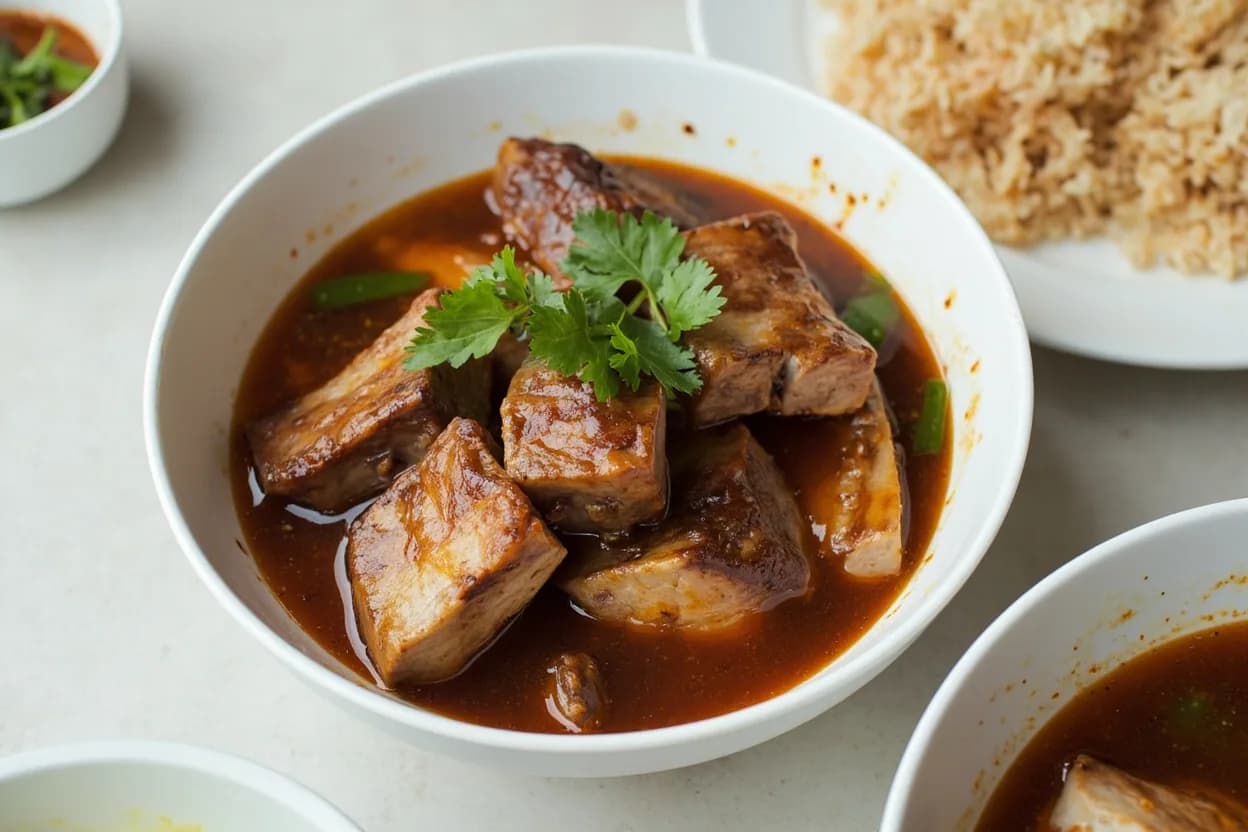
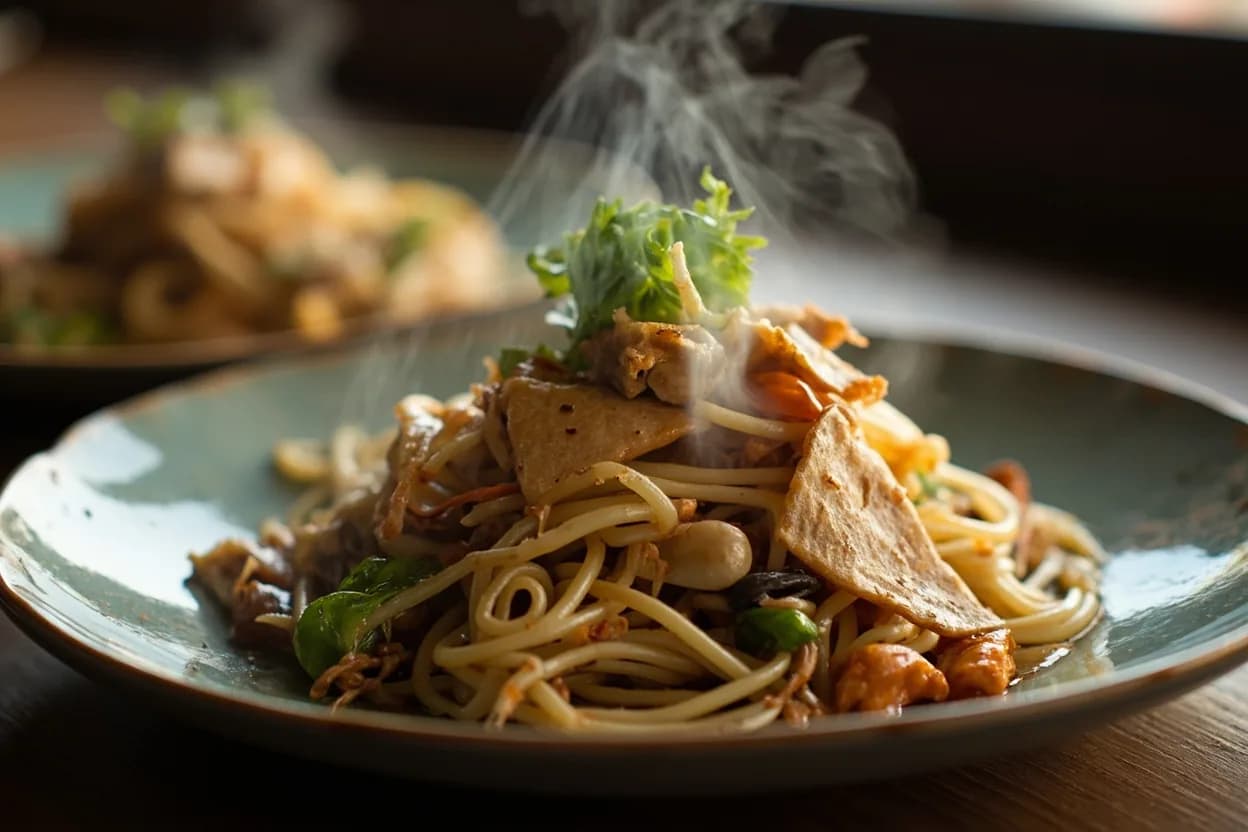
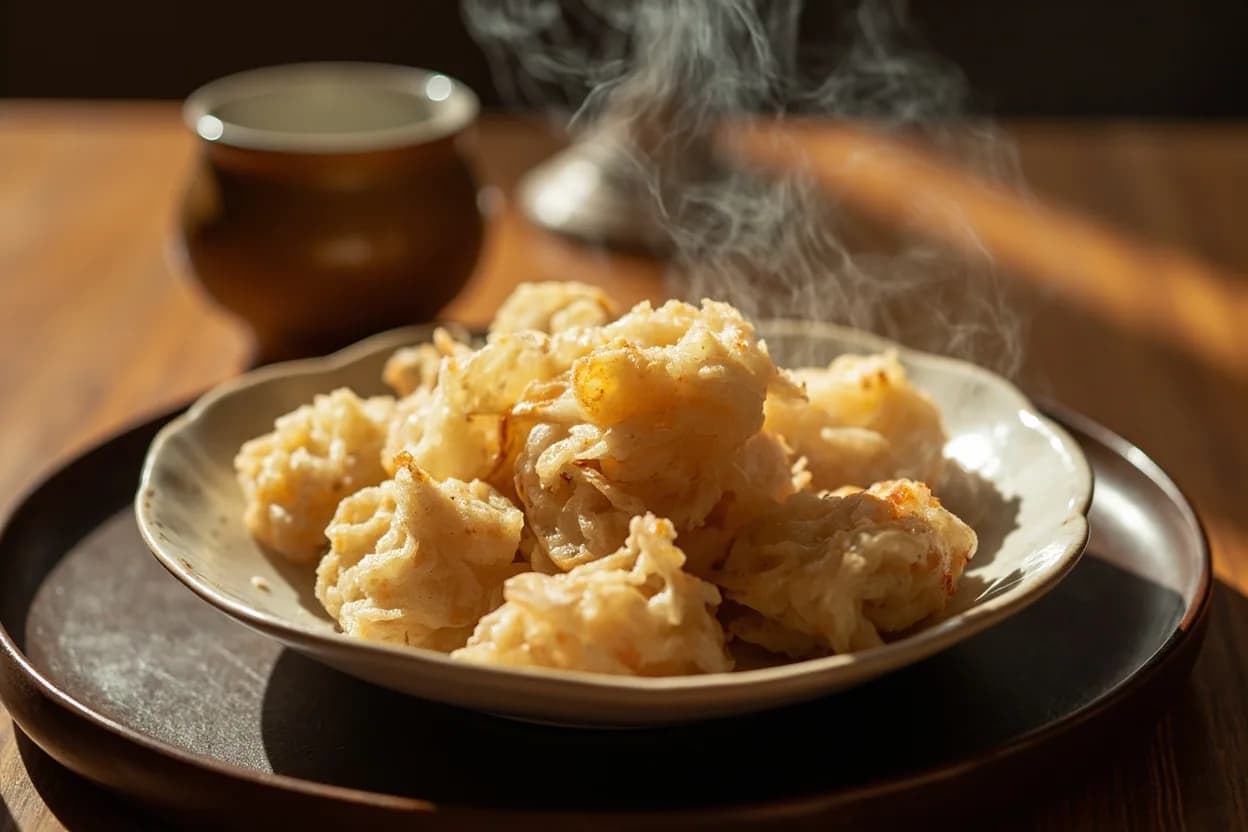
Appears in these dishes
Related

Tomato
Juicy, sun-sweet fruit for sauces, salads, and slow-cooked depth

Yellow Onion
The aromatic backbone of soups, sofritos, and braises

Garlic
Pungent cloves that perfume nearly every savory dish

Lemon
Bright, acidic citrus that wakes up almost any dish

Potato
Humble, hearty staple — roast, mash, fry, or boil

Carrot
Sweet, crunchy root — raw, roasted, or the base of a sofrito

Cucumber
Cool, crisp, and watery — for salads, pickles, and tzatziki

Lettuce
Crisp leaves for salads, wraps, and a fresh crunch