Stored
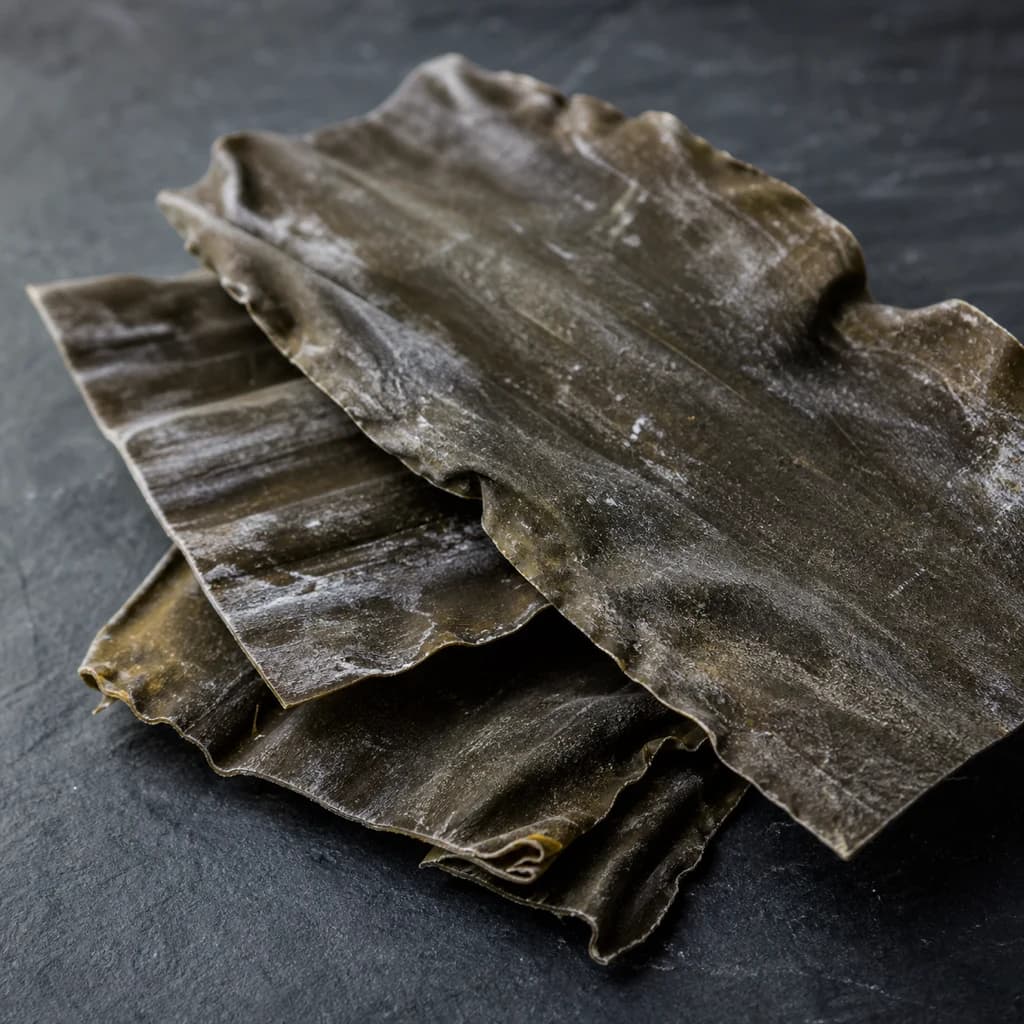
Dried kombu arrives as stiff, dark-greenish-black sheets dusted with a natural white mineral film.
The dried sheet form is what cooks encounter first at purchase — showing its rigid texture, dark color, and white surface bloom teaches immediate recognition and dispels mold concerns.
Produce
Kelp (Kombu)
Dried sea kelp that forms the umami backbone of Japanese and Korean stocks.
Kelp is a large brown seaweed dried into stiff dark sheets, known as kombu in Japan and dasima in Korea. It is simmered to make dashi and soup stocks, lending deep glutamate-rich umami, and can be rehydrated and sliced for salads or braises. A thin white surface film is natural minerals, not mold.
Kombu is dried kelp from species of the brown algae Laminaria, cultivated and wild-harvested from cold Pacific waters, primarily around Hokkaido, Japan, and the Korean peninsula. It is the foundational umami ingredient of Japanese and Korean cooking—dashi, the silent savory backbone of miso soup, noodle broths, and braises, is built on kombu's extraordinary glutamic acid content. Unlike bonito or other dried fish, kombu is fully vegetarian, delivering pure marine umami without any animal-protein or fishy notes, which makes it indispensable in temple cooking and vegan Japanese cuisine.
Properly made kombu dashi should smell of the sea but taste purely savory—clean, mineral, and deeply savory without harsh iodine or bitterness. The whitish powder that often coats quality kombu is natural mannitol and sucrose, a marker of gentle drying and good storage, not a flaw. Kombu rehydrates to four to five times its dried volume, and that soaking water itself becomes lightly seasoned dashi base. The critical distinction from other umami ingredients is that kombu provides only glutamate—it does not contain guanylate or inosinate, which is why it synergizes so powerfully when combined with bonito, mushrooms, or dried fish in classic dashi preparations. Korean dashima is the functional equivalent, generally thicker and wider, interchangeable with Japanese kombu in most applications.
- Measured in
- g
- Storage
- Pantry
Types & varieties
Premium quality from Hokkaido's Rausu region; thick, broad fronds, rich umami, minimal astringency; prized for clear dashi
From southern Hokkaido; slightly sweeter, used for clear soups and kaiseki
Thick-stemmed variety; very concentrated glutamate; excellent for long-simmered stocks
Long, narrow fronds; widely available commercial grade; suitable for everyday dashi and cooking
Shaved or powdered kombu; used as a finishing seasoning or for rice cooking
Cultivated kombu from marine farms; consistent quality; often labeled specifically for dashi
Korean kelp equivalent; generally thicker and wider than Japanese kombu; specifically used for dashima-guk (kelp stock)
Common uses
Tips & pitfalls
- Wipe kombu with a dry or barely damp cloth before use—never submerge or rinse, which leaches out soluble glutamates and the natural mannitol coating
- For dashi: cold-brew or very-low-heat steep (15–30 min) before bringing to a bare simmer; never boil vigorously or the stock becomes bitter and astringent
- If simmered, remove from heat immediately when small bubbles form on the pot bottom (60–70°C / 140–158°F); do not let it bubble actively
- The whitish powder on quality kombu is natural mannitol and sucrose—not a sign of spoilage; do not wipe it off
- A single small sheet (10 cm) per liter of water is sufficient; too much kombu makes the stock taste harsh and overly iodine-forward
- Store opened kombu in a sealed bag with a desiccant or in the freezer to prevent oxidative browning and flavor loss
- For instant use: soak kombu in cold water for 20–30 minutes; the soaking water itself becomes lightly flavored dashi base
- Remove kombu before serving unless the dish intentionally features its texture (e.g., tsukudani, pickles)
- When using as a braising flavor base, score the surface lightly with a knife to help glutamate extraction
- For a cleaner, lighter dashi, cold-steep kombu for several hours or overnight in the refrigerator
Nutrition
Energy
180 kJ · per 100 g
Where the calories come from
Protein
1.7g
3% DV
Carbs
9.6g
3% DV
Fat
0.6g
1% DV
Fiber
1.3g
5% DV
Sugars
0.6g
of which
Sodium
233mg
10% DV
Source · USDA FoodData Central · Seaweed, kelp, raw
View on FDC →In the shops
Matched grocery products
No matched grocery products for Kelp (Kombu) yet.
Good to know
- Scientific name
- Laminaria japonica and other Laminaria species (class Phaeophyceae)
- Origin
- Primarily cold Pacific waters; major cultivation in Hokkaido, Japan, and the Korean peninsula
- Harvest
- Wild-harvested and cultivated; typically harvested winter through early spring
- Form
- Sun-dried or machine-dried sheets, strips, or shaved flakes
- Color
- Dark green to nearly black when dried; expands and brightens when rehydrated
- Key compound
- Glutamic acid (umami); also contains iodine, iron, calcium, B vitamins, and alginate
- Shelf life
- 6–12 months in a cool, dry, dark place; indefinitely in airtight container in freezer
- Yield
- Reconstitutes to roughly 4–5× its dried volume
- Typical dashi ratio
- One 10 cm × 10 cm sheet per 4 cups (1 L) water for basic kombu dashi
- Flavor descriptor
- Briny, mineral, deeply savory; clean marine umami without fishiness
- Equipment (for dashi)
- Heavy-bottomed pot or nabe; fine-mesh strainer or cheesecloth
Substitutes
- Dried shiitake mushroom stems — Contain guanylate (umami synergist); steep in water for shiitake dashi; different marine/mineral quality but close savory depth; use 2–3 stems per cup water
- Wakame (dried, softened) — Milder; does not provide the same backbone; better as an addition than a substitute for stock
- Kombu powder — Convenient for seasoning during cooking; does not make a clean stock; useful for rice, beans, or dry rubs
- Dulse or nori — Different seaweed species; dulse is closer in flavor but not a direct substitute for stock; use sparingly and adjust to taste
Pairs with
Also called
Dasima · Kombu · Dashi Kombu · Dried Kelp
Appears in these dishes
Related
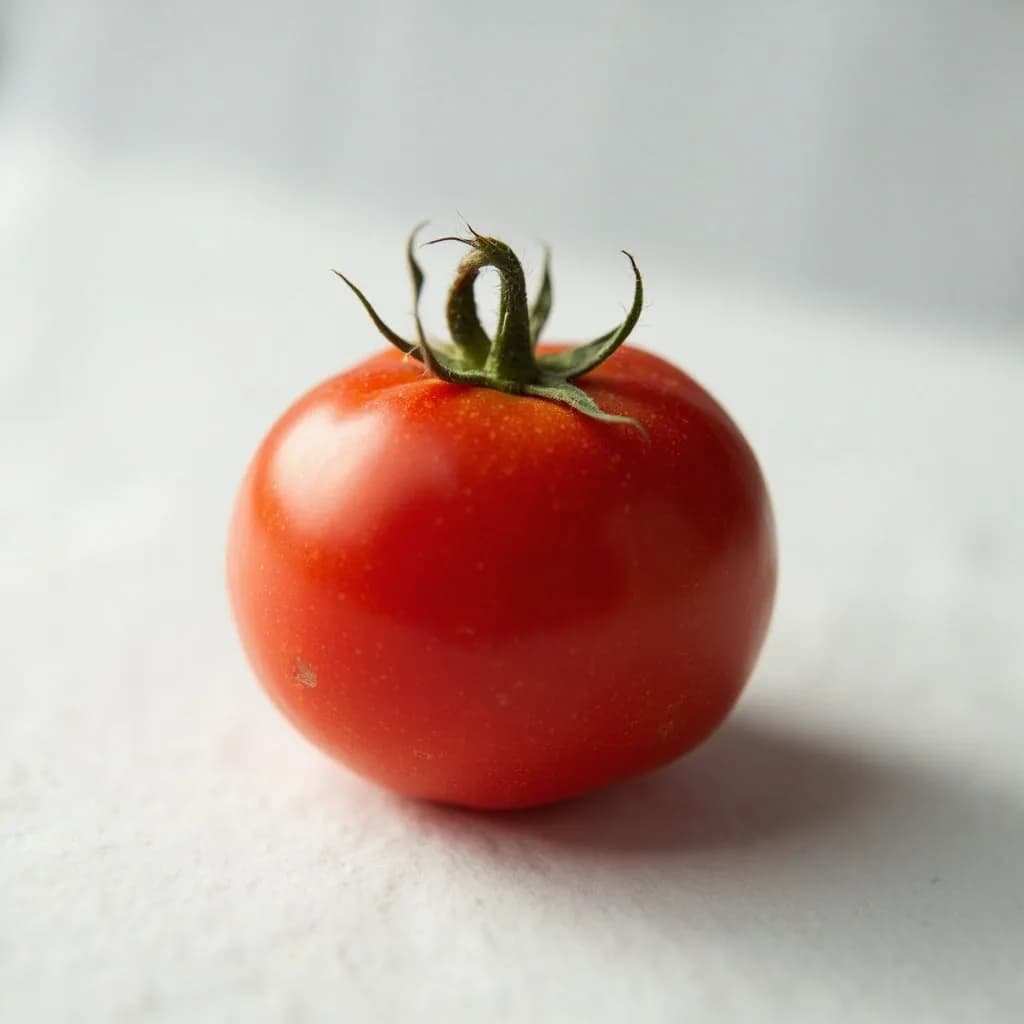
Tomato
Juicy, sun-sweet fruit for sauces, salads, and slow-cooked depth
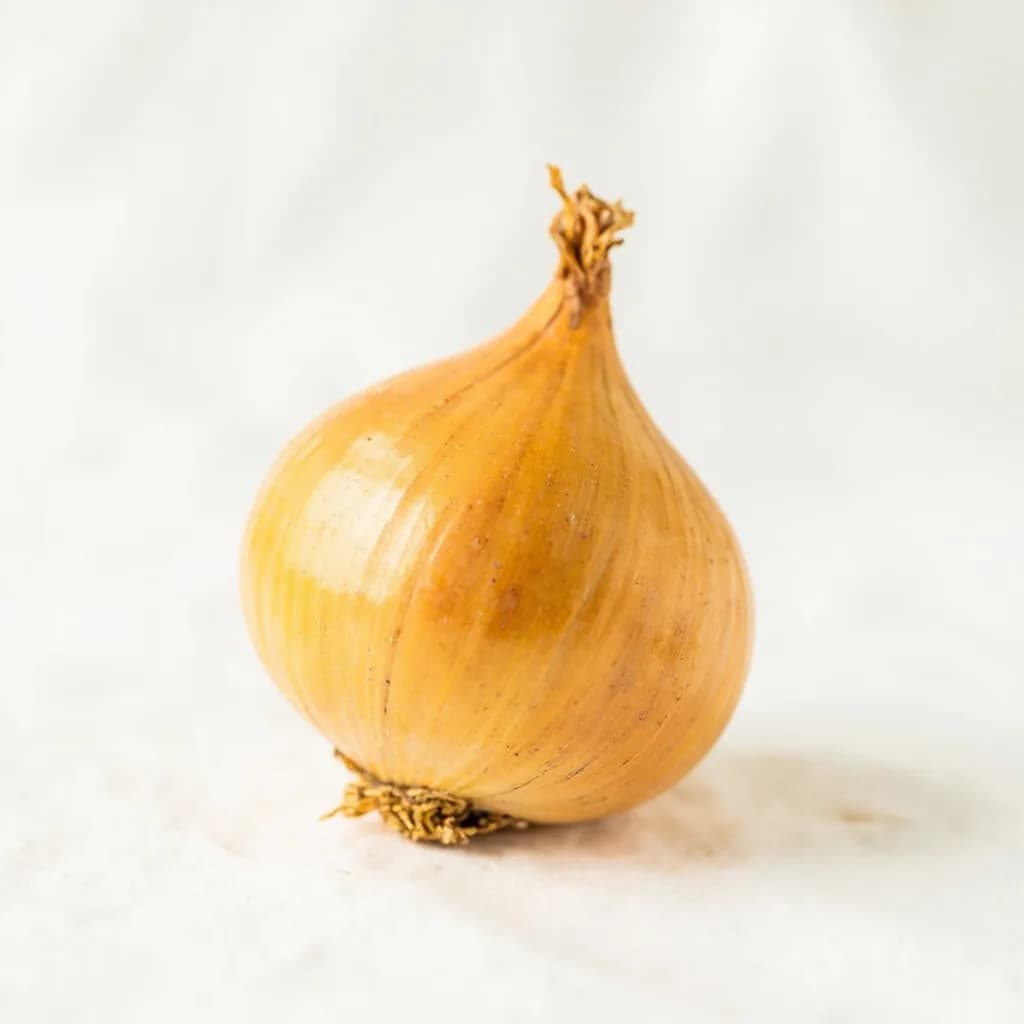
Yellow Onion
The aromatic backbone of soups, sofritos, and braises
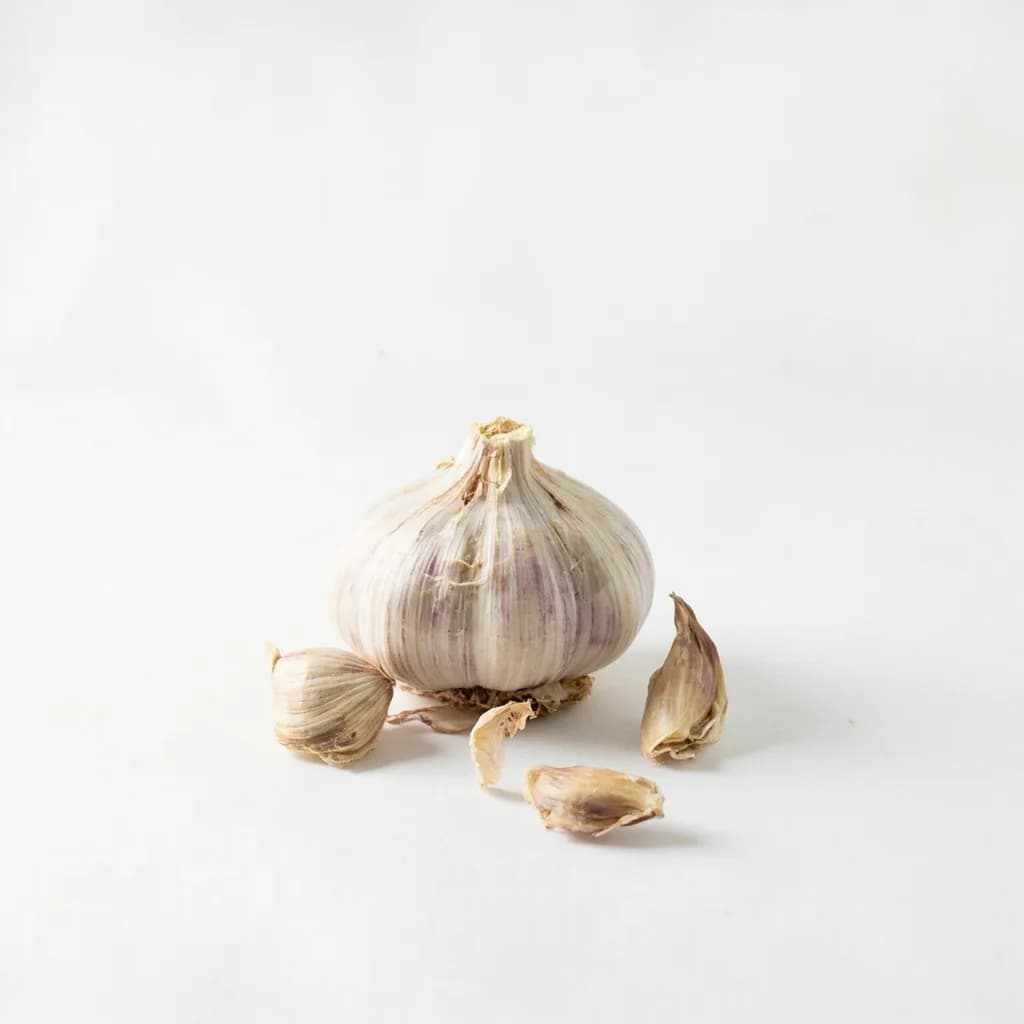
Garlic
Pungent cloves that perfume nearly every savory dish
Lemon
Bright, acidic citrus that wakes up almost any dish
Potato
Humble, hearty staple — roast, mash, fry, or boil
Carrot
Sweet, crunchy root — raw, roasted, or the base of a sofrito
Cucumber
Cool, crisp, and watery — for salads, pickles, and tzatziki

Lettuce
Crisp leaves for salads, wraps, and a fresh crunch