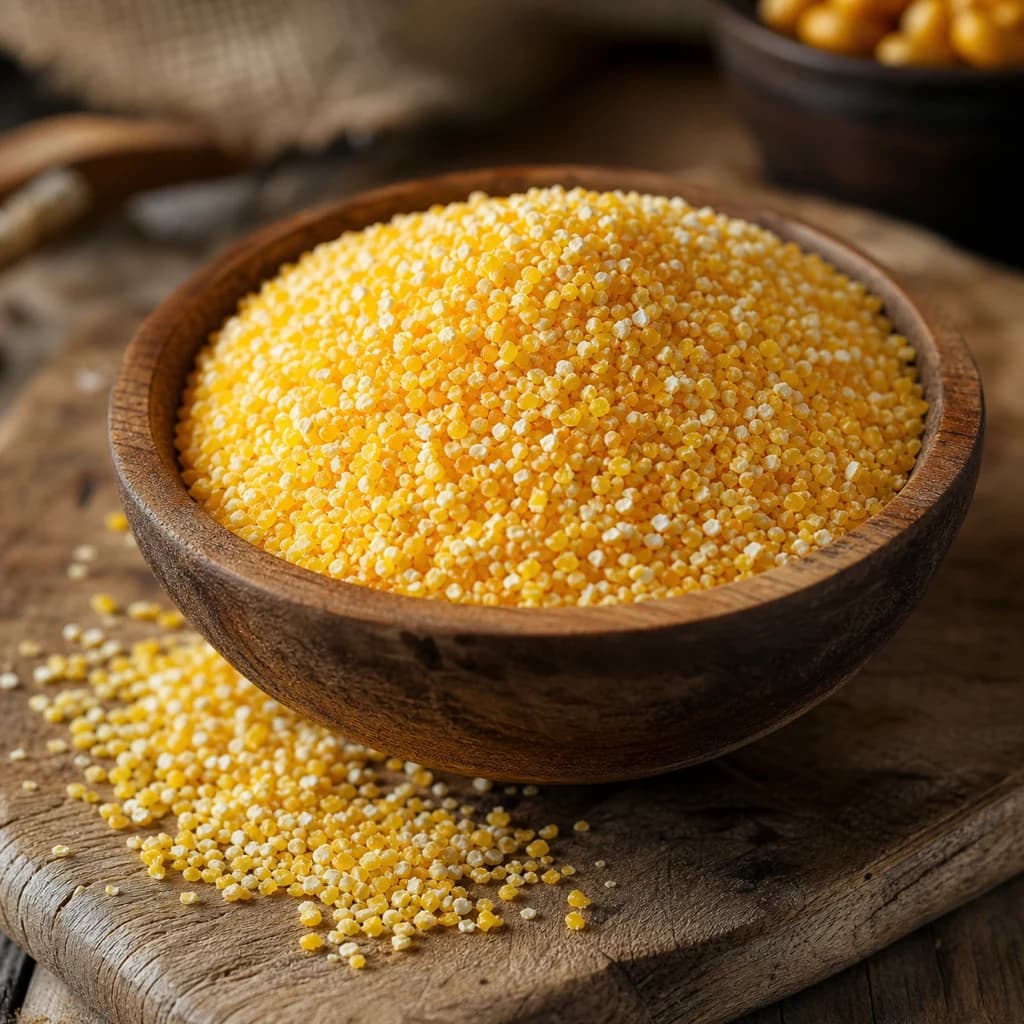
Natural form
Coarse yellow cornmeal, the dry ingredient that becomes polenta when cooked.
Shows the raw ingredient — its coarse grind, yellow color, and granular texture — so readers understand what polenta starts as.
Grains & Rice
Polenta
Northern Italian dish and meal of cooked cornmeal, served creamy or set and grilled.
Polenta is both coarsely ground cornmeal and the classic Northern Italian dish made by simmering it with water or stock until creamy. It is served soft as a bed for braises and stews, or cooled until firm then sliced and grilled or fried. It can be enriched with butter and cheese for a richer result.
Polenta is a foundational dish of Northern Italian cuisine made by slowly cooking ground corn (maize) in liquid until it reaches a thick, creamy consistency. Unlike a simple starch, properly made polenta undergoes a genuine transformation: the cornmeal hydrates gradually, its starches burst open, and the mixture evolves from a loose slurry into something rich, silky, and deeply flavored. The word predates corn itself—the Latin polenta referred to hulled barley—and the dish has absorbed regional variations across Lombardy, Veneto, Piedmont, and Friuli for centuries. Today it ranges from the soft, buttery polenta morbida served in Milano trattorias to the firm, golden-crusted slices of polenta grigliata common in Alpine valleys.
The versatility that made polenta the backbone of Po Valley peasant cooking—stretched thin to feed families, enriched when circumstances allowed—remains its defining trait. It can be a humble vehicle for drippings and cheese, or a refined stage for aged Parmigiano, white truffles, or prized funghi porcini. The cooking process rewards patience: a 45-minute traditional polenta develops a sweetness and depth that quick versions cannot match. The ratio of liquid to cornmeal (roughly 4:1 by volume for coarse-ground) and the quality of your stirring arm matter, but so does time—the starches hydrate fully only with sustained gentle heat.
Polenta behaves differently depending on grind and treatment. Coarse-ground polenta bramata requires the longest cooking and produces a satisfyingly textured result with visible corn particles. Fine-ground versions cook faster and can become almost smooth. White corn polenta (polenta bianca) offers a milder, sweeter character prized in Piedmont. Polenta taragna adds buckwheat flour for an earthier, more complex flavor native to Valtellina. Understanding these distinctions allows you to match the right polenta to your intended use—rough textured for grilled accompaniment, fine for creamy bowls, firm-setting for frying.
- Measured in
- g
- Storage
- Pantry
Types & varieties
Coarse-ground traditional polenta; the classic version, requires longest cooking (45–60 min)
Finely ground cornmeal; cooks faster (20–30 min), smoother texture
Whole-grain cornmeal with bran; nuttier flavor, longer cooking time
Made from white corn; milder, slightly sweeter, popular in Piedmont and Lombardy
Mixed cornmeal and buckwheat flour; from Valtellina region, darker color, earthier flavor
From a specific corn variety in the Veneto; prized for flavor and texture
Pre-cooked and dried; reconstitutes in minutes, acceptable but lacks depth of traditional
The Two Poles of Polenta: Soft vs. Firm
Polenta's destiny is decided at the pot. You choose, or your recipe dictates, whether you are making polenta morbida (soft, creamy, served in bowls with a pool of butter pooling in the center) or preparing polenta for the grill or fryer. The difference is simple: soft polenta is served immediately after cooking and resting, finished with butter and Parmigiano. Firm polenta is poured onto a wooden board or shallow pan lined with plastic wrap, spread to an even thickness, and cooled to room temperature before refrigeration. It must be thoroughly chilled—overnight is ideal—to slice cleanly without crumbling. Once firm, it grills to a golden, crispy crust and fries in hot oil with satisfying snap.
- Soft polenta: serve immediately in warm bowls with butter and cheese folded in
- Firm polenta: pour onto board or pan, cool, refrigerate until solid (overnight preferred)
- Cut firm polenta with unflavored dental floss or a sharp chef's knife for clean edges
- Grill or fry firm polenta: blot surface moisture and use high heat for best crust
The Patience Payoff
Rushing polenta produces flat, chalky results. The starch granules in cornmeal require sustained, gentle heat to fully hydrate and burst—that process releases natural sweetness and creates the silky body that defines excellent polenta. A vigorous boil does not cook polenta faster; it toughens the exterior of the grains while leaving the center raw and can scorch the bottom irreparably. The solution is a heavy-bottomed pot over moderate heat, with regular stirring, and a willingness to let time do the work. The difference between a 20-minute and a 45-minute polenta from the same cornmeal is profound and worth the extra effort.
- Never rush the simmer; gentle bubbling extracts maximum sweetness
- Stir frequently in the first 20 minutes, then constantly as it thickens
- Taste frequently toward the end—you want fully cooked grain with no raw corn flavor
- A properly cooked 45-minute polenta will taste notably deeper than a shortcut version
Common uses
Tips & pitfalls
- Use a heavy-bottomed pot—thin pots scorch the bottom irreparably and ruin the entire batch
- Add cold water to cold polenta gradually, never the reverse, to avoid lumps
- Stir frequently, especially in the first 20 minutes, then constantly as it thickens toward the end
- Cook low and slow: aggressive boiling toughens the grains; a gentle simmer extracts maximum sweetness
- Add butter and Parmigiano at the end off the heat, stirring vigorously for a silky finish
- Rest cooked polenta 5–10 minutes before serving soft; this firms it naturally and allows flavors to meld
- To firm for grilling: pour onto a wooden board or shallow pan lined with plastic wrap, cool to room temp, then refrigerate until firm
- Cut set polenta with unflavored dental floss (or a sharp knife) for clean, uncrushed slices
- For crispy fried polenta: ensure it's fully chilled and firm, blot any surface moisture before frying in hot oil
- Never add salt until the polenta has cooked at least 15 minutes—salt can tighten the grain and slow hydration
Nutrition
Energy
1665 kJ · per 100 g
Where the calories come from
Protein
10.4g
21% DV
Carbs
76.9g
28% DV
Fat
5.4g
7% DV
Fiber
8.7g
31% DV
Sugars
1.8g
of which
Sodium
7mg
0% DV
Source · USDA FoodData Central · approx. Cornmeal, blue (Navajo)
View on FDC →In the shops
Matched grocery products
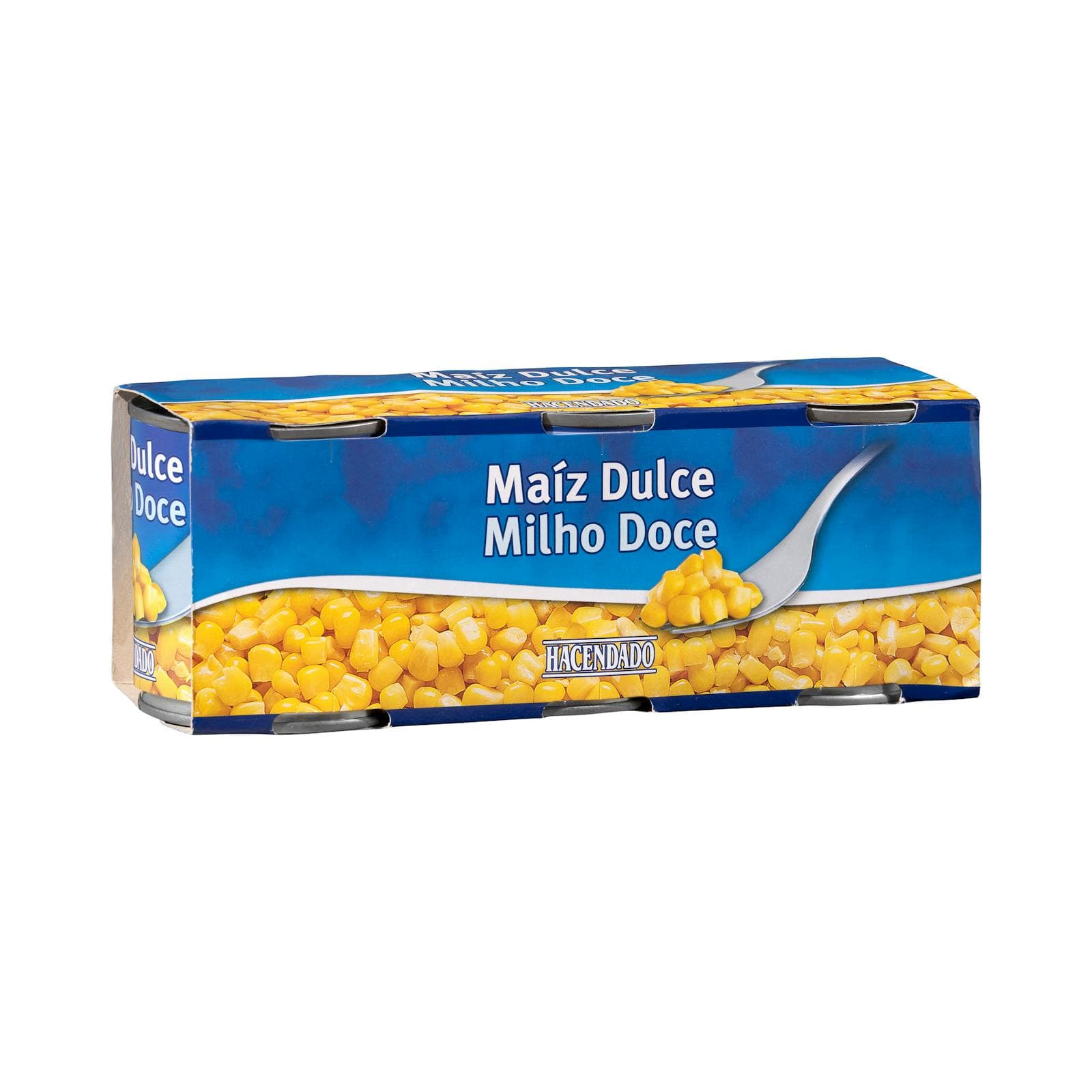 €1.55
€1.55Sweet Corn
Hacendado · 450 g · Mercadona
 €1.59
€1.59Sweet Corn Bonpreu
BONPREU · kg · Bonpreu
 €2.49
€2.49Sweet Corn Bonpreu
BONPREU · kg · Bonpreu
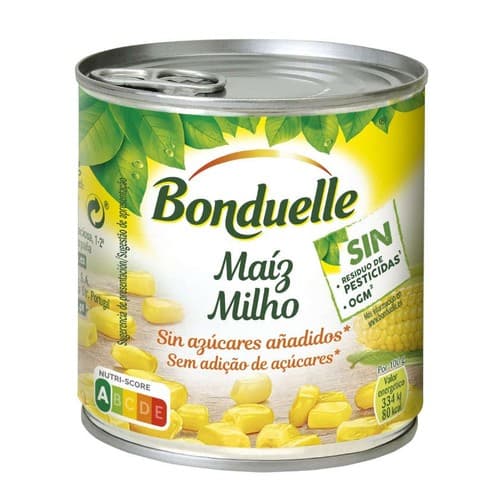 €1.99
€1.99Bonduelle Sweet Corn
BONDUELLE · kg · Bonpreu
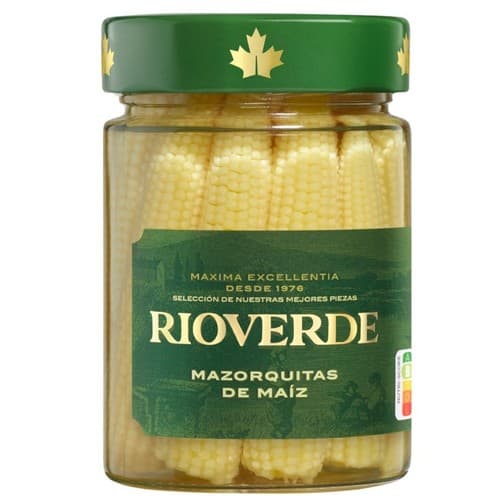 €2.99
€2.99Pickled Corn Kernels
RIOVERDE · kg · Bonpreu
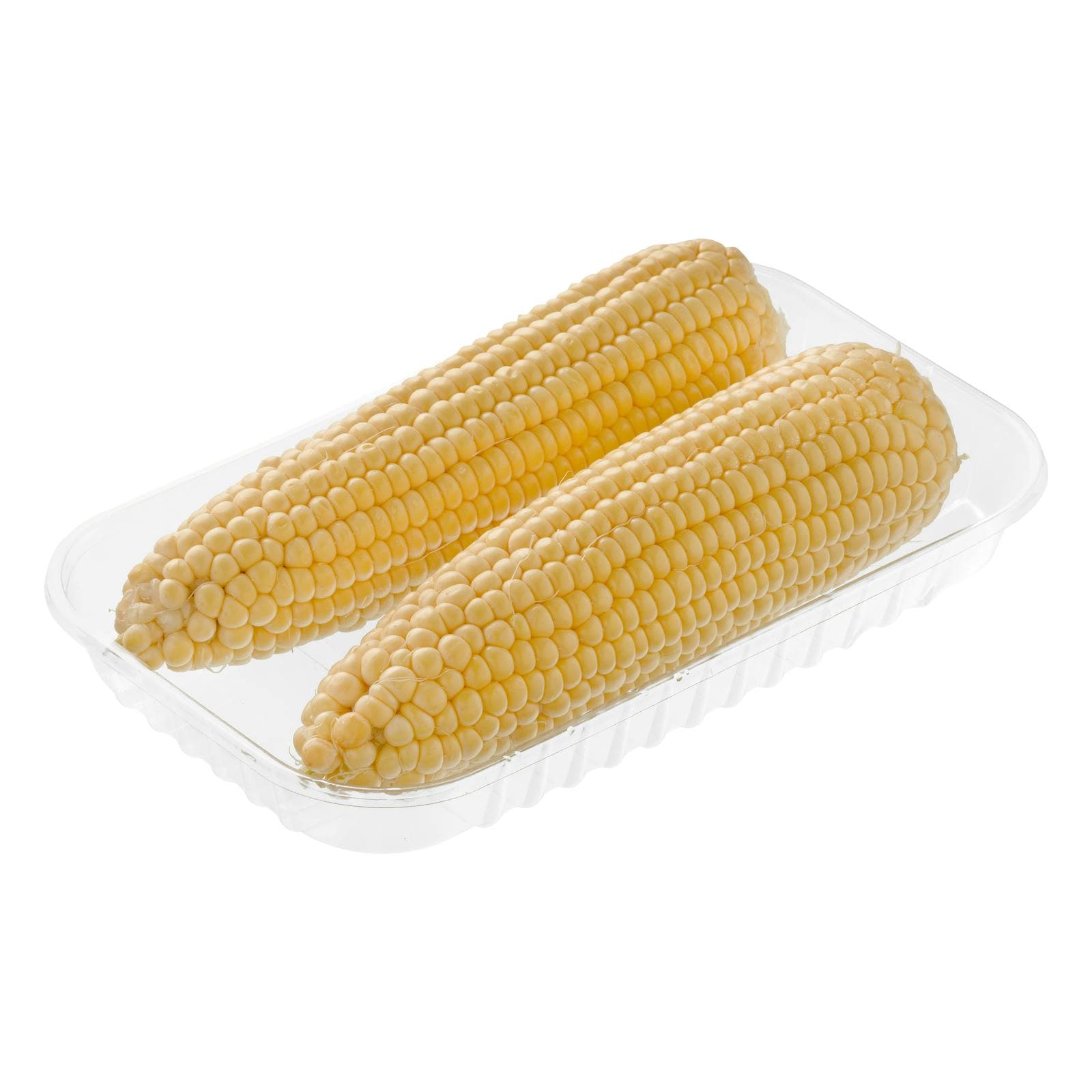 €3.15
€3.15Sweet Corn on the Cob
2 ud · Mercadona
Good to know
- Origin
- Northern Italy (Lombardy, Veneto, Friuli-Venezia Giulia, Piedmont)
- Primary Ingredient
- Typically stone-ground yellow or white cornmeal
- Traditional Cooking Liquid
- Water or light meat/bone broth, salted after cooking begins
- Cooking Time
- 30–60 min (coarse-ground traditional); 20–30 min (fine-ground); 5–10 min (instant)
- Flavor
- Mild, slightly sweet corn; rich and creamy when finished with butter and cheese
- Serving Styles
- Soft and creamy (polenta morbida) or cooled, sliced, and grilled/fried (polenta grigliata/fritta)
- Key Equipment
- Heavy-bottomed pot or Dutch oven; long-handled wooden spoon or whisk
- Storage
- Refrigerate cooked polenta up to 5 days; keep dry cornmeal airtight in cool, dry pantry
Substitutes
- Standard US grocery cornmeal — Works adequately; typically finer grind than polenta bramata, so reduce liquid slightly and watch cooking time closely
- Fine-ground cornmeal or grits — Acceptable shortcut; similar texture to polenta fine and cooks in less time
- Masa harina — Too fine and treated with lime; makes gluey polenta; not recommended for traditional preparations
- Buckwheat groats (for taragna-style) — Cook buckwheat separately and mix with cornmeal to approximate polenta taragna's earthy character
Pairs with
Also called
Polenta Cornmeal
Related

White Rice
Fluffy long-grain rice — the neutral base for almost any meal

White Bread
Soft sandwich loaf for toast, sandwiches, and crumbs
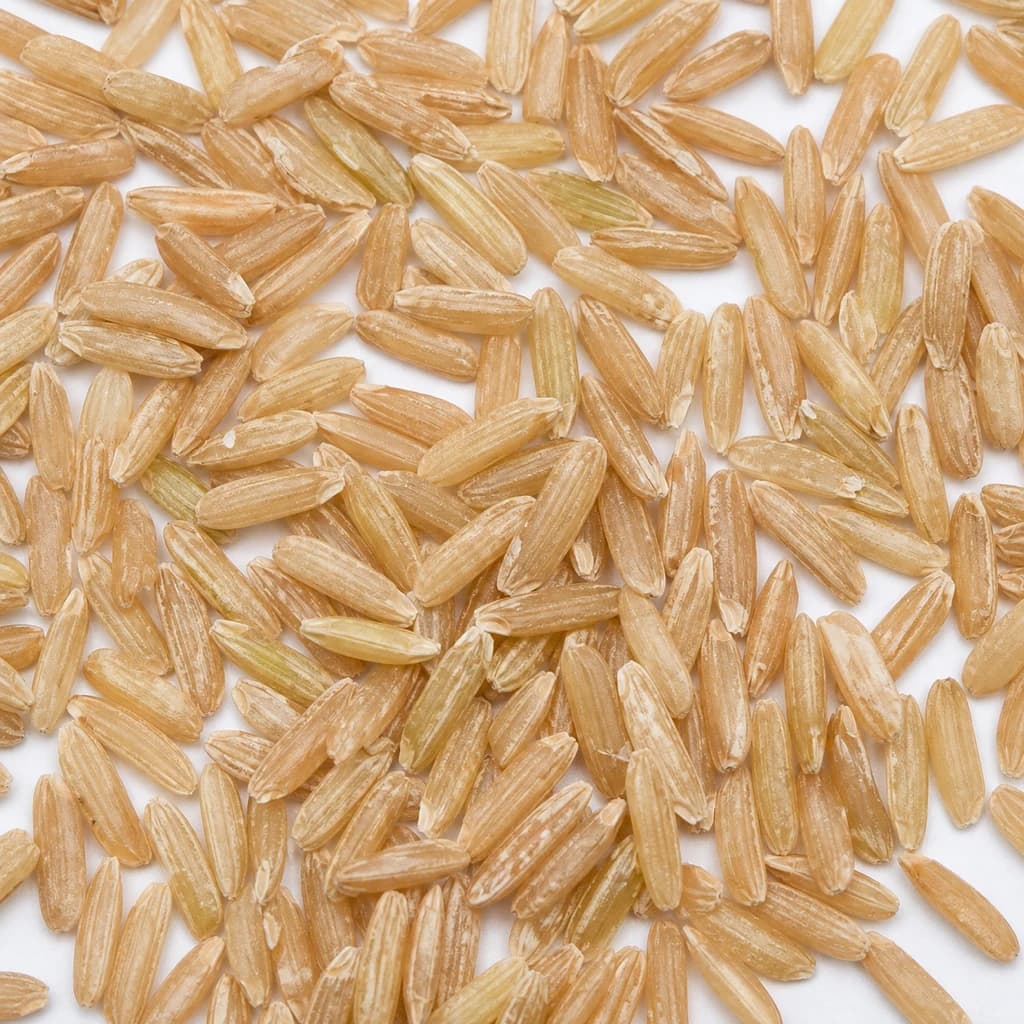
Brown Rice
Nutty, whole-grain rice with chew and extra fiber

Basmati Rice
Fragrant, long-grain rice that cooks up light and separate
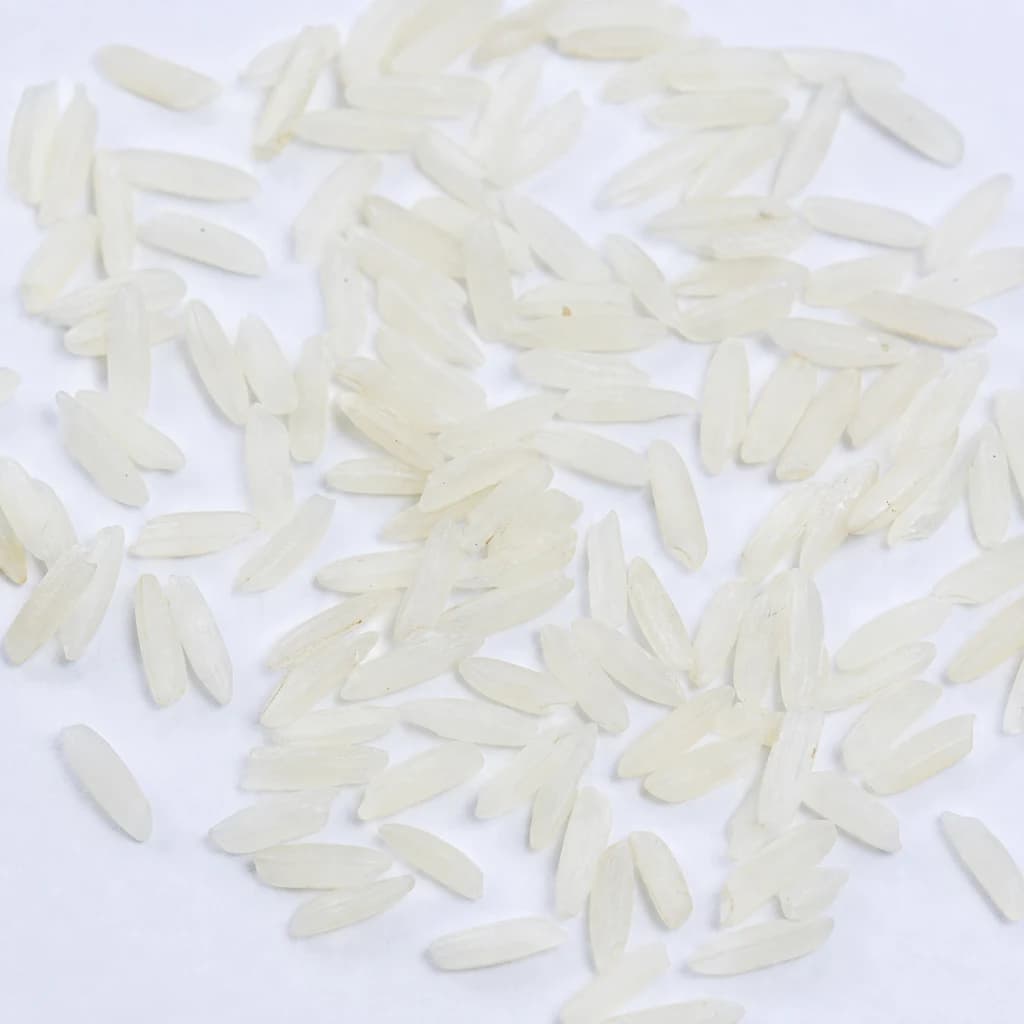
Jasmine Rice
Soft, floral-scented rice that's the pillar of Thai meals
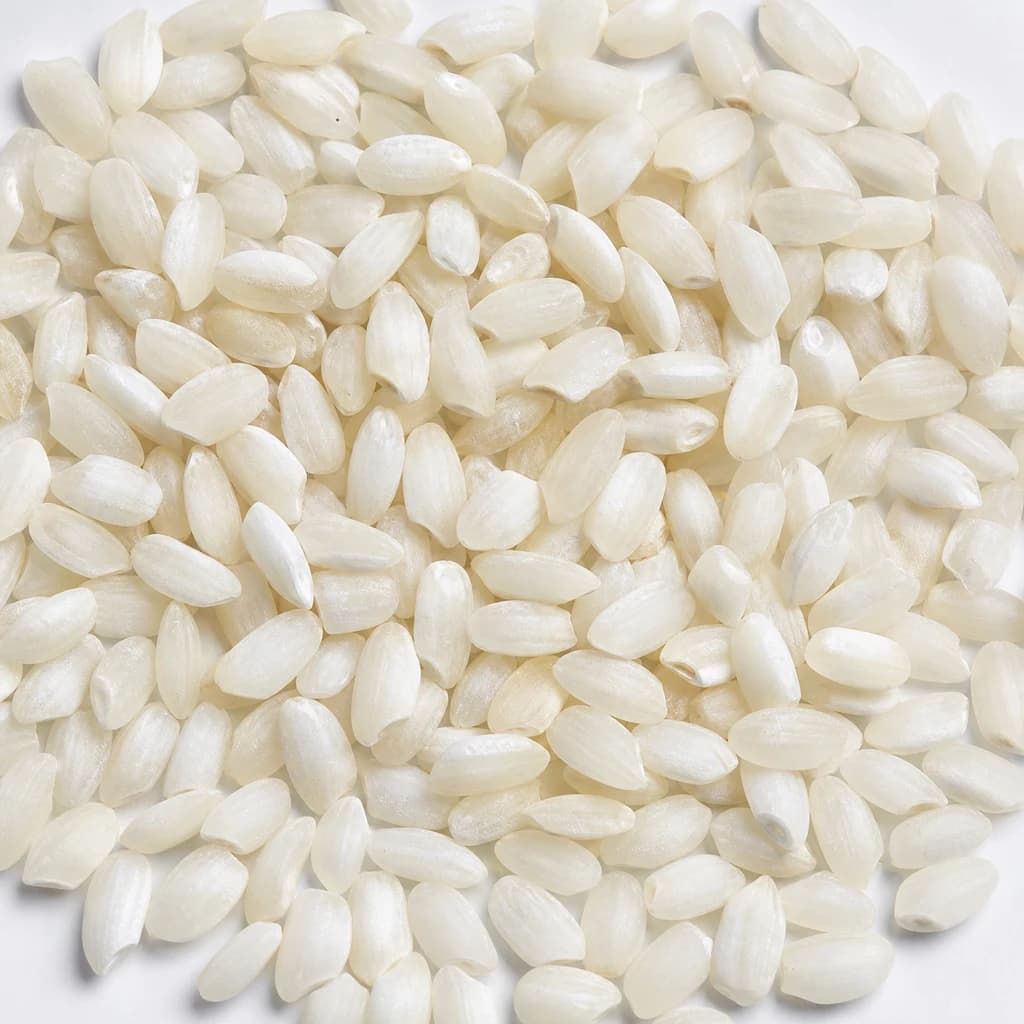
Arborio Rice
Plump, starchy rice that makes risotto creamy
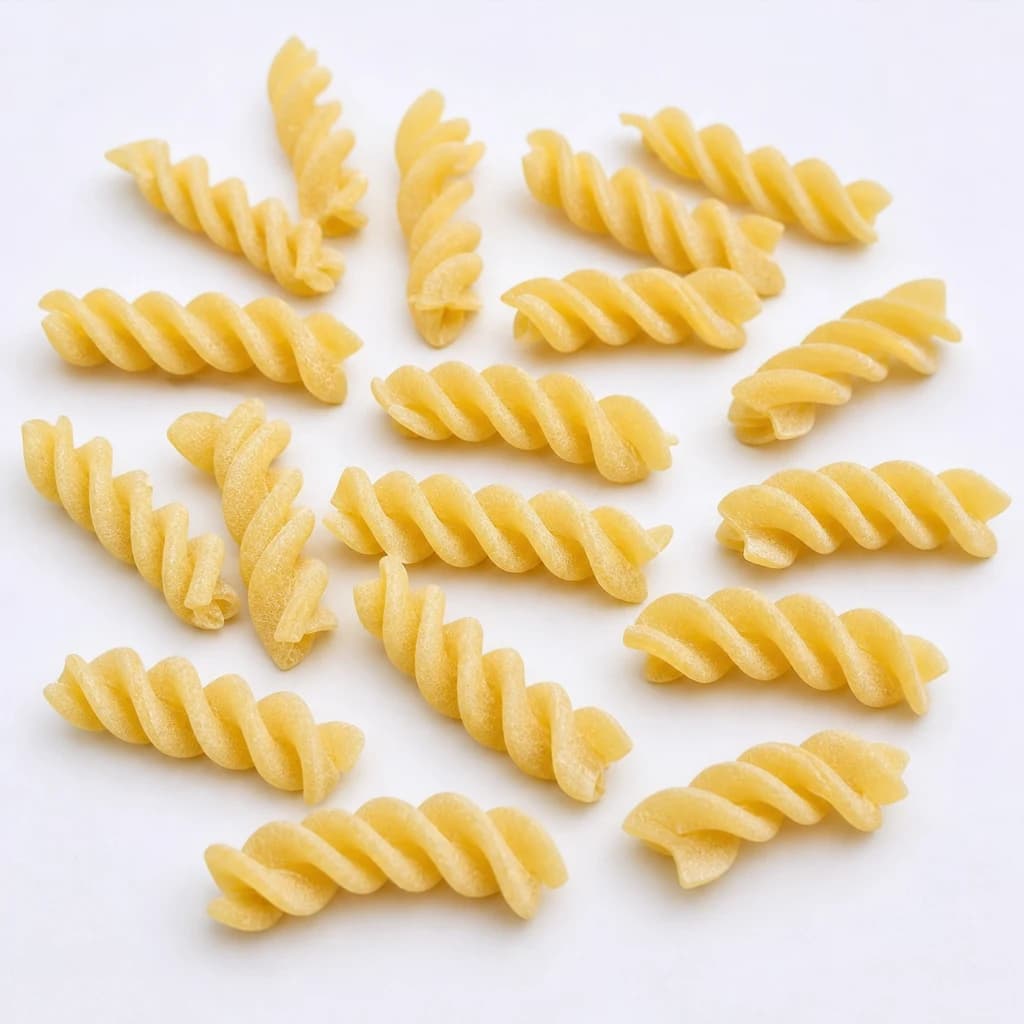
Fusilli
Spiraled pasta that twirls up sauce and dresses cold salads
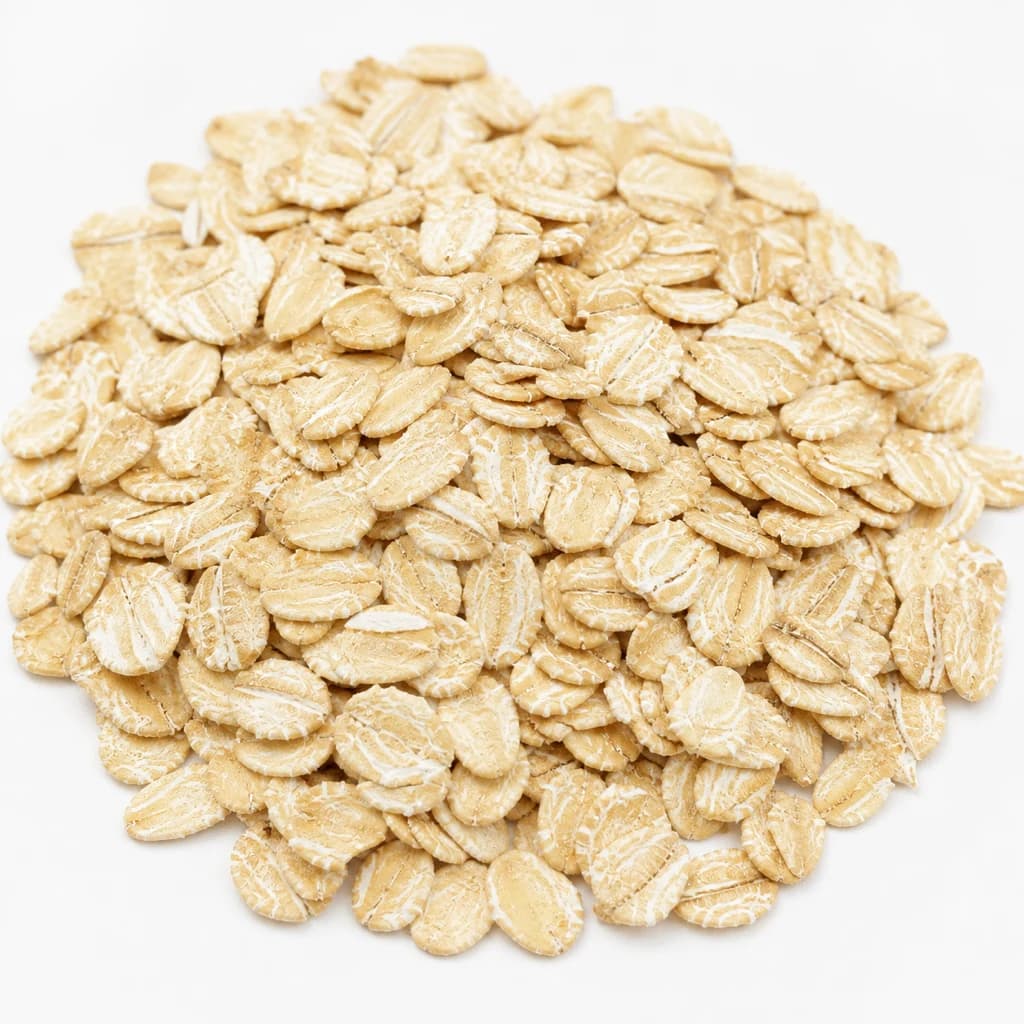
Rolled Oats
Hearty flakes for porridge, granola, and chewy cookies