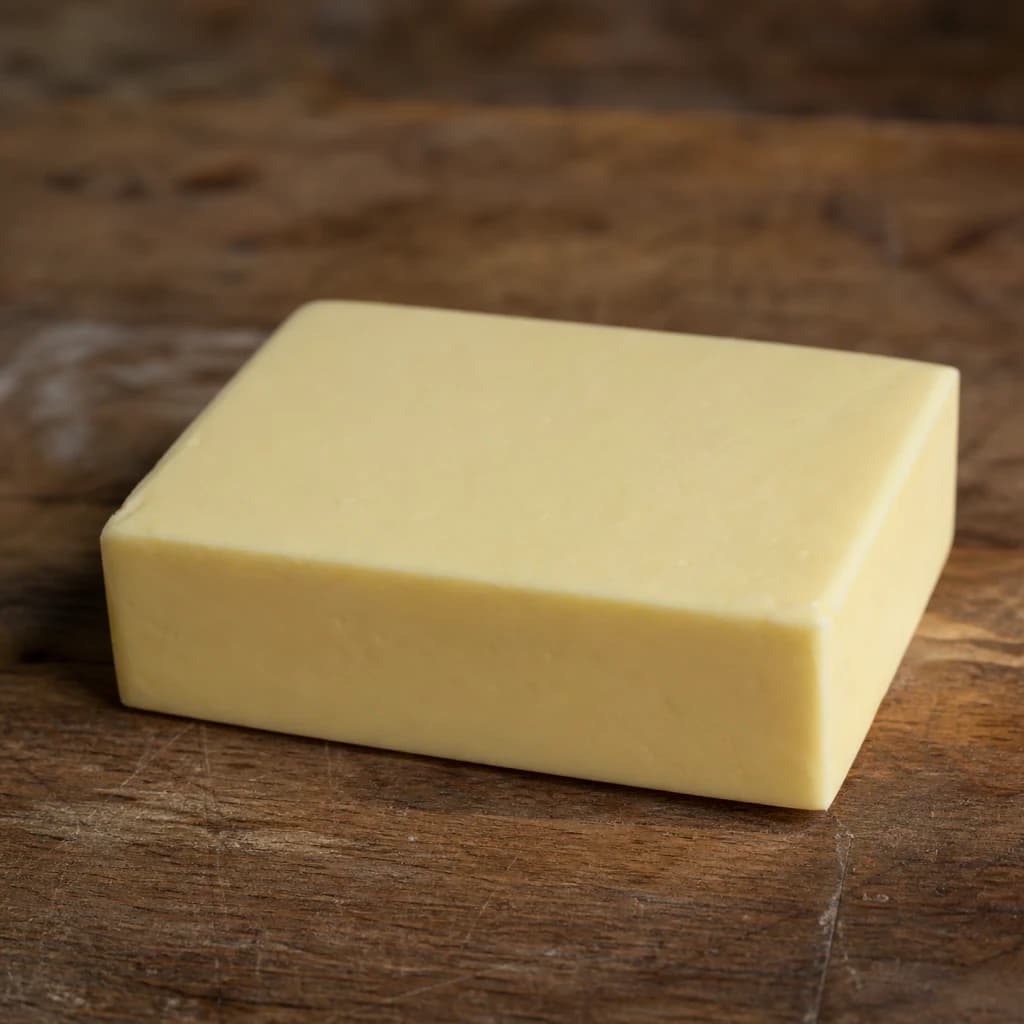
Stored
A block of laminating butter in its characteristic flat, rectangular slab form before use.
Shows the distinctive high-fat, low-moisture butter in its purchased/stored state so readers recognize it at a glance.
Dairy & Eggs
Laminating Butter (Beurre de Tourage)
High-fat (84%) dry butter used to laminate croissant and puff-pastry dough into flaky layers.
Laminating butter, or beurre de tourage, is a low-moisture, high-fat (around 84%) butter formulated to stay pliable yet firm during the folding of laminated doughs. Pastry chefs beat it into a flat sheet and encase it in dough, then roll and fold repeatedly to create the distinct layers of croissants and puff pastry. Its low water content prevents sogginess and lets the layers rise crisply.
Laminating butter, or beurre de tourage, is a specialized high-fat butter formulated specifically for creating the distinct flaky layers in laminated doughs like croissants and puff pastry. Unlike standard butter, it contains a minimum of 84% fat with reduced moisture (typically 14-16%), which is not merely a technical specification but a functional necessity: the higher fat content keeps the butter pliable without absorbing into flour, while lower moisture prevents soggy, compacted layers. During baking, the moisture dispersed throughout the butter converts to steam, creating the pneumatic pockets that define a well-laminated croissant. Beurre de tourage must behave like a pliable sheet that slides between dough layers without tearing or merging—when it cracks, it tears the gluten structure; when it softens excessively, it absorbs into the flour and produces dense, greasy results rather than distinct flakes. French pastry tradition codified these standards because the fat-to-moisture ratio directly determines the ratio of mechanical separation to pneumatic lift in the final crumb. Temperature management is the fundamental skill; the butter must be 16-18°C (61-64°F)—cool enough to hold its shape during rolling, warm enough to roll without fracturing. This is a skill developed through feel, not thermometers.
- Measured in
- g
- Storage
- Fridge
Allergens
Types & varieties
Pre-rolled into even sheets; eliminates hand-rolling step; used by professional bakeries for consistency
Protected designation; 84% fat minimum; from Normandy; renowned for exceptional lamination performance and flavor
Cultured butter from western France; 82% fat minimum; slight tang enhances pastry flavor
Made from fermented cream; adds subtle acidity that improves dough structure and flavor development
Neutral flavor base; preferred when butter's own taste should not dominate the dough
Widely available in US; 84% fat; reliable substitute for beurre de tourage
Why Fat Percentage Matters
The 84% minimum fat in laminating butter is not arbitrary. Standard American butter contains 80% fat; the additional 4% makes a substantial difference in lamination quality. Higher fat means the butter stays coherent and flexible across a wider temperature range, reducing the risk of both shattering (when too cold) and absorbing into dough (when too warm). More critically, lower moisture means less water available to convert to steam—but what remains creates more energetic, evenly distributed steam pockets rather than erratic moisture that can cause soggy spots or uneven rise. In puff pastry, this difference translates to 729 layers from six turns versus a coarser, less reliable crumb structure with standard butter.
- EU regulations codify 84% minimum for premium lamination butter
- Higher fat extends the workable temperature window
- Moisture content directly affects steam distribution in the final crumb
- Professional croissant bakers specify butter by name because quality is inseparable from result
Choosing a Laminating Butter
For home bakers, the most accessible option is European-style butter (Plugra, Kerrygold, or store brands labeled 'European style') at 84% fat. These are reliable for occasional lamination work. For serious croissant making, seek out Isigny AOC or Charentes-Poitou AOC butter when available—the difference in flavor and performance is measurable, particularly in fine-dining contexts where butter quality is part of the final product's identity. Sheet butter (beurre en feuillets) is the professional choice for consistency, eliminating the variability of hand-rolling the butter slab to even thickness. Cultured lamination butter adds a subtle tang that complements the fermentation of laminated doughs; sweet cream butter is preferable when you want the butter to carry another flavor (chocolate, almond paste) without competing.
- Home use: European-style 84% butter from any grocery store
- Serious hobbyist: AOC French butters when available or mail-ordered
- Professional: Sheet butter for consistency, cultured butter for flavor complexity
- Always check fat percentage on the label—'European style' varies by manufacturer
Common uses
Tips & pitfalls
- Test butter pliability: press gently with thumb — it should leave an impression without cracking or sticking to skin
- If butter cracks during rolling, it is too cold; let rest 5-10 minutes at room temperature
- If butter smears and blends into dough, it is too warm; return to fridge 15-20 minutes
- Never skip the resting period (30-60 minutes refrigerated) between fold sessions — gluten must relax
- Maintain even thickness when rolling dough around butter; uneven layers produce inconsistent lamination
- For high-humidity kitchens, use slightly firmer butter and work quickly
- Press folded edges sealed before refrigerating to prevent butter from escaping during resting
- The dough should feel tight and snap back slightly after each turn — loose dough leads to uneven layers
- Score the butter slab with a knife before placing in dough to improve pliability
- Commercial lamination butter often contains additives (mono/diglycerides) to improve plasticity; artisanal butter requires more careful temperature management
- Butter that tears through dough is too cold and brittle; butter that absorbs into dough is too warm and soft
- Common failure modes: tearing (too cold), smearing (too warm), uneven layers (improper rolling)
Nutrition
Energy
3766 kJ · per 100 g
Where the calories come from
Protein
0g
0% DV
Carbs
0g
0% DV
Fat
100g
128% DV
Fiber
0g
0% DV
Sugars
0g
of which
Sodium
0mg
0% DV
Source · USDA FoodData Central · approx. Butter, Clarified butter (ghee)
View on FDC →In the shops
Matched grocery products
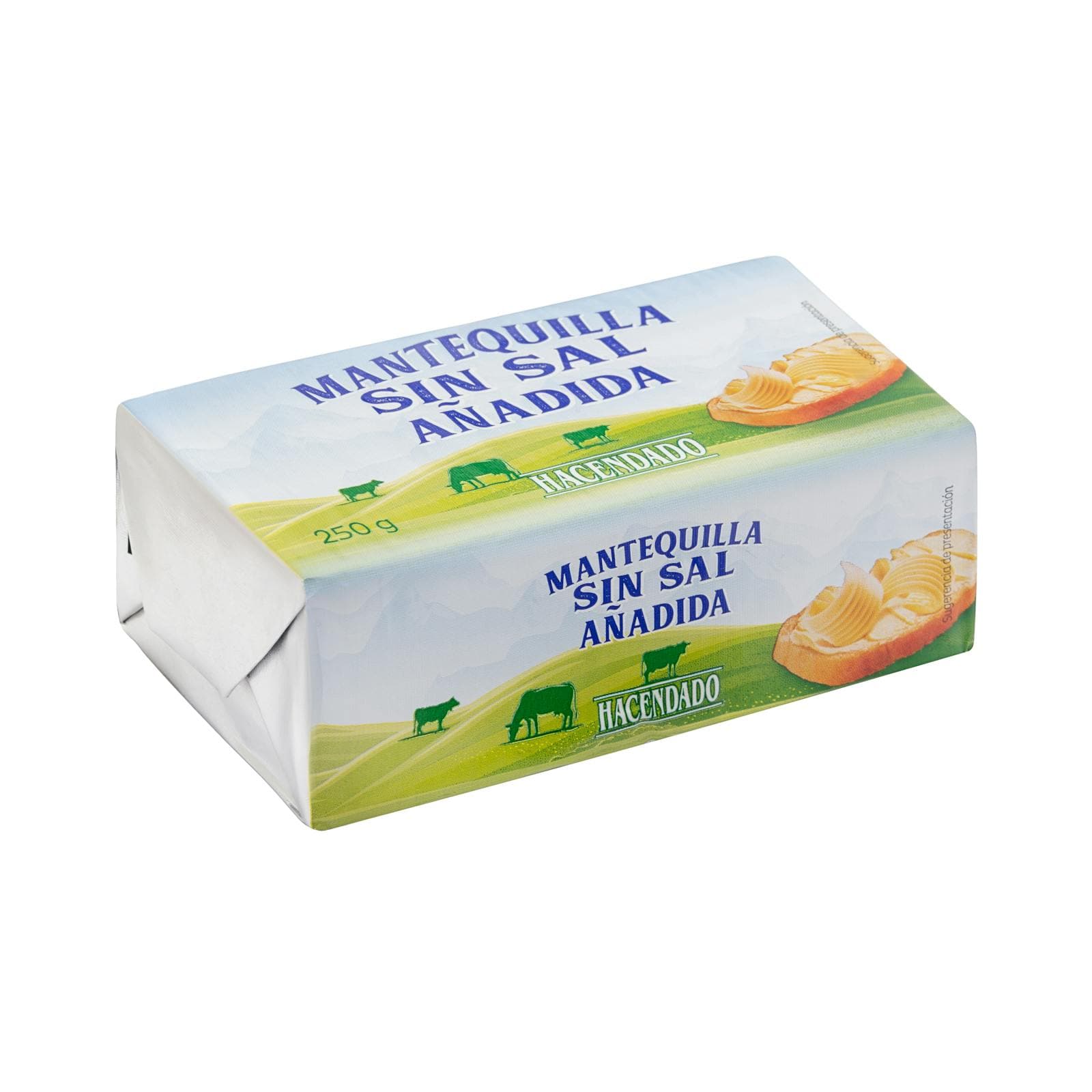 €2.10
€2.10Unsalted Butter
Hacendado · 250 g · Mercadona
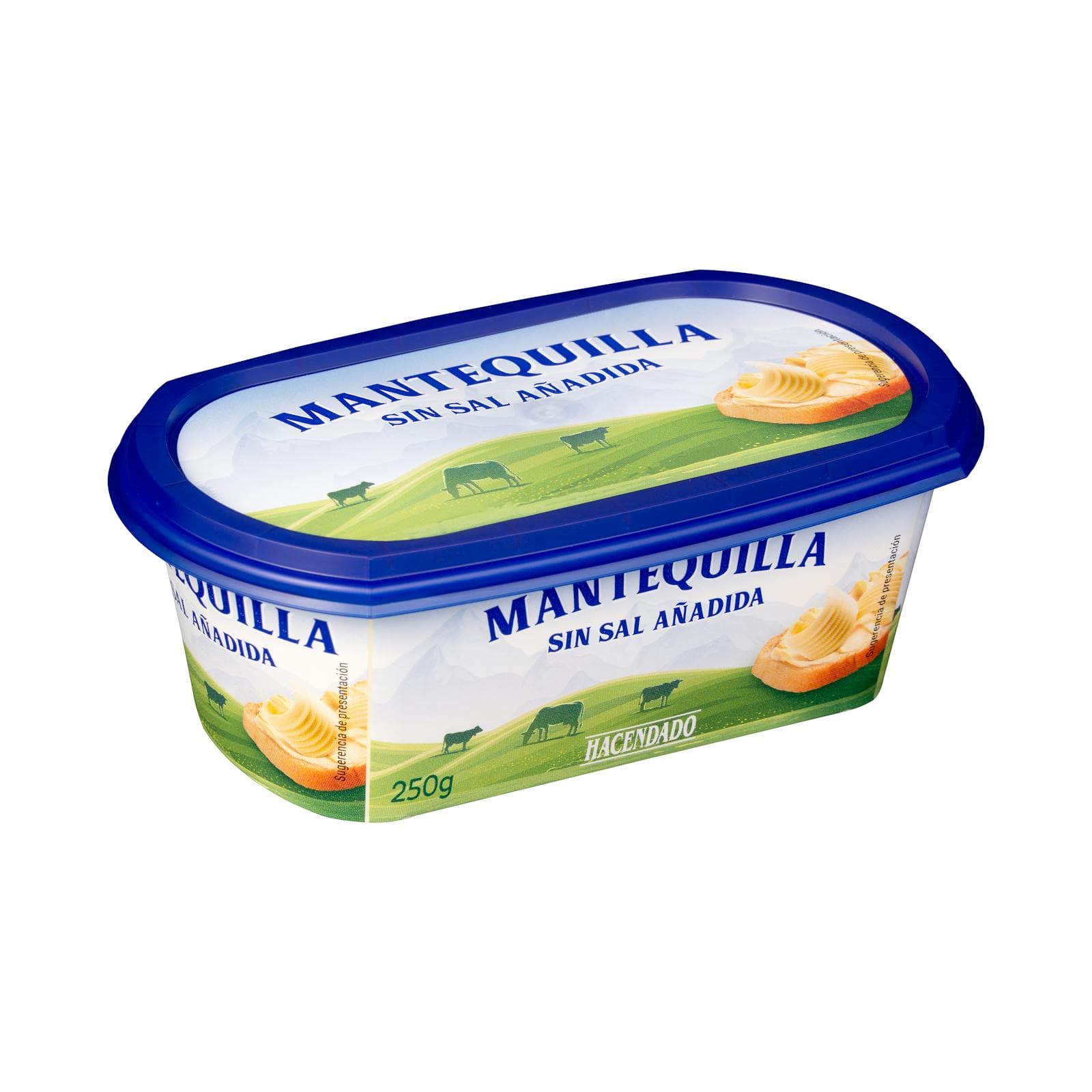 €2.45
€2.45Unsalted Butter
Hacendado · 250 g · Mercadona
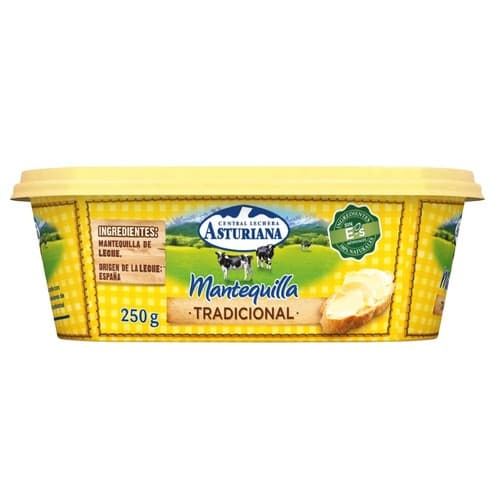 €3.69
€3.69Unsalted Butter
ASTURIANA · kg · Bonpreu
 €8.90
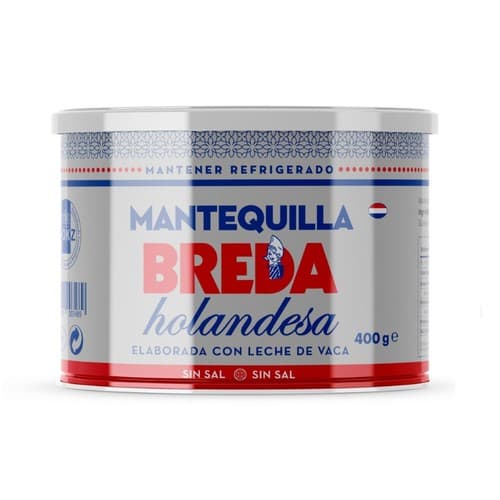
€8.90BREDA Unsalted Butter
BREDA · kg · Bonpreu
 €2.39
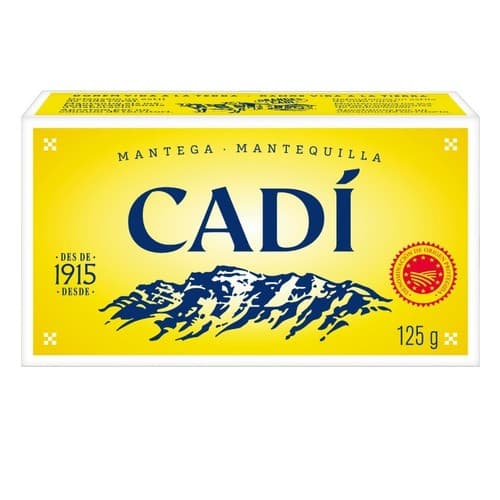
€2.39Cadí Butter
CADÍ · kg · Bonpreu
 €3.99
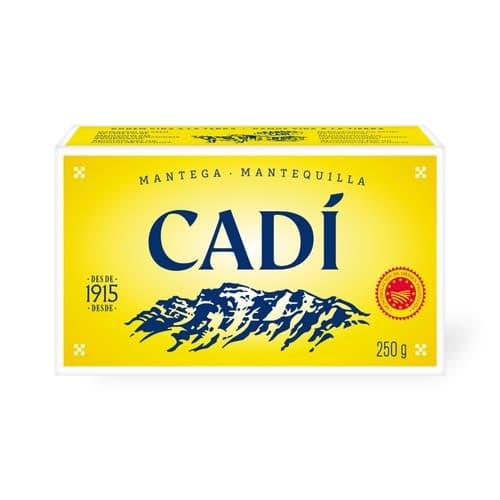
€3.99Cadí Butter
CADÍ · kg · Bonpreu
Good to know
- Minimum Fat Content
- 84% (EU standard); 84% typical in North American "European-style" equivalents
- Maximum Moisture
- 14-16% (dry butter requirement; regular butter may contain up to 18%)
- Ideal Working Temperature
- 16-18°C (61-64°F) — pliable but not greasy or cracking
- Common Block Size
- 2.5 kg (professional); 500 g (home bakery)
- Shelf Life
- Refrigerated: 3-4 weeks; Frozen: up to 6 months
- Origin
- French pastry tradition; the term "beurre de tourage" specifically refers to butter intended for dough lamination
- Key Distinction from Regular Butter
- Higher fat, lower moisture creates superior steam pockets and flakiness during baking
- Storage Note
- Wrap tightly in parchment paper and plastic to prevent odor absorption; never freeze in original wrapping
Substitutes
- High-fat European Butter (84%) — Plugra, Kerrygold, or store European-style; not identical to beurre de tourage but workable with careful temperature management
- All-Purpose Butter (80%) — Not recommended for lamination; higher moisture increases risk of butter absorbing into dough and producing dense, uneven layers
Pairs with
Also called
Dry Butter (Beurre de Tourage, 84% Fat) · Laminating (Dry) Butter · European-Style Butter (high-fat) · Beurre de Tourage
Related

Whole Milk
Rich, full-fat milk for drinking, coffee, sauces, and baking
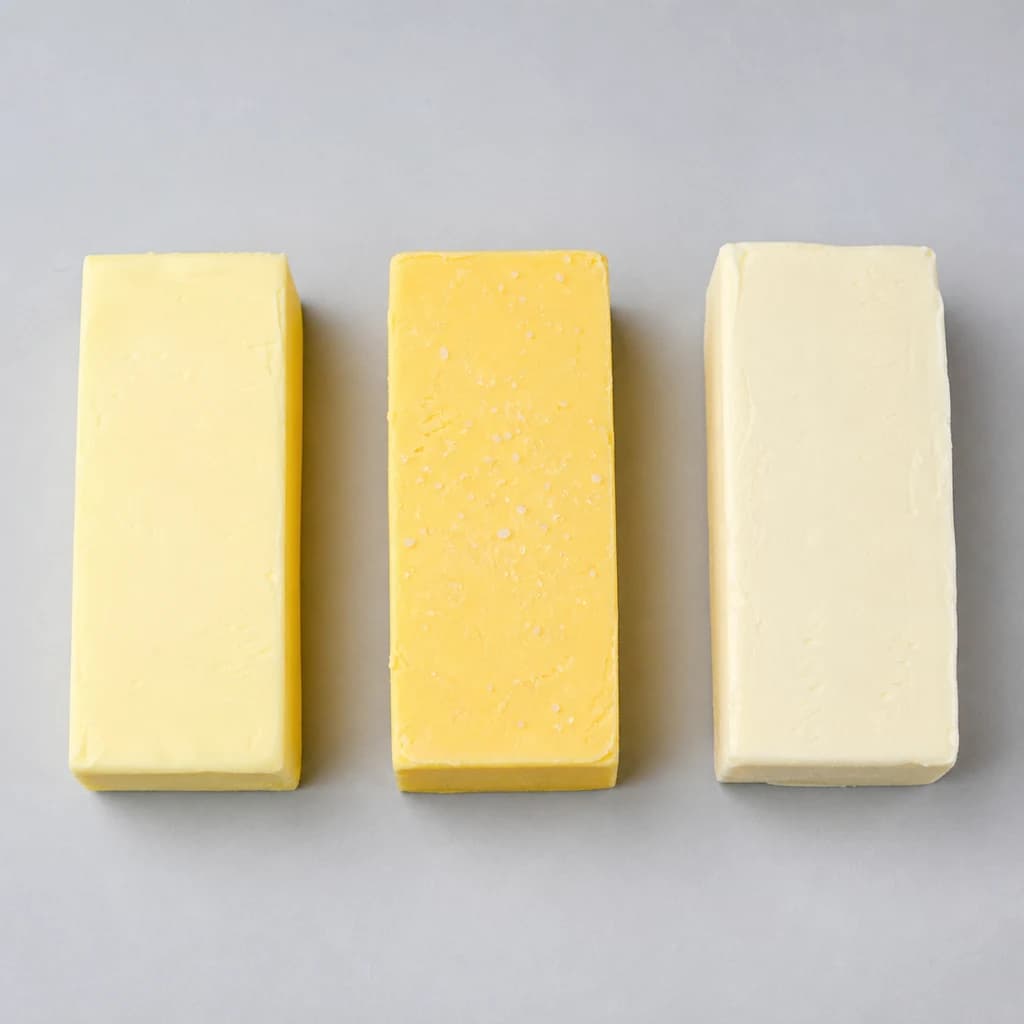
Butter
Golden fat for searing, baking, and finishing a sauce
Yogurt
Tangy, creamy culture for breakfast, sauces, and marinades
Cheddar Cheese
Sharp, melty cheese for sandwiches, gratins, and grating
Skim Milk
Fat-free milk for lighter drinking, coffee, and cooking
Heavy Cream
Rich cream that whips, enriches sauces, and sets ganache

Sour Cream
Tangy, thick cream for dolloping, baking, and dips
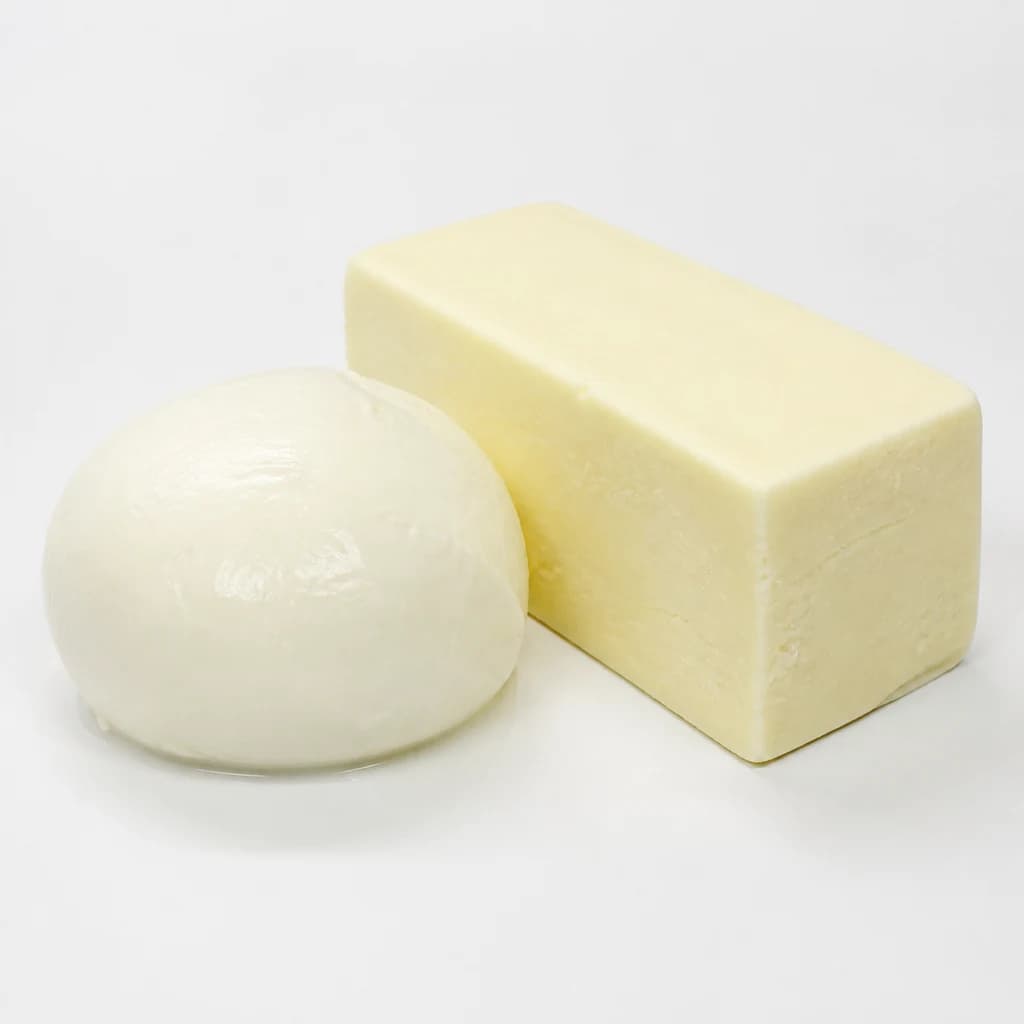
Mozzarella
Soft, milky cheese that melts into stretchy pizza pulls