Grains & Rice
Masa Harina
Nixtamalized corn flour for tortillas, tamales, and arepas — the soul of Mesoamerican cooking.
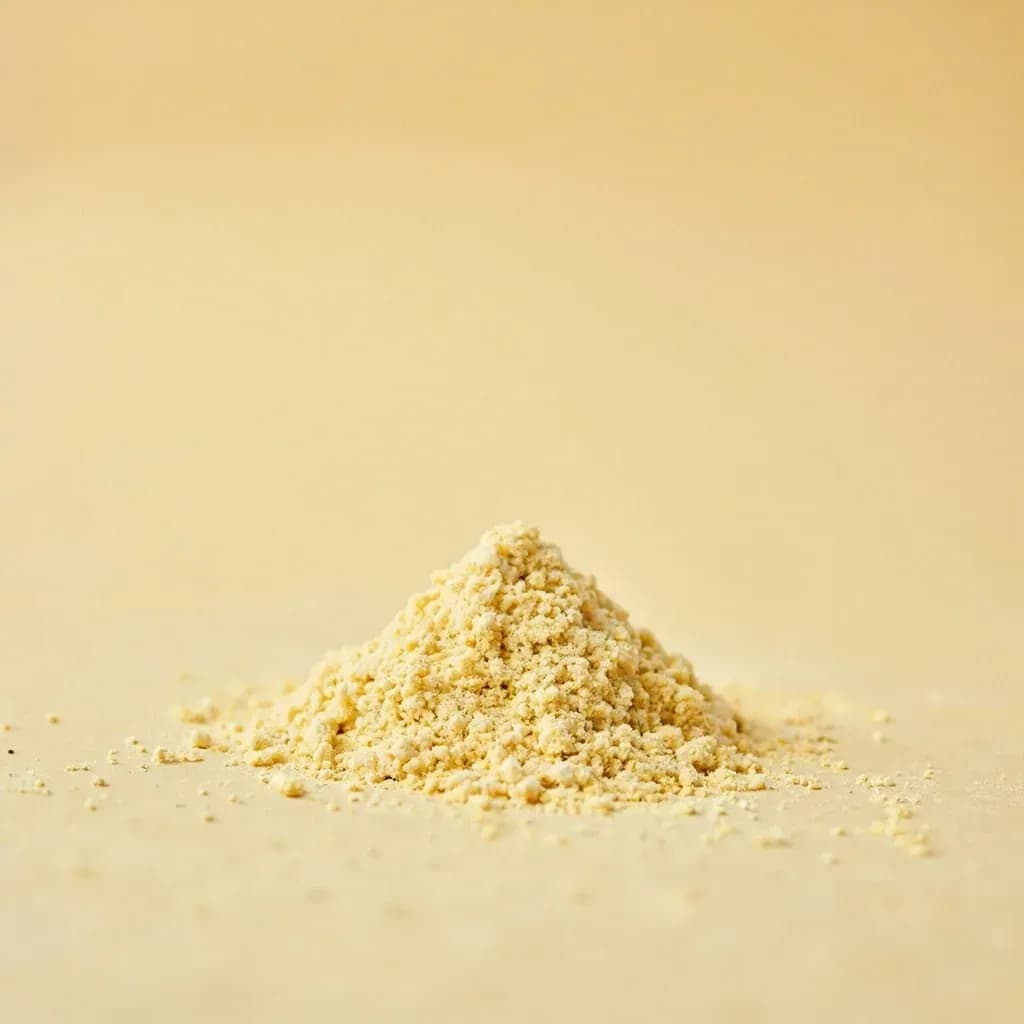
Masa harina is corn flour made from maize that has been nixtamalized (cooked and soaked in an alkaline lime solution), then ground and dried. Rehydrated with water it forms masa, the dough for tortillas, tamales, gorditas, and pupusas. The lime treatment develops its distinctive flavor and unlocks nutrients. Precooked versions like Harina P.A.N. are used for arepas.
Masa harina is nixtamalized corn flour—the dried, ground form of hominy dough that forms the foundation of Mesoamerican cuisine. It is made by cooking dried corn kernels in an alkaline solution of water and calcium hydroxide (slaked lime), which loosens the tough hull, transforms the corn's nutritional structure, and imparts a distinctive faintly earthy, corny flavor. The nixtamalized corn is then washed, ground, and dried into a fine powder that can be stored for months and reconstituted with water into pliable dough in minutes. This process, developed independently by Mesoamerican peoples around 1500 BCE, was one of the most significant culinary innovations in the Americas—it made corn nutritionally complete by unlocking niacin (preventing pellagra) and adding calcium from the lime, and it fundamentally altered corn's chemistry so that the dough develops binding and extensibility properties no other ground corn product possesses. Masa harina is not interchangeable with cornmeal, polenta, grits, or cornstarch; these lack nixtamalization and cannot replicate masa's behavior or flavor. When reconstituted and rested, the dough becomes extensible and elastic enough to be pressed thin, rolled, or shaped without cracking—a characteristic essential for tortillas, tamales, and dozens of other preparations that depend on this unique texture.
- Measured in
- g
- Storage
- Pantry
Types & varieties
Most common for tortillas; mild, slightly sweet corn flavor. Widely available from brands like Maseca and Bob's Red Mill.
Slightly richer, more corny flavor. Works for tortillas and tamales. Some brands include a small amount of salt or fat.
Made from blue/Hopi corn; earthier, slightly nutty. Produces striking violet-gray dough. Higher protein than white or yellow varieties.
Very smooth powder for thin, pliable tortillas and sopes. The most common commercial style.
Slightly more coarsely ground, used for tamales and thicker applications where some texture is desirable.
Pre-hydrated formula requiring only water addition; convenience product, but less complex flavor than traditional dried masa harina.
The widest available commercial brand; consistent quality, fine texture, mild flavor. Good everyday choice.
Formulated slightly coarser and often with added fat for tender tamale husks. Some include lard or vegetable shortening in the mix.
Nixtamalization: The Process That Changed Corn
The nixtamalization process is the defining characteristic that separates masa from all other corn products. When dried corn is simmered in an alkaline solution—traditionally wood ash, now typically food-grade calcium hydroxide—the pH rises and the heat works together to break down the hemicellulose connecting the hull to the kernel. The hull loosens and can be rinsed away, leaving the swollen, tender hominy. This chemical transformation does three things ordinary grinding cannot: it makes niacin bioavailable (corn otherwise causes pellagra), it increases calcium content from the lime, and it develops the dough's unique binding properties. The nixtamalized corn is then ground—traditionally on a metate, today in industrial stone mills—into fresh masa. Masa harina is simply this fresh masa dried and ground again. The nixtamalization is what gives masa its ability to form an extensible, non-cracking dough; untreated cornmeal cannot replicate this behavior regardless of particle size or hydration.
- Traditional nixtamal uses pickling lime (calcium hydroxide) at roughly 5g per 500g of dried corn
- Hominy should simmer 30–45 minutes until kernels are fully swollen and the hull washes away easily
- Fresh masa from nixtamal has a distinctly sweet, earthy, corny aroma—stale or musty smell indicates age
Choosing the Right Masa Harina
Not all products labeled 'corn flour' are true masa harina. Look for language indicating nixtamalized corn flour or masa de maize on the label. Avoid products labeled simply 'corn flour,' 'cornstarch,' or 'corn meal' unless the package specifically states the nixtamalization process. The best masa harinas have a fresh, slightly earthy, distinctly corny aroma when you open the bag—if it smells dull, flat, or musty, it is old or poorly stored. Maseca is the most widely available and reliable brand for consistent results. For tamales, look for formulations specifically labeled para tamales, which are typically coarser and may include fat for tenderness. Blue corn varieties offer a nuttier flavor and dramatic color for visual impact, but may require slight hydration adjustments.
- Check the ingredient list: true masa harina contains nixtamalized corn, often with a small amount of lime
- Avoid products with added sweeteners, unnecessary fillers, or MSG if you want traditional flavor
- For the freshest results, buy from stores with high turnover or purchase smaller quantities more frequently
Common uses
Tips & pitfalls
- Add water gradually to masa harina—start with 80% of the ratio and incorporate more until the dough feels like soft playdough: cohesive but not sticky, releasing cleanly from your fingers.
- Let the mixed dough rest, wrapped, for at least 30 minutes before shaping. This hydration equilibrium makes the dough more pliable and far less prone to cracking when rolled or pressed.
- Heat your comal or skillet hot enough that a sprinkle of flour chars within 10–15 seconds. Too cool and the tortillas will steam and stick rather than cook through.
- Press or roll tortillas to even thickness (about 1/8 inch or 3mm). Inconsistent thickness causes uneven cooking—thin spots burn while thick areas stay raw and doughy.
- Common mistake: pressing down with a spatula while cooking. Don't do it—this deflates the steam that naturally puffs the tortilla and creates the characteristic tender structure.
- If the dough cracks when forming, it's too dry—add water a teaspoon at a time. If it sticks to your hands or rolling pin, add a small amount of additional masa harina.
- Freeze extra dough in portioned balls. Thaw overnight in the refrigerator and bring to room temperature before using—cold dough is stiff and tears easily.
- Store masa harina away from strong odors—it absorbs them readily. A sealed glass jar in the freezer is ideal for long-term freshness and prevents the stale, musty flavor of pantry-stored product.
Nutrition
Energy
1519 kJ · per 100 g
Where the calories come from
Protein
8.5g
17% DV
Carbs
76.6g
28% DV
Fat
3.7g
5% DV
Fiber
6.4g
23% DV
Sugars
1.6g
of which
Sodium
5mg
0% DV
Source · USDA FoodData Central · Corn flour, masa, unenriched, white
View on FDC →In the shops
Matched grocery products
 €1.55
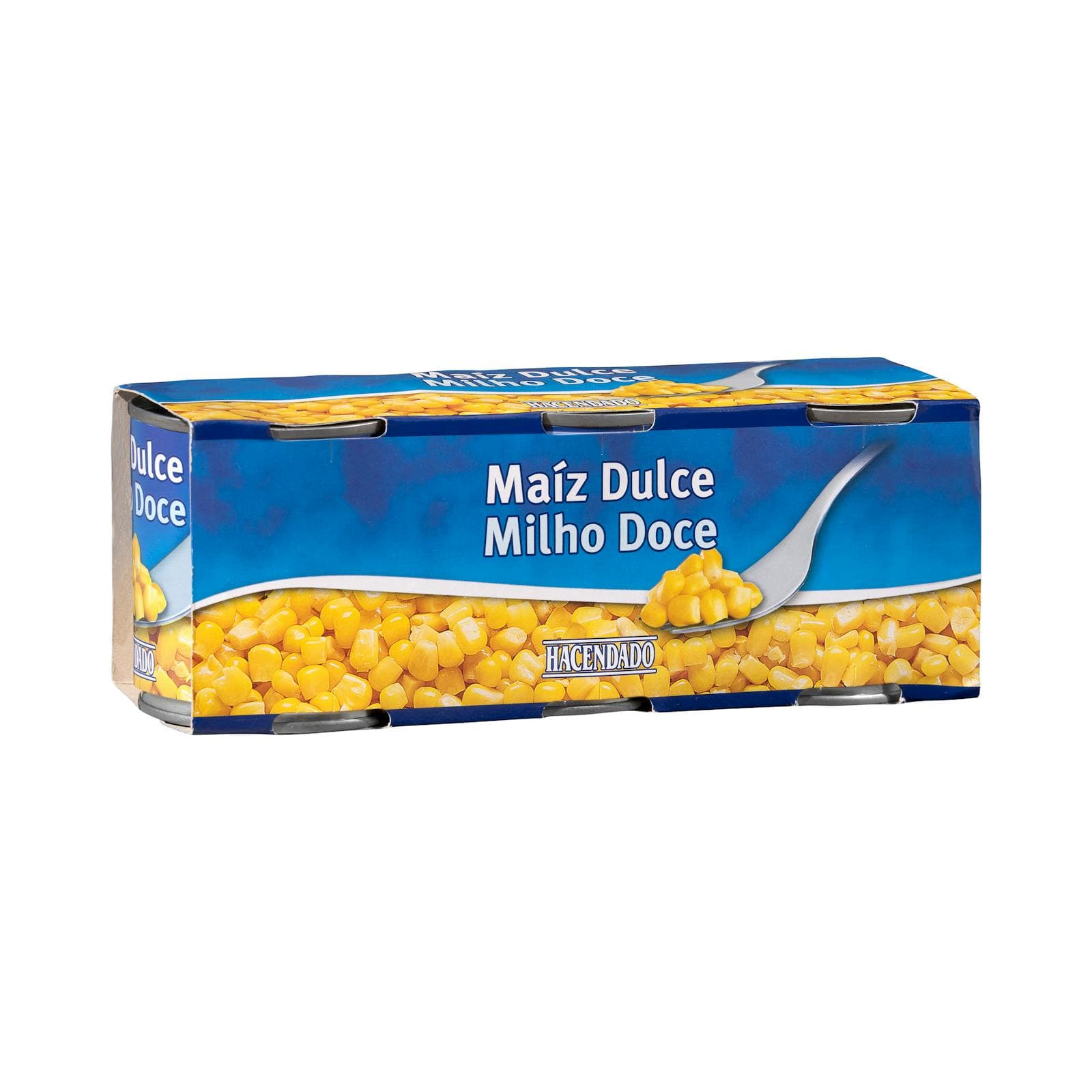
€1.55Sweet Corn
Hacendado · 450 g · Mercadona
 €1.59
€1.59Sweet Corn Bonpreu
BONPREU · kg · Bonpreu
 €2.49
€2.49Sweet Corn Bonpreu
BONPREU · kg · Bonpreu
 €1.99
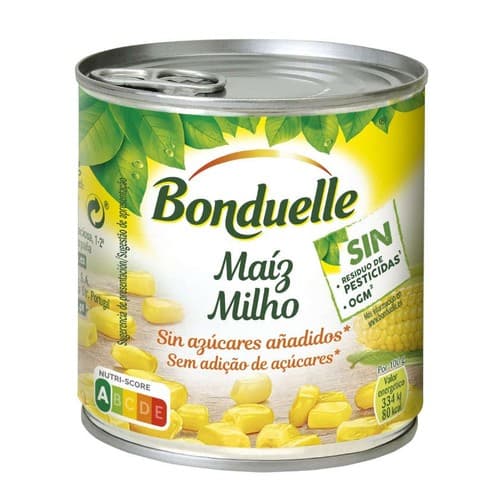
€1.99Bonduelle Sweet Corn
BONDUELLE · kg · Bonpreu
 €2.99
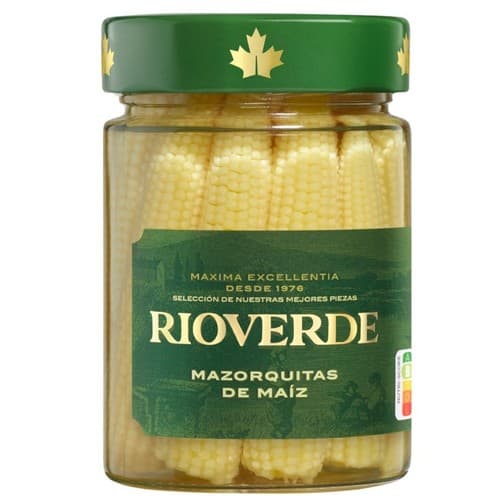
€2.99Pickled Corn Kernels
RIOVERDE · kg · Bonpreu
 €3.15
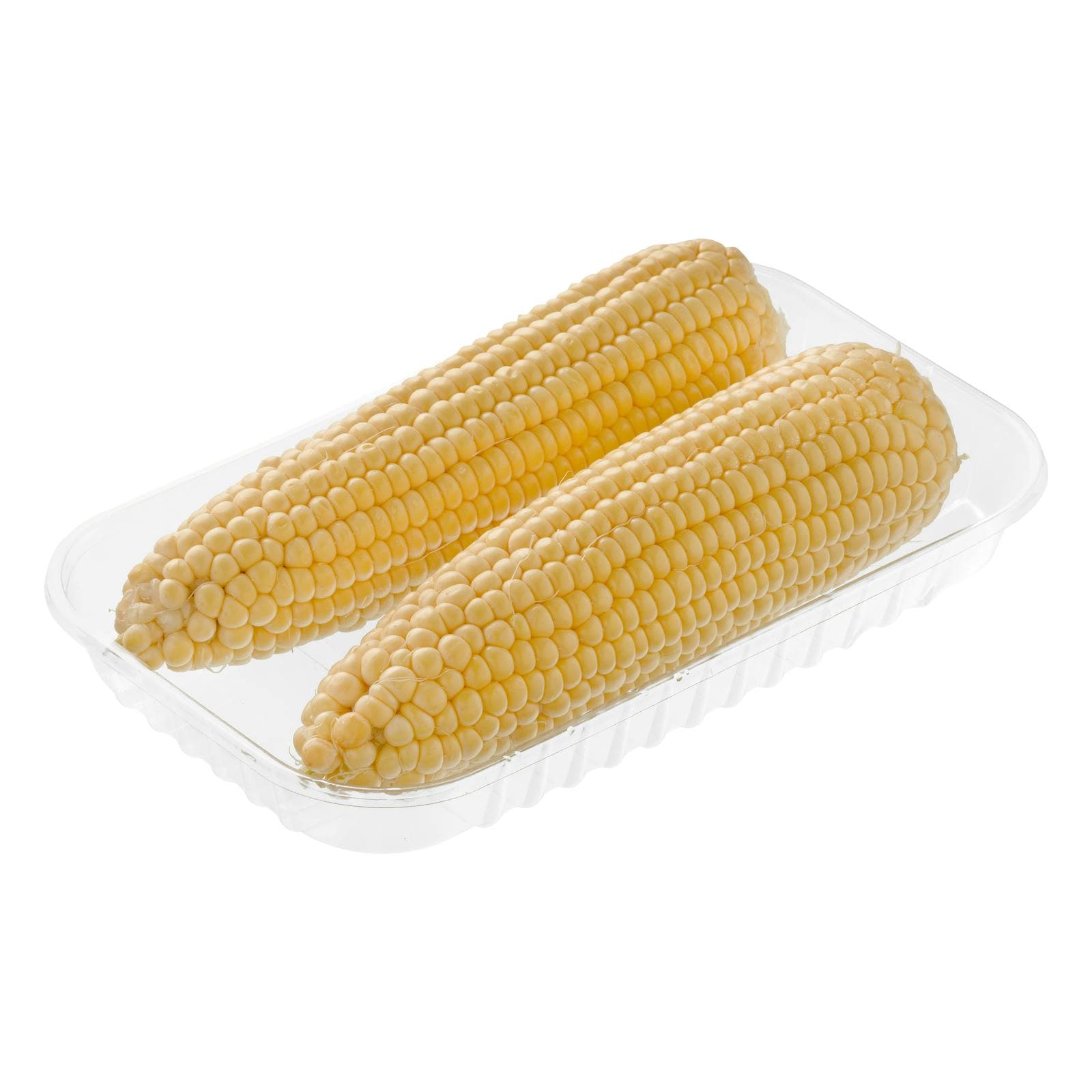
€3.15Sweet Corn on the Cob
2 ud · Mercadona
Good to know
- Definition
- Nixtamalized corn flour made by cooking dried corn kernels in an alkaline solution (lime water), then washing, grinding, and drying the hominy into a fine powder.
- Origin
- Mesoamerica—developed by indigenous peoples of Mexico and Central America over 3,000 years ago. The word 'nixtamal' derives from Nahuatl 'nextamalli.'
- Key Process
- Nixtamalization—corn cooked in water with calcium hydroxide (slaked lime) or wood ash, which loosens the hull, makes niacin bioavailable, and increases calcium content.
- Primary Equipment
- Metate (traditional stone grinder) or industrial stone mills for fresh masa; dry mills for masa harina production.
- Typical Hydration Ratio
- Approximately 2 cups (320g) water to 2 cups (240g) masa harina for tortilla dough; adjust by handful until dough feels like soft playdough.
- Resting Time
- 30–60 minutes covered after mixing, allowing proteins to relax and hydration to equalize for a more pliable, crack-resistant dough.
- Cooking Surface
- Comal, cast-iron skillet, or carbon steel heated to 450–475°F (230–245°C). A sprinkle of flour should char within 10–15 seconds.
- Shelf Life (dry)
- In an airtight container, pantry or freezer, up to 6–12 months. Store away from strong odors—masa absorbs them easily.
- Fresh Dough Storage
- Refrigerate up to 3 days, freeze up to 3 months in airtight wrap. Thaw overnight in refrigerator before using.
Substitutes
- Instant Cornmeal (Polenta/Coarse Ground) — Not a direct substitute—lacks nixtamalization. Can be nixtamalized at home: simmer in 1 liter water with 5g pickling lime per 500g corn for 30–45 minutes, then drain, rinse, and grind. Time-consuming but yields true masa.
- Pre-Cooked Corn Flour (e.g., P.A.N. Brand Harina de Maíz) — Specifically formulated for arepas; works for tortillas and tamales with hydration adjustment. Texture is slightly different—more cohesive and less extensible than true masa.
- Corn Tortillas (dried or fresh) — Ground tortillas can substitute in some applications but lack fresh dough's binding properties and flavor. Use only in emergencies.
Pairs with
Also called
Corn Masa · Masa de Maíz · Harina P.A.N. · Precooked Corn Flour · Precooked Cornmeal · Masa Flour
Appears in these dishes
Related

White Rice
Fluffy long-grain rice — the neutral base for almost any meal

White Bread
Soft sandwich loaf for toast, sandwiches, and crumbs
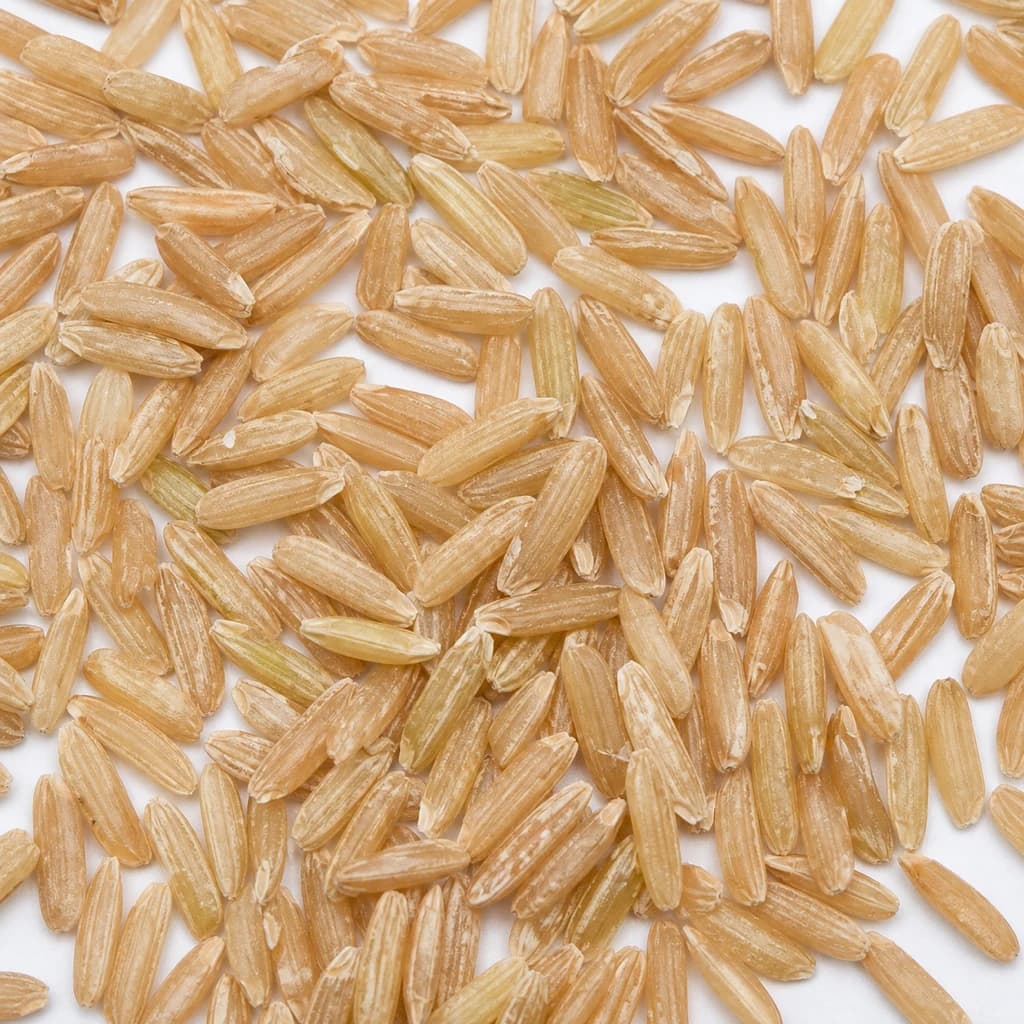
Brown Rice
Nutty, whole-grain rice with chew and extra fiber

Basmati Rice
Fragrant, long-grain rice that cooks up light and separate
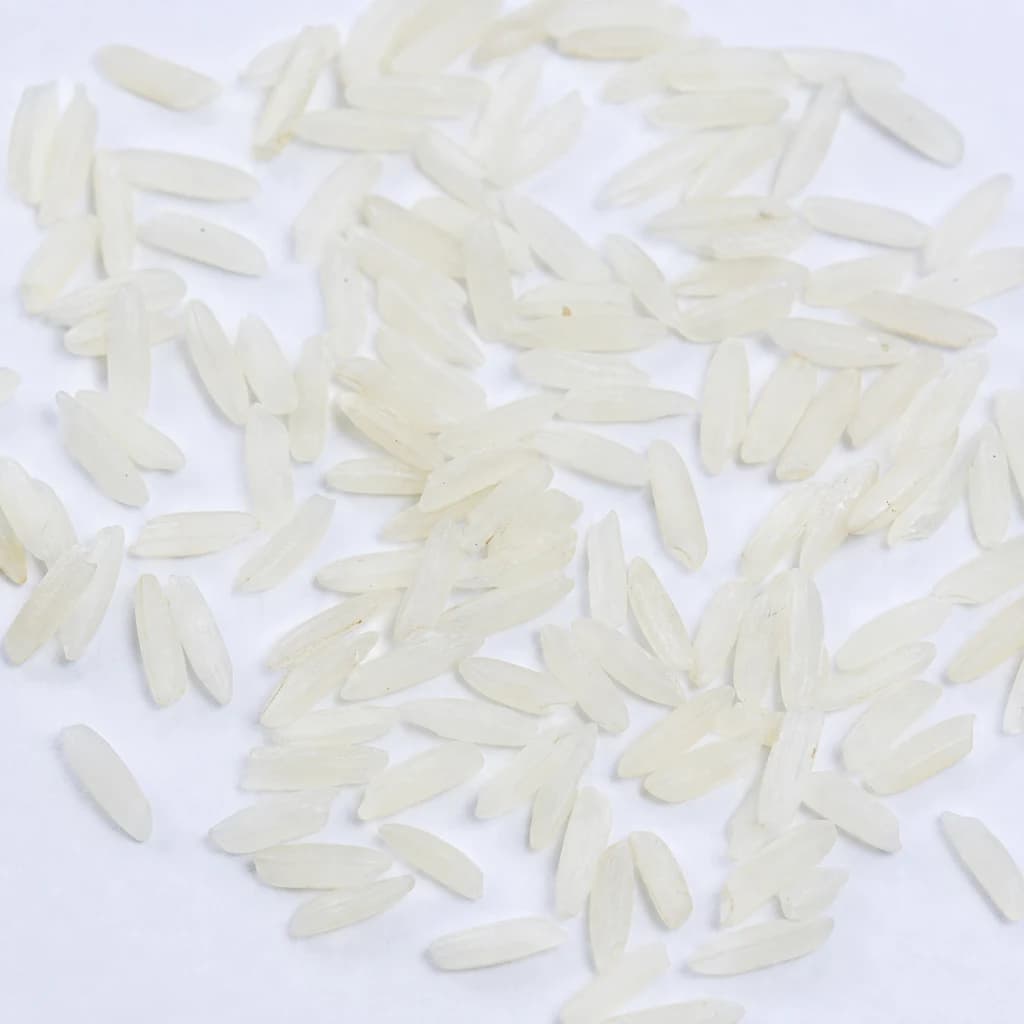
Jasmine Rice
Soft, floral-scented rice that's the pillar of Thai meals
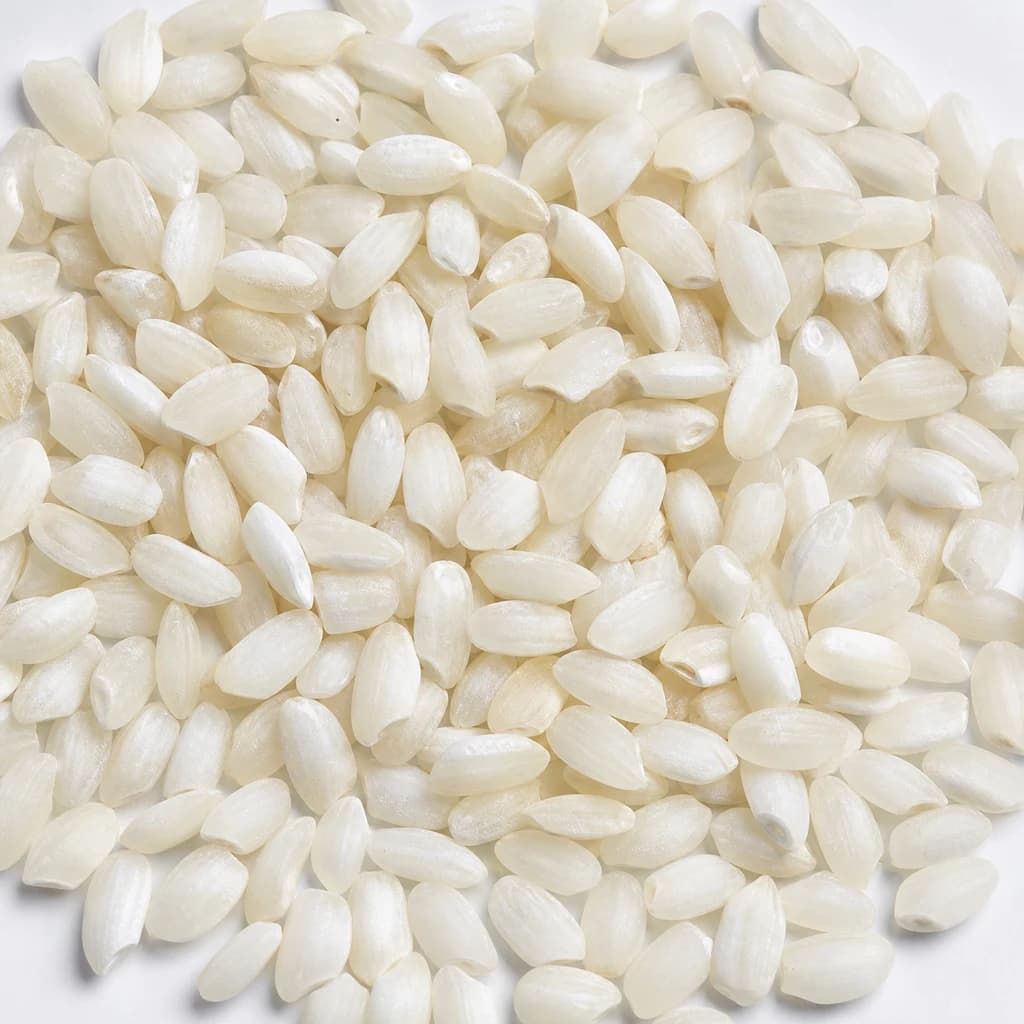
Arborio Rice
Plump, starchy rice that makes risotto creamy
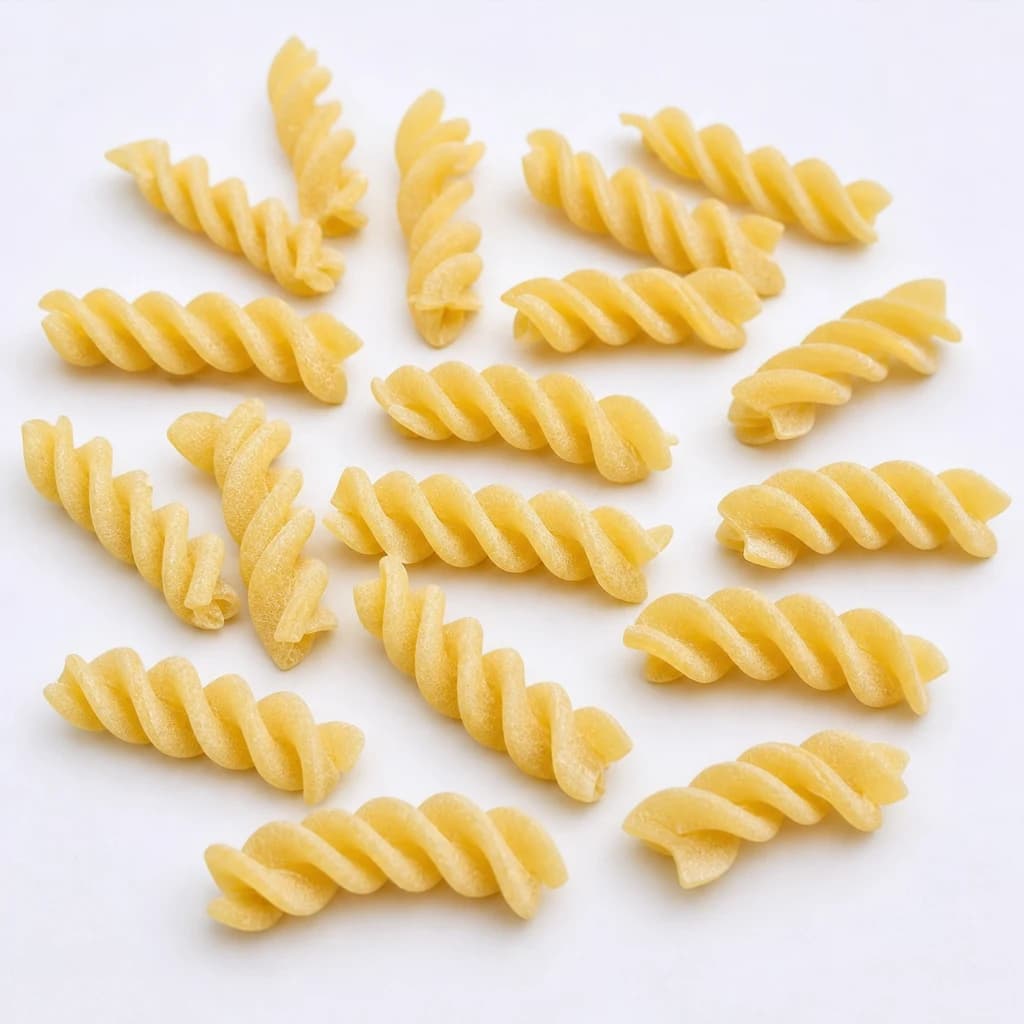
Fusilli
Spiraled pasta that twirls up sauce and dresses cold salads
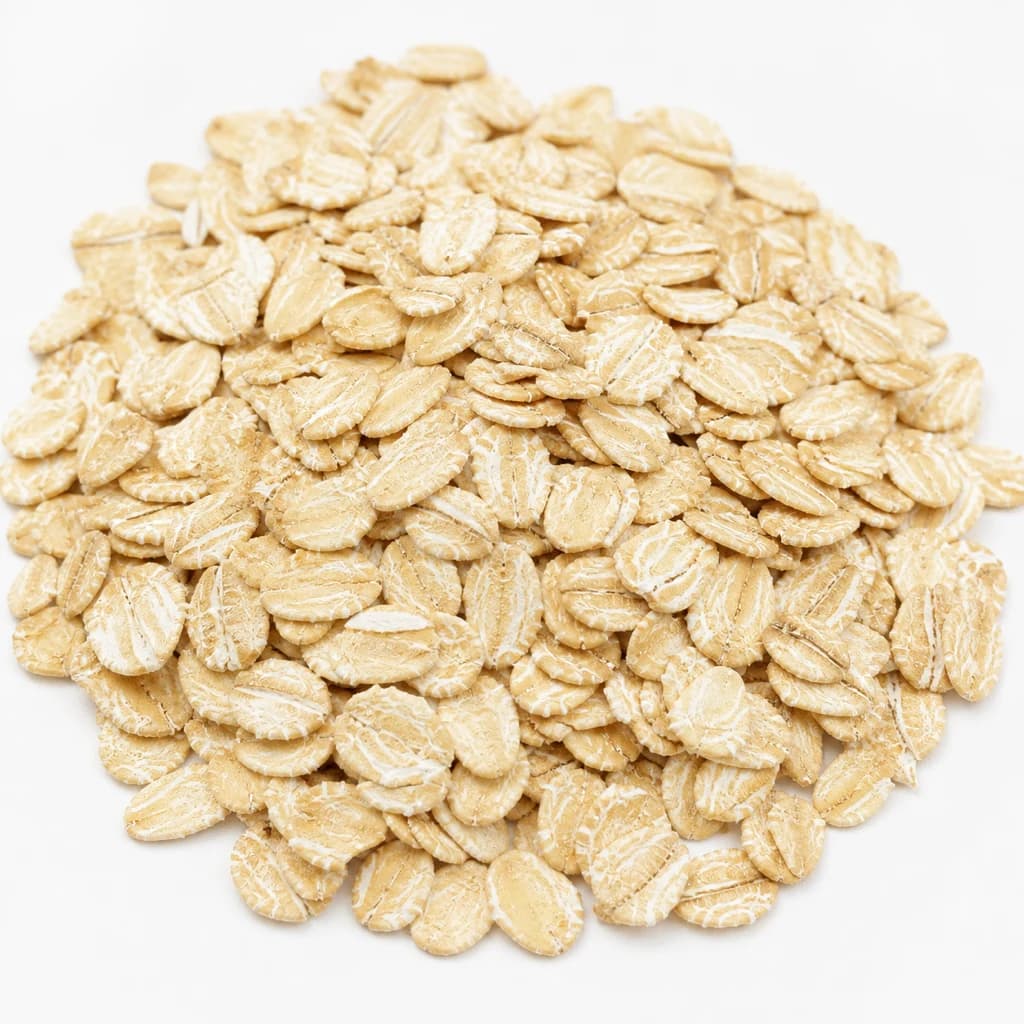
Rolled Oats
Hearty flakes for porridge, granola, and chewy cookies