Natural form
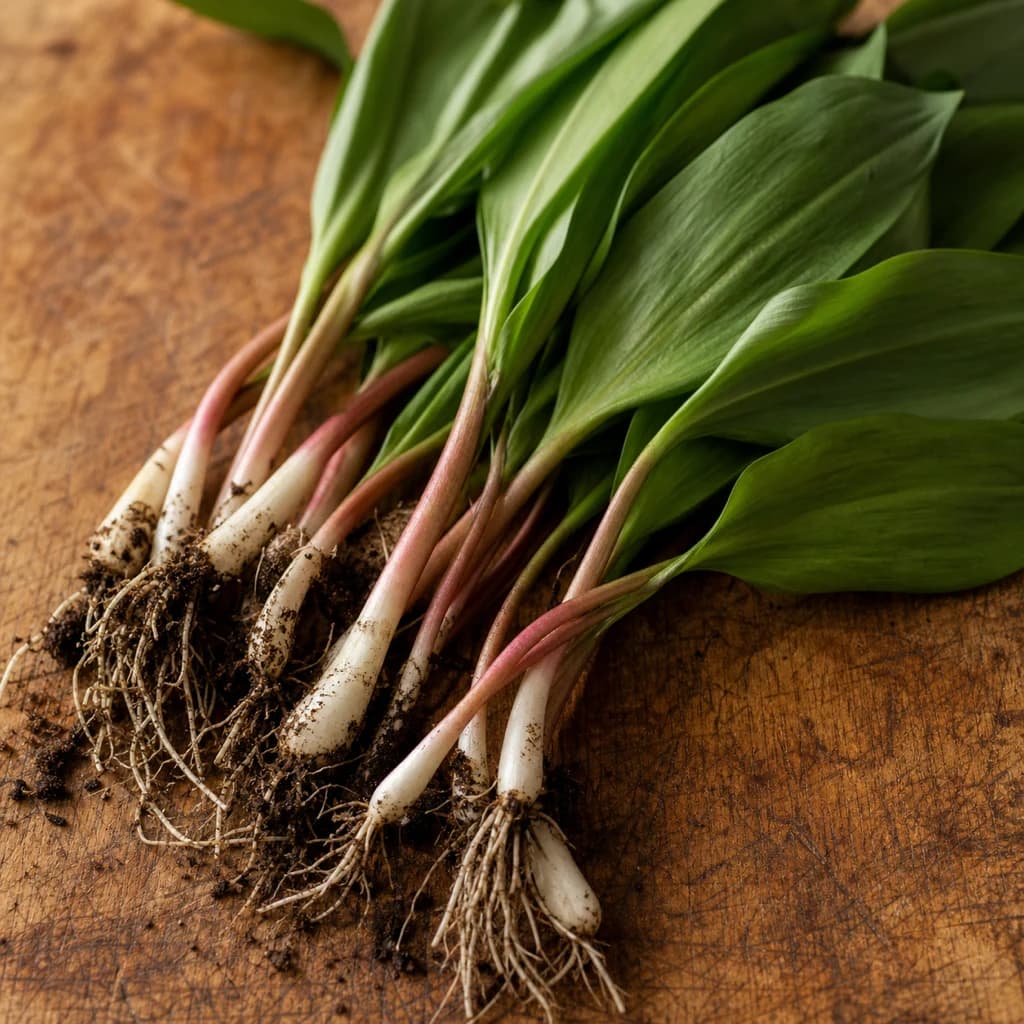
Fresh ramps as foraged: broad green leaves, slender white stems, and small pink-tinged bulbs.
Shows the complete plant in its harvested state so readers can identify ramps in markets or the wild.
Produce
Ramp
Wild spring onion with broad leaves and a pungent garlic-onion flavor.
Ramps are a wild North American allium foraged in early spring, with broad green leaves, a slender white stem and a strong garlic-onion flavor. Both leaves and bulbs are used raw in pestos and salads, sautéed, grilled or pickled, and are a celebrated seasonal ingredient. The closely related European wild garlic, or ramsons, is used the same way.
Ramps (Allium tricoccum) are wild leeks native to the deciduous forests of eastern North America, growing in the understory of hardwood stands from Quebec to Georgia. They emerge in late March through May, marking the true start of spring for foragers and chefs who plan their cooking calendar around their brief availability. The entire plant — broad, waxy leaves with purple-tinged stems, white bulbs, and flower buds — is edible, with the leaves offering a milder, more tender texture while the bulbs deliver concentrated, persistent garlic-onion pungency.
Raw ramps taste sharply of garlic and onion with a brightness that cuts through rich foods. When cooked, that aggressive edge softens into something deeper and sweeter, developing caramelized, almost meaty complexity — particularly when the bulbs are given low, covered heat with a splash of water. This duality makes ramps unusually versatile: they function as a fresh herb, a vegetable, and an aromatic allium in the same dish. Their ephemeral season and wild provenance have made them a cult ingredient, celebrated at Appalachian festivals since the 1930s and prized in restaurant kitchens for the short window when they appear at farmers' markets.
Because wild ramp populations face pressure from overharvesting, cultivated ramps from the Pacific Northwest and New England have become more widely available in recent years. Cultivated specimens tend to have larger bulbs but the same flavor profile. Whether wild or cultivated, ramps spoil quickly — their season is measured in weeks, which is why cooks preserve them in compound butters, pickles, and frozen purées to carry the flavor through the year.
- Measured in
- g
- Storage
- Fridge
Types & varieties
Most common variety; smooth, broad, waxy leaves with purple-tinged lower stems and white bulbs. Full garlic-onion intensity.
Distinguished by burgundy-to-purple coloration on stems, leaf bases, and bulb. Same flavor profile as standard green ramp.
Grown from wild-harvested seed or transplants. Bulbs are typically larger than wild specimens; flavor is identical.
Buying and Storing
Ramps should be bright and firm with no yellowing or wilting. The bulbs should be dense, not soft or sprouting. The critical rule: never store ramps wet. Damp ramps spoil within hours. After purchasing, remove any rubber bands or twist ties, spread them on a dry kitchen towel, and let them air-dry briefly before wrapping loosely in paper towels and refrigerating. Use within five days. If your ramps arrive in a plastic bag, transfer them immediately to breathe better.
- Look for firm, bright leaves and dense white bulbs; avoid any yellowing or soft spots
- Always store dry — never bag ramps wet
- Use within five days for best quality
Cleaning
Ramps harbor surprising amounts of forest soil between the broad leaves at the base of the plant. Swish them in several changes of cold water, then rinse each stem individually, peeling back the layers to check for grit. For the bulbs, trim the root end and any damaged outer layers, then slice in half lengthwise to rinse the interior if soil has worked its way in.
- Swish in multiple changes of cold water
- Peel back layers to check for trapped grit
- Slice bulbs in half to rinse interior soil
Common uses
Tips & pitfalls
- Clean ramps thoroughly: soil lodges between the broad leaves at the base; swish in several changes of cold water and inspect each leaf individually
- Store completely dry: damp ramps spoil within hours; never bag them wet and never wrap them in plastic
- Use the entire ramp: both leaves and bulbs are excellent; don't discard the greens
- Don't overcook ramps: they lose their character in 5+ minutes of boiling; quick pan-searing or blanching preserves color and flavor
- Cook ramps low-and-slow to caramelize: the natural sugars develop; add a splash of water and cover to steam if bulbs are thick
- To extend the season: blanch and freeze ramps (or make compound butter or pickled ramps) to use year-round
- When substituting ramps in recipes written for green garlic or spring onions, reduce quantity by half — ramps have more concentrated flavor
- Ramps pair with eggs and dairy specifically well; the classic spring combination isn't accidental
- Avoid overharvesting wild populations: take no more than 10% from a colony; many states and provinces regulate commercial harvest
- If ramps smell or feel slimy, discard them immediately — they do not recover
Nutrition
Energy
255 kJ · per 100 g
Where the calories come from
Protein
1.5g
3% DV
Carbs
14.2g
5% DV
Fat
0.3g
0% DV
Fiber
1.8g
6% DV
Sugars
3.9g
of which
Sodium
20mg
1% DV
Source · USDA FoodData Central · Leeks, (bulb and lower leaf-portion), raw
View on FDC →In the shops
Matched grocery products
No matched grocery products for Ramp yet.
Good to know
- Scientific name
- Allium tricoccum
- Also called
- Wild leek, wood leek (misnomers)
- Season
- Late March through May; 3–4 weeks in any given location
- Edible parts
- Entire plant — bulb, leaves, stems, and flower buds
- Flavor (raw)
- Sharp garlic-onion pungency, bright and cutting
- Flavor (cooked)
- Sweet, savory depth; caramelized complexity when properly handled
- Shelf life
- 1–2 days at room temperature; up to 5 days refrigerated, loosely wrapped, completely dry
- Cultural note
- Central to Appalachian spring traditions; celebrated at festivals in West Virginia, North Carolina, Tennessee, and Virginia since the 1930s
Substitutes
- Scallions — Closest in texture and preparation method; lacks the garlicky depth; use 1.5× the volume
- Green garlic — Mildest substitution; similar garlic-onion character but the two rarely overlap in season
- Young leeks — More onion than garlic; good for cooked applications; bulbs must be thoroughly cleaned
- Garlic chives — Best for raw uses where the flat leaf is called for; stronger garlic flavor; no bulb
- Young shallots — Bulb only; more pungent and persistent in flavor; appropriate for cooked dishes where ramp bulb is the star
Pairs with
Also called
Wild Leek · Ramps · Ramsons · Wild Garlic
Appears in these dishes
Related
Tomato
Juicy, sun-sweet fruit for sauces, salads, and slow-cooked depth
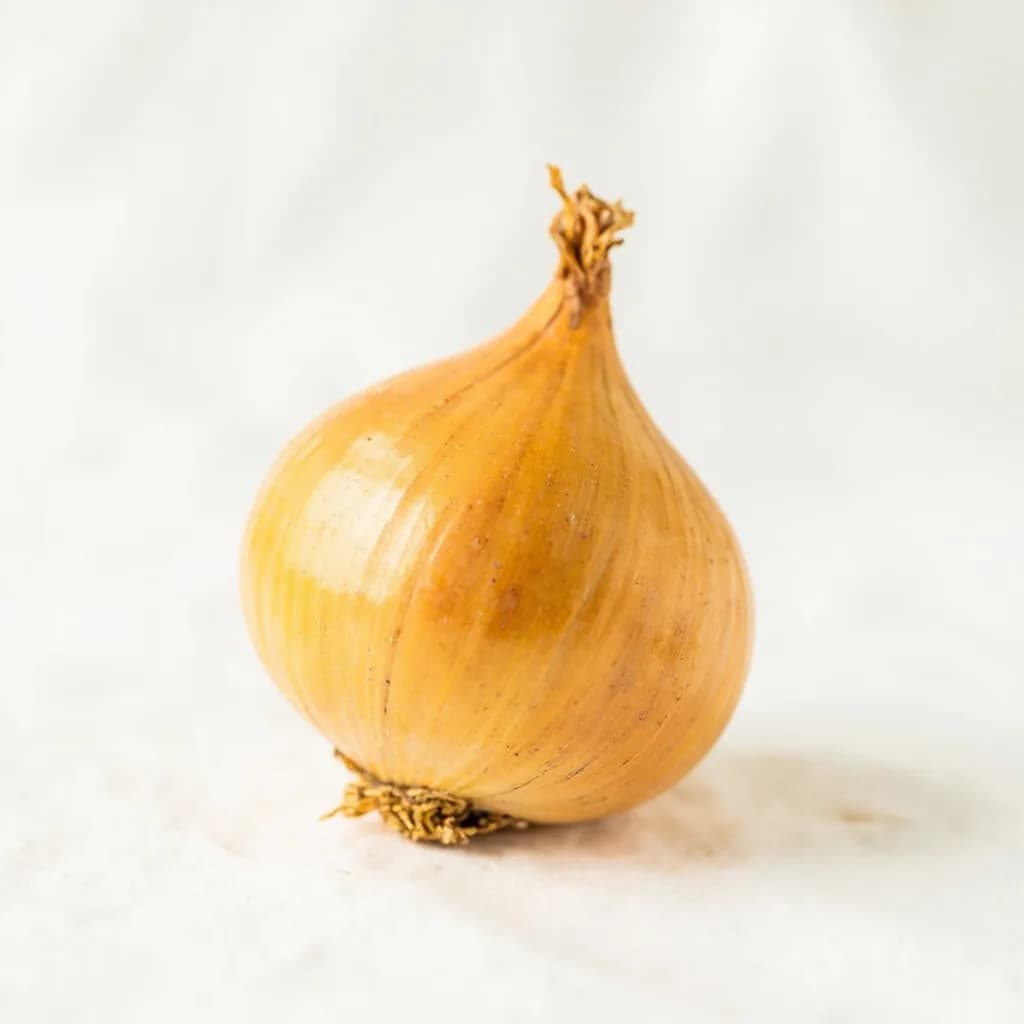
Yellow Onion
The aromatic backbone of soups, sofritos, and braises
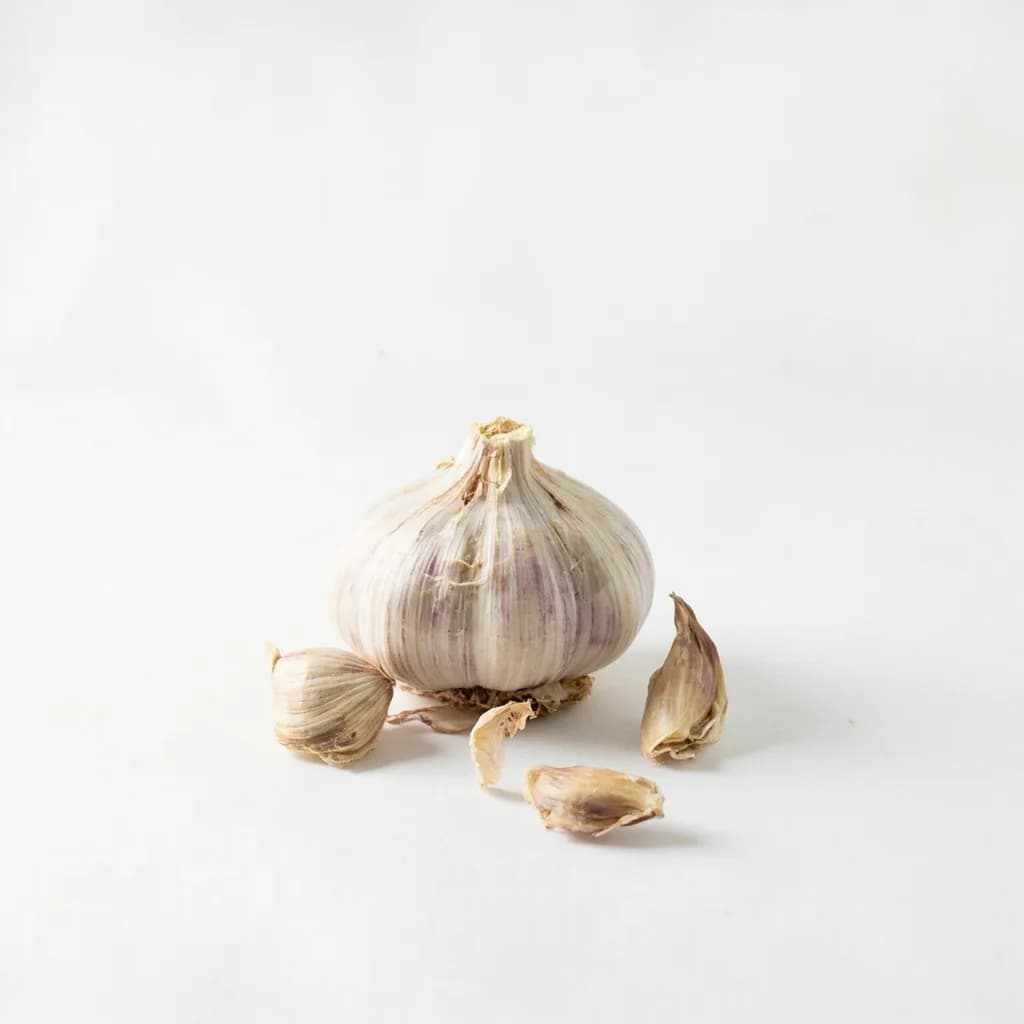
Garlic
Pungent cloves that perfume nearly every savory dish
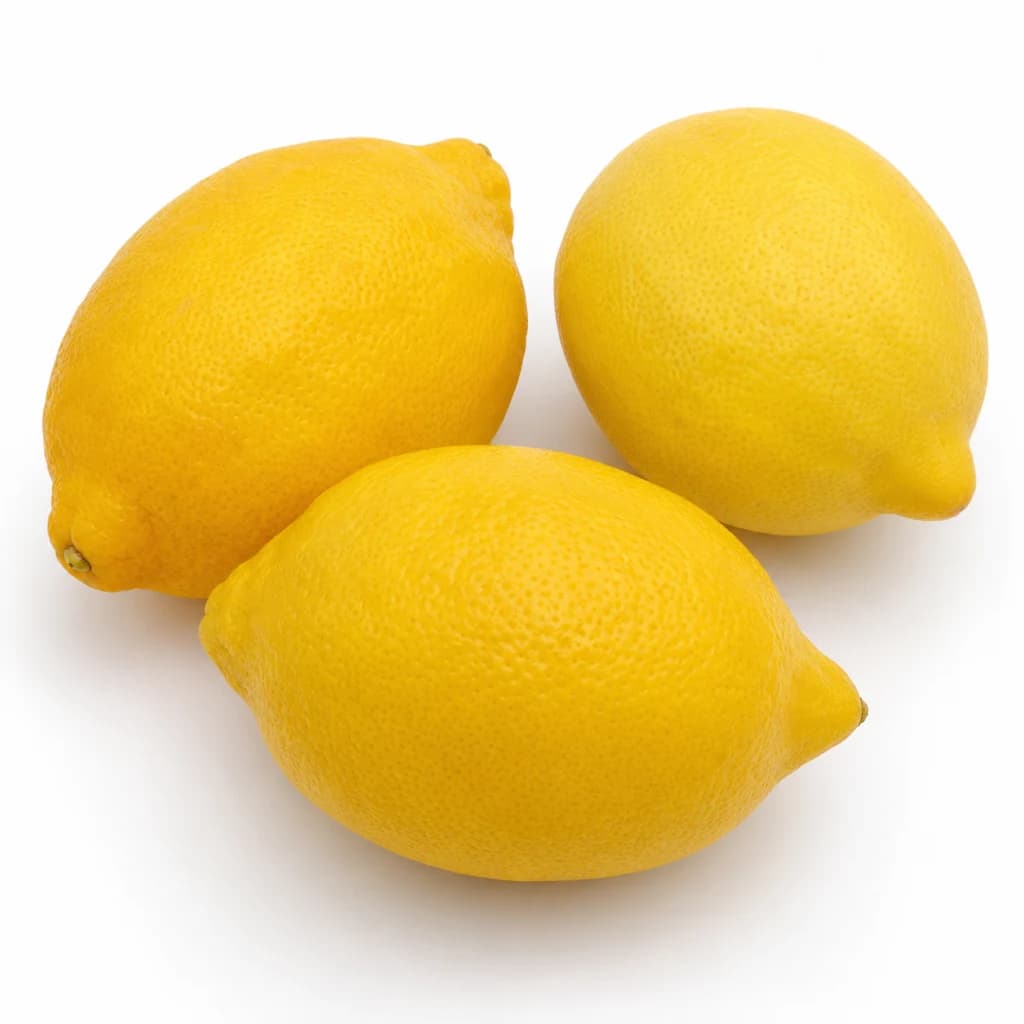
Lemon
Bright, acidic citrus that wakes up almost any dish
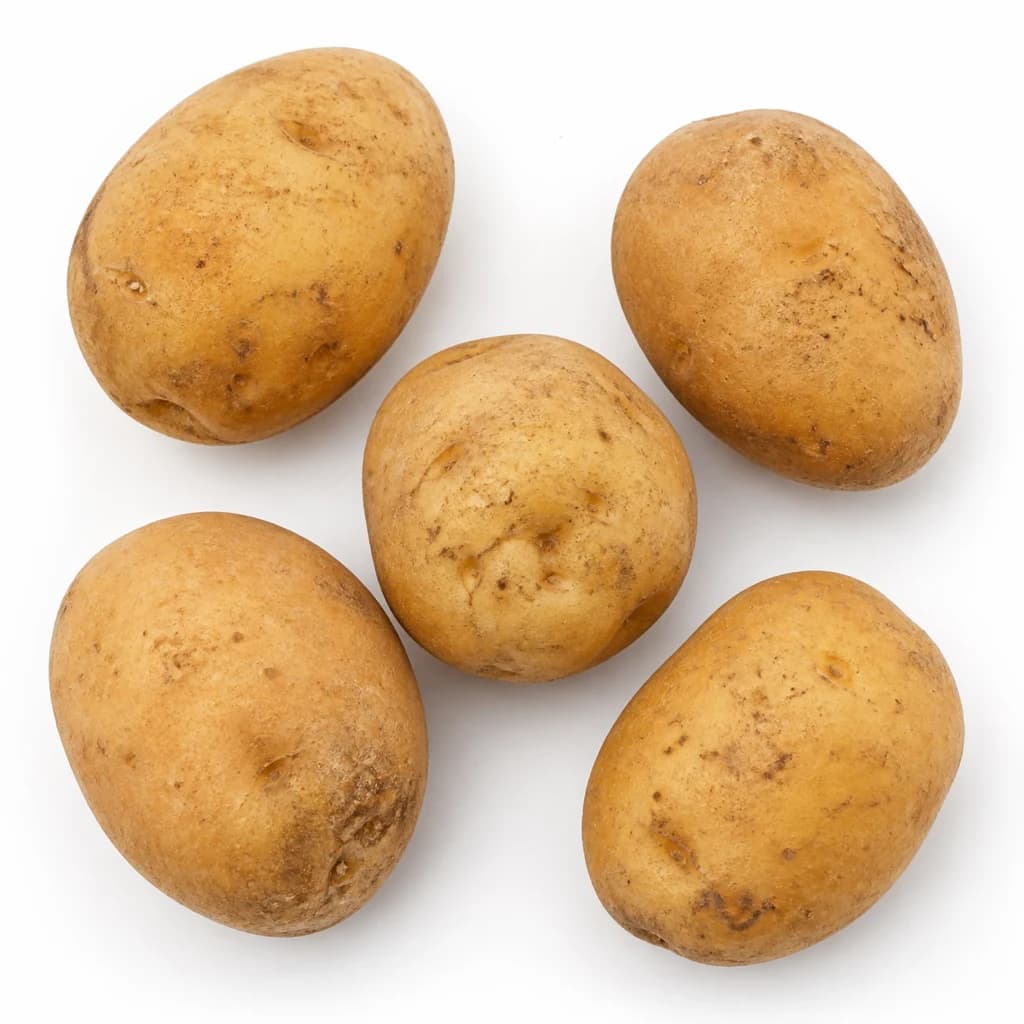
Potato
Humble, hearty staple — roast, mash, fry, or boil
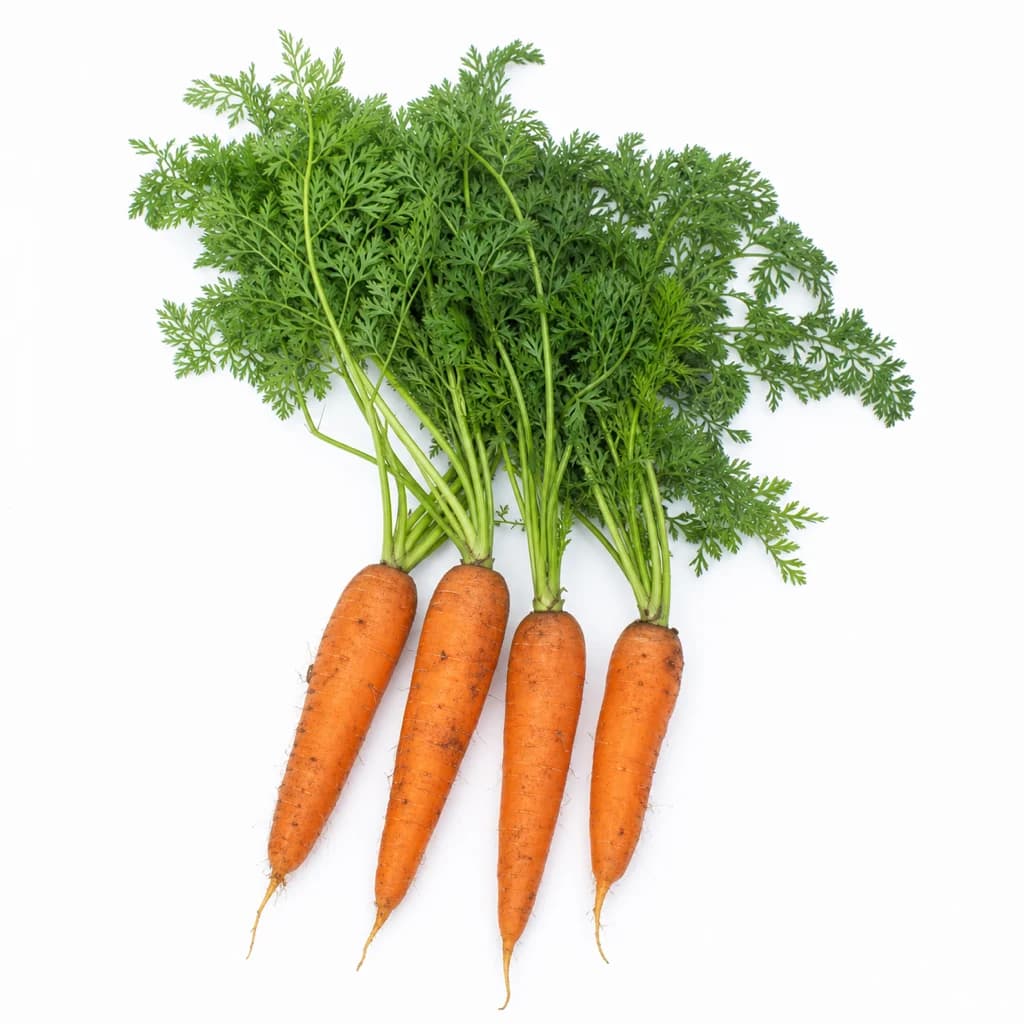
Carrot
Sweet, crunchy root — raw, roasted, or the base of a sofrito
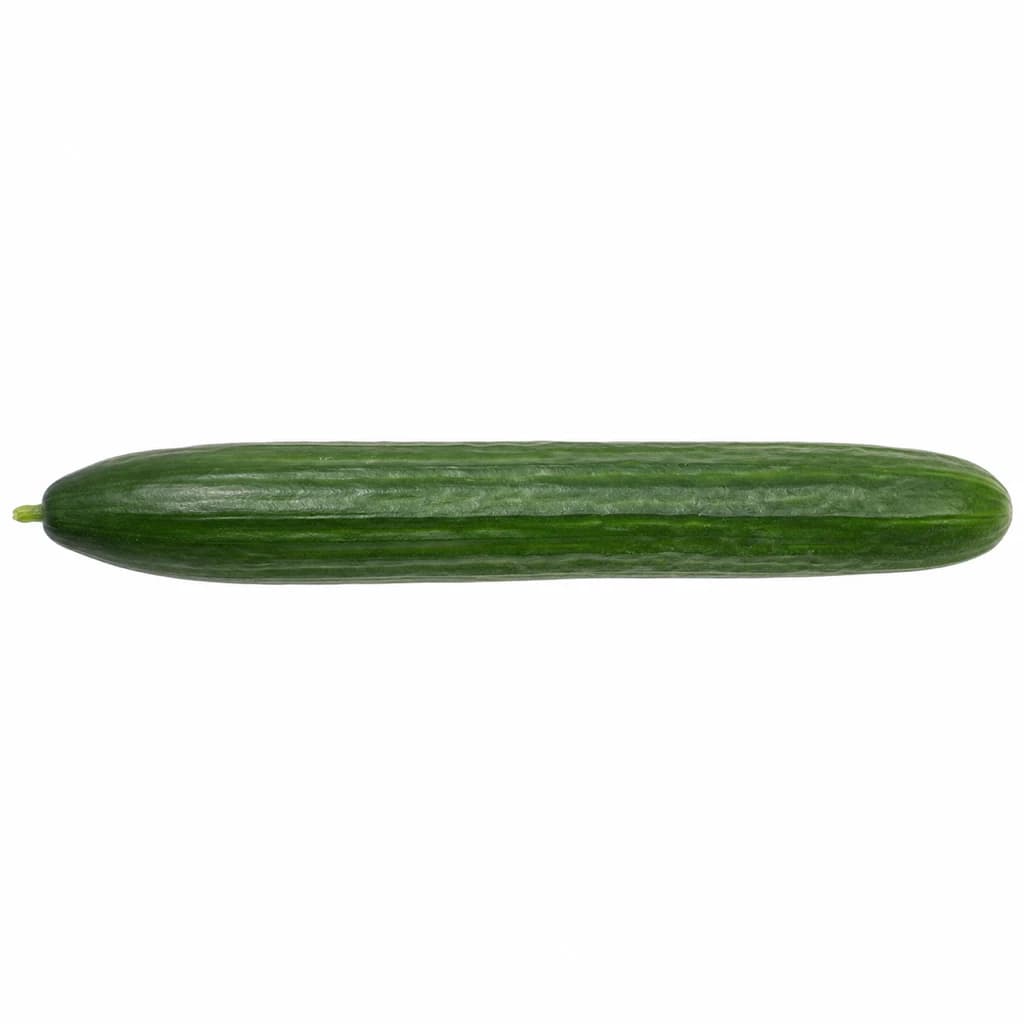
Cucumber
Cool, crisp, and watery — for salads, pickles, and tzatziki

Lettuce
Crisp leaves for salads, wraps, and a fresh crunch