Produce
Green (Spring) Garlic
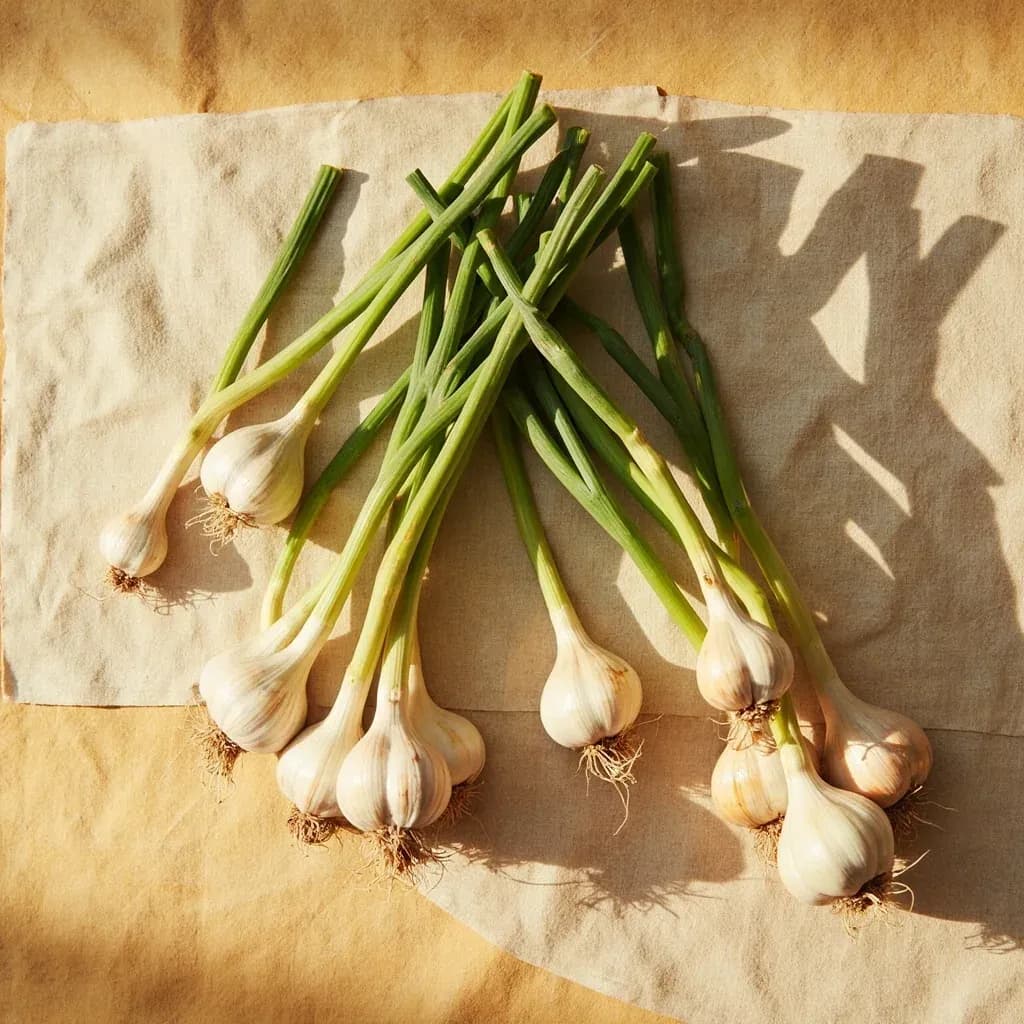
Immature garlic harvested before the bulb forms; mild, fresh, scallion-like flavor used whole (white and tender green) in sautes, frittatas, and spring pestos.
Green garlic is ordinary Allium sativum pulled from the ground before the bulb has had a chance to swell and divide into cloves — usually three to five months after fall planting, well before the papery-skinned heads of summer ever form. What reaches the kitchen looks less like garlic than a fat scallion or a small leek: a pale, juicy base ringed in tight concentric sheaths, topped by long, flat, grassy green leaves. Because the plant is harvested before curing, the allicin precursors that give mature garlic its sharp bite are present in much lower concentration; what dominates instead is a sweet, herbaceous, almost chlorophyll-green flavor, with the white base reading closer to mild onion and the leaves leaning scallion.
The high moisture content — often 80 percent or more — shapes everything about how green garlic behaves in the kitchen. It releases water the moment it hits a hot pan, browns in a matter of seconds, and never develops the deep, caramelized sweetness of slowly cooked mature cloves. That makes it excel as a quick aromatic, a finishing herb, or the star of a spring dish where its freshness is the point: green pestos, frittatas, pasta with peas, grilled whole over coals. It can be used raw when especially young and tender, though it almost always benefits from a brief sweat in fat to mellow its raw edge.
A note on naming: in Britain the term wet garlic refers to a slightly more mature specimen in which a small, undivided bulb has begun to swell, often sold with a wisp of roots still attached and used whole like a small shallot. Neither green garlic nor wet garlic should be confused with garlic scapes — the curly flower stalks of hardneck garlic that arrive later in the season and carry a snappier, more vegetal bite.
- Measured in
- g
- Storage
- Wrap & Refrigerate In The Crisper; Use Within A Week.
Find it in
Suits
Types & varieties
Artichoke-type softnecks such as 'California Early' or 'Inchelium Red' pulled young; most of what is sold as green garlic in U.S. markets. Mild, with very tender greens.
Porcelain and purple-stripe varieties like 'Music' and 'German Extra Hardy' harvested immature. Slightly more robust flavor; the sheath often shows a faint purple blush.
Allium ampeloprasum harvested young. Very thick, very mild, and more leek-like than garlicky in character.
A slightly more mature stage in which a small, undivided bulb has begun to swell but cloves have not differentiated. Eaten whole like a small shallot or baby onion.
How to Prep Green Garlic
Treat a bunch of green garlic the way you would a leek: the concentric sheaths trap garden grit, and the toughest outer layer on older plants is worth peeling away. The white base and the leaves are used in the same way, just sliced to different thicknesses depending on the cooking method.
- Trim off the root tuft and any wilted or yellowed tops. On older, thicker plants, slice a thin layer off the base and strip away one or two of the toughest outer sheaths to expose the tender core.
- To wash thoroughly, split each stalk lengthwise from about 2 inches above the base to the top of the white, then fan the layers open under cold running water to flush out any soil trapped between the sheaths.
- For sautés, frittatas, and pestos, slice the white and pale-green portion thinly crosswise; chop the dark green leaves the same way you would scallion tops.
- Tough dark-green leaves at the very top of older plants are best tied into a bouquet and simmered in stock, or blanched for 30 seconds, shocked in ice water, and pureed for a vivid green sauce to swirl into soups and risottos.
Cooking Behavior: Why Green Garlic Is Not Just 'Young Garlic'
The very high moisture content changes how green garlic cooks compared with cured cloves, and a few seconds of attention pays off.
- It releases water almost immediately in a hot pan — expect a brief sizzle, then a brief lull, before browning resumes.
- It browns in seconds and scorches if the heat is too high or the pan is dry. Sweat it gently in butter or olive oil over medium heat, or add it to a pan that already contains other ingredients and a little liquid.
- Because the allicin precursors are diluted, you can use the whole plant — base and greens — without the harshness that would come from a comparable volume of mature garlic. A medium green garlic, whole, is roughly equal to 2–3 cloves.
- It does not develop the deep, sweet, caramelized notes of slow-roasted cured garlic. Save the long, low-heat treatments for mature heads; give green garlic quick, high-impact roles where its freshness is the point.
Common uses
Tips & pitfalls
- Choose firm, upright stalks with crisp white bases and perky greens; pass on any with yellowing leaves, slimy sheaths, or limp tops.
- Use the whole plant. Slice the white and pale-green parts thinly for the pan, then chop the tender greens just like scallion tops — they cook in the same amount of time.
- On older, thicker specimens, peel away the tough outermost layer; the inner cores stay tender and sweet.
- Add it early for a mellow, sweet background, or at the very end for a fresh, grassy lift. It browns far faster than cured garlic and will scorch in a dry, screaming-hot pan.
- When swapping for mature garlic, count one medium green garlic (whole plant) per 2–3 cloves — and remember you also get a built-in scallion.
- Don't throw away the tough dark-green tops. Tie them into a bouquet and simmer in stock, or blanch and shock them for a vivid green puree to swirl into soups and risottos.
- Rinse thoroughly between the layers. Soil and grit lodge in the same concentric sheaths that make the plant look so clean — split and flush, the way you would a leek.
Nutrition
Energy
623 kJ · per 100 g
Where the calories come from
Protein
6.4g
13% DV
Carbs
33.1g
12% DV
Fat
0.5g
1% DV
Fiber
2.1g
8% DV
Sugars
1g
of which
Sodium
17mg
1% DV
Source · USDA FoodData Central · Garlic, raw
View on FDC →In the shops
Matched grocery products
 €2.60
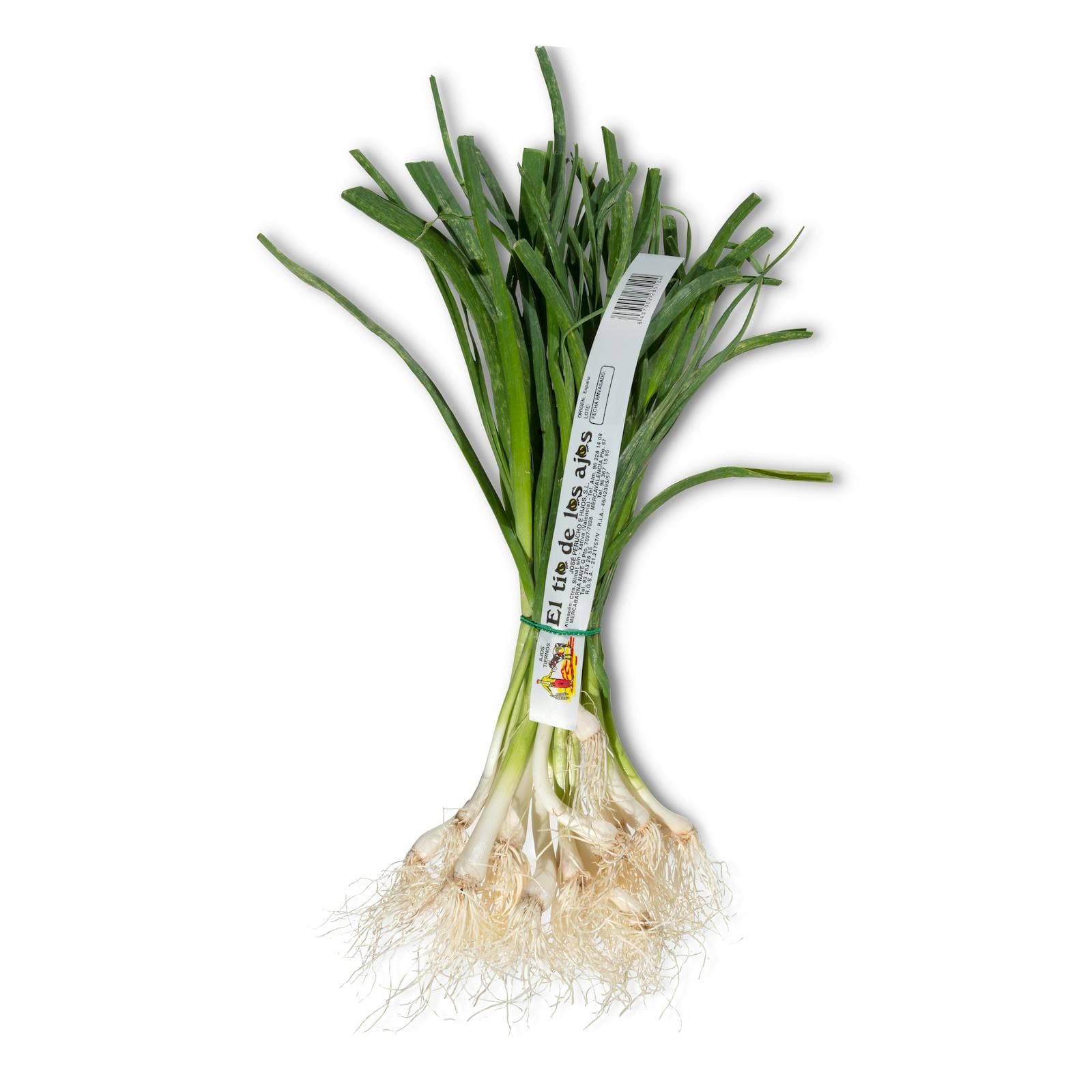
€2.60Young Garlic
200 g · Mercadona
 €1.85
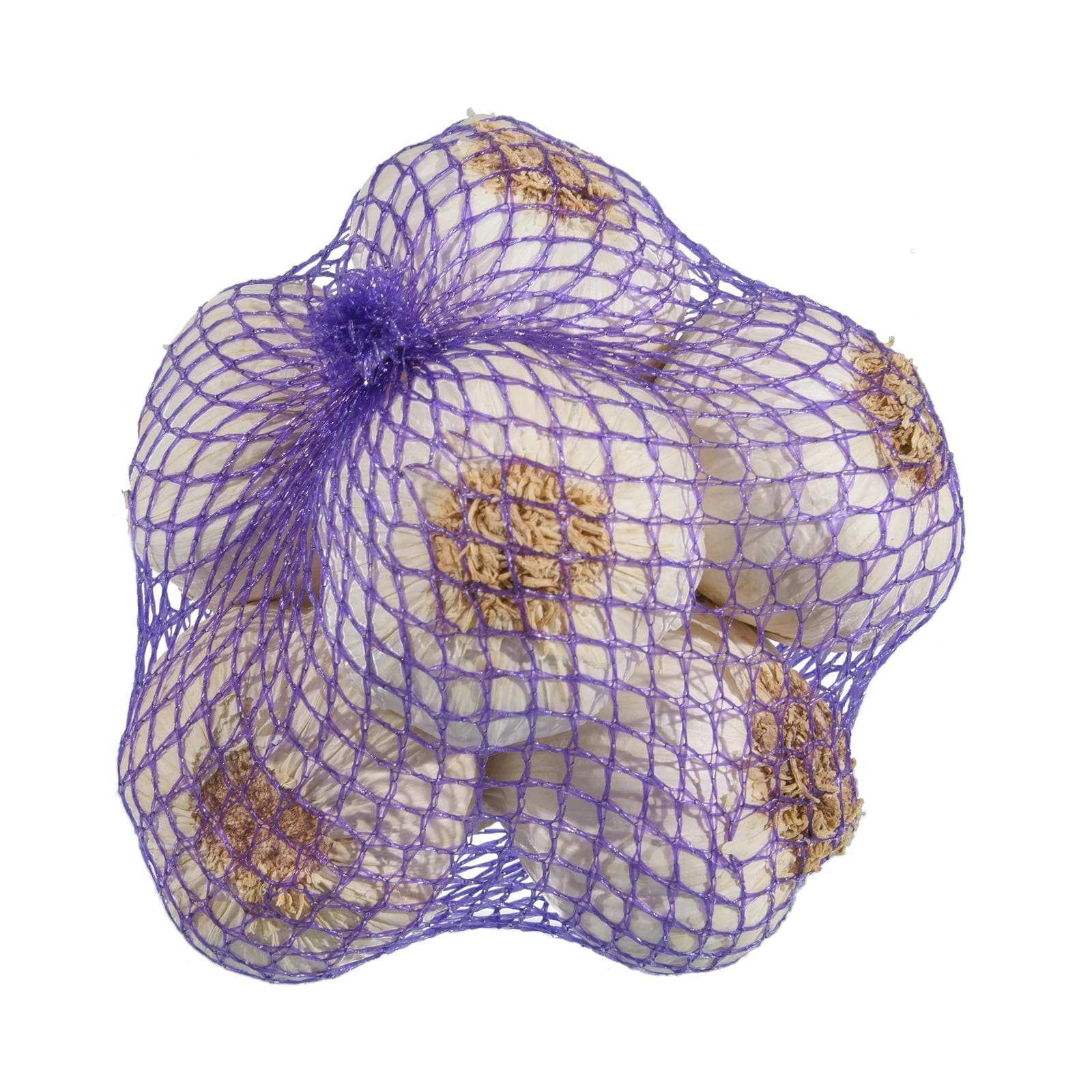
€1.85Purple Garlic
250 g · Mercadona
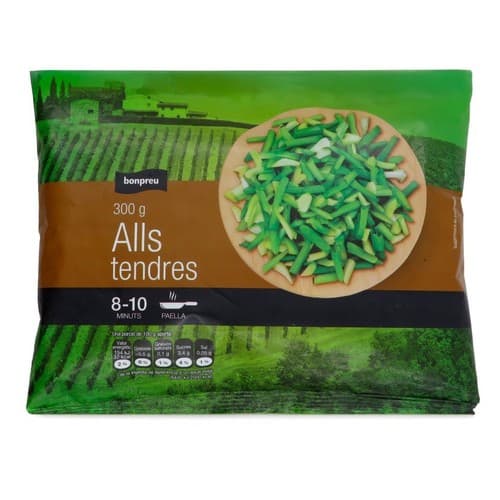 €1.99
€1.99Tender Garlic
BONPREU · kg · Bonpreu
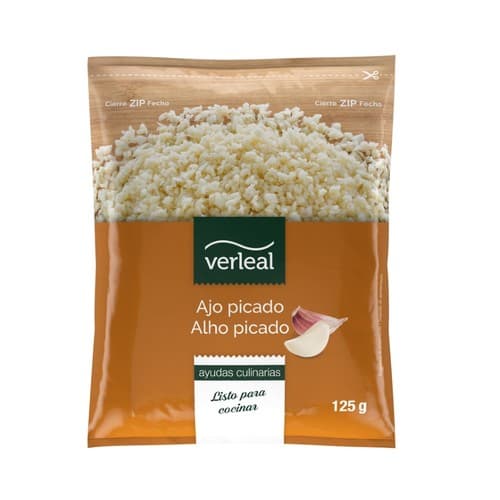 €1.68
€1.68Chopped Garlic
VERLEAL · kg · Bonpreu
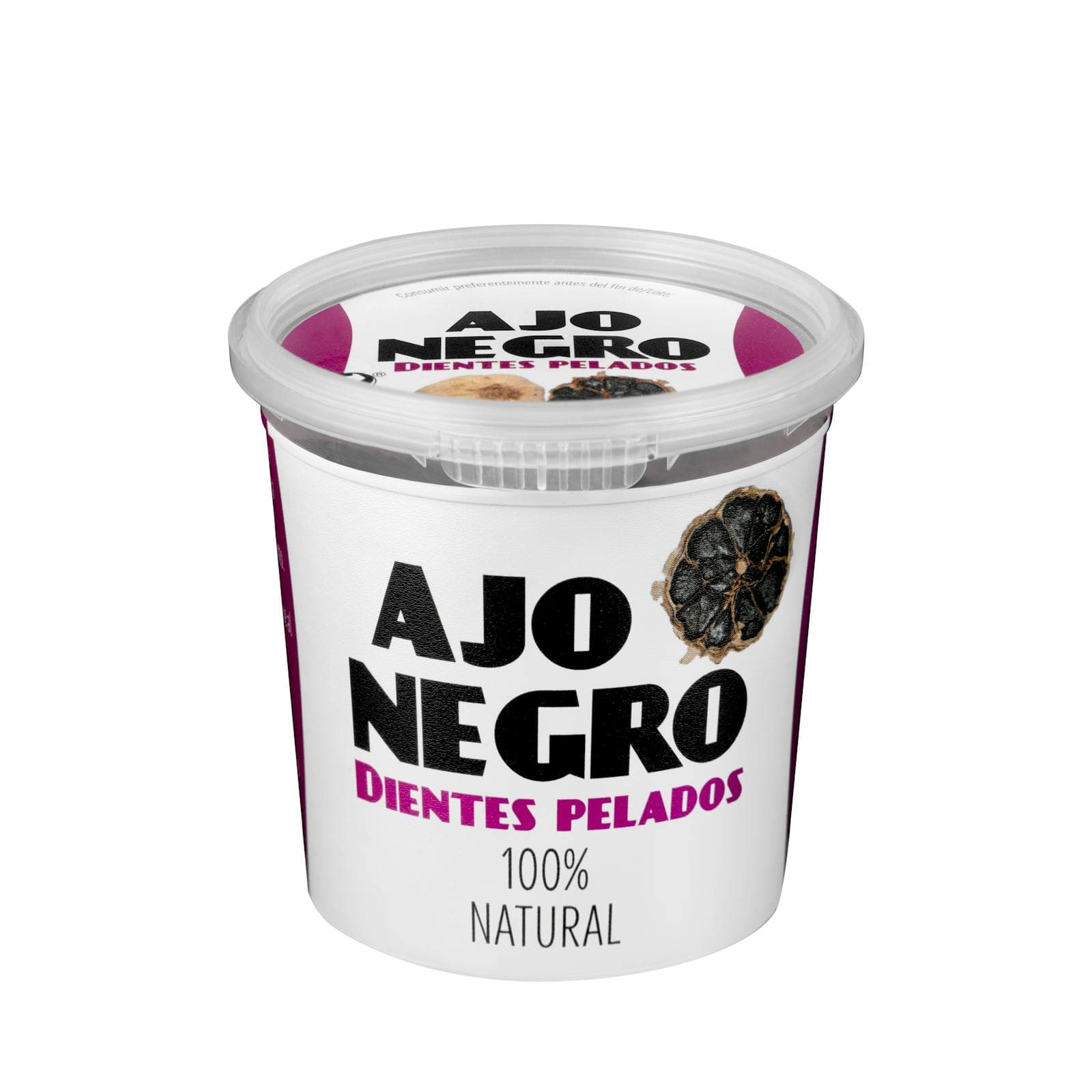 €5.00
€5.00Black Garlic Peeled Cloves
85 g · Mercadona
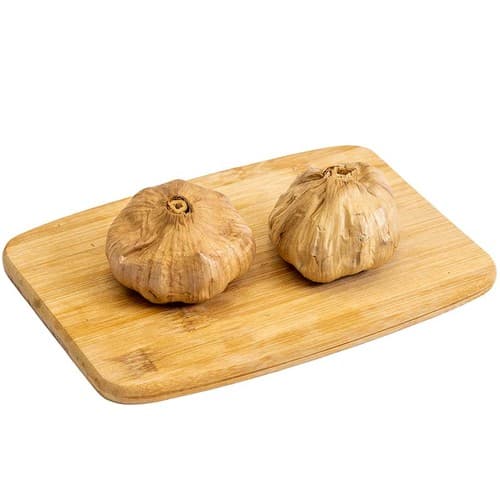 €4.69
€4.69Black Garlic in Bag of 2 Units
LA COLLITA · ud · Bonpreu
Good to know
- Botanical name
- Allium sativum, harvested before bulbing (3–5 months after planting)
- Other names
- Spring garlic, young garlic, green garlic, baby garlic; aglio fresco or aglio verde (Italy); wet garlic (UK, for the slightly more mature stage)
- Season
- Late winter through early summer in temperate climates; roughly April–June in the U.S. Pacific Northwest, the Mediterranean, and similar latitudes
- Form
- Resembles a fat scallion or small leek: pale white-to-blush base ½–1 inch across with long, flat, grassy green leaves; total length 12–24 inches
- Flavor
- Mild, sweet, herbaceous garlic; lacks the sharp sulfurous bite of cured bulbs; grassy and scallion-like, especially in the leaves
- Edible parts
- The entire plant — tender white and pale-green base plus the green leaves (the darkest, oldest tips can be tough on older plants)
- Storage
- Refrigerate unwashed in a plastic bag or wrapped in a damp towel; best used within 5–10 days. Chopped and frozen in oil (kept frozen solid until use), or blended into pesto, it keeps for months
- Yield
- About 1 lb of green garlic yields roughly 1 packed cup chopped
- Not the same as
- Garlic scapes, the curly flower stalks of hardneck garlic harvested in early summer
Substitutes
- Scallions + garlic — The closest match. Use 1 bunch of scallions (white and green) plus 1 small minced garlic clove per green garlic called for. Captures both the oniony base and the garlicky note.
- Leeks + garlic — Use the white and pale-green parts of a leek plus a garlic clove. Milder and slightly sweeter; best in cooked dishes, not raw applications.
- Spring onions + garlic — A solid stand-in, especially in British recipes calling for wet garlic. Mild, slightly sweet, with a small undeveloped bulb.
- Garlic chives + garlic — A small handful of garlic chives plus 1 garlic clove. Works in raw applications, dressings, and quick sautés.
- Ramps — A true seasonal cousin — a wild leek of the Allium family. More pungent and oniony, so use a smaller quantity.
Pairs with
Also called
spring garlic · young garlic · garlic shoots · ajo tierno