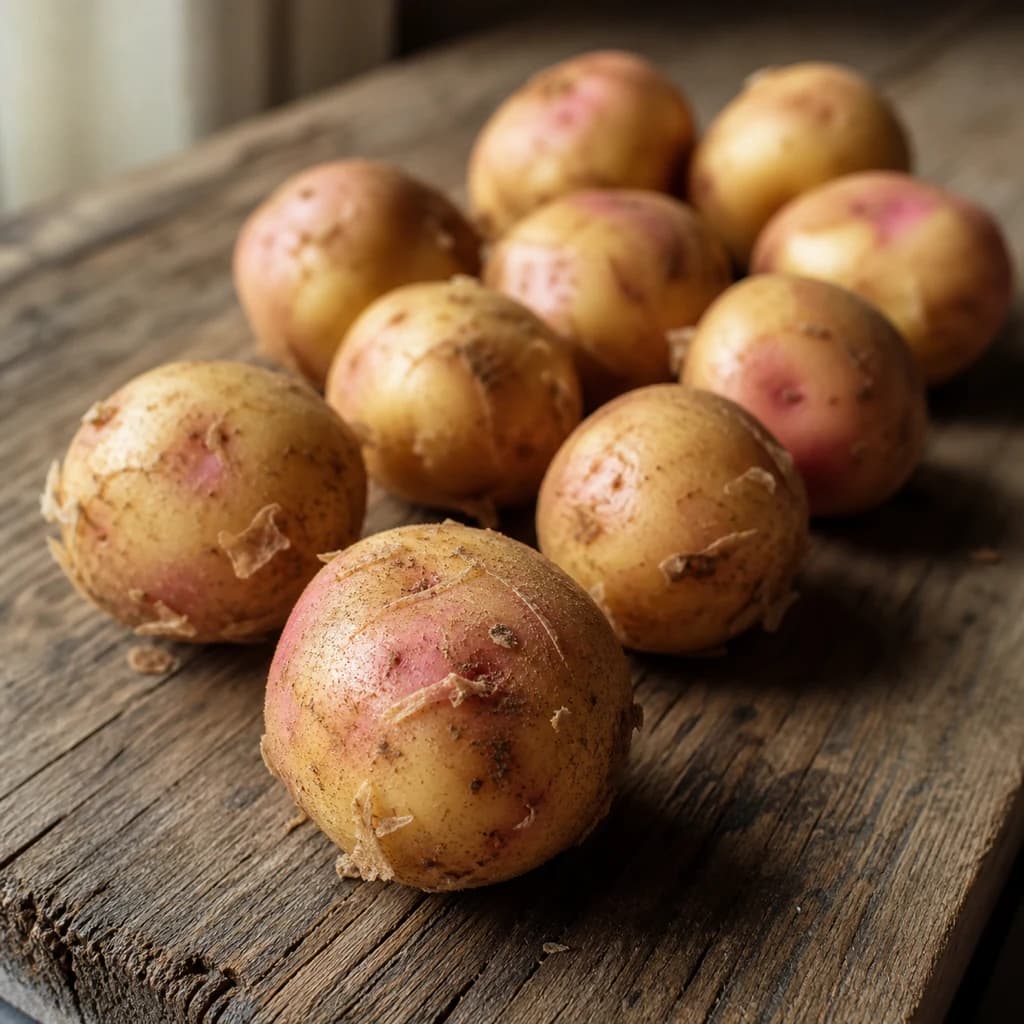
Natural form
New potatoes just harvested: small, round, with thin papery skin intact.
Shows the defining physical traits — small size, thin feathery skin, and earthy unprocessed form — that distinguish new potatoes from mature ones.
Produce
New Potato
Young, thin-skinned potato with waxy flesh, ideal boiled, roasted, or in salads.
New potatoes are immature potatoes harvested young, with thin, delicate skins and firm, waxy flesh. Their low starch content keeps them from falling apart, making them ideal boiled whole, roasted, or in potato salad. They have a slightly sweet, creamy taste and are best used soon after harvest.
A new potato is a potato harvested young, before the plant's vines have died back and the tubers have fully matured. The defining characteristics are thin, delicate skin that is often edible straight from the market, waxy flesh with high moisture content, and small starch granules that remain intact during cooking. This is the opposite of a mature baking potato: where a russet breaks down into fluffy strands when cooked, a new potato holds its structure tenaciously, making it the right choice for any dish where you want individual pieces to remain intact. Their brief shelf life is a genuine limitation — the delicate skin offers little protection against moisture loss and decay, so plan to use them within a few days of purchase. In the United Kingdom, "new potato" has legal standing under marketing standards specifying maximum dry matter and sugar content; in the United States it is a commercial harvest stage, with tubers typically dug by machine the same day they reach distributors to preserve their fragile skin.
- Measured in
- g
- Storage
- Pantry
Types & varieties
Round to oblong, bright red skin, white flesh; the most widely available new potato in North America; firm and holds shape well in all cooking methods
Oblong with golden skin and deep yellow, buttery flesh; excellent for roasting and boiling; retains a smooth, moist texture throughout cooking
Oval to oblong, white to light tan skin, white flesh; very waxy; the traditional choice for potato salads on the US West Coast
Round to oval, purple-streaked skin, white flesh with a purple-tinged ring; visually striking when roasted whole
Round to oval, golden skin, yellow flesh; mild, slightly sweet flavor; strong waxy texture; especially good boiled or roasted
Many fingerlings are harvested young and sold as new potatoes; Yukon Gold sold small is sometimes marketed this way
Selecting and Storing
Buy firm, unblemished potatoes with tight, unwrinkled skin. Reject any with green discoloration (solanine buildup), visible sprouts, or soft spots — these indicate age, light exposure, or improper storage. The skin should be thin enough to rub off with a thumb but not already damaged or drying out. Store unwashed in a paper bag in the coolest, darkest part of the pantry. Do not seal them in plastic, which traps moisture and accelerates decay. If you need to hold them more than a few days, spread them on a single layer on a tray in the refrigerator, but use them as soon as possible — cold storage will begin converting starch to sugar, dulling their flavor and softening their texture. Do not wash until ready to use.
- Look for tight, smooth skin with no wrinkles or blemishes
- Avoid green-tinged or sprouted potatoes
- Store unwashed in a paper bag in the coolest, darkest pantry spot
- Refrigerate only if necessary and use within a few days
Understanding the Harvest Stage
New potato is a harvest stage, not a variety. Any potato variety can be sold as new potatoes when dug young. This distinction matters because it explains why you find red-skinned, yellow-skinned, and white-skinned new potatoes — each is simply the young form of a variety that, if left to mature, would develop thicker skin, higher starch, and a different texture. The practical consequence is that new potatoes from different varieties behave slightly differently: a Red Norland new potato will be slightly firmer and more assertive-flavored than a Yellow Finn new potato, but both share the waxy, moist character that makes them new potatoes rather than mature ones. In the UK and EU, marketing standards legally define what can be sold as new potatoes, specifying maximum dry matter and minimum specific gravity. In the US commercial market, new potatoes are typically harvested by machine and reach stores within the same day or day after harvest to preserve their delicate skin.
- New potato is a harvest stage; any variety can be new if dug young
- Varieties differ slightly in firmness and flavor even when harvested young
- UK and EU law defines standards for the 'new potato' designation
- US commercial new potatoes are harvested and shipped rapidly to protect fragile skin
Common uses
Tips & pitfalls
- Do not peel new potatoes — the thin skin is fully edible and protects the flesh during cooking; peeling causes them to absorb excess water and become waterlogged
- Salt the boiling water generously — new potatoes absorb seasoning throughout their flesh during cooking, unlike mature potatoes which rely on surface seasoning
- For the best roast, parboil halved new potatoes for 8–10 minutes until a skewer meets slight resistance, then drain, rough up the surfaces in the pot to create nooks for browning, toss with fat, and roast at 425°F or higher until deeply golden
- Avoid overcooking — the line between done and mushy is narrow; immediately drain and spread on a sheet pan to steam dry and arrest carryover cooking
- If boiling for salad, shock the drained potatoes in ice water immediately to cool them quickly and prevent further softening from residual heat
- When buying, look for firm, unblemished potatoes with tight, unwrinkled skin; reject any with green discoloration, sprouts, or soft spots
- Store unwashed in a paper bag in the coolest, darkest part of the pantry; do not seal in plastic, which traps moisture and causes rot
- Common mistake: treating new potatoes like mature baking potatoes — they will not mash properly and will become gluey if overworked
- Common mistake: using new potatoes in dishes that require fluffy, starchy texture — a gratin or baked potato needs a mature, high-starch variety, not new potatoes
Nutrition
Energy
243 kJ · per 100 g
Where the calories come from
Protein
2.6g
5% DV
Carbs
12.4g
5% DV
Fat
0.1g
0% DV
Fiber
2.5g
9% DV
Sodium
10mg
0% DV
Source · USDA FoodData Central · approx. Potatoes, raw, skin
View on FDC →In the shops
Matched grocery products
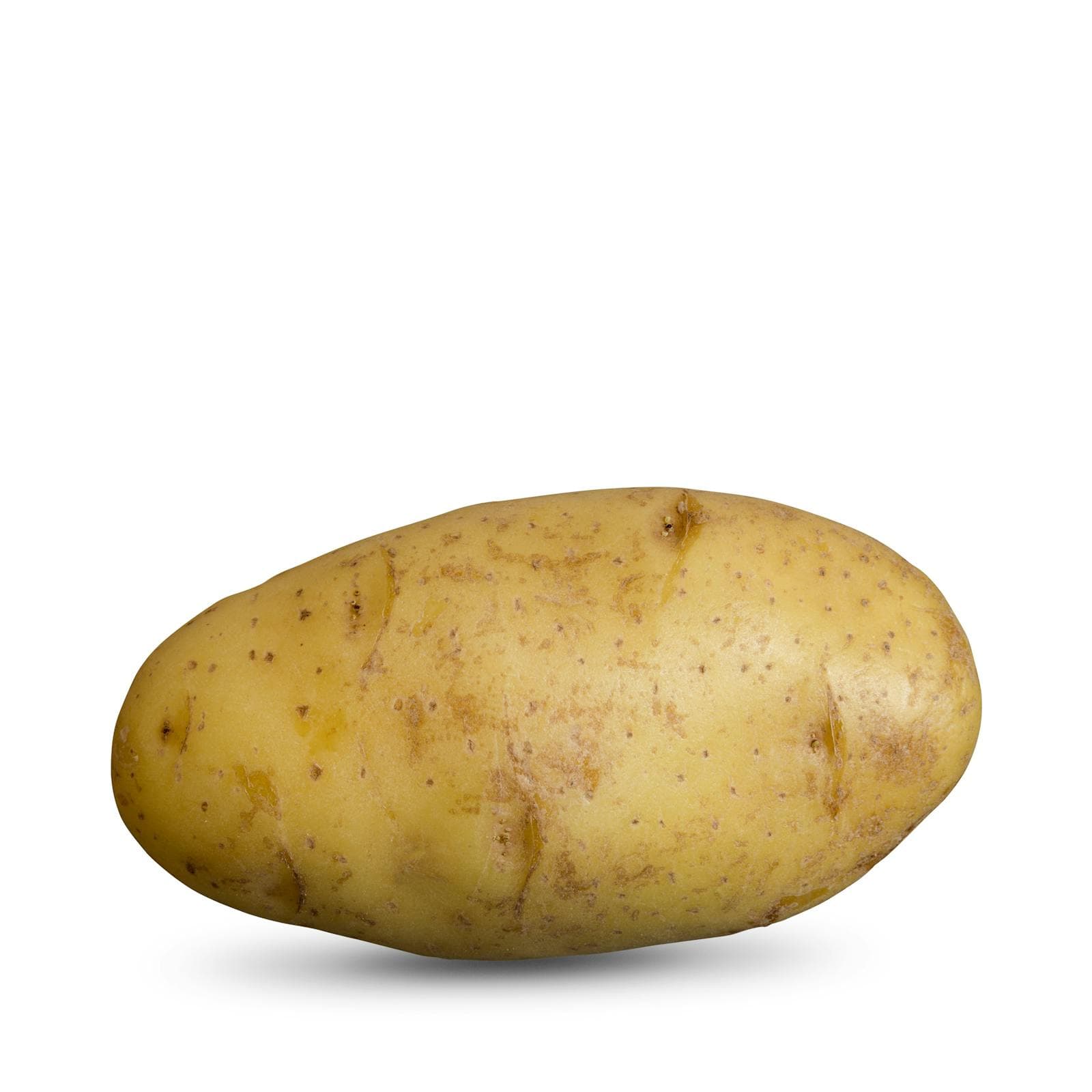 €0.40
€0.40Potato
210 g · Mercadona
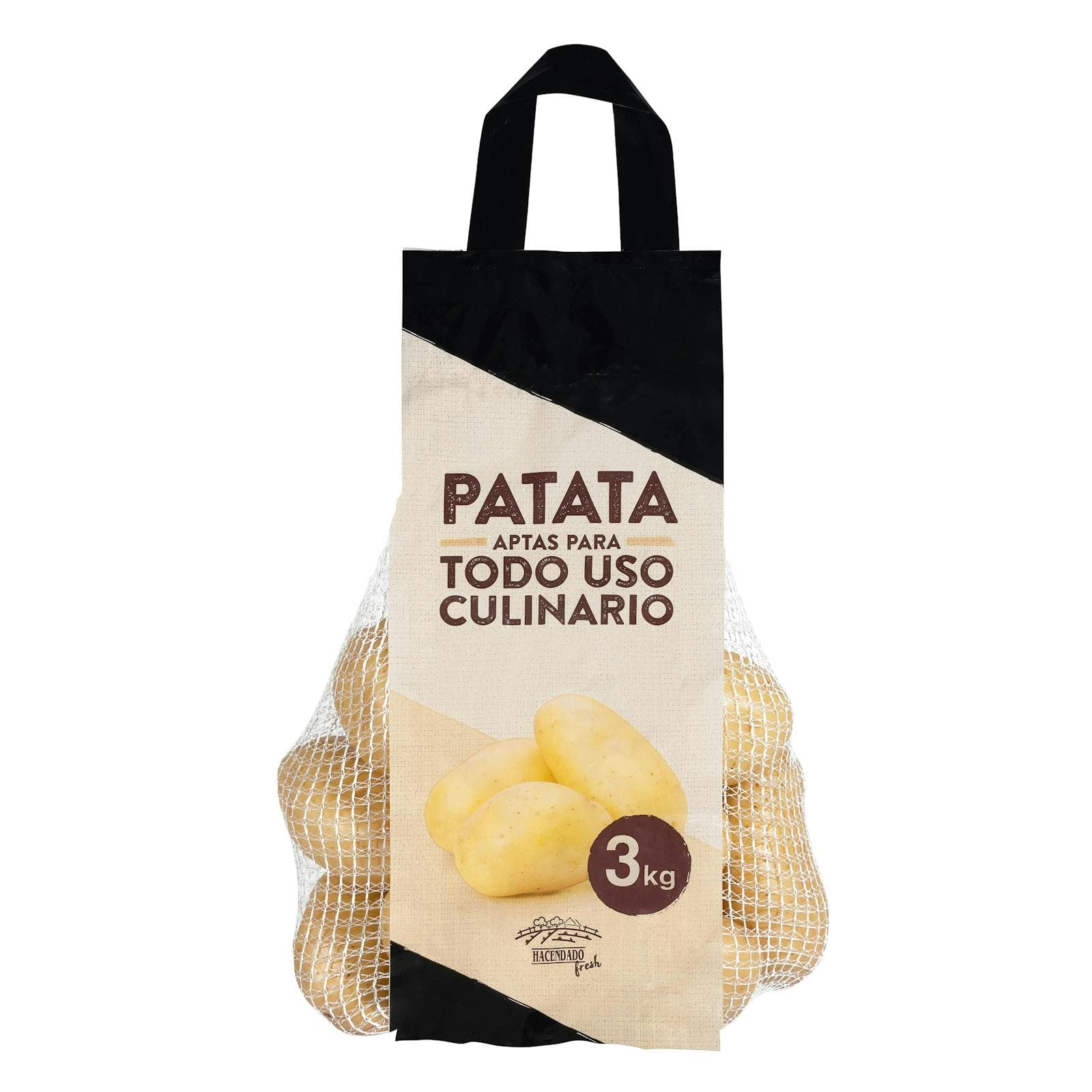 €4.65
€4.65Potatoes
3 kg · Mercadona
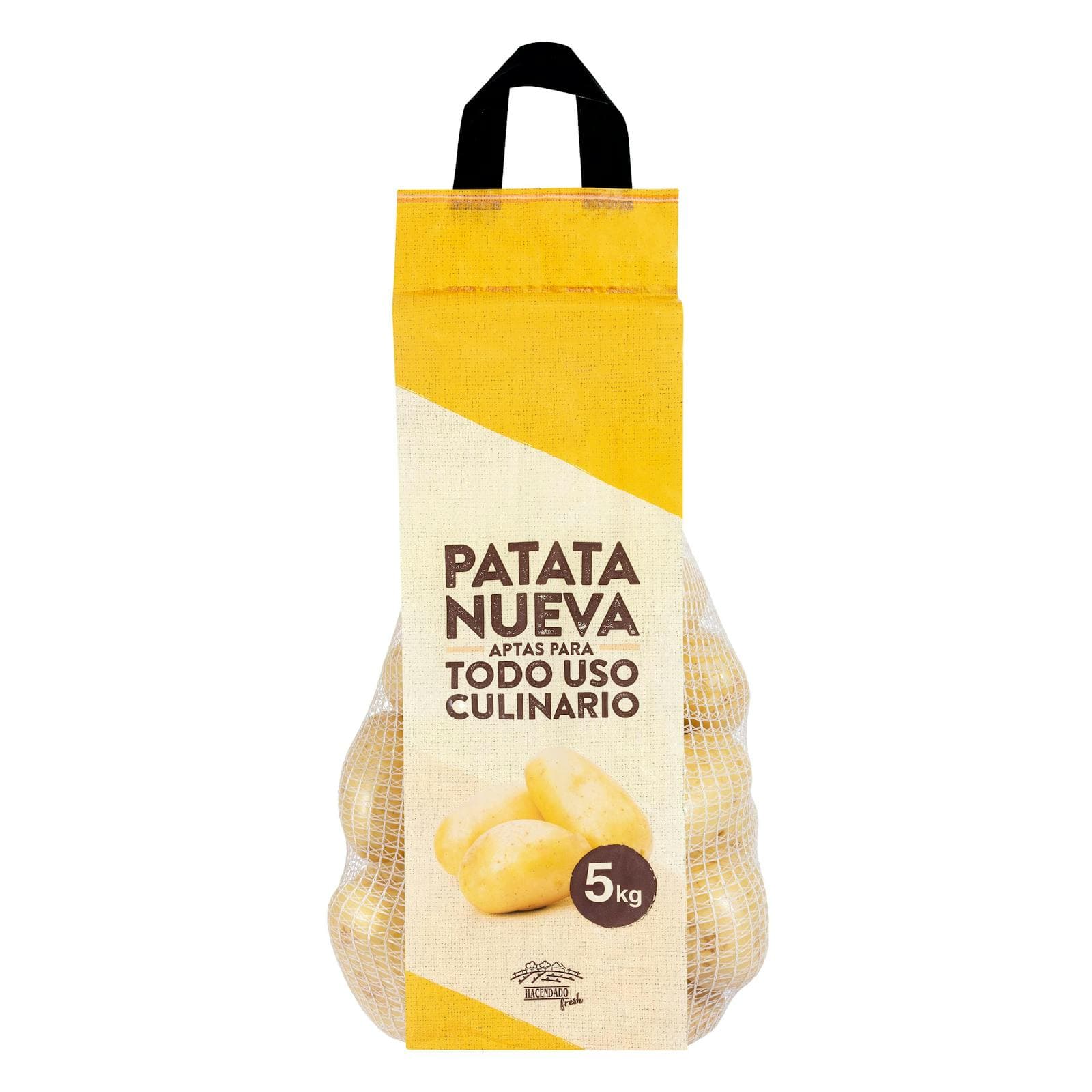 €5.60
€5.60Potatoes
5 kg · Mercadona
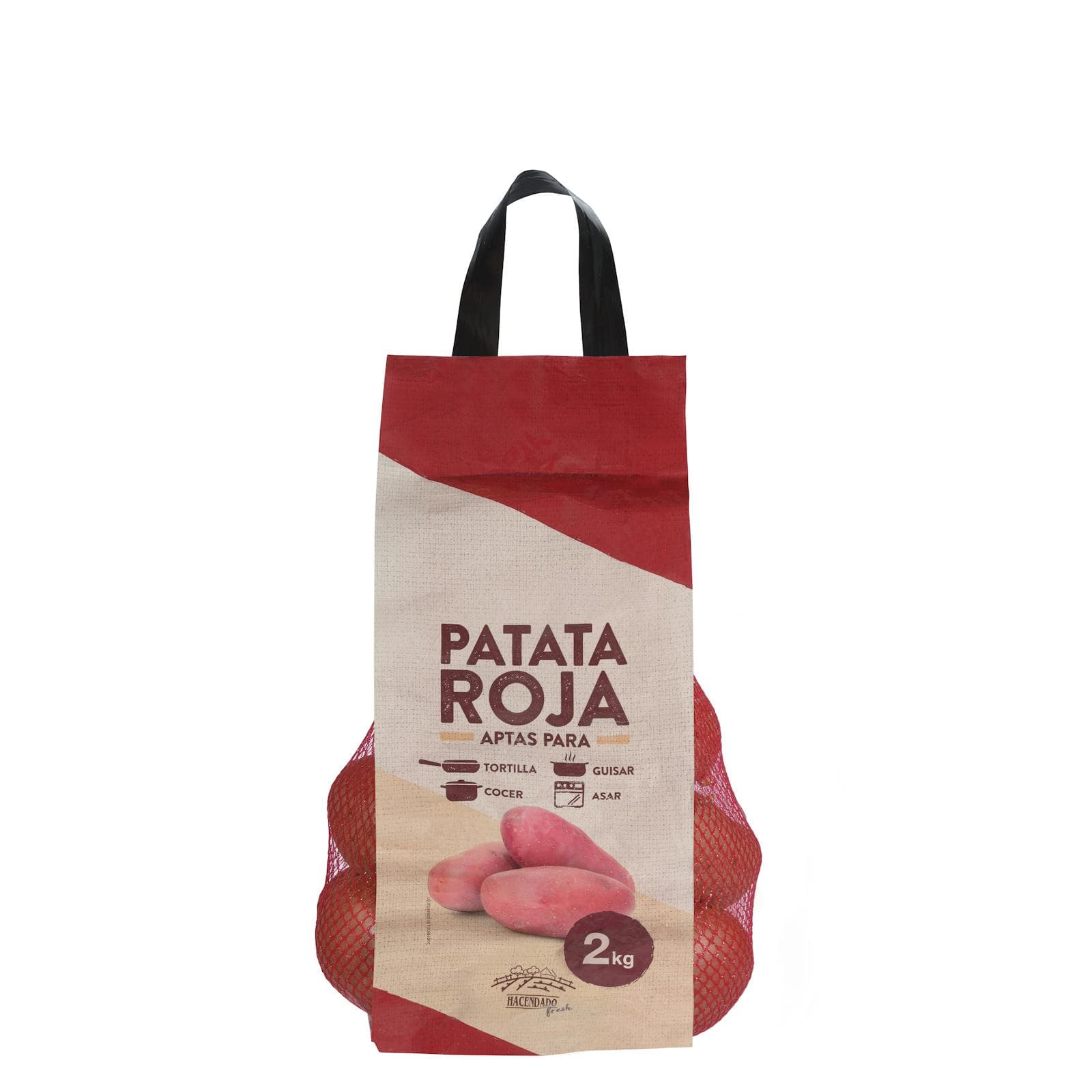 €3.80
€3.80Red Potatoes
2 kg · Mercadona
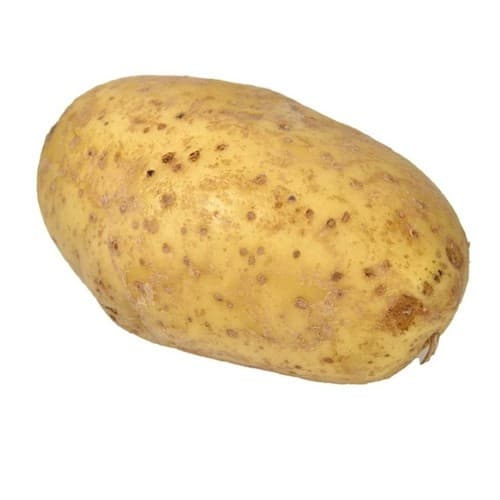 €0.45
€0.45Potato 1 unit
Bonpreu
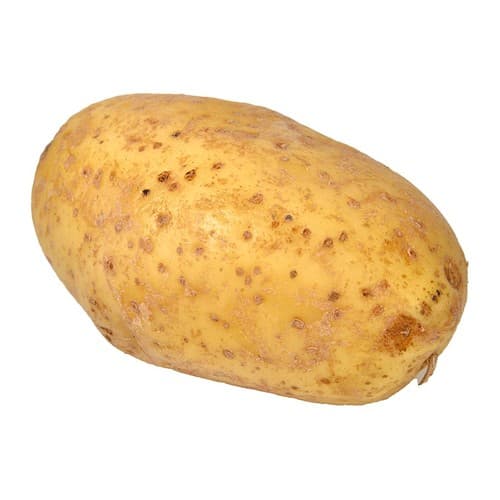 €0.70
€0.70Potato 1 unit
ud · Bonpreu
Good to know
- Harvest timing
- 60–90 days after planting, before the plant dies back fully
- Skin
- Thin and delicate, often rubbed off easily with a fingertip; may be red, white, or yellow depending on variety
- Flesh
- Waxy and moist; cell walls stay intact when cooked, so pieces hold their shape
- Starch content
- Lower than mature potatoes; starch granules are smaller and less developed
- Size
- Generally 1–3 inches in diameter; smaller than mature potatoes of the same variety
- Peak season
- Late spring through early summer in the Northern Hemisphere; available nearly year-round from multiple plantings in temperate climates
- Shelf life
- 1–2 weeks in cool, dark, ventilated storage; do not refrigerate — cold converts starch to sugar and degrades texture
- Preparation note
- Skin is edible; scrub and cook without peeling
- Forms sold
- Sold whole, sometimes on the stem with small vine fragments attached; also sold as loose small potatoes
Substitutes
- Fingerling potato — Closest substitute in waxy texture and small size; interchangeable in most preparations
- Baby Yukon Gold — Similar small size and waxy flesh; slightly higher starch but still holds shape well
- Red potato — Waxy and holds shape reliably; more widely available year-round; a dependable everyday substitute for boiling, roasting, and salads
- Peewee or small mature potatoes — Small specimens of regular varieties work in a pinch; choose waxy-fleshed types rather than starchy russets
Pairs with
Also called
New Potatoes · Baby Potato · Earlies
Related

Tomato
Juicy, sun-sweet fruit for sauces, salads, and slow-cooked depth

Yellow Onion
The aromatic backbone of soups, sofritos, and braises

Garlic
Pungent cloves that perfume nearly every savory dish

Lemon
Bright, acidic citrus that wakes up almost any dish

Potato
Humble, hearty staple — roast, mash, fry, or boil

Carrot
Sweet, crunchy root — raw, roasted, or the base of a sofrito

Cucumber
Cool, crisp, and watery — for salads, pickles, and tzatziki

Lettuce
Crisp leaves for salads, wraps, and a fresh crunch