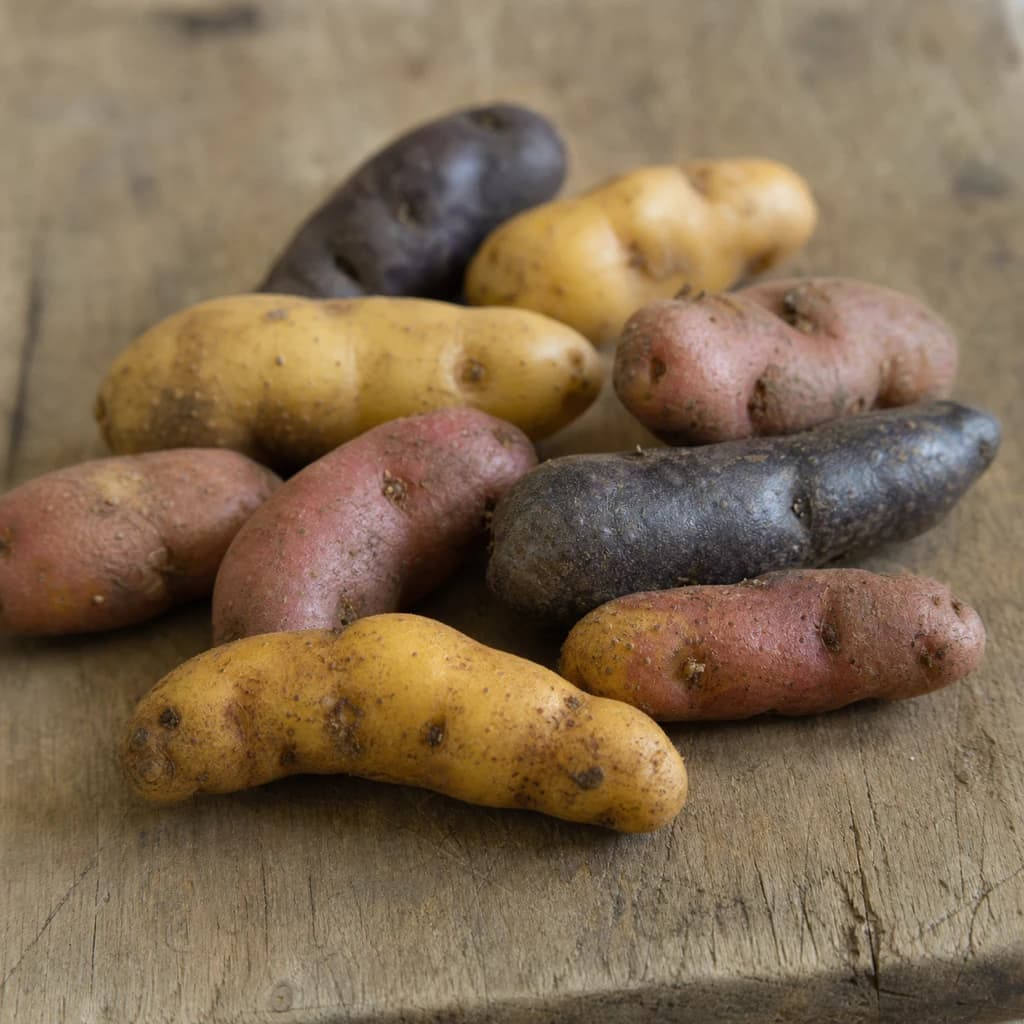
Natural form
Fingerling potatoes whole and unwashed, showing their elongated finger-like shape and varied colors.
Shows the raw, unprocessed tubers so readers can recognize fingerlings by their distinctive narrow shape and natural skin colors at a market or store.
Produce
Fingerling Potato
Small, slender waxy potatoes with thin skin, great roasted whole or in salads.
Fingerling potatoes are small, elongated, finger-shaped tubers with a firm, waxy texture and thin, tender skin. Their low starch holds shape well, making them ideal for roasting whole, pan-frying, or slicing into warm potato salads. They come in colors from yellow to red and purple and carry a slightly nutty, buttery flavor.
Fingerling potatoes are small, elongated tubers named for their distinctive finger-shaped form—typically 2 to 4 inches long and 0.5 to 1 inch in diameter. Despite the name, 'fingerling' describes a category of varieties rather than a single cultivar; these potatoes share a waxy to medium-waxy texture, thin tender skin that requires no peeling, and a buttery, slightly nutty flavor that intensifies beautifully with high-heat cooking. Their dense, moist flesh holds together stubbornly through roasting, grilling, or simmering—a quality that distinguishes them from starchy bakers like Russets and makes them ideal for preparations where visual integrity matters.
What sets fingerlings apart from standard small potatoes is their heirloom heritage and concentrated flavor. Varieties like La Ratte and Russian Banana have been cultivated for decades, selected for their refined taste rather than shipping durability. The Andes are the birthplace of Solanum tuberosum, and while the fingerling form itself is not native to a single region, many modern heirloom cultivars trace to France, Austria, and Russia. The potatoes' high moisture content and thin skin mean they dry out and sprout faster than thick-skinned storage potatoes, making them more perishable. Buy only what you will use within two to three weeks, and store them in a cool, dark, dry place. Never refrigerate; cold temperatures convert their starches to sugars and cause discoloration when cooked.
Their small size is a practical advantage: fingerlings cook quickly and evenly, developing crisp exteriors and creamy interiors in 20 to 30 minutes of roasting at high heat. Because the skin is fully edible and crisps beautifully, minimal prep is required—just a thorough scrub. This combination of flavor, texture, and convenience makes fingerlings equally at home in a rustic weeknight side dish or an elegant restaurant gratin.
- Measured in
- g
- Storage
- Pantry
Types & varieties
Most common; pale yellow, curved crescent shape, buttery flavor
Pinkish-red skin, yellow flesh with faint red streaks, mild and creamy
Pale yellow, tapered crescent, smooth texture
Deep purple skin and flesh, earthy and slightly sweet
Red skin, yellow flesh, visually striking
Pink skin, yellow flesh, elongated and slightly curved
Small, reddish-pink, with yellow flesh
Yellow, peanut-shaped (shorter and plumper), nutty flavor
French heirloom; kidney-shaped, yellow skin, prized for its nutty, chestnut-like taste
Red skin, yellow flesh, waxy and smooth
Buying and Storing
Fingerlings are more perishable than standard storage potatoes. At the market, select firm, unblemished tubers with taut skin—no soft spots, wrinkles, or green discoloration (which indicates solanine buildup). Resist the urge to wash them before storing; moisture accelerates sprouting. Keep them in a single layer in a cool, dark, ventilated space. Supermarket 'fingerlings' are often just small new potatoes of indeterminate variety—seek out farmers' markets or specialty grocers for true heirloom cultivars with complex flavor.
- Look for firm, unblemished tubers with no soft spots or green patches
- Store unwashed in a cool, dark, ventilated space (50–60°F)
- Do not refrigerate—cold converts starches to sugars and ruins texture
- Use within 2–3 weeks for best flavor and texture
Seasonal Availability
Fresh harvest fingerlings arrive at markets from late summer through early autumn, with peak availability in September and October. Stored stock from temperature-controlled facilities extends availability through winter and into early spring. Heirloom varieties are most diverse and affordable at farmers' markets during harvest season. For the best value and flavor, buy direct from growers you can ask about the specific cultivar and when they were harvested.
- Peak season: late summer through early autumn
- Farmers' markets offer the widest variety of true heirloom cultivars
- Stored supplies available year-round but quality varies
Common uses
Tips & pitfalls
- Roast whole at high heat (425–450°F) for best caramelization; toss halfway through for even browning
- For guaranteed creamy interiors when roasting whole, parboil 5–7 minutes first, then roast at high heat until golden
- Never peel—scrub well and let the thin skin crisp; it adds texture and holds the potato together
- Season generously before cooking; dense waxy flesh absorbs salt and aromatics readily but needs time
- For potato salads, slice while still warm so the dressing absorbs better
- Test doneness at 15 minutes when boiling or simmering; remove immediately when just tender—overcooking causes them to fall apart
- Dry sliced or halved potatoes thoroughly before pan-frying or roasting for crisp edges
- Store dry and wash only before cooking to prevent premature sprouting
- Use high-smoke-point cooking fat (duck fat, lard, grapeseed oil) when you want exceptional browning
- Layer halved fingerlings cut-side down in gratins for a visually striking presentation with golden edges
- Avoid using fingerlings in mashed potatoes—they're too waxy and will turn gluey rather than fluffy
Nutrition
Energy
243 kJ · per 100 g
Where the calories come from
Protein
2.6g
5% DV
Carbs
12.4g
5% DV
Fat
0.1g
0% DV
Fiber
2.5g
9% DV
Sodium
10mg
0% DV
Source · USDA FoodData Central · approx. Potatoes, raw, skin
View on FDC →In the shops
Matched grocery products
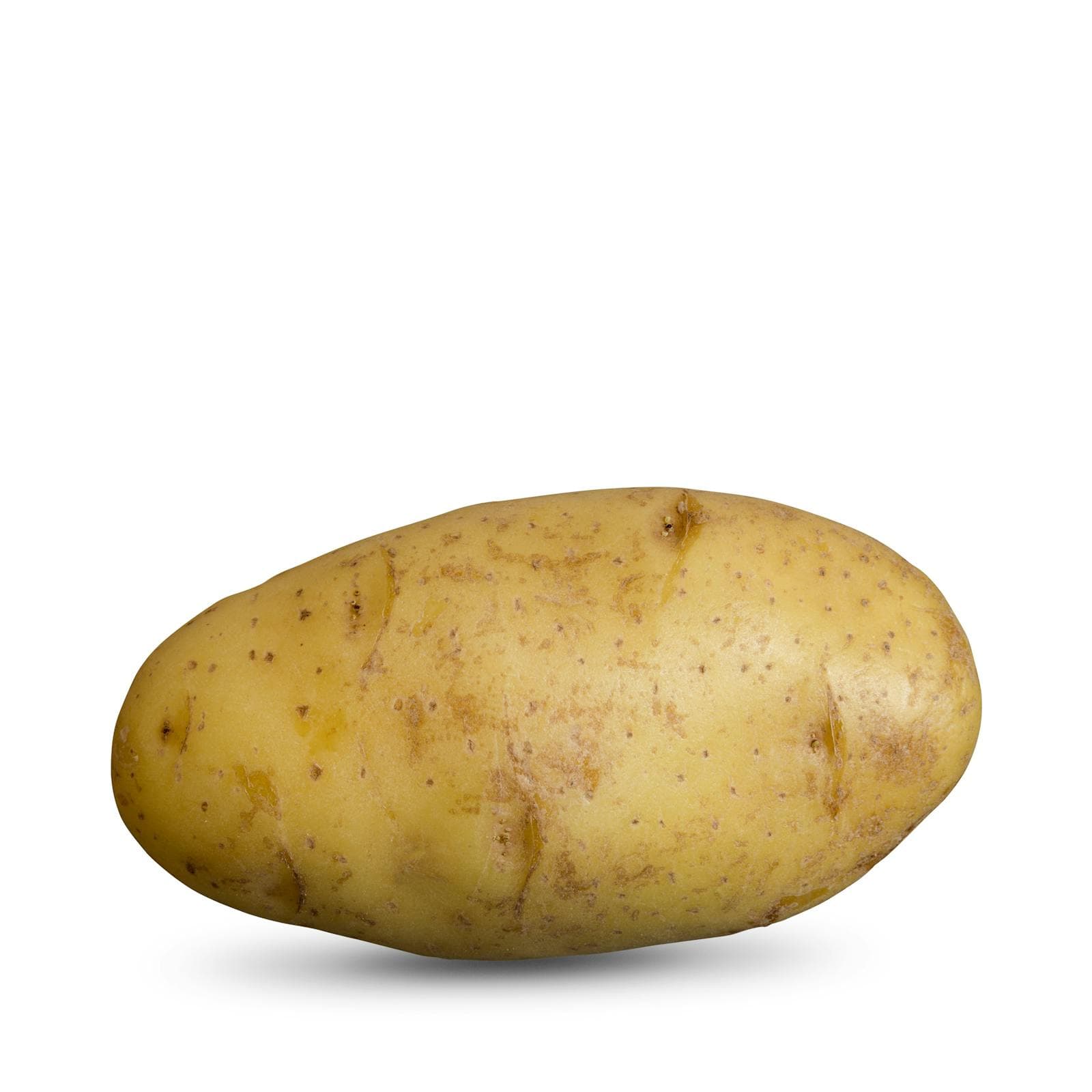 €0.40
€0.40Potato
210 g · Mercadona
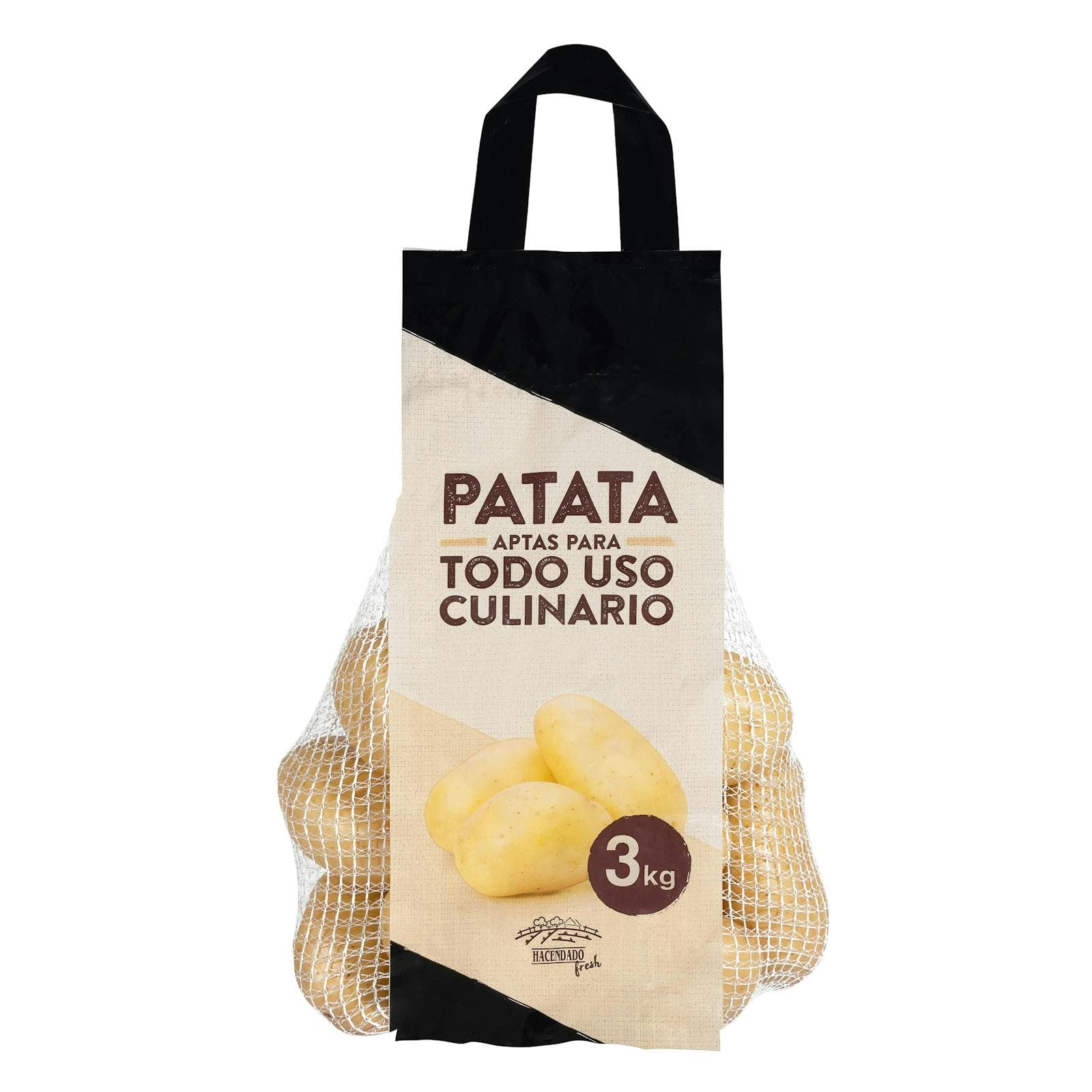 €4.65
€4.65Potatoes
3 kg · Mercadona
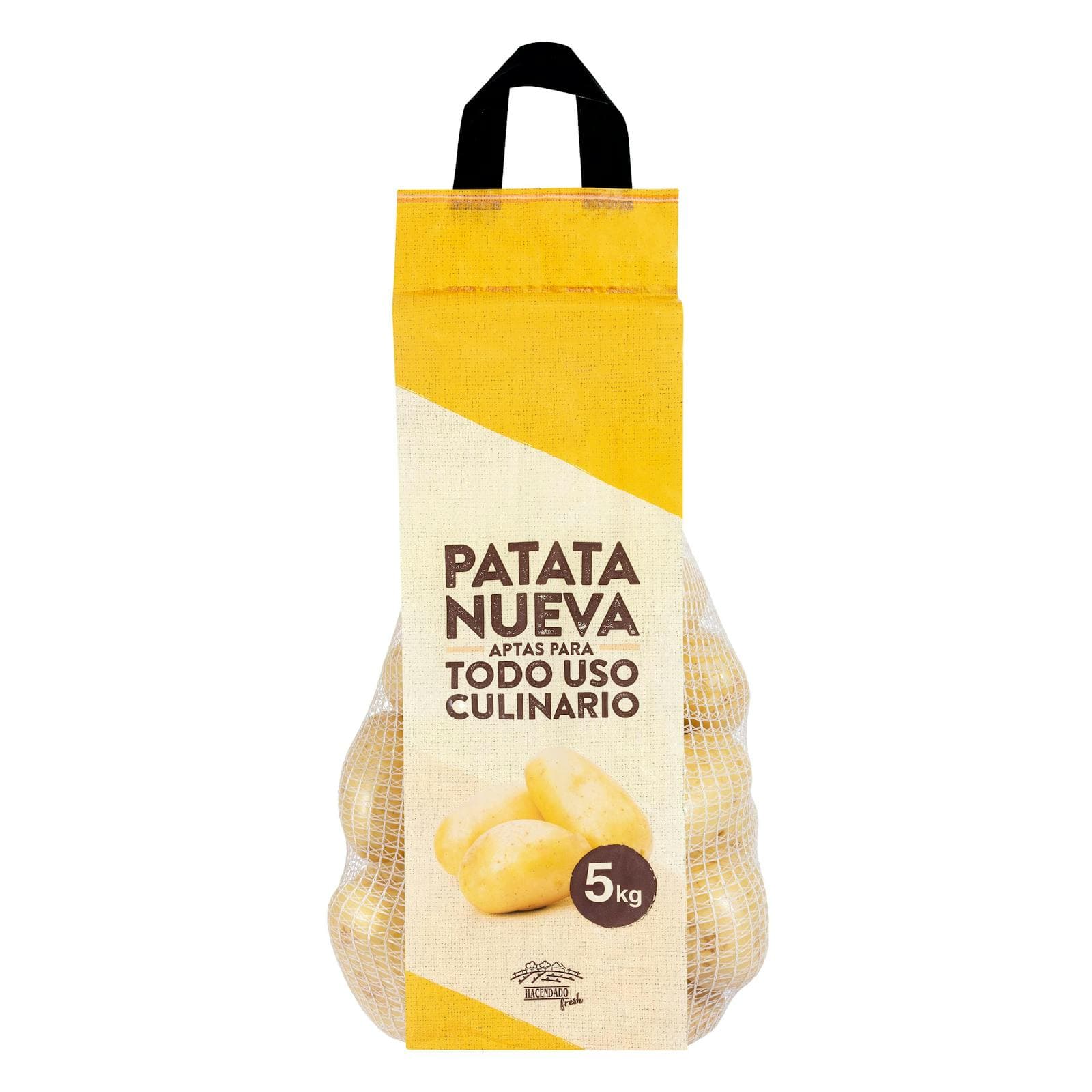 €5.60
€5.60Potatoes
5 kg · Mercadona
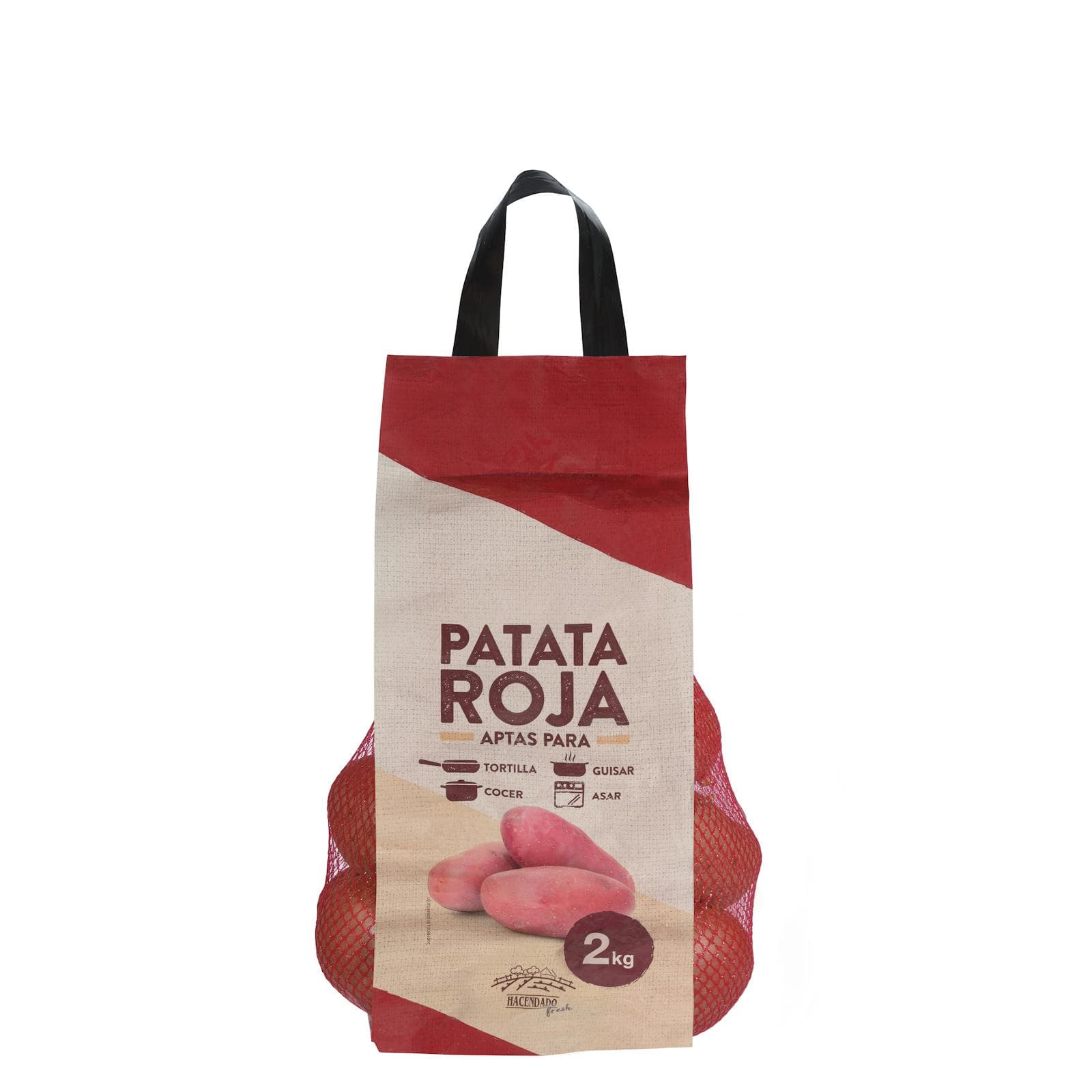 €3.80
€3.80Red Potatoes
2 kg · Mercadona
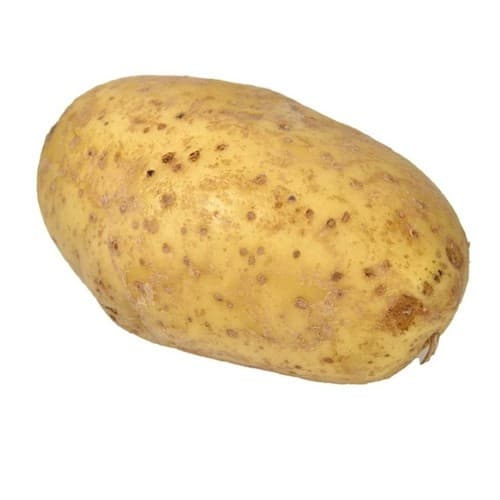 €0.45
€0.45Potato 1 unit
Bonpreu
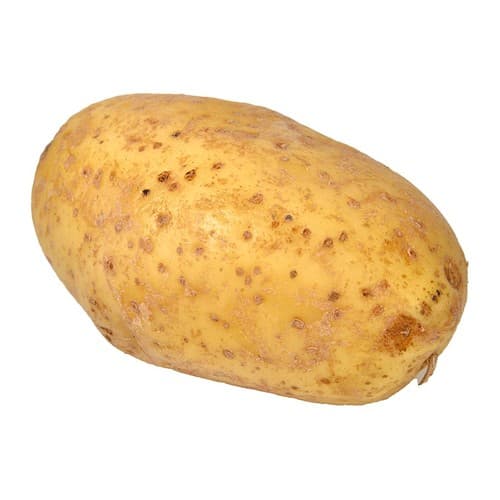 €0.70
€0.70Potato 1 unit
ud · Bonpreu
Good to know
- Type
- Tuber (Solanum tuberosum), waxy classification
- Origin
- Andes (South America) is birthplace of Solanum tuberosum; heirloom varieties cultivated in France, Austria, and Russia
- Shape
- Small, elongated, finger-shaped; 2–4 inches long, 0.5–1 inch diameter
- Weight
- 1–3 ounces each (roughly 6–10 per pound)
- Skin
- Thin, tender; ranges from yellow to pink, red, or purple depending on variety
- Flesh
- Dense, moist, waxy; yellow, pink, or purple interior
- Starch Content
- Low to medium (waxy to medium-waxy)
- Flavor
- Buttery, slightly nutty, faintly sweet when roasted; clean and bright when raw
- Peak Season
- Late summer through early autumn for fresh harvest; stored stock available year-round
- Storage
- Cool, dark, dry place (50–60°F); do not refrigerate; use within 2–3 weeks
- Yield
- Nearly 100% usable; thin skin is fully edible
- Difficulty
- Easy; forgiving—holds shape well through most cooking methods
Substitutes
- Baby new potatoes — Most direct substitute; similar waxy texture and small size. Yellow or reds work best.
- Yukon Gold — Acceptable when cut into finger-sized pieces; slightly higher starch but holds shape when roasted at high heat. Avoid if whole is required.
- Red Bliss potatoes — Waxy, thin-skinned, and holds shape; slightly rounder but comparable in potato salads and roasting applications.
- German Butterball — Waxy-medium; more elongated than true fingerlings but similar buttery flavor and cooking behavior. Good all-purpose substitute.
Related
Tomato
Juicy, sun-sweet fruit for sauces, salads, and slow-cooked depth
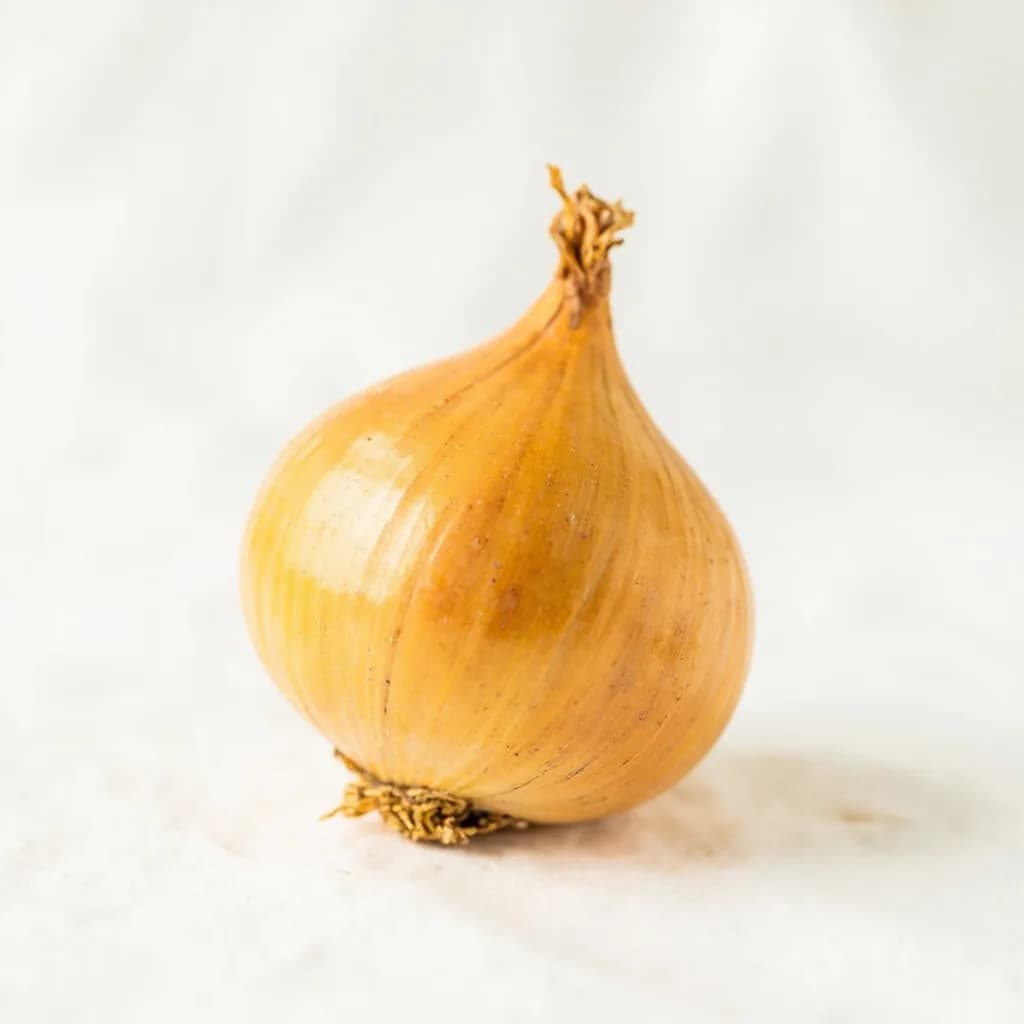
Yellow Onion
The aromatic backbone of soups, sofritos, and braises
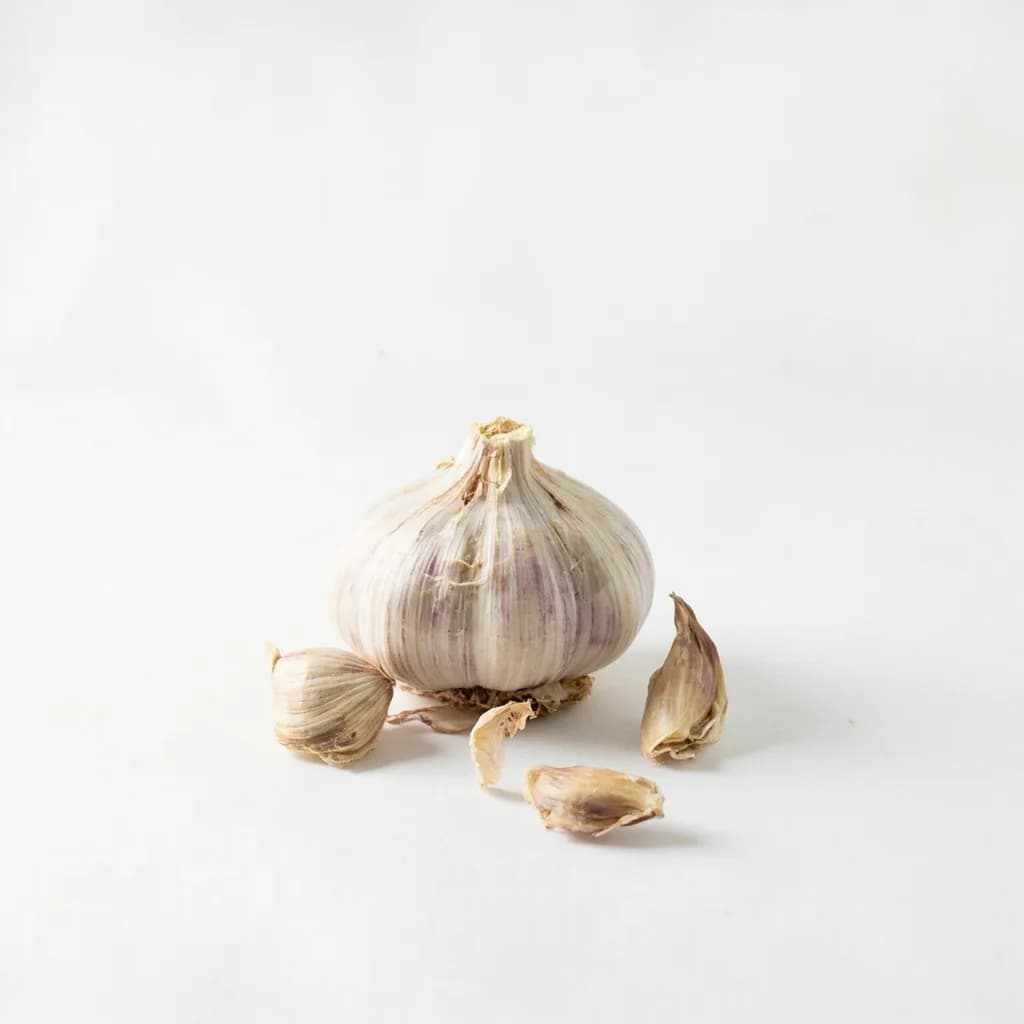
Garlic
Pungent cloves that perfume nearly every savory dish
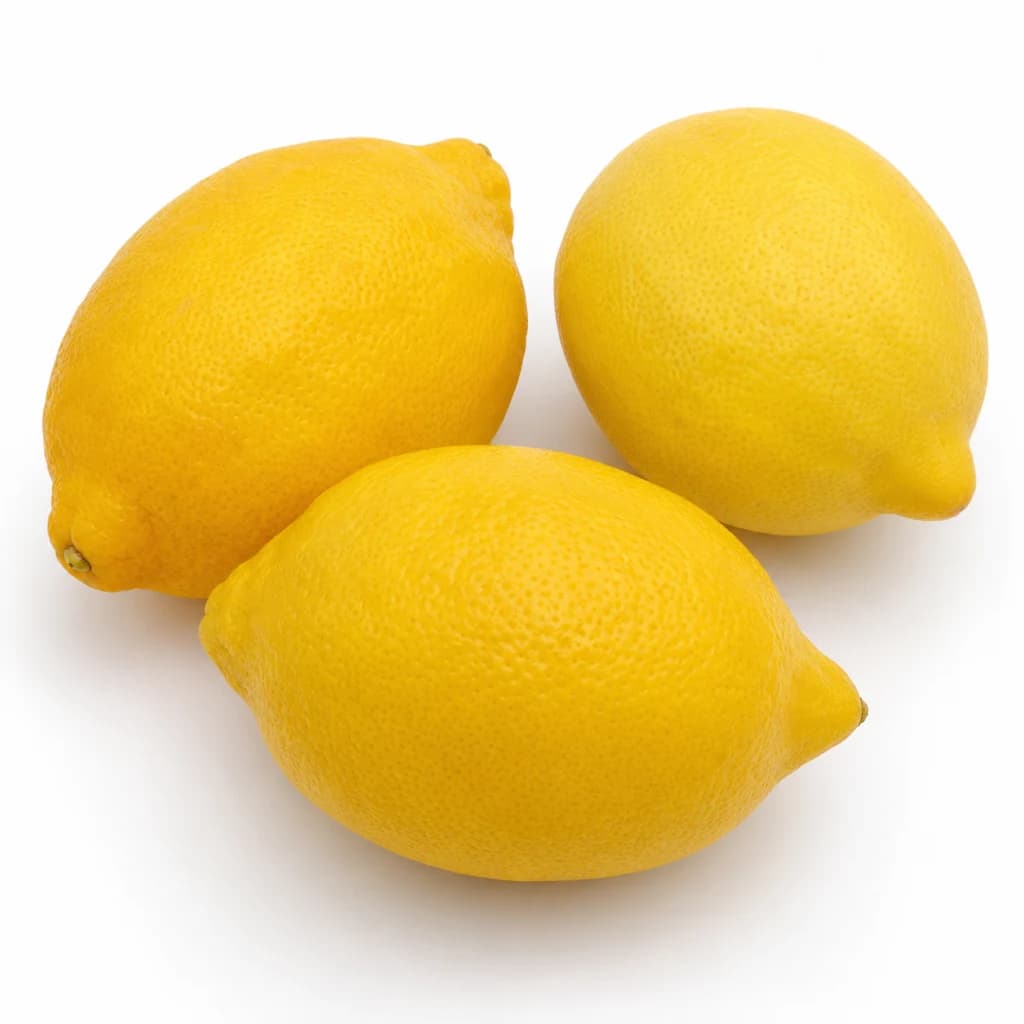
Lemon
Bright, acidic citrus that wakes up almost any dish
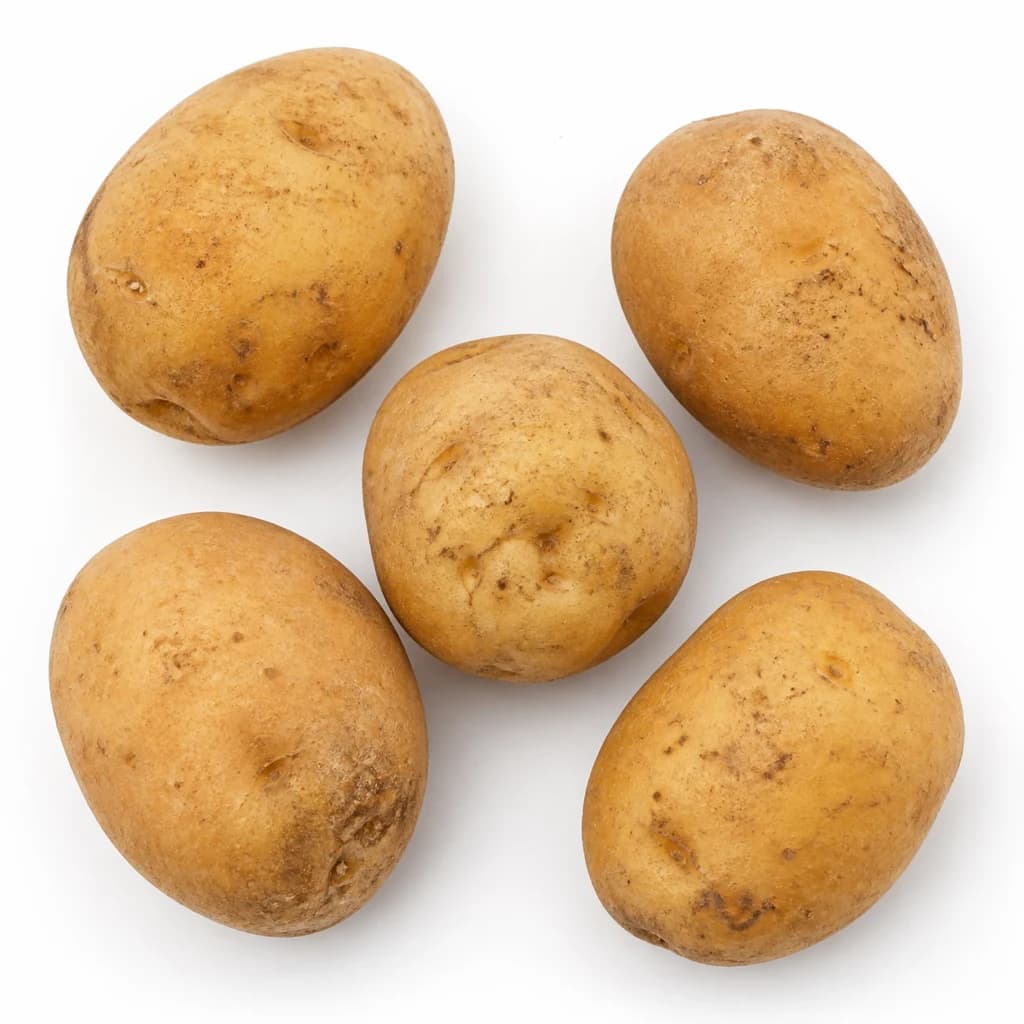
Potato
Humble, hearty staple — roast, mash, fry, or boil
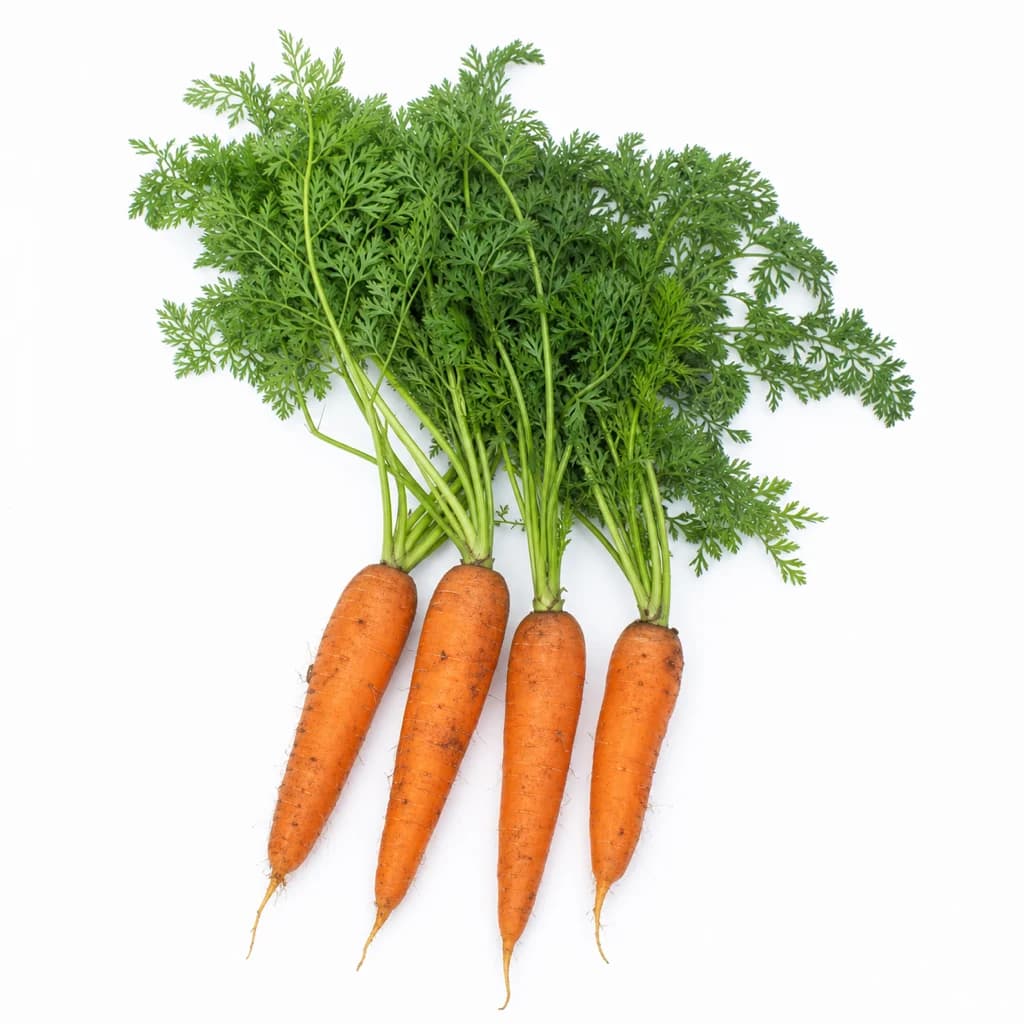
Carrot
Sweet, crunchy root — raw, roasted, or the base of a sofrito
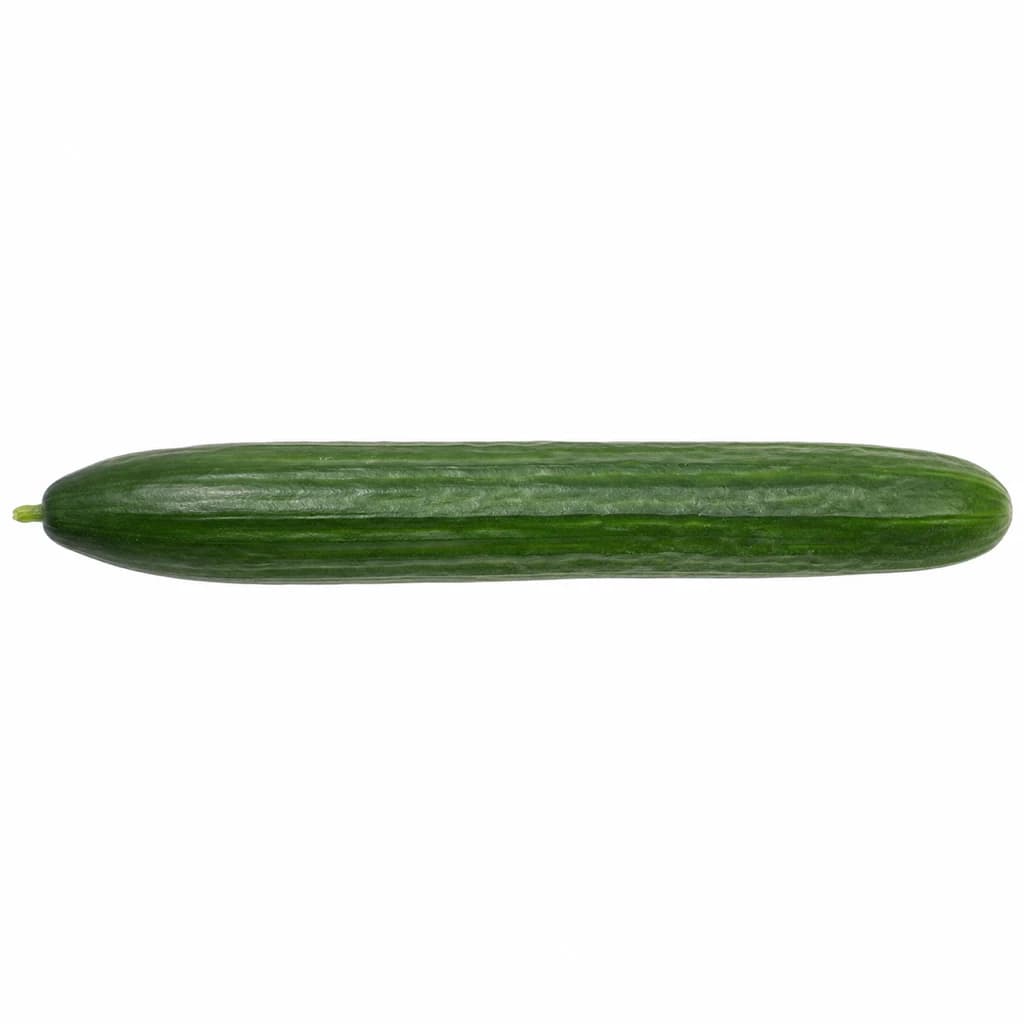
Cucumber
Cool, crisp, and watery — for salads, pickles, and tzatziki

Lettuce
Crisp leaves for salads, wraps, and a fresh crunch