Proteins
Dried Pork
Salt-cured, air-dried pork for long-keeping savory depth in stews.
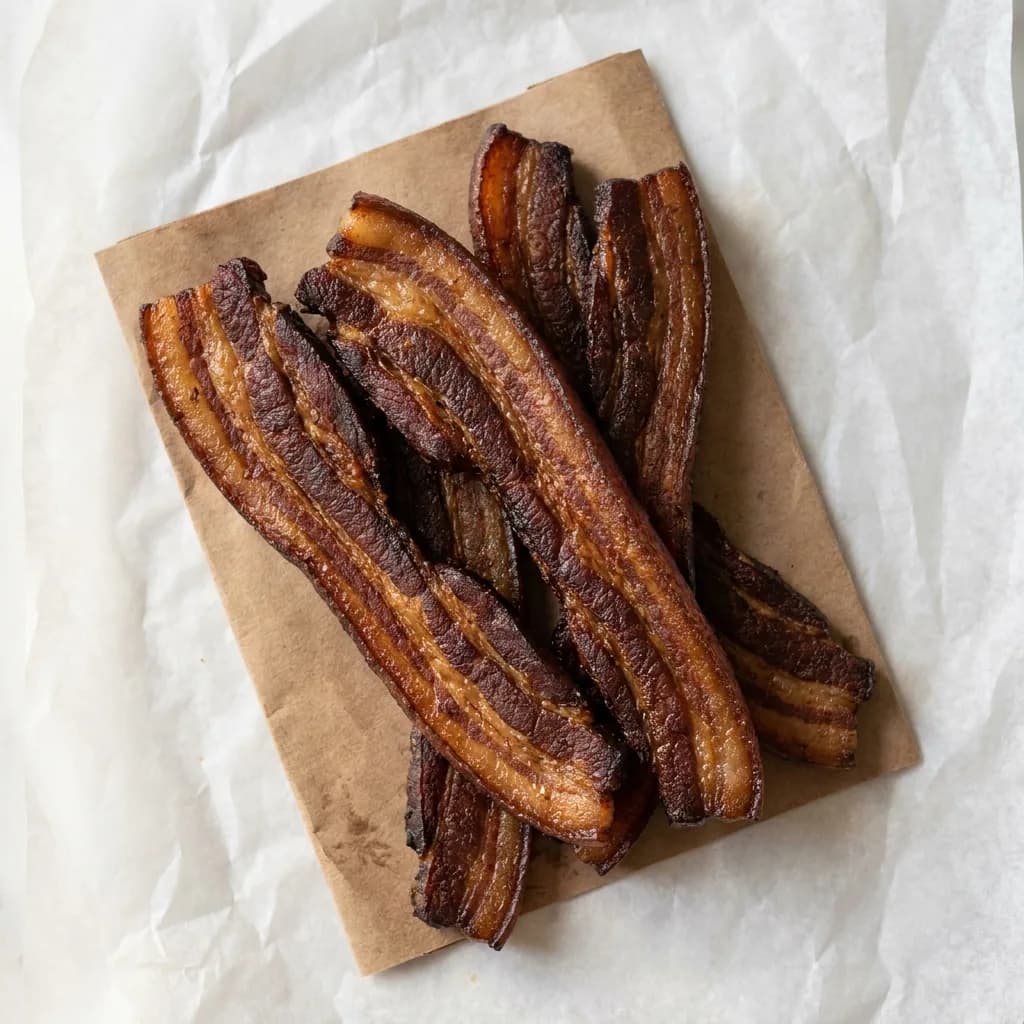
Dried pork is pork preserved by salting and air-drying, such as the Naga 'sikam'. It keeps without refrigeration and is added to stews and stir-fries where it slowly releases a smoky, intensely savory flavor. A little goes a long way to season a whole pot.
Dried pork is a category of preserved pork found across East and Southeast Asia, united by the principle of salt-curing and air-drying to concentrate flavor and extend shelf life without refrigeration. Unlike fresh pork, which contributes moisture and bulk to a dish, dried pork functions as a flavoring agent—it imparts a deep, almost meat-extract intensity that builds savory backbone in long-cooked preparations. The product is distinctly different from raw cured meats like prosciutto or serrano ham, which are meant to be sliced thin and eaten raw; dried pork is almost always cooked before serving, rehydrated and rendered into dishes rather than sliced thin and eaten as-is. Texture varies from slightly tacky and pliable to firm and leathery depending on the variety and how long it has been dried, and fat content determines whether the pork will melt luxuriously into a stew or remain chewy for textural contrast.
- Measured in
- g
- Storage
- Pantry
Types & varieties
Made from pork belly or shoulder, rubbed with salt and five-spice, air-dried 2–4 weeks; glossy, dark, intensely savory—ideal for stews and braises
Thinly sliced pork marinated in fish sauce, sugar, and lemongrass, then sun-dried; chewy texture, sweet-salty balance—excellent in rice dishes and stir-fries
Cured pork slices, sometimes partially dried; used in sinigang and adobo variants—milder saltiness than other styles
Lean pork sliced thin, marinated, then dehydration-dried; distinctly different from fatty dried pork varieties—better for textural contrast than long-cooking applications
Salt Extraction Before Cooking
The most critical step with dried pork is reducing its saltiness before adding it to a dish. Rinsing alone is insufficient for heavily cured pieces. After an initial 30–60 minute soak, change the water and simmer the rehydrated pork in fresh liquid for 10–15 minutes. This double-extraction draws interior salt to the surface and gives you control over final seasoning. Discard the extraction liquid—it carries concentrated salt and any impurities from the curing process. The pork will have plumped and softened slightly; it is now ready to be rendered, braised, or chopped and added to your dish.
- Simmering extraction liquid can be salted and used as a minimal cooking liquid for rice if you want to capture every bit of pork essence, but only if the pork was not heavily cured
- For milder dried pork (Filipino tapa-style), a single 30-minute soak may suffice; taste a piece after soaking to check saltiness before committing to a full extraction
Choosing the Right Variety for Your Dish
Fat content is the primary determinant of how dried pork will behave in cooking. Pork belly-style dried pork (the Chinese Gan Bei Rou and many commercial varieties) contains enough intramuscular fat to render smoothly into stews, soups, and braises, creating a glossy, unctuous sauce. Lean dried pork and pork jerky, by contrast, will remain chewy even after prolonged cooking—use these in dishes where you want distinct pieces that retain some bite, such as fried rice, stir-fries, or noodle soups where they are added just before serving.
- For clay pot rice and congee, a medium-fat dried pork works best—it flavors the dish without disintegrating entirely
- For fried rice and noodle dishes where you want textural contrast, use lean dried pork and add it near the end of cooking so it softens without becoming mushy
Common uses
Tips & pitfalls
- Always rinse dried pork under cold water and soak 30–60 minutes before cooking to remove surface grime and reduce excessive saltiness
- Simmer rehydrated pieces in fresh water or stock for 10–15 minutes, changing liquid once, to draw out more salt before adding to dishes
- Store in airtight containers in the refrigerator; keep a desiccant packet in the container to prevent moisture absorption and spoilage
- Fat content matters: fattier cuts (belly) render into dishes beautifully and are best for long-cooking; lean cuts stay chewier and are better for slicing thin or adding to fried dishes
- When buying, select pieces that are firm with no tackiness, off-odor, or slimy film—these indicate spoilage or improper storage
- Commercial dried pork varies widely in saltiness; taste a small piece after rehydration and adjust seasoning accordingly in your dish
- Dried pork can be ground or chopped fine and fried in oil as a flavoring base (like bacon fat) before adding other ingredients
- Do not skip the simmering extraction step even if you are using the pork in a long-cooked stew—the salt concentration will unbalance the dish
- Fatty dried pork can be rendered slowly in a dry pan to create crispy bits and pork fat for cooking; use this technique as a starting point for stir-fries
Nutrition
Energy
3130 kJ · per 100 g
Where the calories come from
Protein
5.1g
10% DV
Carbs
0g
0% DV
Fat
80.5g
103% DV
Fiber
0g
0% DV
Sugars
0g
of which
Sodium
2684mg
117% DV
Source · USDA FoodData Central · Pork, cured, salt pork, raw
View on FDC →In the shops
Matched grocery products
 €2.20
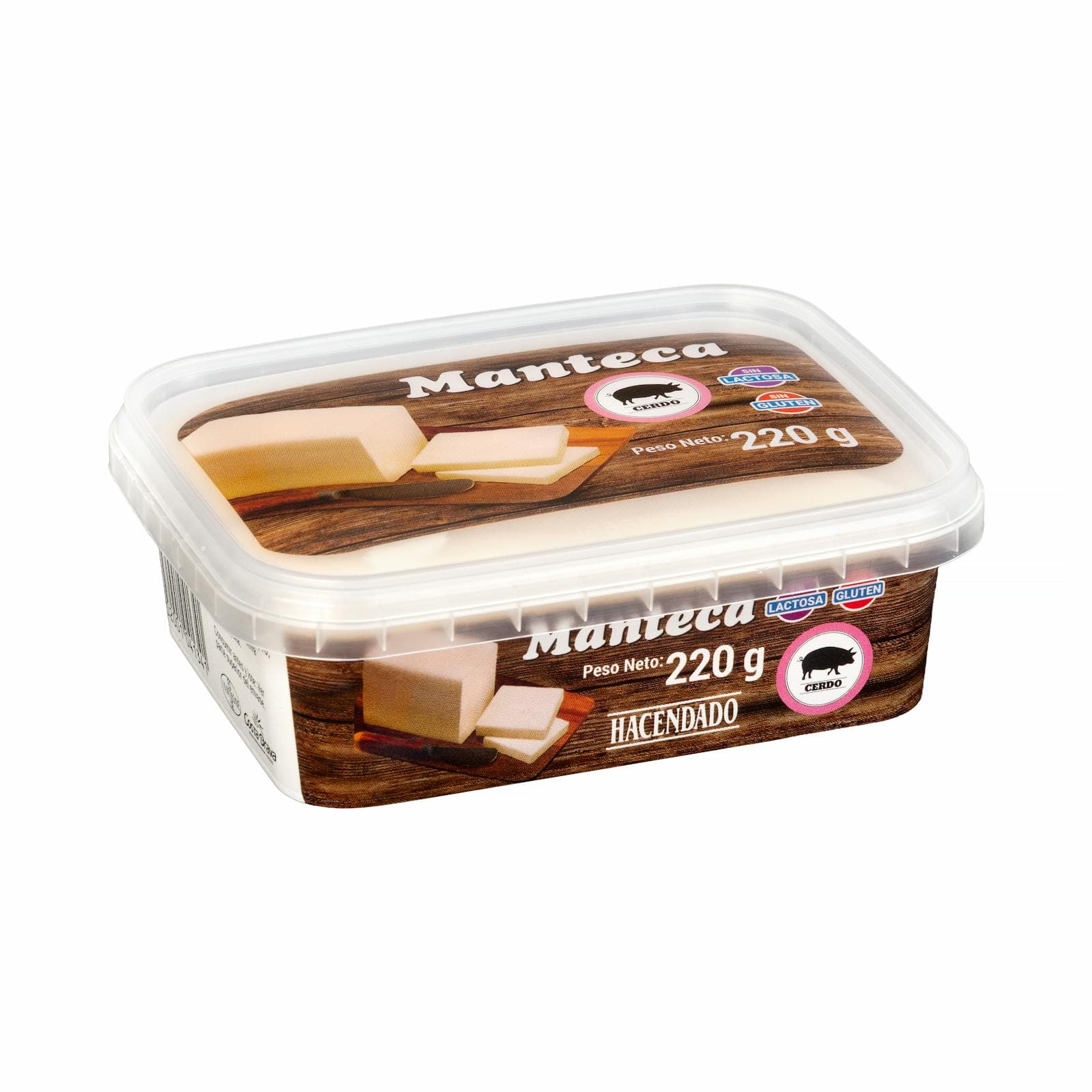
€2.20Pork Lard
Hacendado · 220 g · Mercadona
 €3.40
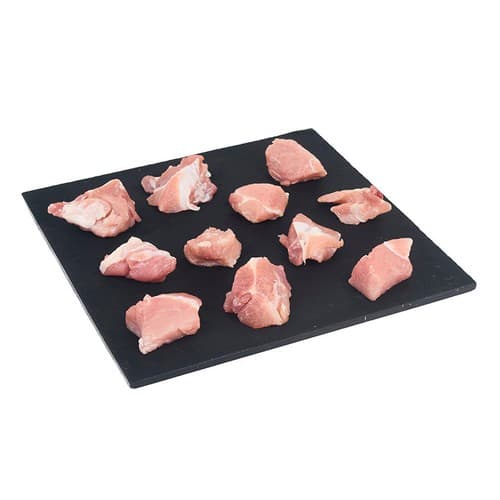
€3.40Pork Stew
BONPREU · ud · Bonpreu
 €3.45
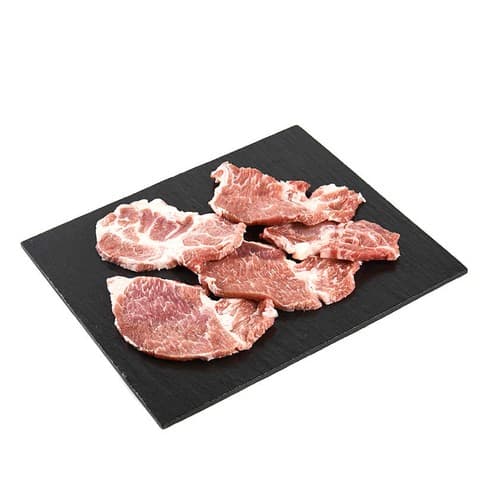
€3.45Lean Pork
BONPREU DE L'ERA · ud · Bonpreu
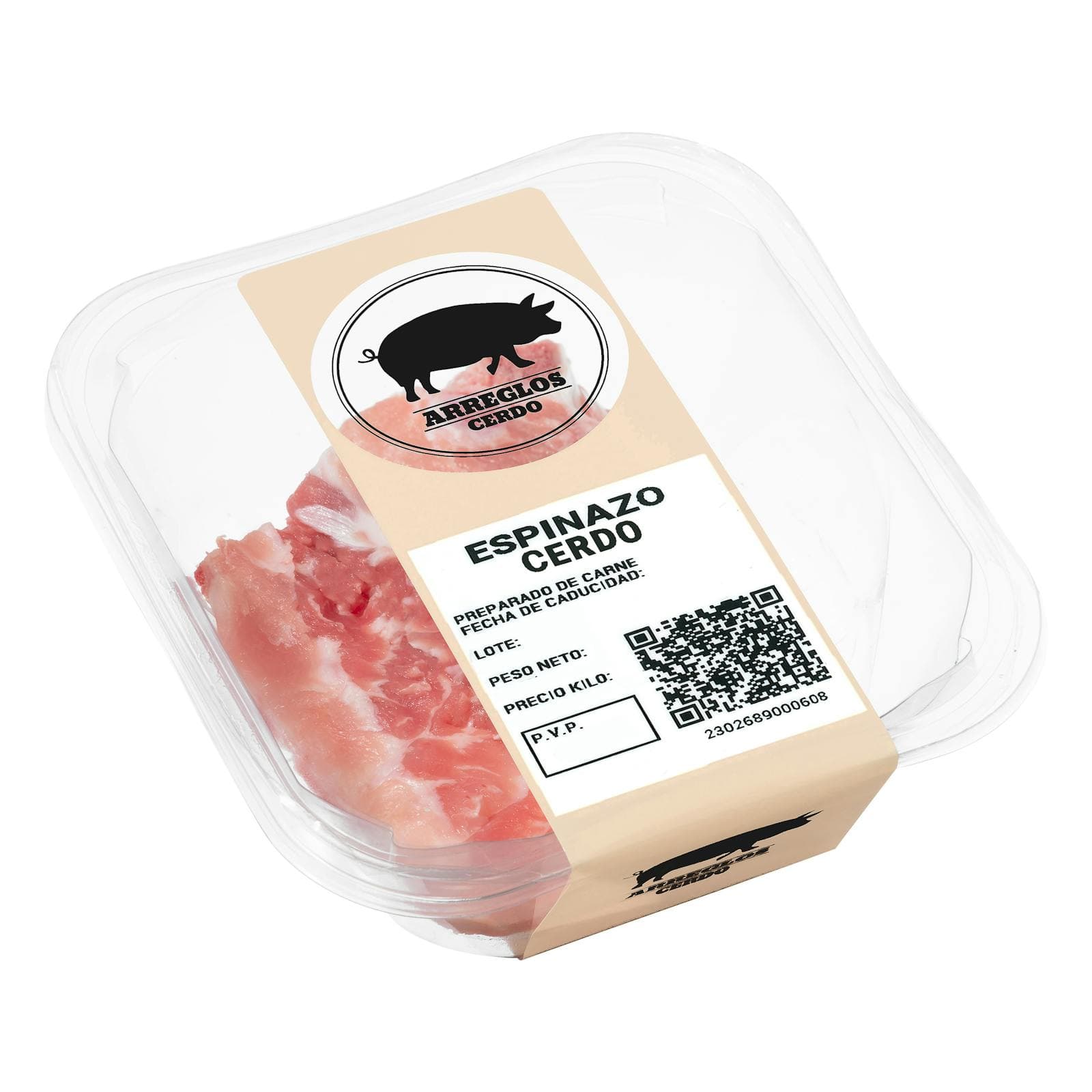 €2.10
€2.10Pork Spine
300 g · Mercadona
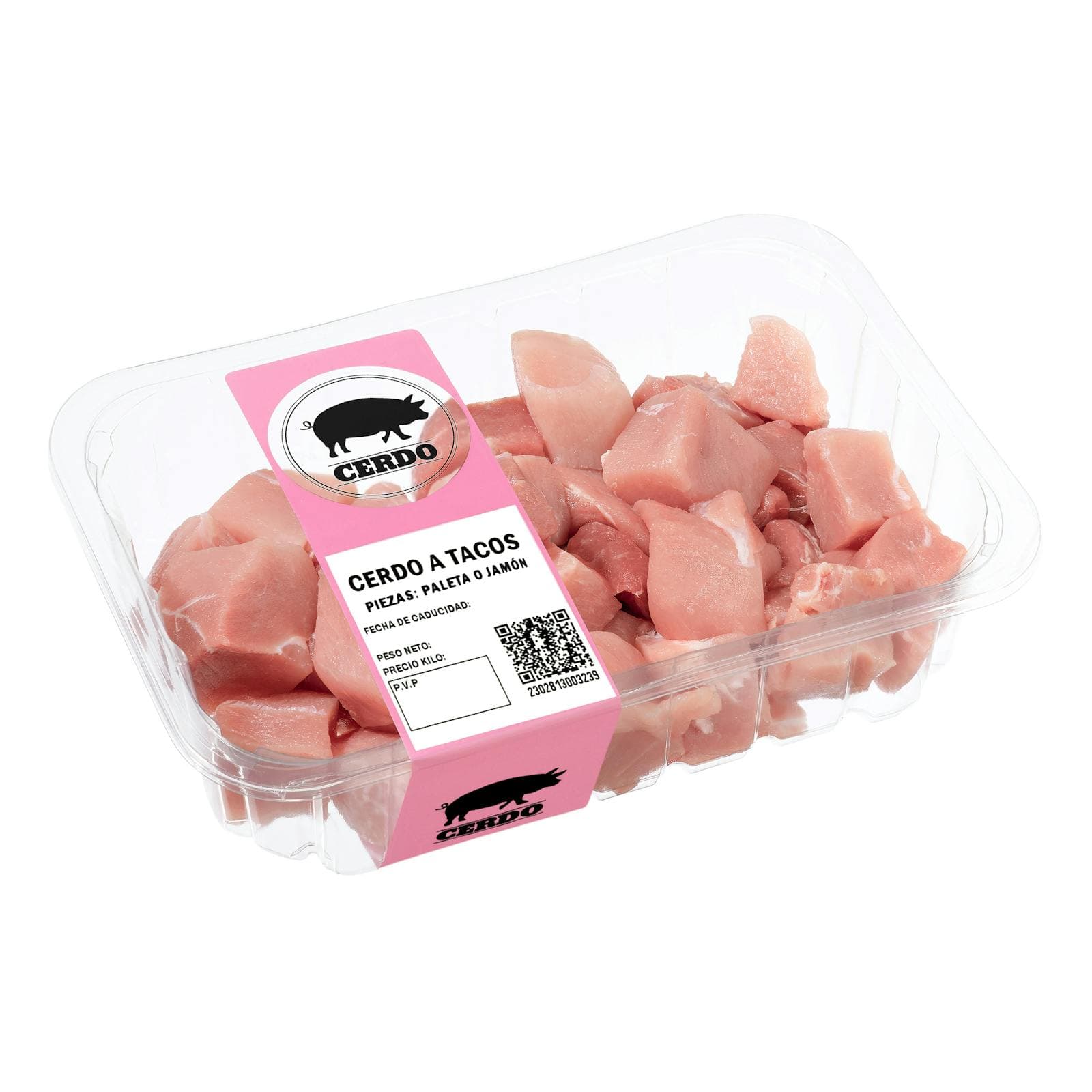 €3.22
€3.22Diced Pork
560 g · Mercadona
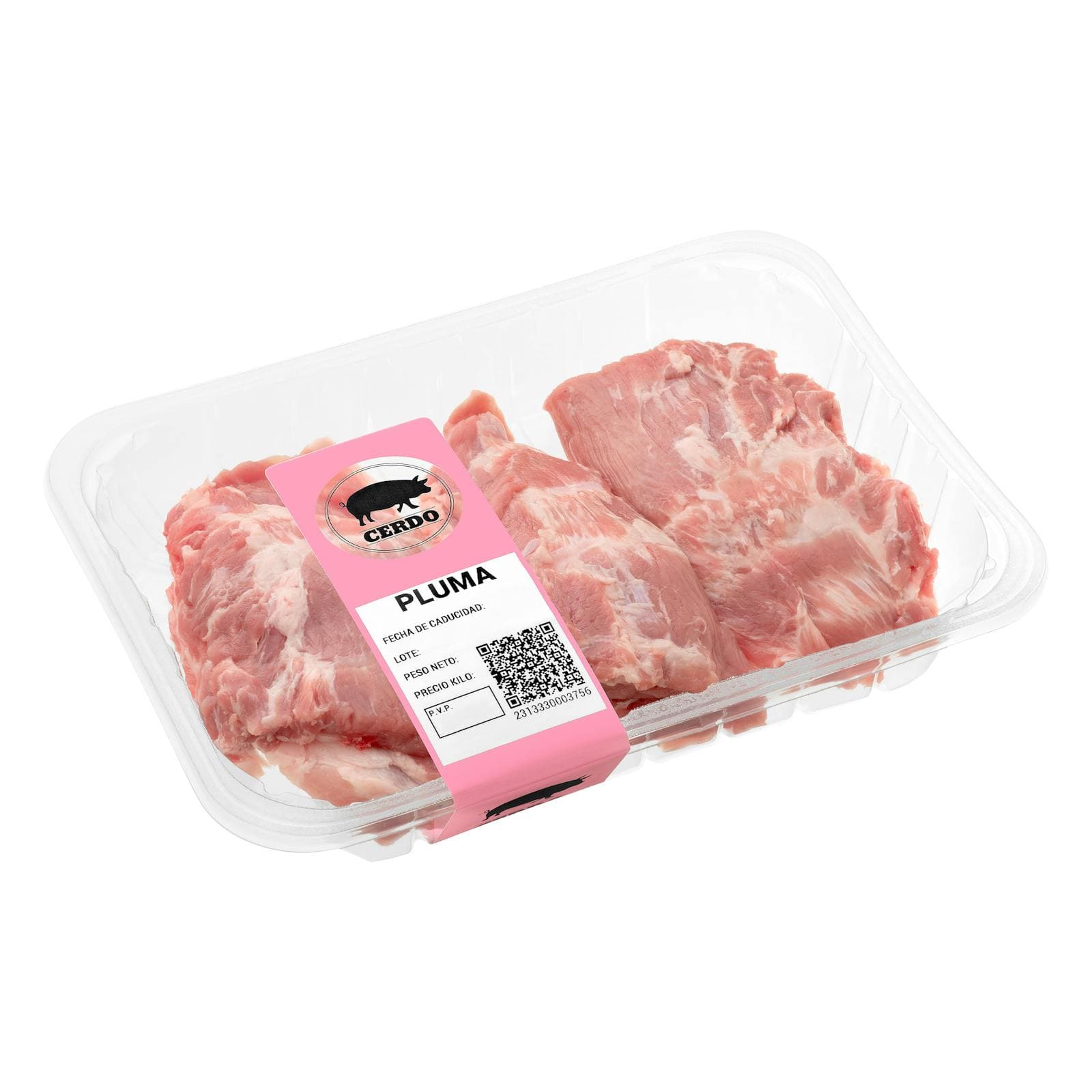 €3.75
€3.75Pork Pluma
300 g · Mercadona
Good to know
- Definition
- Salt-cured, air-dried pork preserved for extended shelf life and concentrated flavor
- Common Cuts
- Pork belly, shoulder, and loin; fat content varies by variety
- Primary Regions
- China, Vietnam, Philippines, and other East and Southeast Asian cuisines
- Shelf Life
- 6–12 months refrigerated in airtight containers
- Flavor Profile
- Savory, umami-rich, intensely porky, mildly to moderately salty; texture ranges from pliable to firm and leathery
- Salt Content
- High (5–10% by weight typical for curing)
- Prep Before Use
- Rinse, then soak or simmer to remove excess salt and rehydrate
- Moisture Loss
- 30–50% moisture loss during drying
Substitutes
- Pancetta — Italian cured pork belly; use half the quantity as it is saltier and wetter; render slowly before adding vegetables
- Lardo — Cured pork fatback; less meaty flavor but provides similar unctuousness; best when combined with a small amount of prosciutto for depth
- Chinese Sausage (Lap Cheong) — Cured and dried pork sausage; different texture but similar savory-sweet intensity; slice and cook the same way
- Prosciutto — Air-dried ham; lower fat than most dried pork; use as a flavor base, finely chopped or rendered
- Bacon (thick-cut, lean) — Less dried in texture but provides salt and pork flavor; cook until very crisp before using as a base
Pairs with
Also called
Dried Pork (Sikam) · Sikam · Cured Pork
Appears in these dishes

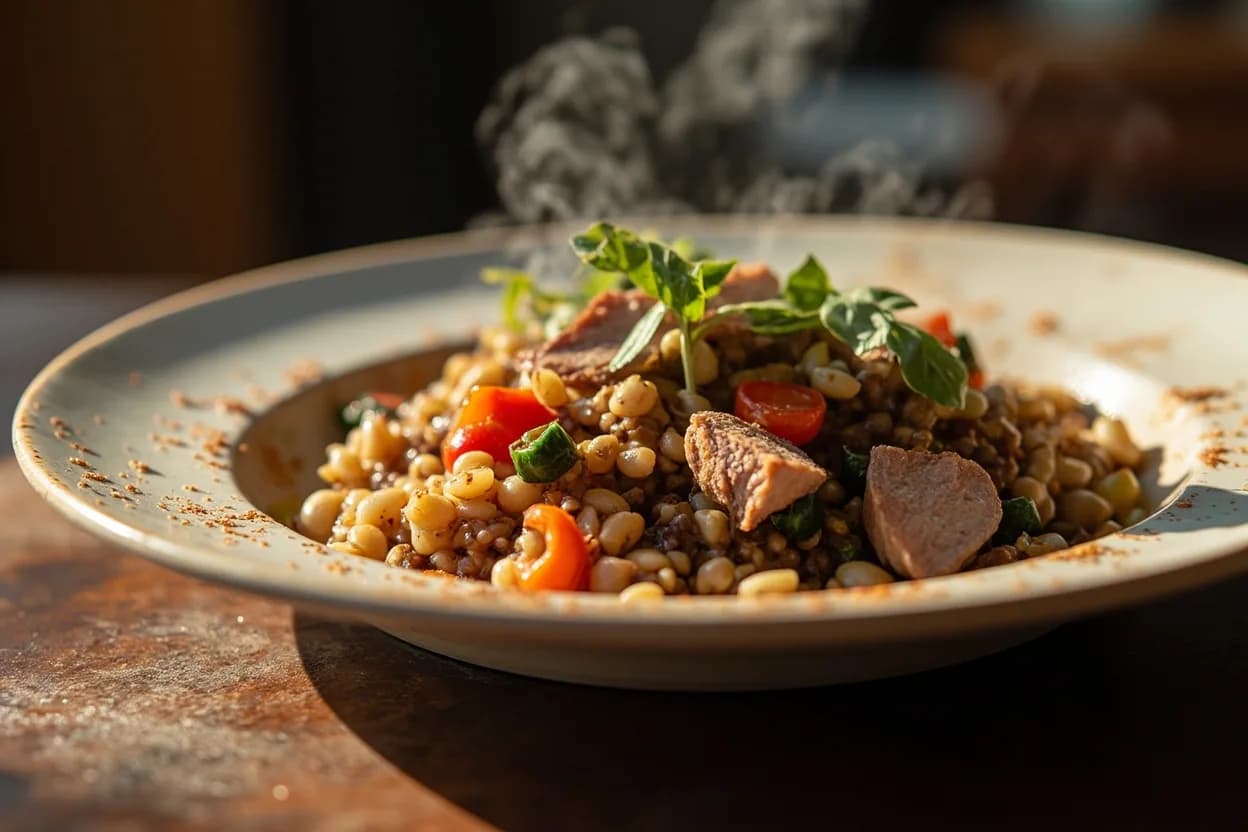
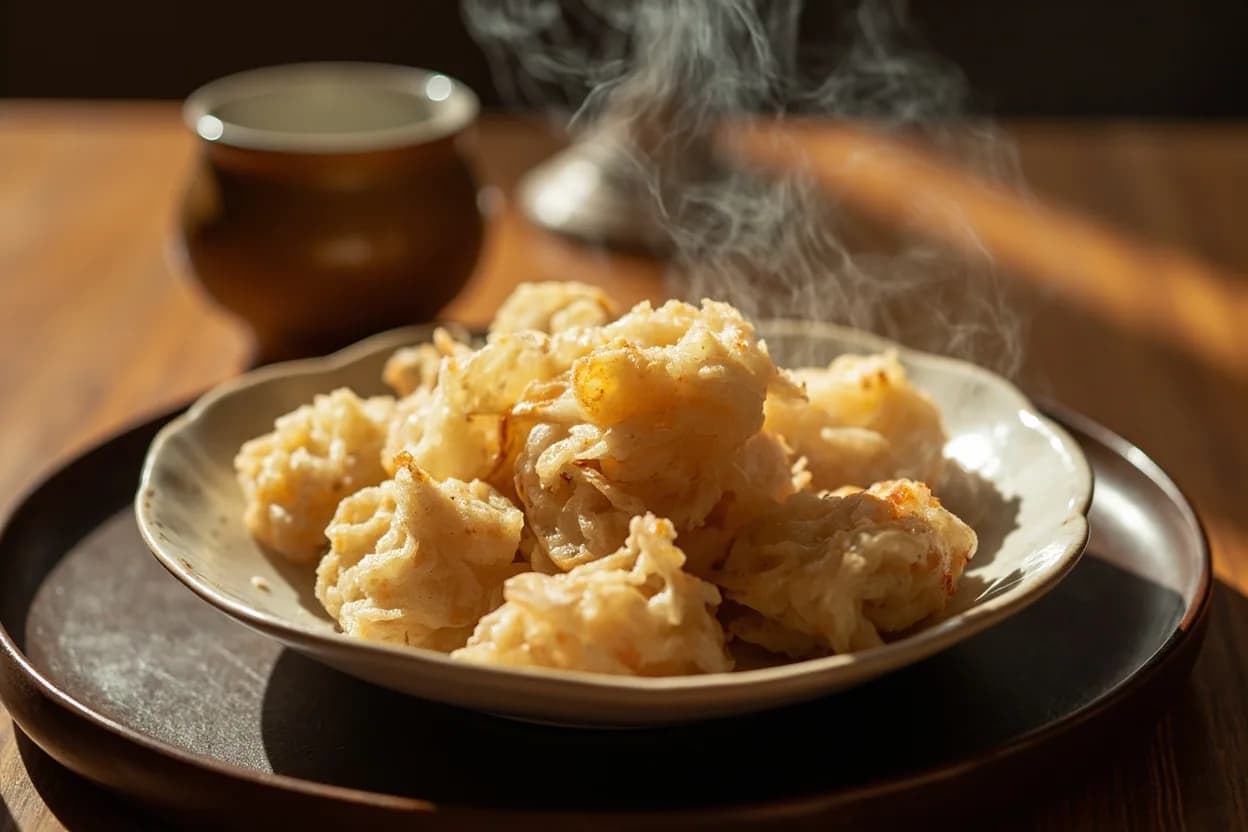
Related
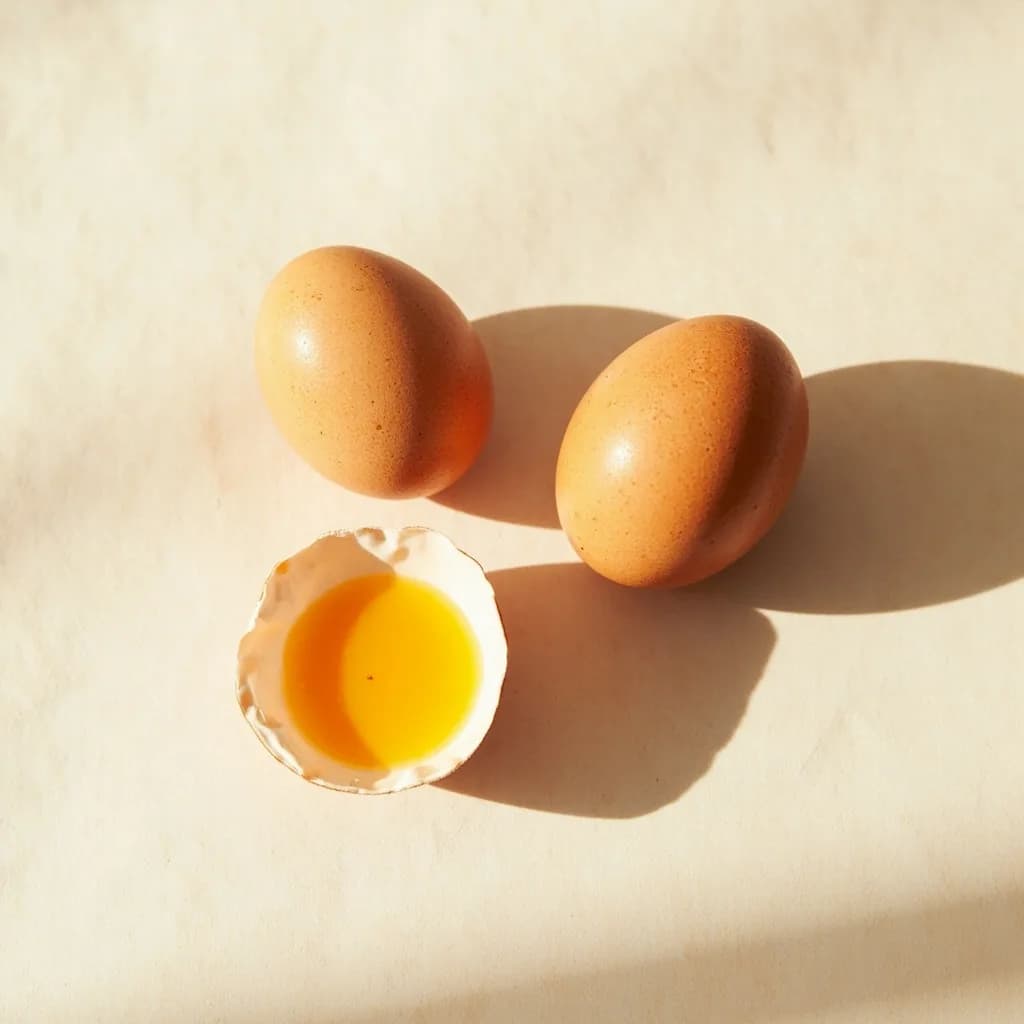
Egg
The kitchen's everything ingredient — bind, leaven, enrich, or fry
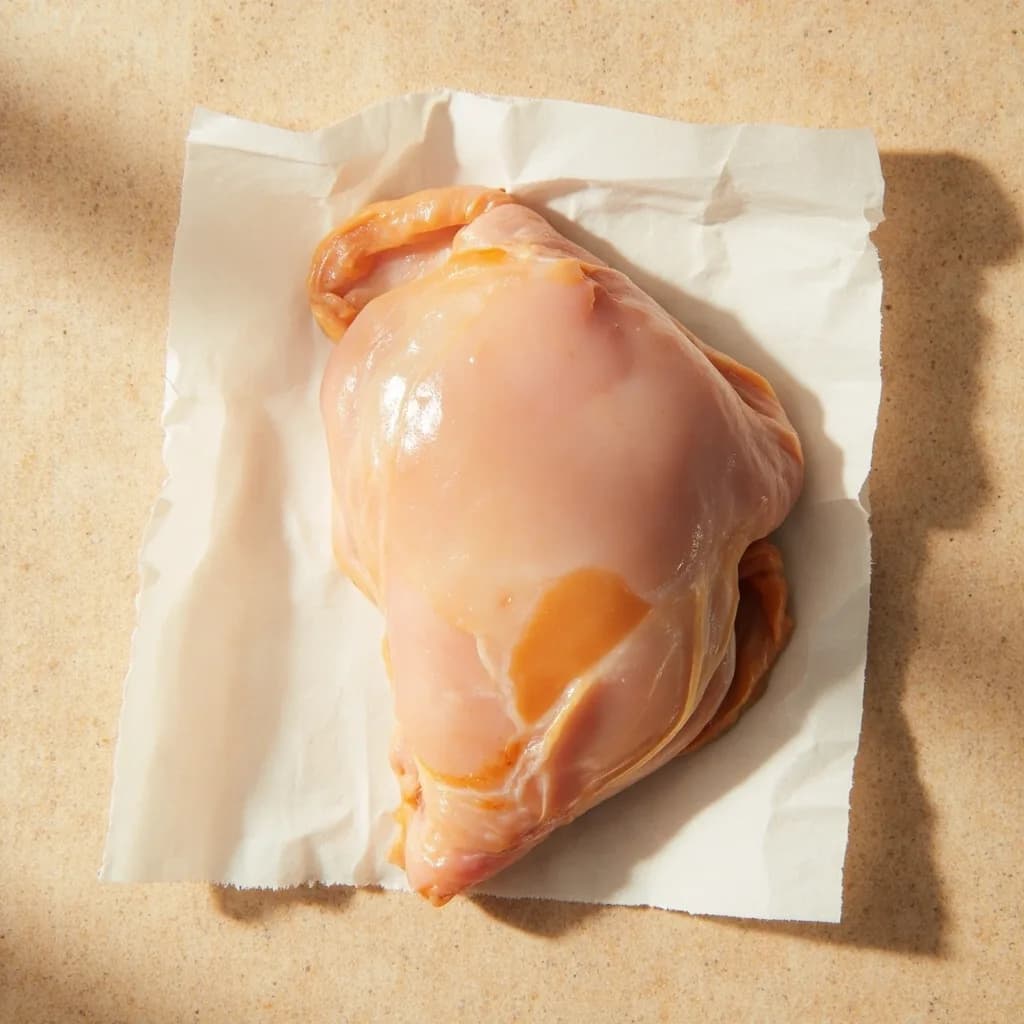
Chicken Breast
Lean, quick-cooking white meat for everyday dinners

Ground Beef
Versatile minced beef for burgers, ragù, tacos, and meatballs
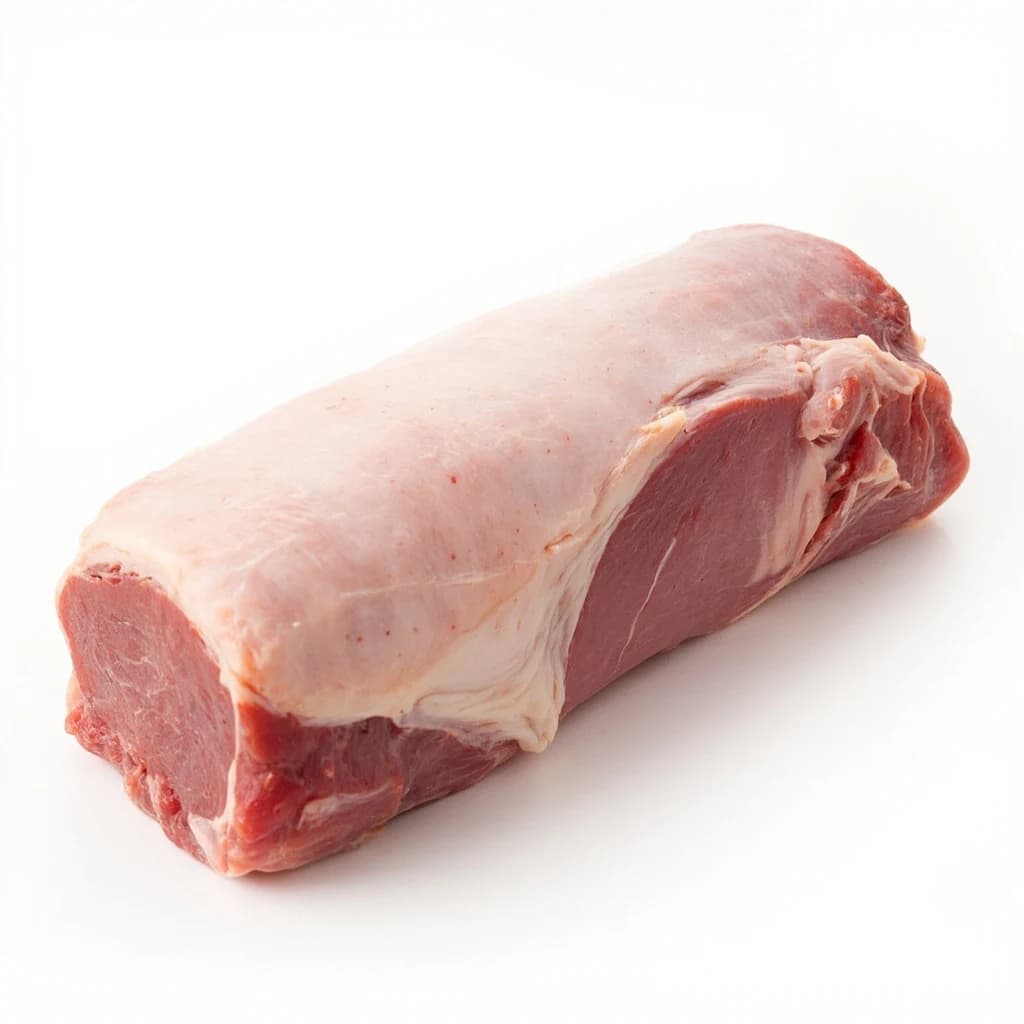
Pork Loin
Lean, tender roasting cut that stays juicy with care
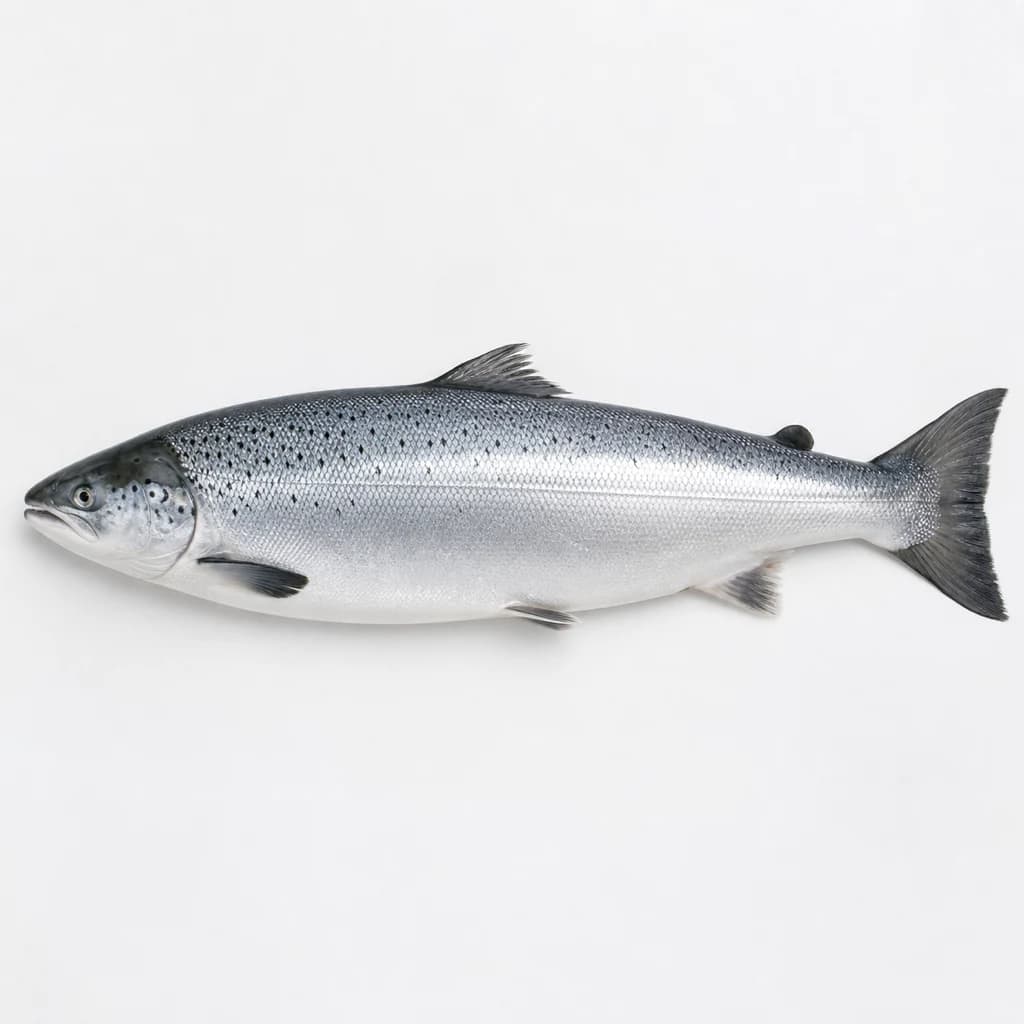
Salmon
Rich, rosy fish that roasts, grills, or cures beautifully

Egg White
Pure protein that whips to airy peaks for meringue and more

Egg Yolk
Rich, golden yolk for custards, mayonnaise, and pasta

Quail Egg
Tiny, speckled eggs for garnishing and elegant bites