Proteins
Chinese Sausage (Lap Cheong)
Sweet-savory dried pork sausage, sliced thin and steamed with rice or stir-fried.
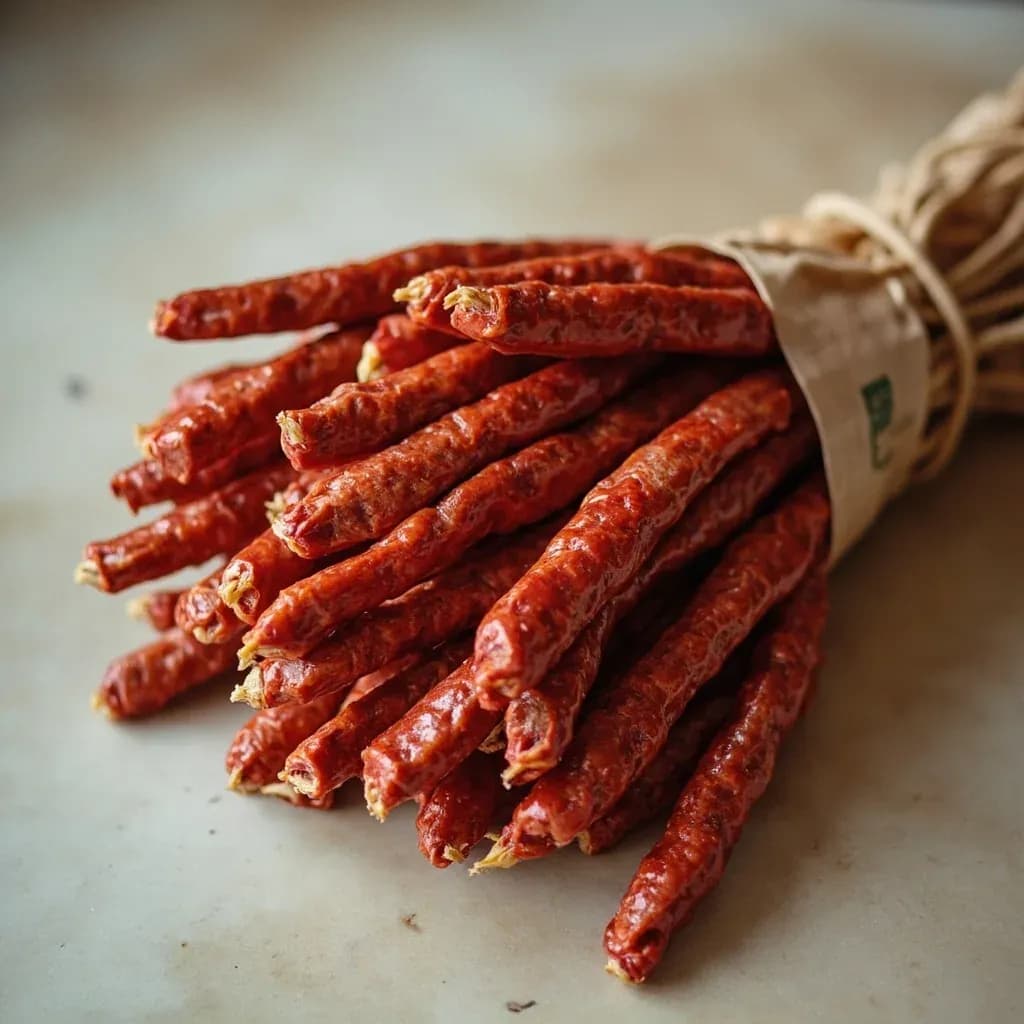
Chinese sausage, or lap cheong, is a dried, hard pork sausage flavored with soy sauce, rice wine, and sugar, giving it a characteristic sweet-savory taste. It is typically steamed atop rice (claypot rice), sliced into stir-fries, or added to fried rice and sticky rice dumplings. Firm and a touch chewy when raw, it turns glossy and fragrant once heated, releasing rendered fat that flavors the dish.
Chinese Sausage (Lap Cheong) is a dried, cured pork sausage that originated in Guangdong Province, Southern China, with documented presence in Ming Dynasty food texts. It belongs to the larou (臘肉) family of preserved meats. The character 臘 originally referred to dried or preserved meat, and during the cold months of the twelfth lunar month, traditional curing could proceed without refrigeration, cementing the association with winter preservation. The sausage is made from pork belly or shoulder with 15–25% fat, encased in thin natural pork intestine, and colored deep reddish-brown through soy sauce and optional red rice wine. What distinguishes lap cheong from Western dry sausages is its balance of sweetness (5–10% sugar), high salt content (3–4% sodium), and rich pork fat—a combination that develops extraordinary depth when the fat renders and caramelizes during cooking. The sausage is fully cooked during curing but is always cooked again before serving, whether steamed until the fat melts into rice, stir-fried until edges crisp, or charred over high heat. Regional variants differ subtly: Hong Kong versions lean sweeter and darker with more soy sauce, while Taiwanese lap cheong tends toward slight spiciness and often incorporates Portuguese-style red wine in the cure. When selecting, ensure casings are intact without cracks and avoid links with excessive white powdery bloom (minor crystalline fat on the surface is acceptable).
The Pearl River Delta's humid climate necessitated lap cheong's higher sugar and salt content compared to Northern Chinese sausages for successful preservation. This balance of curing agents gives the sausage its remarkable shelf stability—2–3 months unrefrigerated when dry and sealed, up to one year in the refrigerator, and indefinite in the freezer. In Cantonese and dim sum kitchens, the standard preparation involves brief steaming to order, followed by a hot wok-toss to finish. The rendered fat is not incidental but essential: it carries the sweet-savory depth that defines the sausage's character. Treat it as a flavoring agent that happens to contain meat, not merely a protein to be cooked.
- Measured in
- g
- Storage
- Fridge
Allergens
Types & varieties
The standard pork sausage; sweet-savory, slightly chewy; the most widely available variety internationally
Smoked variant; deeper color, smoky undertone; more common in Hong Kong and Taiwan
Four-fat sausage; higher pork fat ratio (~30–40%); richer, more unctuous texture when cooked
Liver sausage; pork liver blended into the forcemeat; earthier flavor, darker interior; popular in Cantonese dim sum
Duck meat sausage; made with duck instead of pork; gamier flavor, darker color
Shiitake mushroom sausage; vegetarian adaptation using mushroom stem puree for texture; common in Buddhist cuisine
Dried fish sausage; fish blended with pork fat; more common in coastal Guangdong and Fujian provinces
Selecting and Storing Lap Cheong
Choose links with intact, uncracked casings and a deep, even reddish-brown color throughout. Minor white crystalline fat on the surface (primarily unsaturated fats that have solidified) is acceptable and does not indicate spoilage. Excessive white powdery bloom, however, suggests prolonged improper storage. The sausage should feel firm but slightly yielding when squeezed. Avoid any links with an off smell, slimy residue, or visible mold discoloration. When purchasing from Asian markets, check the packaging date and buy from high-volume retailers where turnover is rapid. Before first use, rinse each link briefly under cold water and pat dry with paper towels to remove any surface dust or preservatives accumulated during storage and shipping.
- Check casing integrity—cracks allow moisture and bacteria inside
- Slight white fat bloom is normal; excessive powder suggests poor storage
- Rinse and pat dry before first use to remove surface preservatives
- Smell test: any sour or ammonia-like odor indicates spoilage
The Curing Process and Why It Matters
Lap cheong achieves its distinctive sweet-savory profile through a curing process that combines salt, sugar, soy sauce, and often Shaoxing rice wine. The high sugar content (5–10%) distinguishes it from Northern Chinese cured meats and aids in browning during cooking through Maillard reaction and caramelization. The salt acts as both preservative and flavor agent, contributing to the sausage's long shelf life without refrigeration. The soy sauce adds umami depth and the characteristic dark color, while the rice wine imparts subtle floral notes that amplify during cooking. Because the sausage is fully cooked during curing, the traditional practice of always cooking it again before serving serves to render the fat, develop crispy edges, concentrate flavors, and warm it to serving temperature. This second cooking is essential for texture—the fat must be rendered and partially caramelized to achieve the characteristic sweet-savory depth that defines properly prepared lap cheong.
- Fully cooked during curing—always cook again before serving
- High sugar enables Maillard browning and caramelization
- Soy sauce adds umami depth and dark color
- Rice wine in the cure imparts floral notes that amplify with heat
Common uses
Tips & pitfalls
- A 45° bias cut creates oval slices with more surface area for browning and a more pleasing presentation in dishes like fried rice. The diagonal cut also breaks up the casing's structure, preventing it from seizing and causing splattering during high-heat cooking.
- Parboil links in simmering water for 5–8 minutes before stir-frying or pan-searing. This renders excess fat, removes surface preservatives, and prevents the casing from seizing and causing dangerous splattering in the wok.
- The high fat content (15–25%) is a feature, not a flaw. Cook until edges are crispy and fat is partially caramelized—this is where the signature sweet-savory depth develops. Do not drain or discard rendered fat.
- A 2-minute blanch in boiling water after parboiling reduces sodium by approximately 15–20% for those sensitive to salt. Refresh in cold water and pat dry before proceeding with your recipe.
- Store unrefrigerated links in a breathable container with uncooked rice grains or silica gel packets to prevent moisture absorption and mold. Check monthly and replace desiccants as needed.
- Slice entire links on the bias, freeze in single-layer sheets on parchment-lined baking sheets, then transfer to zip-lock bags. Pre-sliced portions thaw quickly and go directly into the wok or rice cooker without additional prep.
Nutrition
Energy
649 kJ · per 100 g
Where the calories come from
Protein
18.8g
38% DV
Carbs
0.5g
0% DV
Fat
8.1g
10% DV
Fiber
0g
0% DV
Sugars
0g
of which
Sodium
593mg
26% DV
Source · USDA FoodData Central · approx. Sausage, turkey, fresh, raw
View on FDC →In the shops
Matched grocery products
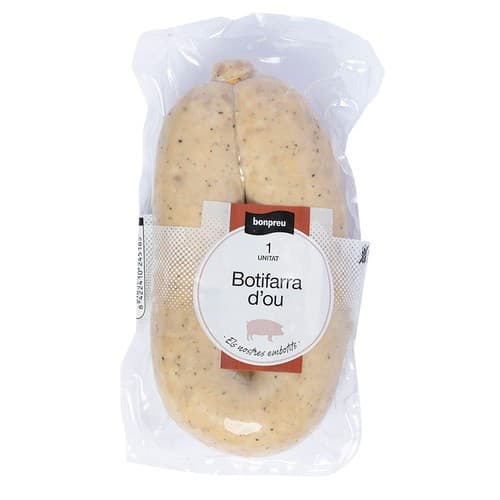 €3.79
€3.79Egg Sausage
BONPREU · kg · Bonpreu
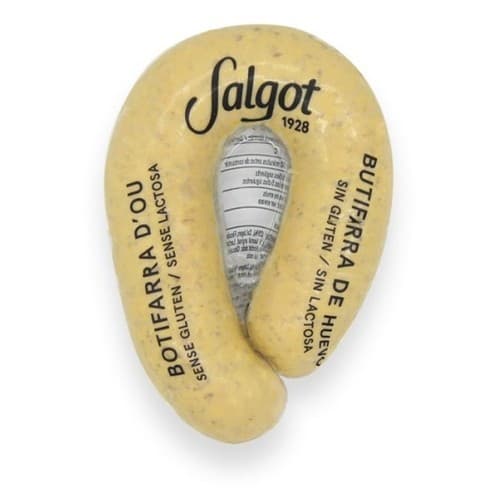 €4.99
€4.99Egg Sausage
SALGOT · kg · Bonpreu
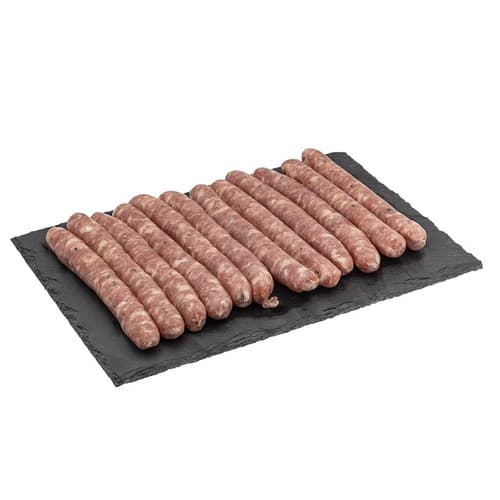 €5.99
€5.99Pork Sausage
BONPREU DE L'ERA · kg · Bonpreu
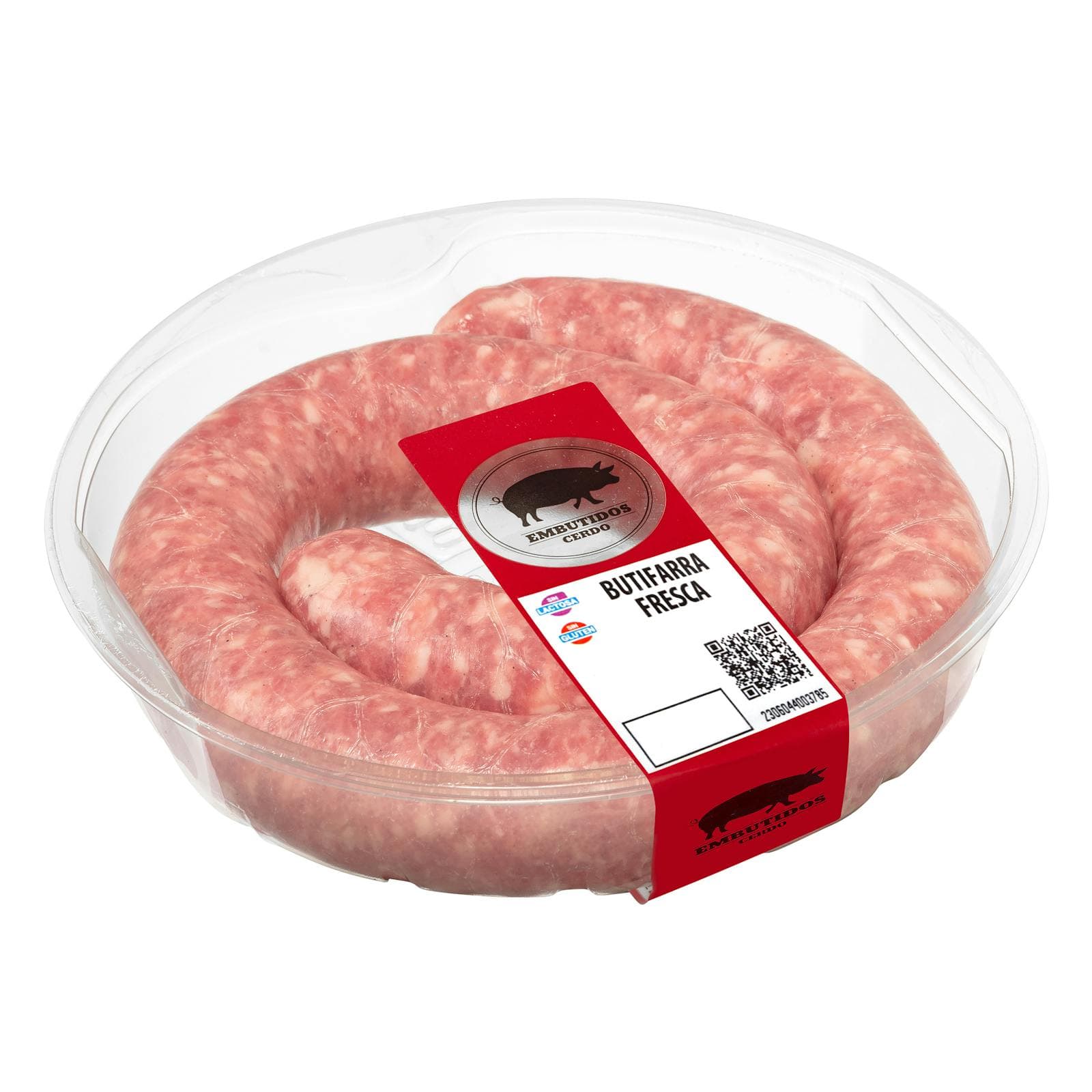 €3.62
€3.62Fresh Sausage
640 g · Mercadona
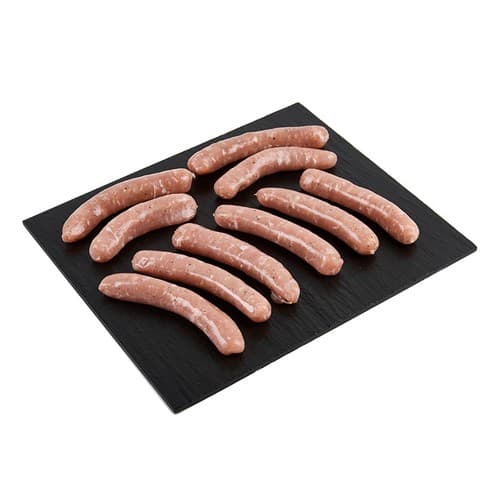 €6.75
€6.75Rabbit Sausage
BONPREU · kg · Bonpreu
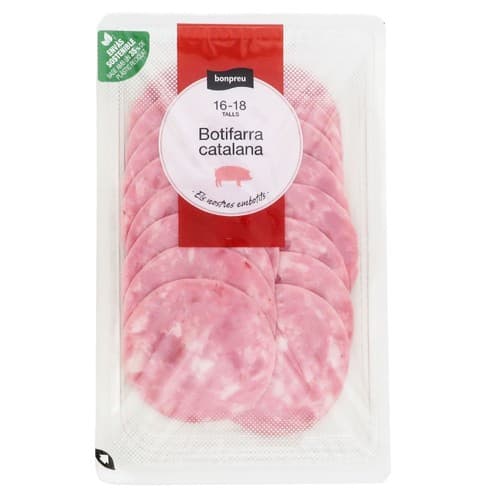 €1.89
€1.89Catalan Sausage
BONPREU · kg · Bonpreu
Good to know
- Origin
- Guangdong Province, Southern China; documented in Ming Dynasty food texts
- Primary Meat
- Pork (typically belly or shoulder) with 15–25% fat content
- Casing
- Natural pork intestine, thin diameter (1.5–2.5 cm)
- Color
- Deep reddish-brown from soy sauce and optional red rice wine coloring
- Texture
- Dense, slightly chewy; semi-firm when sliced; fat renders when cooked
- Shelf Life (unrefrigerated)
- 2–3 months when dry and sealed; up to 1 year in refrigerator; indefinite in freezer
- Typical Length
- 15–25 cm per link, often sold in strings of 3–5 links
- Sweetness Level
- Moderately sweet (sugar content 5–10%); distinguishable from Western dry sausages
- Salt Content
- High; approximately 3–4% sodium by weight, contributing to preservation
- Alcohol Content
- May contain rice wine (Shaoxing) in the cure; cooked out during preparation
Substitutes
- Spanish Chorizo — Cured and smoked; swap 1:1 in cooked applications. Note that Spanish chorizo is fully cured and can be eaten raw, but its flavor profile differs significantly from lap cheong.
- Vietnamese Cha Lua (Gio Chao) — Steamed pork sausage; milder and less sweet; good substitute in soups and rice dishes; does not crisp the same way
- Mexican Dried Chorizo — Raw cured sausage (uncooked); must be cooked thoroughly before eating; spicier and more herbal; acceptable in Mexican-Asian fusion contexts
- Thai Sai Krok Isan — Fermented rice sausage; tangier and more sour; works in stir-fries but significantly different flavor profile
Pairs with
Also called
Chinese Sausage (腊肠) · Lap Cheong · Lap Chong · Dried Chinese Sausage
Appears in these dishes
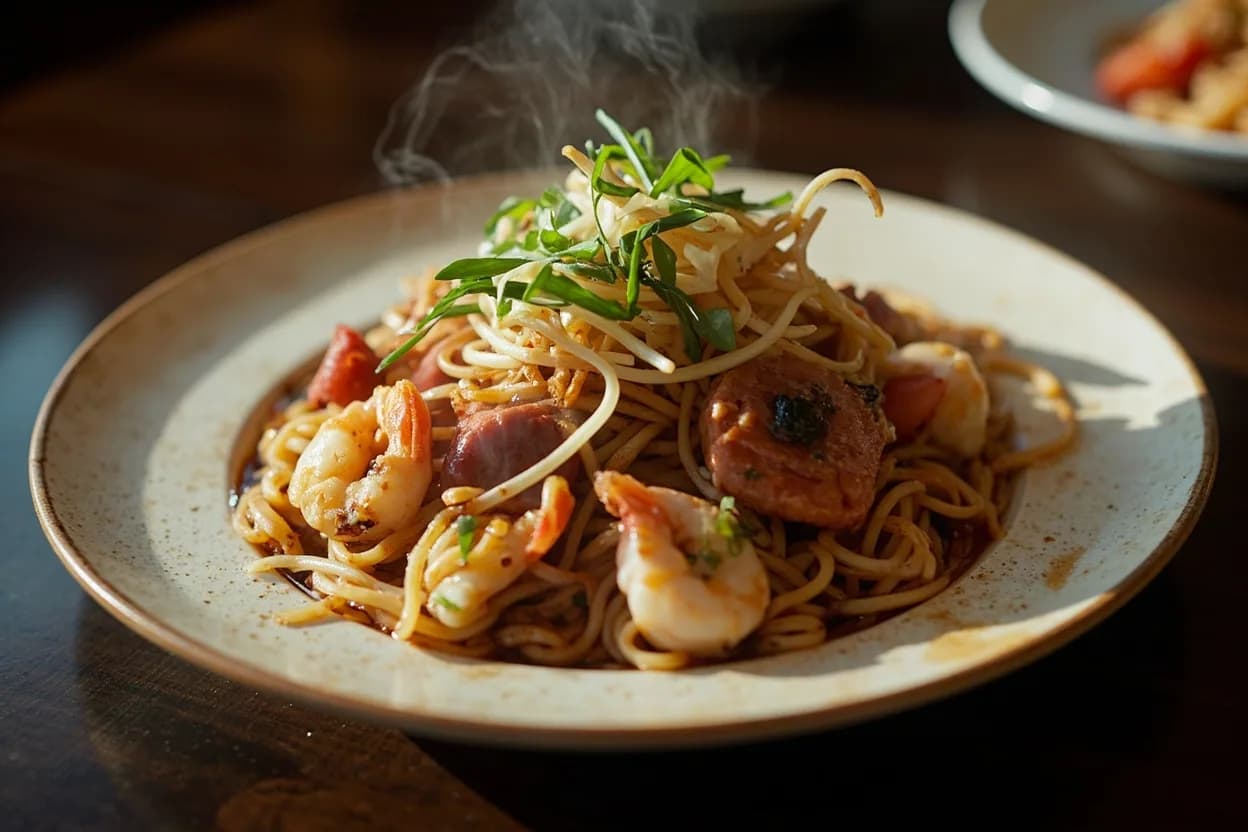
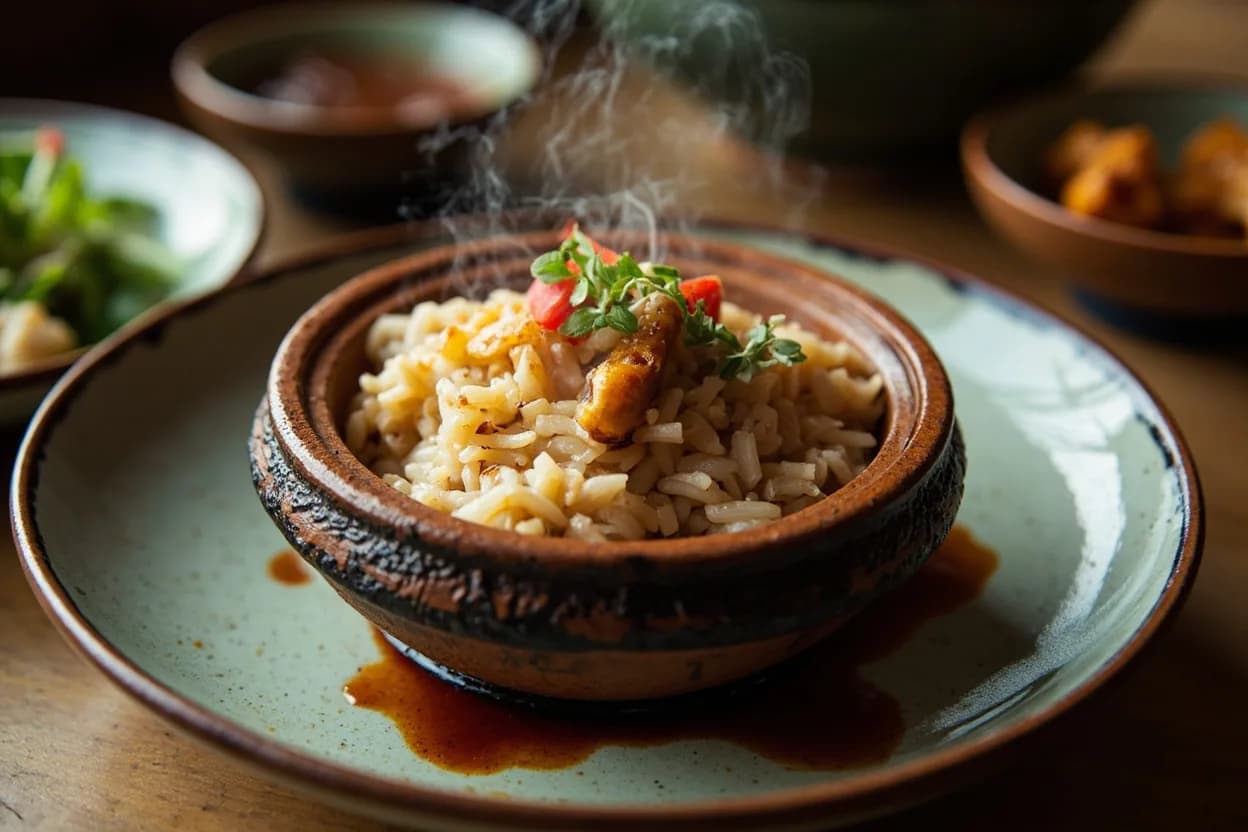
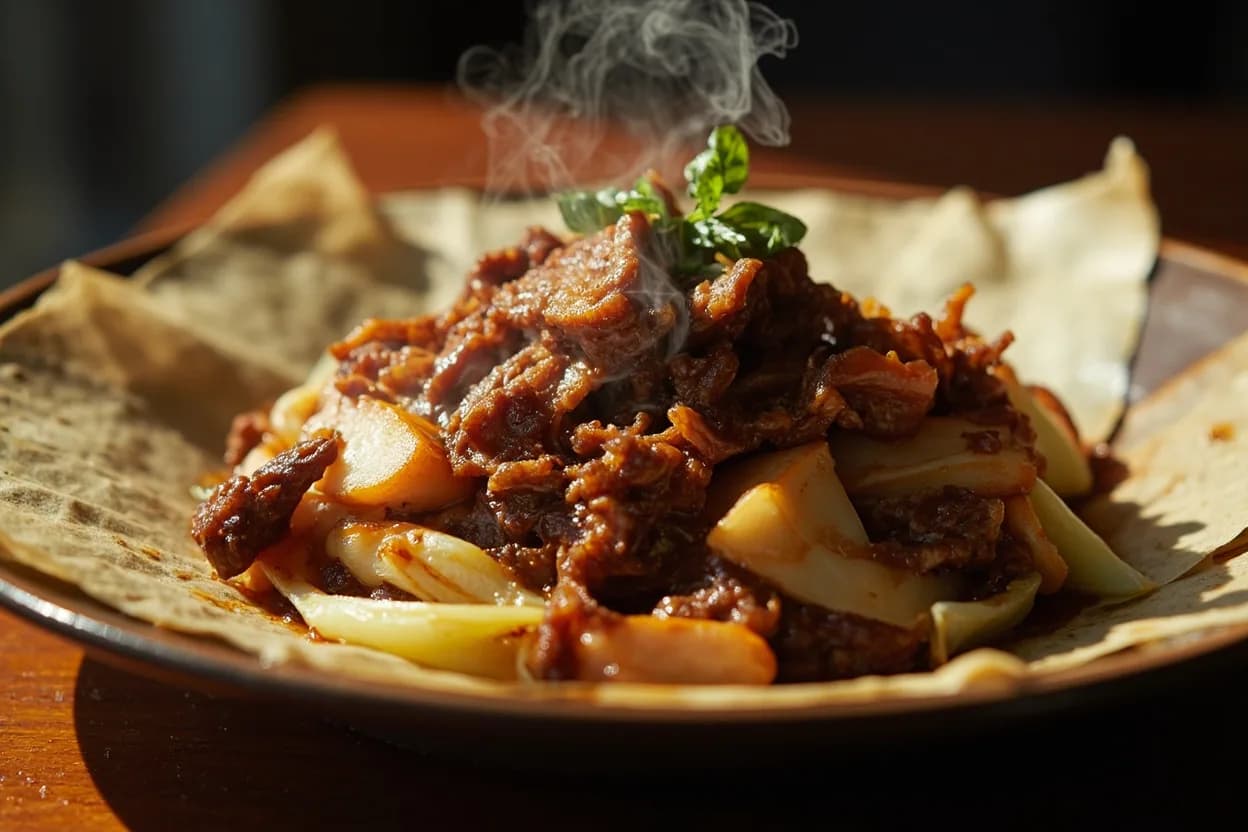
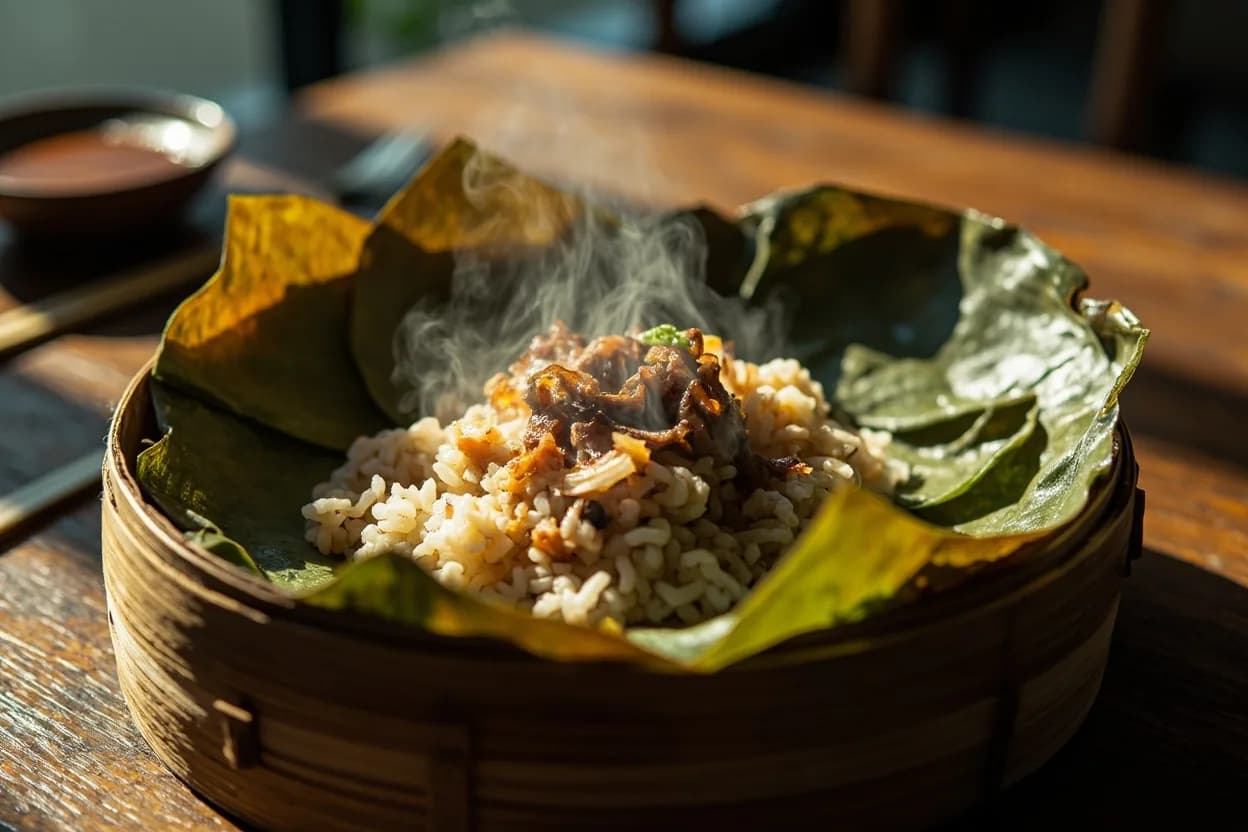
Related
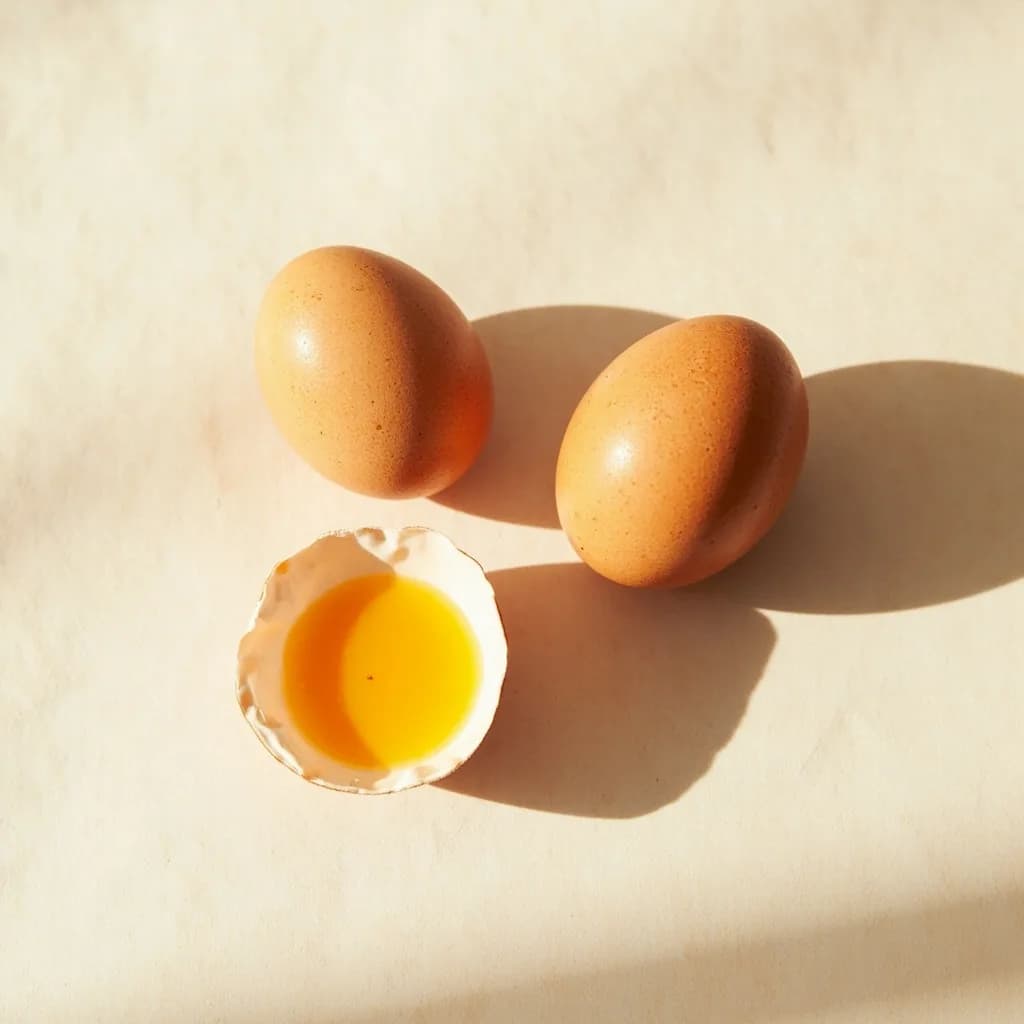
Egg
The kitchen's everything ingredient — bind, leaven, enrich, or fry
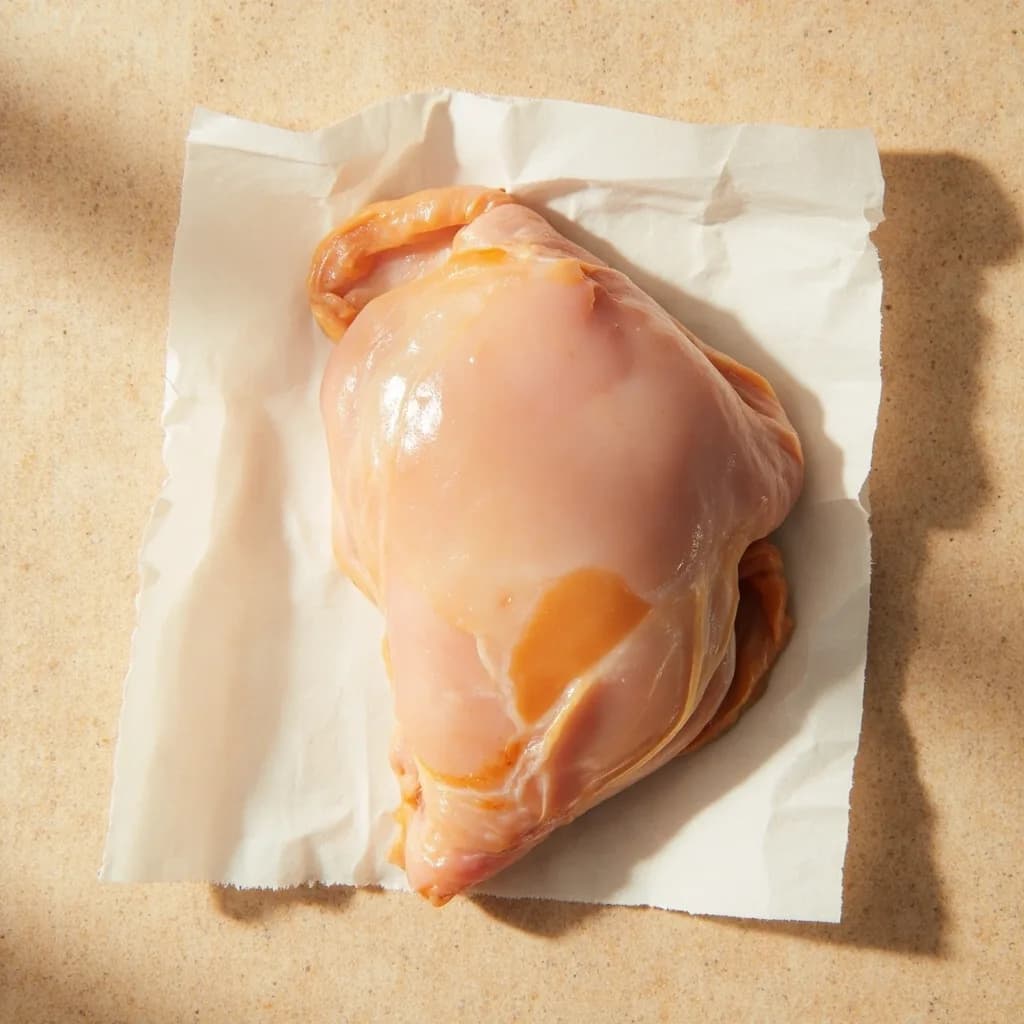
Chicken Breast
Lean, quick-cooking white meat for everyday dinners

Ground Beef
Versatile minced beef for burgers, ragù, tacos, and meatballs
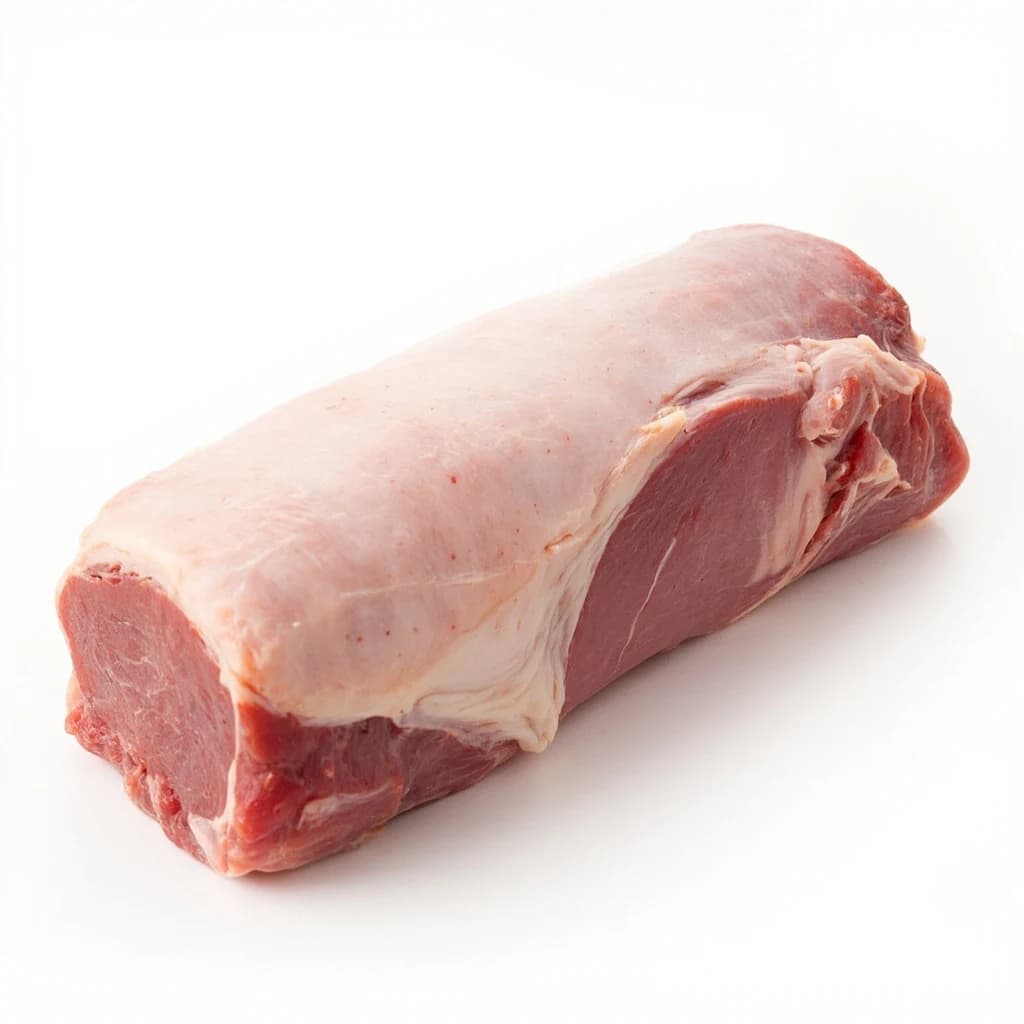
Pork Loin
Lean, tender roasting cut that stays juicy with care
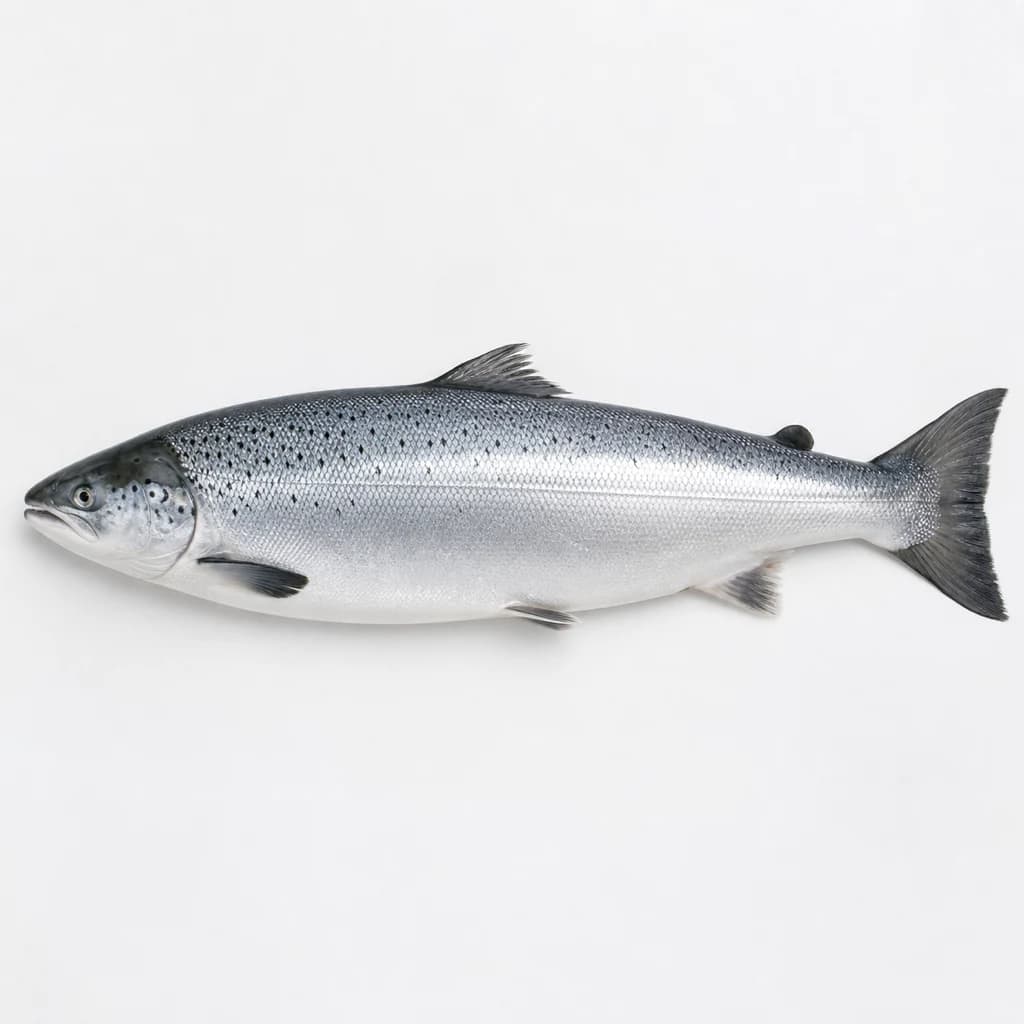
Salmon
Rich, rosy fish that roasts, grills, or cures beautifully

Egg White
Pure protein that whips to airy peaks for meringue and more
Egg Yolk
Rich, golden yolk for custards, mayonnaise, and pasta

Quail Egg
Tiny, speckled eggs for garnishing and elegant bites