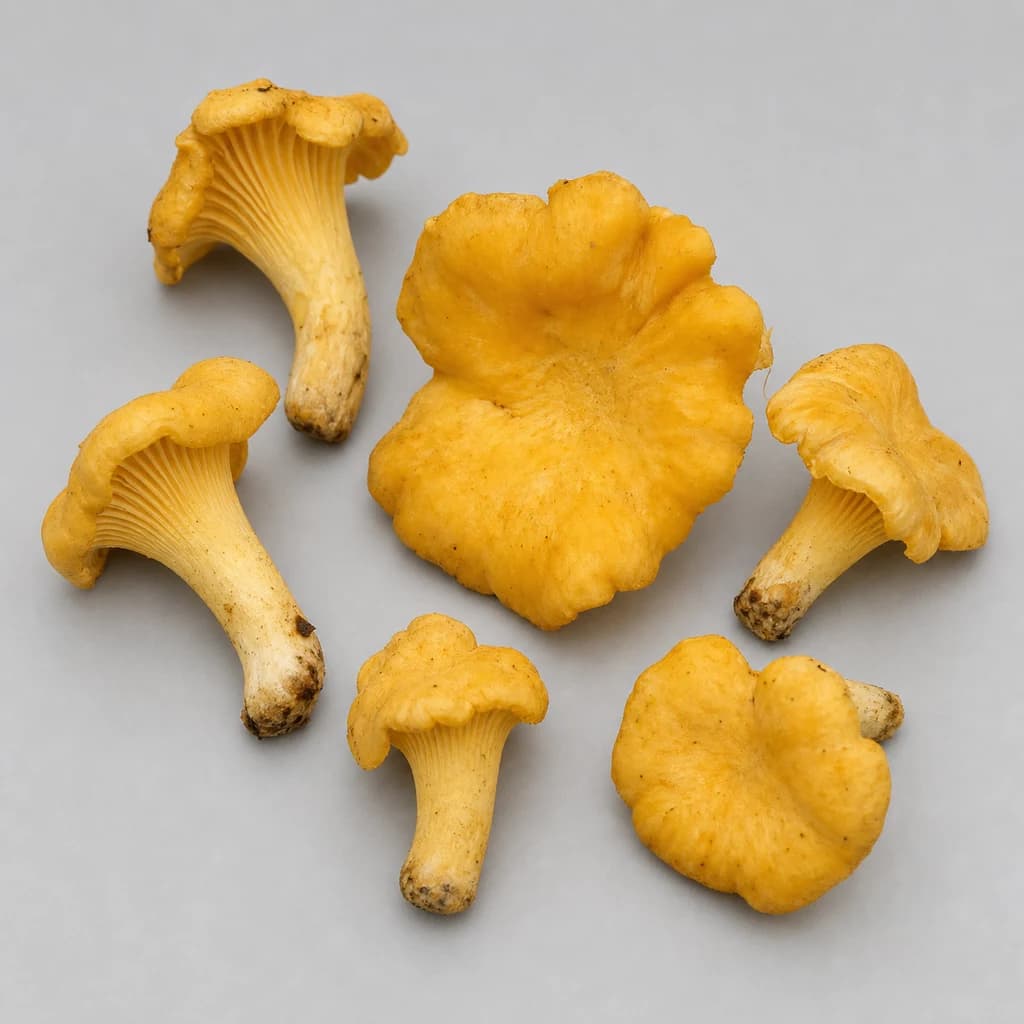
Natural form
Fresh whole chanterelles showing their golden-yellow trumpet shape and wavy cap margins.
Establishes the defining visual identity — color, shape, and gill-like false ridges — so readers can recognize chanterelles in the field or at market.
Produce
Chanterelle
Golden, funnel-shaped wild mushroom with a fruity, peppery aroma, prized for sautés and cream sauces.
Chanterelles are forest mushrooms with a distinctive trumpet shape, golden-yellow color, and a delicate apricot-like fragrance. They are sautéed in butter, folded into omelets and risottos, or simmered into cream sauces across European cuisines. Best cooked simply and not over-washed, as they absorb water easily; they should be wiped or brushed clean.
The chanterelle is among the most prized wild mushrooms in the world, valued for its distinctive fruity aroma, firm-tender texture, and complex flavor that bridges apricot, pepper, and damp forest floor. Unlike cultivated mushrooms, chanterelles grow only in mycorrhizal partnership with specific forest trees—primarily oaks, beeches, and conifers—which makes them impossible to farm commercially. Every chanterelle in the market has been hand-foraged, and this scarcity is reflected in seasonal price spikes, particularly in autumn when they peak. Visually, they are unmistakable: their funnel-shaped caps have wavy, forking margins, and their "gills" are actually blunt, ridge-like false gills that run decurrent down the stem. The most reliable identifier is the hollow stem—slice one lengthwise and a true chanterelle will show a small central cavity; solid stems suggest a look-alike. In cooking, chanterelles behave differently than most mushrooms: they first release their moisture, then reabsorb it, becoming silky rather than waterlogged. Their flavor concentrates dramatically when cooked past the moisture-evaporation point, developing a deeper pepperiness as they caramelize slightly in fat. The result, when treated simply and cooked with restraint, is a mushroom of exceptional character that anchors both rustic and refined dishes.
- Measured in
- g
- Storage
- Fridge
Types & varieties
The standard market variety; Cantharellus cibarius, bright golden yellow, the most widely recognized
Cantharellus subalbidus; found in Pacific Northwest; pale cream to white; slightly earthier flavor, holds up better when cooked longer
Cantharellus cinnabarinus; vivid orange-red; found in Eastern US hardwood forests; more delicate, best cooked briefly
Cantharellus cibarius var. intermedius; smaller, slender, with yellowish stem and darker cap; sometimes called winter chanterelle; excellent for soups and braises
Cantharellus lateritius; found in Midwestern and Southern US; lacks the pronounced forking of true chanterelles; similar flavor and use
Identifying True Chanterelles
The chanterelle's most reliable identifying feature is the hollow stem. Slice a mushroom lengthwise: true chanterelles have a small central cavity, while many look-alikes have solid stems. False chanterelles (Hygrophoropsis aurantiaca) have true blade-like gills—thin and sharp like a knife edge—whereas true chanterelles have blunt, rounded ridges that fork and branch. False chanterelles are edible but lack the complex flavor and tend toward a rubbery texture when cooked. Another common look-alike, the jack-o'-lantern (Omphalotus oleoides), is bright orange and grows in clusters on wood; it can cause gastric distress. When foraging, always confirm hollow stems and forking ridges before consuming.
- Slice stems lengthwise: hollow or with a small central cavity indicates a true chanterelle
- True chanterelle gills are blunt, rounded ridges that fork; not thin, blade-like cuts
- False chanterelles have true gills, are more uniformly orange, and lack the hollow stem
- Jack-o'-lanterns grow in clusters on wood and have true blade gills; avoid them
Sourcing and Seasonality
Because chanterelles cannot be cultivated, their availability depends entirely on weather and forest conditions. In North America, the Pacific Northwest produces two crops: golden chanterelles in fall and white chanterelles from late winter through early spring. Eastern chanterelles typically appear from July through November, with the best quality in September and October. European supplies follow a similar autumn pattern, with France, Germany, and Scandinavia producing significant harvests. When buying, look for firm caps with vivid color—the brighter the yellow or orange, the fresher the mushroom. Avoid specimens that are slimy, dark, or smell of anything other than their characteristic apricot-pepper aroma. Prices will fluctuate with supply; expect higher costs during dry spells when fruiting is poor.
- Pacific Northwest: two seasons—fall (golden) and late winter-spring (white)
- Eastern North America: July–November, peak September–October
- Europe: similar autumn pattern; French and German harvests are substantial
- Freshness shows in color: vivid yellow/orange indicates recent harvest
Common uses
Tips & pitfalls
- Never submerge chanterelles in water—they absorb liquid like a sponge and become rubbery when cooked; clean with a brush or barely damp cloth instead
- Always start chanterelles in a completely dry pan; adding fat too early steams them and dilutes their flavor
- The peppery flavor intensifies when mushrooms are cooked past the moisture-evaporation point and begin to caramelize slightly in the fat
- Do not overcook: total time in the pan should be 5–8 minutes for small pieces; they are done when tender when pierced with a knife and edges have curled
- Season with salt only after cooking is complete; salt added early draws out moisture and prevents caramelization
- False chanterelles (Hygrophoropsis aurantiaca) have true blade-like gills, are more uniformly orange, and lack the hollow stem—learn to distinguish them by the ridge-like false gills
- Slice stems lengthwise to verify: a true chanterelle will be hollow or have a small central cavity; solid stems suggest a look-alike
- Store loosely wrapped in paper in the refrigerator, not sealed in plastic, to prevent condensation and sliminess
- When freezing, par-cook in butter first, cool completely, then freeze in a single layer on a sheet pan before transferring to freezer bags—this prevents clumping and preserves texture
- If using in risotto or grain dishes, add chopped chanterelles in the last 8–10 minutes to preserve their texture rather than having them dissolve into the starch
Nutrition
Energy
134 kJ · per 100 g
Where the calories come from
Protein
1.5g
3% DV
Carbs
6.9g
2% DV
Fat
0.5g
1% DV
Fiber
3.8g
14% DV
Sugars
1.2g
of which
Sodium
9mg
0% DV
Source · USDA FoodData Central · Mushrooms, Chanterelle, raw
View on FDC →In the shops
Matched grocery products
No matched grocery products for Chanterelle yet.
Good to know
- Scientific name
- Cantharellus cibarius and related Cantharellus species
- Type
- Wild mycorrhizal mushroom (cannot be commercially cultivated)
- Season
- Late summer through late autumn, peaking September–October
- Primary regions
- Pacific Northwest and Eastern North America; France, Germany, Scandinavia; also found in parts of Asia and Australia
- Color
- Golden yellow to pale egg-yolk yellow; some varieties white or cinnabar-red
- Texture
- Firm but tender; white to pale yellow flesh; hollow when cut
- Flavor
- Fruity (apricot, peach kernel), mildly peppery, earthy; intensely aromatic when raw
- Shelf life
- 2–4 days refrigerated in a paper bag; never seal in plastic
Substitutes
- Black trumpet — Similar earthy, fruity flavor profile; more delicate texture; can be used at 1:1 ratio; excellent in cream sauces and pasta
- Morel — Different shape and texture but comparable savory, earthy intensity; cook separately first as morels take longer; do not combine raw as cooking times differ significantly
- Hen of the woods (maitake) — Different flavor (more savory-umami, less fruity) but similar meaty texture; good for vegetarian dishes; use in place of chanterelles in braises and roasts
- Oyster mushrooms — Pale substitute with a milder flavor; acceptable in sauté applications but lacks the fruity, peppery character; best when treated with a touch of soy sauce or aged cheese to add depth
- Yellowfoot chanterelle — Often sold alongside true chanterelles; slightly earthier; use interchangeably in soups and stews
Pairs with
Also called
Eierschwammerl · Girolle · Golden Chanterelle
Related
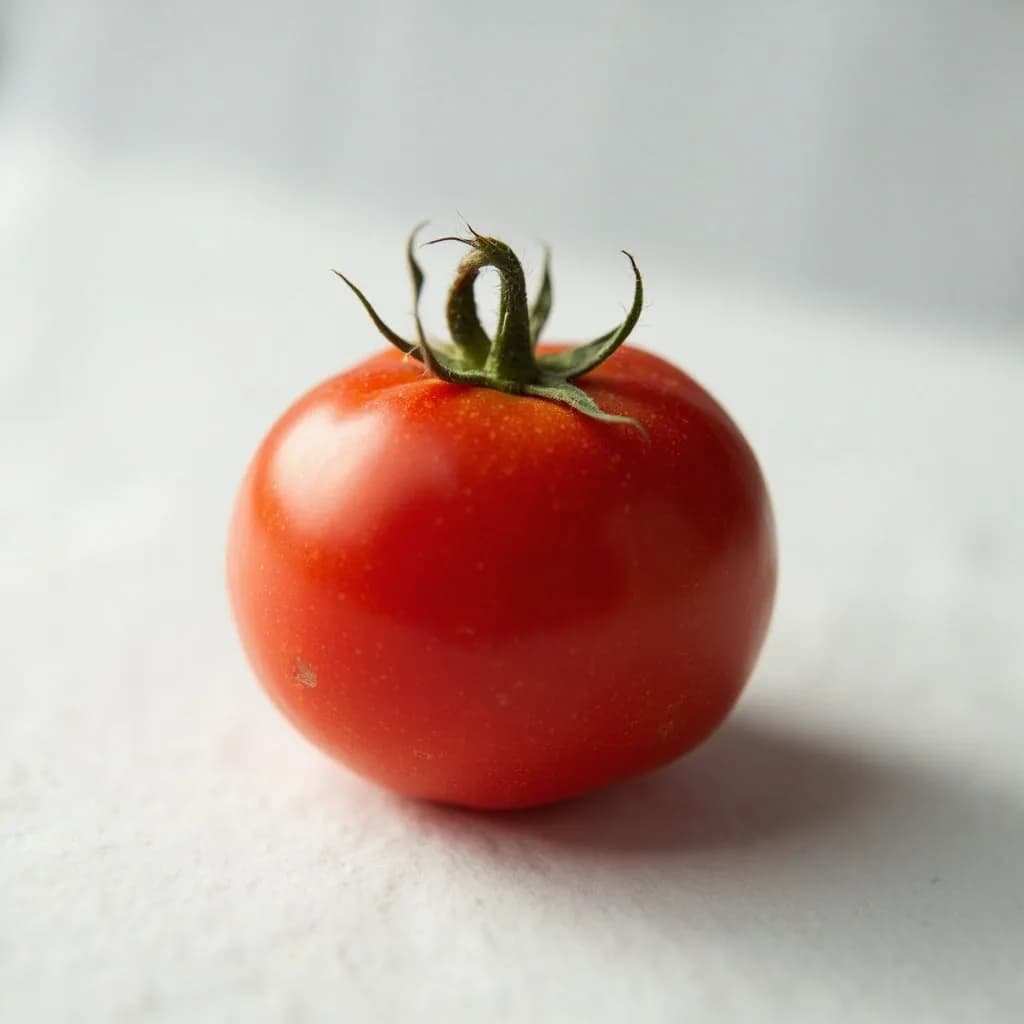
Tomato
Juicy, sun-sweet fruit for sauces, salads, and slow-cooked depth
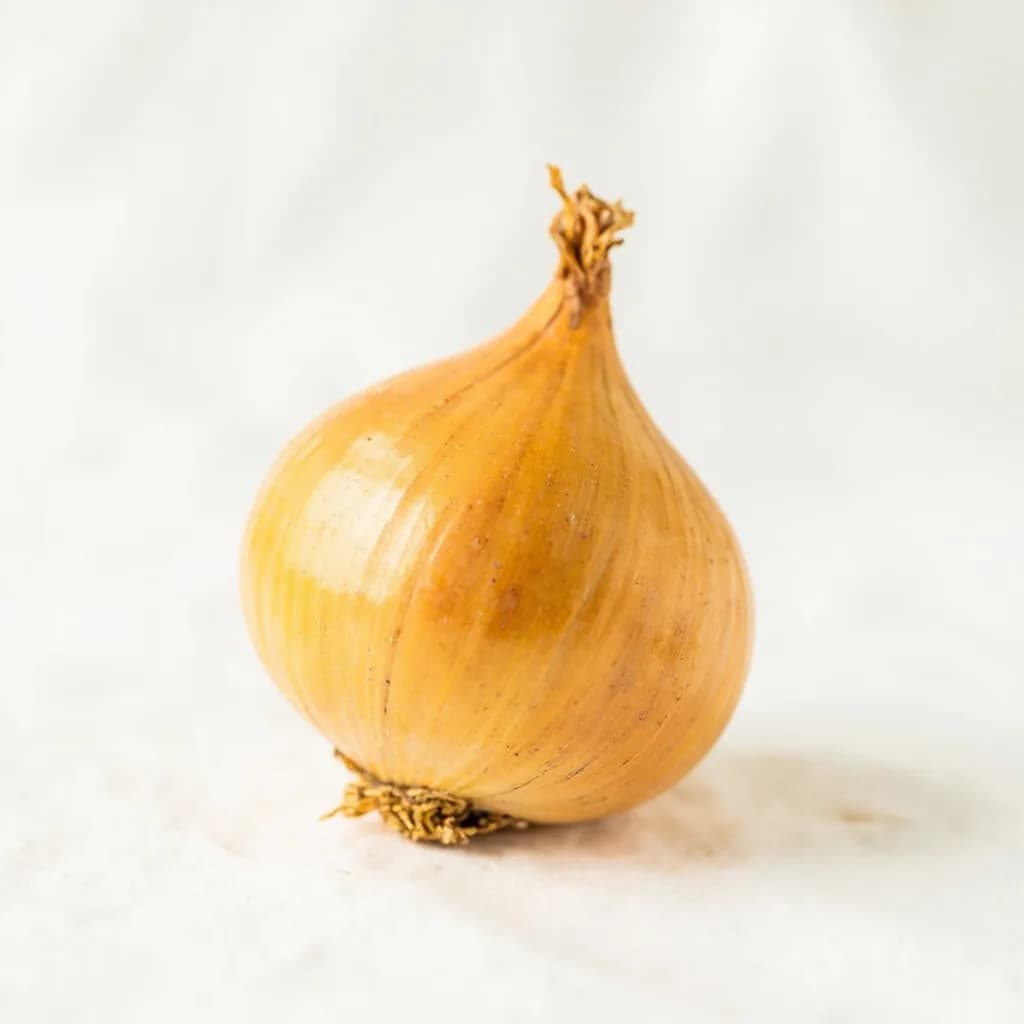
Yellow Onion
The aromatic backbone of soups, sofritos, and braises
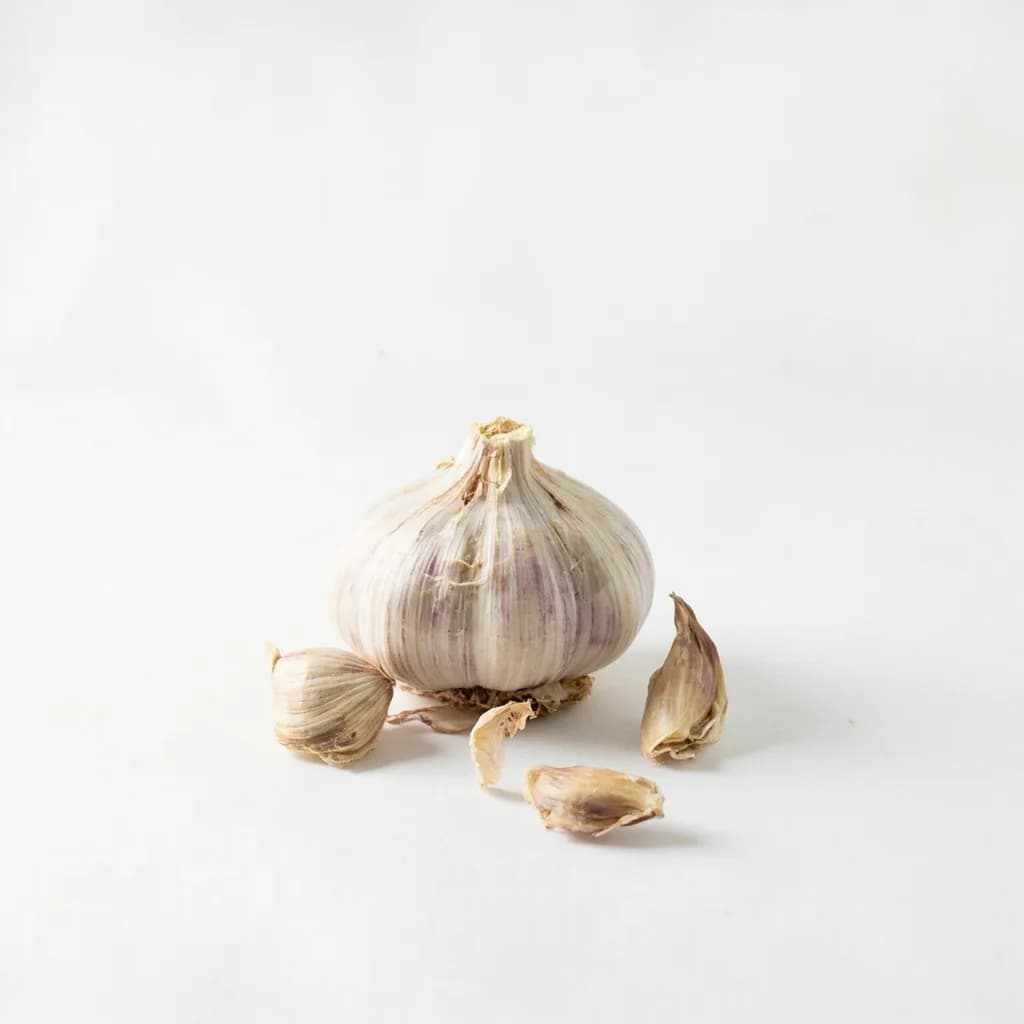
Garlic
Pungent cloves that perfume nearly every savory dish
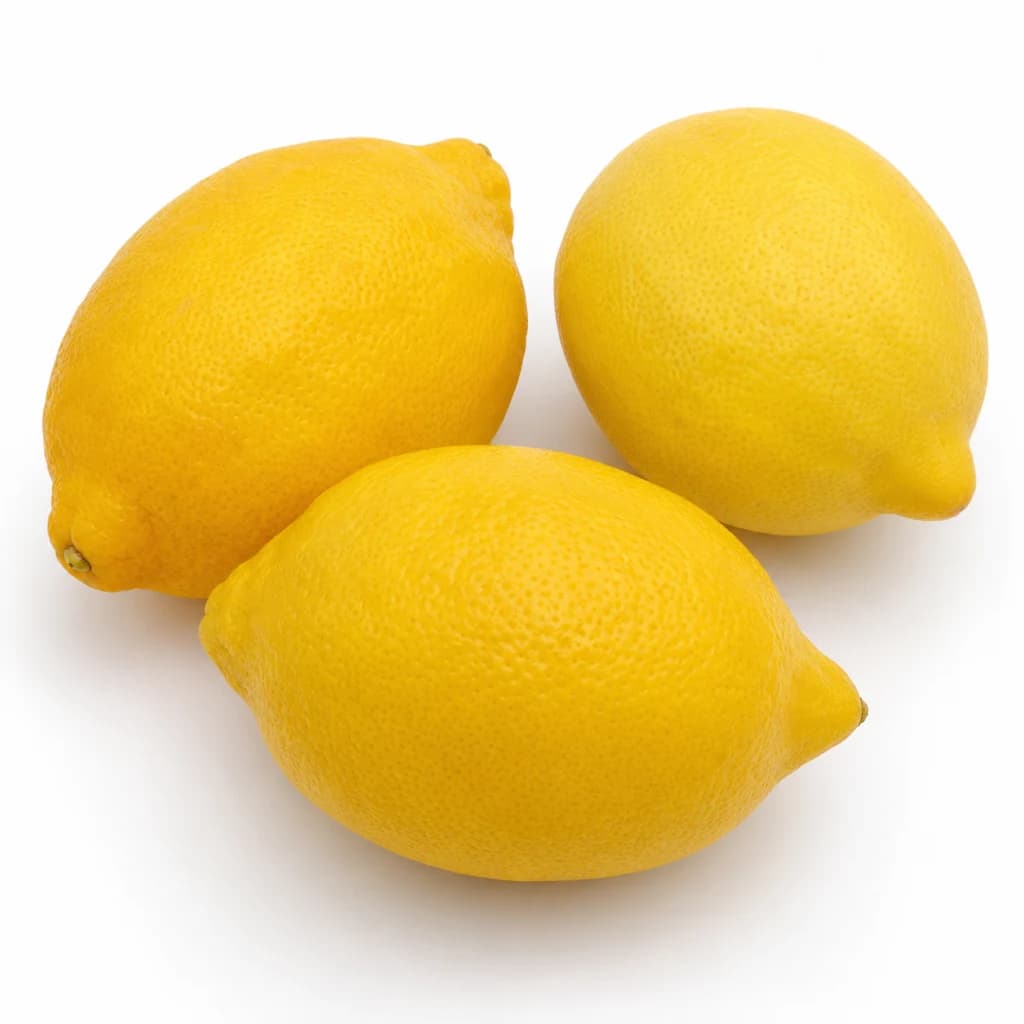
Lemon
Bright, acidic citrus that wakes up almost any dish
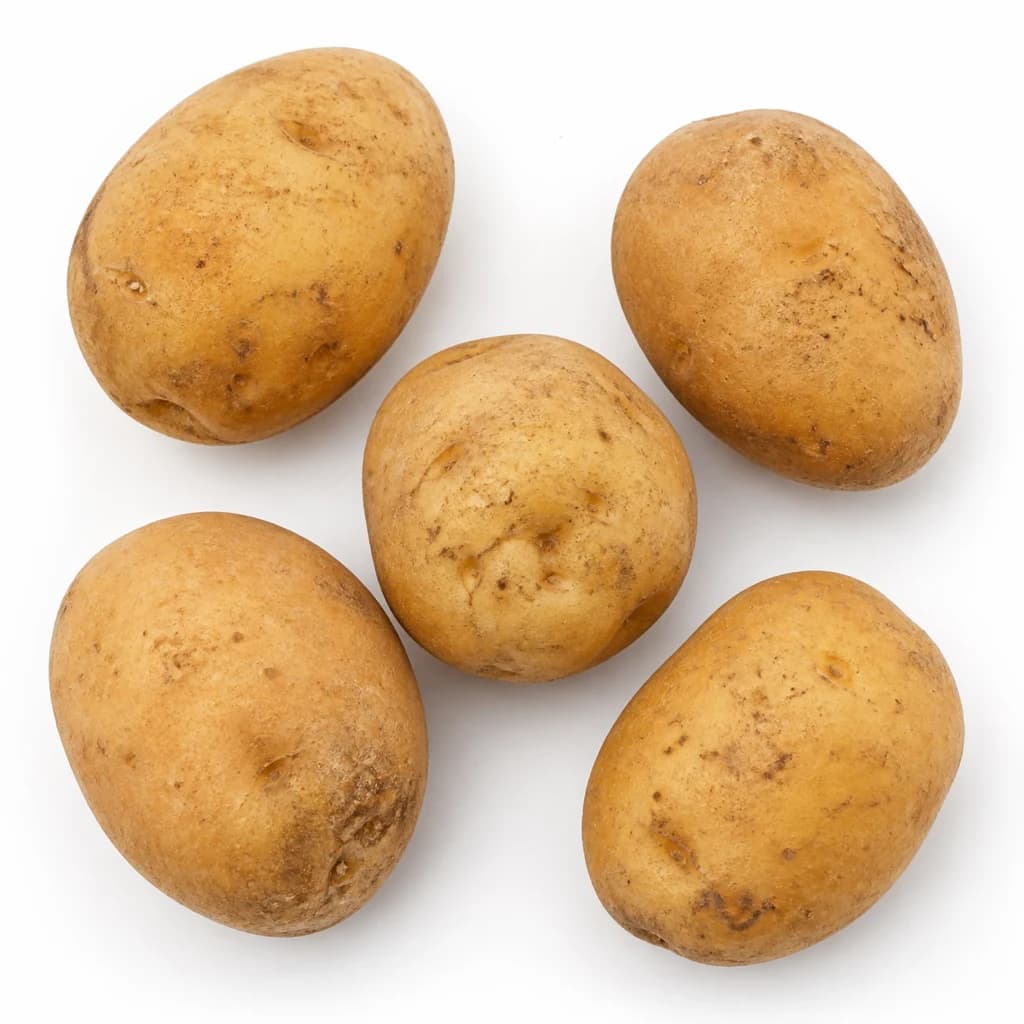
Potato
Humble, hearty staple — roast, mash, fry, or boil
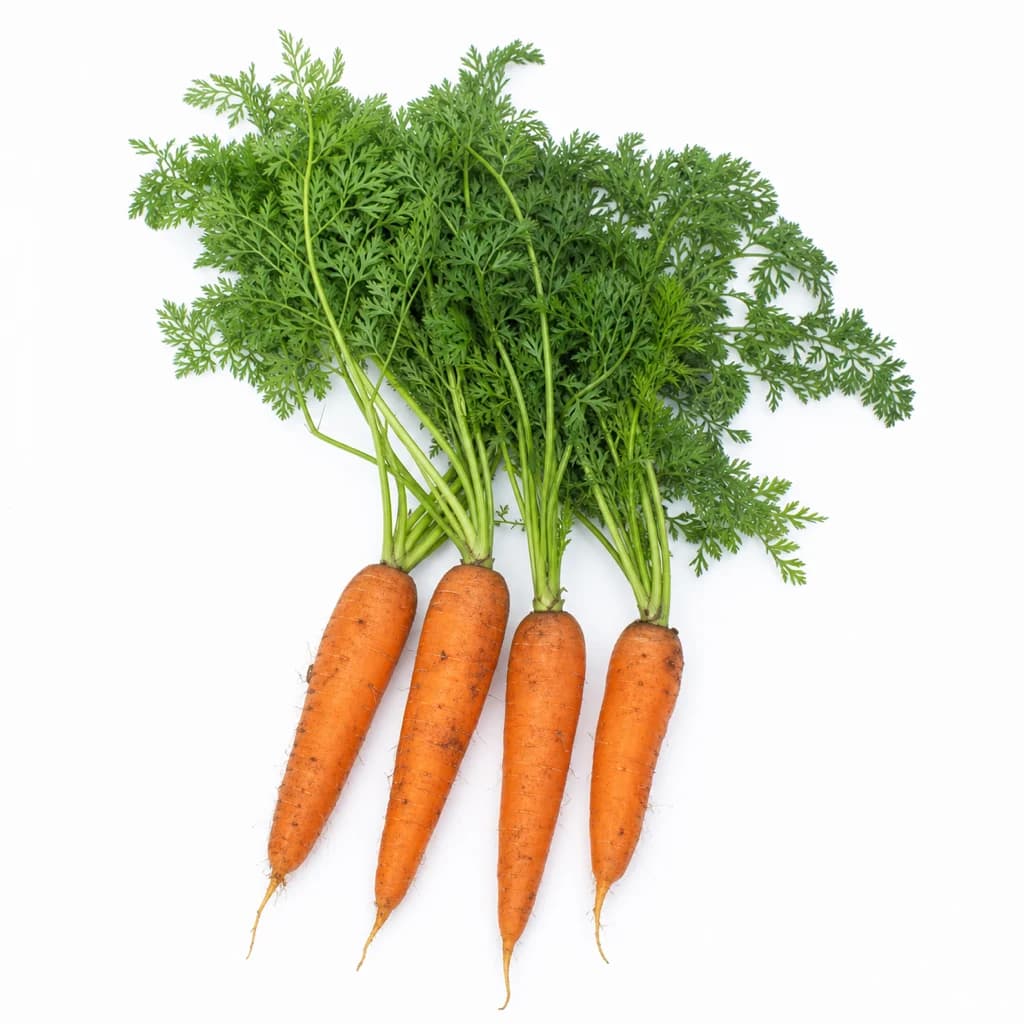
Carrot
Sweet, crunchy root — raw, roasted, or the base of a sofrito
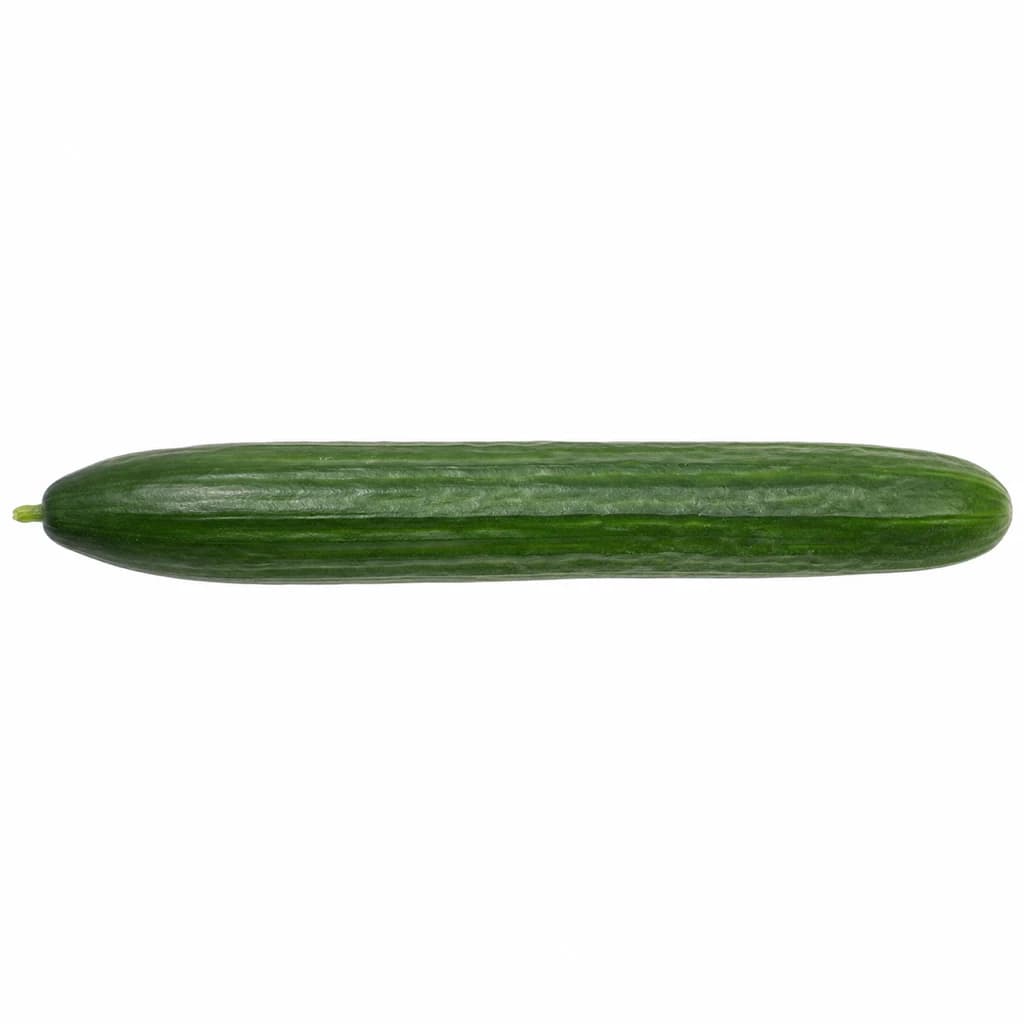
Cucumber
Cool, crisp, and watery — for salads, pickles, and tzatziki

Lettuce
Crisp leaves for salads, wraps, and a fresh crunch