Natural form
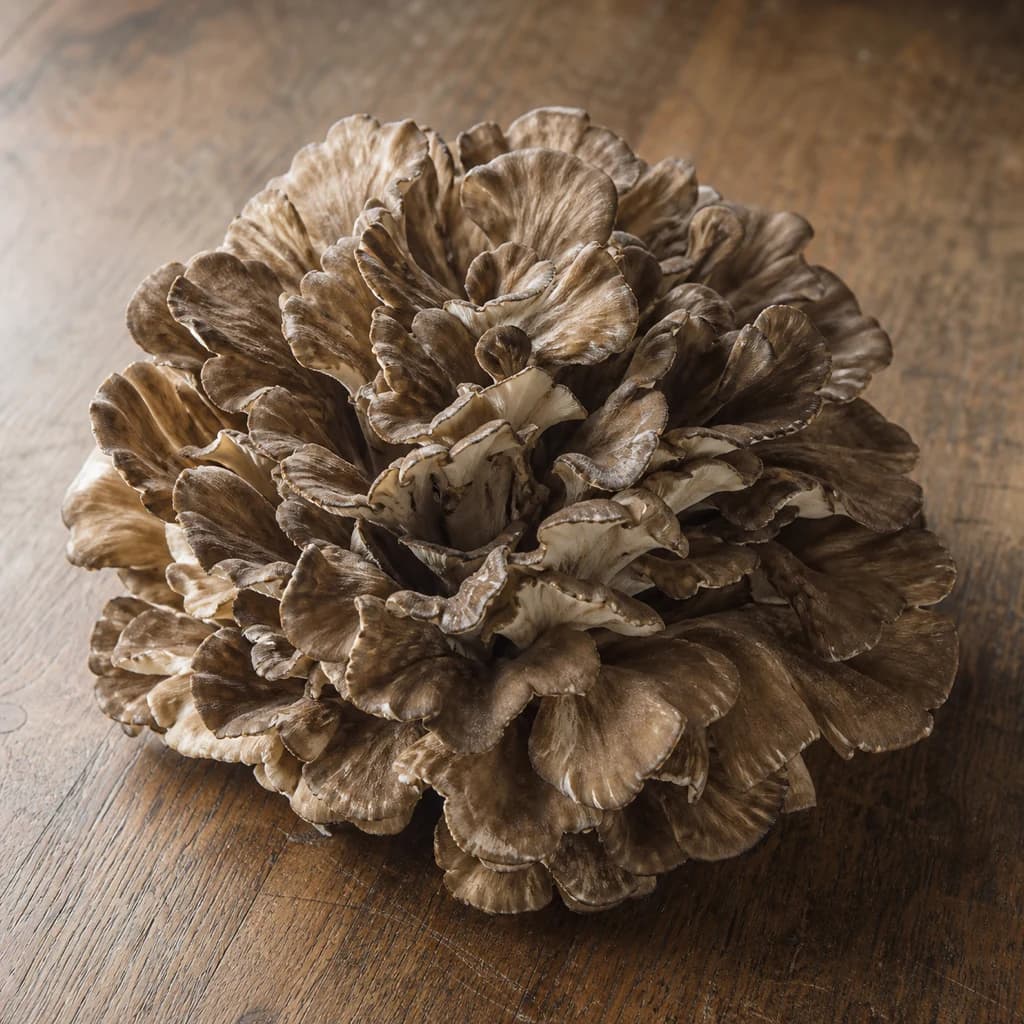
A whole maitake cluster showing its characteristic frilly, layered fan-shaped fronds.
Shows the mushroom's defining whole-cluster form, layered gray-brown fronds, and ruffled texture that makes it unmistakable at market.
Produce
Hen-of-the-Woods (Maitake)
Frilly clustered mushroom with earthy, savory flavor; roasted or sauteed.
Hen-of-the-woods, known in Japan as maitake, is a wild mushroom that grows in feathery, overlapping clusters at the base of trees. It has a rich, earthy, peppery flavor and a meaty texture that crisps beautifully when roasted or sauteed. Prized in both Japanese and Western kitchens, it is often torn into clusters rather than sliced.
Hen-of-the-Woods (Grifola frondosa), known as Maitake in Japan, is a shelf fungus that grows in spectacular cascading clusters at the base of hardwood trees, particularly oaks and maples. The individual caps—small, fan-shaped, and overlapping like the feathers of a bird or the leaves of a fern—grow in groups that can weigh anywhere from ounces to over 50 pounds. The mushroom's frondlike structure creates a large surface area that browns beautifully and absorbs seasonings, making it exceptionally versatile in the kitchen.
The name Maitake translates to "dancing mushroom," reportedly because foragers who discovered these clusters in the wild reportedly danced with joy at their find. Cultivation began in Japan in the late 1980s, and today cultivated varieties are available year-round, primarily from Japan, China, and North American farms. The D-fraction strain, developed for medicinal research in Japan, represents the premium cultivated variety.
In cooking, Maitake offers a firm, meaty texture that holds its shape well and an earthy, savory flavor with subtle peppery notes when raw that deepen into something almost sweet when properly cooked. Unlike delicate mushrooms, it can stand up to high heat and extended cooking without disintegrating, though its greatest virtue is achieving a golden, crispy exterior with a tender interior—a texture contrast that defines excellent Maitake preparation.
- Measured in
- g
- Storage
- Fridge
Types & varieties
Found at base of oaks and maples; more variable in shape; peak flavor intensity in fall
Grown on log substrate; premium quality; more uniform caps; the source of medicinal extracts
Common commercially; often grown on supplemented sawdust; milder flavor; more affordable
Year-round availability; consistent quality; good substitute for wild-harvested
Selecting and Storing
Fresh Maitake should feel firm and have a pleasant earthy odor. The caps should be taut and lightly moist but not slick. Discard any specimens that are slimy, deeply discolored, or emit a sour smell—these indicate spoilage. The stem base at the point of tree attachment is generally too tough for use; trim it away and use the caps and feathery branches.
- Refrigerate unwashed in a paper bag (not plastic) for up to 7 days
- For longer storage, par-cook and freeze for several months
- Never wash under running water—brush off dirt with a soft brush or wipe with a damp cloth
The Key to Great Maitake: Achieving Proper Browning
The primary challenge with Maitake is not overcooking but achieving genuine caramelization. The mushroom's high surface area and moisture content work against browning if not managed properly. The goal is crispy, golden edges—a Maillard reaction, not burning. Separate the cluster into individual caps, pat them thoroughly dry, salt them 10–15 minutes before cooking to draw out moisture, then blot again before they hit a very hot pan. Allow them to cook undisturbed for 2–3 minutes before flipping. Overcrowding the pan is the most common mistake—it causes steam rather than browning, leaving you with soggy, gray mushrooms instead of golden, slightly crispy ones with concentrated flavor.
- Pat caps thoroughly dry before cooking
- Salt 10–15 minutes early, then blot again to remove moisture
- Use high heat and resist crowding the pan
- Allow caps to contact the hot surface undisturbed for 2–3 minutes before flipping
Common uses
Tips & pitfalls
- Break the cluster into individual caps before cooking—never cook the whole mass intact, or it will steam instead of brown
- Pat caps thoroughly dry with clean towels; surface moisture prevents browning and caramelization
- Salt caps 10–15 minutes before cooking, then blot again—this draws out residual moisture for a better crust
- Use high heat and resist crowding the pan; overcrowding causes steaming and sogginess
- Allow caps to contact the hot surface undisturbed for 2–3 minutes before flipping—genuine contact with the pan is essential
- For maximum umami development, cook until the edges begin to crisp and darken—this is not burning, it is the desirable Maillard reaction
- Do not wash under running water—brush off dirt with a soft brush or wipe with damp cloth; mushrooms act like sponges
- Young, fresh specimens have the best texture; older mushrooms become tough and bitter
Nutrition
Energy
130 kJ · per 100 g
Where the calories come from
Protein
1.9g
4% DV
Carbs
7g
3% DV
Fat
0.2g
0% DV
Fiber
2.7g
10% DV
Sugars
2.1g
of which
Sodium
1mg
0% DV
Source · USDA FoodData Central · Mushrooms, maitake, raw
View on FDC →In the shops
Matched grocery products
No matched grocery products for Hen-of-the-Woods (Maitake) yet.
Good to know
- Scientific name
- Grifola frondosa
- Origin
- Northeastern Japan (cultivated since the late 1980s); wild-harvested in eastern North America
- Season
- Late summer through fall (September–November wild); cultivated year-round
- Flavor
- Rich, earthy, savory; mildly peppery raw; deepens and sweetens when cooked
- Texture
- Firm, meaty; slightly chewy when raw; tender-crisp when properly cooked
- Storage
- Refrigerate unwashed in paper bag up to 7 days; freeze after par-cooking for months
- Yield
- Nearly 100% after trimming; only remove dry base and any debris
- Cooking time
- 8–15 minutes depending on method and desired browning; does not require long cooking
Substitutes
- Shiitake mushrooms — Most reliable substitute; similar meaty texture; need longer cooking to develop flavor; use twice the quantity
- King trumpet (eringi) — Similar firm, meaty texture; mild flavor; slice lengthwise to mimic Maitake's layered appearance
- Oyster mushrooms — Similar feathery texture; slightly more delicate flavor; cook slightly less time
- Chanterelles — Premium substitute with earthy flavor; much smaller yield; significantly more expensive
- Porcini (dried and reconstituted) — Excellent flavor substitute; soak 20 minutes; chop and use in dishes where texture difference is acceptable
- Mixed wild mushroom blend (frozen) — Practical everyday substitute; often contains species with complementary flavors; thaw and squeeze dry before use
Pairs with
Also called
Maitake · Sheep's Head
Appears in these dishes
Related
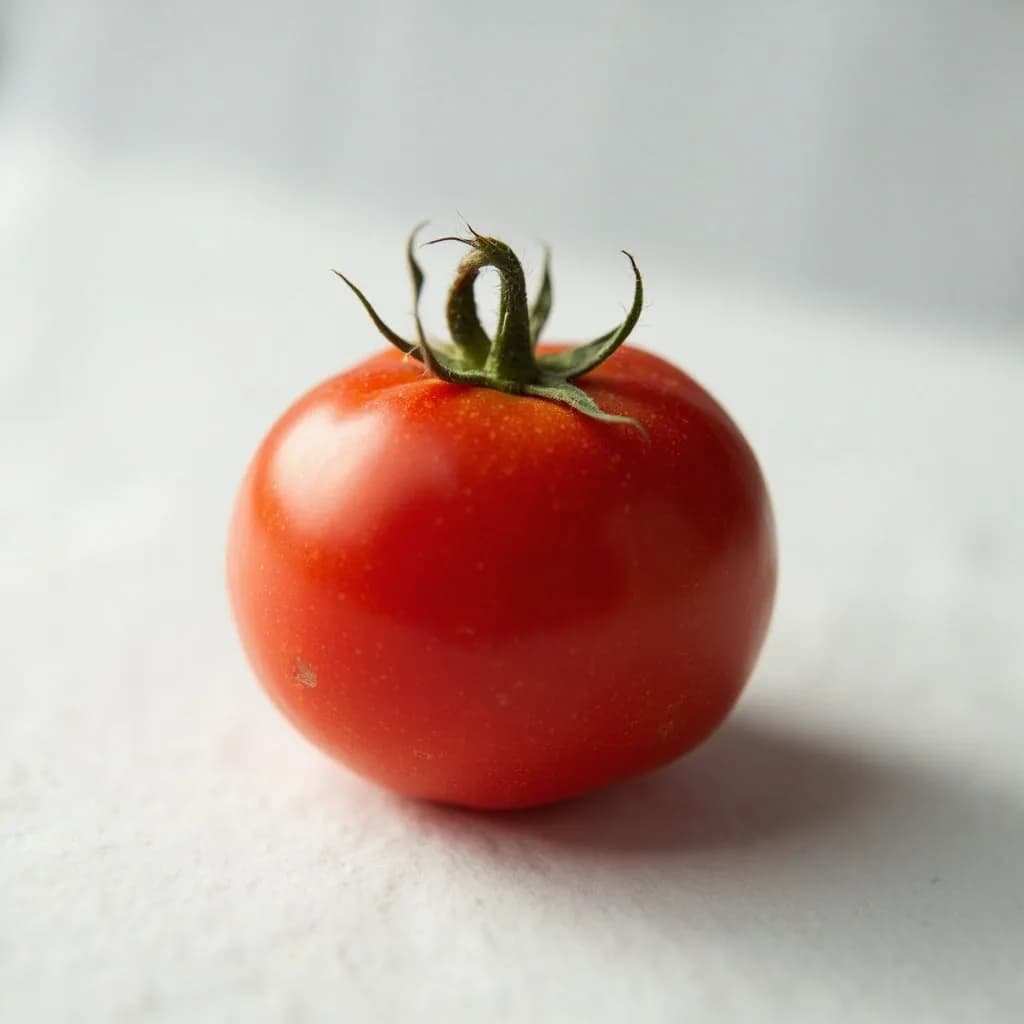
Tomato
Juicy, sun-sweet fruit for sauces, salads, and slow-cooked depth
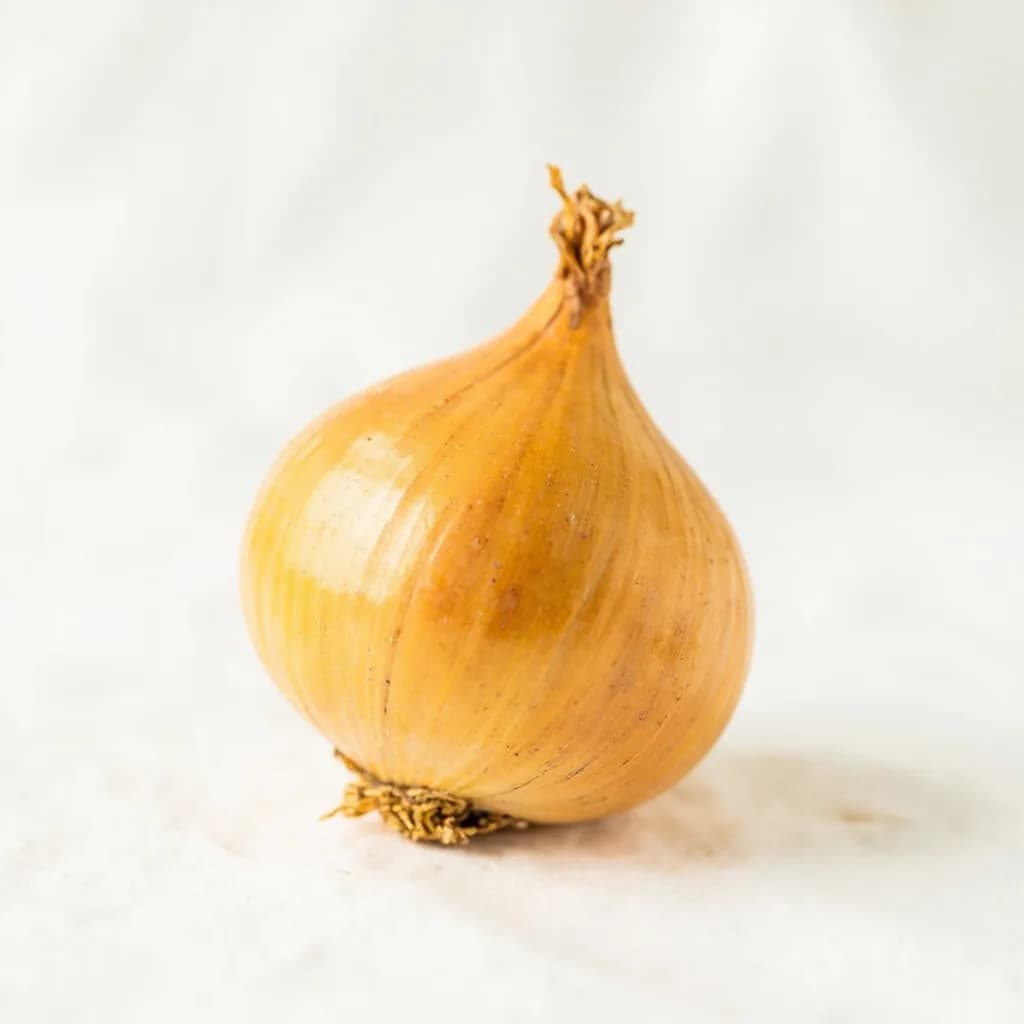
Yellow Onion
The aromatic backbone of soups, sofritos, and braises
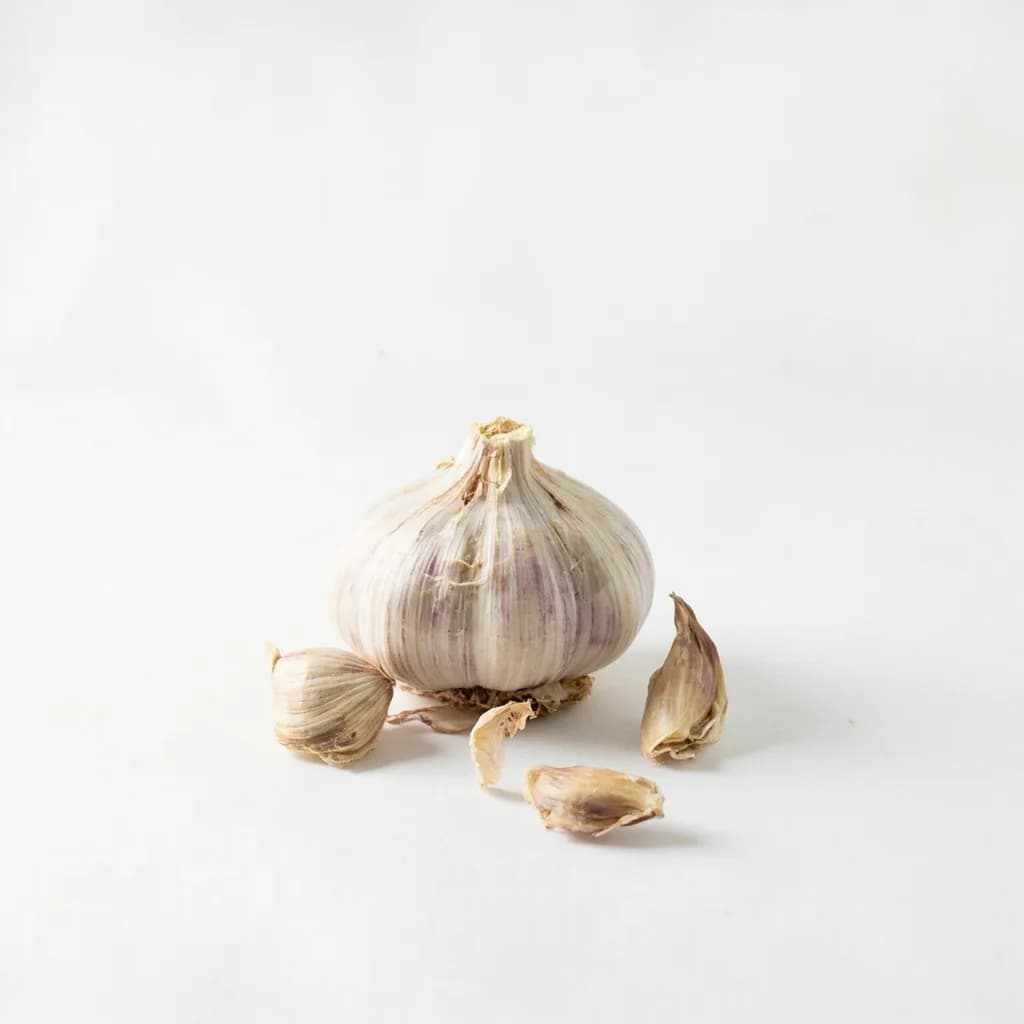
Garlic
Pungent cloves that perfume nearly every savory dish
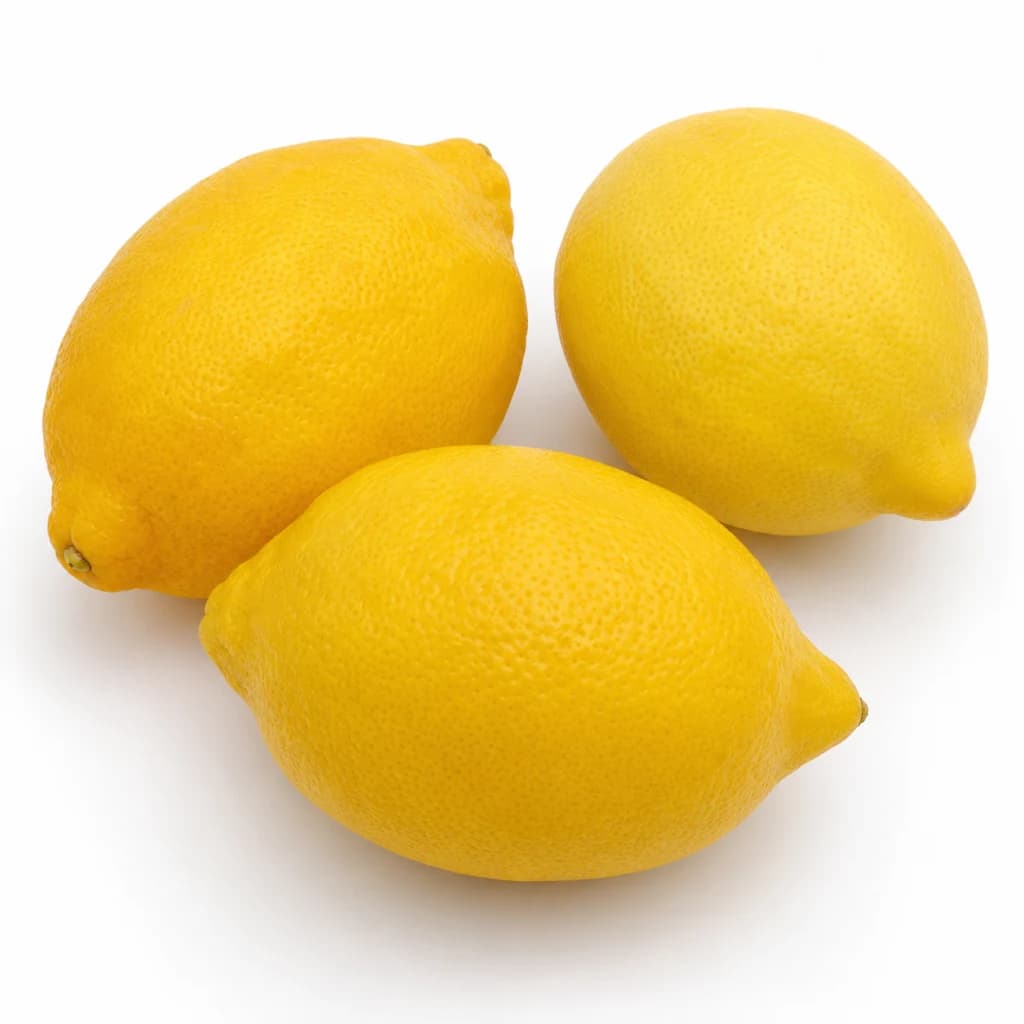
Lemon
Bright, acidic citrus that wakes up almost any dish
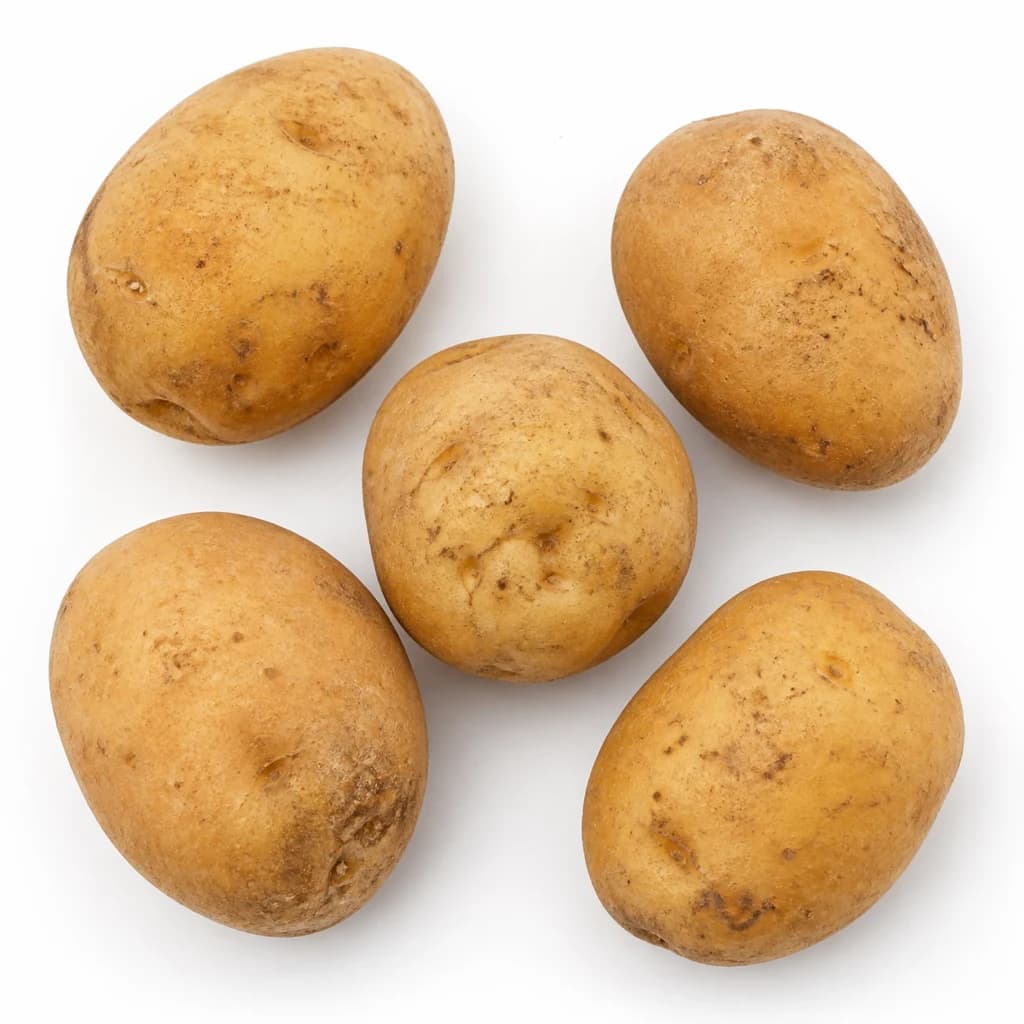
Potato
Humble, hearty staple — roast, mash, fry, or boil
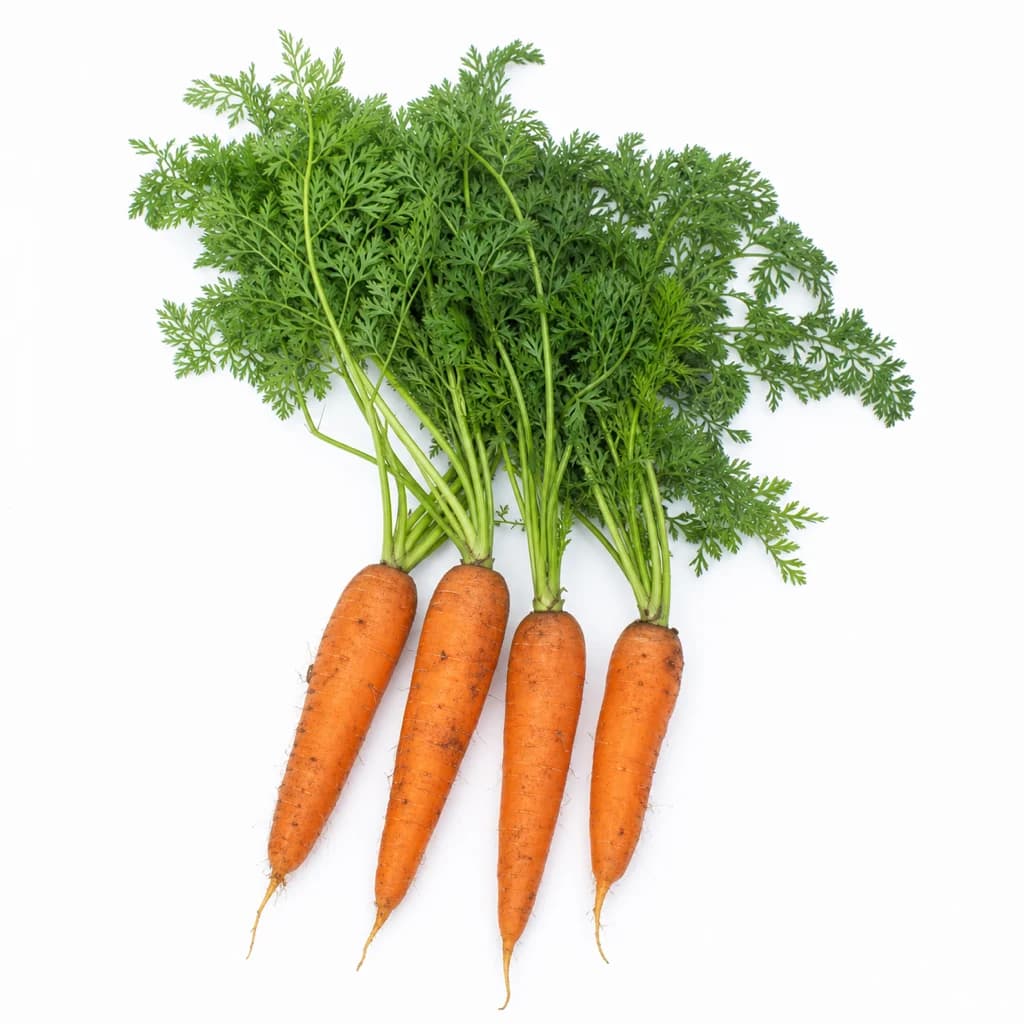
Carrot
Sweet, crunchy root — raw, roasted, or the base of a sofrito
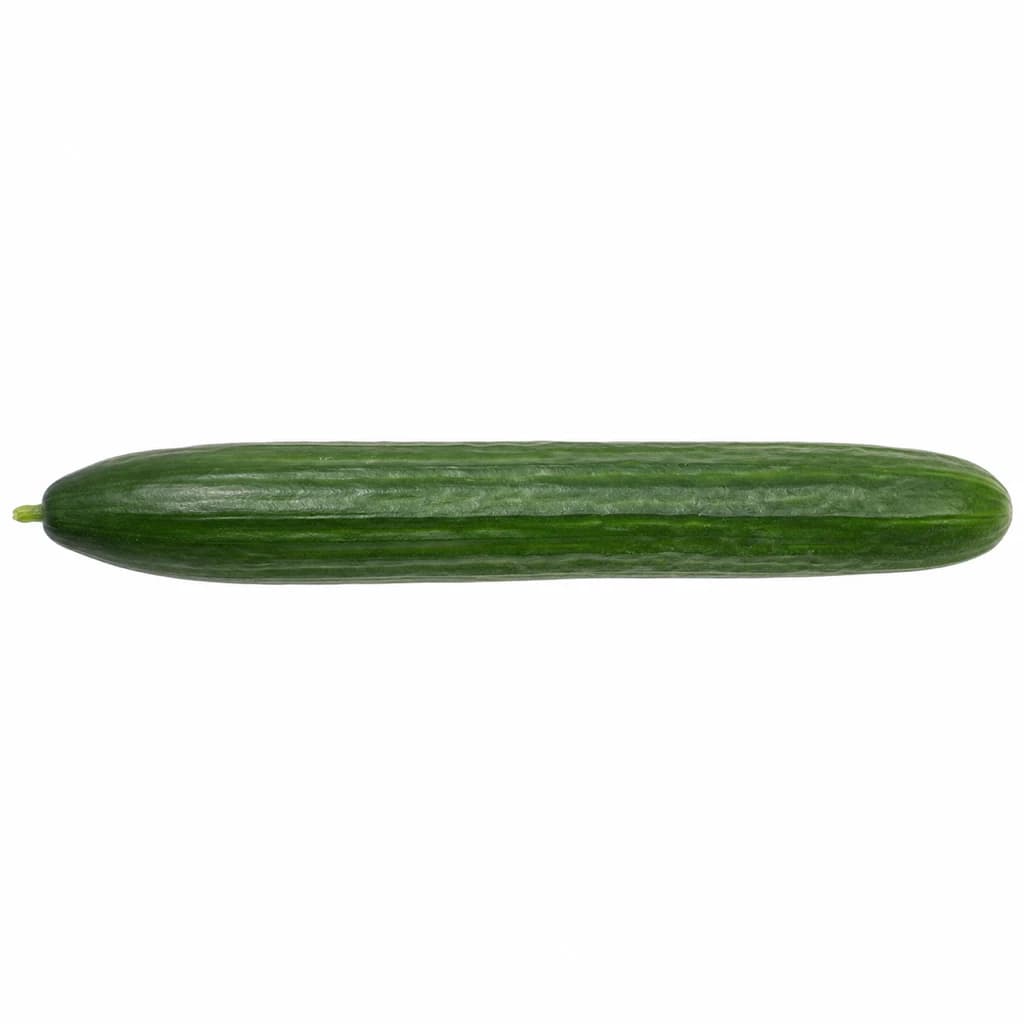
Cucumber
Cool, crisp, and watery — for salads, pickles, and tzatziki

Lettuce
Crisp leaves for salads, wraps, and a fresh crunch