
Natural form
Fresh black trumpet mushrooms just harvested, showing their distinctive dark funnel shape.
Shows the whole mushroom's identifying characteristics — dark gray-to-black color, thin-walled funnel shape, and wavy irregular edges — so readers can recognize it in the wild or at market.
Produce
Black Trumpet Mushroom
Dark, funnel-shaped wild mushroom with rich, smoky, earthy flavor.
Black trumpet mushrooms are thin, funnel-shaped wild mushrooms ranging from dark gray to black, prized by foragers for their deep, smoky, almost truffle-like flavor. They are sautéed in butter, folded into risottos, pastas, and sauces, or dried to concentrate their aroma. Their delicate texture and intense taste make a little go a long way.
Black Trumpet Mushroom is among the most prized wild mushrooms in French and Italian cuisines, valued for its intense, smoky depth that few cultivated varieties can replicate. Distinguished by its dark grey to black funnel-shaped cap and hollow stem, this delicate fungus grows exclusively in association with hardwood trees—particularly beech, oak, hornbeam, and birch—making commercial cultivation impossible and wild foraging necessary. Despite its ominous common name "Trumpet of Death" (Trompette de la Mort), it is neither toxic nor dangerous; the name derives from its dark coloring against autumn forest floors and its trumpet-like silhouette. The thin, papery flesh cooks in moments and develops remarkable concentration when dried, yielding a flavor often compared to black truffle with additional smoky, woody notes that anchor rich dishes like cream sauces, risottos, and stuffings. Unlike true chanterelles, black trumpets have smooth outer surfaces with faint vein-like ridges rather than forking gills, and their interior is hollow—a reliable identification marker when foraging.
- Measured in
- g
- Storage
- Fridge
Types & varieties
The primary species; dark grey to black funnels with smooth, false gills rather than true gills and a hollow interior
A related species sometimes called the "winter chanterelle"; more conical shape and lighter coloring; debated by taxonomists as distinct species or regional variant
Grey/black variety with more pronounced gill-like ridges; less common than C. cornucopioides
Common uses
Tips & pitfalls
- Never discard the cooking liquid from reconstituted mushrooms—it is deeply flavored and should be strained and used in sauces, soups, or risotto
- Reconstitute dried specimens in warm water for 20–30 minutes rather than cold; the mushrooms soften evenly and release their flavor into the liquid
- When cleaning fresh specimens, work quickly under cold running water or in a bowl of water, as prolonged soaking makes them disintegrate; use a soft brush to dislodge embedded forest debris from the funnel interior
- Add fresh specimens to hot fat in the last 2–3 minutes of cooking; their thin flesh cooks in moments and overcooking produces a rubbery texture
- Always use a generous amount of fat (butter or oil) when sautéing, as these mushrooms are inherently lean and absorb fat readily—under-oiled sauté produces dry, disappointing results
- When foraging, look for the characteristic hollow stem and absence of true gills (only faint, vein-like ridges on the exterior); the dark color camouflages them in leaf litter under beech, oak, hornbeam, and birch
- Never eat raw; always cook thoroughly to break down chitin and eliminate any trace of harmful bacteria common to wild-foraged mushrooms
- For maximum umami impact, dry specimens in a dehydrator or on a screen in a warm, dry location until completely crisp before storing
Nutrition
Energy
134 kJ · per 100 g
Where the calories come from
Protein
1.5g
3% DV
Carbs
6.9g
2% DV
Fat
0.5g
1% DV
Fiber
3.8g
14% DV
Sugars
1.2g
of which
Sodium
9mg
0% DV
Source · USDA FoodData Central · approx. Mushrooms, Chanterelle, raw
View on FDC →In the shops
Matched grocery products
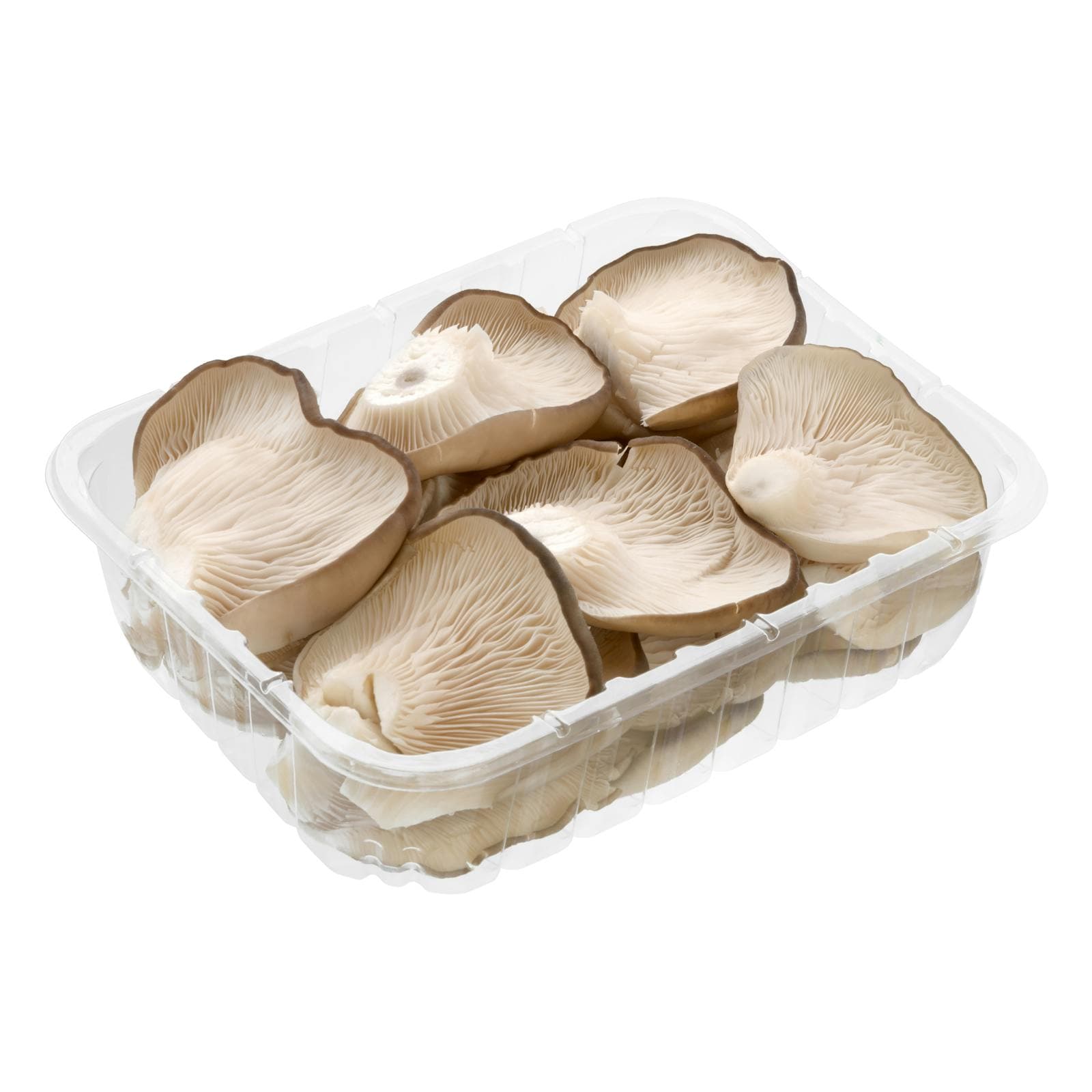 €2.05
€2.05Mushrooms
250 g · Mercadona
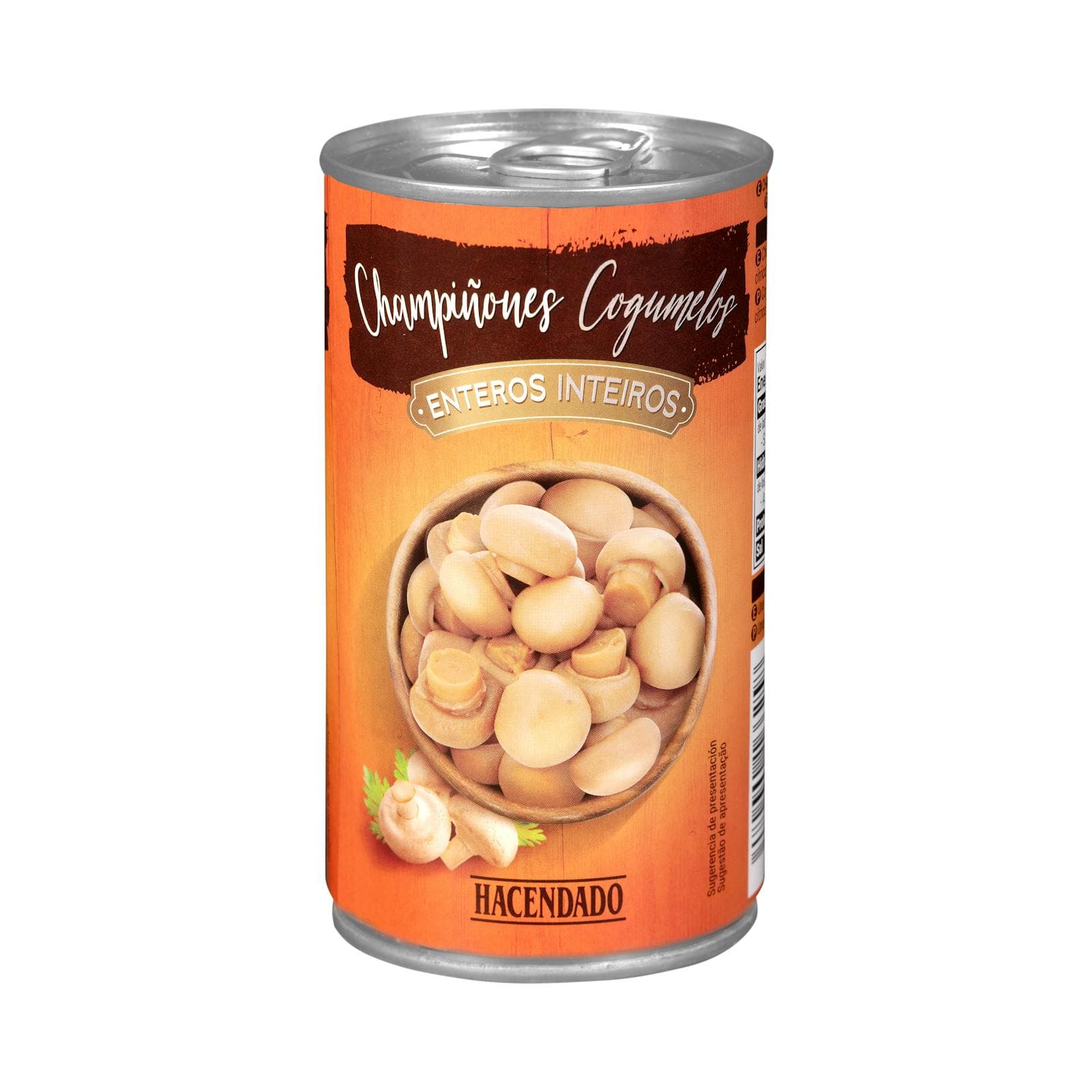 €1.45
€1.45Whole Mushroom
Hacendado · 355 g · Mercadona
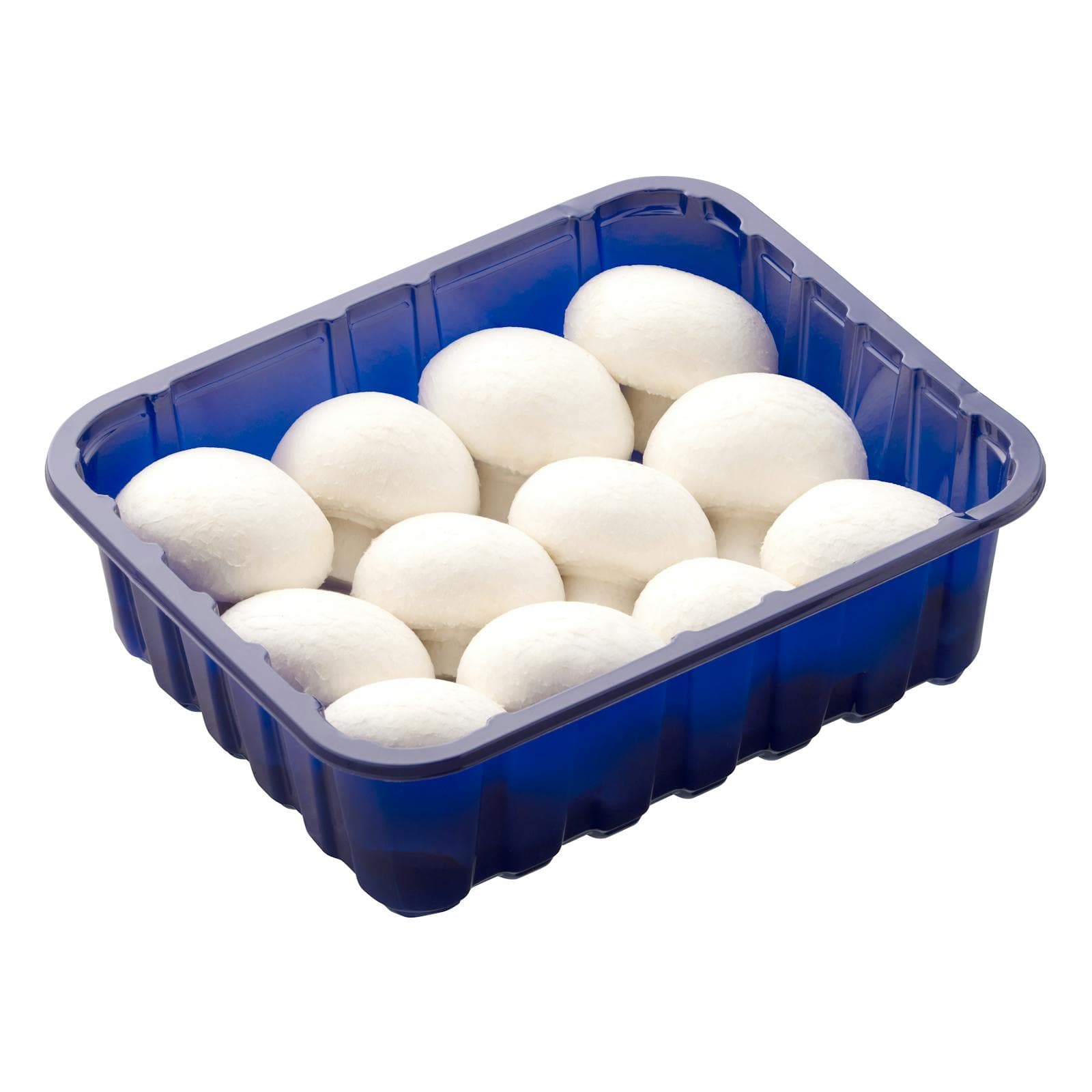 €1.50
€1.50White Mushrooms
300 g · Mercadona
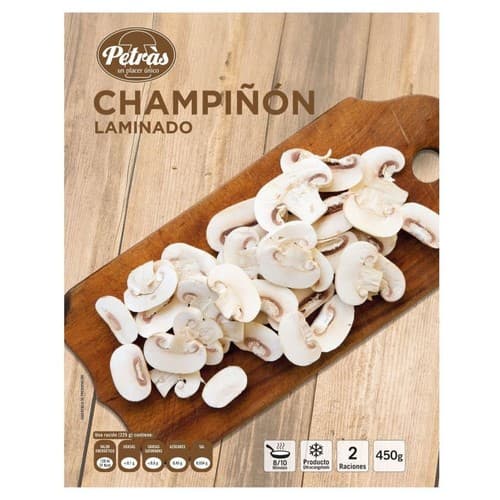 €1.99
€1.99Sliced Mushrooms
PETRAS · kg · Bonpreu
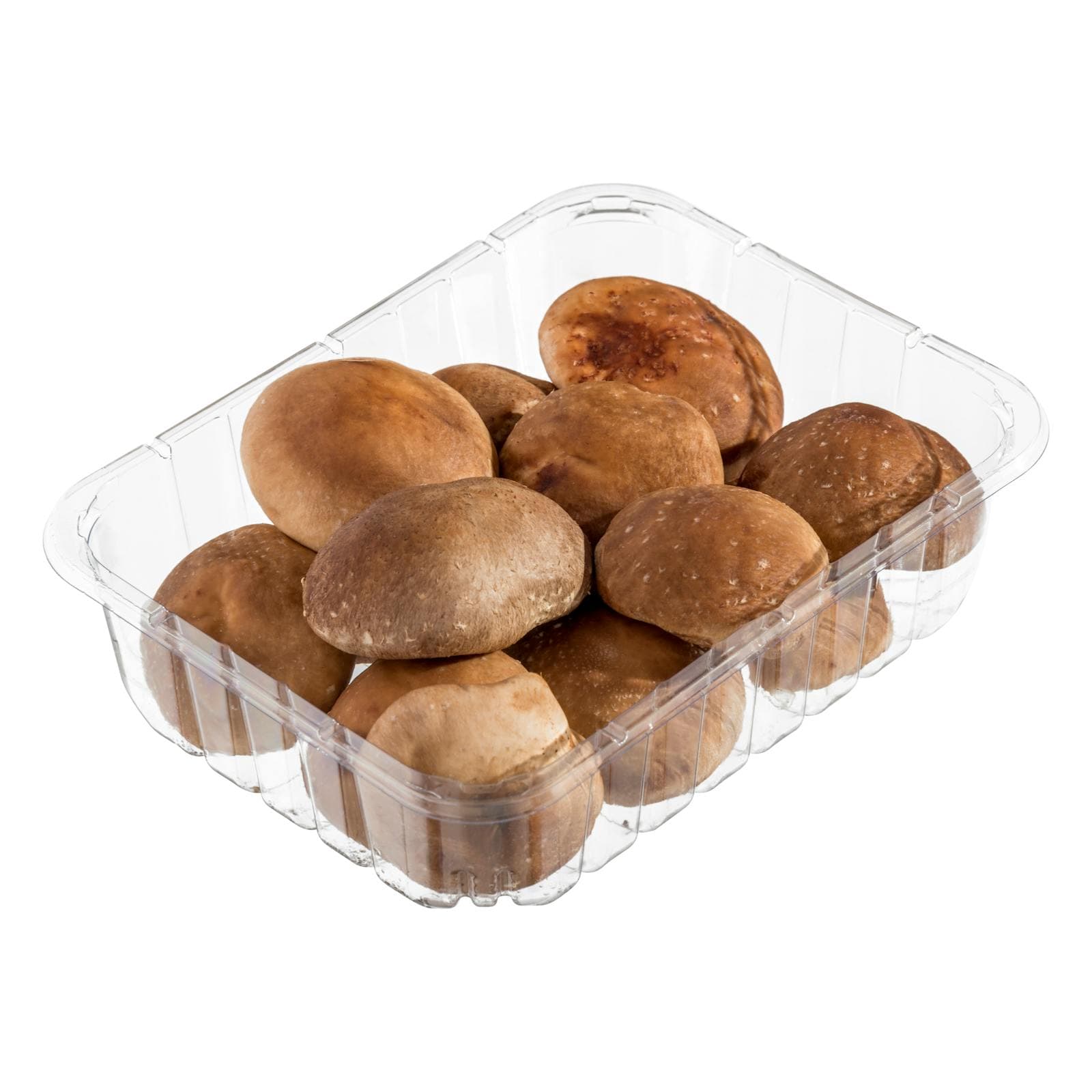 €3.96
€3.96Shiitake Mushrooms
300 g · Mercadona
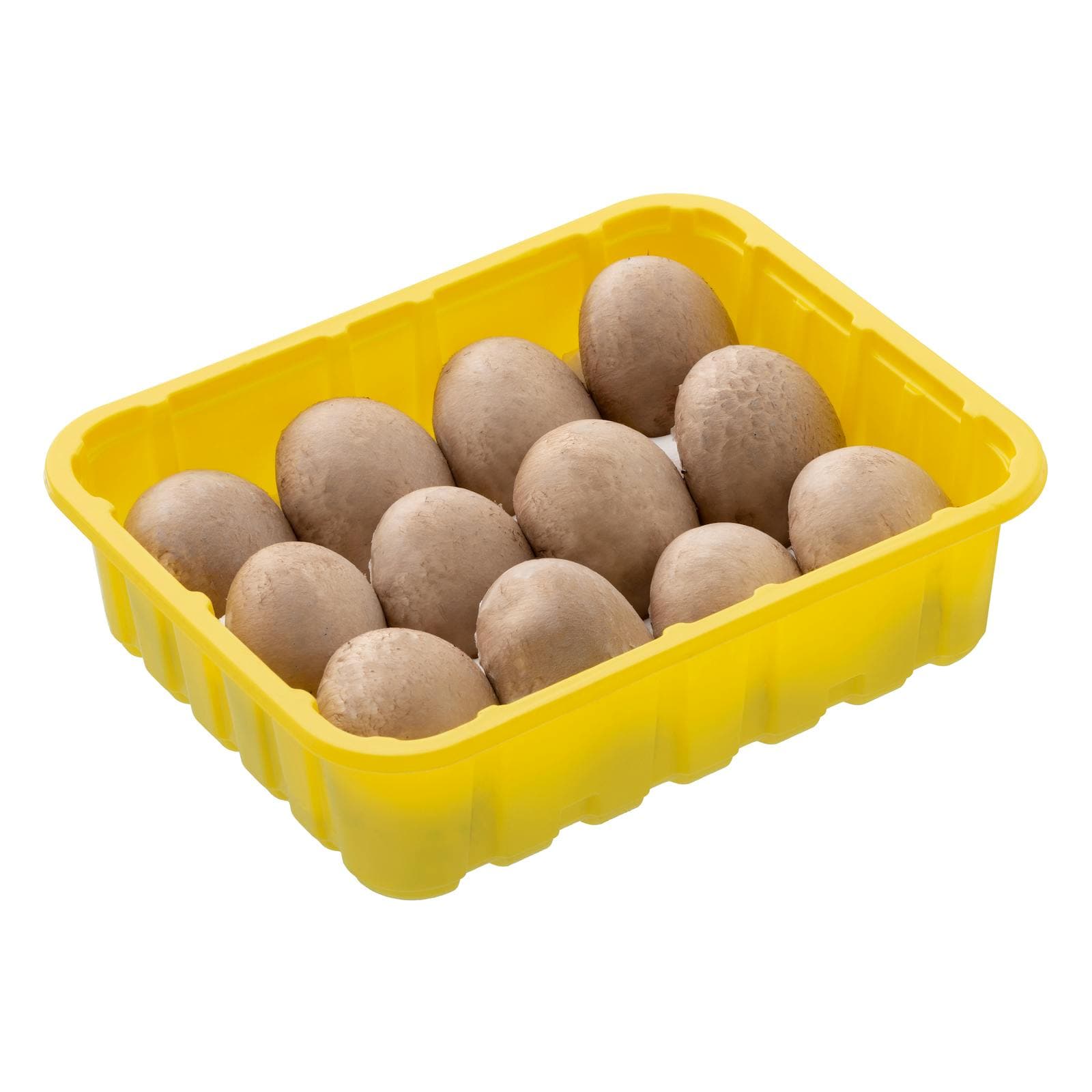 €2.16
€2.16Portobello Mushrooms
300 g · Mercadona
Good to know
- Also known as
- Black Chanterelle, Horn of Plenty, Trompette de la Mort (Trumpet of Death), Cornucopia mushroom
- Scientific name
- Craterellus cornucopioides (formerly Cantharellus cornucopioides)
- Origin
- Native to hardwood forests of temperate zones across Europe, North America, and Asia; exclusively foraged, not commercially cultivated
- Season
- Late summer through fall, typically after rainfall when humidity is high
- Flavor profile
- Deeply earthy, smoky, and woody with subtle black truffle notes; flavor intensifies dramatically when dried
- Texture
- Thin, papery, fragile flesh; tender when young, becoming slightly rubbery with age
- Color
- Dark grey to nearly black when fresh; darkens further when cooked
- Typical size
- Funnel 2–6 cm wide, hollow stem 4–10 cm tall
- Storage
- Refrigerate in paper bag up to 5 days; freeze after sautéing; dry for long-term storage (keeps 6–12 months)
- Yield
- Approximately 10:1 fresh-to-dry ratio; very high shrinkage when dried
- Nutritional note
- High in protein, fiber, B vitamins (especially niacin), iron, potassium, and selenium
- Difficulty
- Foraging requires expertise to distinguish from toxic look-alikes; purchasing from reputable foragers eliminates risk
Substitutes
- Dried porcini — More readily available; different flavor (fruity, nutty) but similar meaty, chewy texture; use 70% of called-for black trumpet quantity
- Dried chanterelles — Milder, less smoky flavor but closest in texture; reconstitute using same method
- Fresh or dried black truffle — Different character entirely but shares deep umami and earthy notes; use sparingly as garnish or shave directly into dish
- Fresh hedgehog mushroom — Better than most for fresh substitution; mild flavor but firm texture holds up in quick sautés
Pairs with
Also called
Black Trumpet · Horn of Plenty · Trompette de la Mort
Related
Tomato
Juicy, sun-sweet fruit for sauces, salads, and slow-cooked depth
Yellow Onion
The aromatic backbone of soups, sofritos, and braises
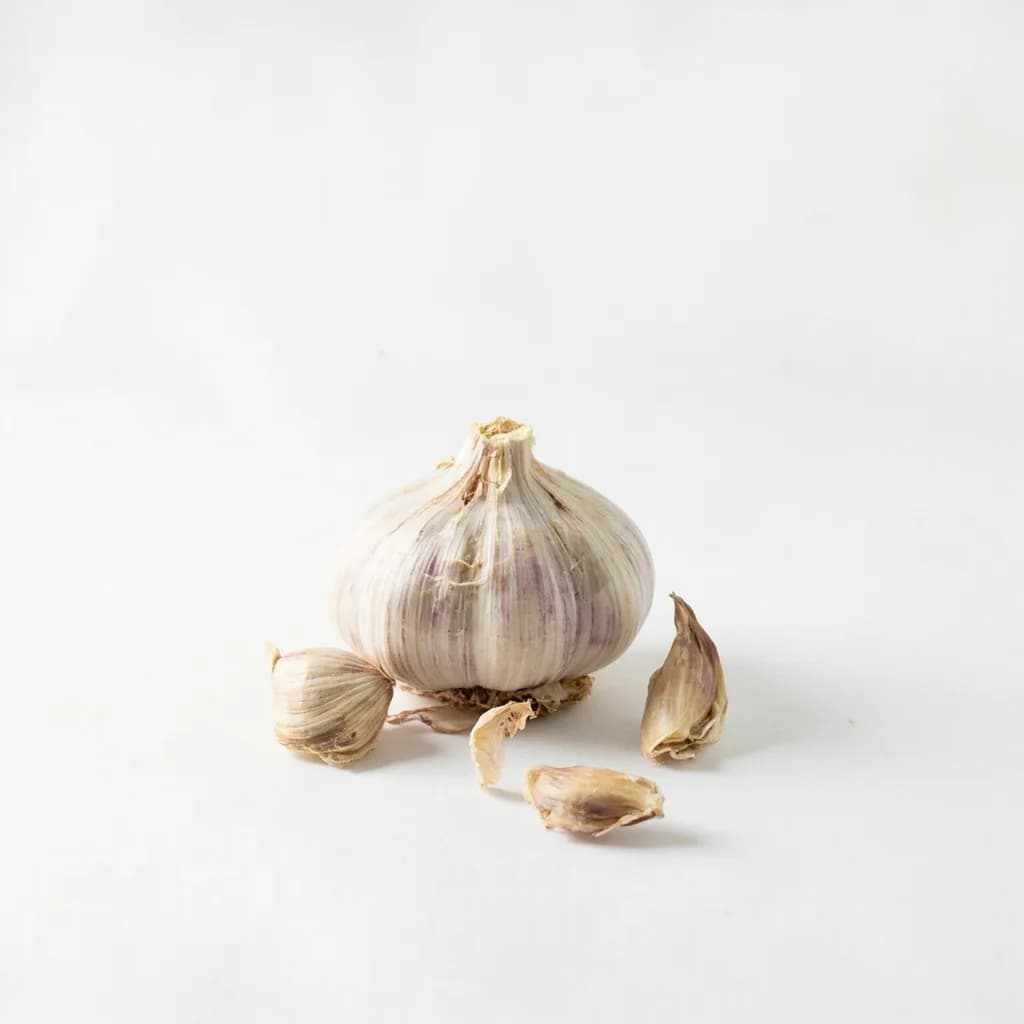
Garlic
Pungent cloves that perfume nearly every savory dish
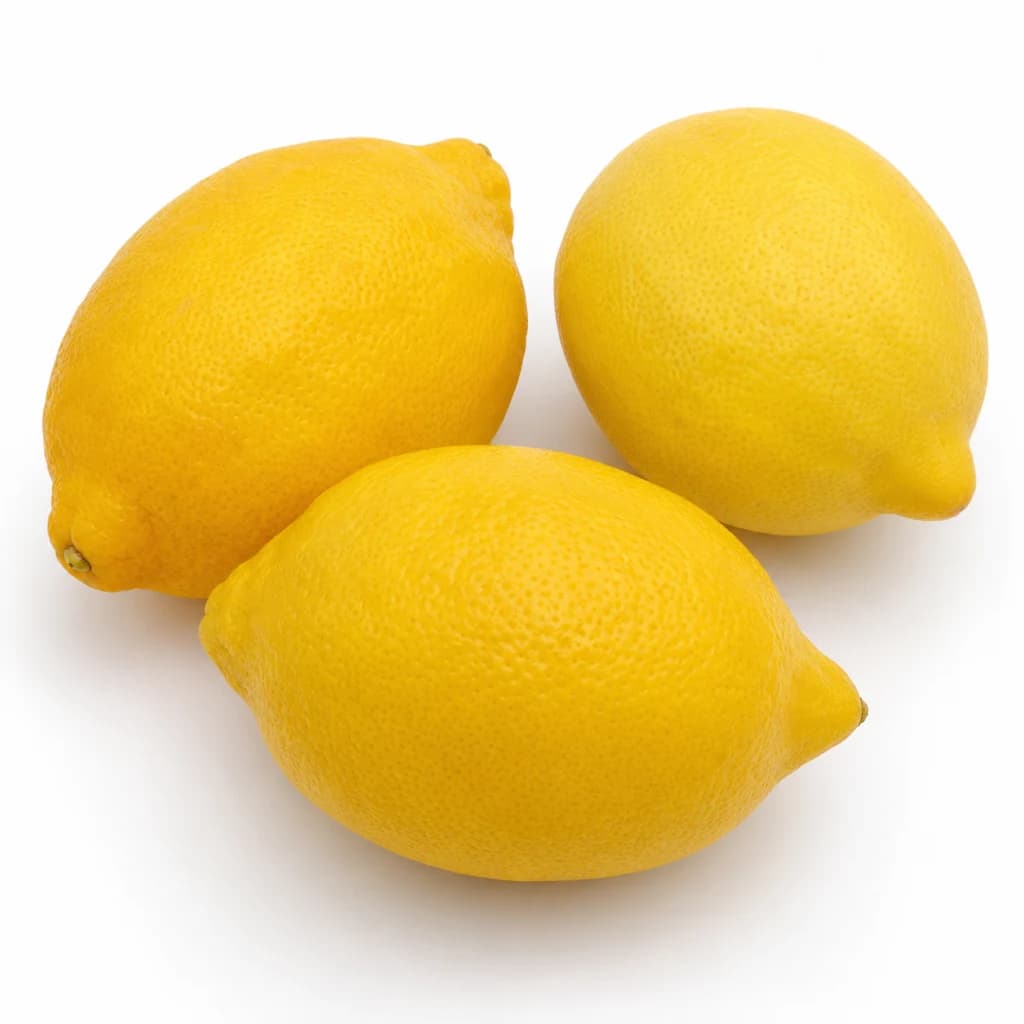
Lemon
Bright, acidic citrus that wakes up almost any dish
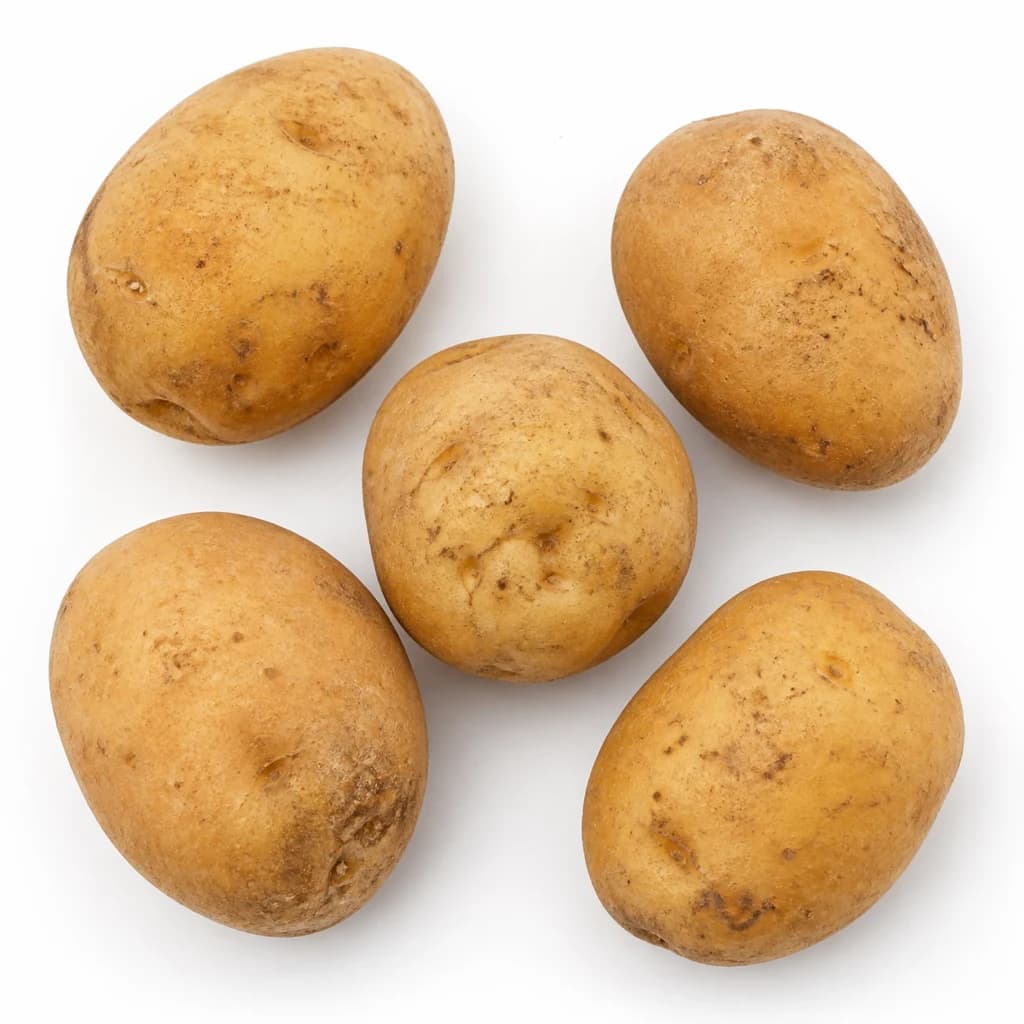
Potato
Humble, hearty staple — roast, mash, fry, or boil
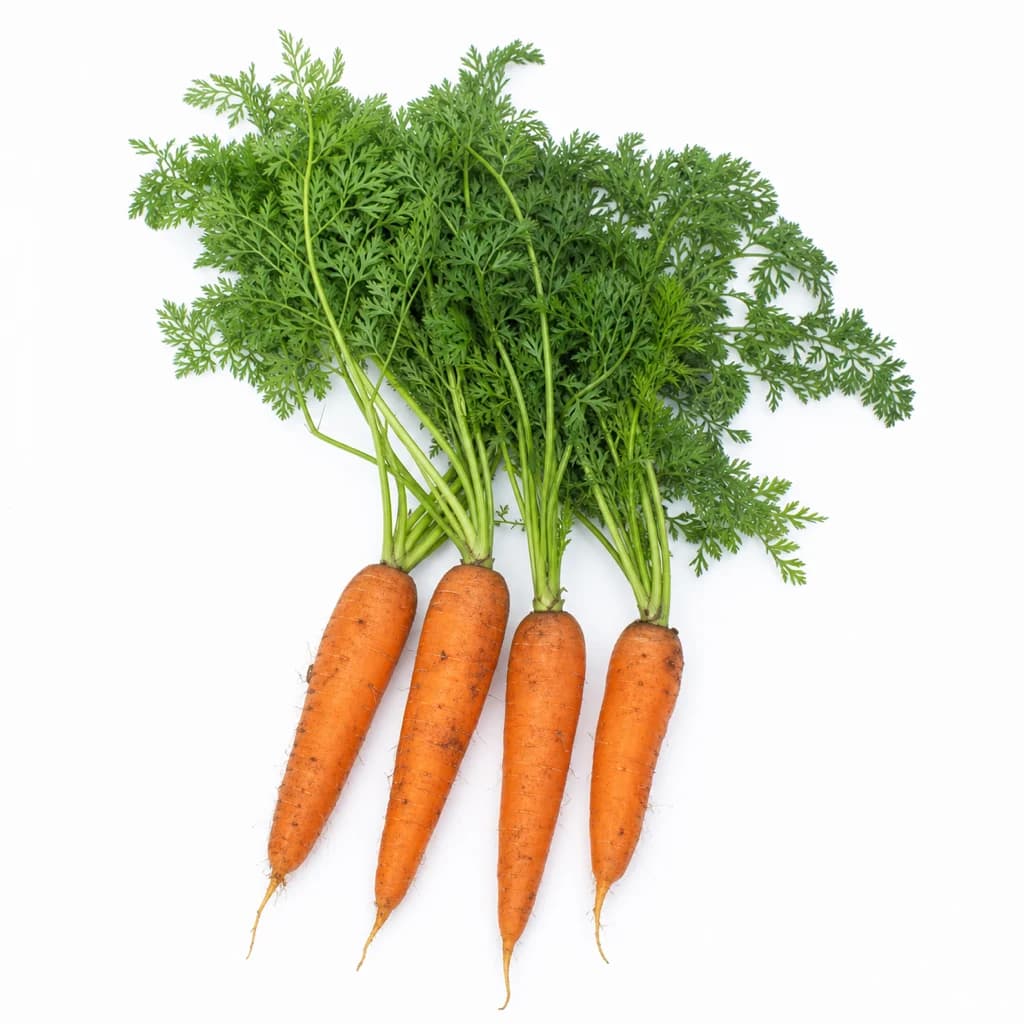
Carrot
Sweet, crunchy root — raw, roasted, or the base of a sofrito
Cucumber
Cool, crisp, and watery — for salads, pickles, and tzatziki

Lettuce
Crisp leaves for salads, wraps, and a fresh crunch